
Roll-to-Roll Coater Fabricates GDEs with Precision for Direct Membrane Deposition in Fuel Cells
In a new study, researchers from Freudenberg e-Power Systems GmbH used an infinityPV Laboratory Roll-to-Roll Coater to improve the fabrication of low-temperature polymer electrolyte membrane fuel cells (LT-PEMFCs).
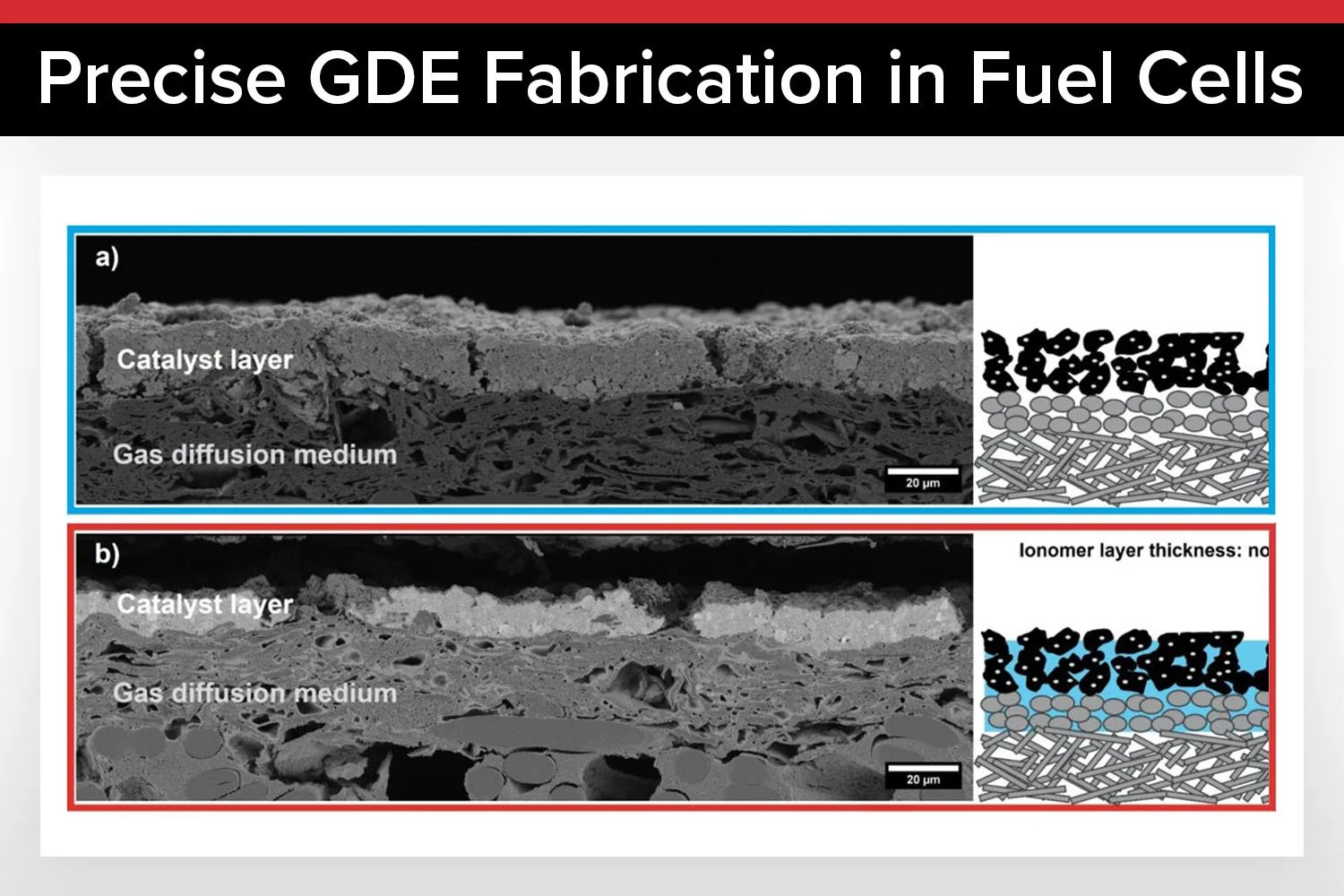
Traditional fuel cell manufacturing methods, such as catalyst-coated membranes (CCMs) or gas diffusion electrode (GDE) approaches, often struggle with scalability, high costs, and poor membrane-electrode interfaces, leading to performance losses.
The team explored Direct Membrane Deposition (DMD) via knife blade coating, a more scalable alternative to ink-jet or spray coating. By optimizing ionomer dispersion formulations, they achieved better membrane formation, proton conductivity, and mass transport in LT-PEMFCs.
The Laboratory Roll-to-Roll Coater fabricated ionomer-coated GDEs (IC-GDEs) with tailored rheological properties. The research demonstrates how precision coating can enhance fuel cell performance by balancing proton transport and oxygen diffusion, which is critical for real-world applications.
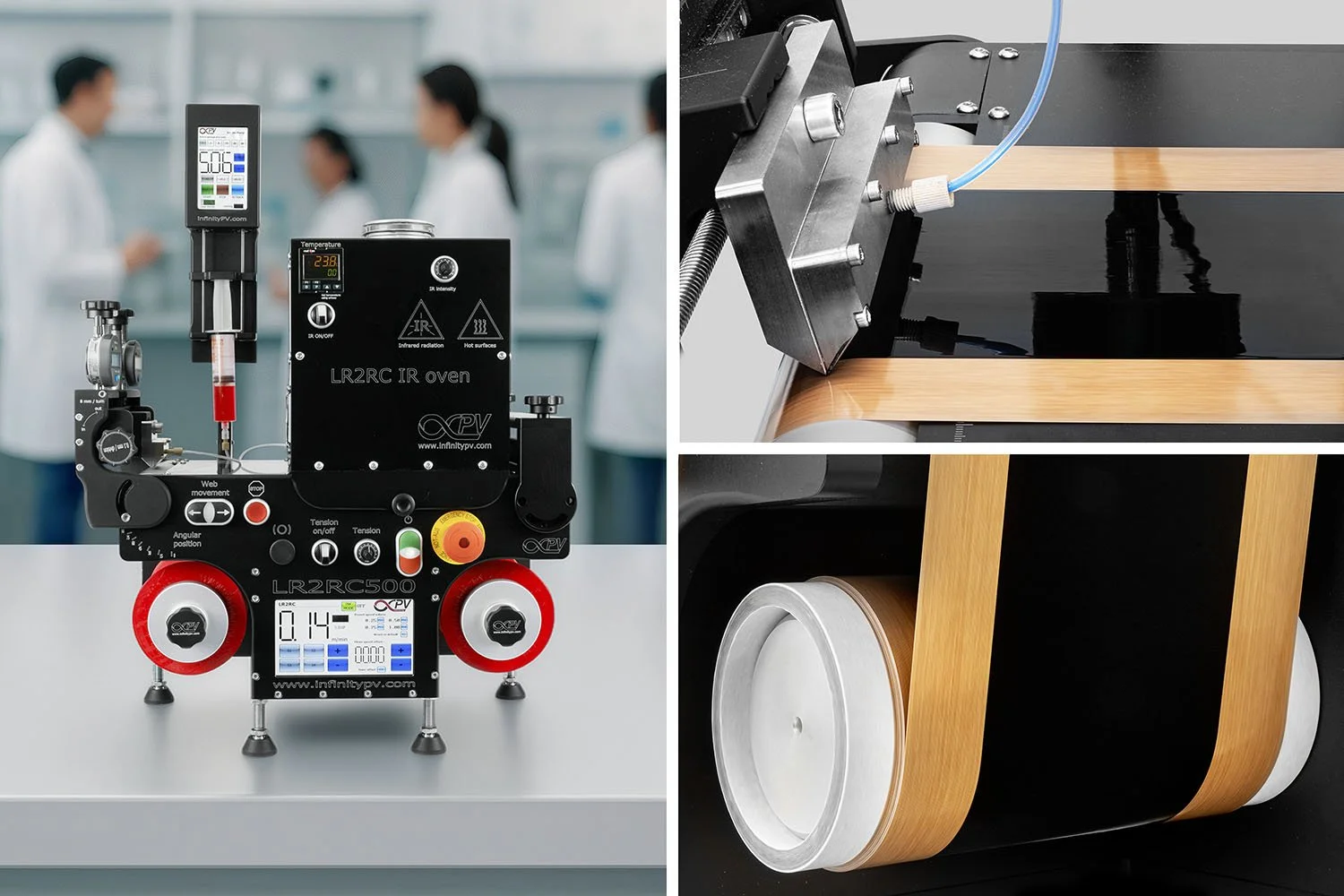
The Laboratory Roll-to-Roll Coater was used to fabricate gas diffusion electrodes (GDEs) with precise catalyst ink deposition.
How the Laboratory Roll-to-Roll Coater Was Used
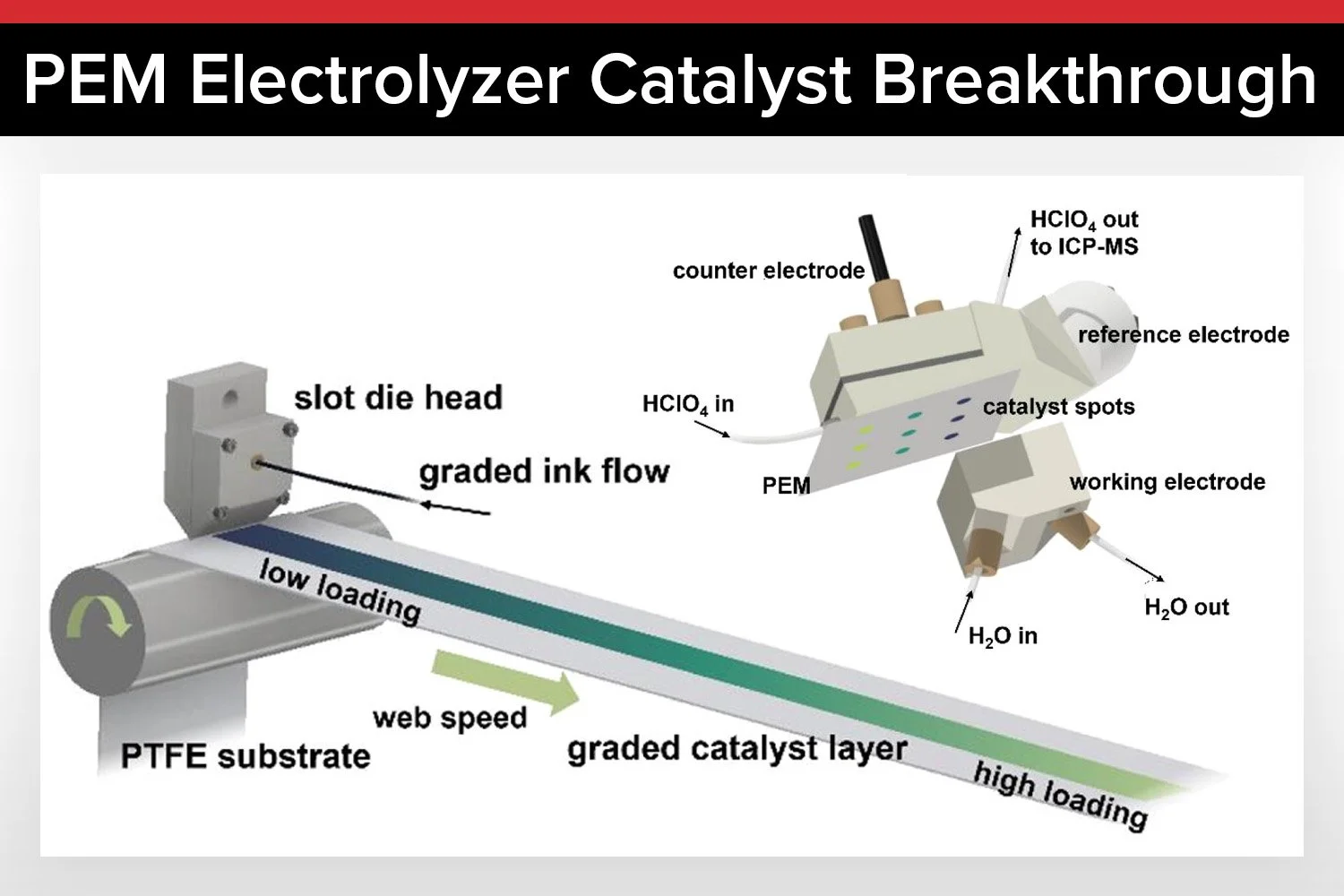
The study used infinityPV’s Laboratory Roll-to-Roll Coater to fabricate gas diffusion electrodes (GDEs) with precise catalyst ink deposition. Pt/C catalyst inks were slot-die coated onto microporous GDL substrates, ensuring uniform thickness and loading.
Three ionomer formulations were then knife-blade coated onto cathode GDEs at 5 mm/s, achieving ~10 µm dry ionomer layers.
After drying, ionomer-coated GDEs were laminated with half-membranes in a hot-pressing process, resulting in 6-layer MEAs with a 12 cm² active area and ~20 µm membrane thickness.
“Gas diffusion electrodes are fabricated by a continuous slot-die process on a roll-to-roll machine (Infinity PV, Denmark), applying the catalyst ink onto the microporous side of a gas
diffusion layer (H14C15, Freudenberg Performance Materials, Germany) followed by drying off the solvents. The process parameters are chosen for anode and cathode to obtain a platinum loading of 0.1 and 0.35 mgPt cm-², respectively.”
What This Means for Your Research
This study demonstrates the reliability and precision of the Laboratory Roll-to-Roll Coater for advancing fuel cell and energy storage research.
The Laboratory Roll-to-Roll Coater enables researchers to efficiently test and optimize material formulations, such as ionomer dispersions, by providing consistent, high-quality coatings. This precision helps eliminate common issues like interfacial losses, improving performance in applications like direct membrane deposition (DMD).
For labs looking to scale up from small-scale methods to industrial-level production, the Laboratory Roll-to-Roll Coater offers a versatile and dependable solution. Its ability to fine-tune coating parameters ensures reproducible results, making it ideal for exploring new materials, optimizing processes, and transitioning research into real-world applications.
How Can We Help With Your Research?
Need help with slot-die coating or machines? Contact our experts for guidance and support.
Peer-Reviewed Studies Featuring the Laboratory Roll-to-Roll Coater


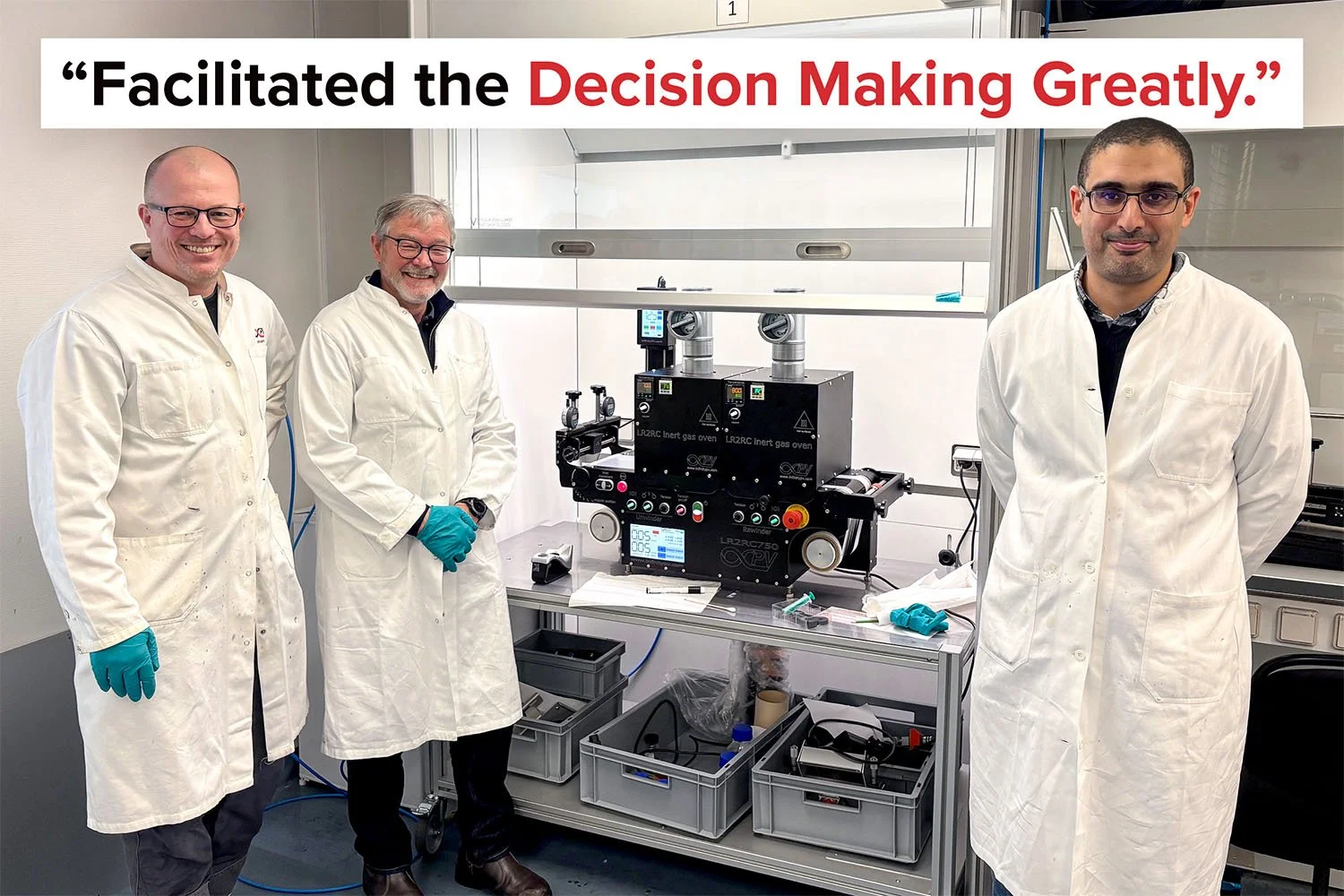


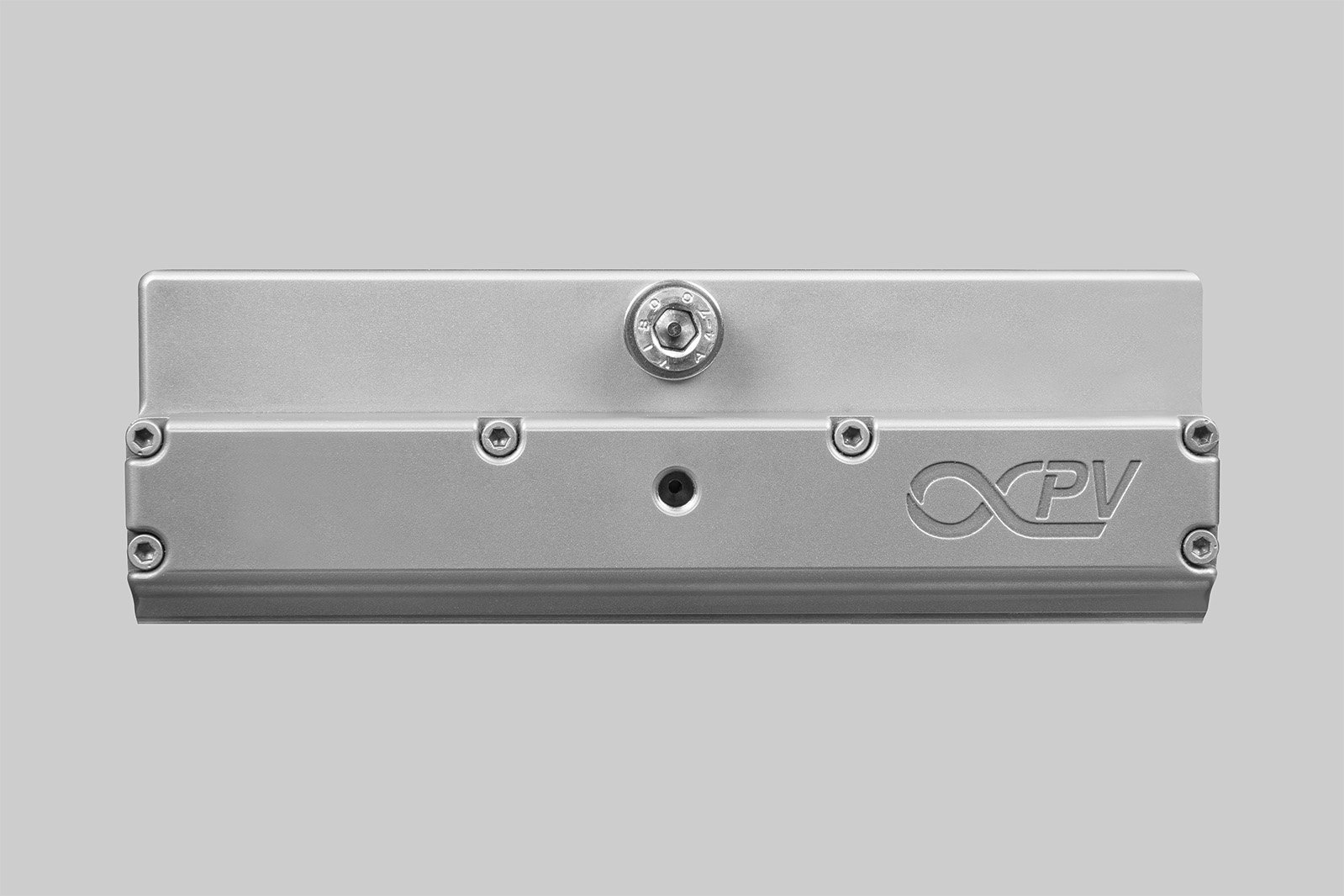

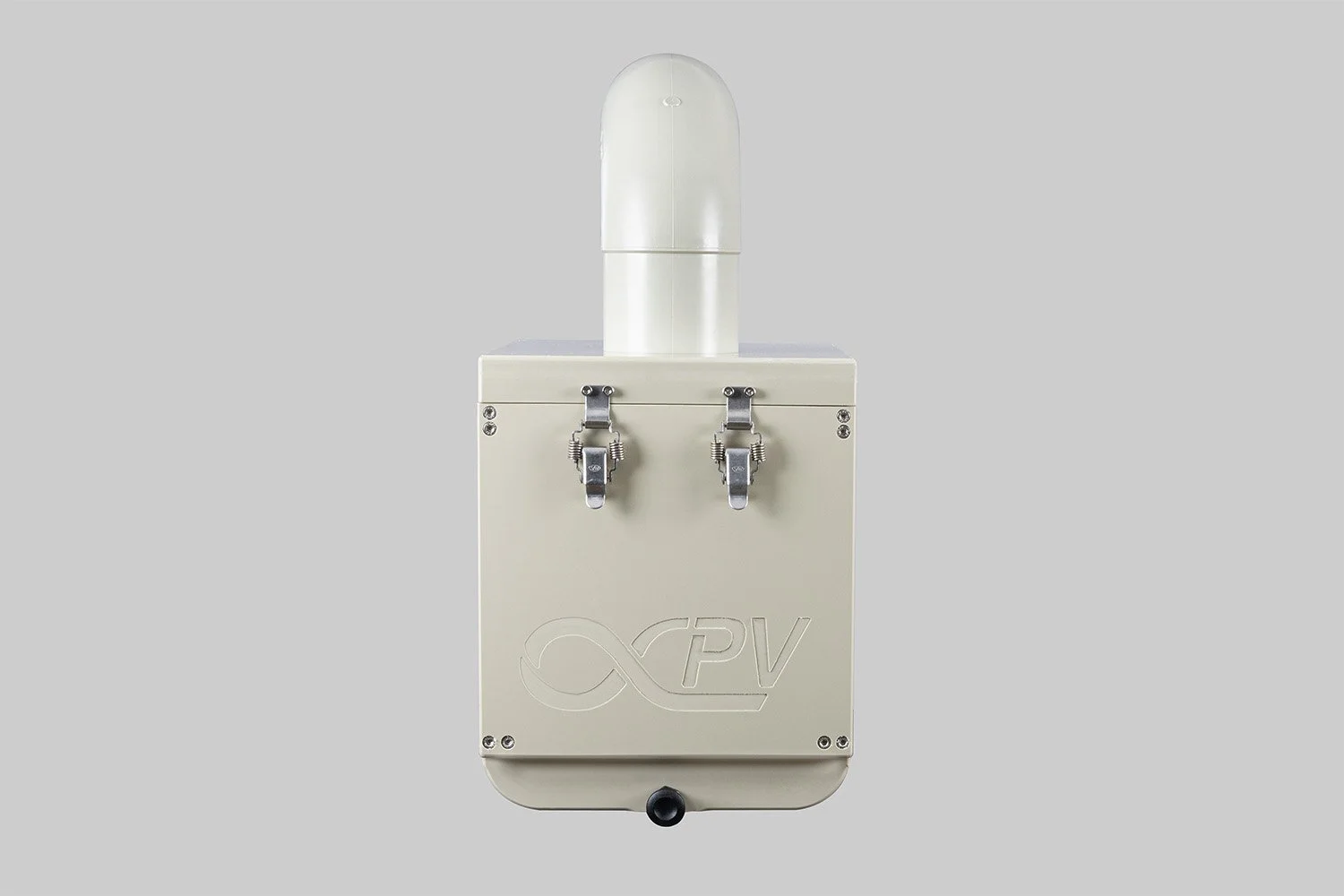


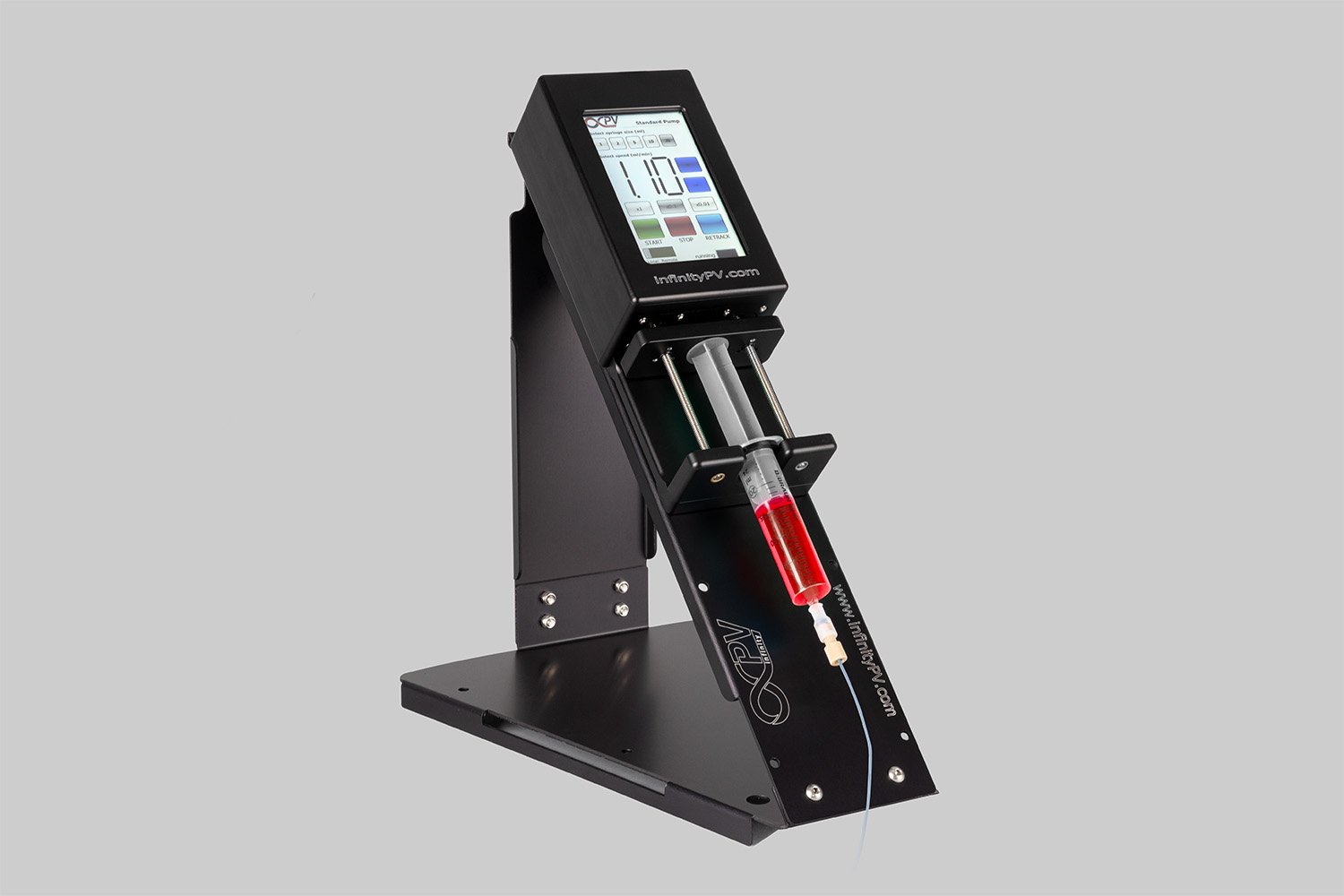
Probably the World’s Most Compact R2R Slot-die Coater: A compact, fully integrated roll-to-roll coating platform for laboratories, complete with a mounting system, anodized rollers, a syringe pump, a 65 mm stainless slot-die head and an infrared oven system—delivering unmatched precision and scalability.