
Roll-to-Roll Coater Enables Faster, Cheaper, and More Efficient Catalyst Testing
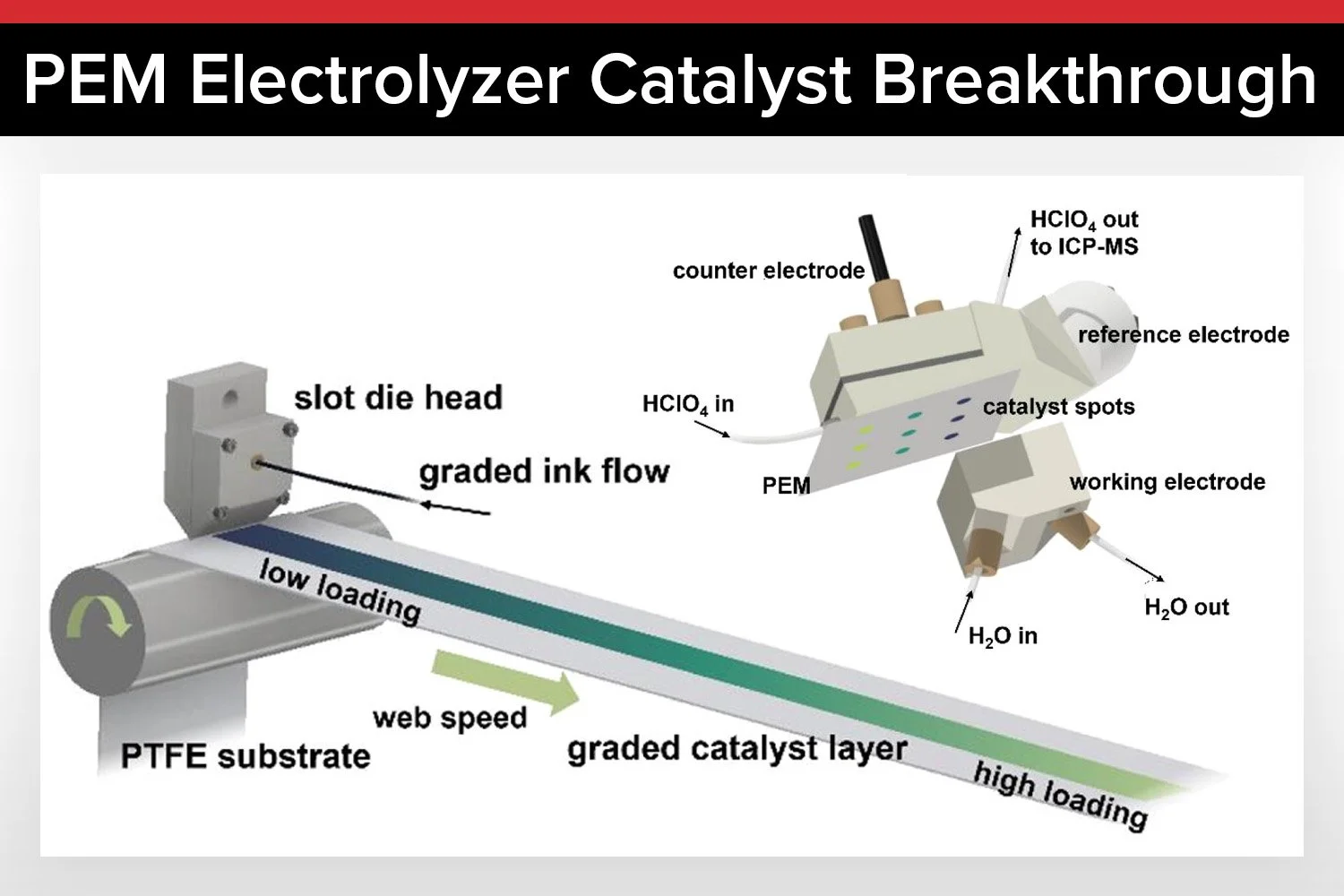
In a recent study, researchers from the Helmholtz-Institute Erlangen-Nürnberg for Renewable Energy demonstrated how the Laboratory Roll-to-Roll Coater can revolutionize catalyst layer optimization for proton exchange membrane water electrolysis (PEMWE). The study focused on reducing iridium usage (a critical and costly catalyst) while maintaining performance and stability.
By leveraging the Laboratory Roll-to-Roll Coater, the team achieved high-throughput fabrication and testing, significantly accelerating their research.
PEMWE is a key technology for green hydrogen production, but its scalability is limited by the high cost of iridium. Traditional optimization methods are slow and resource-intensive, requiring separate experiments for each catalyst loading.
This study introduces a faster, more efficient approach to catalyst development.
The Article in Short
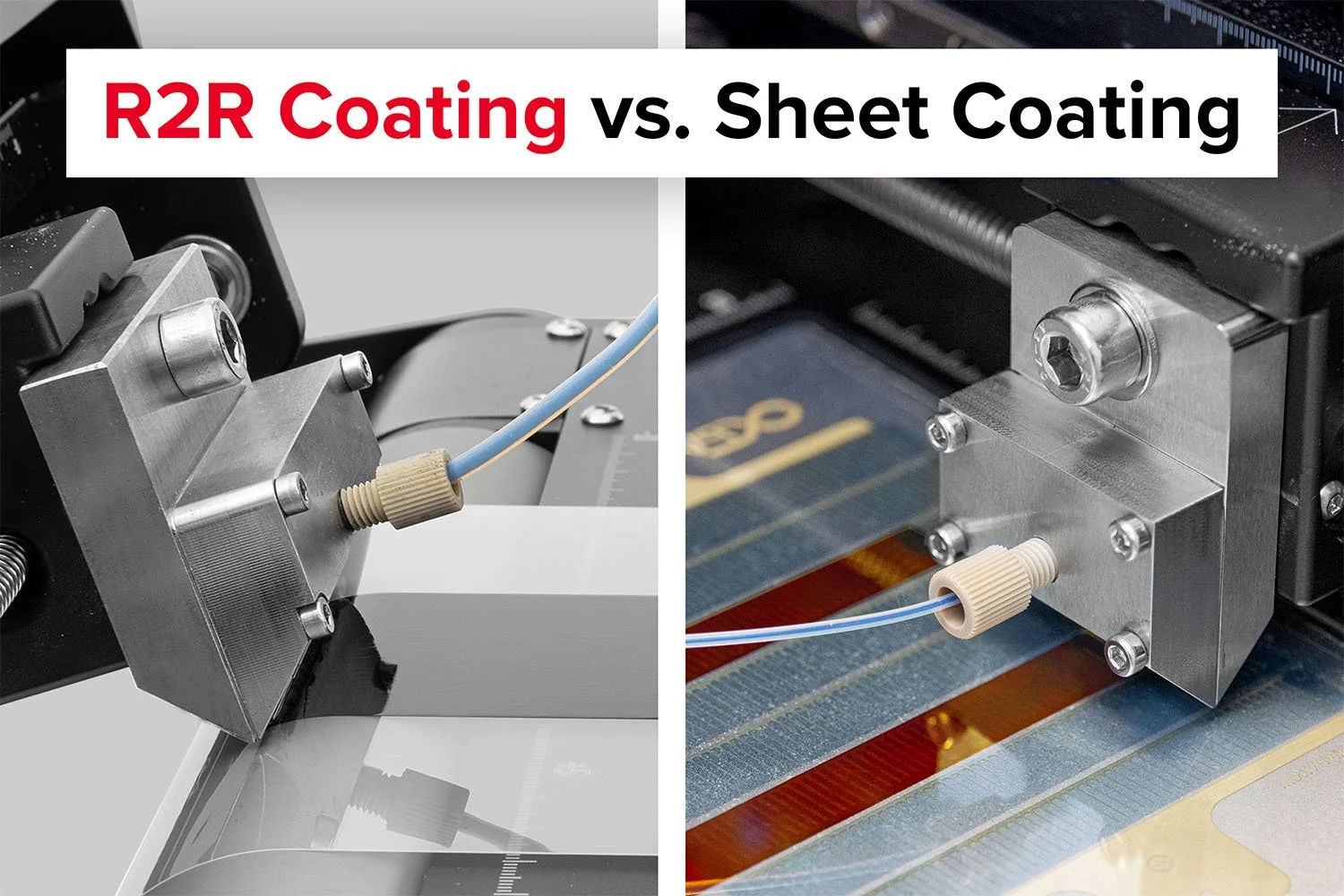
Optimizing catalyst layers for PEMWE traditionally involves testing multiple loadings and conditions separately, which is time-consuming, expensive, and wastes valuable materials. To overcome these challenges, the research team utilized roll-to-roll (R2R) slot die coating to create a single graded catalyst layer. By varying the iridium loading continuously from 1.44 mg/cm² to 0.86 mg/cm², they were able to test multiple loadings in a single experiment.
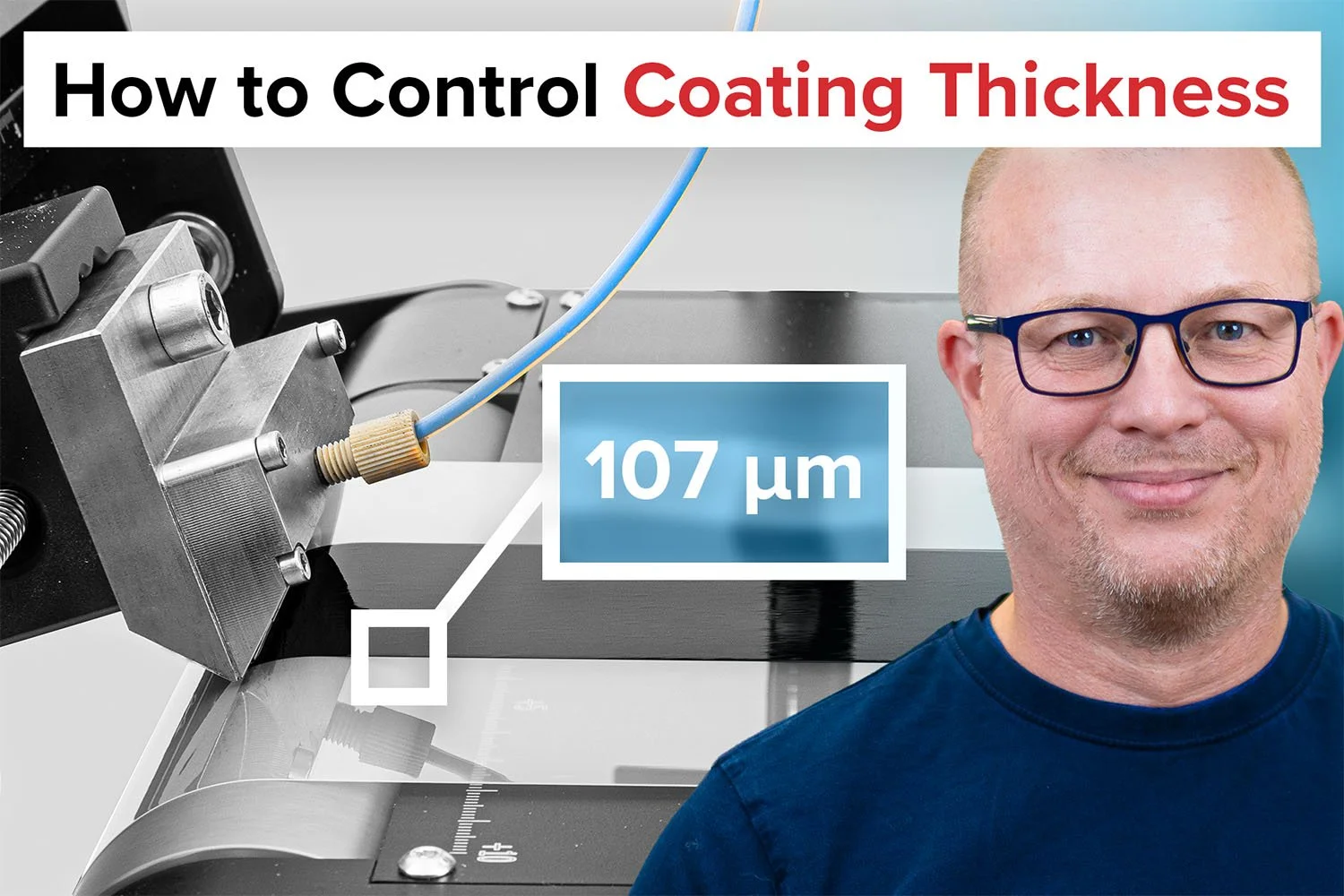
The team monitored the coating process in real time using a laser profile sensor to ensure consistency and detect any defects early. Performance analysis was conducted using X-ray fluorescence (XRF) and a half-cell ICP-MS setup. This innovative approach allowed the researchers to gather comprehensive data quickly and efficiently, aligning their results with industry standards.
Key Findings
A single graded coating replaced dozens of separate experiments, cutting testing time from weeks to days.
Higher iridium loadings improved catalyst activity, but stability decreased at higher currents, revealing a critical trade-off.
The laser sensor detected coating defects in real time, ensuring only high-quality samples were tested.
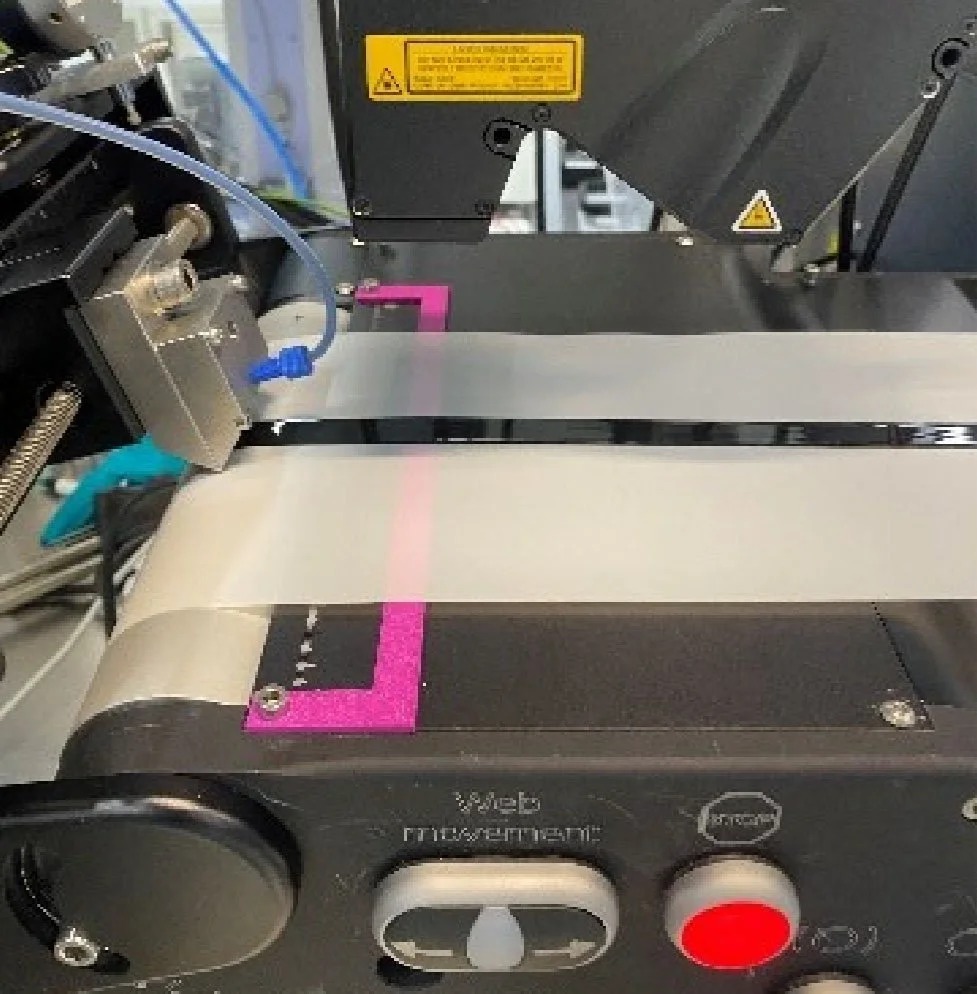
“For coating, we used a tabletop R2R coater (LR2RC1500, infinityPV, Denmark) with a nominal length of 1.5 m. The coating substrate was a 250 μm thick and 140 mm wide virgin PTFE (High-tech-flon, Germany).”
How the Laboratory Roll-to-Roll Coater Was Used
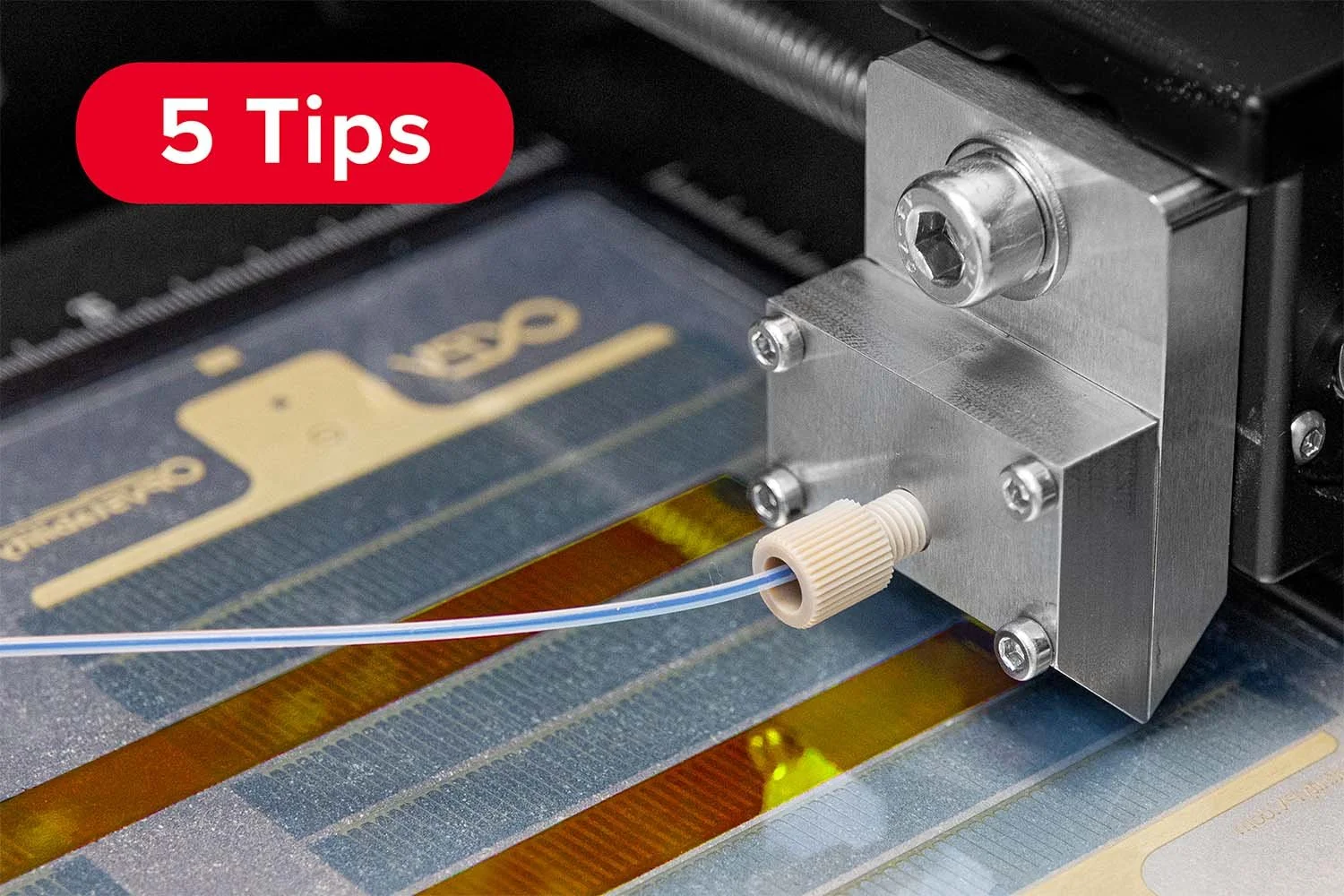
The Laboratory Roll-to-Roll Coater was instrumental in this study. Its low-dead-volume slot die head and modular design allowed the team to create a continuous gradient of catalyst loadings in a single run by adjusting ink flow rates. The inline laser sensor monitored the wet film thickness in real time, ensuring consistency and enabling early detection of defects. The Laboratory Roll-to-Roll Coater’s ability to customize drying conditions and web tension resulted in high-quality, reproducible coatings, making it an ideal tool for accelerating research and bridging the gap between lab and pilot-scale production.
What This Means for Your Research
This study demonstrates how high-throughput coating can transform catalyst development for energy applications. If your work involves PEM water electrolysis, the Laboratory Roll-to-Roll Coater can help you optimize catalyst layers more quickly and with less material waste.
For those researching batteries, fuel cells, or solar cells, the same graded coating approach can significantly accelerate your R&D efforts. When scaling up from lab to pilot production, the Laboratory Roll-to-Roll Coater’s modularity and real-time monitoring ensure consistent, high-quality results.
Learn more and build your own Laboratory Roll-to-Roll Coater.
How Can We Help With Your Research?
Need help with slot-die coating or machines? Contact our experts for guidance and support.
Related Products
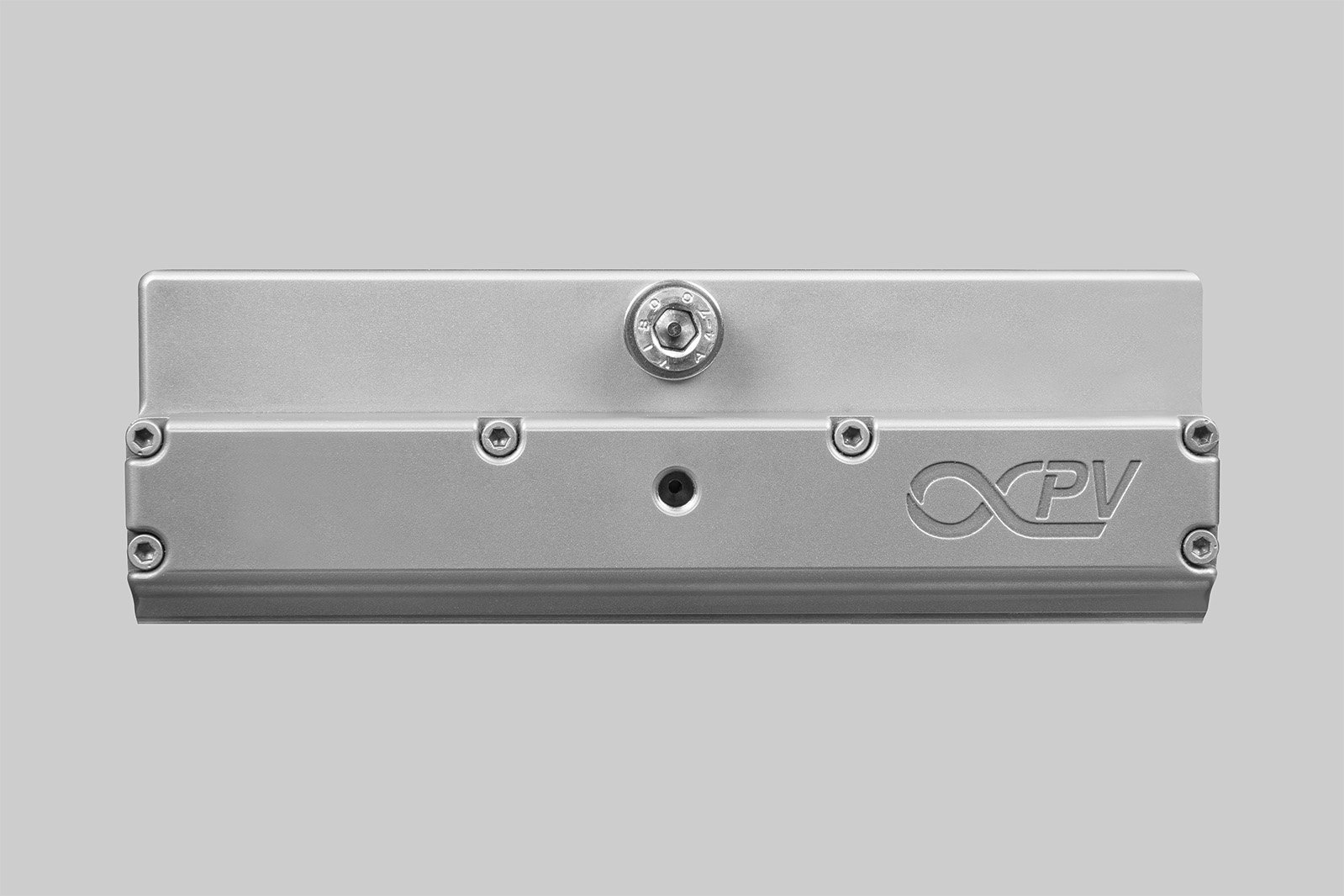

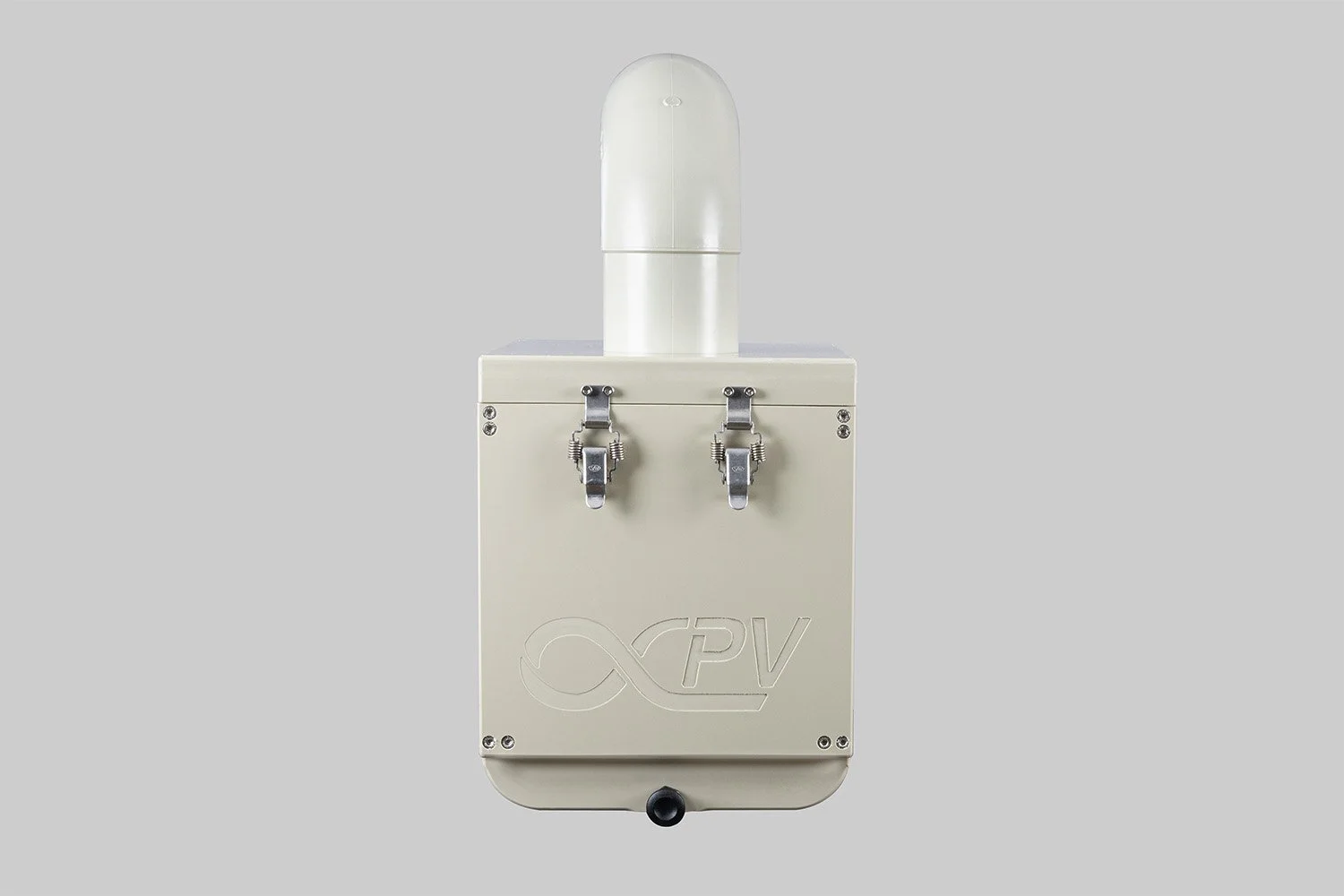


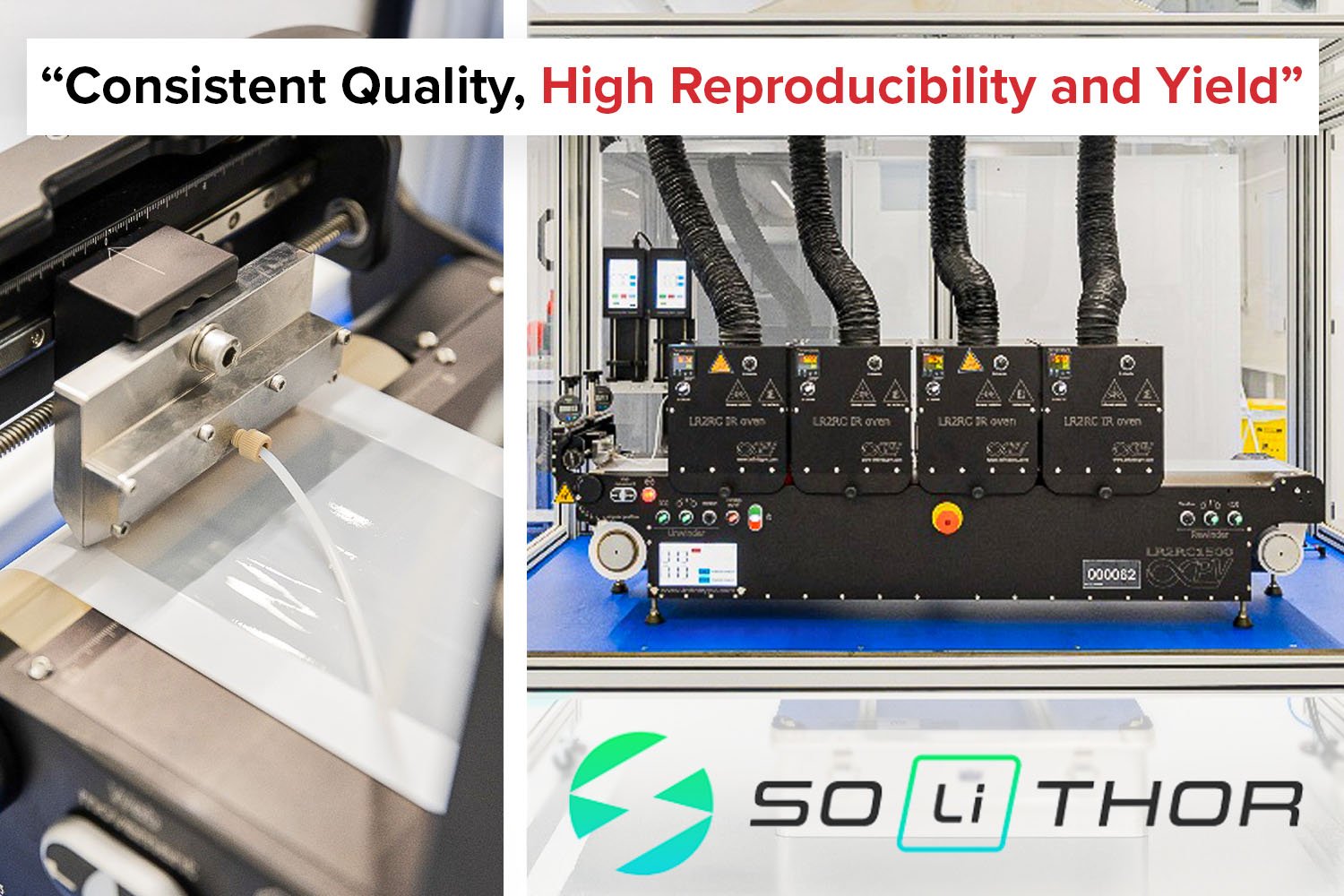







Probably the World’s Most Compact R2R Slot-die Coater: A compact, fully integrated roll-to-roll coating platform for laboratories, complete with a mounting system, anodized rollers, a syringe pump, a 65 mm stainless slot-die head and an infrared oven system—delivering unmatched precision and scalability.