
Latest News in Printed and Coated Technologies
We’re here to help you stay up-to-date with the latest developments in slot-die coating, roll-to-roll processing, solar cells, printed batteries, fuel cells, pharmaceuticals, OLEDs and more. Whether you're working in research, production, or application development, we keep you informed with relevant and reliable updates from across the field.
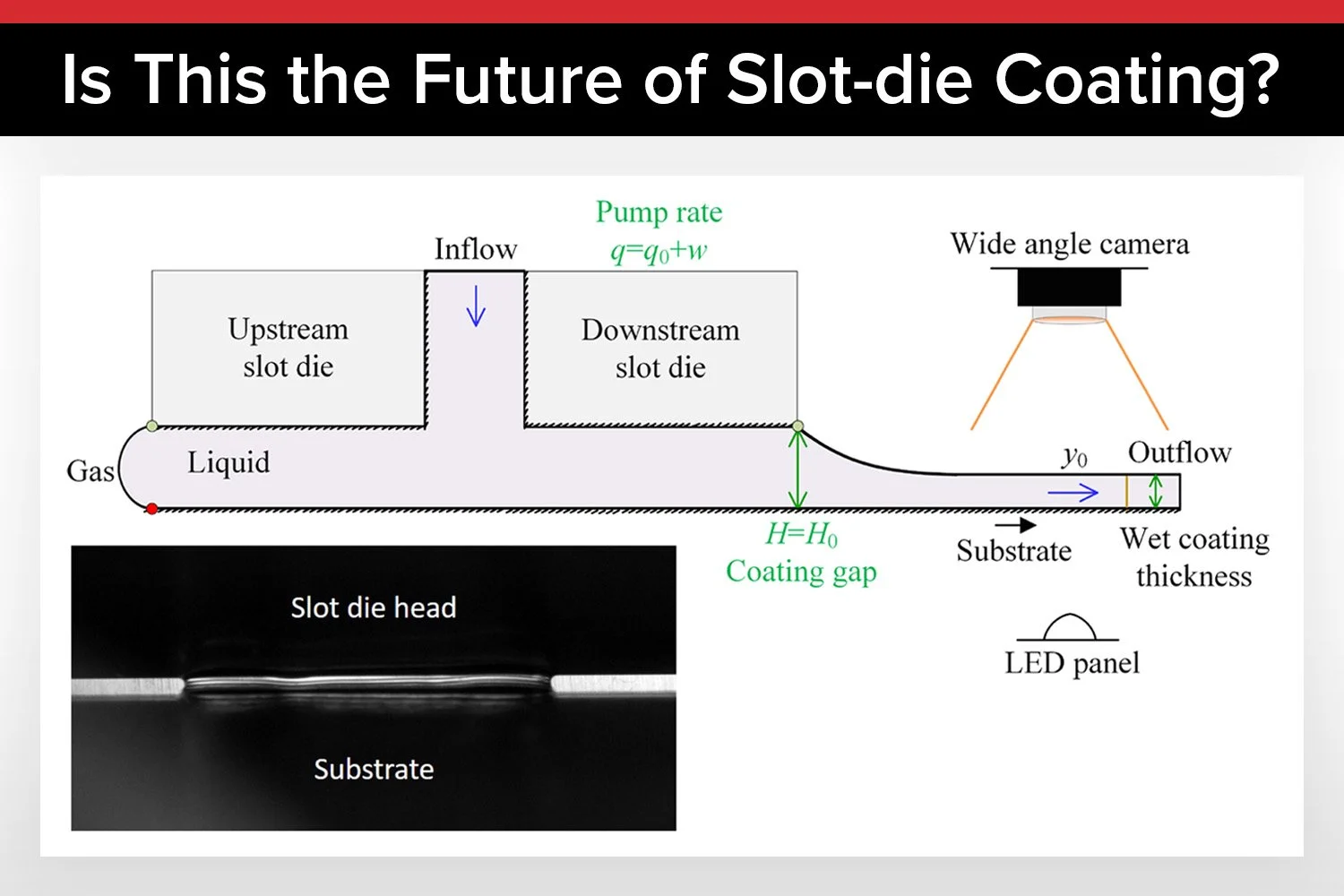
Explore how automated dual-view analysis and measurement uncertainty quantification are transforming liquid film deposition in slot-die coating, enhancing precision and consistency for industries like battery manufacturing and pharmaceuticals.
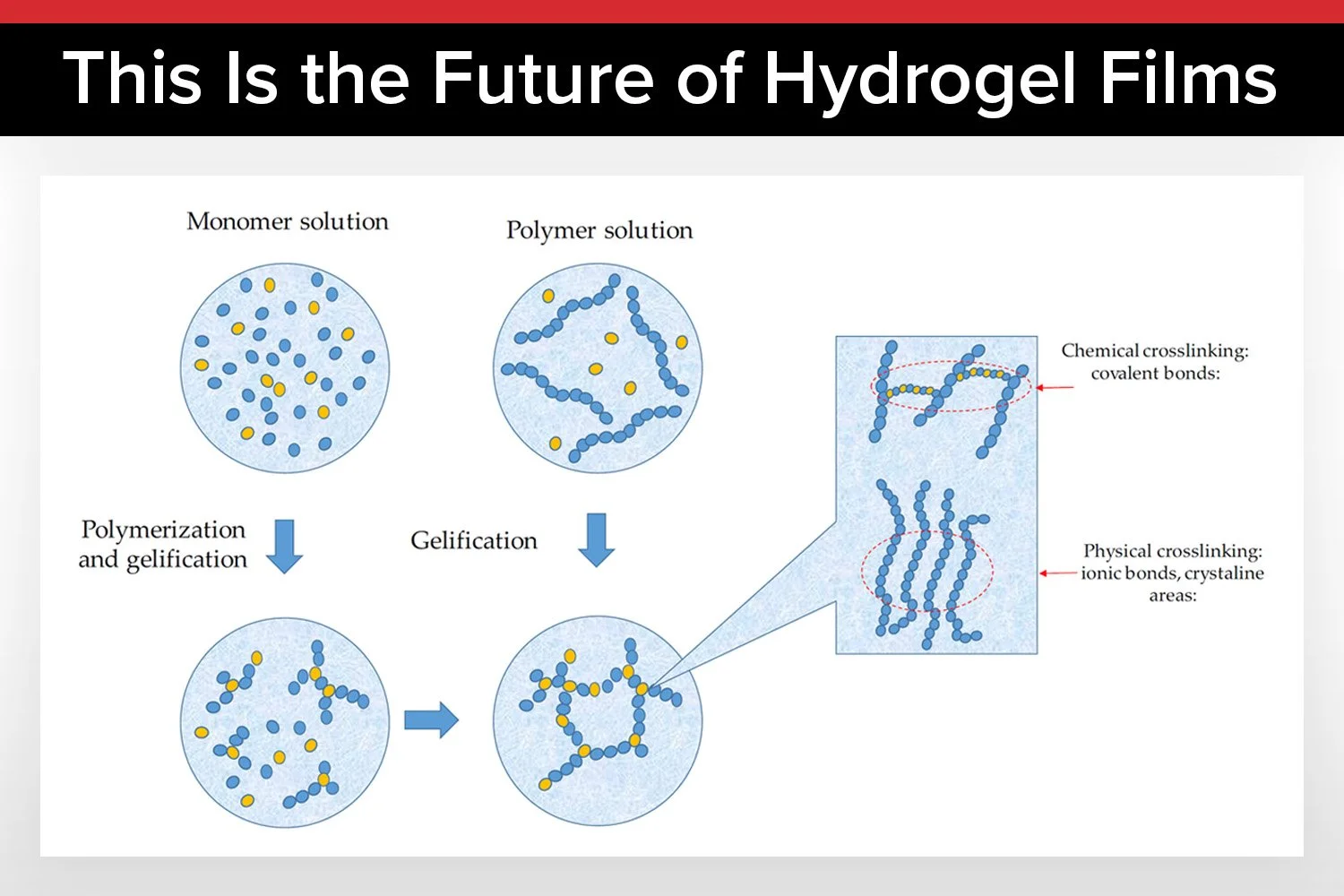
Discover how hydrogel films are fabricated, their applications in biomedicine and agriculture, and why slot-die coating is the preferred method for producing high-quality, scalable films.
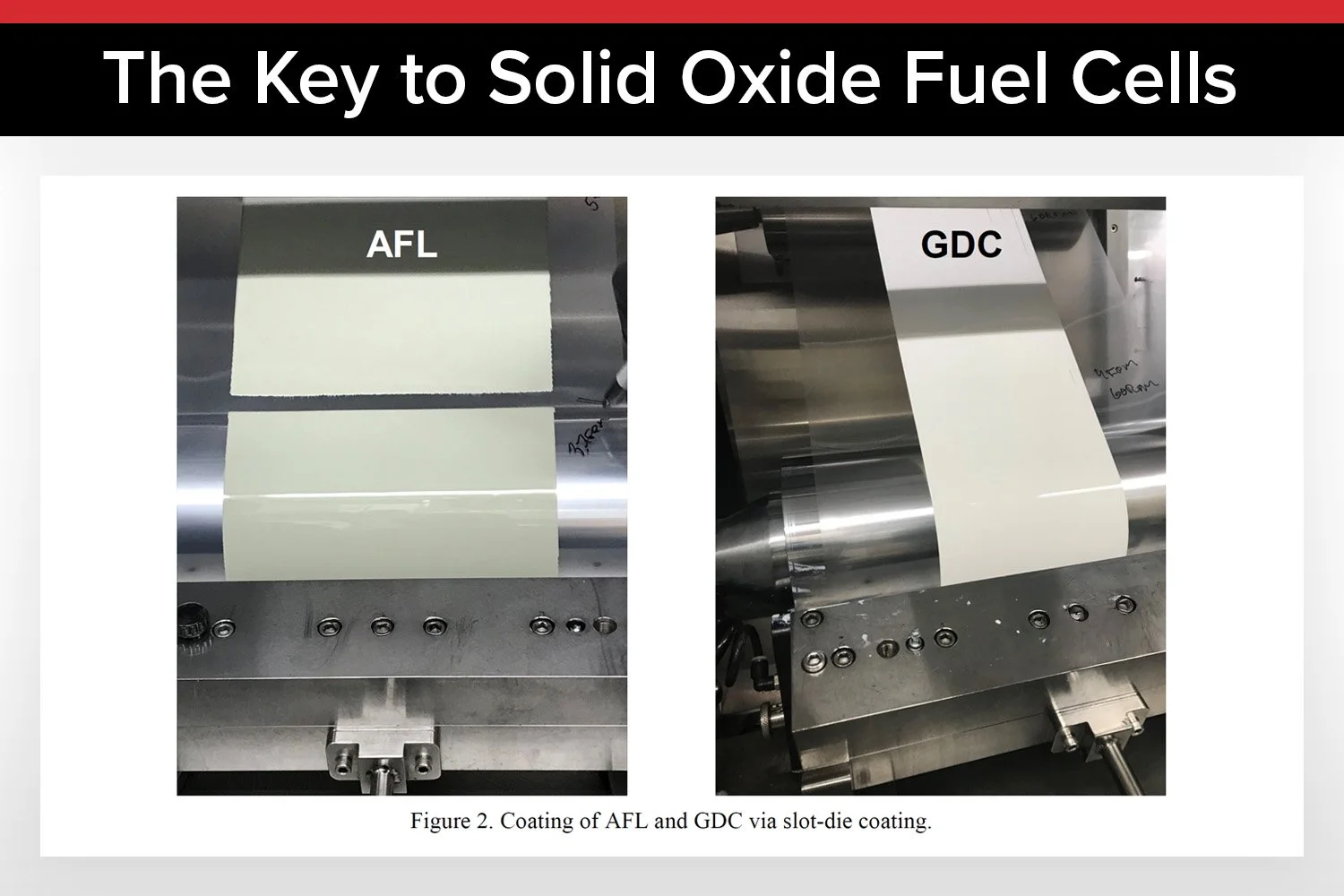
Discover how slot-die coating is revolutionizing the production of solid oxide fuel cells (SOFCs) by increasing throughput, reducing costs, and maintaining performance.
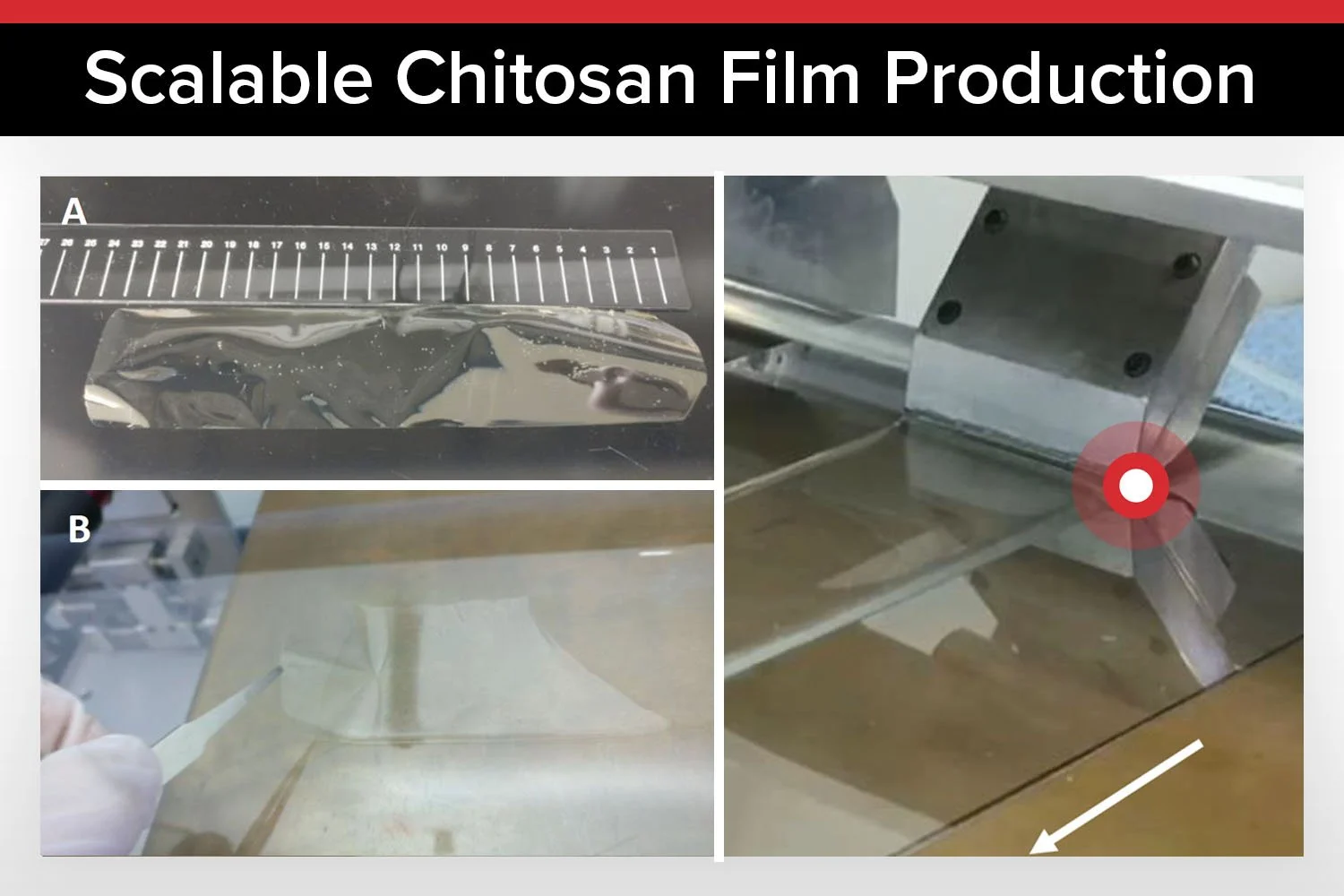
Discover how slot-die coating technology enables the scalable production of chitosan-based thin films, offering a sustainable and efficient alternative for industrial applications.
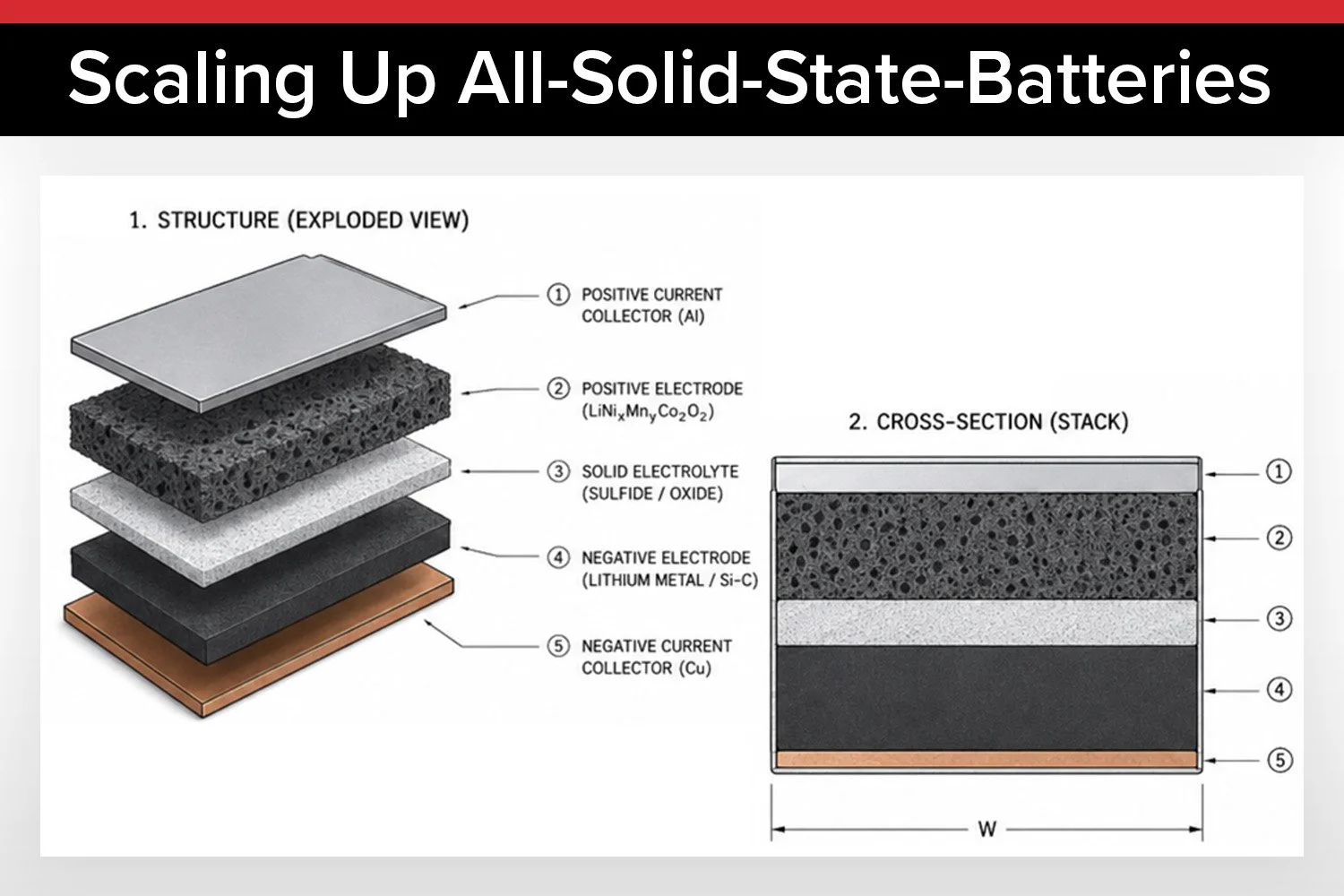
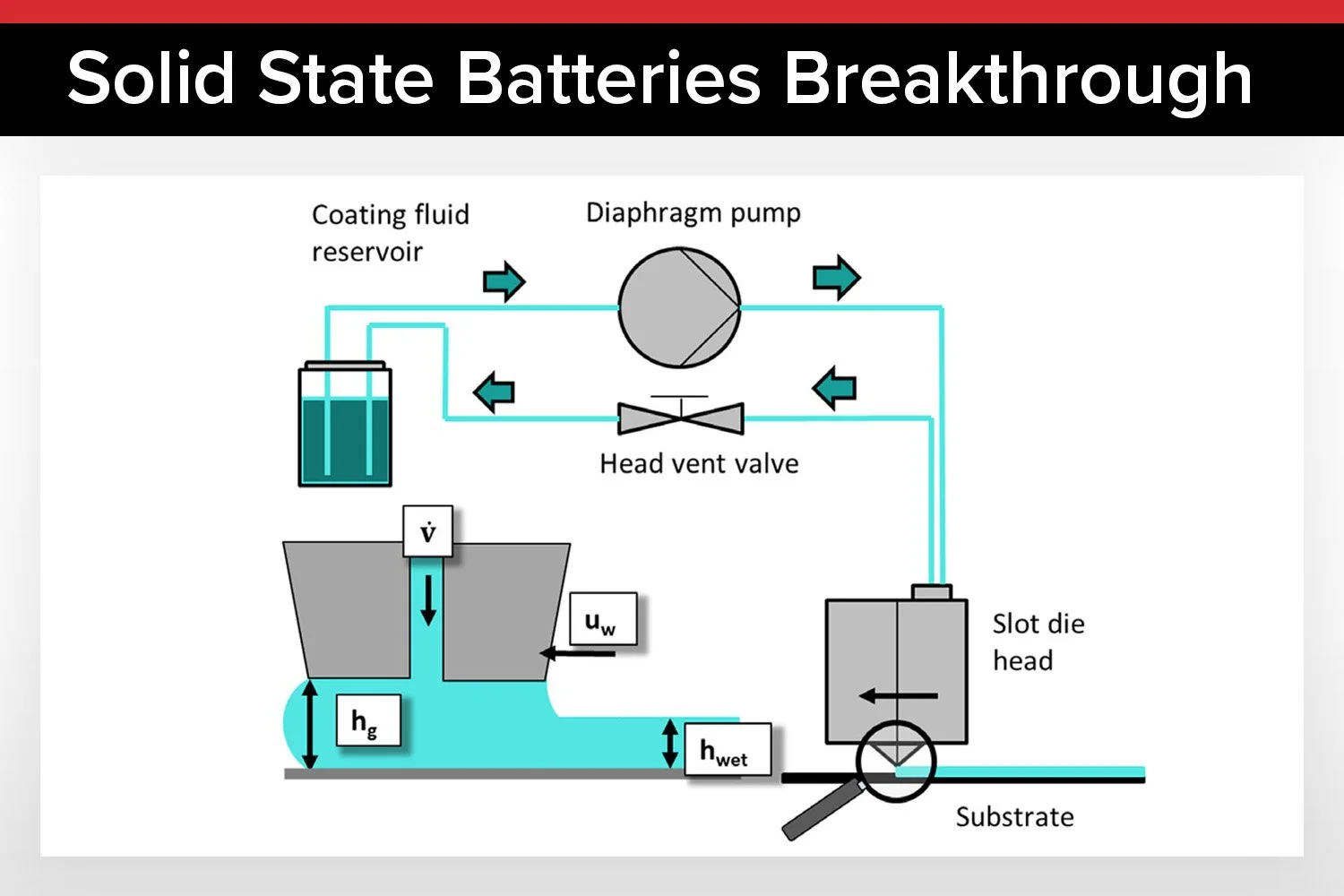
Explore the fabrication processes of all-solid-state batteries and the role of slot-die coating in scalable, high-precision manufacturing for next-generation energy storage.
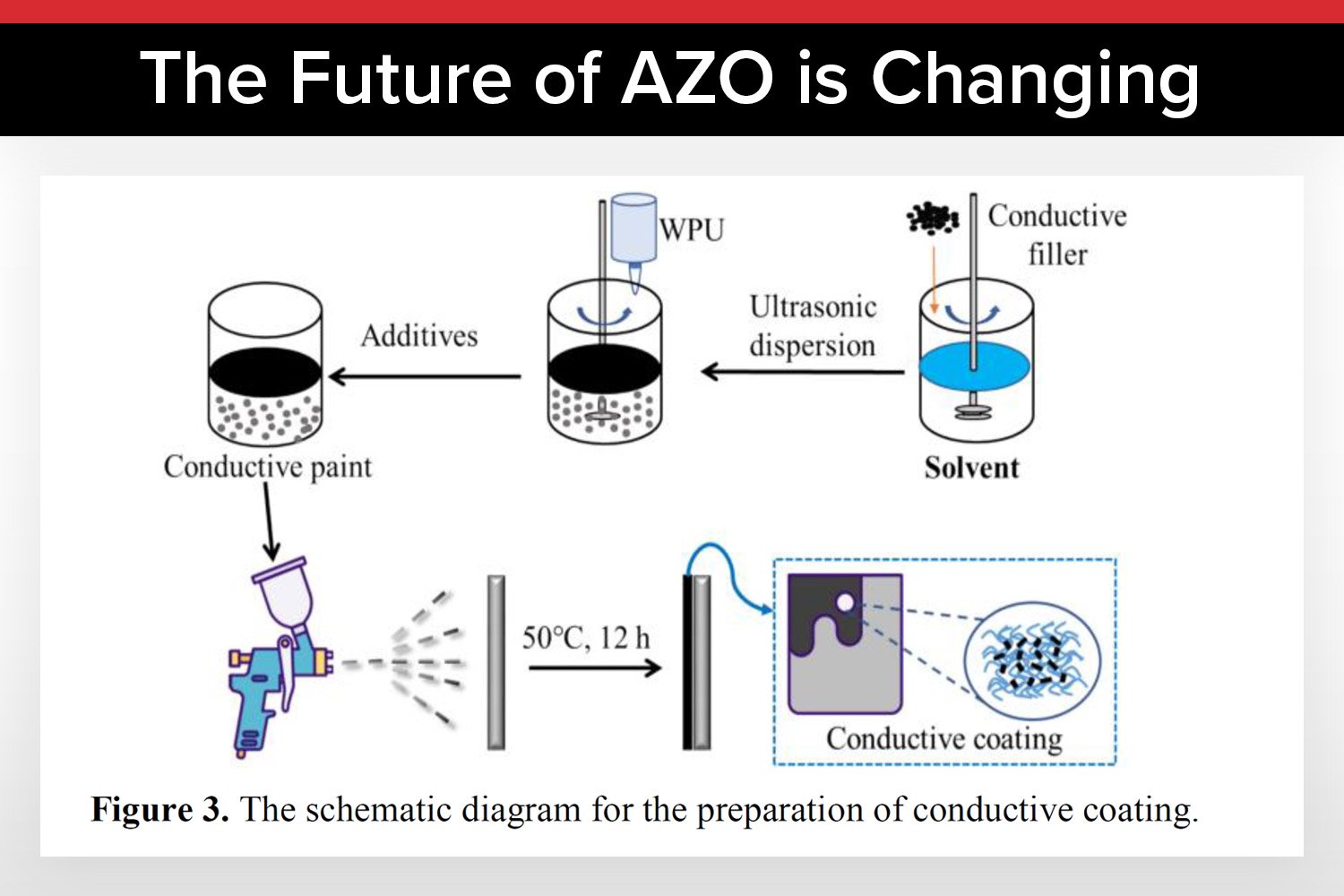
Learn how slot-die coating is being used to manufacture aluminum-doped zinc oxide (AZO) thin films for transparent conductive applications.
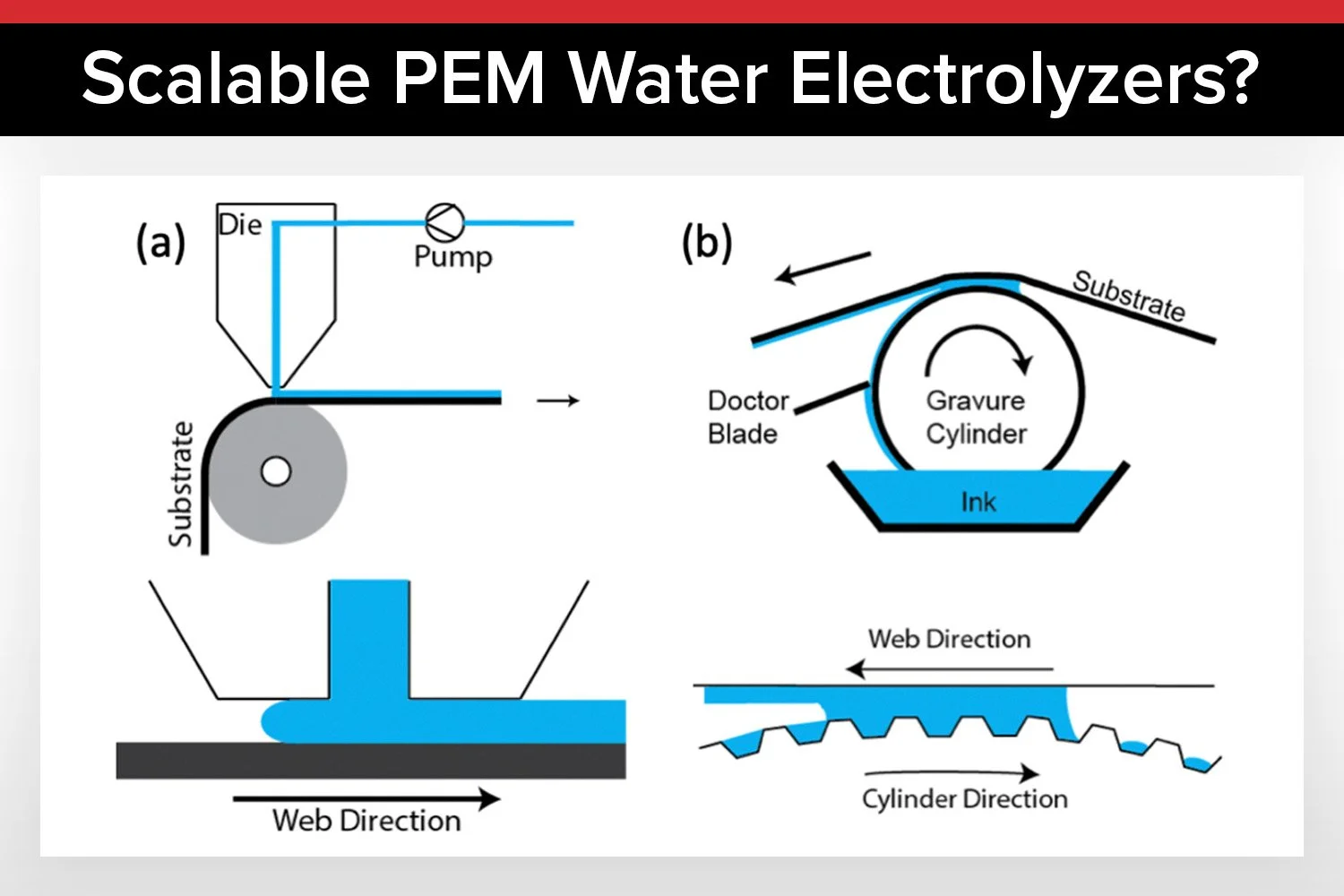
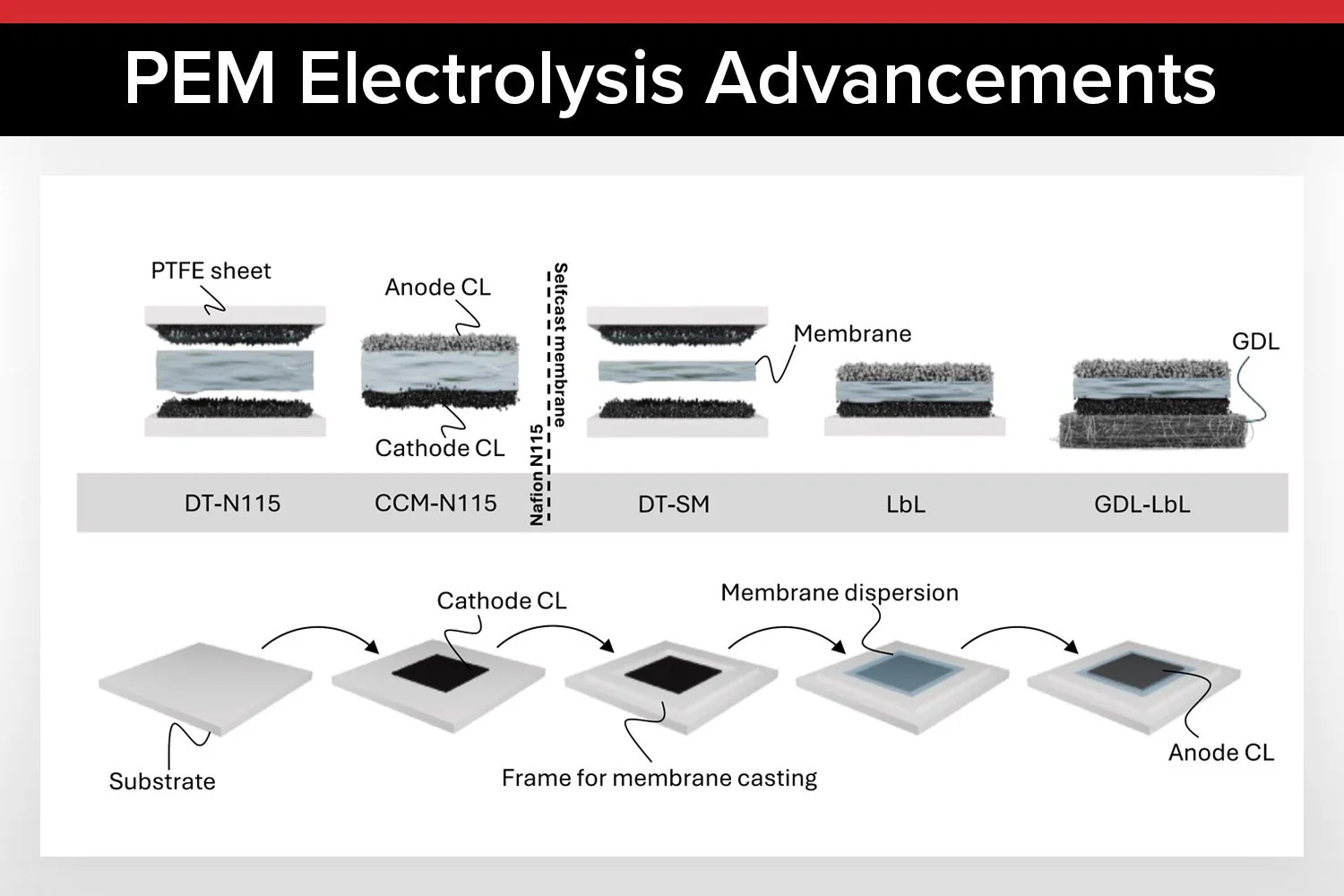
Discover how slot-die coating and layer-by-layer fabrication can reduce interfacial resistances in PEM water electrolysis or proton exchange membrane electrolysis, improving efficiency and simplifying manufacturing for green hydrogen production.
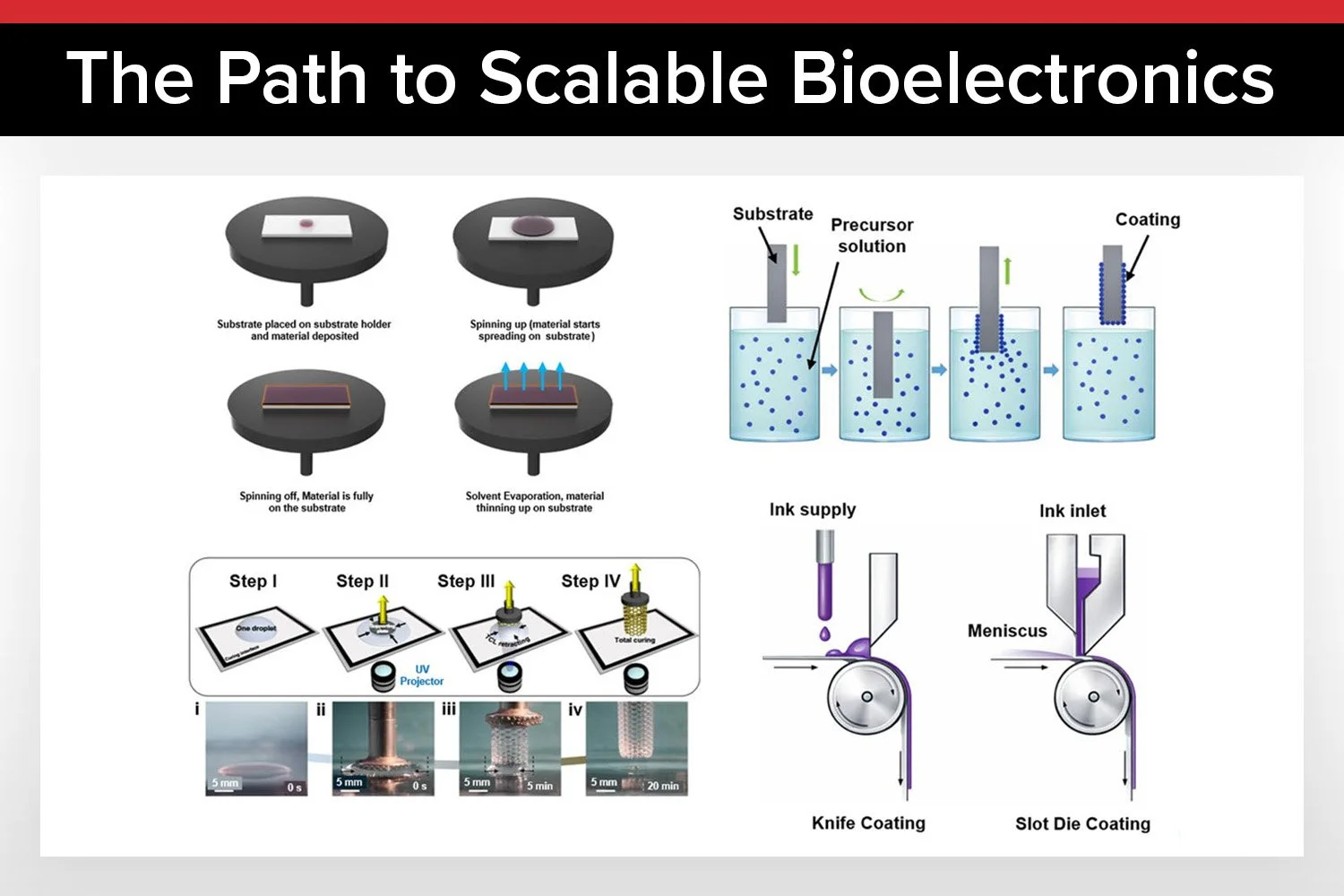
A recent review of flexible implantable bioelectronics highlights slot-die coating as a scalable thin-film manufacturing method for next-generation medical and wearable devices.
Researchers optimized the slot die coating process to produce thin, defect-free PEO-based solid electrolytes for next-gen batteries.
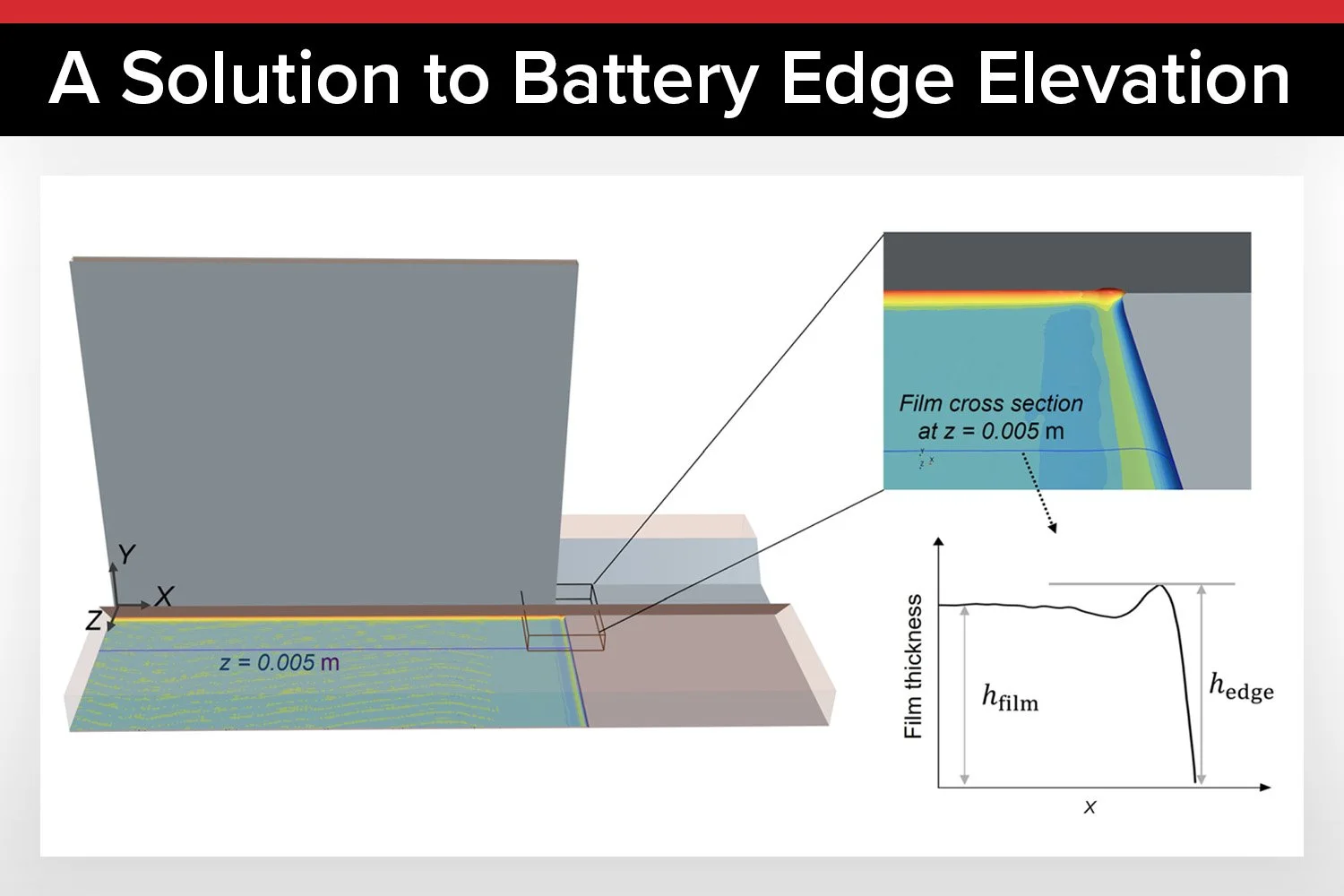
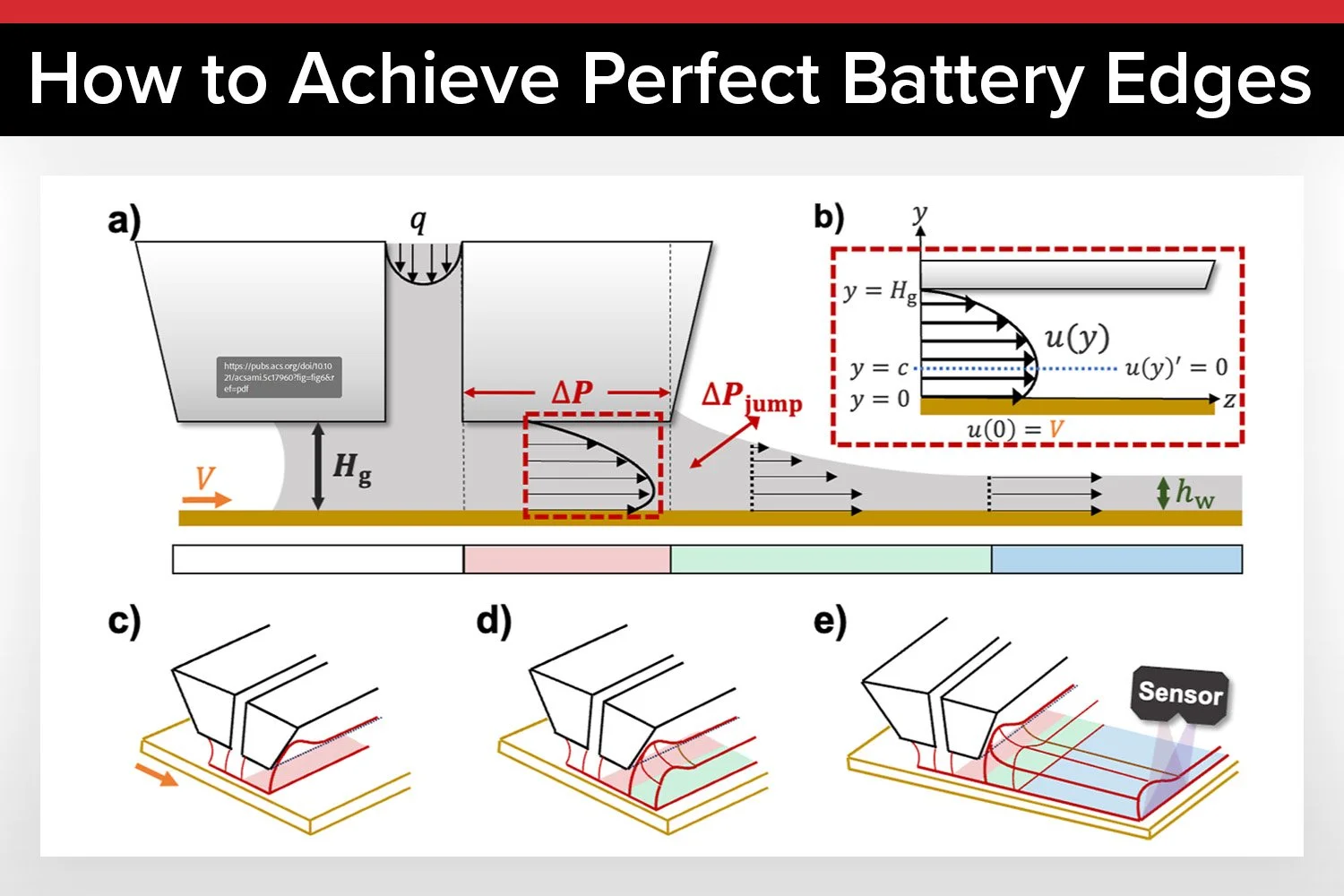
Discover how viscous and capillary forces influence edge elevation in battery coatings, and why the Capillary number is the key to predicting and controlling edge behavior.
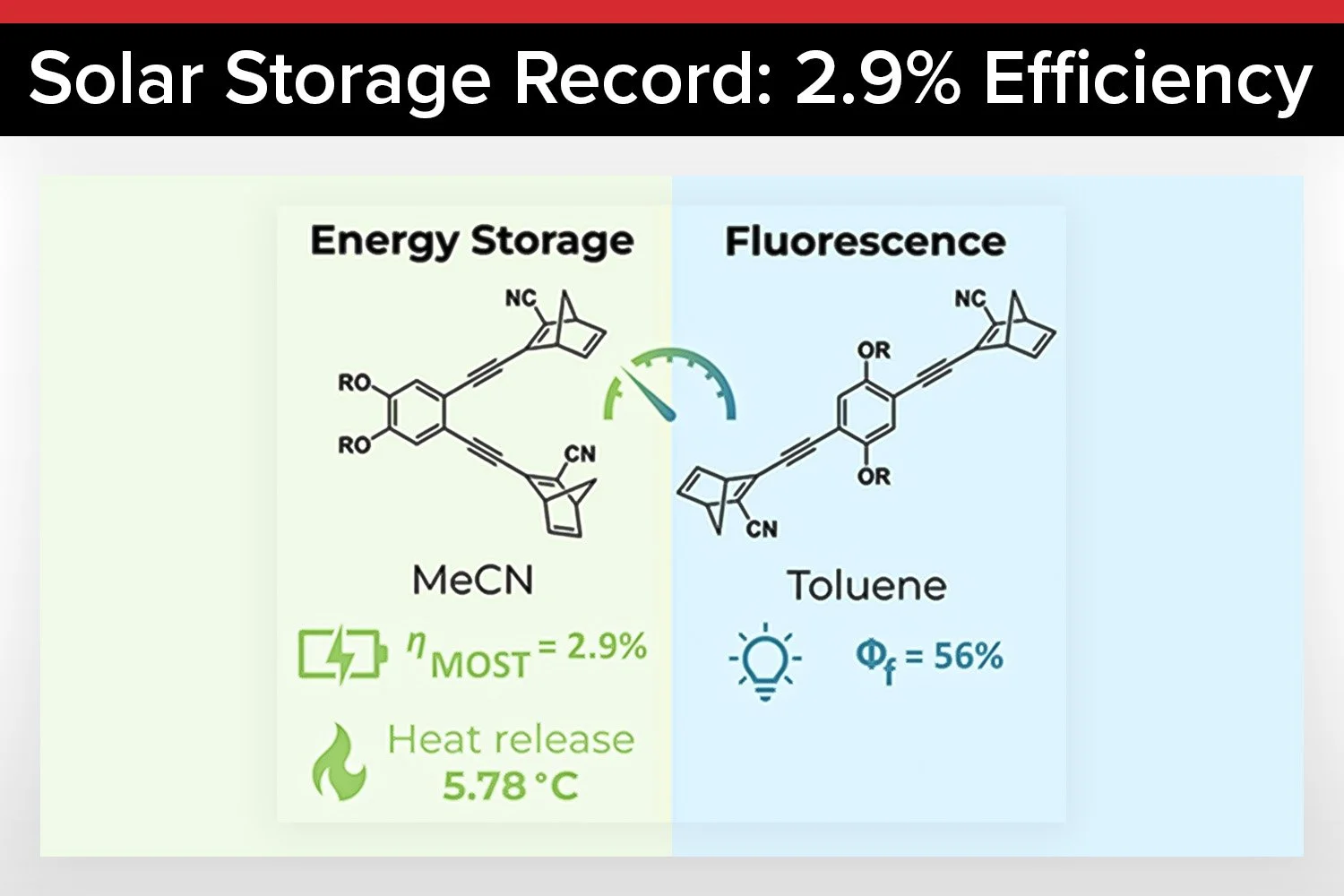
Scientists made molecular photoswitches that store sunlight as chemical energy and release it as heat on demand, achieving record efficiency.
Learn the simple rule for perfect edges, why it matters for thick electrodes, and how it could transform battery manufacturing for electric vehicles and beyond.
Discover how polymer buccal films are transforming drug delivery with a patient-friendly, efficient, and targeted approach.
Discover how AI-powered disturbance rejection transforms roll-to-roll slot die coating, ensuring perfect thickness, less waste, and higher quality in industries like batteries and solar panels.
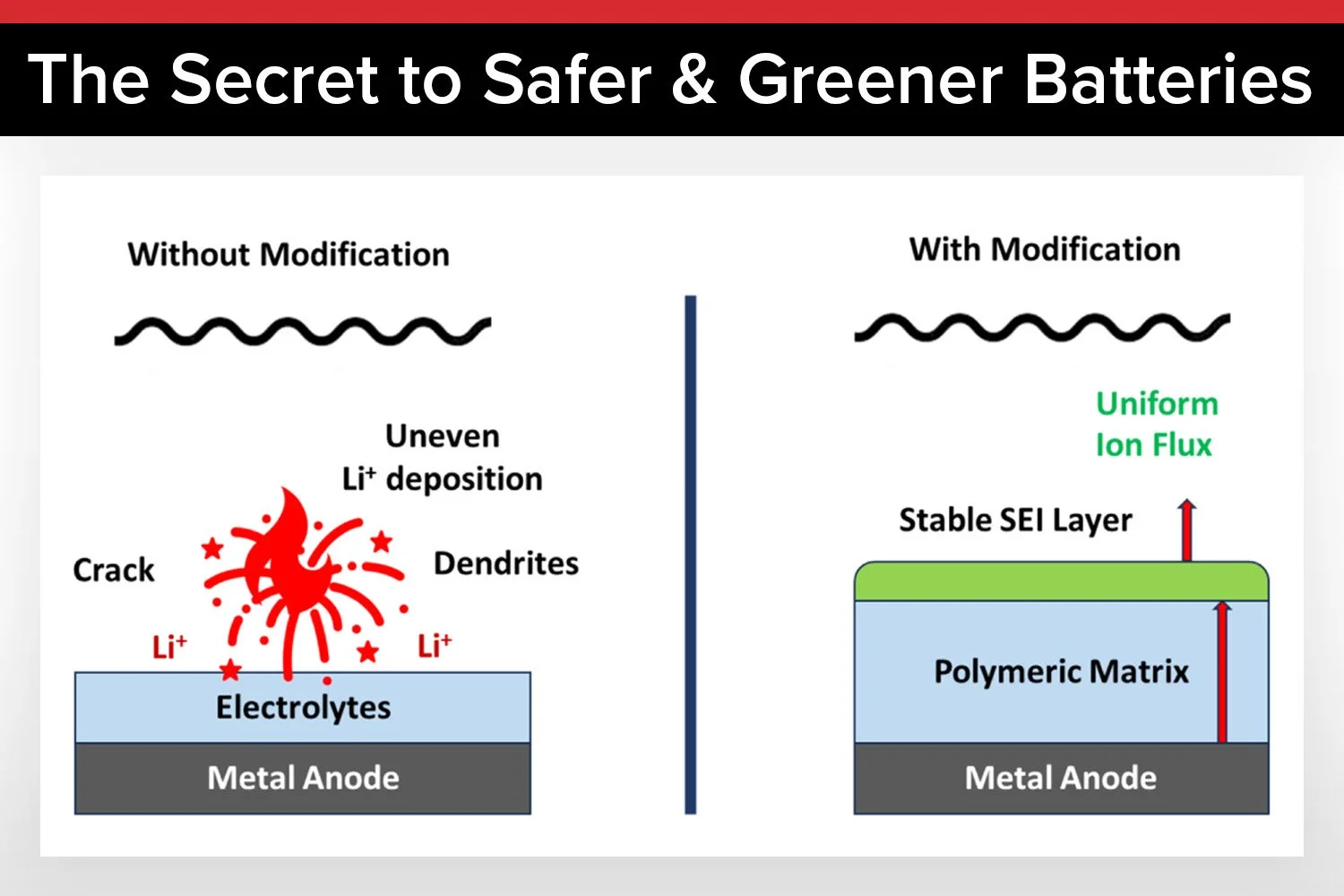
Discover how single-ion conducting biopolymer electrolytes are transforming the battery industry by suppressing dendrites, improving safety, and offering a sustainable alternative to traditional materials.
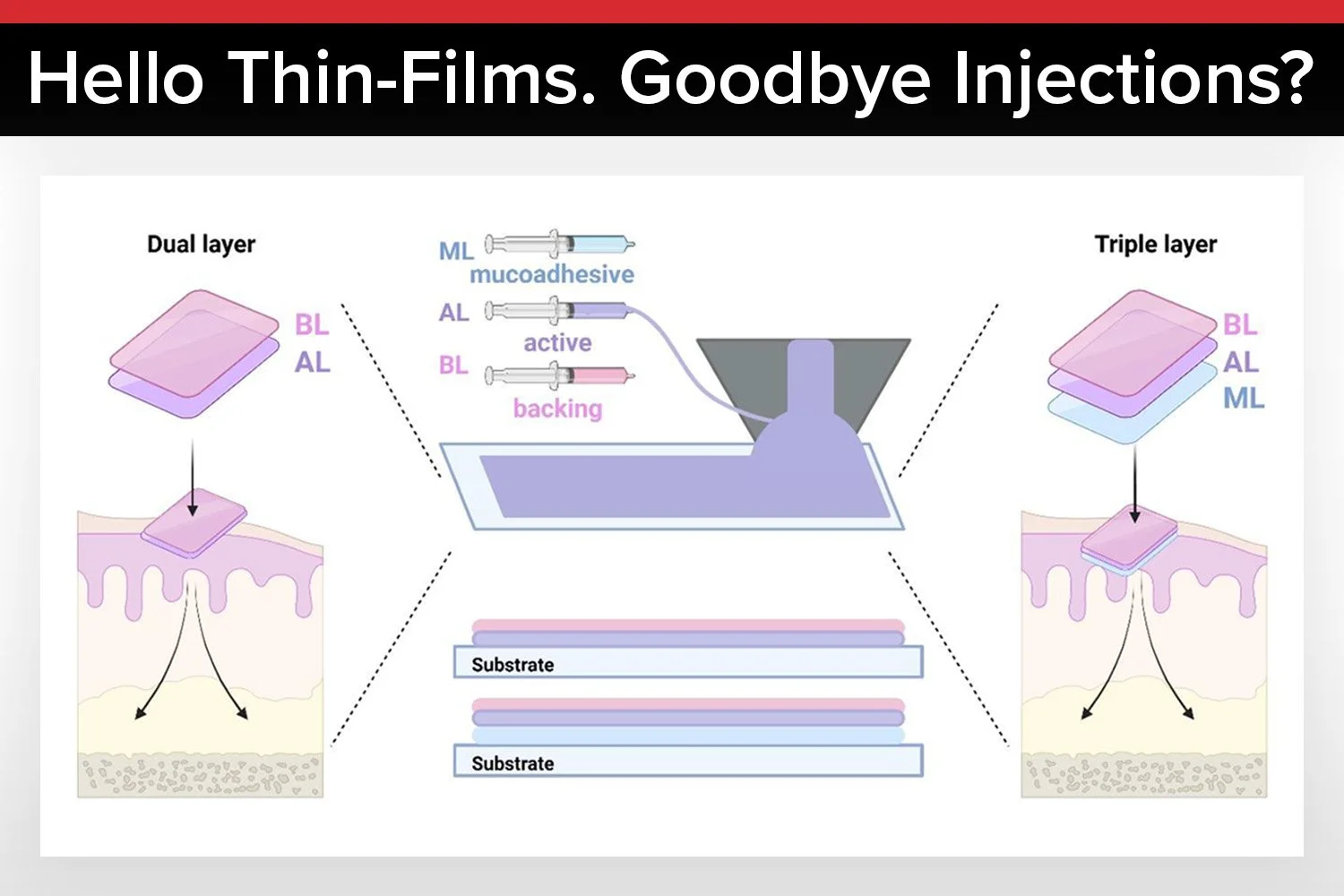
A new study demonstrates how multilayer polymer thin films can deliver GLP-1 therapeutics through buccal drug delivery, offering a potential injection-free alternative using advanced coating and thin-film technologies.
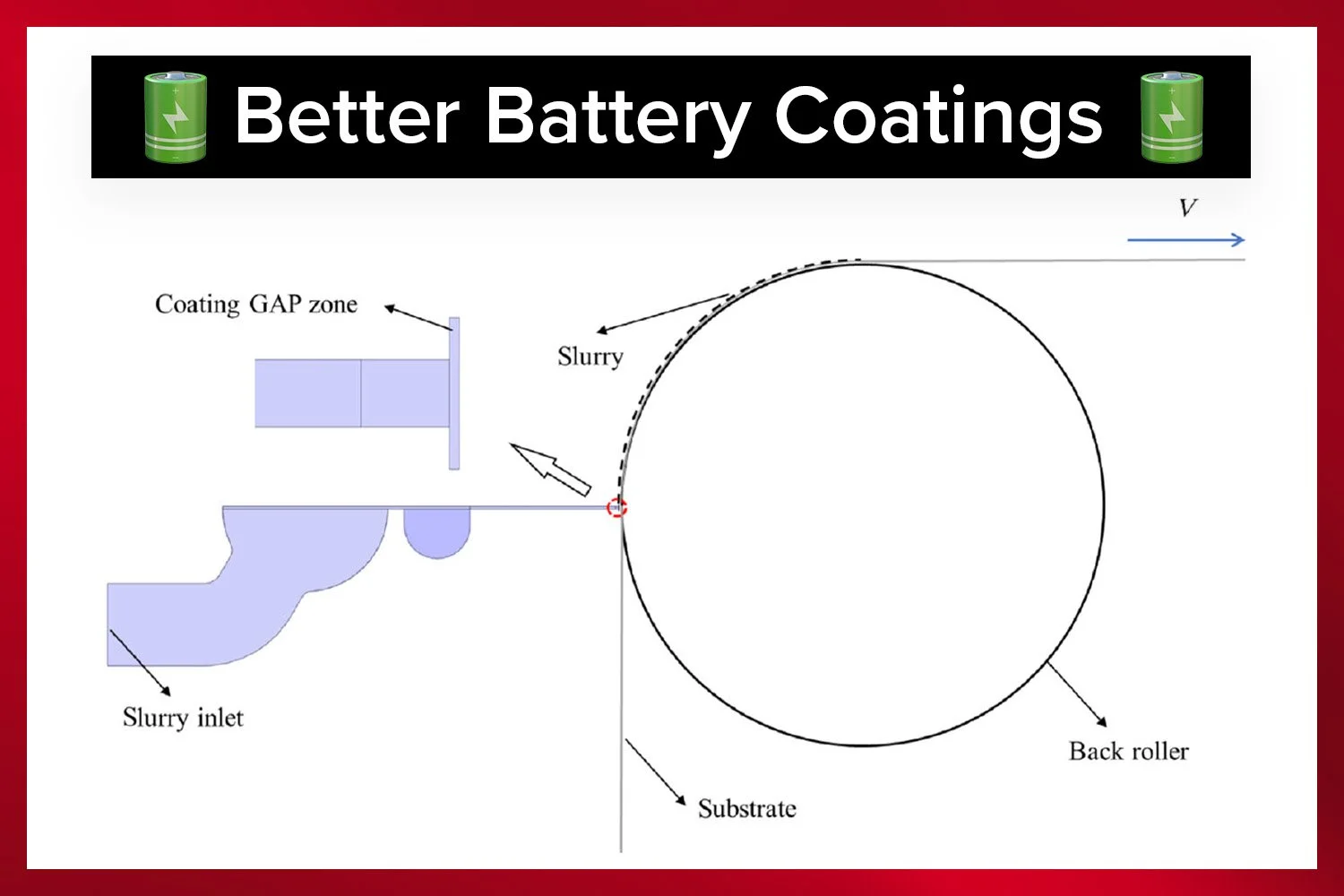
New research shows how advanced simulations reveal the causes of wet film defects in slot-die coating and help improve lithium-ion battery electrode manufacturing.
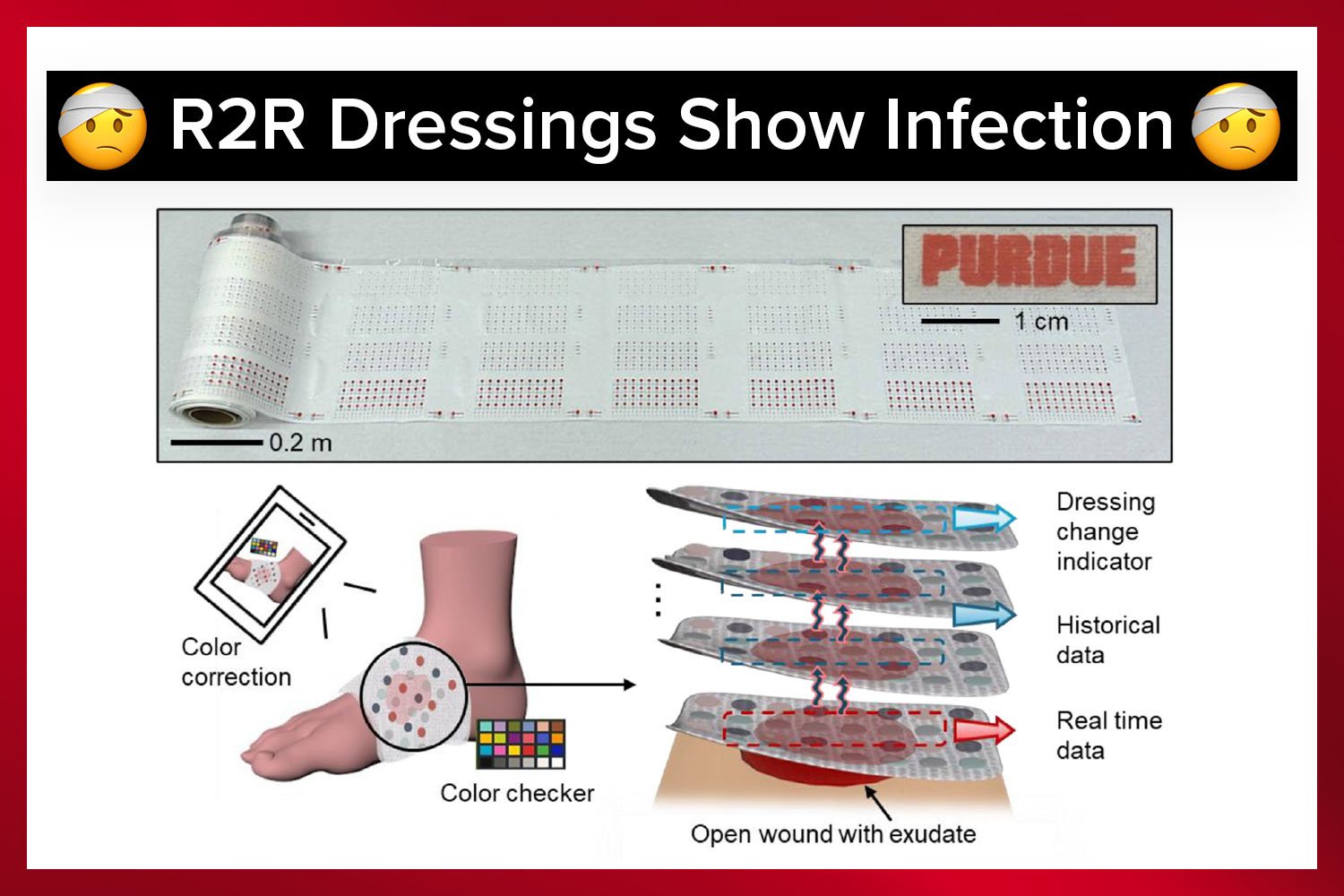
A research article demonstrates how roll to roll printing can mass produce smart wound dressings with integrated color changing sensors for pH, temperature, and humidity, offering a new path toward scalable and affordable wound monitoring.
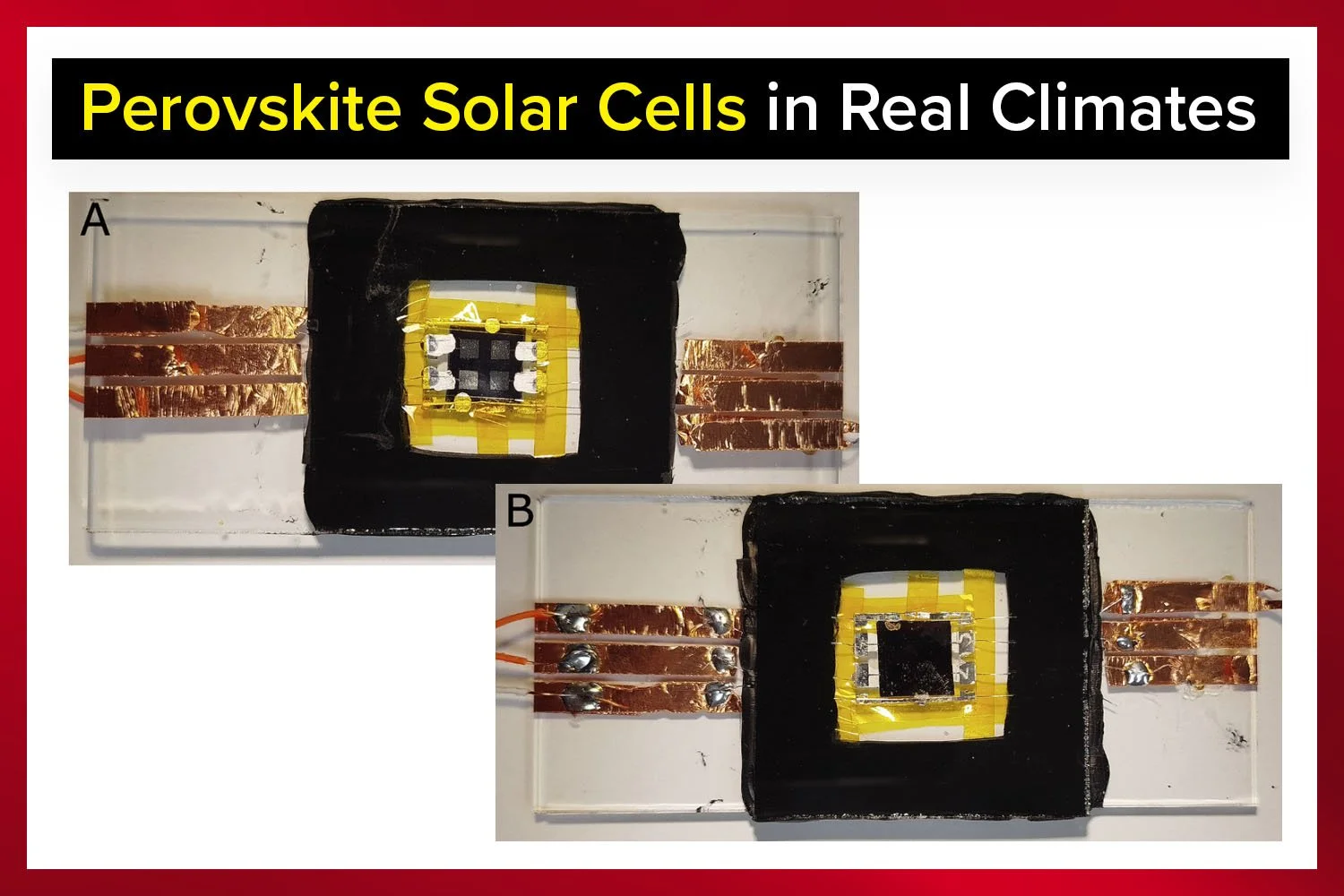
A detailed comparison of accelerated and outdoor aging shows how climate, load and encapsulation influence perovskite solar cell stability.
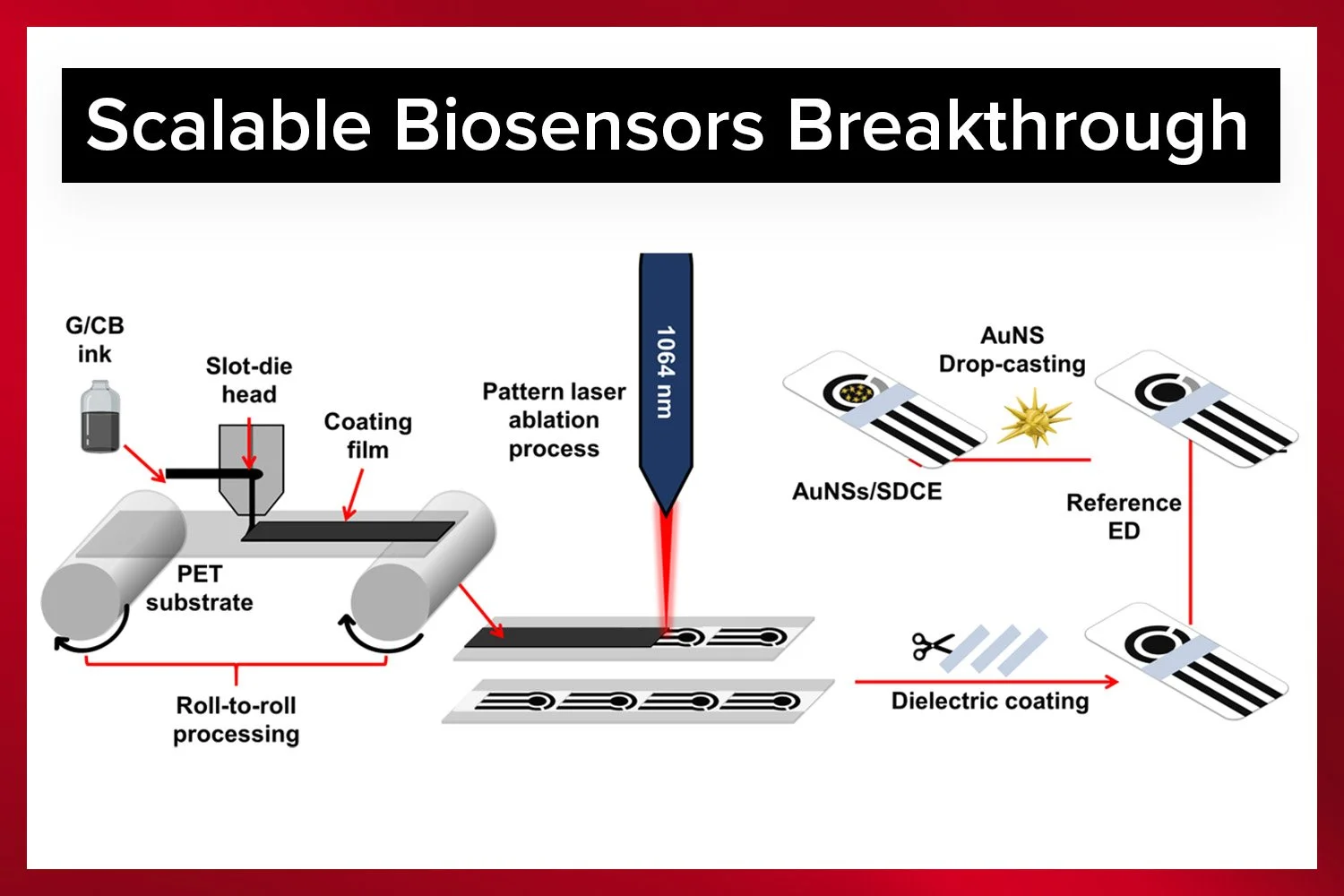
How roll-to-roll slot-die coating and laser patterning can produce high performance gold nanostar enhanced electrochemical biosensors for detecting C reactive protein with excellent sensitivity and industrial scalability.
Researchers have developed a roll-to-roll process to mass-produce foil-based microfluidic neuron chips, enabling high-throughput, low-cost brain-on-a-chip technologies for neuroscience and biomedical research.
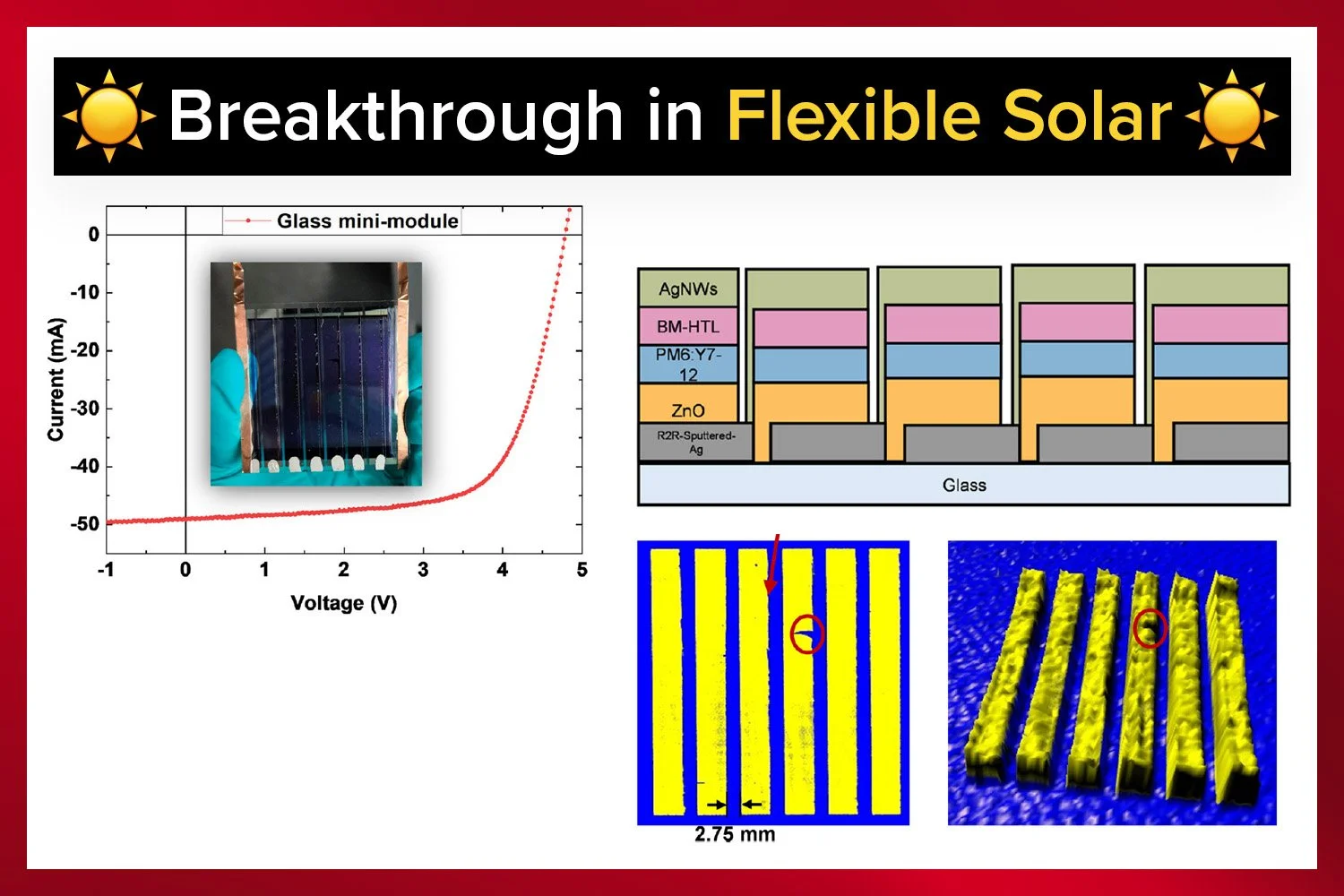
Researchers have developed record-efficient, flexible, ITO-free organic solar modules using a fully roll-to-roll process. The breakthrough shows scalable, sustainable manufacturing for next-generation solar energy.
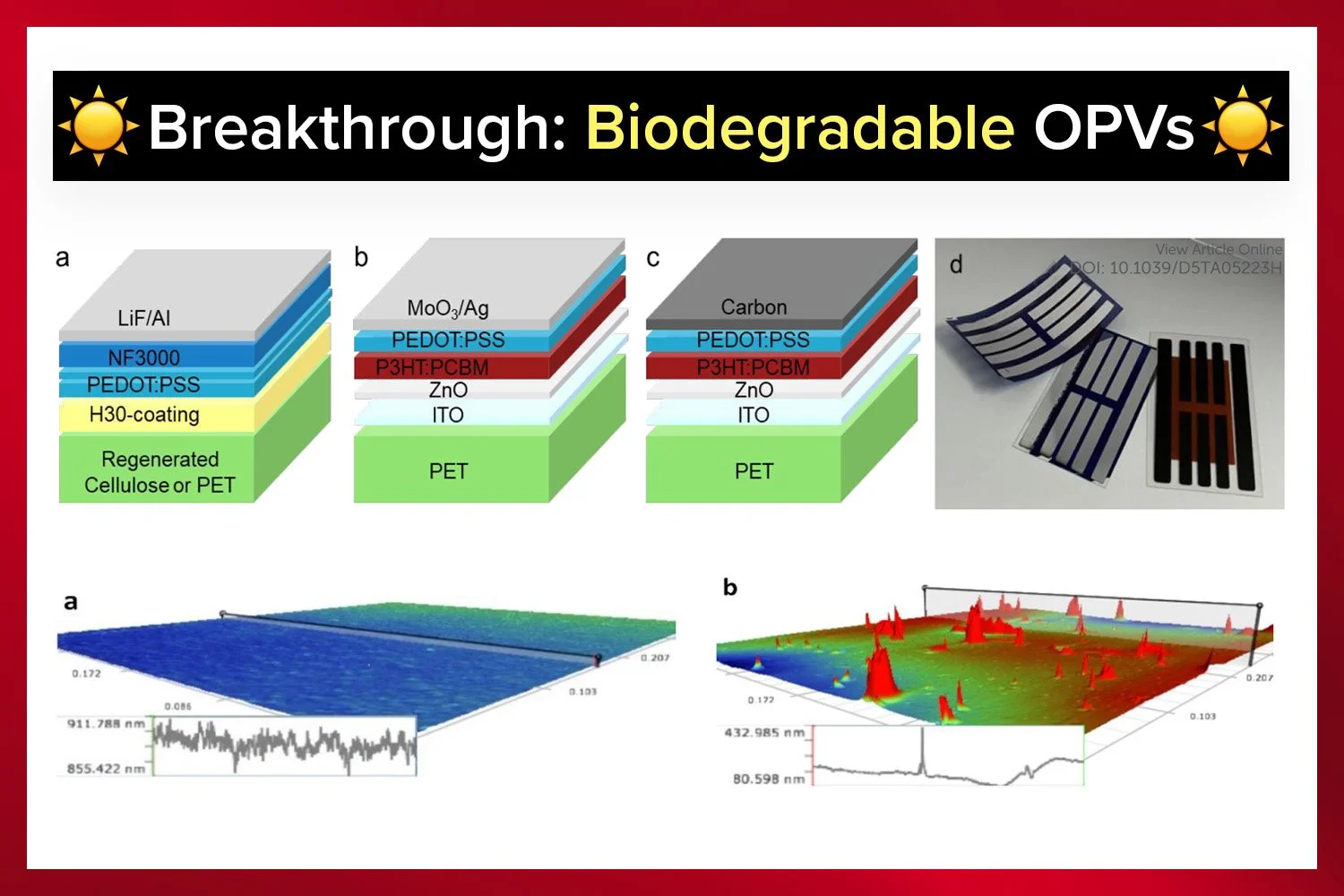
Scientists have built solar cells that can biodegrade naturally after use. Instead of using plastic and metal, they used materials such as cellulose (from plants) and carbon paste, both safe for soil.
Learn why organic and perovskite solar cells, despite record efficiencies, remain slow to commercialize and how collaboration and standardization can bridge the research-to-market gap.
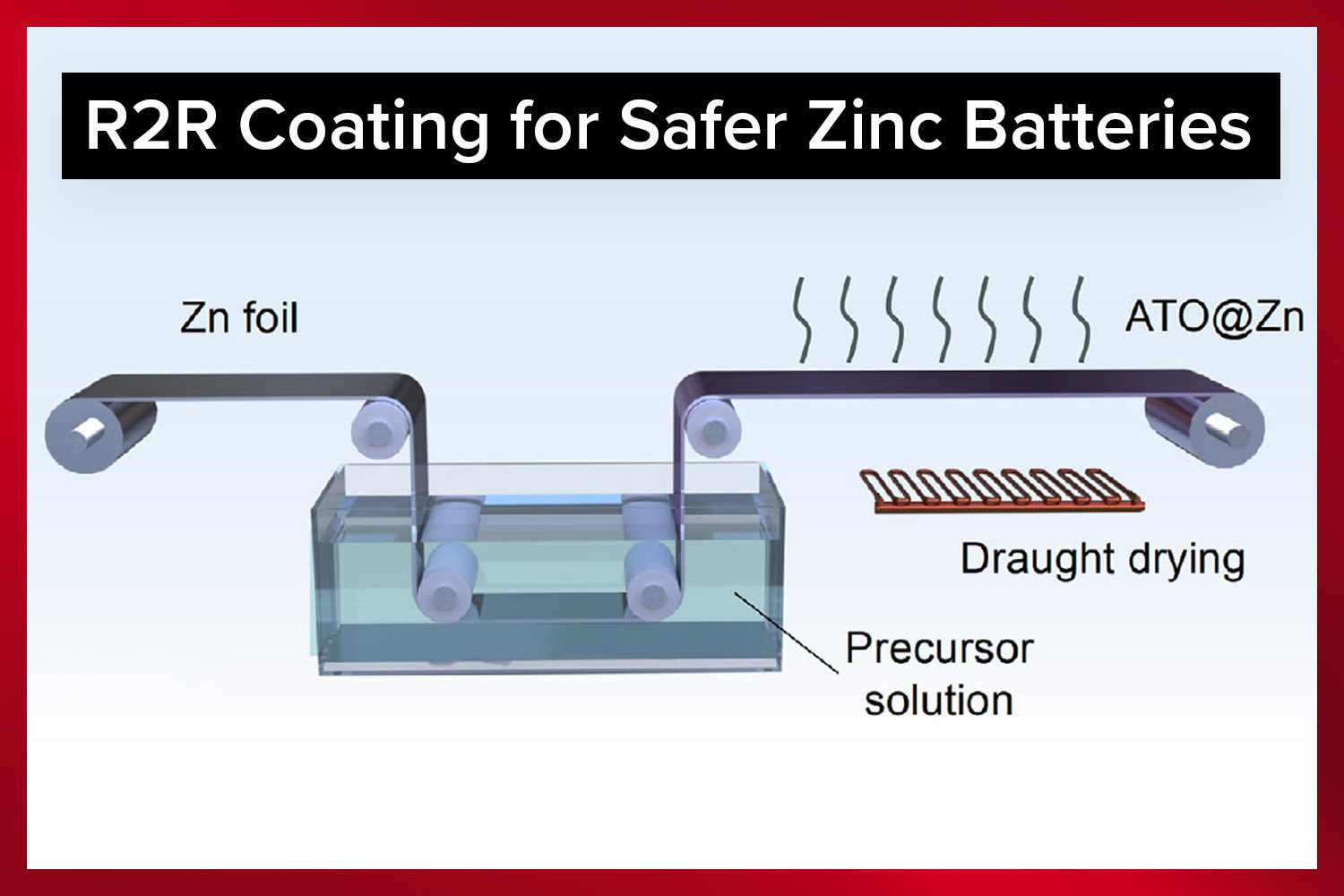
Researchers developed a roll-to-roll coating method that creates dendrite-free zinc anodes with 99.9% efficiency and long lifetimes, paving the way for scalable and safer aqueous zinc batteries.
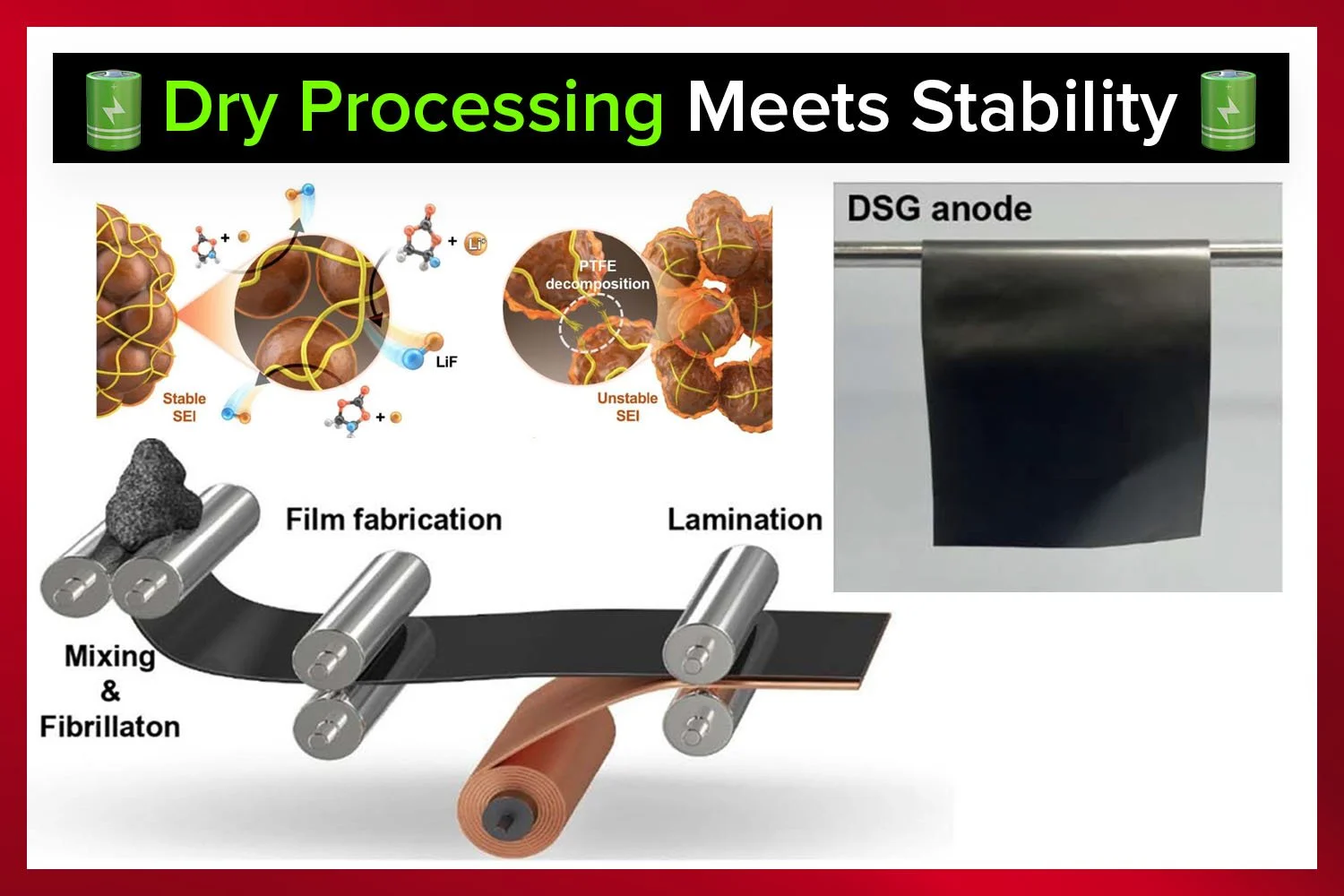
A new study shows how tailoring FEC electrolyte additives stabilizes dry-processed silicon anodes and Ni-rich cathodes, achieving high efficiency and long cycle life for next-generation EV batteries.
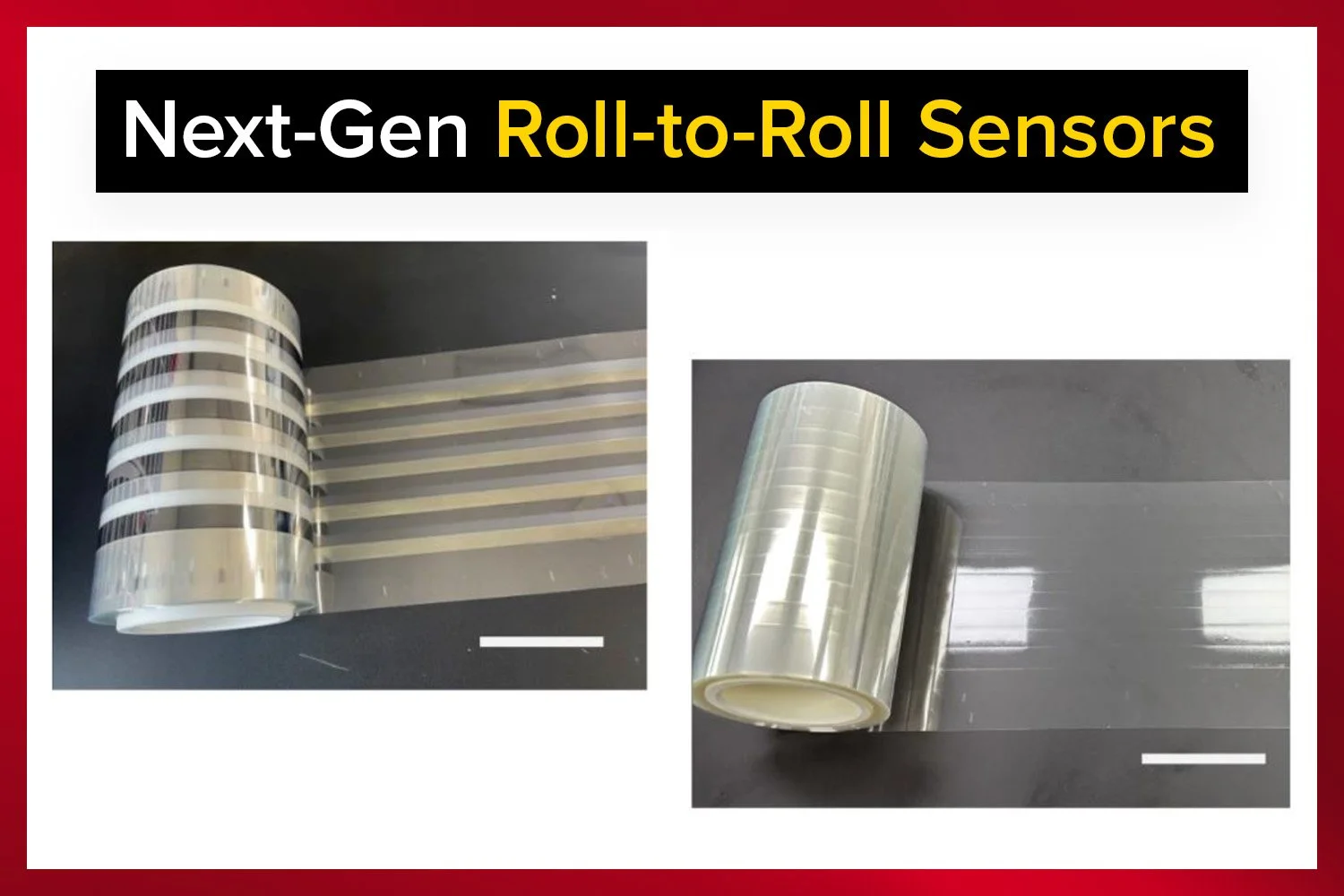
A new transferring and bonding method enables roll-to-roll printed touch sensors to achieve unprecedented miniaturization and sensitivity, solving long-standing challenges in scalable flexible electronics.
A new study shows how machine learning can optimize roll-to-roll slot die coating, delivering record coating uniformity, reducing waste.
A new study reveals that reshaping colloids in perovskite inks boosts blade-coated solar modules to record efficiencies and stability.
Researchers develop a scalable slot-die process for perovskite solar modules in air, reaching 17% efficiency and record stability.
Roll-to-Roll Coating? We got you covered.
Whether you're working within batteries, pharma and medtech, fuel cells, solar cells, or other thin-film technologies, we offer scalable Roll-to-Roll (R2R) equipment built for the lab. Our modular systems are designed for precision, repeatability, and flexibility, supporting everything from coating and drying to surface treatment and characterization.