Ready to Start Roll-to-Roll Processing?
Slot-die coating makes high-performance, defect-free films possible across industries. With unmatched precision and minimal waste, it powers innovation in electronics, energy devices, displays, and beyond.
What is Roll-to-Roll Processing?
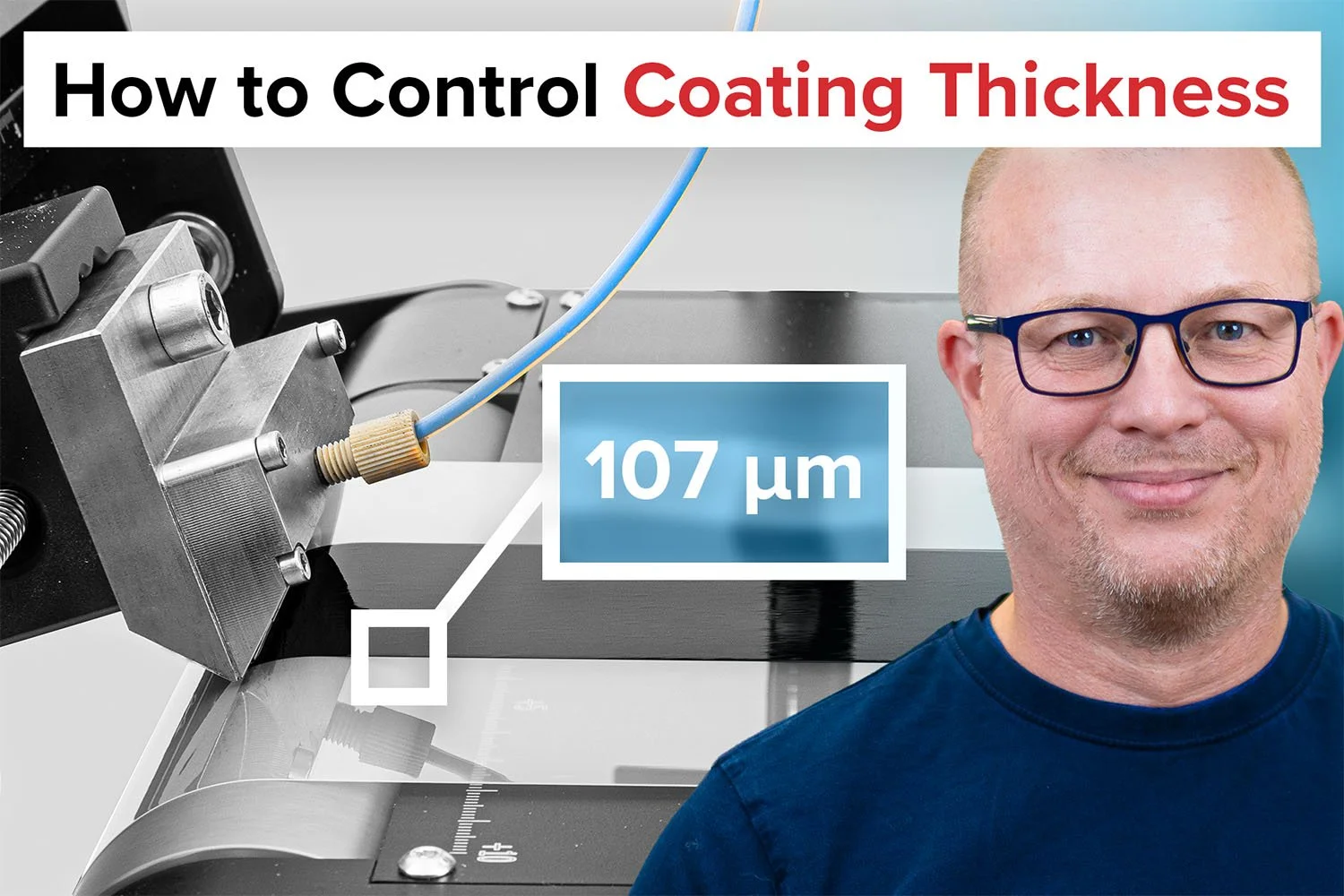
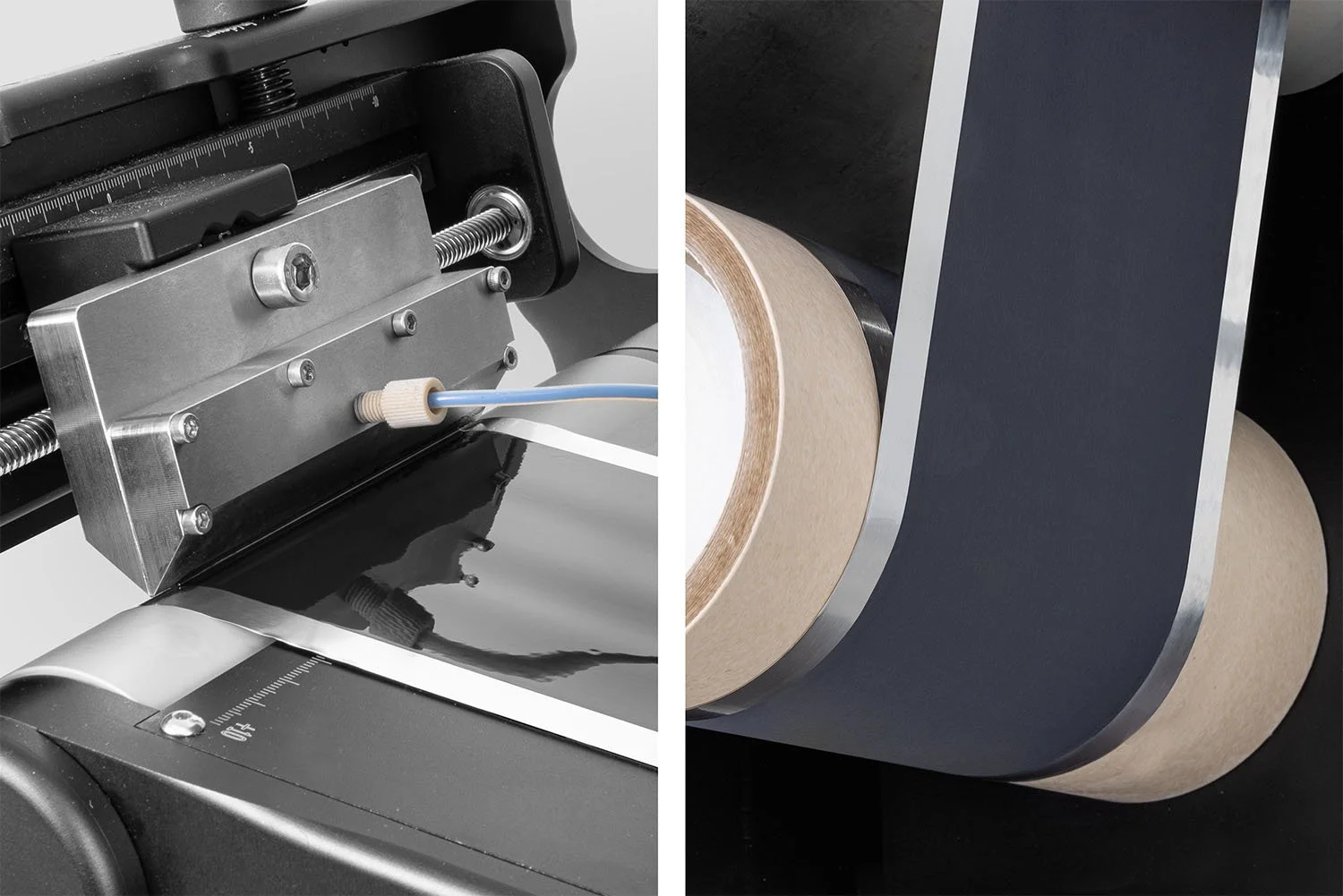
Roll-to-roll coating is a continuous manufacturing process used to deposit functional liquid materials onto flexible substrates in a fast and efficient manner. Among the different coating techniques used in roll-to-roll systems, slot-die coating is widely recognized for its precision and ability to produce highly uniform thin films. In a roll-to-roll slot-die coating process, the substrate is continuously unwound from one roll, coated through a slot-die head with a controlled flow of material, and rewound onto another roll, enabling consistent coating quality across large areas while minimizing material waste.
This approach is widely adopted because it combines scalability, efficiency, and versatility. Roll-to-roll slot-die coating is compatible with a broad range of materials, including polymer solutions, functional inks, nanoparticle suspensions, adhesives, and advanced coating formulations. It also supports a variety of flexible substrates such as films, foils, and membranes, making it suitable for both research and industrial-scale manufacturing.
Roll-to-roll slot-die coating is particularly valuable in industries where uniformity, precision, and high-throughput production are essential, such as printed electronics, batteries, solar cells, packaging, medical devices, and advanced functional materials. Its ability to scale from laboratory development to continuous industrial production makes it an important technology for manufacturers and researchers seeking reliable, high-quality coatings with efficient material usage.
Why Use Roll-to-Roll Slot-die Coating?
Roll-to-roll slot-die coating is widely adopted across industries because it combines precision, efficiency, scalability, and continuous manufacturing capabilities. By integrating slot-die coating into a roll-to-roll process, manufacturers and researchers can produce high-quality coatings over large areas with excellent consistency and minimal material waste. The key advantages of using roll-to-roll slot-die coating include:
Consistent and Reproducible Results: Provides precise control over film thickness, coating uniformity, and material distribution, ensuring reliable and repeatable production quality.
High Material Efficiency: Minimizes material waste by applying only the required amount of coating material, improving cost-effectiveness and sustainability.
Continuous High-Throughput Production: Enables fast and continuous coating of flexible substrates, making it ideal for large-scale industrial manufacturing.
Scalable from R&D to Manufacturing: Supports seamless transition from laboratory-scale development to full roll-to-roll industrial production.
Versatility Across Industries: Suitable for applications such as printed electronics, batteries, solar cells, packaging, medical devices, and advanced functional materials.
Proven in Peer-Reviewed Research
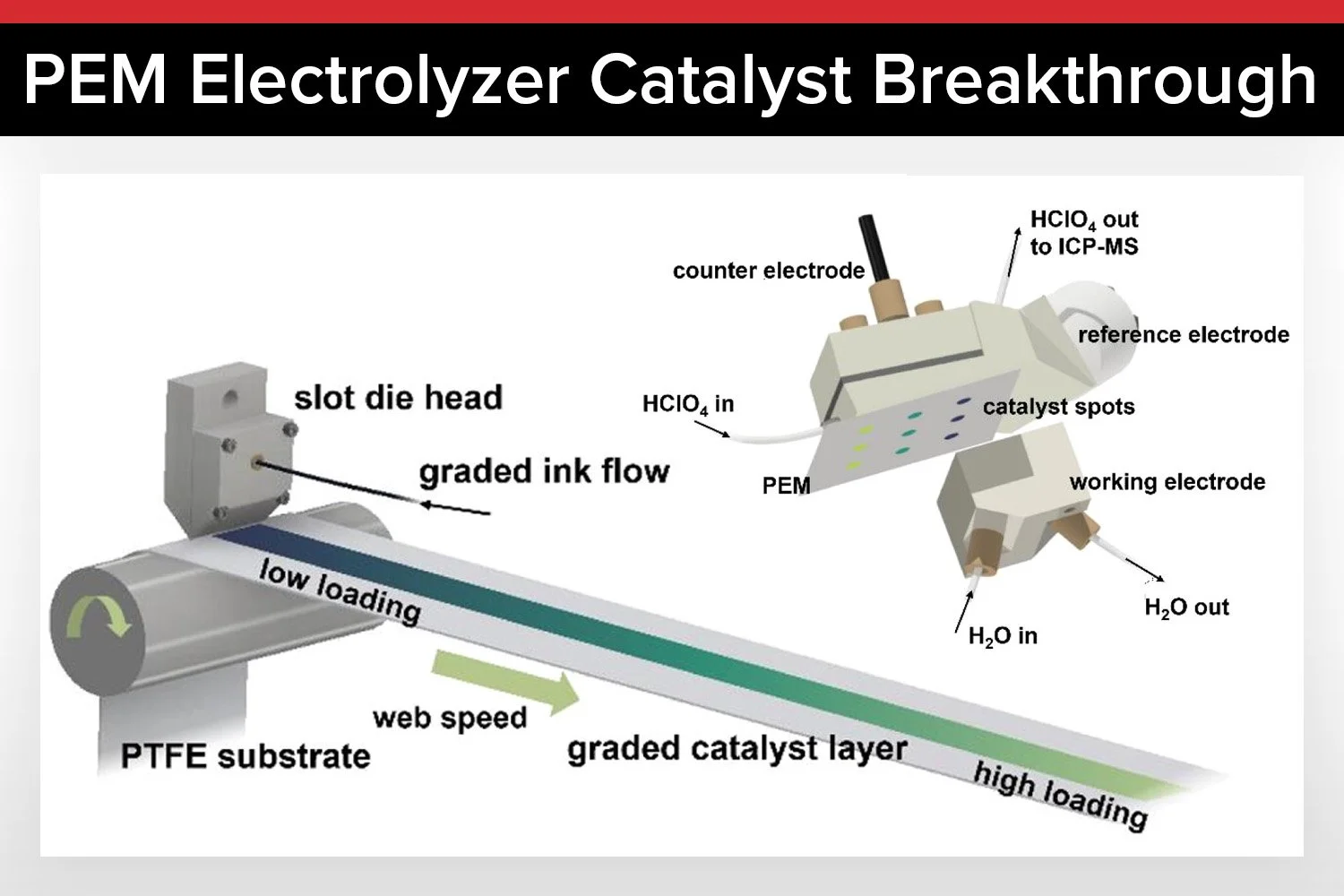
Roll-to-roll slot-die coating has been widely demonstrated in peer-reviewed research as a scalable and reliable method for fabricating high-quality thin films and multilayer structures. These studies highlight its successful use for producing uniform coatings under continuous processing conditions.
Researchers have reported consistent and reproducible layer thickness, improved material utilization, and the ability to fabricate complex, well-controlled architectures using roll-to-roll slot-die coating. These results confirm that the technique is a well-established and validated approach for advancing material development and enabling reproducible thin-film processing in both laboratory and pilot-scale settings.
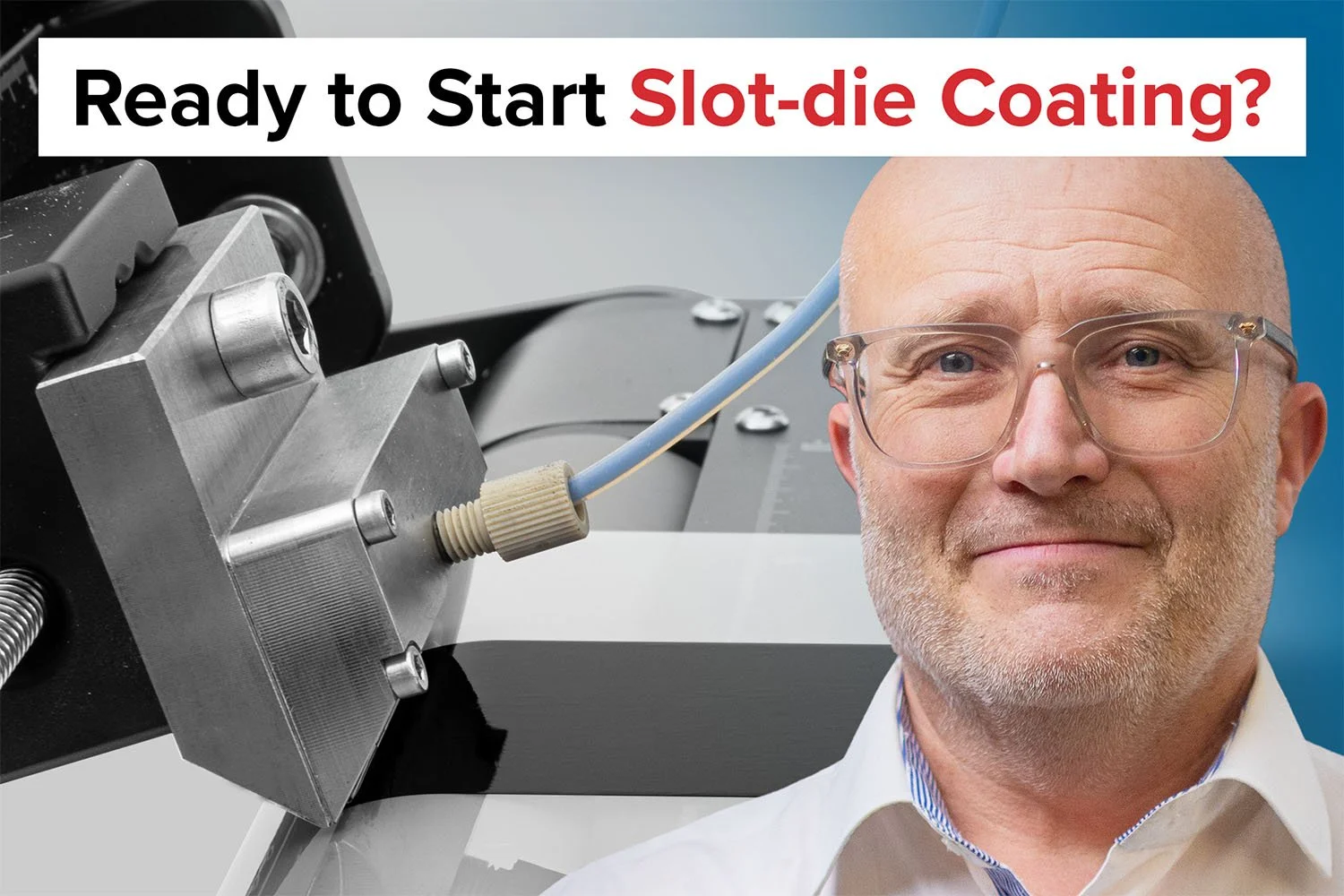
Is Roll-to-Roll Coating for You?
Roll-to-roll coating is a versatile manufacturing approach that enables precise, uniform, and reproducible thin-film deposition on flexible substrates. It is especially well-suited for both research and industrial environments where continuous processing and scalability are important. Whether you are developing new materials or scaling up production, it is worth considering how roll-to-roll slot-die coating can support your specific application and production goals.
We can support you in exploring slot-die coating through:
Expert Consultation: Discuss your application with our team and evaluate whether slot-die coating fits your project goals.
Visit Our Lab: See the process in action and understand its capabilities firsthand.
Hands-On Workshops: Participate in practical sessions to test ideas, learn techniques, and gain experience with slot-die coating.
Who Benefits From Roll-to-Roll Coating?
Roll-to-roll (R2R) processing is a high-throughput manufacturing method for continuously producing thin, flexible materials on a moving web. It enables large-scale, cost-efficient fabrication while maintaining good control over layer deposition, patterning, and post-processing. This makes it especially important for industries aiming to transition from laboratory-scale methods to industrial production.
Industries that rely on roll-to-roll processing include:
Battery Manufacturing: Continuous coating and processing of electrodes, separators, and functional layers for high-volume energy storage production.
Pharmaceuticals: High-throughput production of transdermal patches, diagnostic strips, and controlled-release delivery systems.
Membranes: Scalable fabrication of filtration and separation membranes with consistent performance across large surface areas.
Fuel Cells: Mass production of catalyst layers, membranes, and gas diffusion layers for energy conversion devices.
Solar Cells: Large-area deposition and processing of photovoltaic materials for flexible and conventional solar technologies.
Adhesives: Continuous coating of pressure-sensitive adhesives and functional bonding layers for industrial and consumer products.
Packaging: Application of barrier coatings, functional films, and protective layers on flexible packaging materials.
Sensors: Manufacturing of flexible, printed, and thin-film sensors for environmental, medical, and industrial monitoring.
Electrochromics: Production of smart window coatings and switchable optical films using scalable deposition techniques.

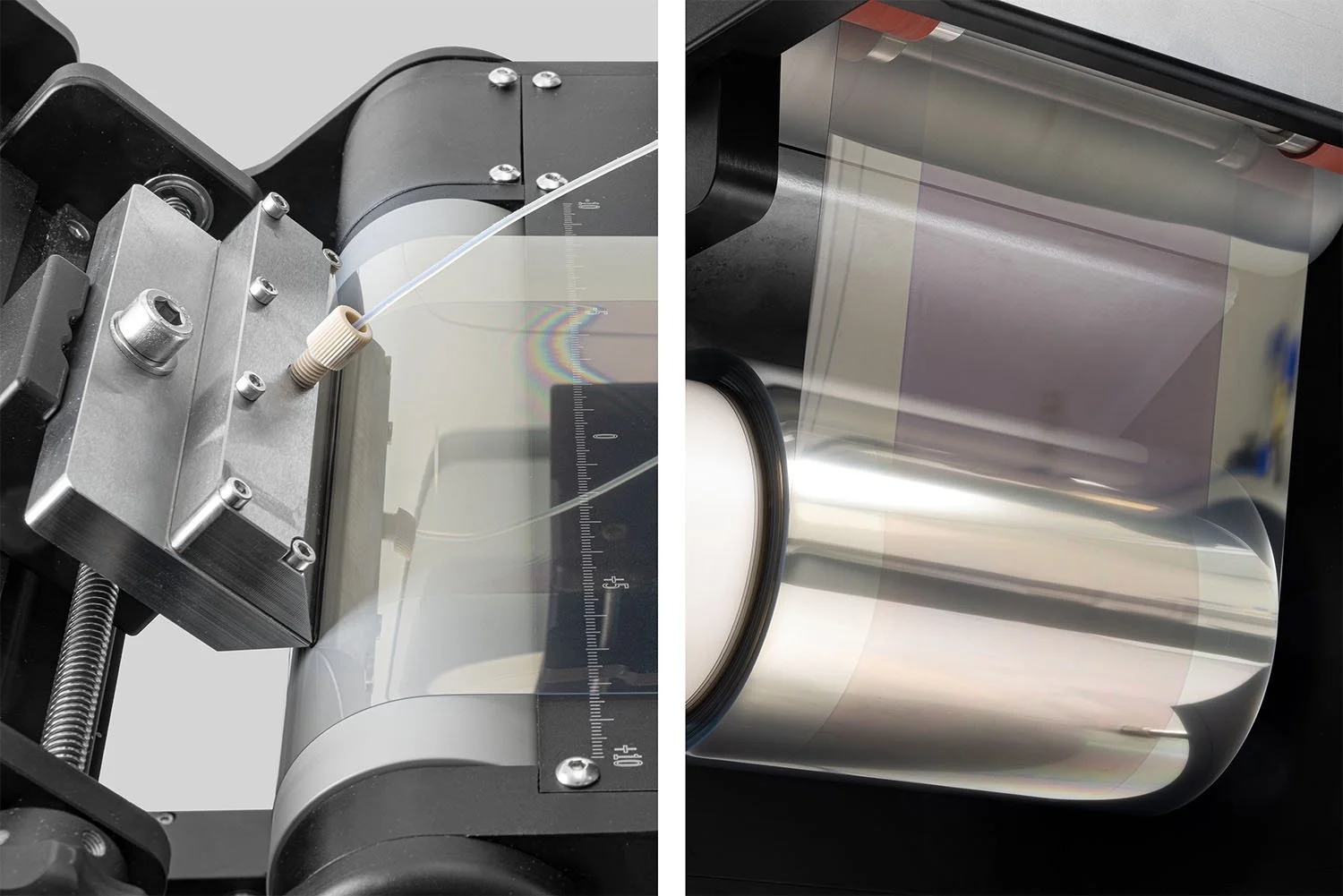
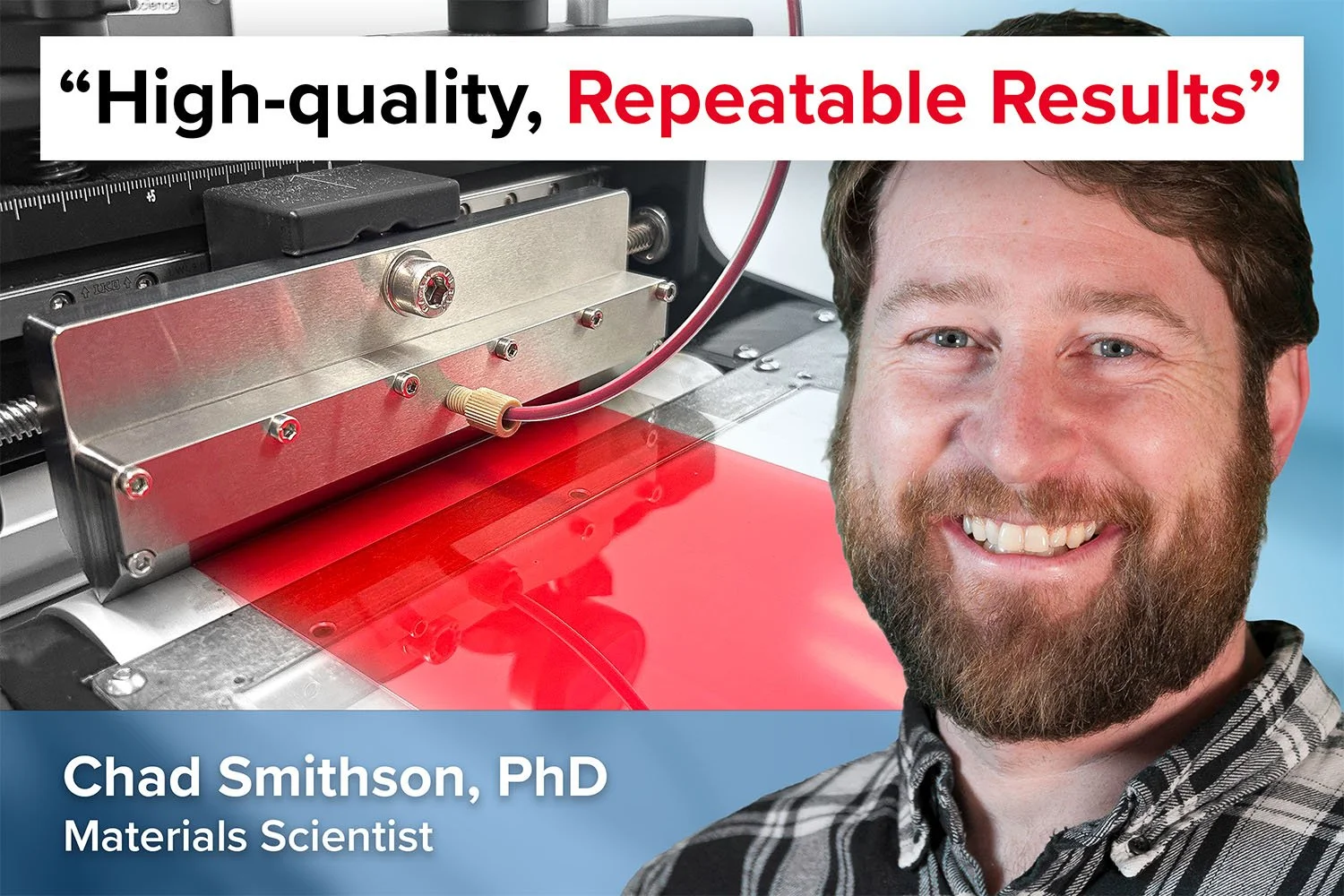
Roll-to-Roll Coating Delivers Consistent, High-Quality Coating for Trusscore
Chad Smithson, Materials Scientist at Trusscore, highlights the exceptional performance of the slot-die heads in their research on electrochromic coatings. The precision and reliability of the slot-die technology ensured uniform deposition of functional inks, which is critical for developing color-changing wall panels.
Roll-to-Roll Coater or Sheet Coater?
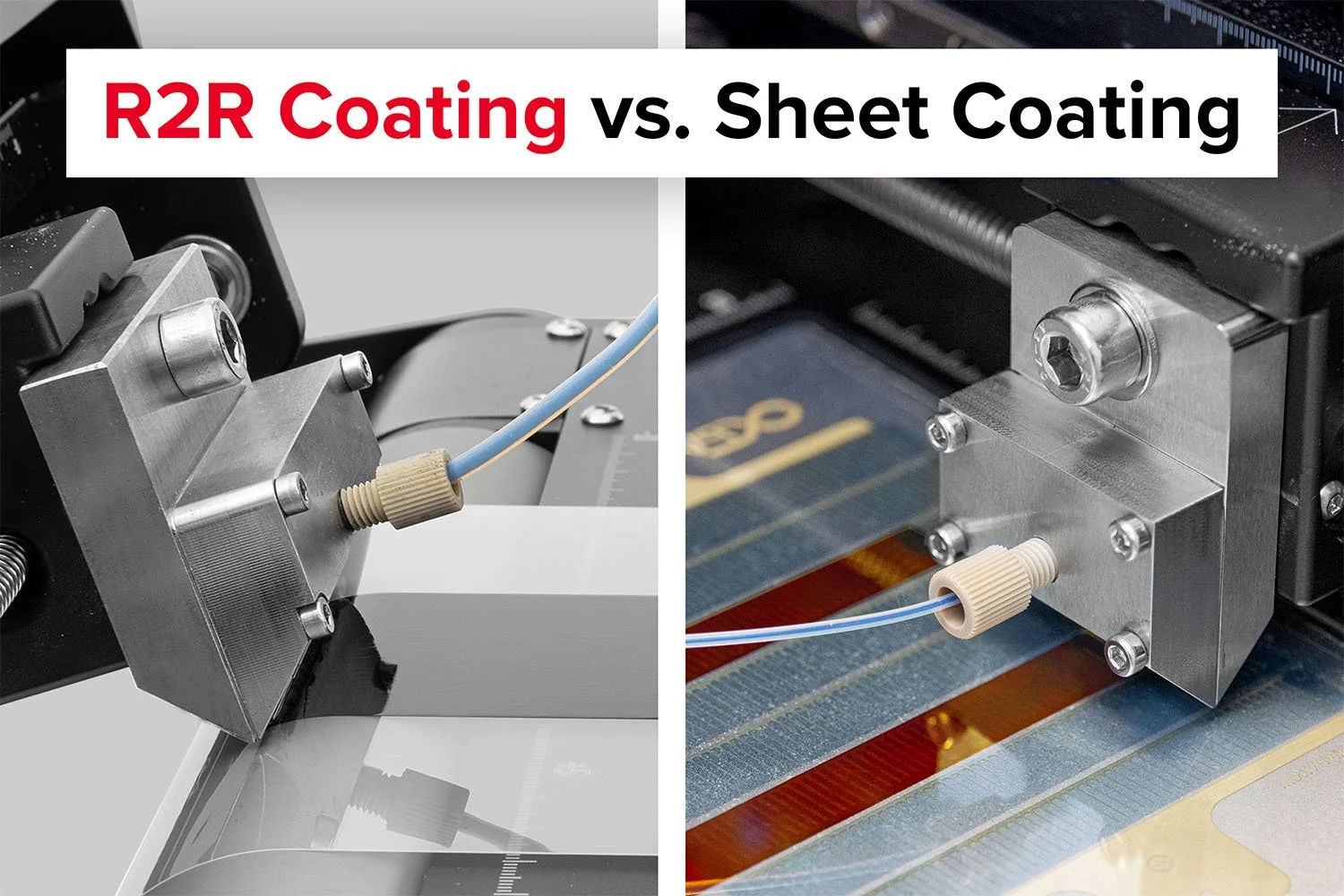
Choosing between a roll-to-roll (R2R) coating system and a sheet coating system depends on how your material is handled and what level of process control you need. Whether you're working with flexible films, foils, electronics substrates, packaging materials, or functional coatings, we help you identify the right coating setup for precise, reproducible, and scalable results.

Slot-die Coater
Ideal for lab research, prototyping, and small-batch production. Sheet-based processing allows flexible testing, parameter adjustments, and precise coatings in limited quantities.

Laboratory Roll-to-Roll Coater
Best for scaling lab results to continuous, high-throughput production. Ensures uniform, consistent coatings on long substrates and supports transition to larger-scale manufacturing.

R2R Hybrid Coater
Combines sheet-based precision with roll-to-roll efficiency. Offers maximum flexibility for lab-scale thin film processing—from early formulation work to pilot-scale production.
Roll-to-Roll Coating Is Actually Quite Simple
Roll-to-roll (R2R) processing is a surprisingly simple and intuitive manufacturing method once you see the basic idea: you just feed a material from one roll to another while performing different processing steps along the way. Instead of handling individual pieces one by one, everything happens continuously on a moving strip, which makes the whole process efficient, scalable, and easy to automate for mass production.
At its core, it is simply: unwind a roll → process the moving material step by step → rewind it as a finished product.
Roll-to-Roll Processing Steps
1. Unwinding
The process starts by feeding a roll of material into the production line. The material is unwound in a controlled way so it moves smoothly without stretching, tearing, or forming wrinkles. Maintaining steady tension is essential because it ensures the material enters the rest of the system in a stable and predictable manner.
2. Foil Alignment
As the material moves through the machine, it must stay perfectly centered and straight. Alignment systems continuously correct the position of the web so it does not drift sideways. This is important because even small misalignments can cause defects in coating, printing, or pattern placement later in the process.
3. Preprocessing (Surface Treatment)
Before any functional layers are added, the surface is often prepared to improve how well it accepts coatings or inks. This may involve cleaning or activating the surface using techniques like corona or plasma treatment. The goal is to improve adhesion and ensure the next layers spread evenly without defects.
4. Processing Steps (Printing, Coating, etc.)
This is where the actual product is formed on the moving material. Depending on the application, patterns can be printed, thin films can be coated, material can be cut or etched, or multiple layers can be laminated together. These steps are the core of R2R manufacturing and allow complex structures to be built continuously.
5. Drying and Curing
After coating or printing, the material needs to be solidified so the applied layer becomes stable and durable. This is done by removing solvents or triggering chemical curing reactions using heat, infrared light, vacuum, UV light, or electron beams. The chosen method depends on the material and production speed required.
6. Analysis / Quality Control
Throughout or after processing, the material is checked to ensure it meets quality standards. This can involve visual inspection, thickness measurements, or functional testing depending on the product. Quality control helps catch defects early and keeps the production process stable and efficient.
7. Rewinding
Finally, the finished material is wound back into a roll. This roll can then be stored, transported, or cut into individual products. Rewinding completes the continuous loop that makes roll-to-roll processing so efficient for large-scale manufacturing.
Reduce Waste and Boost Consistency with R2R Wet Processing
Roll-to-Roll Wet Processing for Slot-Die Coating
Roll-to-roll (R2R) wet processing allows flexible substrates to move continuously through coating, drying, or functional treatment steps. When combined with slot-die coating, this approach ensures uniform, reproducible layers and supports applications that require precise multilayer or specialty coatings.
Integrated and Precise
R2R processing can integrate multiple steps into a single workflow, from coating to drying or secondary functionalization. This allows precise control at every stage, improving reproducibility and efficiency for a wide range of materials and formulations.
Applications and Benefits
R2R slot-die coating is ideal for thin films, multilayer structures, functional coatings, membranes, adhesives, and flexible electronics. Continuous processing reduces variability, improves material utilization, and enables smooth scaling from laboratory experiments to pilot or full-scale production. Controlled environments, such as cleanrooms, can be used for sensitive materials.
Guidance for Your Process
We can help you determine the best R2R slot-die coating approach for your application. From lab-scale trials to pilot or production runs, our team provides guidance to achieve reproducible, scalable results efficiently.

Controlled Environments for Reliable Slot-die Coating
Why Use Controlled Environments?
Some materials are highly sensitive to moisture, oxygen, or contamination. Gloveboxes, fume hoods, and cleanroom setups provide controlled conditions for slot-die coating, drying, and material handling, ensuring that sensitive films and functional layers are applied reliably and consistently.
Integrated and Safe
Working in controlled environments allows coating, drying, and processing to be performed without exposing materials to air or contaminants. This improves reproducibility and protects both the materials and the process, making it ideal for delicate formulations, reactive chemistries, or high-performance functional coatings.
Applications and Benefits
Controlled environments are particularly useful for moisture-sensitive polymers, reactive inks, functional membranes, and biomedical or electronic coatings. They help reduce defects, maintain consistent layer quality, and enable reproducible results across lab-scale experiments, pilot tests, and production-scale processes.
Guidance for Your Process
Our team can help determine the best controlled environment setup for your slot-die coating needs. From laboratory research to pilot-scale production, we provide guidance on safe, reproducible workflows that ensure high-quality coatings for sensitive materials.

Plasma and Corona Treatment
For roll-to-roll slot-die coating applications, surface energy plays a critical role in achieving uniform, defect-free layers at continuous processing speeds. Corona and plasma treatments are widely used to modify the surface of non-porous web substrates, improving wettability and adhesion of inks, coatings, and functional materials during roll-to-roll processing.
By increasing surface energy, these treatments help prevent dewetting, promote consistent coating formation across moving substrates, and enhance bonding strength—especially on polymers, foils, and other low-energy materials. Incorporating corona or plasma treatment into a roll-to-roll slot-die coating workflow ensures more reliable, high-quality coatings and supports reproducible results from lab-scale roll systems through pilot and full production lines.
Learn More About Slot-die Coating