
Technical University of Denmark Advances Thin-Film Drug Delivery Using Slot-die Coating
The Department of Health Technology (DTU Health Tech) at the Technical University of Denmark is a leading interdisciplinary research environment dedicated to improving health and quality of life through technology. Their mission is to educate the next generation of health tech engineers and drive innovation in healthcare solutions, with a focus on diagnostic imaging, digital health, personalized healthcare, precision diagnostics, and sensory and neural technology.
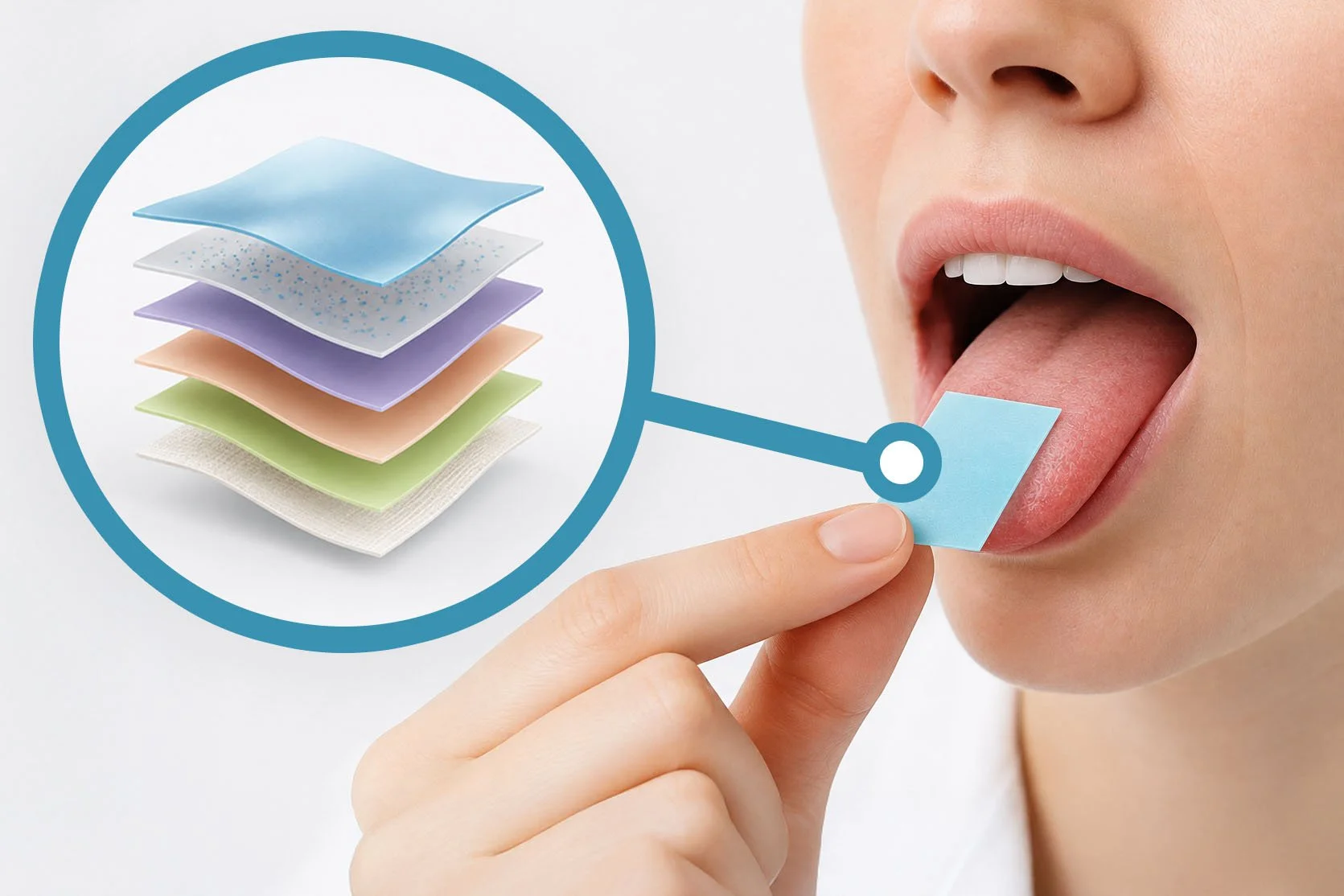
One of their key research areas is drug delivery, where Associate Professor Line Hagner Nielsen and her team in the Pharmaceutical Technology Group specialize in developing non-invasive drug delivery systems, such as buccal films, to enhance patient compliance and therapeutic efficacy.
The Need for Precision in Thin-Film Fabrication
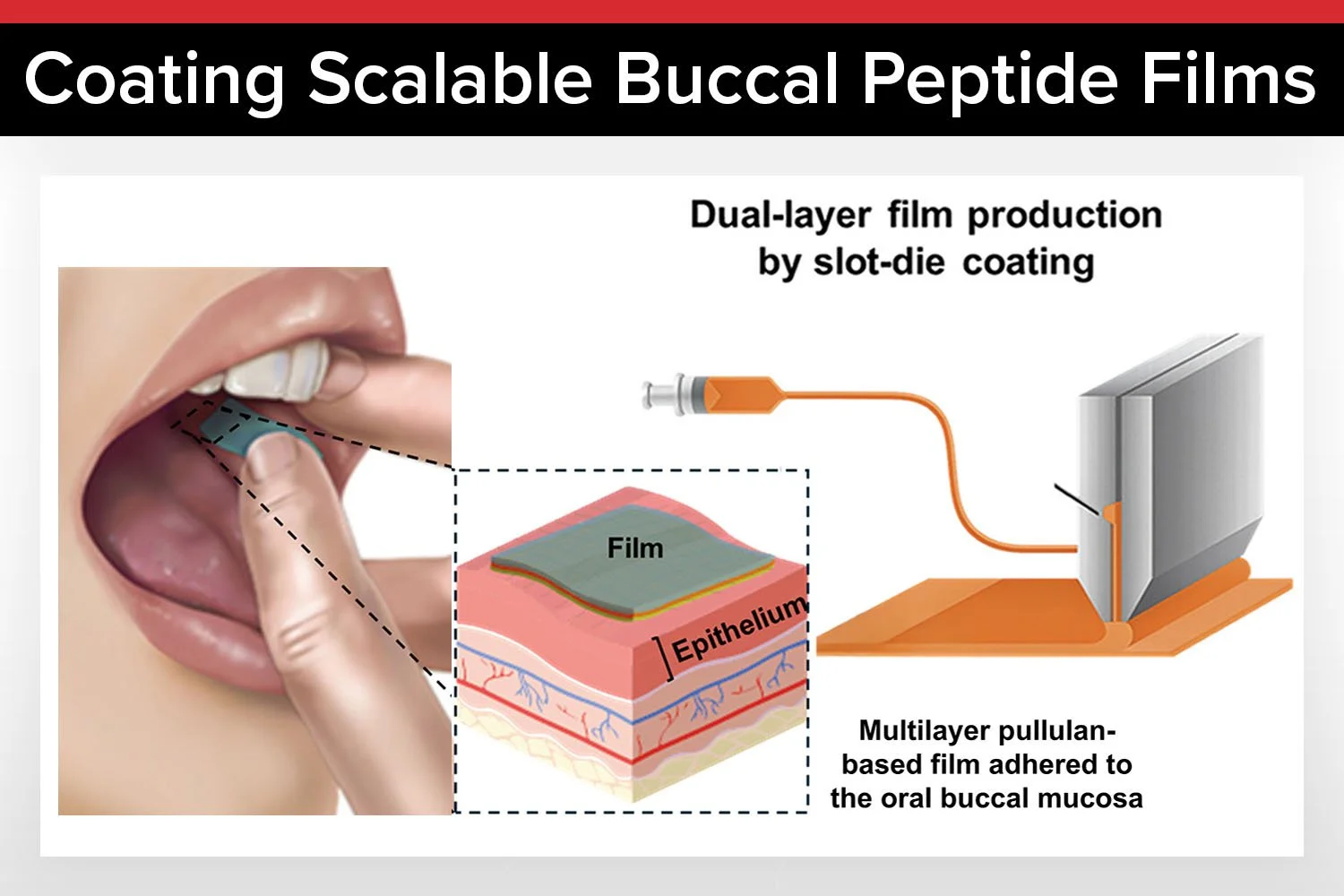
DTU Health Tech faced challenges in producing thin, uniform polymeric films for buccal drug delivery. Traditional methods like solvent casting often resulted in films with inconsistent thickness and drug release profiles, making it difficult to achieve the reproducibility and scalability required for effective research and potential industrial applications. Additionally, these methods could be too harsh for sensitive compounds like peptides, which risk losing their functionality during fabrication.
The team needed a method that could produce layer-by-layer polymeric films in the micrometer range with precision and reproducibility. Their goal was to develop buccal films that could provide controlled drug release, exhibit strong mucoadhesion to ensure prolonged contact with the buccal mucosa, maintain high biocompatibility for safety, and be scalable for transitioning from lab-scale to industrial production.
“With the coater, it has been possible to advance in the buccal drug delivery system area, but also in thin films for dermal drug delivery. The coater is a flexible fabrication technique that is easy to get started with and easy to use. It has made it possible to quickly develop thin films.”
Adopting Slot-Die Coating for Pharmaceutical Research
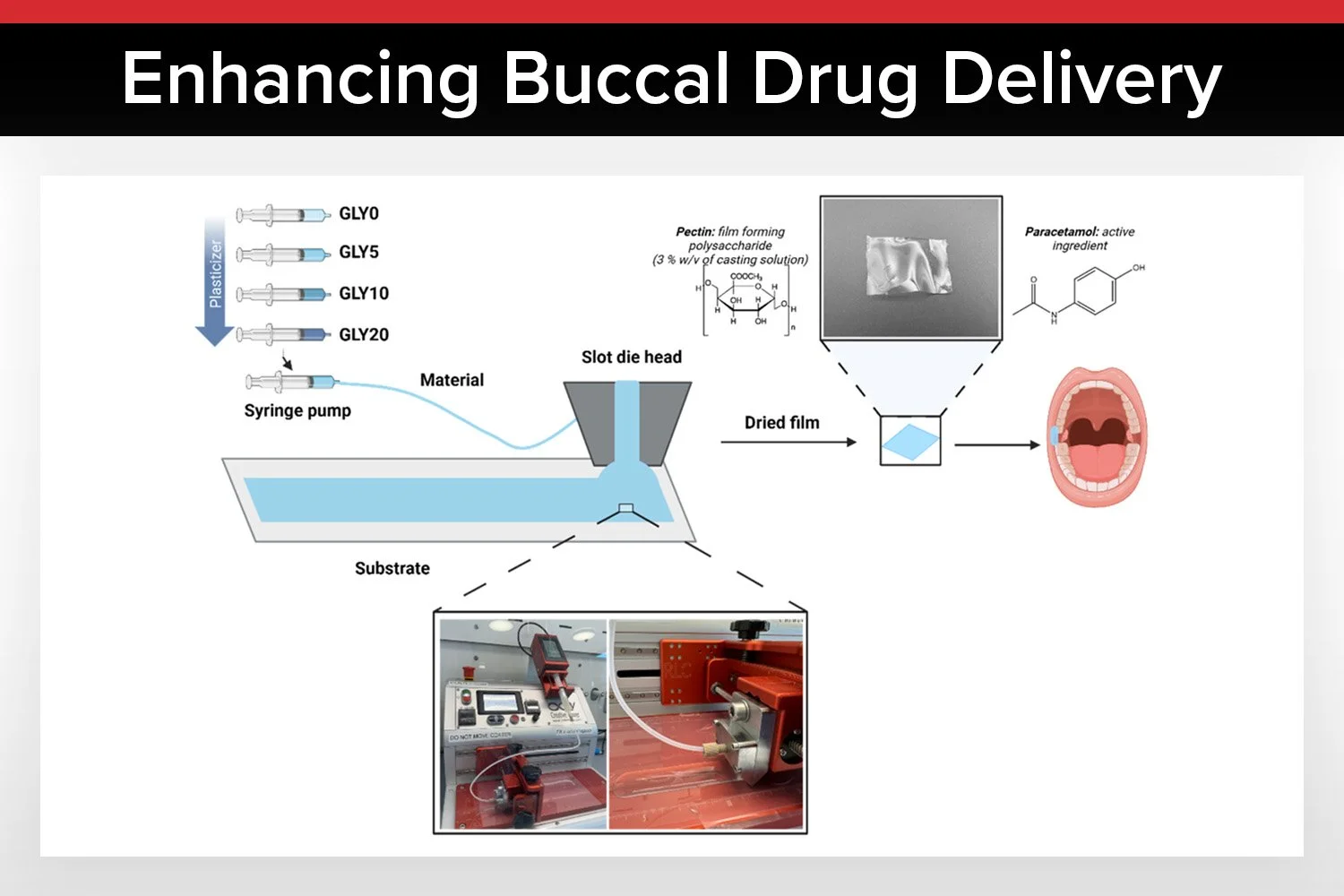
To overcome their challenges, DTU Health Tech adopted slot-die coating using infinityPV’s Research Laboratory Coater (now evolved into the Slot-die Coater). This method provided precise control over film thickness, drying, and ink delivery, enabling the production of uniform, defect-free pectin-based films with varying glycerol content.
Slot-die coating was selected for its ability to ensure reproducibility, which was critical for maintaining consistent film properties across batches. Additionally, its flexibility allowed the team to work with various polymers and formulations, while the gentle nature of the process preserved the stability and functionality of sensitive compounds like peptides.
The scalability, reproducibility, and adaptability of the slot-die coating process allowed DTU Health Tech to transition from lab-scale research to potential industrial applications, opening new possibilities for advancements in dermal drug delivery and other pharmaceutical applications.
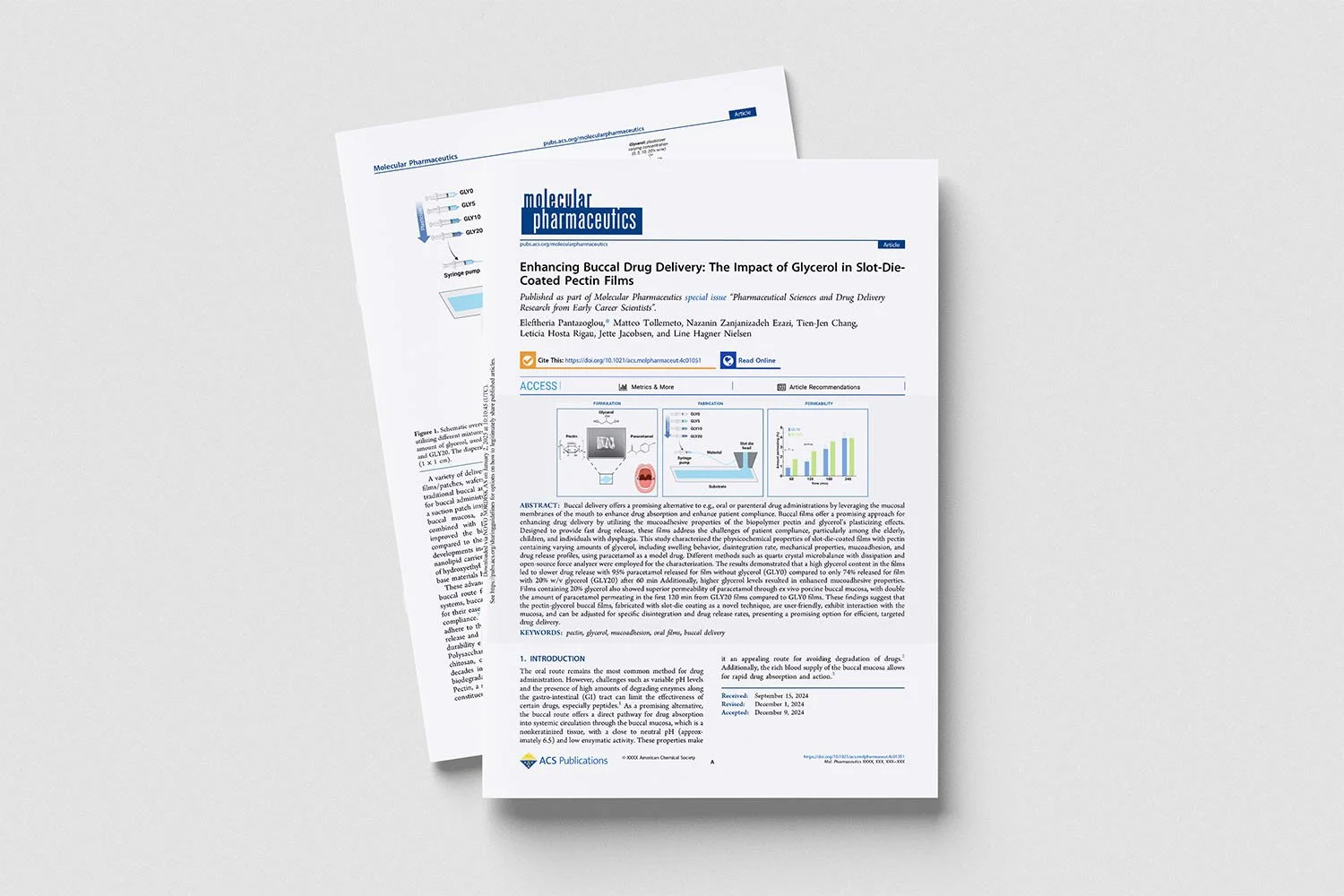
DTU Health Tech published a study in Molecular Pharmaceutics (2025) demonstrating the use of slot-die coating to fabricate pectin-based buccal films with varying glycerol content, achieving controlled drug release and enhanced mucoadhesion for improved drug delivery.
Controlled Release, Enhanced Adhesion, and Biocompatibility
The implementation of slot-die coating enabled DTU Health Tech to achieve crack-free, smooth, and structurally robust films across all glycerol concentrations. The impact of glycerol on film properties was particularly notable.
Films with 20% glycerol demonstrated a slower, controlled drug release, with 74% released after 60 minutes compared to 95% for glycerol-free films, and full release achieved after 140 minutes. These films also exhibited stronger adhesion to mucosal surfaces, ensuring prolonged drug contact and absorption, which is critical for buccal delivery efficacy.
All films maintained excellent biocompatibility, with no significant toxicity observed in human buccal cell lines. This confirms their safety for oral applications.

The Research Laboratory Coater used by DTU Health Tech has since evolved into the Slot-die Coater.
A Scalable Solution for Pharmaceutical Innovation
This case study demonstrates how slot-die coating addresses key challenges in thin-film drug delivery, offering precision, reproducibility, and scalability. The ability to fine-tune film properties, such as controlled release, enhanced mucoadhesion, and improved permeability, makes it a versatile tool for developing tailored drug delivery systems. Its compatibility with GMP standards and gentle processing of sensitive compounds further highlights its potential for transitioning from lab-scale research to industrial production. For pharmaceutical professionals, slot-die coating presents a compelling solution to accelerate innovation and bridge the gap between research and commercialization.
Full Testimonial by Assoc. Prof. Line Hagner Nielsen
“My Group ‘Pharmaceutical Technology’ focuses on drug delivery and on the development of drug delivery systems for non-invasive drug delivery.
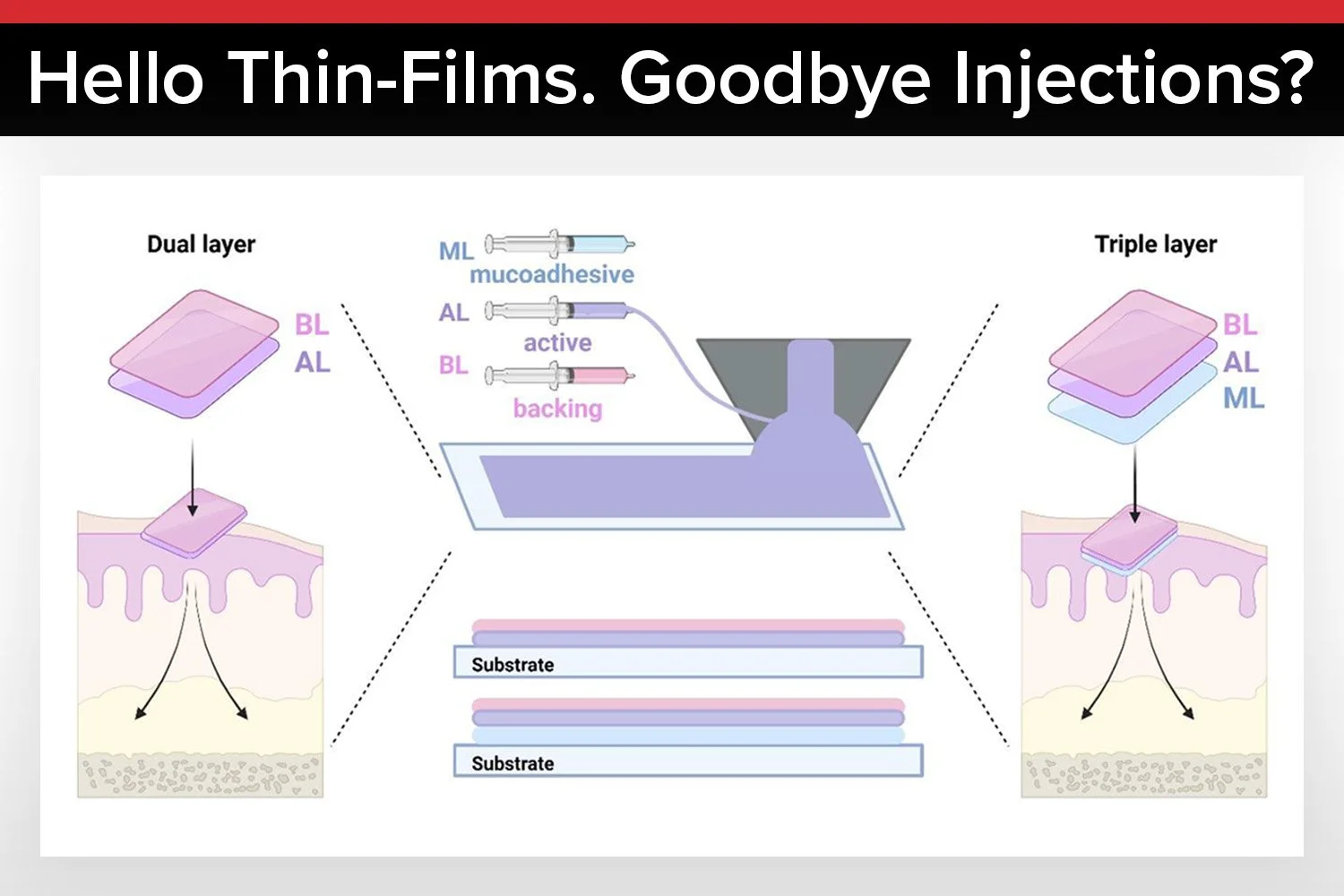
The need for a coating solution arose from the requirement to produce layer-by-layer polymeric films in the micrometer size range. A reproducible method was needed that could be used for a range of polymers and polymer mixtures. It was important that the fabrication method was not too harsh, as peptides were included as drugs in the polymeric films, and these peptides tend to be unstable and thereby lose their functionality. The goal was to develop thin polymeric layer-by-layer films that could be used for buccal peptide delivery.
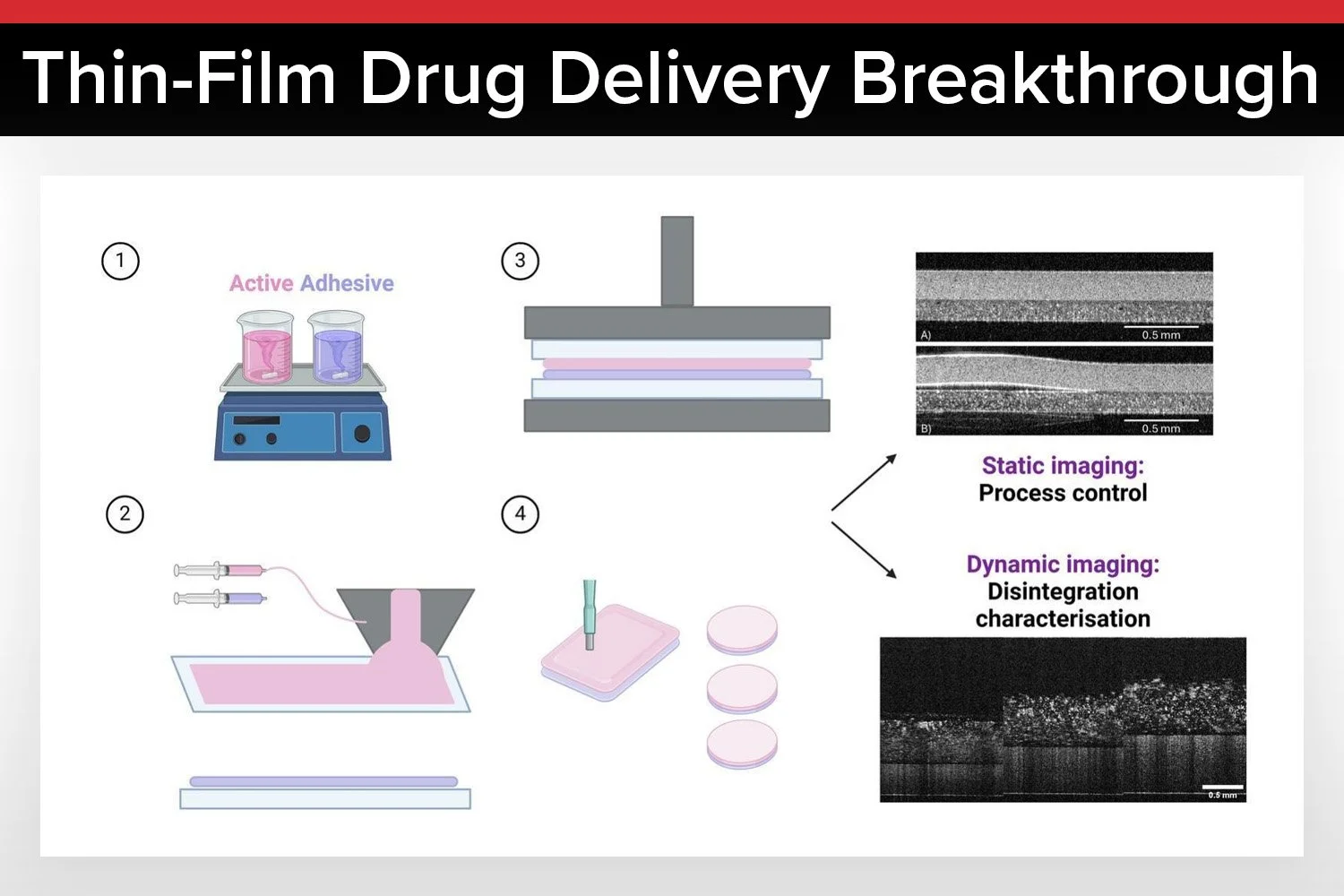
This system was chosen because it offers high reproducibility and the ability to create thin films with a reproducible thickness. It also provides the option to build layer-by-layer films of different polymer matrices. The coater has shown the ability to produce drug delivery systems in the form of thin polymeric films. It has been used with many different polymers, demonstrating that it is a flexible fabrication method. With the coater, it has been possible to advance in the buccal drug delivery system area, but also in thin films for dermal drug delivery. The coater is a flexible fabrication technique that is easy to get started with and easy to use. It has made it possible to quickly develop thin films.
I would recommend the system to others in the field, as it provides the possibility for fast prototyping in a reproducible manner. The method can also be scaled up in industrial settings.”
How Can We Help With Your Research?
Need help with slot-die coating or machines? Contact our experts for guidance and support.
More Customer Success Stories
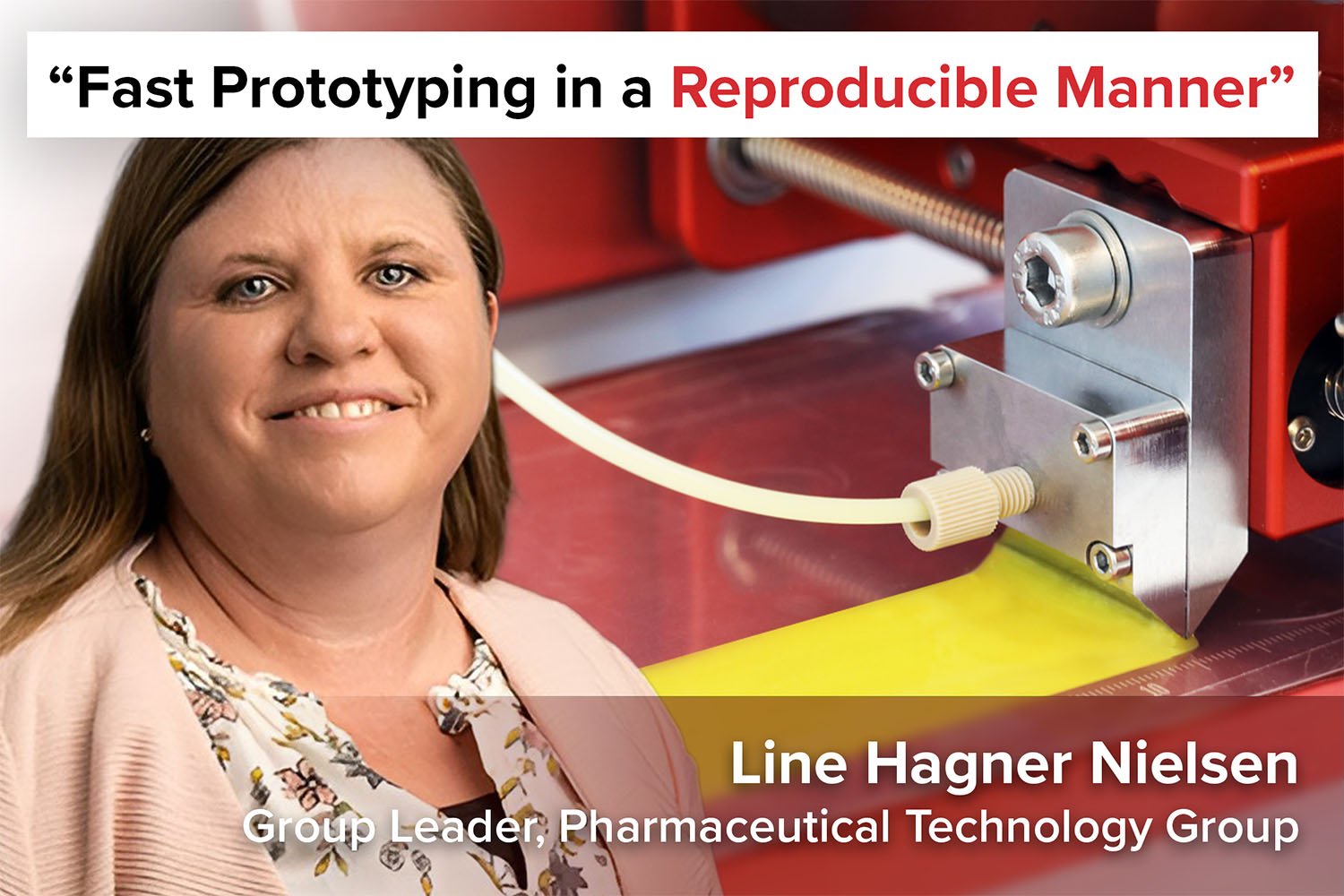



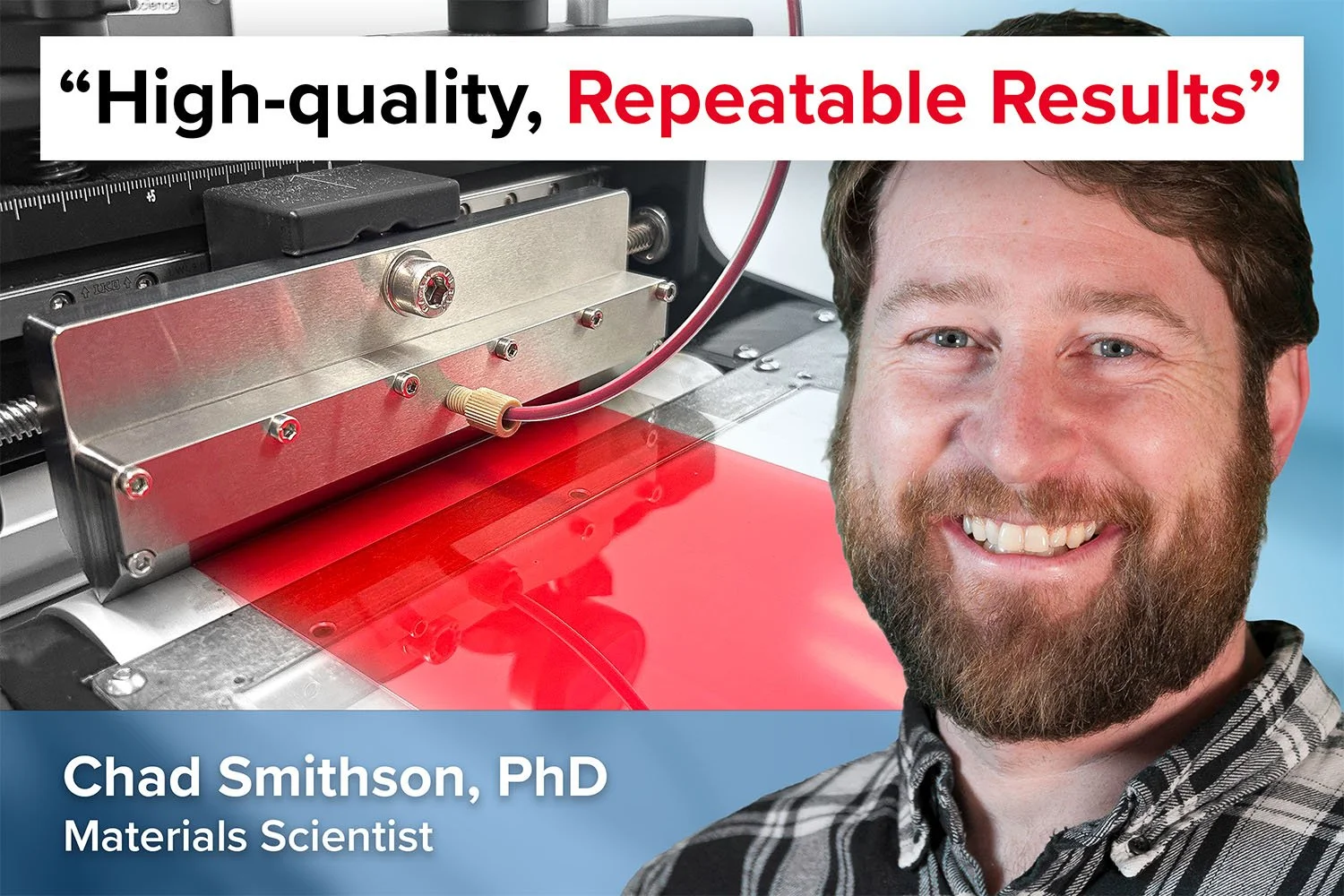


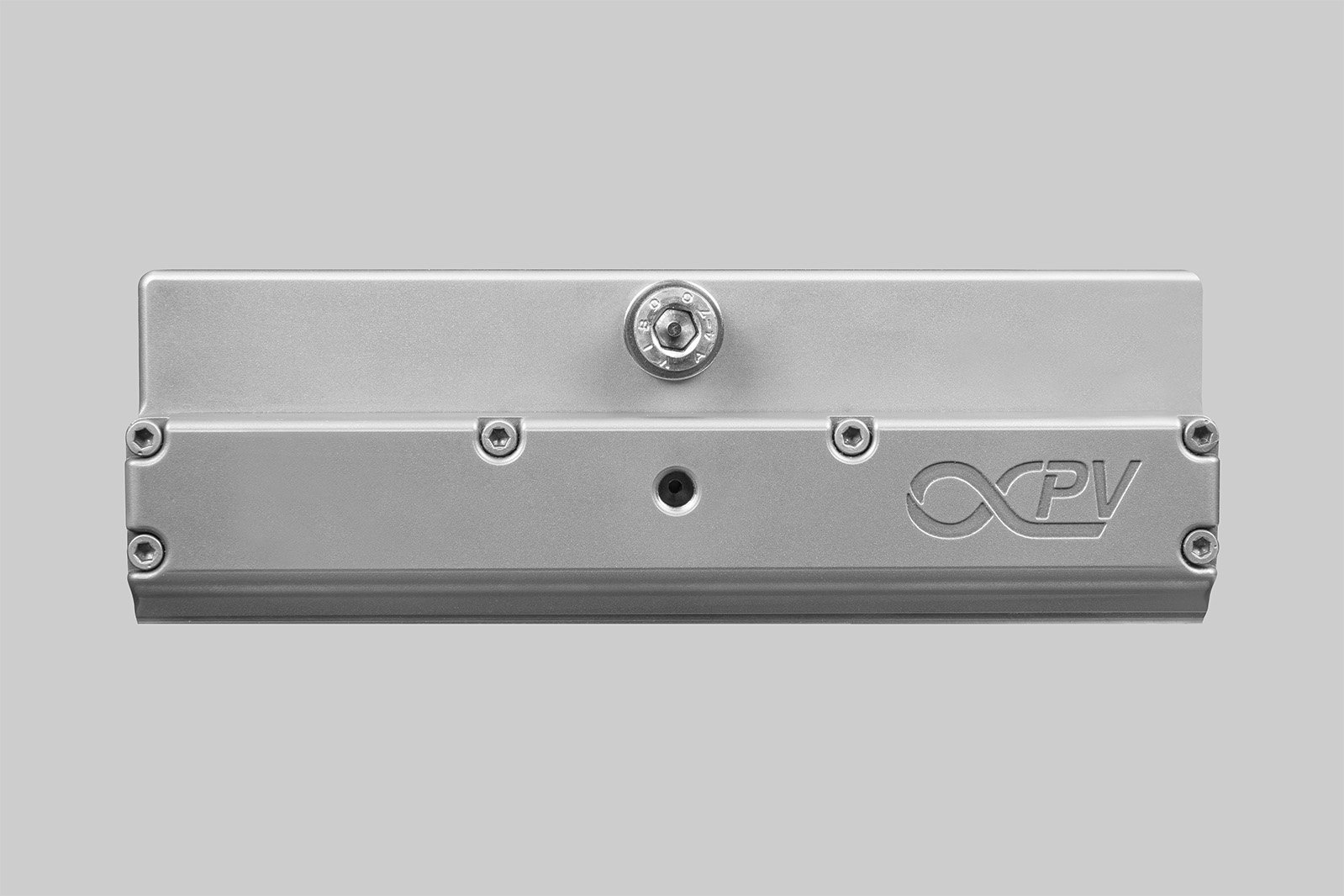
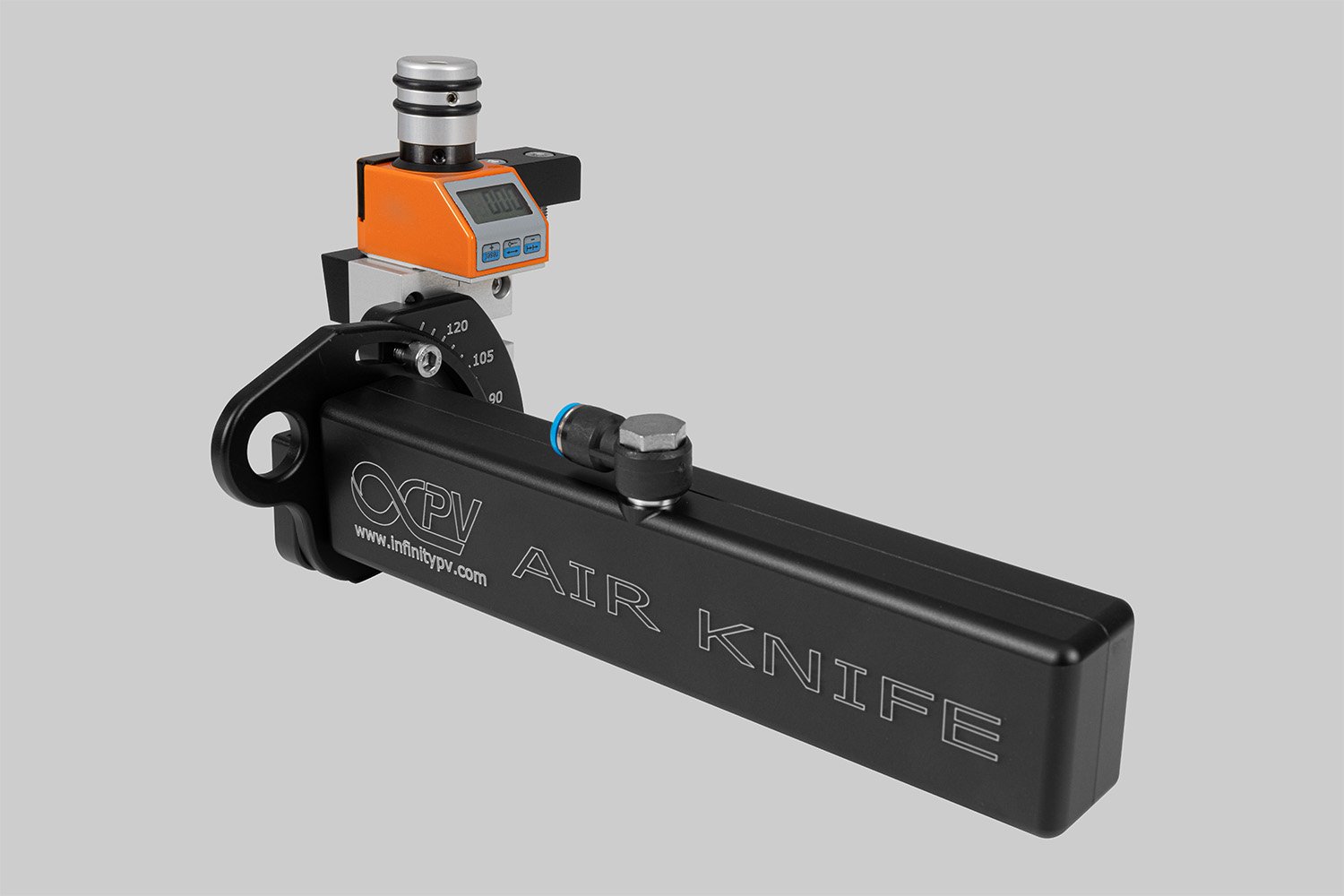
The infinityPV slot-die heads offer unparalleled performance across various materials and size. Available in PEEK, Stainless and Titanium in standard widths of 40 mm, 65 mm, 115 mm, 165 mm, 195 mm and 305 mm. View video.