
What Is Thin Film Drug Delivery?
The way medicines are delivered is just as important as the active ingredient itself. Conventional tablets, capsules, and injections remain the standard for many treatments, but they are not always the most effective option.
In recent years, thin film drug delivery has emerged as an attractive alternative for a growing number of pharmaceutical applications. By combining precise formulation with advanced manufacturing techniques, thin films offer new possibilities for improving patient experience, increasing dosing accuracy, and enabling more efficient drug administration.
For pharmaceutical researchers, thin film technologies represent an opportunity to develop dosage forms that are easier to manufacture, easier for patients to use, and capable of delivering a broad range of active pharmaceutical ingredients.
What Is Thin Film Drug Delivery?
Thin film drug delivery refers to pharmaceutical dosage forms in which active ingredients are incorporated into an extremely thin polymer-based film. Depending on the formulation and intended application, these films can dissolve rapidly, release the drug gradually over time, or remain intact while controlling the transport of the active compound.
The films are typically only a few tens to hundreds of micrometers thick and consist of carefully selected polymers, plasticizers, stabilizers, and active pharmaceutical ingredients. Their mechanical strength, flexibility, dissolution rate, and drug release profile can all be tailored through formulation and manufacturing parameters.
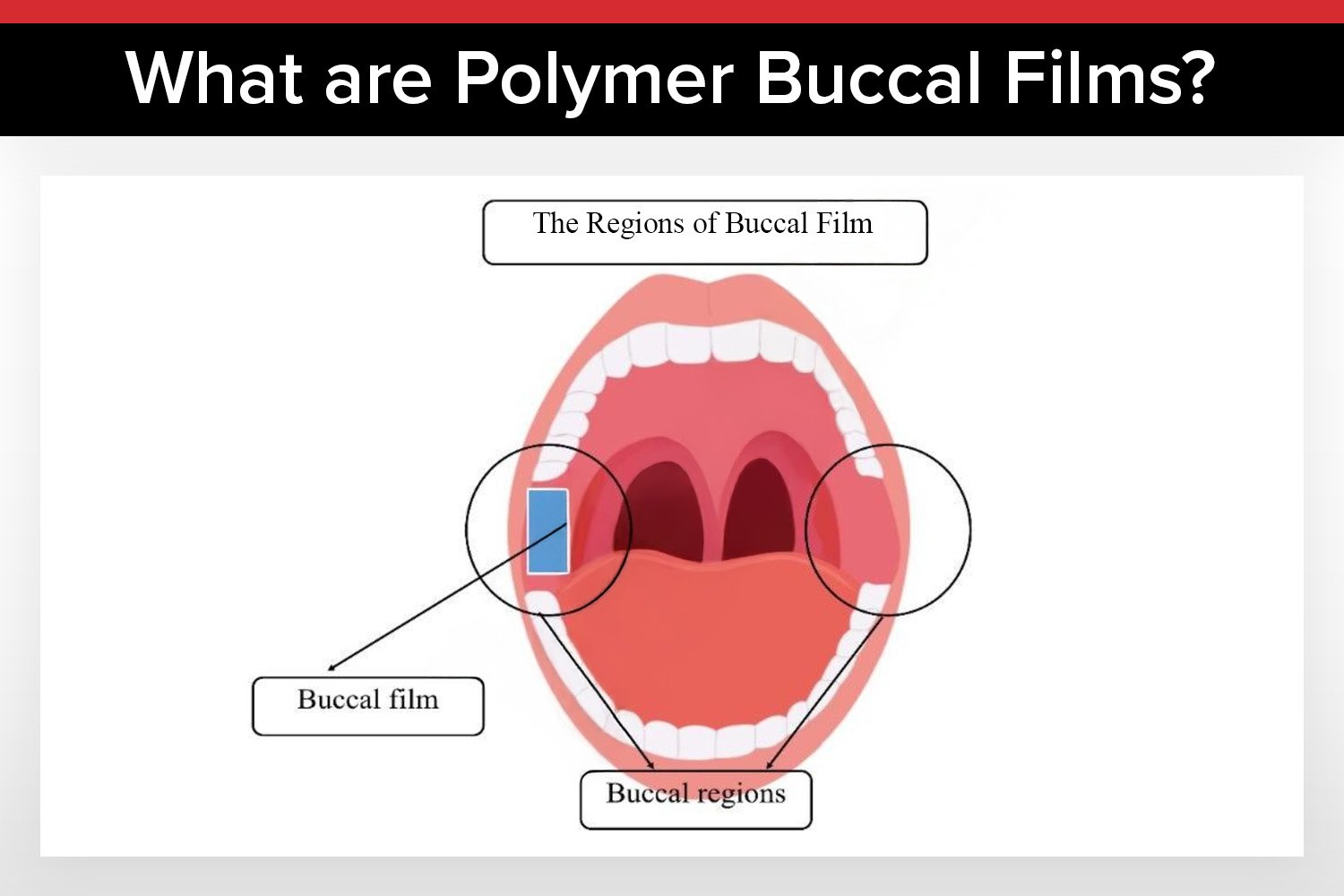
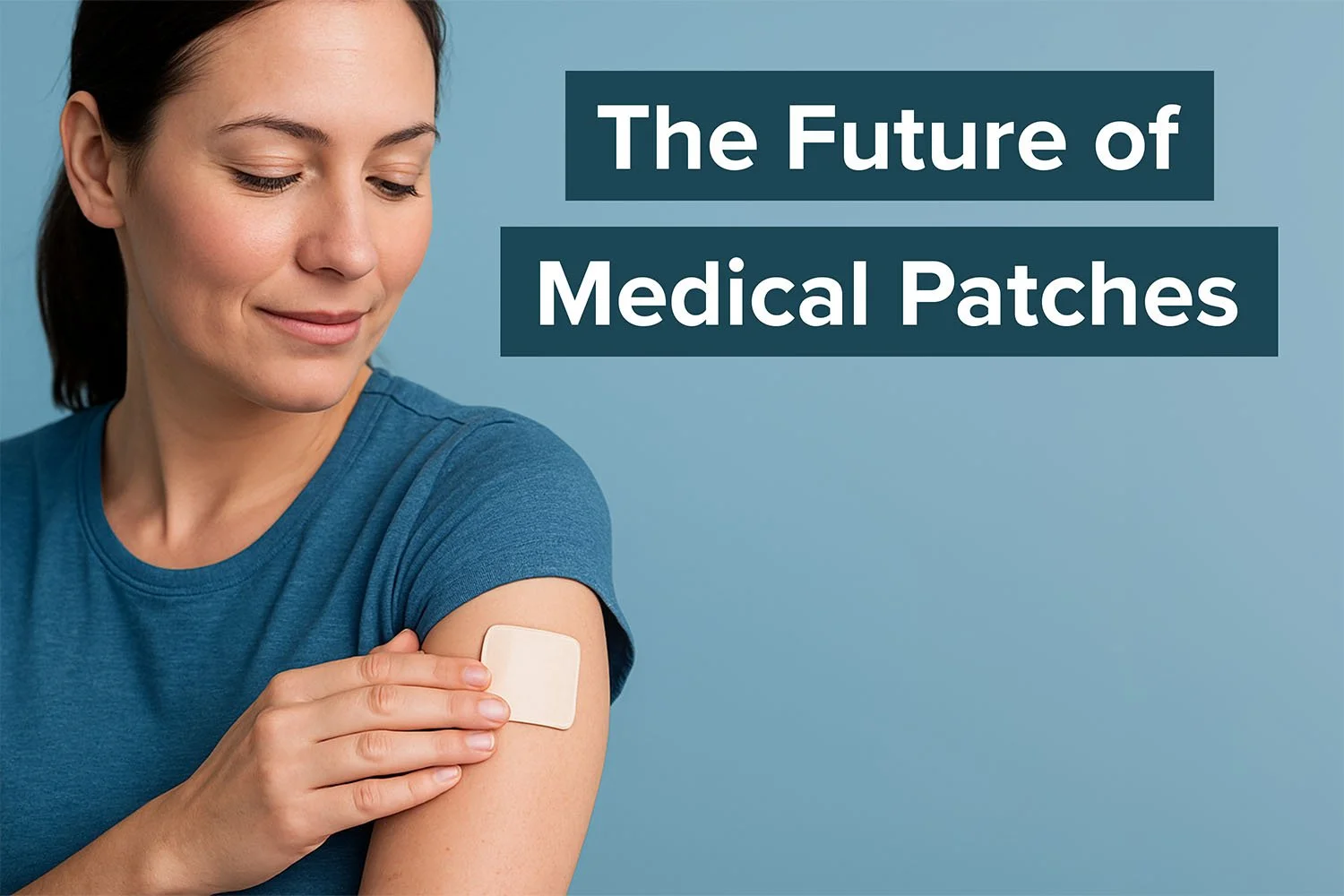
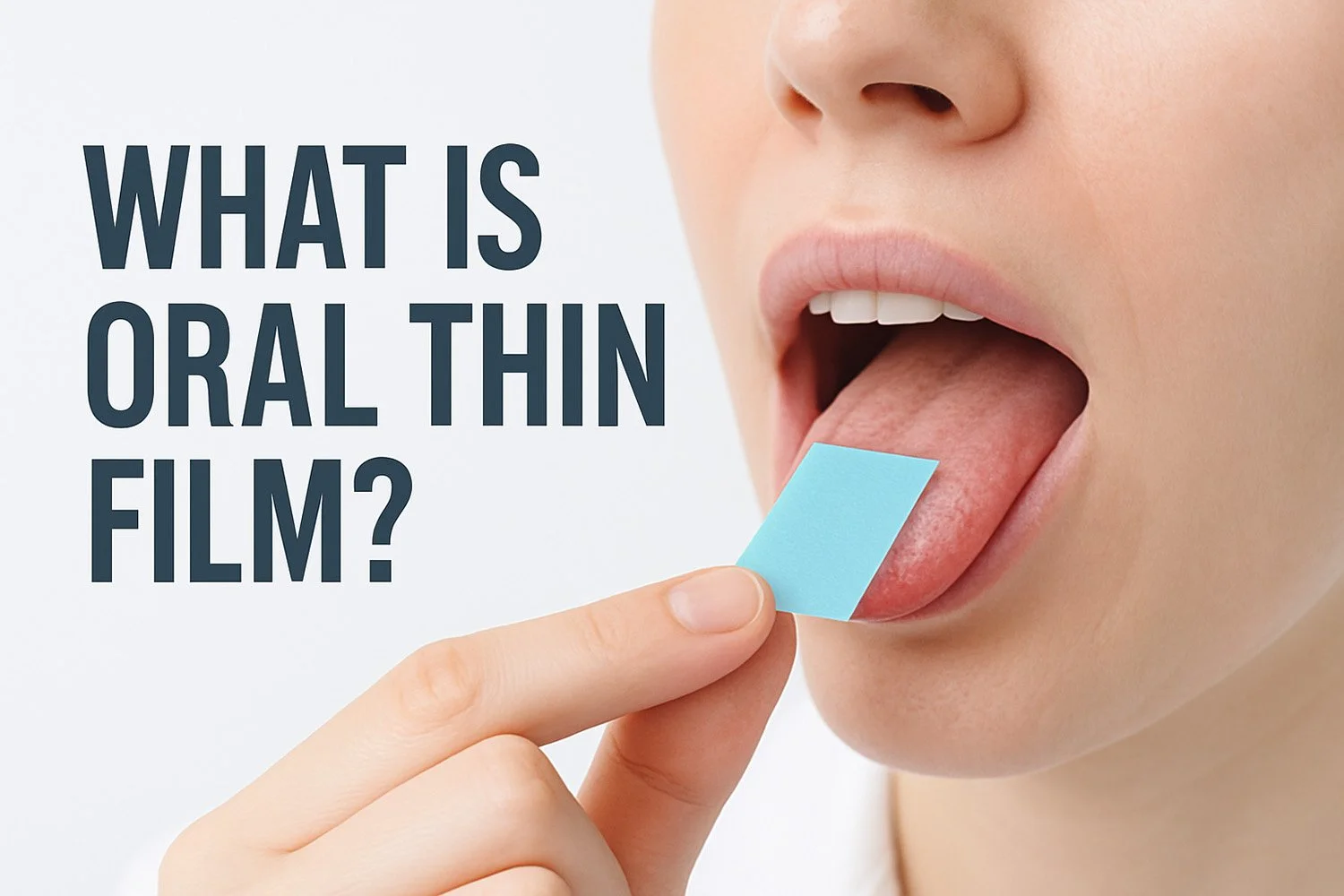
Thin film drug delivery systems are used across several administration routes. Oral thin films dissolve on the tongue or inside the cheek, avoiding the need to swallow tablets. Buccal and sublingual films allow drugs to enter the bloodstream through the mucosal tissue, reducing degradation in the gastrointestinal tract and potentially improving bioavailability. Transdermal patches represent another well-established form of thin film drug delivery, enabling controlled release through the skin over extended periods. Researchers are also exploring thin films for ocular, vaginal, and wound care applications. The choice of administration route depends on the properties of the active ingredient, the desired release profile, and the therapeutic objective.
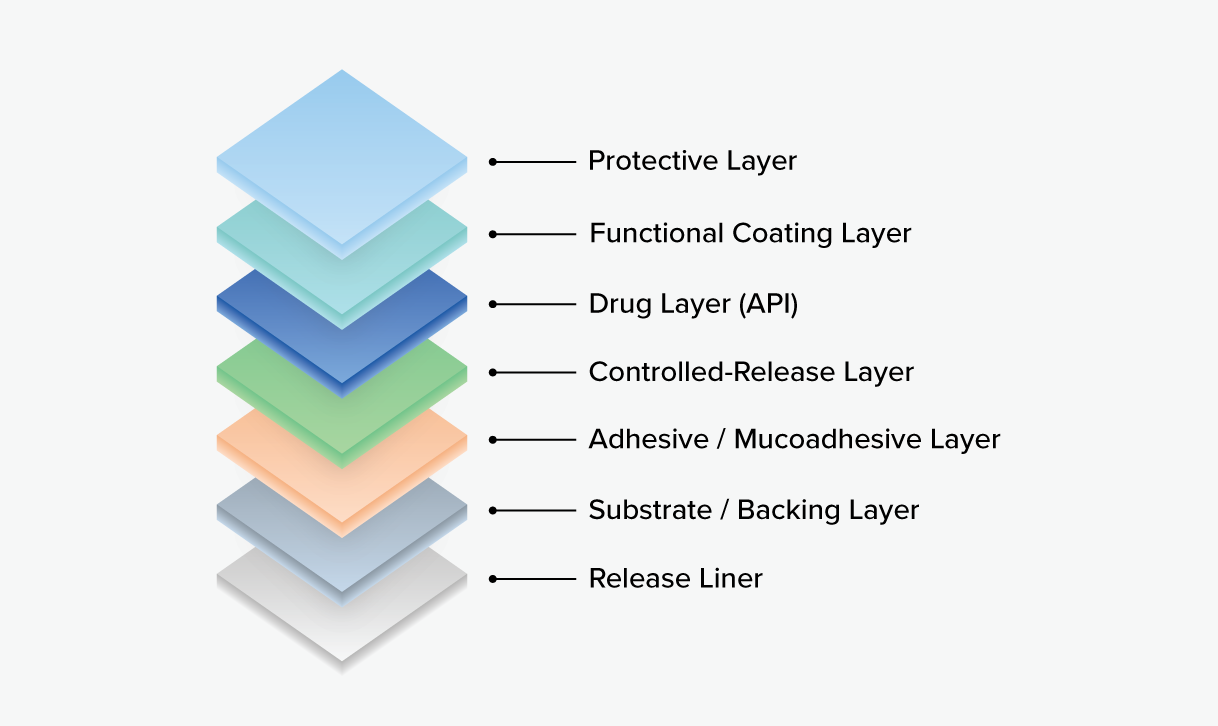
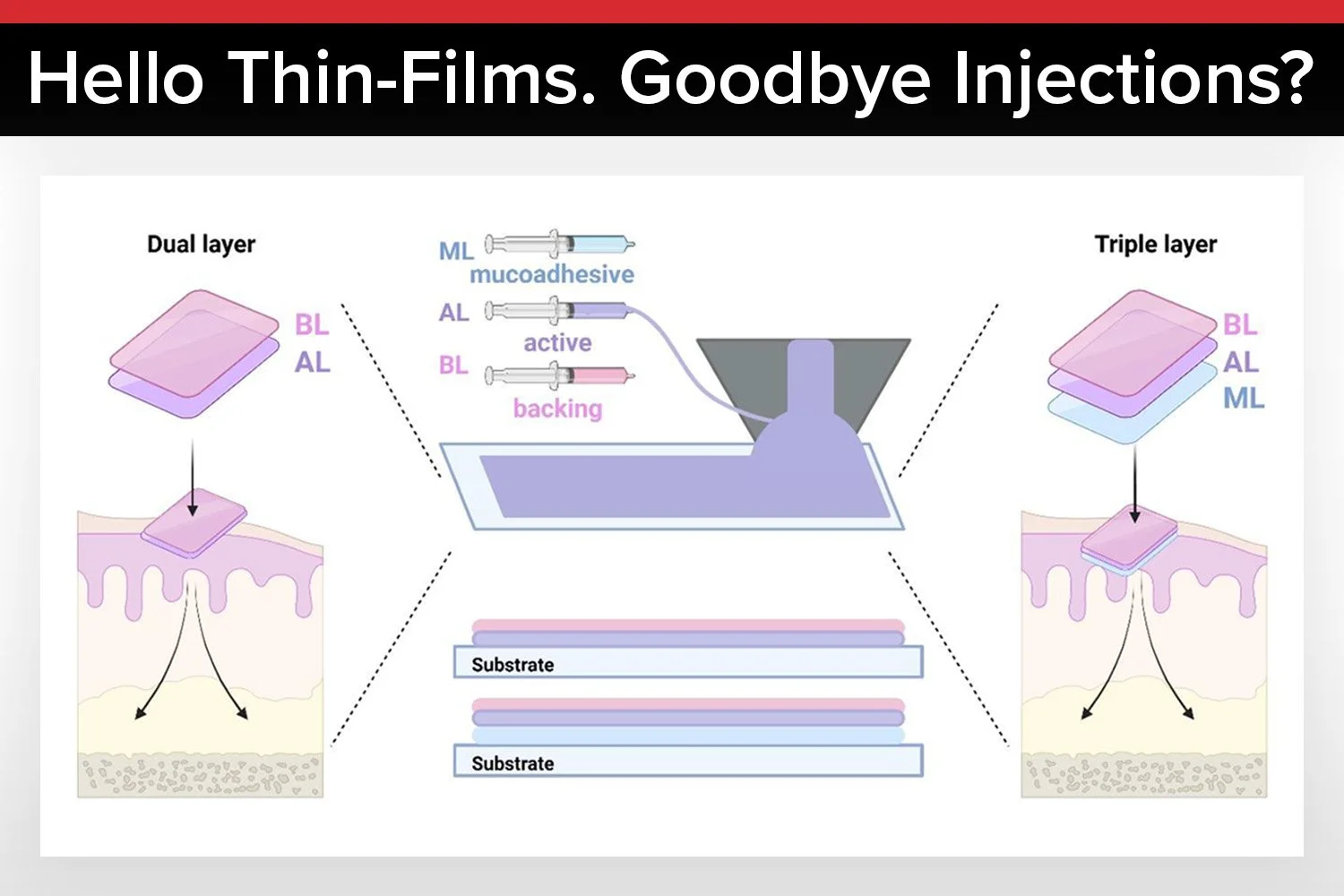
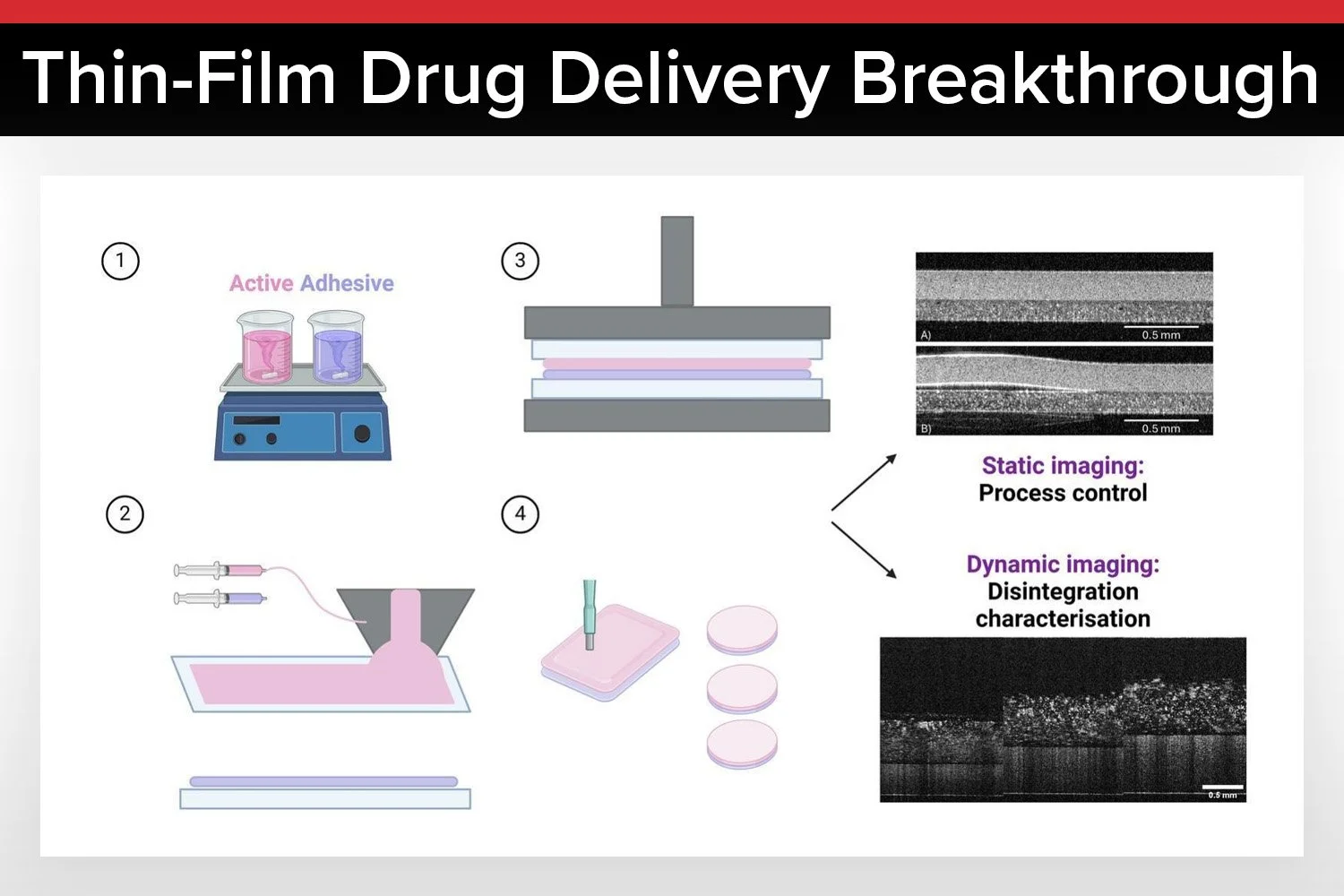
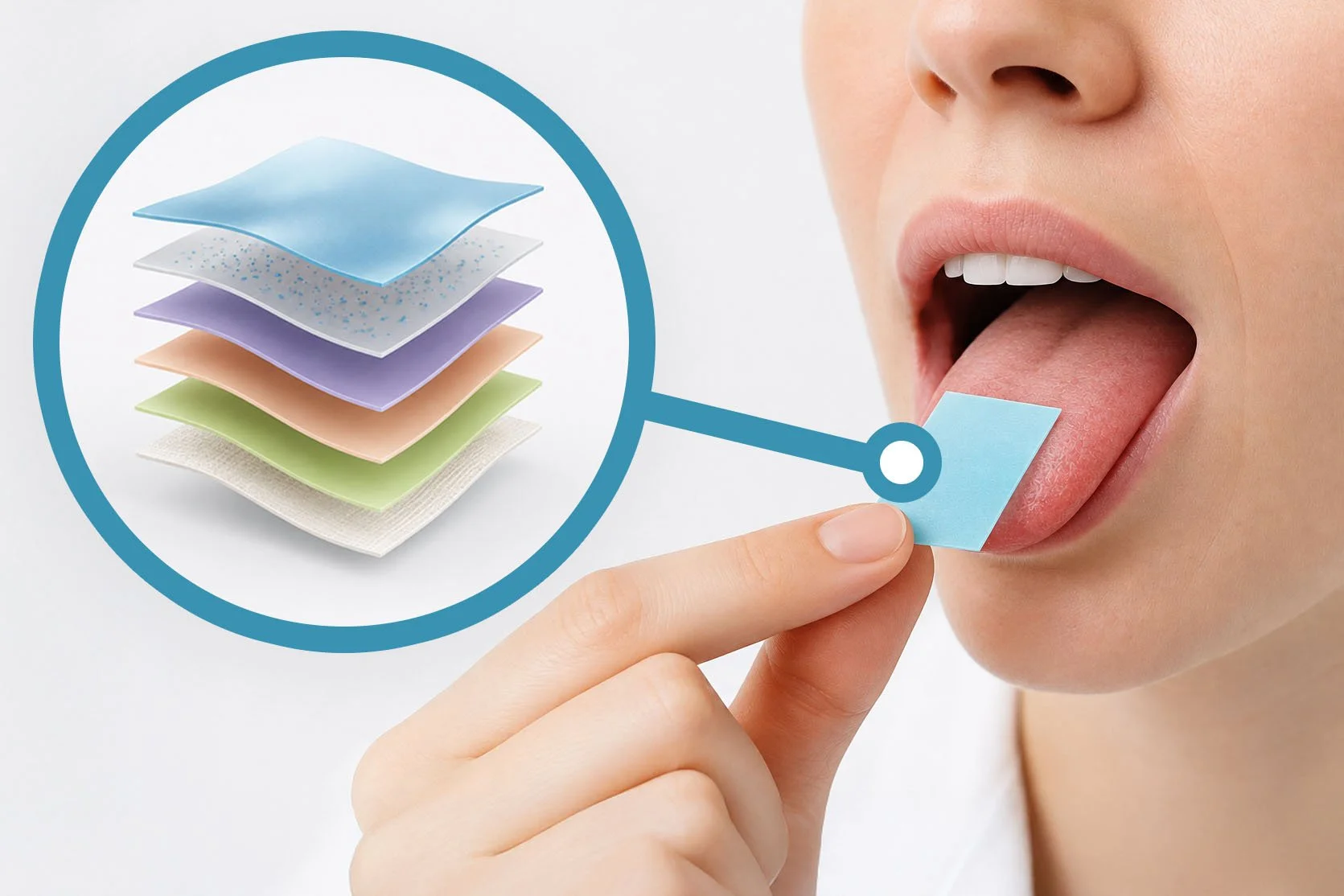
Example of pharmaceutical thin film multilayer. These thin films can use multiple functional layers to enhance drug delivery, stability, and performance. Multilayer designs enable controlled release, improved API delivery, and manufacturing efficiency.
Common Applications of Thin Film Drug Delivery
Thin film drug delivery can be adapted for a wide range of pharmaceutical applications, depending on the formulation, route of administration, and desired drug release profile.
Oral thin films for rapid dissolution on the tongue and improved patient convenience.
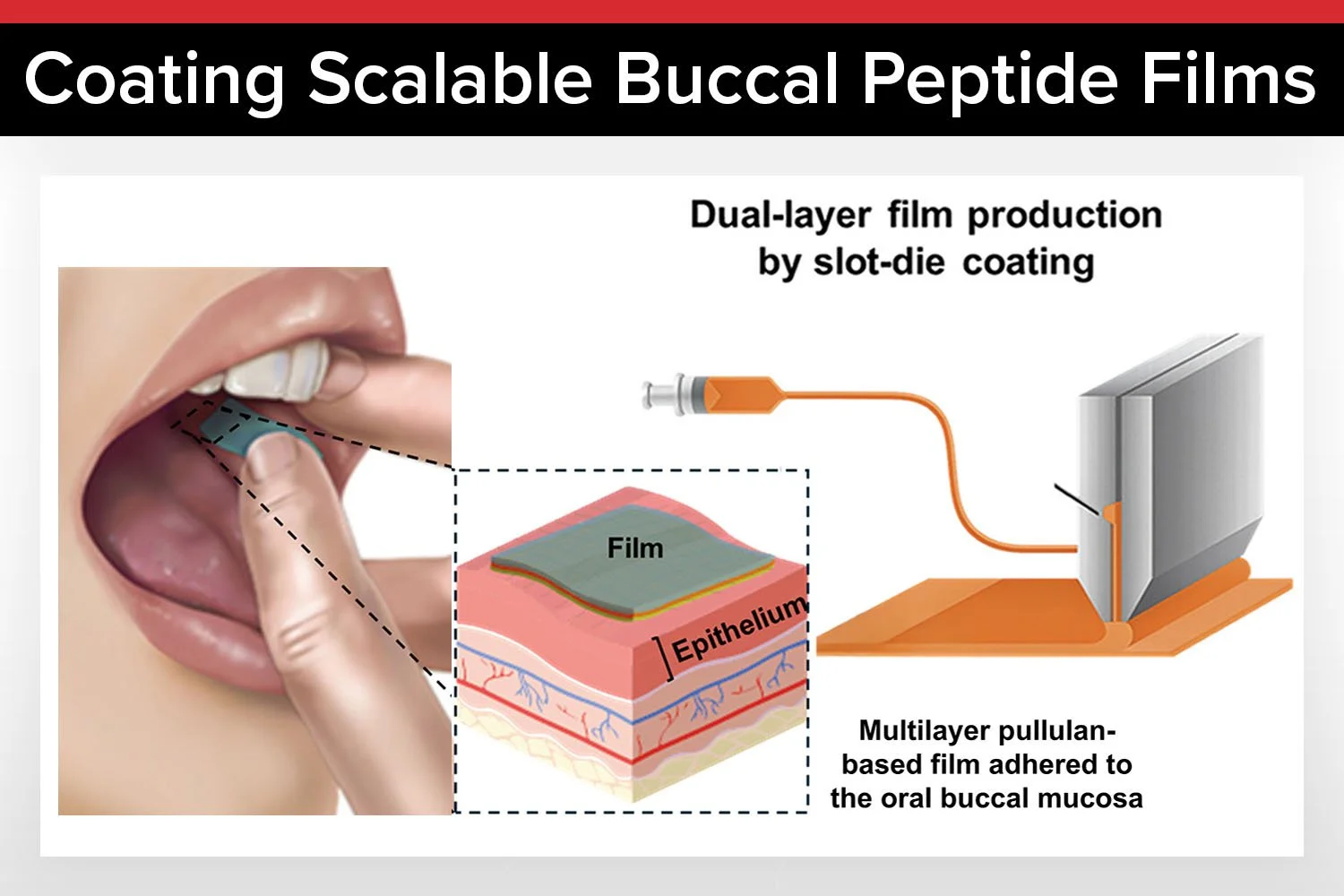
Buccal films for drug absorption through the inside of the cheek, potentially improving bioavailability.
Sublingual films for fast drug absorption under the tongue and rapid onset of action.
Ocular films for prolonged drug residence time and improved treatment of eye conditions.
Vaginal films for local or systemic drug delivery.
Wound dressings with integrated drug delivery for controlled release directly at the treatment site.
Implantable or biodegradable films for localized, long-term drug release.
Mucoadhesive films for targeted drug delivery to mucosal tissues.
Fast dissolving films for pediatric, geriatric, and dysphagic patients who have difficulty swallowing tablets.
Thin films for peptide, protein, and biologic drug delivery, where alternative administration routes are being explored.
Personalized medicine, where films can be manufactured with tailored doses for individual patient needs.
Why Is Thin Film Drug Delivery Gaining Attention?
Several factors have contributed to the increasing interest in pharmaceutical thin films. Patient compliance is often improved because films are easy to administer and do not require swallowing large tablets. This is particularly valuable for pediatric, geriatric, and dysphagic patients who may struggle with conventional oral dosage forms. Many thin film formulations also provide highly accurate dosing. Since the active ingredient is distributed throughout a continuous film, individual doses can often be cut or manufactured with excellent uniformity when the coating process is carefully controlled.
For some drugs, thin films offer faster onset of action than conventional tablets. Drugs delivered through the oral mucosa can bypass portions of first-pass metabolism in the liver, potentially improving therapeutic efficiency while reducing the required dose. Thin films can also support controlled or sustained drug release. By adjusting polymer composition, film thickness, and coating architecture, researchers can engineer release profiles that range from immediate dissolution to gradual release over many hours.
These advantages have made thin films an active area of research for pain management, central nervous system disorders, vaccines, peptide therapeutics, hormone delivery, and many other pharmaceutical fields.
Some of the main advantages include:
Improved patient convenience and compliance.
Precise and reproducible dosing.
Potentially faster onset of action.
Controlled or sustained drug release.
Compatibility with continuous manufacturing.
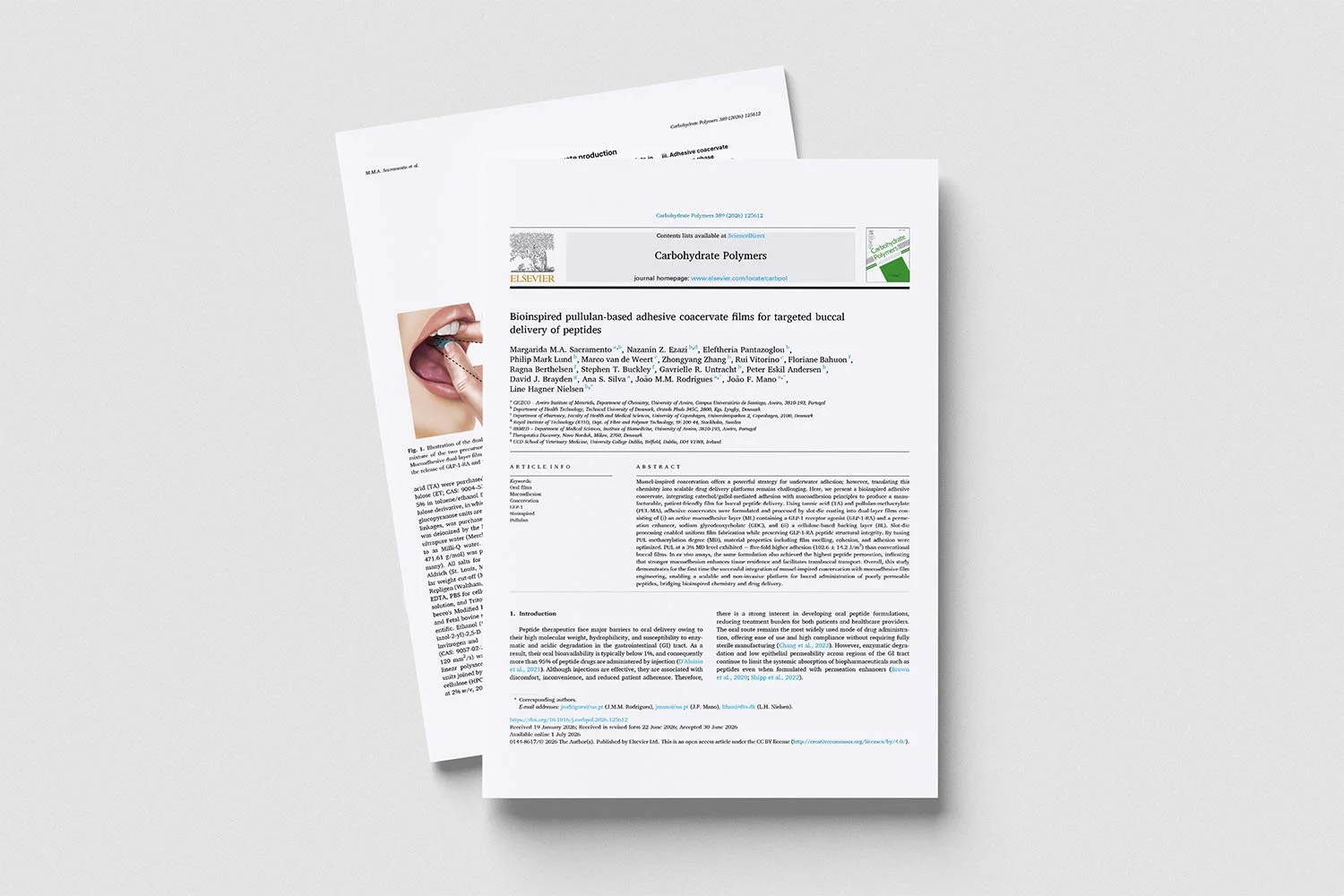
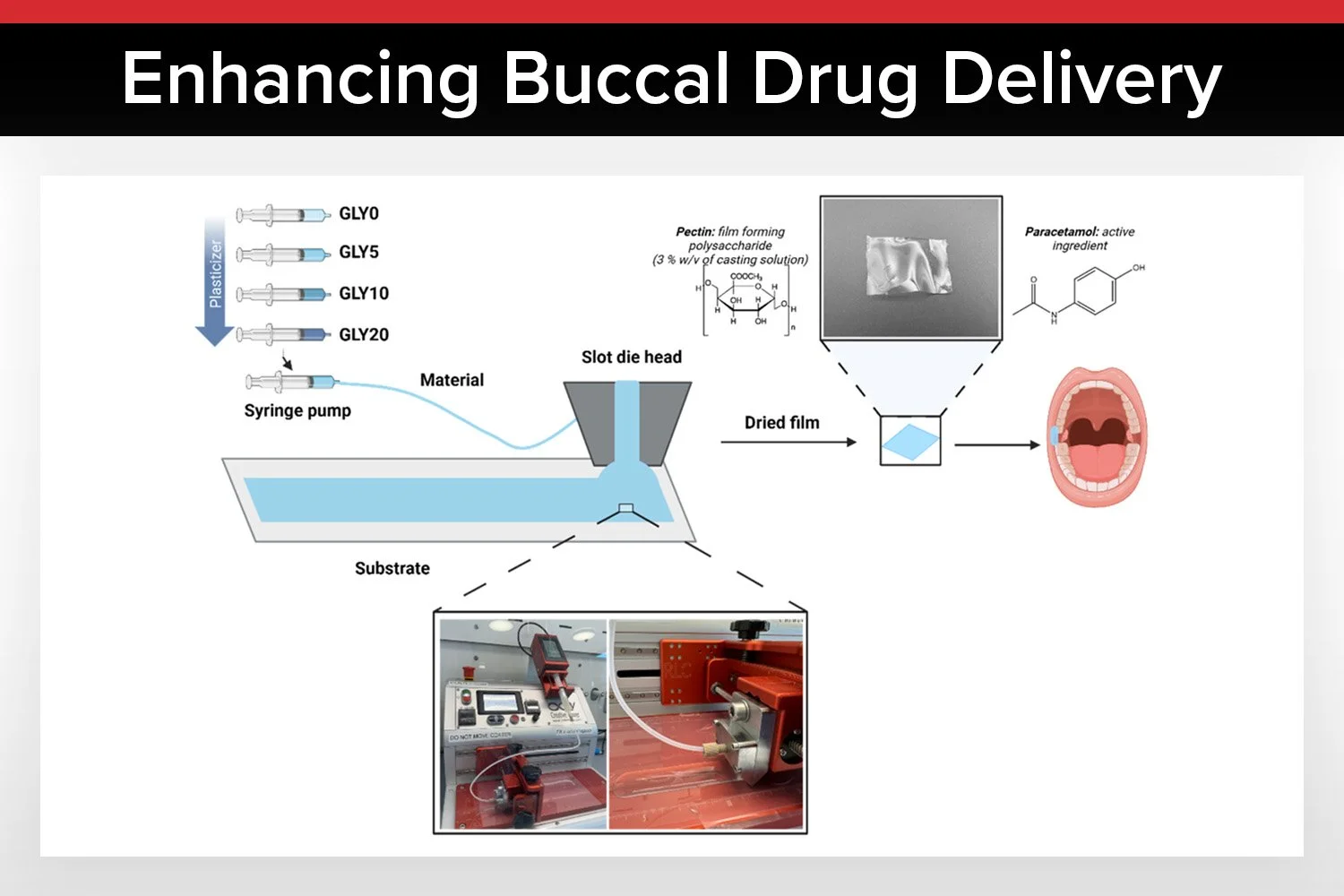
In a study in Molecular Pharmaceutics (2025), the Technical University of Denmark demonstrated the use of slot-die coating to fabricate pectin-based buccal films with varying glycerol content, achieving controlled drug release and enhanced mucoadhesion for improved drug delivery.
Challenges in Thin Film Formulation
Despite their advantages, pharmaceutical thin films also present significant scientific and engineering challenges.
Producing a film with uniform thickness is only part of the challenge. The active ingredient must also remain evenly distributed throughout the coating. Even small variations in composition can result in inconsistent dosing, which is unacceptable for pharmaceutical products.
The formulation itself is equally demanding. Polymers, solvents, plasticizers, surfactants, and active ingredients must be compatible throughout coating, drying, storage, and final administration. Mechanical properties such as flexibility and tensile strength must be balanced against dissolution behavior and stability.
Drying conditions require careful optimization. Excessively rapid solvent evaporation can create internal stresses, cracks, or surface defects, while insufficient drying may leave residual solvent levels above acceptable limits.
Scaling from laboratory research to pilot or production environments introduces another layer of complexity. A formulation that performs well when manually cast may behave very differently during continuous manufacturing. This makes it important to develop processes that are inherently scalable from the earliest stages of research.
Manufacturing Thin Films
Several techniques are available for producing pharmaceutical thin films, including solvent casting, doctor blade coating, extrusion, and slot-die coating. Each method has advantages depending on the formulation, production volume, and stage of development.
Simple laboratory methods are useful during early formulation screening because they require minimal equipment. However, many of these techniques rely heavily on manual operation, making it difficult to achieve consistent coating quality or reproduce experimental conditions across multiple batches.
As pharmaceutical development progresses toward process optimization and scale-up, coating precision becomes increasingly important. Film thickness, coating width, drying conditions, and coating speed all directly influence the final product quality.
Why Slot-Die Coating Is Well Suited for Thin Film Drug Delivery
Slot-die coating has become an attractive manufacturing technique because it combines precise process control with excellent scalability.
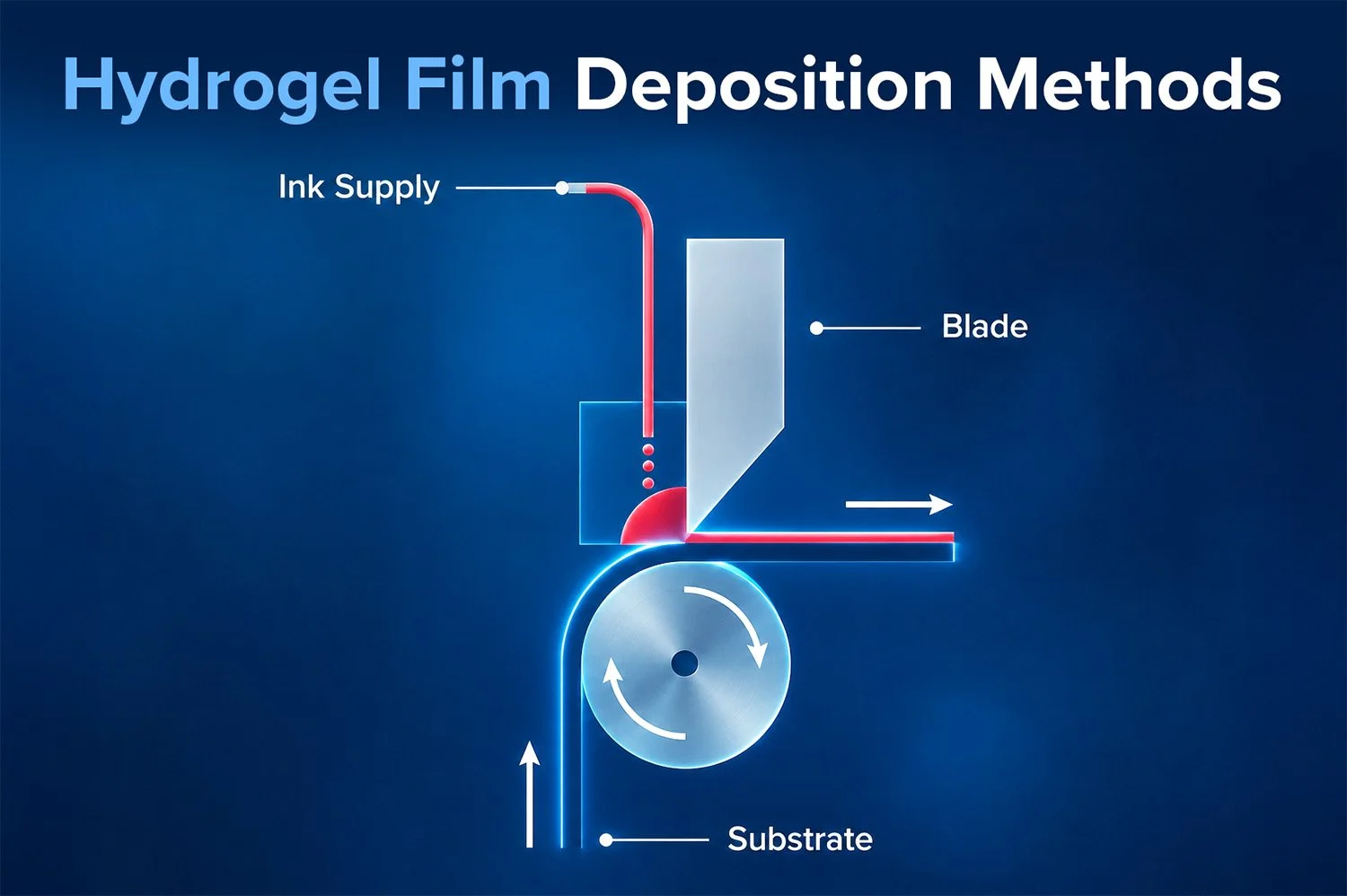
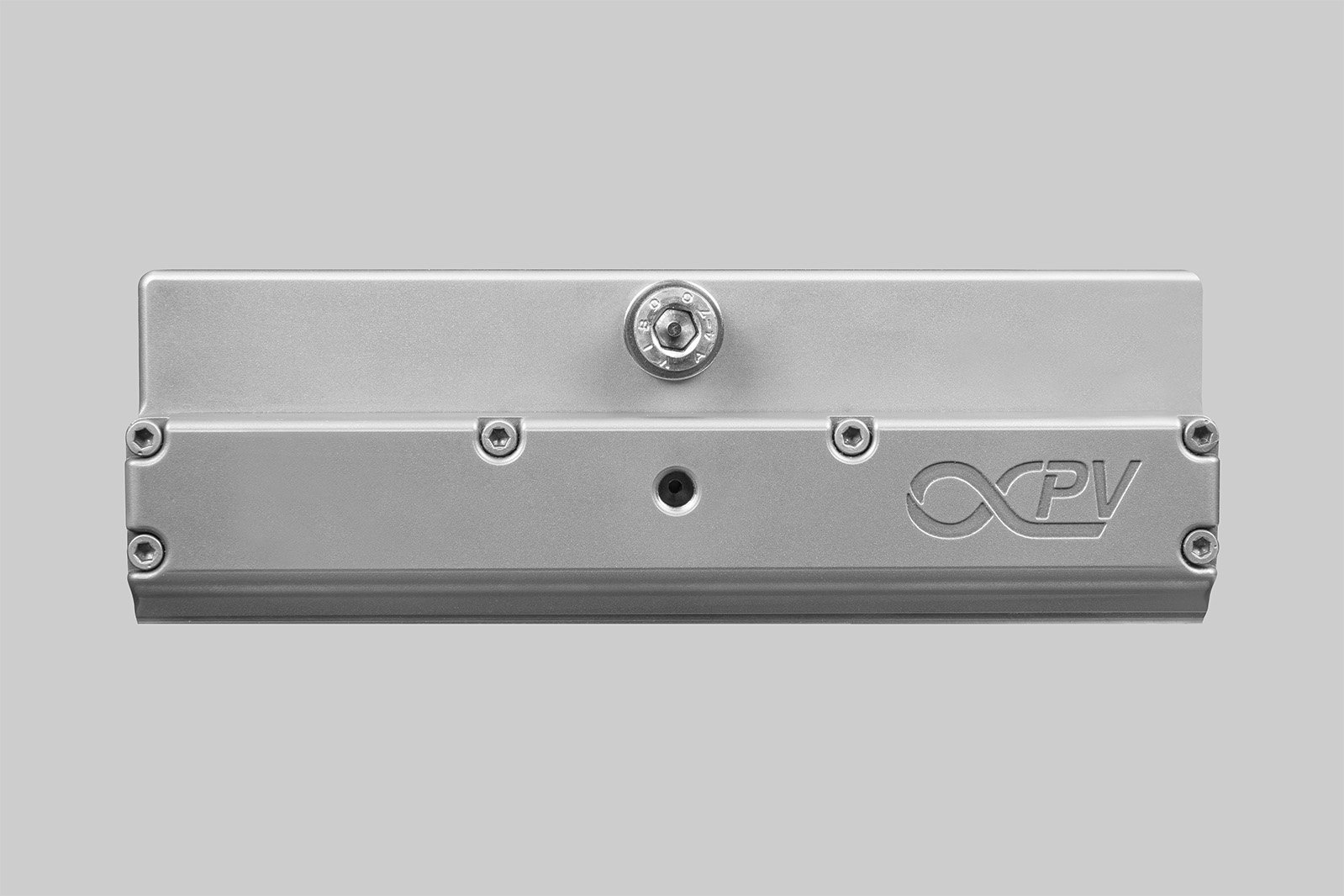
Instead of manually spreading a formulation across a substrate, slot-die coating meters a precisely controlled amount of liquid through a machined coating head. Parameters such as flow rate, coating gap, substrate speed, and web speed determine the final wet film thickness, allowing researchers to produce highly uniform coatings with excellent reproducibility.
For pharmaceutical formulations, this level of precision helps improve dose uniformity while reducing variability between samples. Because the coating process is highly repeatable, researchers can more confidently evaluate formulation changes without introducing unnecessary process variation.
Slot-die coating also allows researchers to investigate a wide range of process variables, including:
Film thickness
Polymer composition
Solvent systems
Drying profiles
Multilayer structures
Coating speed and flow rate
When combined with roll-to-roll processing, slot-die coating becomes part of a continuous manufacturing workflow. Rather than coating individual sheets or samples, the substrate moves continuously through the coating station and subsequent processing steps, enabling efficient and repeatable production of long lengths of coated film.
For pharmaceutical development, roll-to-roll processing offers several advantages beyond higher throughput. Continuous operation provides stable process conditions, making it easier to maintain consistent coating quality across an entire production run. It also enables the integration of additional process steps such as drying, lamination, printing, inspection, and slitting into a single manufacturing line.
This makes roll-to-roll processing particularly valuable when moving from laboratory research toward pilot scale manufacturing. Researchers can optimize coating parameters on lab-scale equipment while using the same fundamental process that is employed in larger production environments. This helps reduce development time and simplifies technology transfer during scale up.
Laboratory slot-die coaters designed for roll-to-roll processing also require relatively small quantities of formulation, making them well suited for pharmaceutical research where active ingredients may be expensive or available only in limited supply.
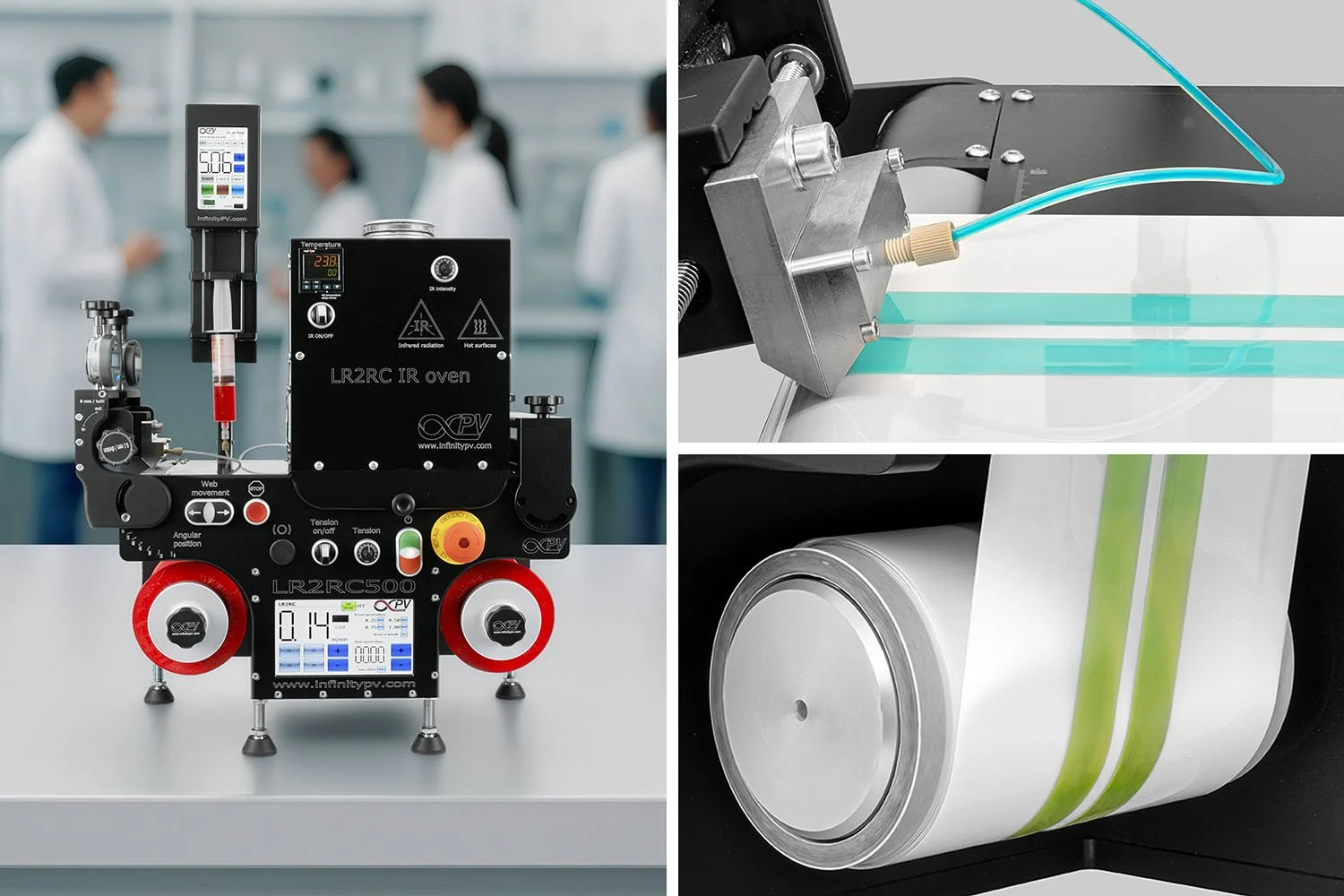
Slot-die coating combines precision, scalability, and efficiency.
Thin Film Drug Delivery Continues to Expand
Advances in polymer science, pharmaceutical formulation, and precision coating technologies continue to broaden the potential applications of thin film drug delivery. As new biologics, peptides, and highly potent active ingredients enter development, researchers are increasingly seeking dosage forms that combine accurate dosing, patient convenience, and scalable manufacturing.
Manufacturing technology plays an important role in achieving these goals. The ability to produce uniform, reproducible films while maintaining tight control over coating parameters enables researchers to better understand the relationship between formulation, processing conditions, and final product performance.
For laboratories developing the next generation of pharmaceutical thin films, slot-die coating provides a manufacturing approach that supports both fundamental formulation research and future scale-up, making it a valuable tool throughout the drug development process.
Get Professional Support for Your Coating Needs
Need help with slot-die coating or machines? Contact our experts for guidance and support.
Related Articles






Probably the World’s Most Compact R2R Slot-die Coater: A compact, fully integrated roll-to-roll coating platform for laboratories, complete with a mounting system, anodized rollers, a syringe pump, a 65 mm stainless slot-die head and an infrared oven system—delivering unmatched precision and scalability.