
Buccal Thin-Film Fabrication with Precision, Uniformity, and Scalability
Create highly uniform polymer buccal films with precise control over thickness, drug loading and layer composition. Ideal for mucoadhesive drug delivery, controlled release systems and oral mucosal applications.
Researchers are already using slot-die coating to produce uniform pectin-based buccal films with adjustable drug release and mucoadhesive properties. Learn more here.
Buccal Film Challenges? Achieve Uniform Thickness & API Distribution with Slot-Die Coating
Buccal films represent a groundbreaking approach to drug delivery, offering direct absorption through the oral mucosa and bypassing the digestive system. This method is particularly transformative for peptides like GLP-1 receptor agonists, which are often degraded in the stomach or poorly absorbed when taken orally.
However, traditional fabrication methods such as solvent casting or 3D printing fall short in delivering the precision, consistency, and scalability required for clinical and industrial applications.
Common development challenges include:
Uniform film thickness
Consistent API distribution
Reliable dose accuracy
Reproducible film performance
A clear path to manufacturing scale-up
While many projects begin with solvent casting or manual coating methods, these approaches can become challenging as formulations advance. Slot-die coating offers a precise and scalable solution, enabling uniform film deposition, efficient material use, and reproducible results from research through manufacturing.
What is slot-die coating? Read our full introductory guide here.
Why Researchers Are Turning to Slot-Die Coating
Buccal film performance is highly dependent on layer thickness, material distribution, and structural uniformity. Whether developing mucoadhesive drug delivery systems, controlled release formulations, or multilayer buccal films, researchers require deposition methods that provide precise control while remaining scalable for future manufacturing.
Slot-die coating enables highly controlled deposition of polymer formulations and functional layers, making it increasingly valuable for buccal film research, process development, and scale-up.
Key Benefits Include:
Uniform film thickness across the substrate
Consistent distribution of polymers, APIs, and bioactive compounds
Improved sample-to-sample reproducibility
Efficient use of valuable formulation materials
Support for multilayer and gradient film architectures
Reduced process variability during development
Compatibility with continuous manufacturing approaches
A clear pathway from laboratory research to commercial production
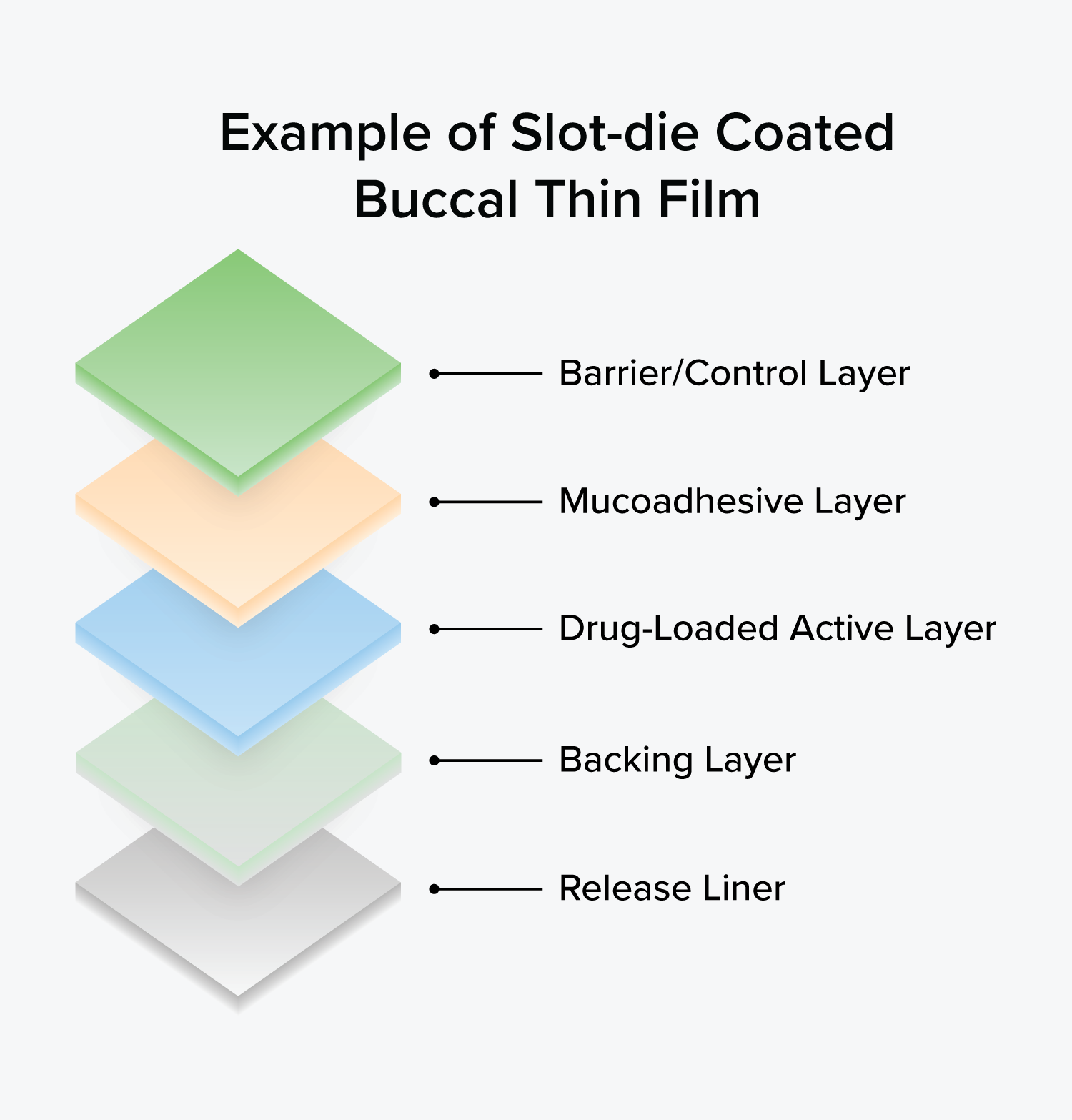
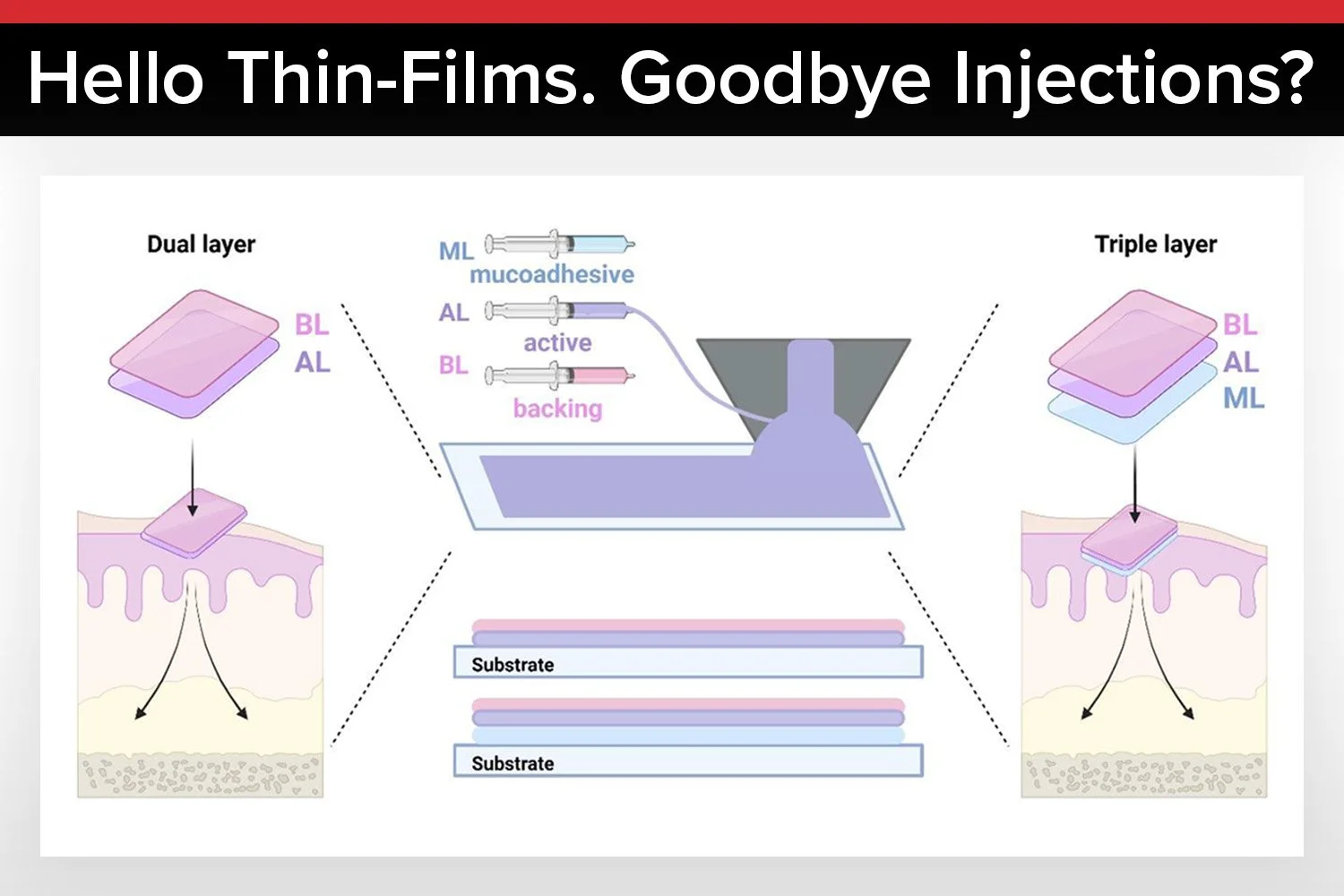
Example of buccal thin-film layer structure.
Which Buccal Thin-Film Layers to Slot-die Coat?
Modern buccal films often consist of multiple functional layers, each designed to provide a specific performance benefit. Precise deposition of these layers is critical for maintaining consistent mucoadhesion, mechanical properties, drug loading, and drug release performance.
Typical buccal film layer structures include:
Backing Layer — Provides mechanical support and protects the film from external contamination and moisture loss.
Drug-Loaded Active Layer — Contains active pharmaceutical ingredients (APIs) for controlled release.
Mucoadhesive Layer — Enables adhesion to the buccal mucosa for prolonged retention and drug absorption.
Release Liner — Protects the product during storage and is removed before application.
Slot-die coating enables precise control of thickness, uniformity, and material distribution across each layer, supporting both formulation development and scalable manufacturing of advanced buccal film systems.
Our experts are ready to help you get started slot-die coating.
Is Slot-die Coating for You?
Slot-die coating is a versatile method that can help researchers and manufacturers achieve precise, uniform, and reproducible thin films. Whether you are developing new materials or scaling up production, it’s important to understand how this technique can meet your specific needs.
We can support you in exploring slot-die coating through:
Expert Consultation: Discuss your application with our team and evaluate whether slot-die coating fits your project goals.
Visit Our Lab: See the process in action and understand its capabilities firsthand.
Hands-On Workshops: Participate in practical sessions to test ideas, learn techniques, and gain experience with slot-die coating.
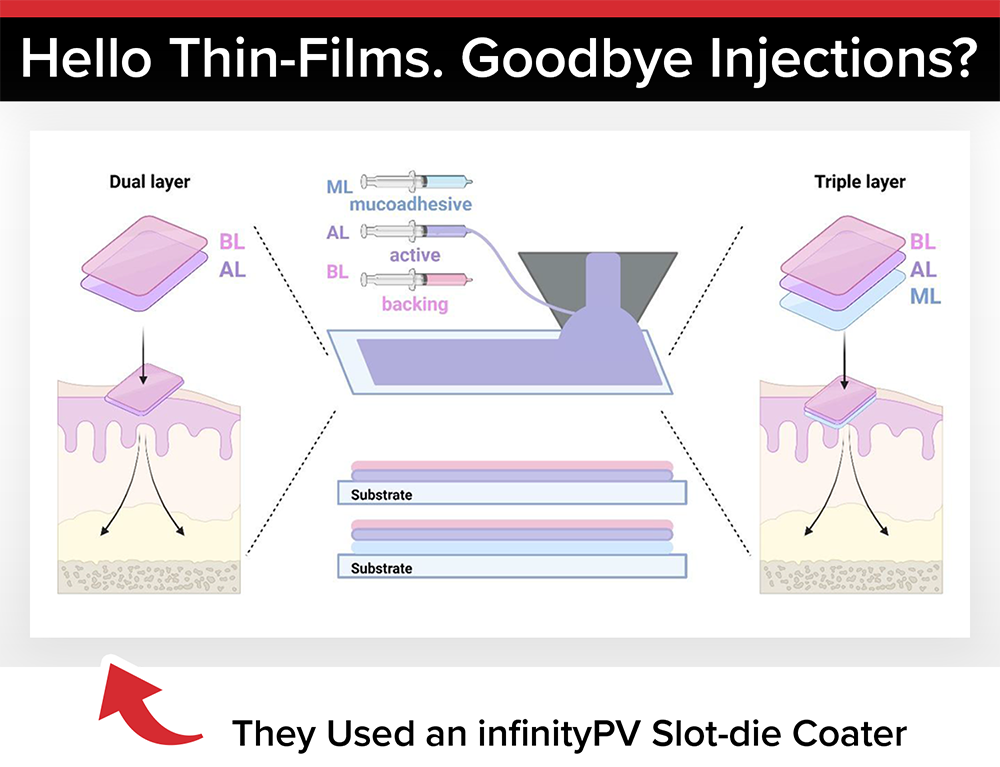
Novo Nordisk Uses Slot-die Coating for Next-Generation GLP-1 Drug Delivery
Researchers from Novo Nordisk and the Technical University of Denmark used an infinityPV Slot-die Coater to develop multilayer buccal films for needle-free GLP-1 delivery. The technology enabled precise coating of mucoadhesive, drug-loaded, and protective layers, supporting controlled drug release and scalable manufacturing of advanced oral film formulations.
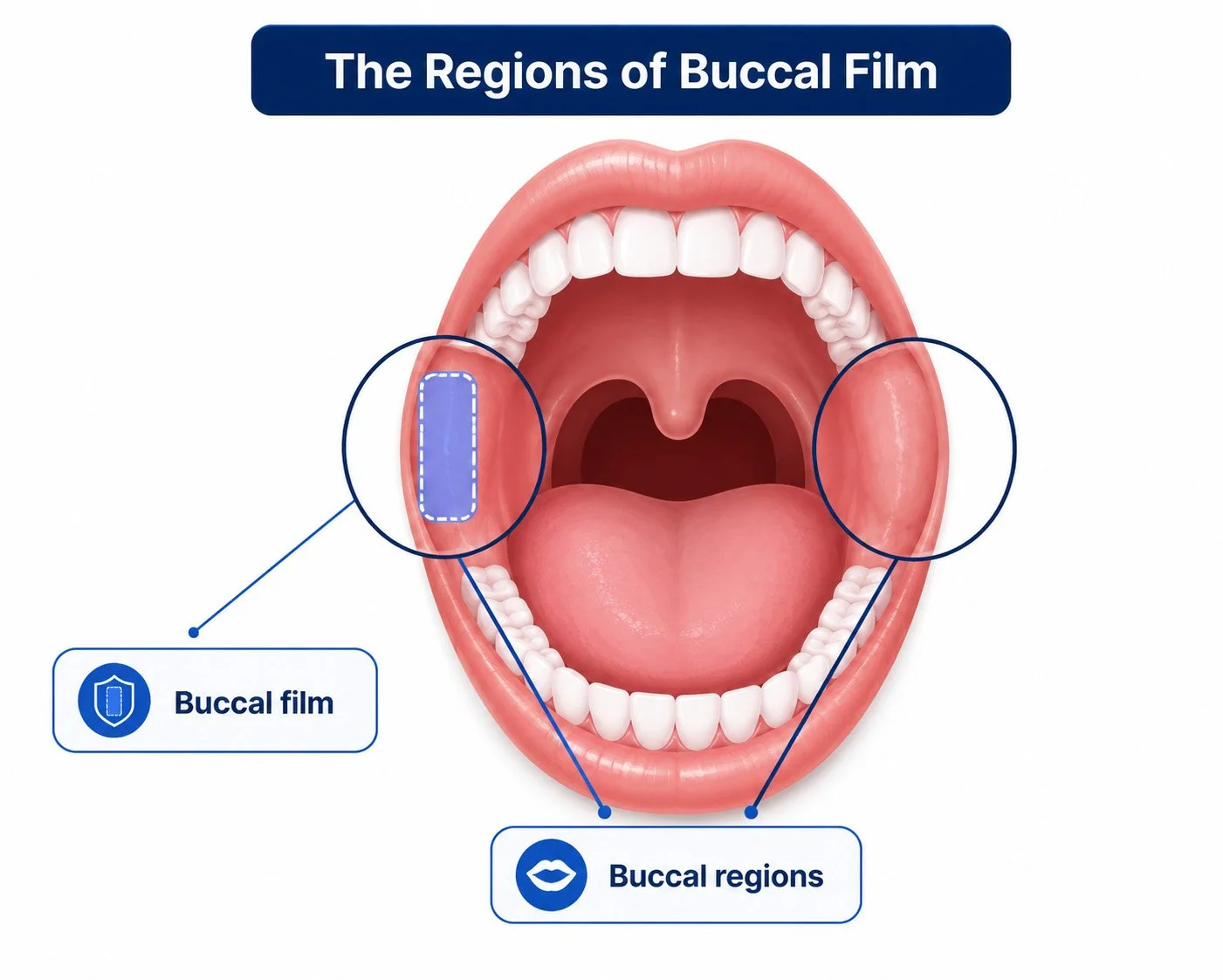
Key Properties of High-Performance Buccal Films
To achieve optimal therapeutic outcomes, buccal films must meet strict performance criteria. Mucoadhesion is one of the most important properties, as it ensures the film remains in contact with the buccal mucosa long enough for the drug to be absorbed effectively. This adhesion is influenced by the polymer’s ability to form hydrogen bonds, electrostatic interactions, or even covalent bonds with the mucosal surface. Mechanical strength and flexibility are also critical, as the film must withstand the mechanical stresses of the oral environment without breaking or delaminating.
Uniform thickness and consistent distribution of the active pharmaceutical ingredient are equally important. Variations in thickness can lead to inconsistent drug release, while uneven API distribution can result in dosing inaccuracies. Additionally, the film’s permeability plays a key role in determining how effectively the drug can pass through the buccal mucosa and enter the bloodstream. Researchers must carefully balance these properties to create films that are both effective and reliable.
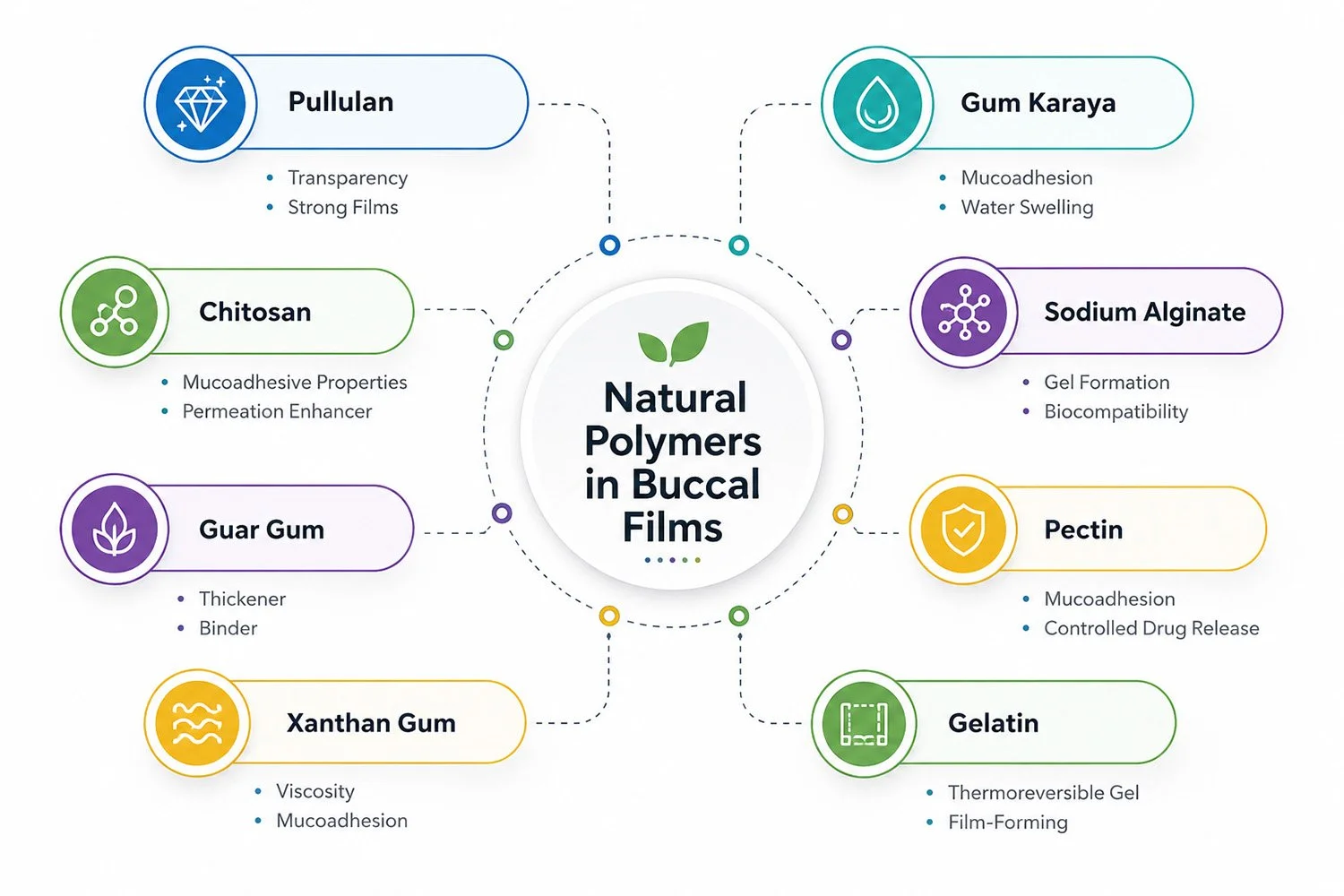
Polymer Selection for Buccal Films
The choice of polymer is a defining factor in the performance of buccal films. Natural polymers, such as chitosan, alginate, and pectin, are popular due to their biocompatibility, biodegradability, and strong mucoadhesive properties. These materials are particularly well-suited for formulations that require gentle adhesion to the mucosa and controlled drug release. However, natural polymers can sometimes lack the mechanical strength or stability needed for certain applications, which may require additional processing or blending with other materials.
Synthetic polymers, like polyvinyl alcohol (PVA), hydroxypropyl methylcellulose (HPMC), and Eudragit, offer greater control over mechanical properties and drug release profiles. These materials are often chosen for their stability and ability to be finely tuned to meet specific therapeutic needs. Smart polymers, which respond to environmental triggers like pH or temperature, are also gaining attention for their ability to enable on-demand drug release. Regardless of the polymer type, the fabrication method must ensure that these materials are deposited uniformly and reproducibly to achieve the desired performance.
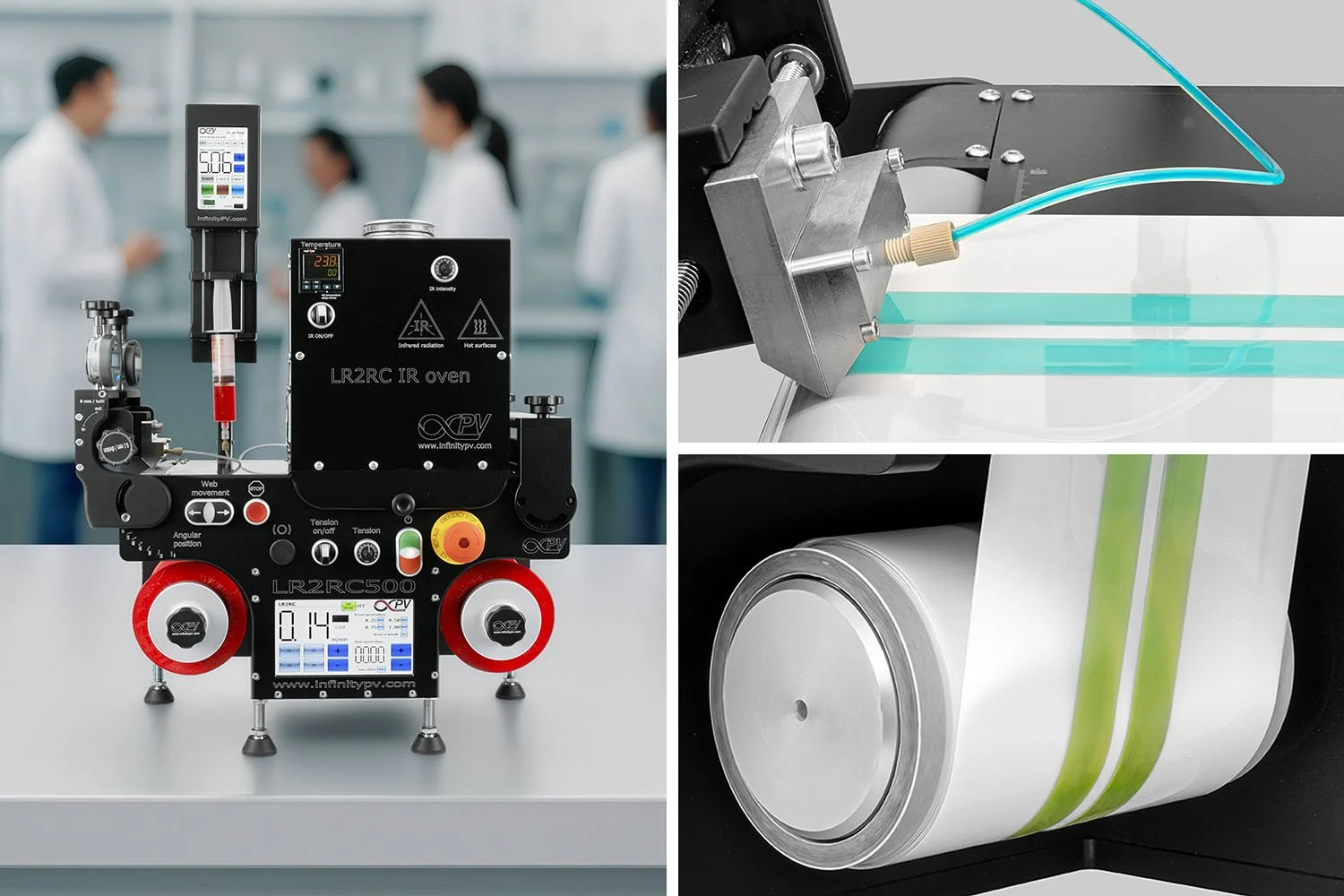
Slot-die coating is highly scalable, making it suitable for both small-scale research and large-scale production.
Why Slot-Die Coating is the Ideal Solution
Slot-die coating has emerged as a superior method for fabricating buccal films, addressing many of the challenges associated with traditional techniques. Unlike solvent casting, which can produce inconsistent results, slot-die coating offers precise control over film thickness, uniformity, and drug loading. This precision is critical for achieving consistent therapeutic outcomes, as it ensures that each film meets the same high standards of performance.
One of the most significant advantages of slot-die coating is its ability to create multilayer films in a single pass. This capability allows researchers to design films with distinct layers, each serving a specific function. For example, a backing layer can provide structural support, while a mucoadhesive layer ensures strong adhesion to the buccal mucosa. An active layer can be sandwiched between these to deliver the drug effectively. This multilayer approach not only enhances the film’s performance but also enables more sophisticated drug delivery strategies, such as sequential release of a penetration enhancer followed by the active ingredient.
Additionally, slot-die coating is highly scalable, making it suitable for both small-scale research and large-scale production. This scalability ensures that formulations developed in the lab can be seamlessly transitioned to manufacturing without compromising quality or performance. The method is also material-efficient, minimizing waste and reducing costs, which is particularly important when working with expensive APIs or polymers.
We’re Here to Help You Find the Right System
Choosing the right slot-die or roll-to-roll coating system for your pharmaceutical application can feel complex. Whether it’s tablets, capsules, patch films, packaging, or medical devices, we’re ready to guide you — helping you select the machine that delivers precise, reproducible, and scalable results.

Slot-die Coater
Ideal for lab research, prototyping, and small-batch production. Sheet-based processing allows flexible testing, parameter adjustments, and precise coatings in limited quantities.

Laboratory Roll-to-Roll Coater
Best for scaling lab results to continuous, high-throughput production. Ensures uniform, consistent coatings on long substrates and supports transition to larger-scale manufacturing.

R2R Hybrid Coater
Combines sheet-based precision with roll-to-roll efficiency. Offers maximum flexibility for lab-scale thin film processing—from early formulation work to pilot-scale production.
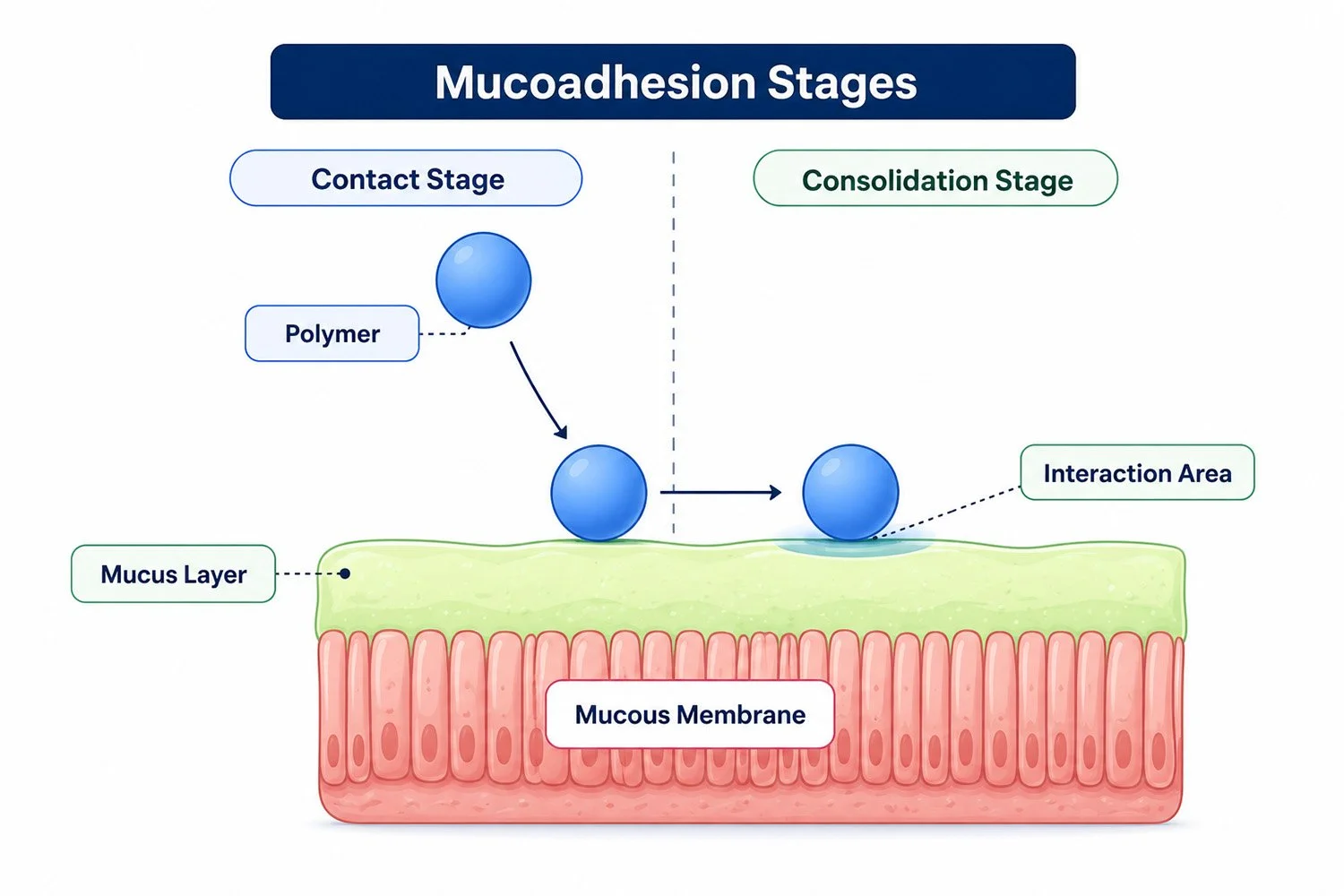
Overcoming Common Challenges in Buccal Film Development
For researchers and manufacturers, the ability to overcome common challenges in buccal film development is a top priority. Slot-die coating directly addresses many of these issues, providing solutions that are both practical and effective. For instance, the method’s precision ensures that active pharmaceutical ingredients are distributed uniformly throughout the film, eliminating the risk of dosing inaccuracies. This uniformity also extends to the film’s thickness, which is critical for achieving consistent drug release kinetics.
Mucoadhesion is another area where slot-die coating excels. By enabling controlled deposition of mucoadhesive polymers, the method ensures strong and reliable adhesion to the buccal mucosa. This is particularly important for films that need to remain in place for extended periods to deliver their therapeutic payload effectively. Additionally, the ability to create multilayer films with slot-die coating allows for the separation of functions, such as structural support, drug release, and adhesion, which can further enhance performance.
Scalability is perhaps one of the most significant advantages of slot-die coating. Traditional methods like solvent casting are often limited to small batches, making it difficult to transition from research to production. Slot-die coating, on the other hand, supports continuous, high-throughput production, ensuring that films can be manufactured at scale without sacrificing quality. This makes it an ideal choice for researchers looking to bring their buccal film formulations to market.

The Future of Buccal Film Research
As the field of buccal drug delivery continues to evolve, so too do the opportunities for innovation. Smart polymers, which respond to environmental triggers like pH or temperature, are opening new possibilities for controlled and on-demand drug release. The integration of nanoparticles into buccal films is another exciting avenue, offering the potential to enhance permeability and improve drug stability. Additionally, advances in 3D printing and hybrid systems, such as combining slot-die coating with nanofiber-on-film architectures, are expanding the capabilities of buccal films even further.
Slot-die coating is at the heart of these advancements, providing the precision, scalability, and versatility needed to bring these innovations to life. Whether for researchers developing new formulations or manufacturers looking to scale up production, slot-die coating offers a reliable and efficient solution. By addressing the key challenges in buccal film development, it enables the creation of high-performance films that meet the needs of both patients and the healthcare industry.
Common Buccal Film Fabrication Methods: Pros and Cons
Slot-die coating stands out as the only method that combines sub-micron to millimeter precision with continuous, roll-to-roll scalability, minimal material waste, and the ability to create multilayer and gradient structures in a single pass. This makes it an ideal choice for researchers and manufacturers looking to transition from lab-scale development to pilot or commercial production.
| Characteristics | Solvent Casting | Dip Coating | Spin Coating | Spray Coating | Blade Coating | Bar Coating | Slot-die Coating | Photolithography | 3D Printing |
|---|---|---|---|---|---|---|---|---|---|
| Relative Cost | Low | Low | Medium | High | Medium | Medium | High | High/very high | High |
| Scalability | Limited | No | Possible | Possible | Limited | Possible | Possible | No | |
| Complexity | Low | Low | Low | Medium | Medium | Low | Medium | Medium | High |
| Uniformity of Films | Good | High | High | Low | Medium | Medium | High | High | Medium/high |
| Minimum thickness possible | Ten of micrometer | Nanometers | Nanometers | From tens to hundreds of nanometers | Tens of micrometer | Ten of micrometer | Nanometers | From tens to hundreds of nanometers | Micrometers |
| Patterning In Situ | Possible | Possible | No | No | Posslbe | No | Limited | Possible | Possible |
| Coatable Surfaces | Many types of surfaces, they must be smooth and flat | Complex, rigid shapes | Small, flat substrates only | Flexible or rigid substrates, curved or flat surfaces | Flexible or rigid substrates | Flexible or rigid substrates | Flexible or rigid substrates | Glass, polymeric, inorganic; pretreatment is often necessary | Glass, polumeric, inorganic; pretreatment is often necessary |
| Solution wastage | High | High | High | Moderate | Moderate | Moderate | Low | High | Low |
| Drying Times | High | Slow | Fast | Fast | Slow | Slow | Slow | Slow | Medium |
| Coating Speeds | Slow | Slow | Very slow | Fast | Fast | Slow | Fast | Low/medium | Fast |
Slot-die Coating is Proven in Peer-Reviewed Pharmaceutical Studies
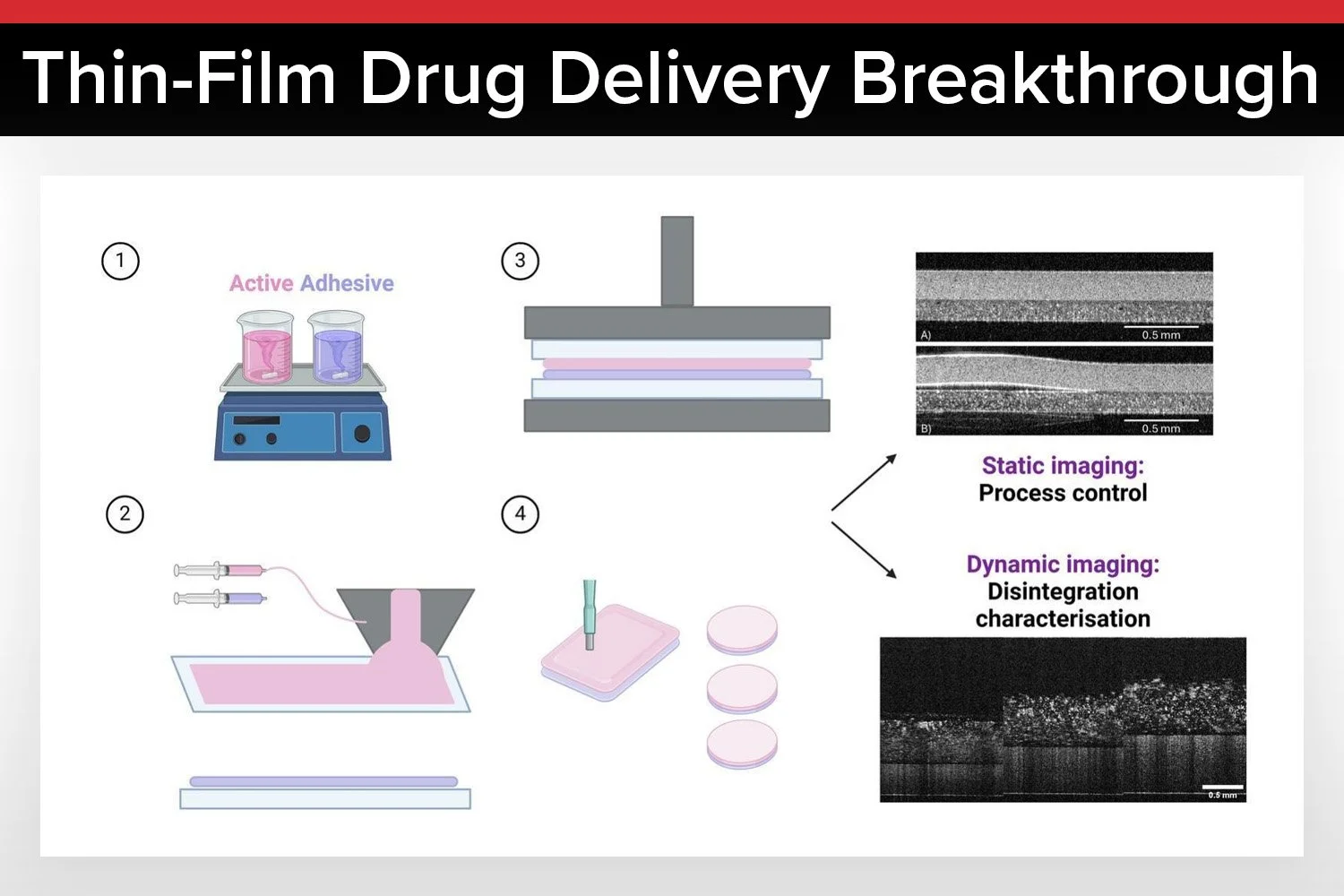
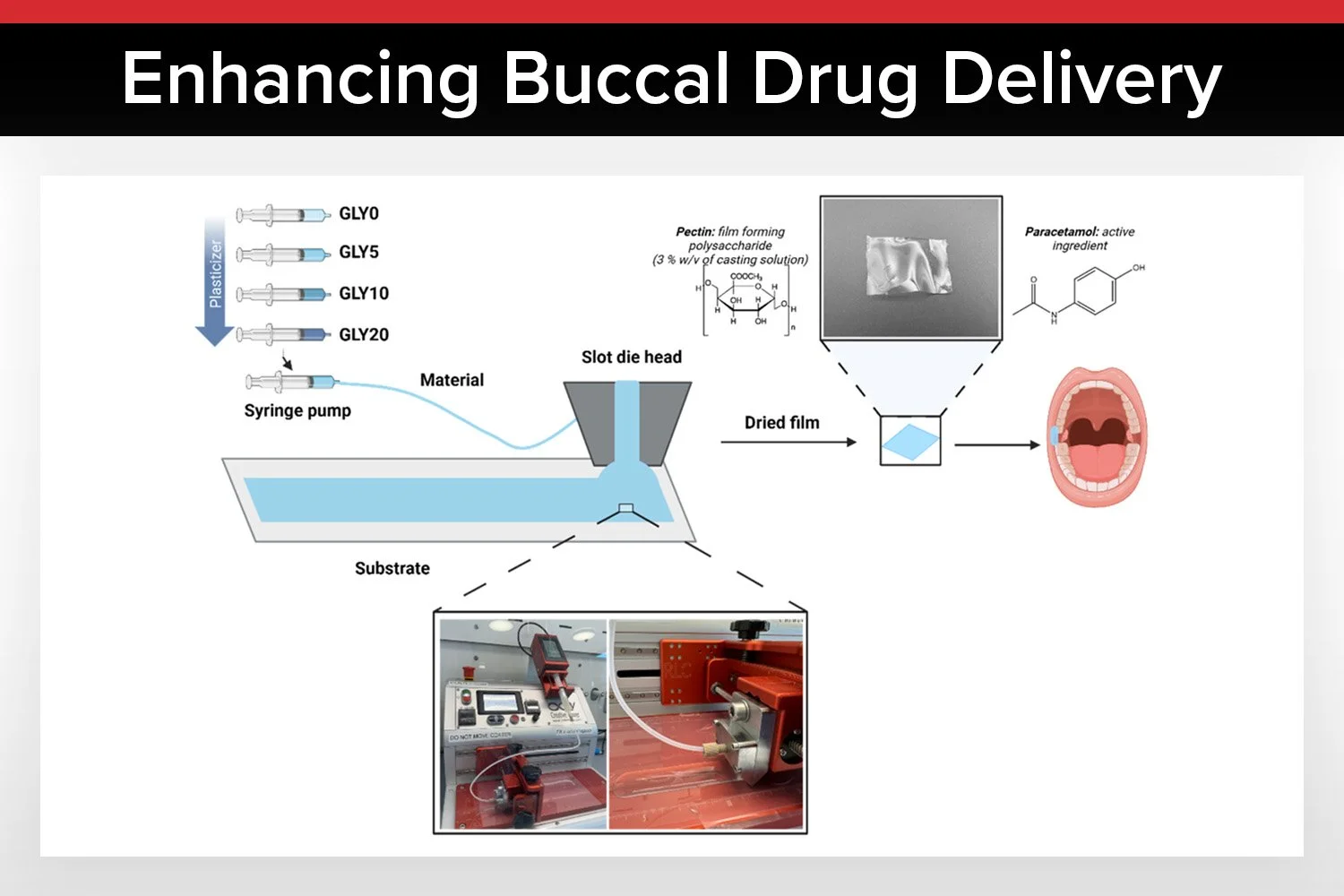
Bridging Pharmaceutical Research and Manufacturing
We help researchers and pharmaceutical innovators develop uniform, reproducible thin films through advanced slot-die coating and roll-to-roll processing technologies. Our laboratory equipment bridges the gap between formulation development and scalable manufacturing, enabling precise coating control for next-generation drug delivery systems.
Frequently Asked Questions
-
Inconsistent thickness, uneven API distribution, poor reproducibility, and scalability issues often arise with traditional methods like solvent casting. These challenges can lead to unreliable drug release, dosing inaccuracies, and difficulties in transitioning from lab to production.
-
Slot-die coating ensures uniform thickness, precise API distribution, and reproducible mechanical properties, which are critical for consistent drug release and mucoadhesion. It also supports scalable production, making it ideal for both research and manufacturing.
-
Yes, slot-die coating is highly adaptable to various viscosities, including those of natural and synthetic polymers commonly used in buccal films. Adjusting parameters like gap height and flow rate allows for optimal film formation.
-
Slot-die coating is compatible with a wide range of polymers, including natural options like chitosan and alginate, synthetics like PVA and HPMC, and smart polymers such as pH- or thermo-responsive hydrogels.
-
Slot-die coating offers superior precision in thickness control, API distribution, and scalability compared to solvent casting. It minimizes material waste and supports multilayer film production in a single pass, making it more efficient and reproducible.
-
Yes, slot-die coating excels at creating multilayer buccal films, such as backing layers, drug-loaded active layers, and mucoadhesive layers, all in a single, controlled process.
-
Slot-die coating supports a broad range of APIs, including peptides, small molecules, antimicrobials, biologics, and nanoparticles, ensuring homogeneous distribution and stability.
-
By enabling precise polymer deposition and controlled hydration, slot-die coating optimizes the surface properties and swelling behavior of the film, leading to stronger and more reproducible mucoadhesion.
-
Yes, slot-die coating is ideal for lab-scale research due to its low material waste, rapid prototyping capabilities, and high reproducibility, making it cost-effective and efficient for testing formulations.
-
Transitioning involves optimizing your formulation for viscosity and solvent compatibility, testing on a lab-scale slot-die coater, validating film properties, and then scaling up using the same parameters.
-
For GLP-1 receptor agonists, slot-die coating provides protection from degradation, enables sequential release in multilayer films, maximizes drug loading efficiency, and preserves peptide structure during the coating process.
-
While 3D printing and electrospinning have specific uses, slot-die coating is superior for high-throughput, uniform thin films and precise multilayer control, making it more suitable for scalable buccal film production.