
University of Antioquia Achieve 15.98% Efficiency in Perovskite Solar Cells Using Roll-to-Roll Coating with Green Solvent Anisole
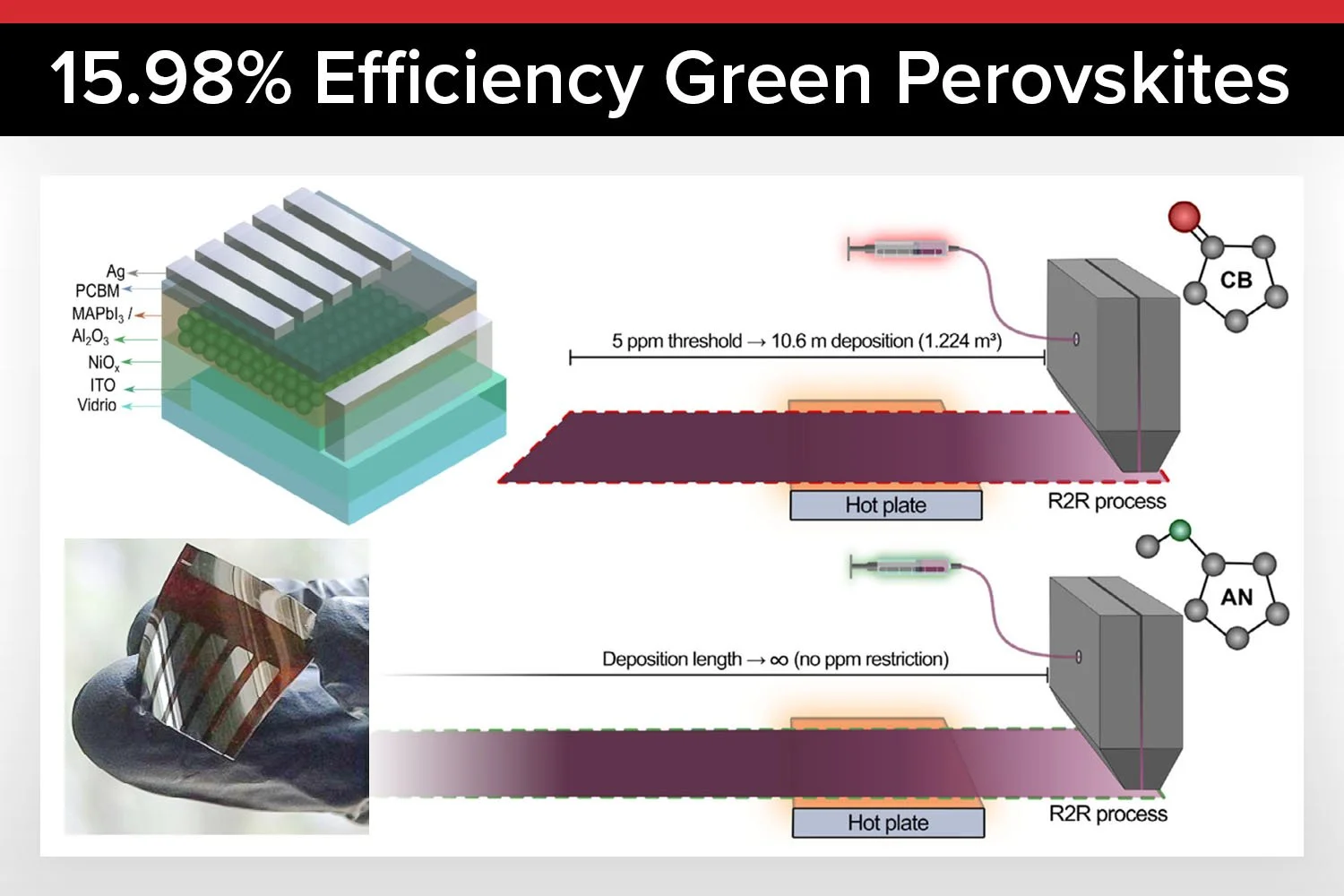
In a new study, researchers from the University of Antioquia used an infinityPV Laboratory Roll-to-Roll Coater to develop sustainable perovskite solar cells (PSCs) by replacing toxic chlorinated solvents with anisole, a green alternative.
Traditional PSC manufacturing relies on chlorobenzene for processing [6]-Phenyl-C₆₁-Butyric Acid Methyl Ester (PCBM), a key electron transport layer (ETL). However, chlorobenzene poses severe health and environmental risks, including carcinogenicity and groundwater contamination, while also facing strict regulatory limits (e.g., OSHA PELs, EU ELV-DE).
These challenges hinder scalability and industrial adoption.
The team explored anisole, a non-chlorinated, low-toxicity solvent, as a safer alternative. By optimizing ink concentration and leveraging the Laboratory Roll-to-Roll Coater, they achieved uniform PCBM layers with enhanced charge extraction, stability, and efficiency, proving that green solvents can match the performance of traditional methods.
What You Need to Know
Researchers replaced toxic solvents with anisole, a non-toxic alternative, making perovskite solar cell production safer for people and the environment.
The new method achieved 15.98% efficiency in rigid solar cells and 7.04% in flexible ones, nearly matching traditional toxic-solvent-based cells. The cells retained 95% efficiency after 1,100 hours.
Using a roll-to-roll coater, the process mimics industrial printing, proving it can be scaled up for mass production.
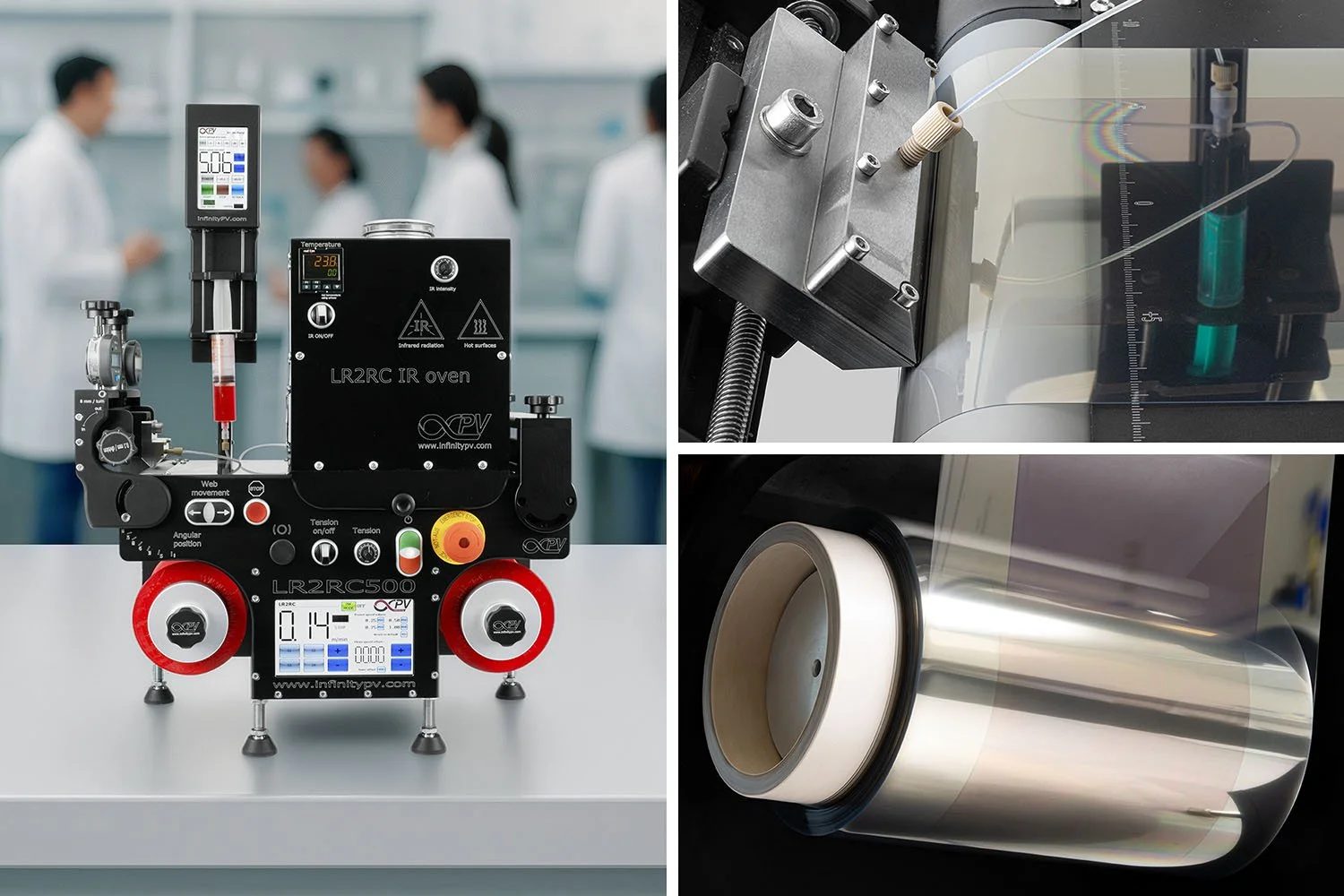
The Laboratory Roll-to-Roll Coater was used to fabricate flexible perovskite solar cells.
How the Laboratory Roll-to-Roll Coater Was Used
The Laboratory Roll-to-Roll Coater was to fabricate flexible perovskite solar cells and minimodules with precise layer deposition. The PCBM layer was slot-die coated using a 20 mg/mL anisole-based ink, ensuring uniform thickness (~38 nm) and low surface roughness (4.88 nm).
After deposition, the films were annealed at 90°C for 20 minutes to ensure complete solvent removal and optimal morphology. The perovskite layer (MAPbI₃) was also deposited via slot-die coating at a pump rate of 0.35 mL/min, a gap of 150 µm, and a substrate speed of 0.5 m/min, followed by annealing at 100°C for 10 minutes.
The flexible minimodules were fabricated on ITO-coated PET substrates with a P1-P2-P3 laser-scribed interconnection, resulting in a total active area of 11 cm². The champion flexible small-area device achieved a PCE of 7.04%, demonstrating the scalability of the process.
“The flexible devices fabricated by slot-die were fabricated using a R2R equipment (infinity PV-LR2RC750) using the following param-eters: the NiOx was deposited onto the substrate with a pump rate of 0.1 mL/min, a gap of 150 μm, and a substrate speed of 1.5m/min.”
What This Means for Your Research
This study highlights the precision and versatility of the Laboratory Roll-to-Roll Coater in advancing sustainable perovskite solar cell research.
The Laboratory Roll-to-Roll Coater enables researchers to efficiently test and optimize green solvent formulations, such as anisole, by providing consistent, high-quality coatings. This precision helps eliminate common issues like interfacial losses and non-uniform film formation, improving performance in rigid and flexible devices.
For labs looking to transition from spin coating to scalable, industrial-level production, the Laboratory Roll-to-Roll Coater offers a reliable and adaptable solution. Its ability to fine-tune coating parameters (e.g., pump rate, gap, substrate speed) ensures reproducible results, making it ideal for exploring new materials, optimizing processes, and bridging the gap between lab research and real-world applications.
How Can We Help With Your Research?
Need help with slot-die coating or machines? Contact our experts for guidance and support.
Peer-Reviewed Studies Featuring the Laboratory Roll-to-Roll Coater
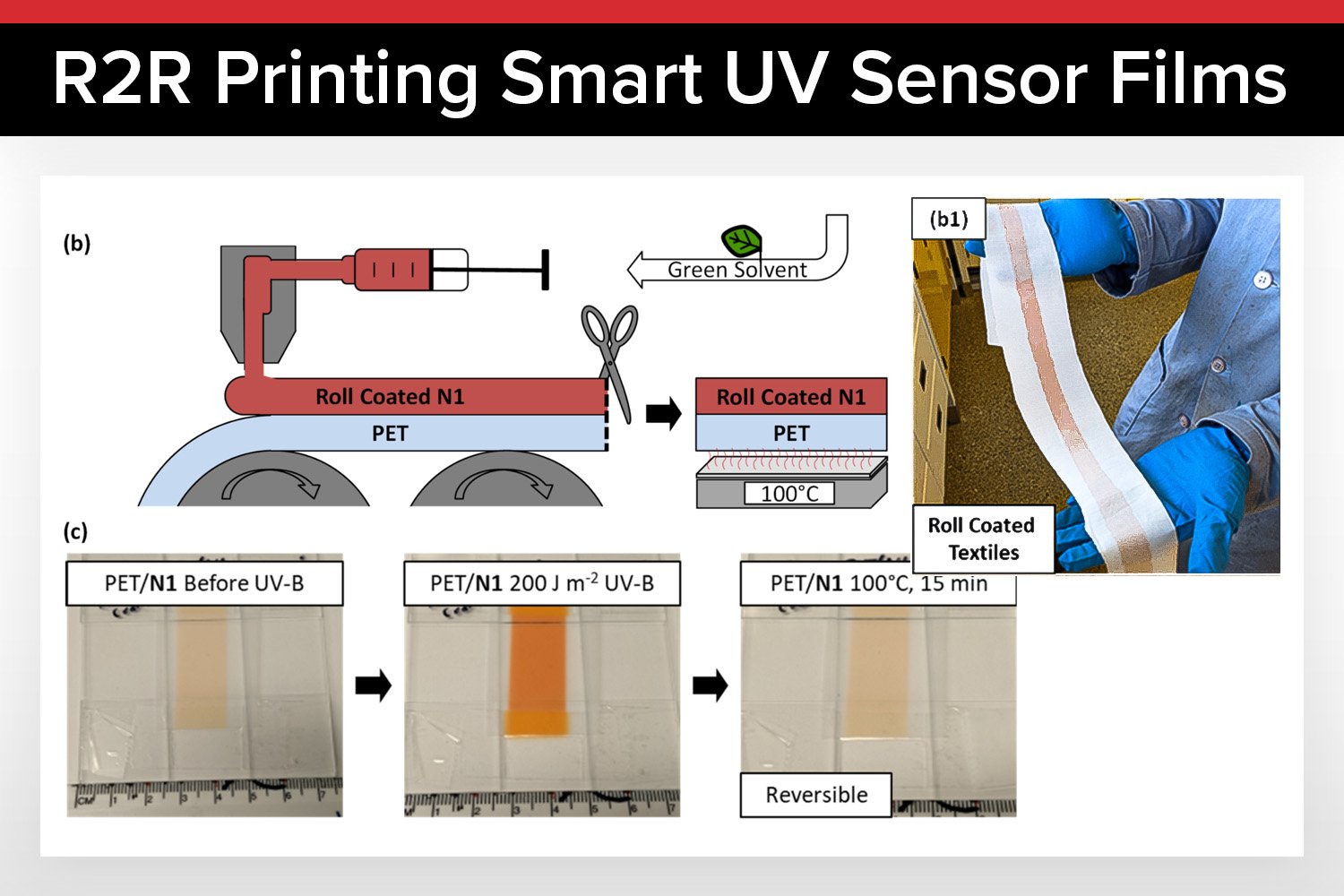
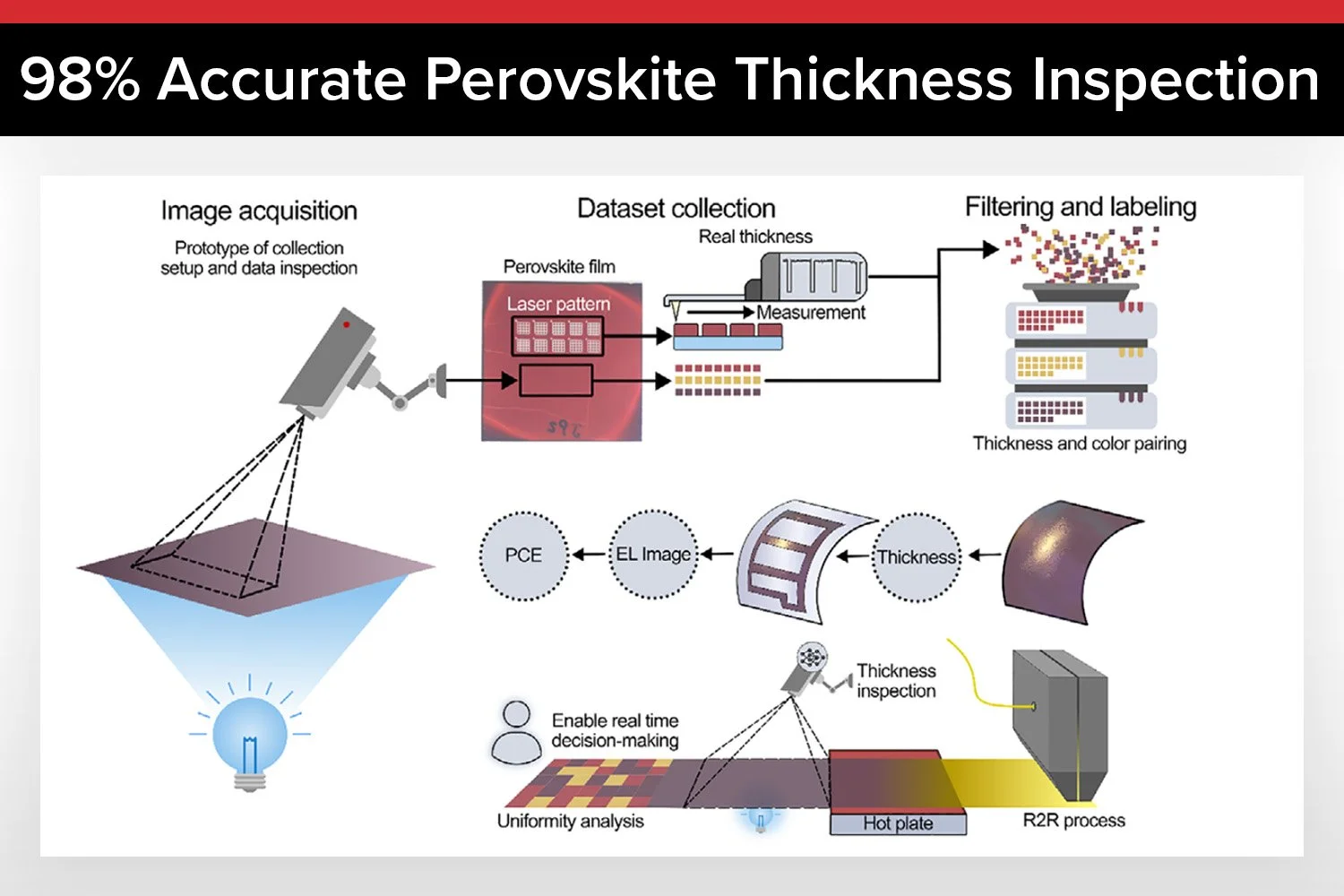

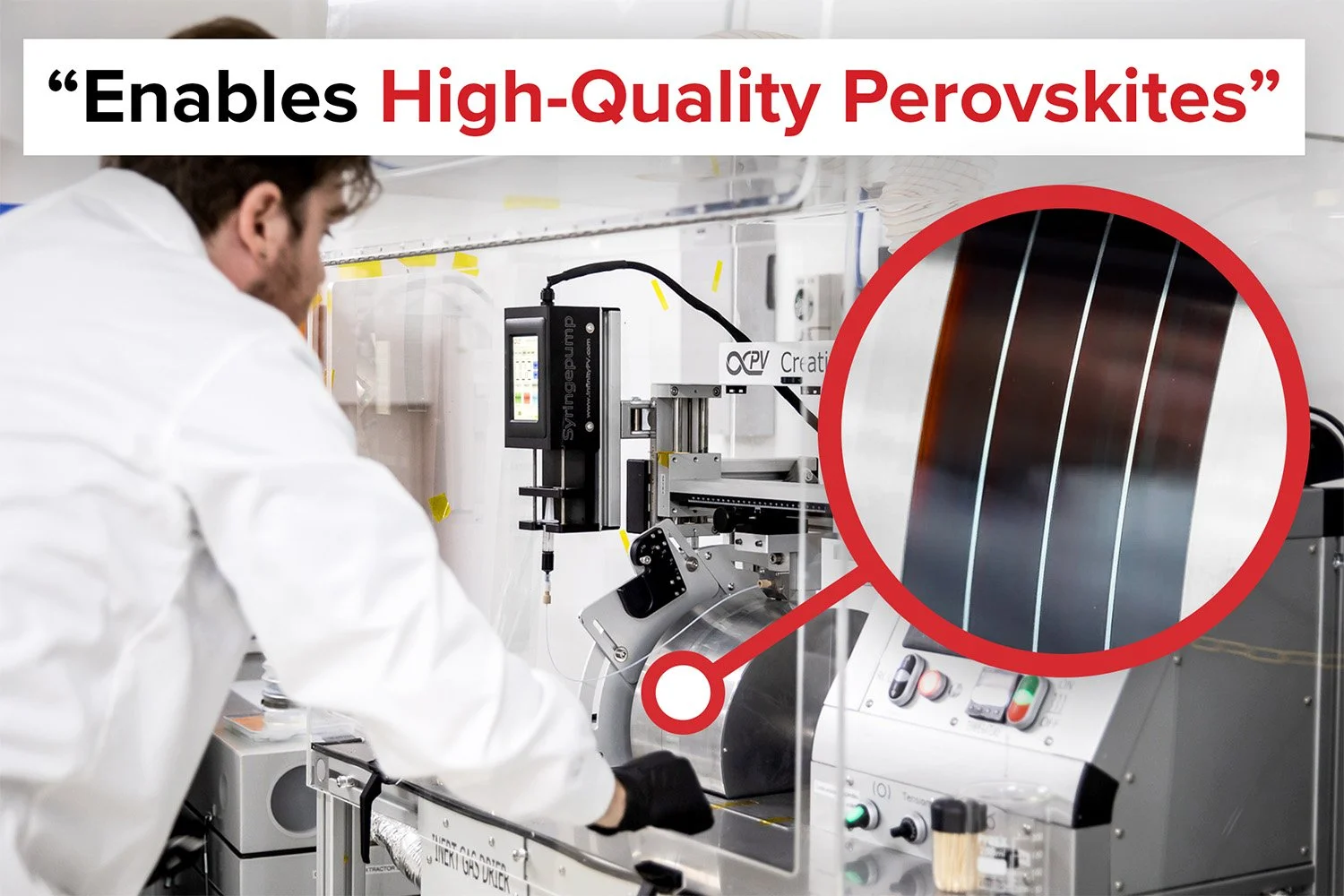

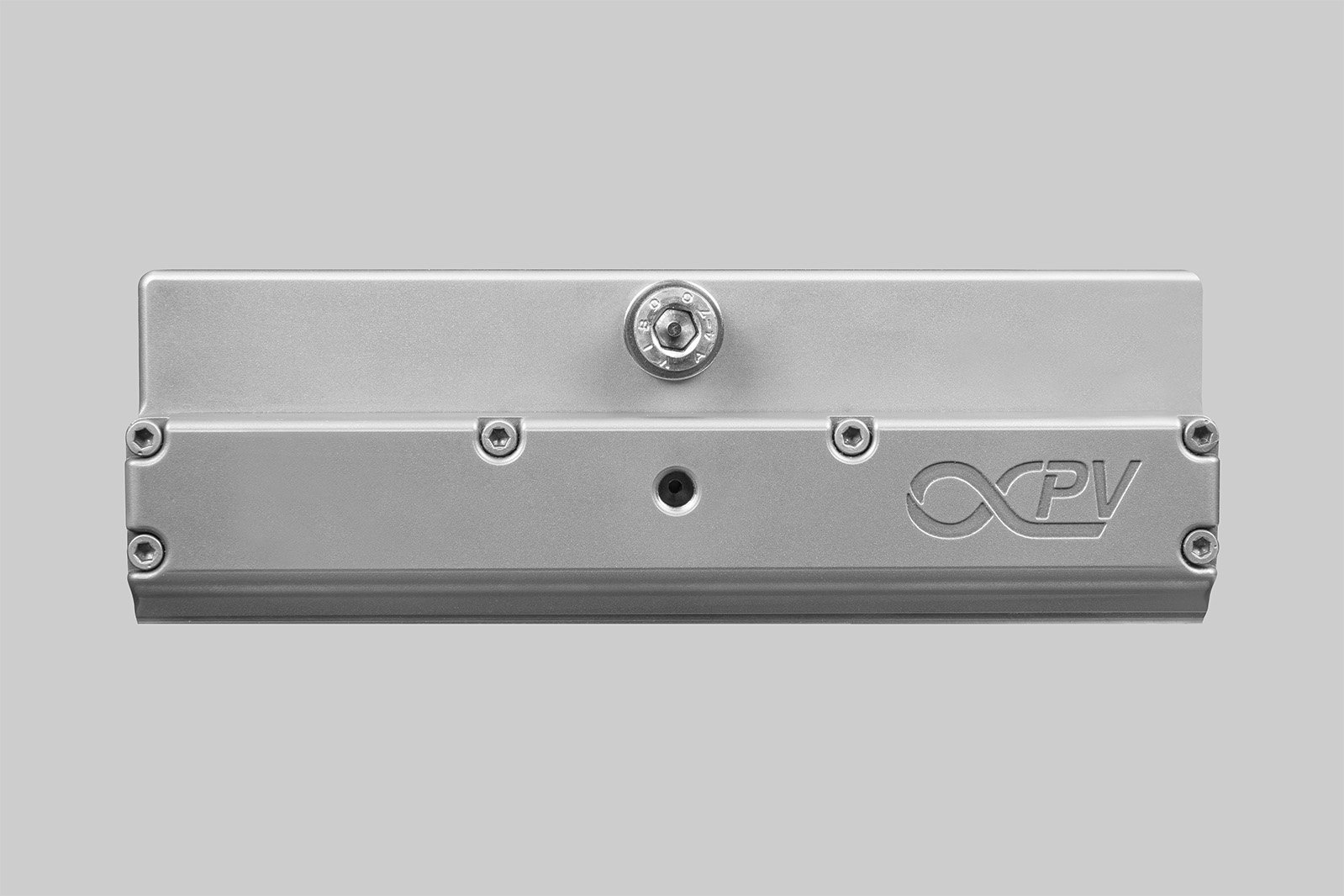

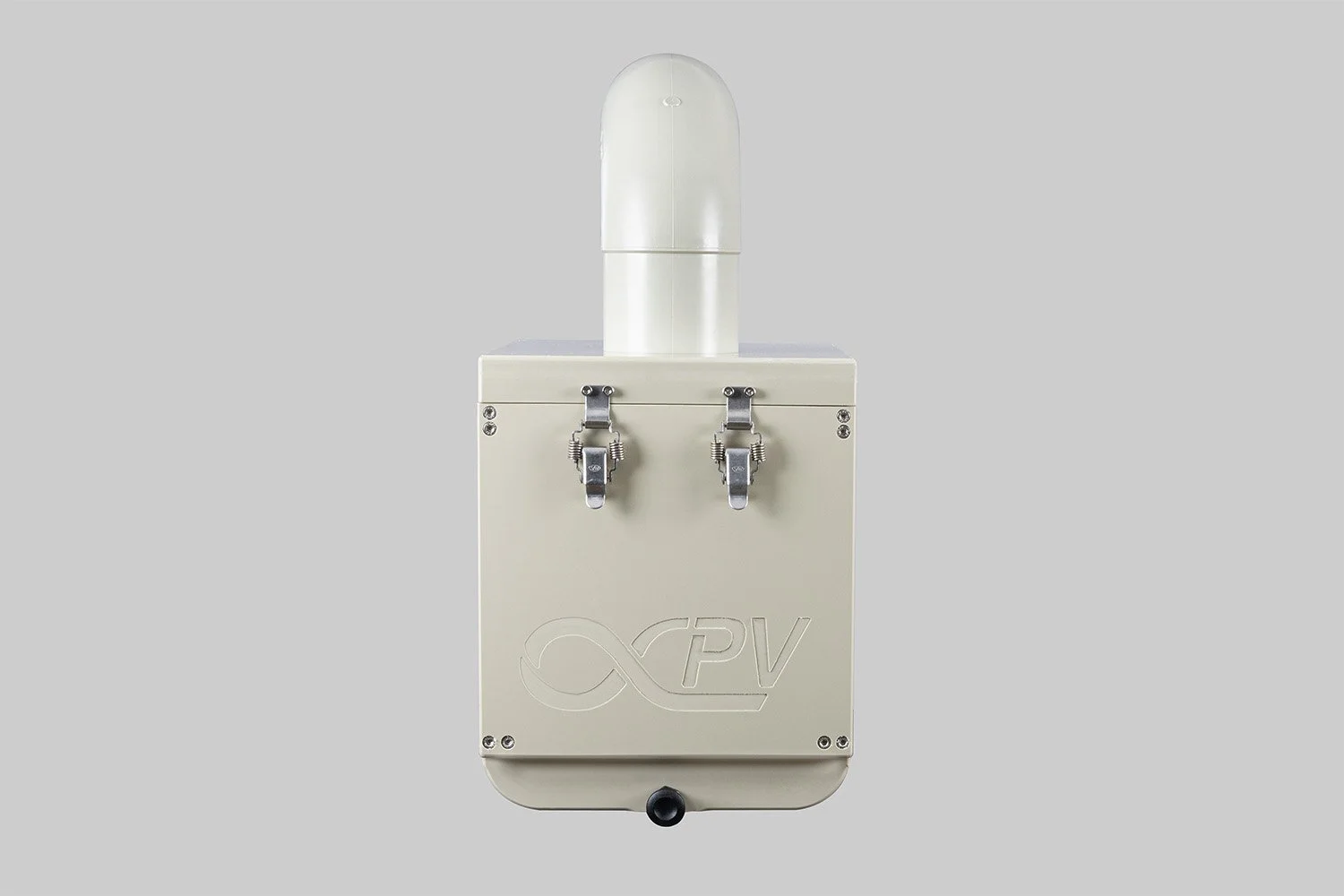


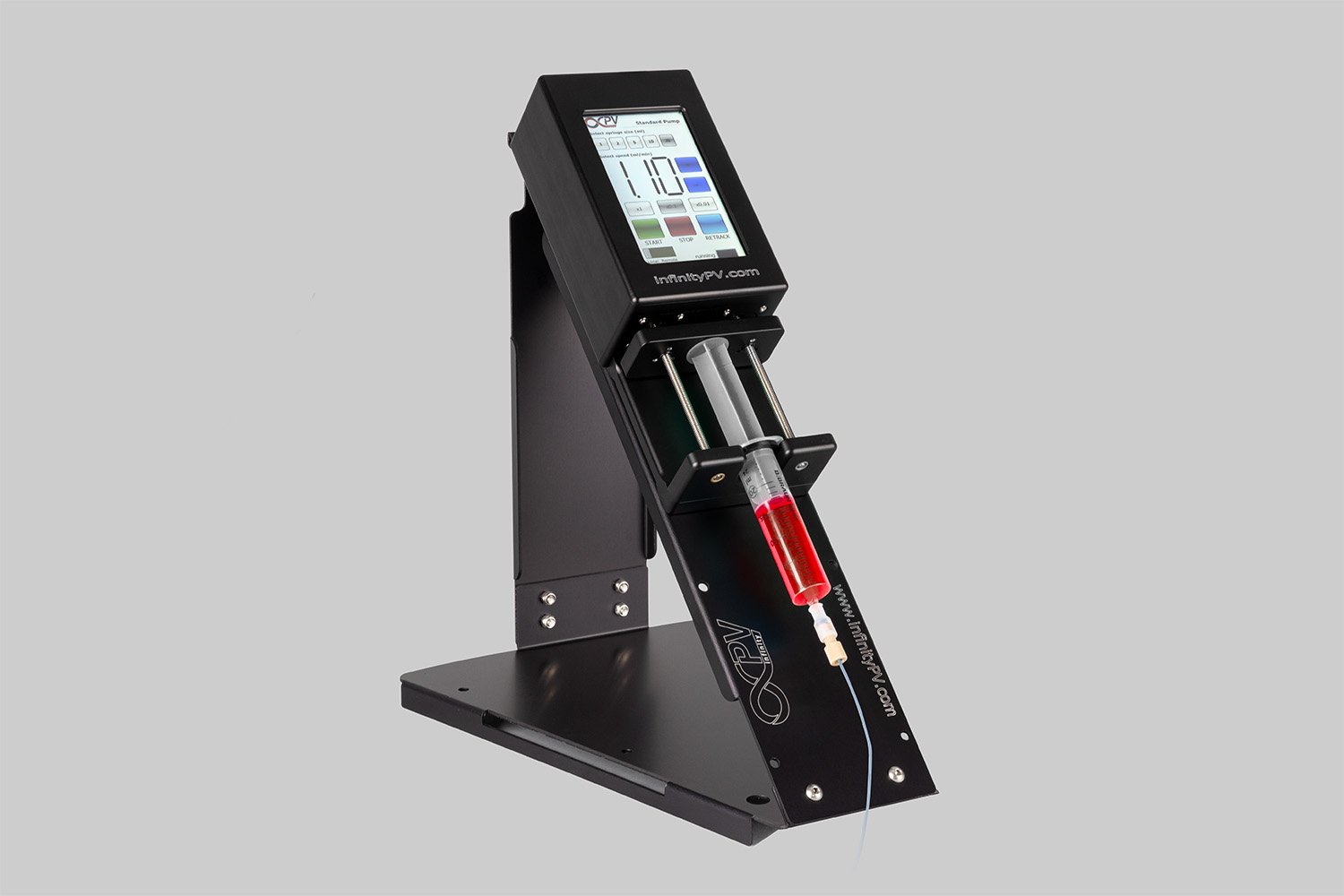
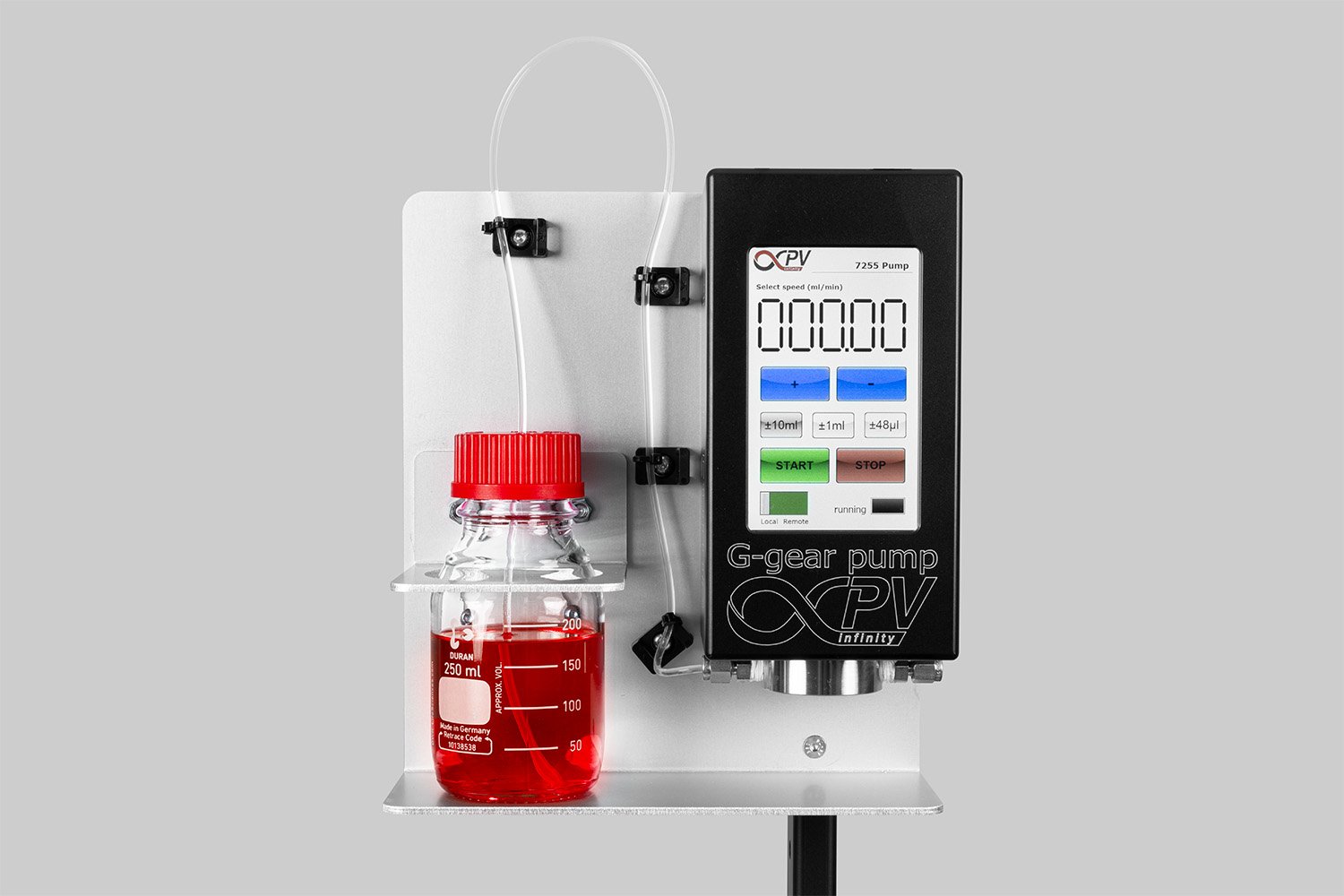
Probably the World’s Most Compact R2R Slot-die Coater: A compact, fully integrated roll-to-roll coating platform for laboratories, complete with a mounting system, anodized rollers, a syringe pump, a 65 mm stainless slot-die head and an infrared oven system—delivering unmatched precision and scalability.