
Understanding Coating Thickness in Slot-Die Coating
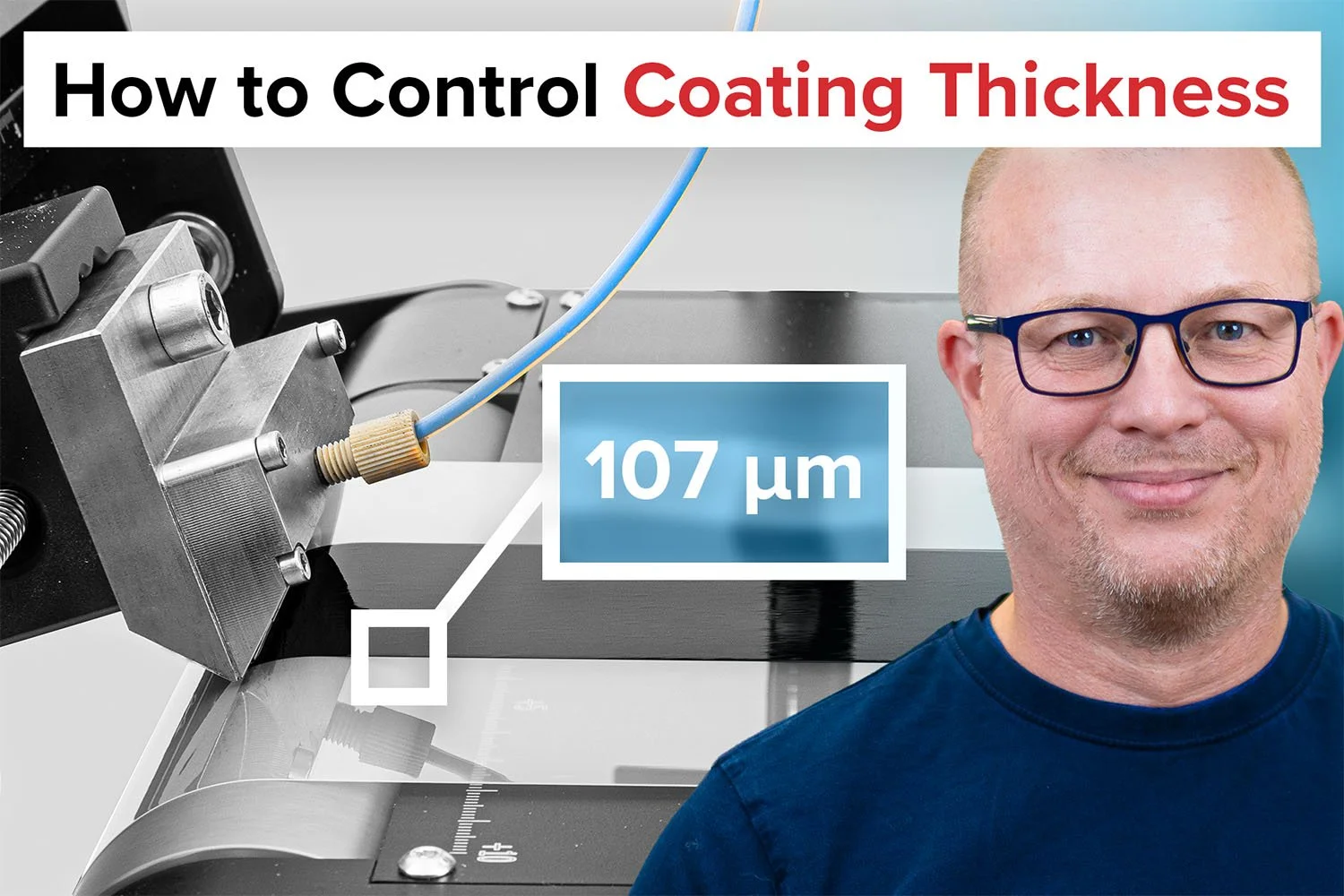
Coating thickness is one of the most important parameters in any slot-die coating process. It affects the performance, appearance, and functionality of the coated layer, making accurate thickness control essential when developing a reliable coating process.
One of the advantages of slot-die coating is that the coating thickness can be calculated and adjusted before the coating process even begins. Because slot-die coating is a pre-metered technique, the amount of liquid deposited on the substrate is controlled by the ink flow rate rather than being determined afterwards by the substrate or coating gap.
Understanding this relationship makes it possible to predict the wet coating thickness and use flow rate and web speed as precise parameters for adjusting the coating process.
Slot-Die Coating Is a Pre-Metered Technique
In slot-die coating, the amount of liquid delivered to the substrate is determined before the coating takes place. The pump supplies a defined flow rate of ink through the slot-die head, which deposits the liquid onto the moving substrate.
This differs from coating methods where the final amount of material deposited can depend more strongly on how the substrate interacts with the coating liquid. With slot-die coating, the deposited volume is defined by the process parameters.
The wet coating thickness is therefore directly related to three parameters: the ink flow rate, the coating width, and the web speed.
Calculating Wet Coating Thickness
The wet film thickness can be determined by dividing the flow rate by the product of the coating width and the web speed:
$$ \text{Wet thickness (μm)} = \frac{\text{Flow Rate (mL/min)} \times 1000}{\text{Coating Width (mm)} \times \text{Web Speed (m/min)}} $$
This relationship makes it relatively straightforward to predict the wet coating thickness before starting the coating process.
The coating width is normally selected as part of the process setup and remains constant. This means that the flow rate and web speed become the main parameters that can be adjusted to control the coating thickness.
For example, if the flow rate is doubled while the coating width and web speed remain unchanged, the wet film thickness will also double. Conversely, if the web speed is doubled while the flow rate and coating width remain constant, the wet film thickness will be reduced by half.
This provides two straightforward ways of adjusting coating thickness during process development: changing how much ink is delivered or changing how quickly the substrate moves through the coating process.

The infinityPV Wet Thickness Calculator is an excellent way to calculate the wet thickness.
Wet Thickness vs. Dry Thickness
The calculated wet coating thickness is not necessarily the thickness of the final dry layer. This is because the coating formulation often contains solvents or other components that evaporate during drying.
As the solvent evaporates, the volume of the coating decreases and the layer shrinks. The final dry thickness therefore depends not only on the initial wet thickness, but also on the solid content of the formulation. The solid content represents the part of the formulation that remains after the volatile components have evaporated. A formulation with a higher solid content will generally result in a thicker dry layer than a formulation with a lower solid content when both are applied at the same wet thickness.
The relative densities of the solvent and the solid materials also need to be considered when relating wet thickness to the final dry thickness.
The Effect of Solid Packing
As a general rule of thumb, the calculated volume percentage of the solid content can be used to estimate the final dry layer thickness from the wet thickness. However, the calculation is an approximation. The density of the final dried layer may not be identical to the formal density of the solid material.
This is particularly relevant for formulations containing particulate solids. During drying, the particles may not pack completely together. Small voids or air pockets can remain between the particles, which reduces the effective density of the dried layer. As a result, the final layer can be slightly thicker than the calculated value based purely on the formal density of the solid material.
The way the material forms a film during drying can therefore have an influence on the final coating thickness, even when the initial wet thickness is well controlled.
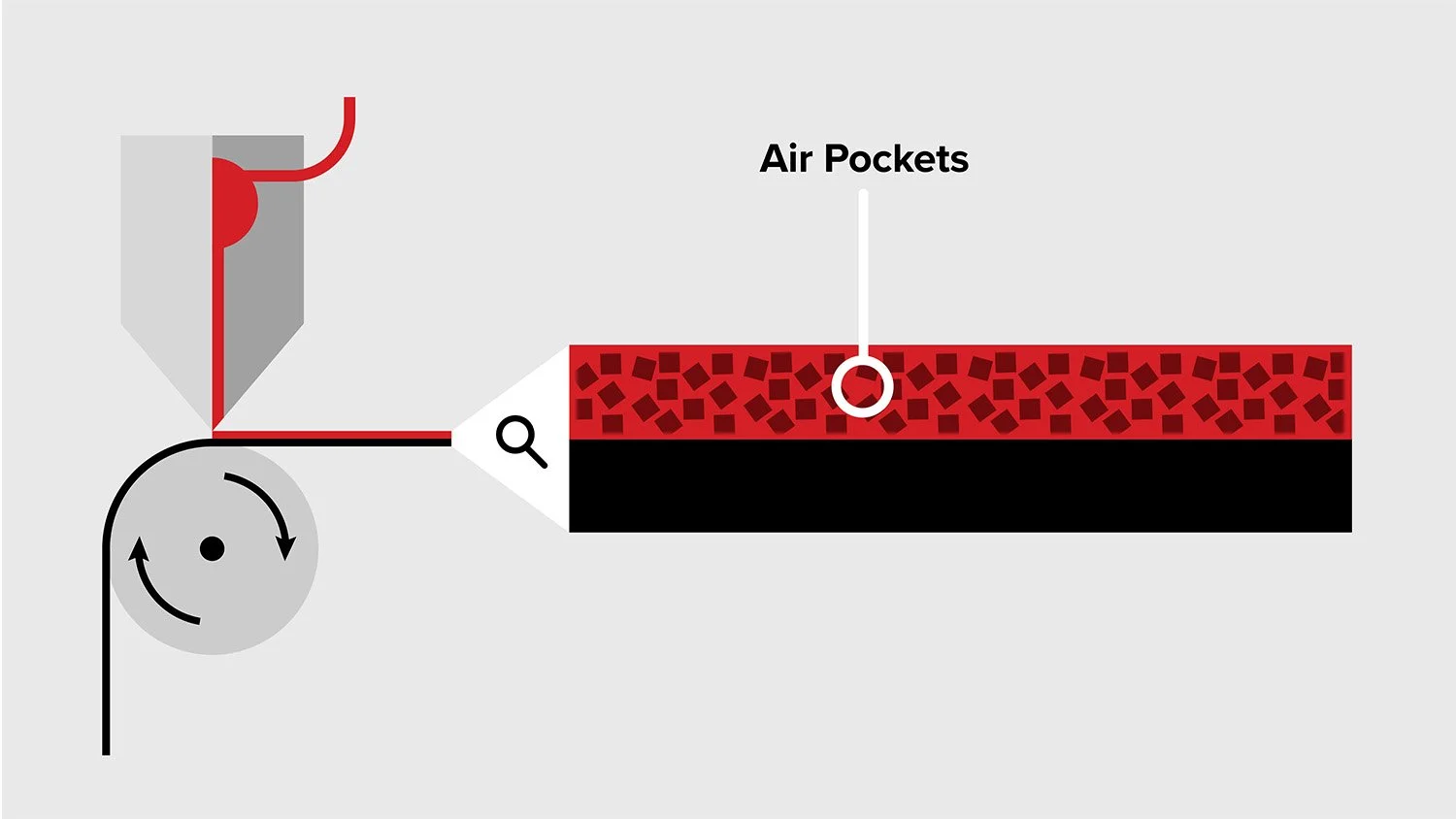
During drying, particles may not pack completely together due to small voids or air pockets.
Drying and Film Formation
The relationship between wet and dry thickness is also influenced by the drying conditions. Solvent evaporation, shrinkage, and film formation can all affect the final structure and thickness of the coating. This means that calculating the wet thickness provides a strong starting point, but it does not always provide an exact prediction of the final dry thickness.
Nevertheless, having precise control over the wet thickness is highly valuable during process development. Once the amount of material deposited on the substrate is defined and reproducible, the influence of the drying process and formulation can be investigated more systematically.
Why Thickness Control Matters
Being able to define and reproduce coating thickness is one of the important advantages of slot-die coating. By controlling the flow rate, coating width, and web speed, the amount of material deposited can be calculated before coating begins. This makes it easier to develop and optimize functional layers and to reproduce coating conditions between experiments.
It also provides an important foundation for scaling a coating process. A process that can be described through defined and controllable parameters is easier to optimize and transfer from laboratory-scale development towards larger-scale production.
From Calculated Thickness to a Reliable Coating Process
Determining the coating thickness before coating begins provides a useful starting point for developing a reliable slot-die coating process. The relationship between flow rate, coating width, and web speed allows the wet thickness to be predicted and adjusted in a controlled way.
The final dry thickness will depend on the formulation, solid content, drying conditions, and film formation. However, controlling the wet thickness gives the process developer a defined and reproducible starting point.
This ability to control and reproduce the amount of material deposited is a key reason why slot-die coating is used across both research and industrial manufacturing. It enables systematic optimization of coating processes while providing a clear path towards reproducible and scalable production.
Get Professional Support for Your Coating Needs

Need help with slot-die coating or machines? Contact our experts for guidance and support.
Customer Success Stories







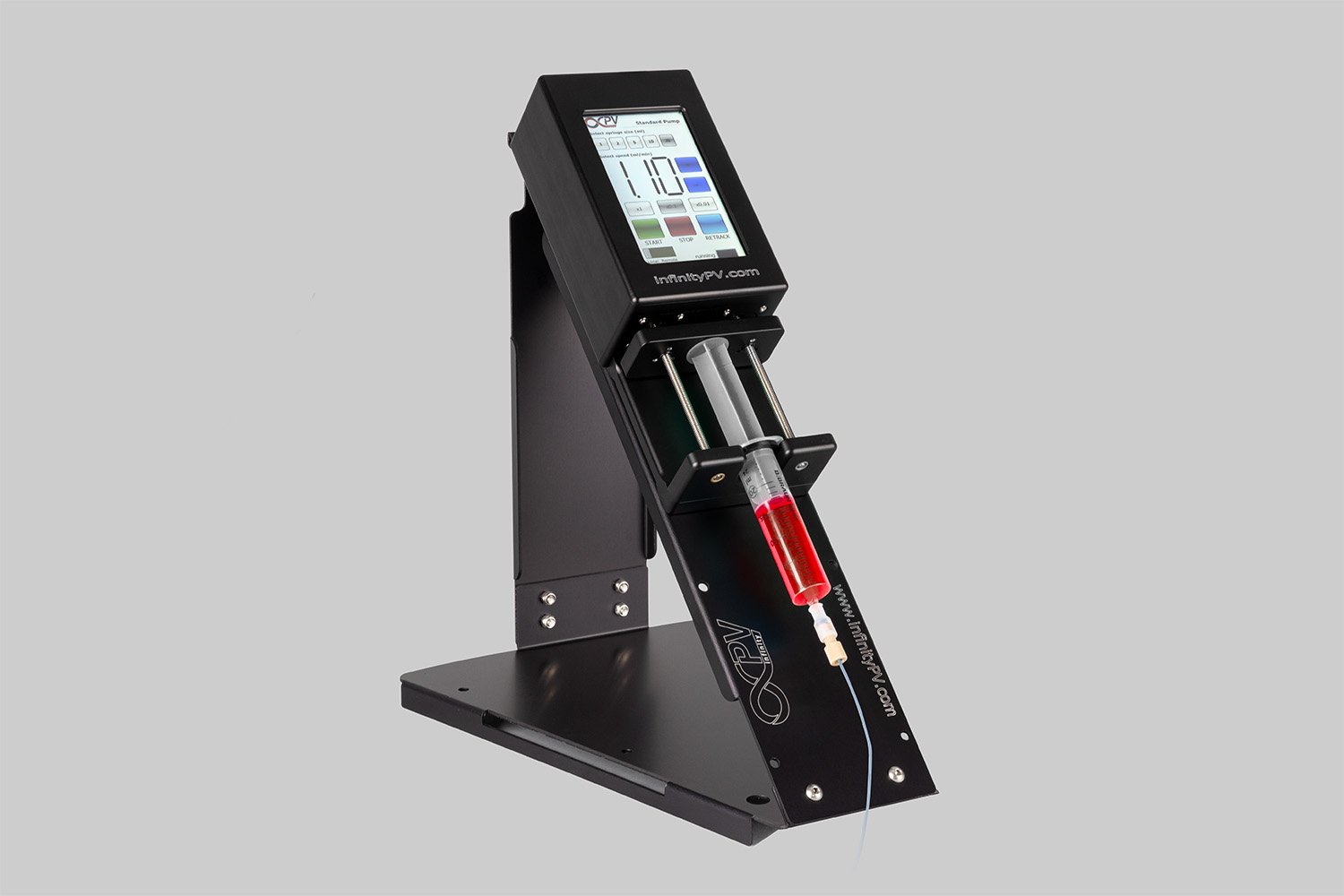
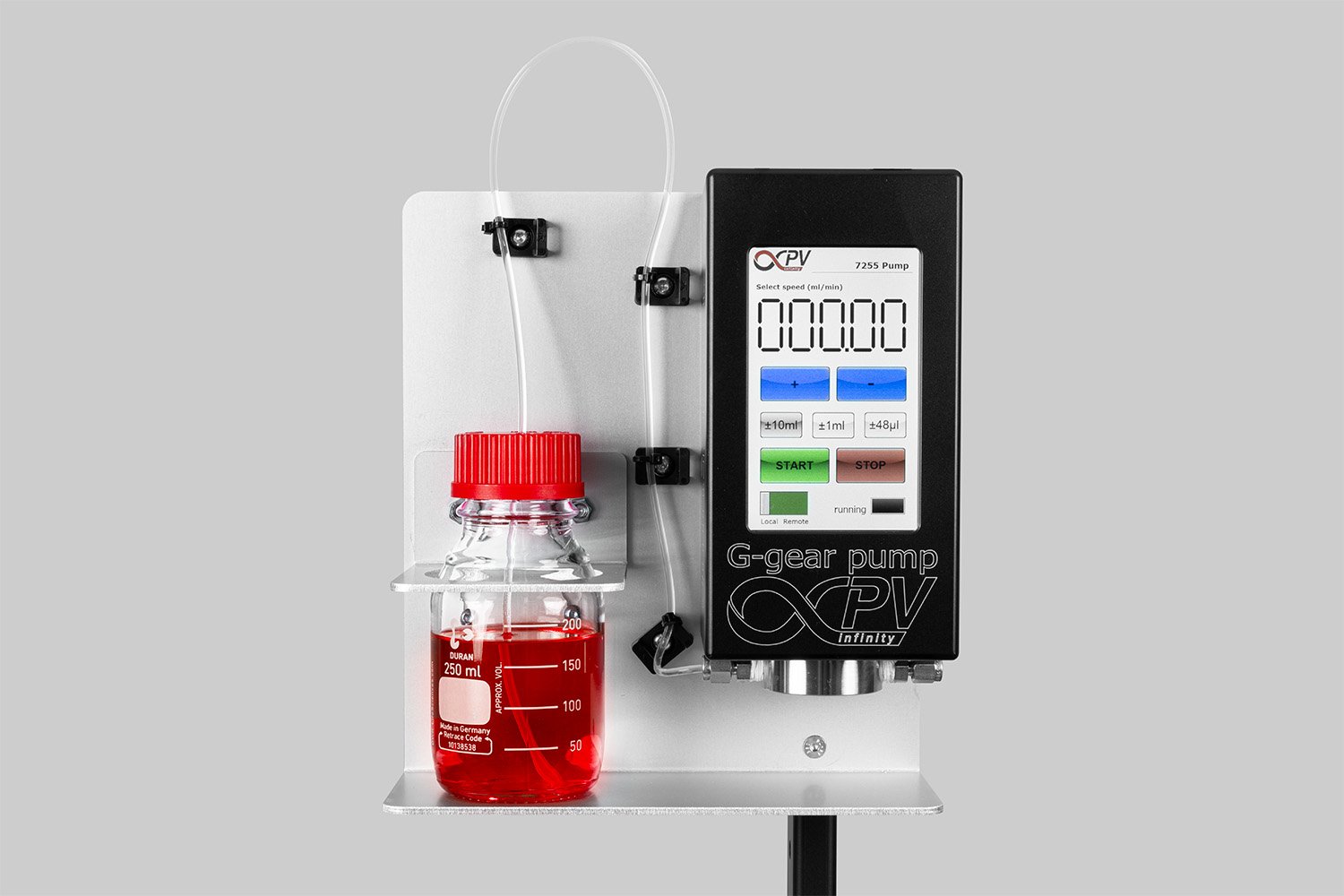
Probably the World’s Most Compact R2R Slot-die Coater: A compact, fully integrated roll-to-roll coating platform for laboratories, complete with a mounting system, anodized rollers, a syringe pump, a 65 mm stainless slot-die head and an infrared oven system—delivering unmatched precision and scalability.