
Nano-C Enables Scalable Device Fabrication and Improved Reproducibility with Slot-die Coater
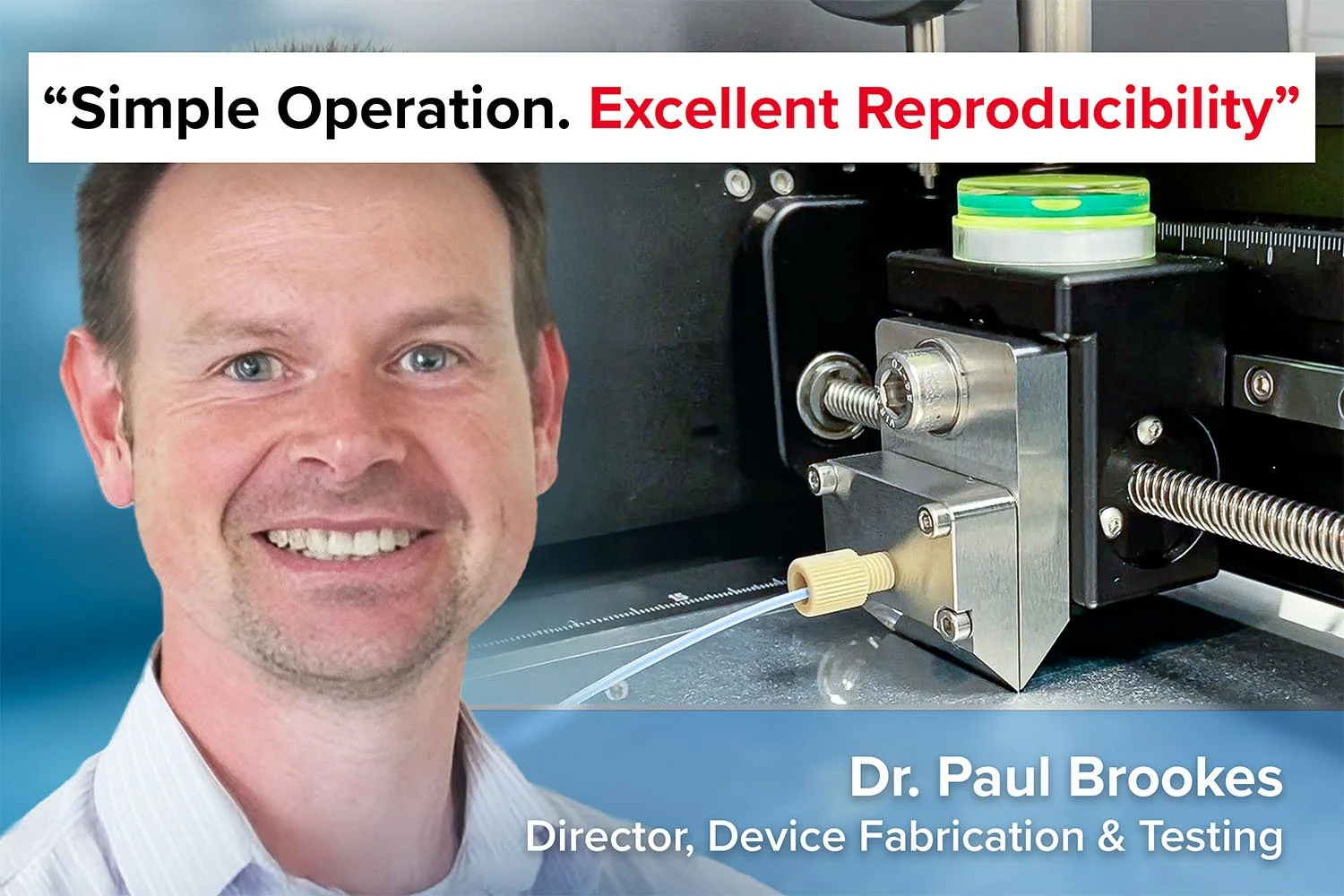
“Key takeaways from my side are simplicity of use, excellent reproducibility, different coating and drying options, it is a well-crafted and designed piece of equipment for our R&D needs.”
Nano-C is a leading developer of nanostructured carbon materials, electronic materials, and specialty chemicals for the organic electronics, energy, and semiconductor industries. As a supplier of electron transport layers, hole transport layers, and donor and acceptor materials, the company develops materials that improve the performance, stability, and lifetime of next-generation organic and perovskite solar cells.
To demonstrate that these materials perform under manufacturing-relevant conditions, Nano-C wanted to complement its traditional spin coating process with a scalable deposition method that better reflects how commercial devices are produced.
The Need for Scalable Device Fabrication
While spin coating is widely used for laboratory research, Nano-C wanted to fabricate internal reference devices using slot-die coating to better represent industrial processing. The goal was to validate material performance using a scalable deposition technique while maintaining high device quality, reproducibility, and an efficient laboratory workflow.
The company therefore looked for a compact, easy-to-use coating system that could be quickly integrated into its R&D activities without requiring extensive training or setup.
Nano-C's Experience with the Slot-die Coater
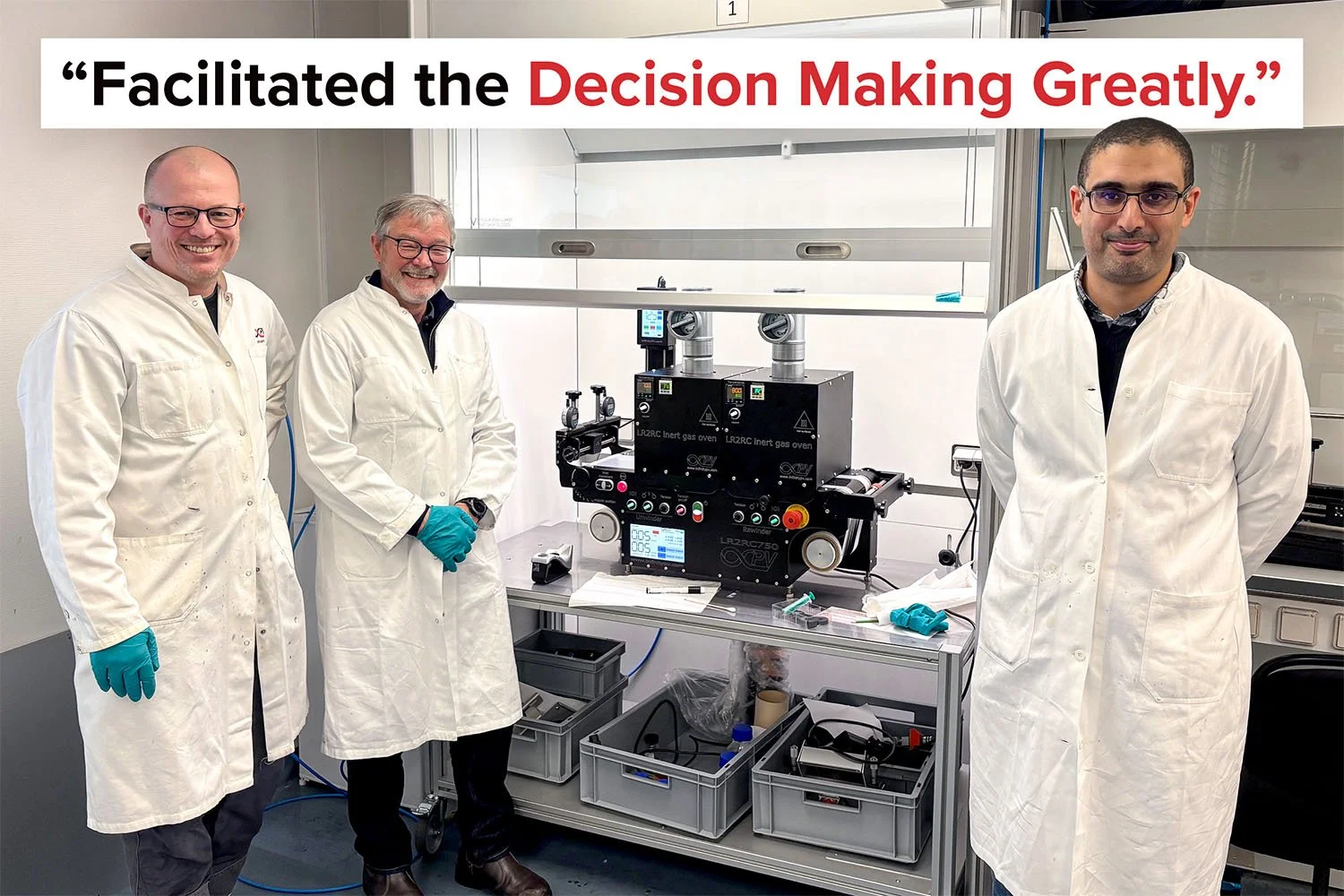
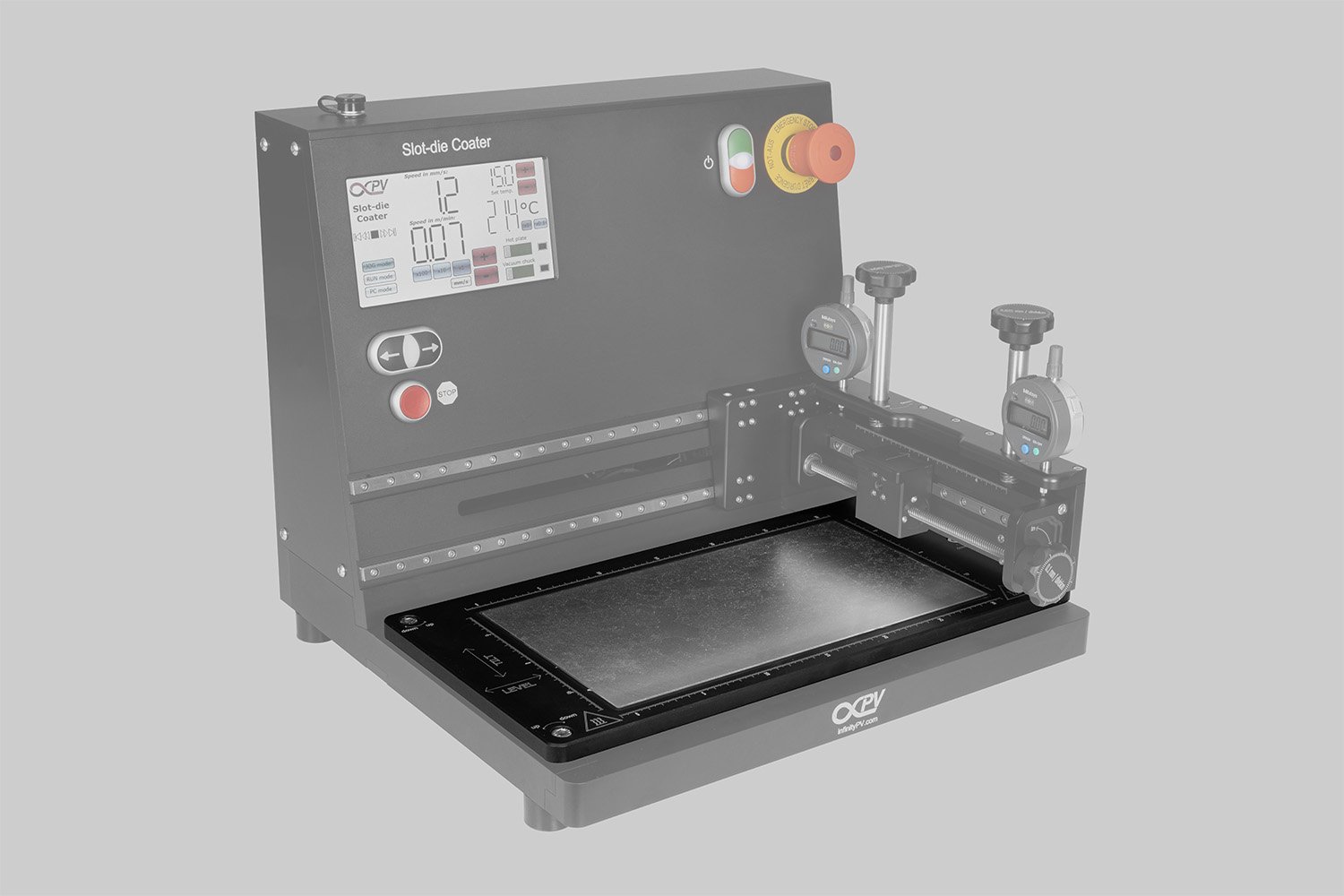
Nano-C selected the infinityPV Slot-die Coater because it combined a compact footprint with simple operation and precise process control. According to Dr. Paul Brookes, Director of Device Fabrication and Testing, the system was operational within approximately ten minutes of unpacking and required very little training to begin producing results.
The team found it easy to switch between coating methods, adjust process parameters, and program the integrated syringe pump. Rather than operating the system through a computer, they chose to use the touchscreen interface because of its simplicity, while appreciating the option for PC control if needed.
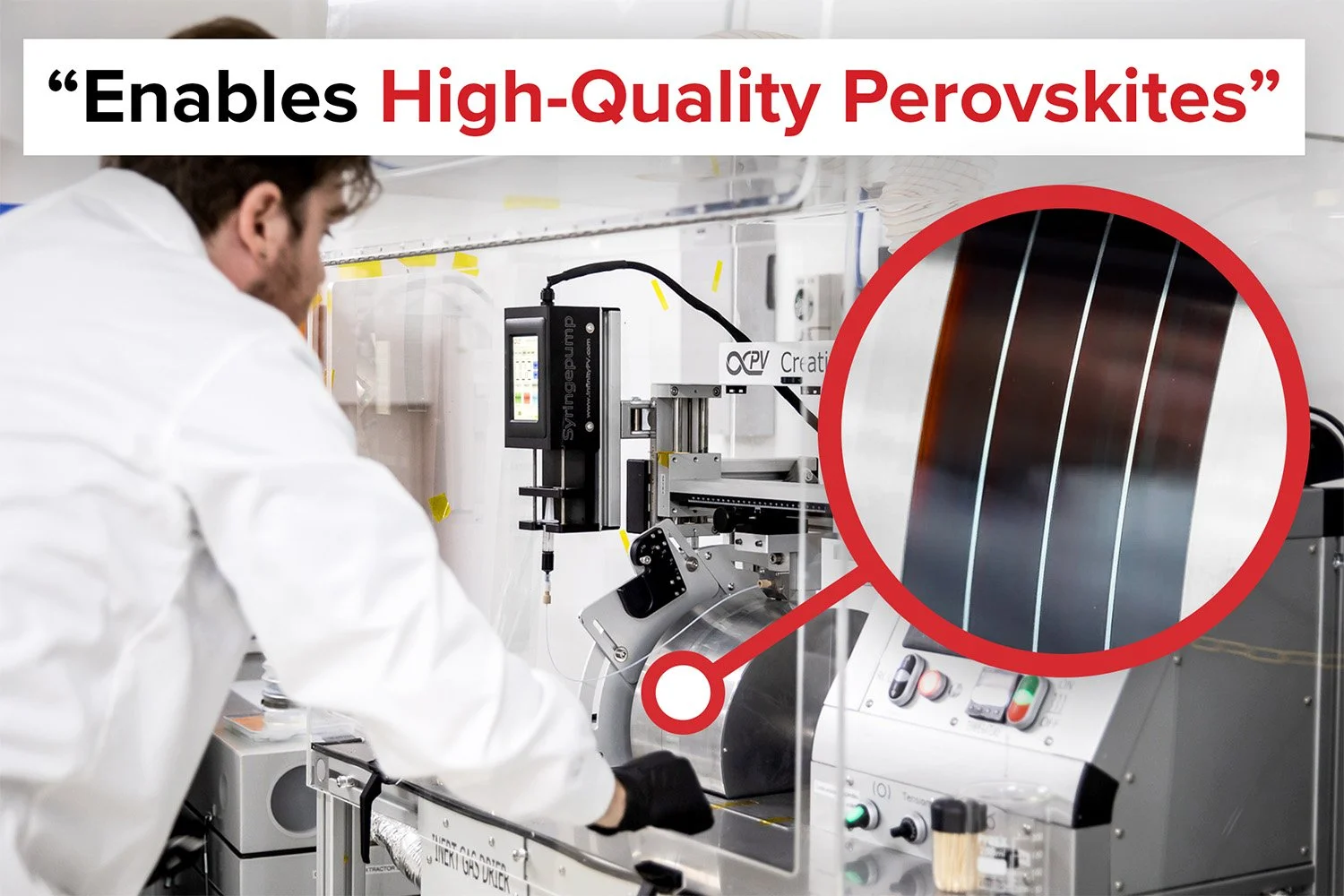
After only a few days of optimization, Nano-C produced slot-die coated devices with performance comparable to their spin-coated references. Within the second week, the team observed improved efficiency and reproducibility, with slot-die coated devices routinely outperforming their spin-coated counterparts.
“Hi my name is Dr Paul Brookes, and I am the Director of Device Fabrication and Testing at Nano-C, and I have almost 30 years of Industrial Organic Electronic experience. Founded in 2001 and headquartered in Westwood, Massachusetts, Nano-C is a leading developer of nano-structured carbon, electronic materials, and specialty chemicals. Through its expertise in chemistry and unique energy-efficient processes, Nano-C enables the creation of smaller, lighter, and more durable devices across the electronics, energy, and semiconductor industries.
As a chemical manufacturer developing materials used within the Organic and Perovskite PV industries, we wish to show our customers that our ETLs, HTLs, and donor/acceptor materials are fit for purpose and bring advanced stability and lifetime to end-user devices. Therefore, it is important for us to have the in-house capability to produce internal reference devices. We typically spin coat materials to make small active devices, but we felt it was important to produce devices using scalable deposition methodologies, such as slot-die coating, which is more pertinent to end-user deposition techniques.
This is why we chose the infinityPV Slot-die Coater, the coater has everything we were looking for in a nice compact unit. Straight out of the crate the coater was so simple to set up, and we were up and running in around 10 minutes. It is pretty much Plug and Play out of the box. Switching from bar coating to slot die coating is easy and changing parameter setting on the tool is simple. Everything on the coater is simple to use and set up.
The syringe pump is great and programming is truly simple. Also, the controls for the printer are simple to use, varying speed, temperature etc. is all touch screen controlled. We don’t run the printer through a computer because it is so easy to run on the fly without it, but you can also link it to a PC if you like. We didn’t go with the fully Computer-Controlled Mounting System, we went with the Advanced Mounting System which is more than adequate for our needs.
Regarding fabricated devices and the performance of end devices verses our spin coated devices, we were able to produce comparable results within a few days of optimization. In fact, within the second week of working with the tool our device efficiency and reproducibility have increased, and we routinely see improved performance over our spin coated devices.
I can thoroughly recommend the infinityPV Slot-die coater system, key takeaways from my side are simplicity of use, excellent reproducibility, different coating and drying options, it is a well-crafted and designed piece of equipment for our R&D needs.”

Learn more about the modular Slot-die Coater.
How Can We Help With Your Research?
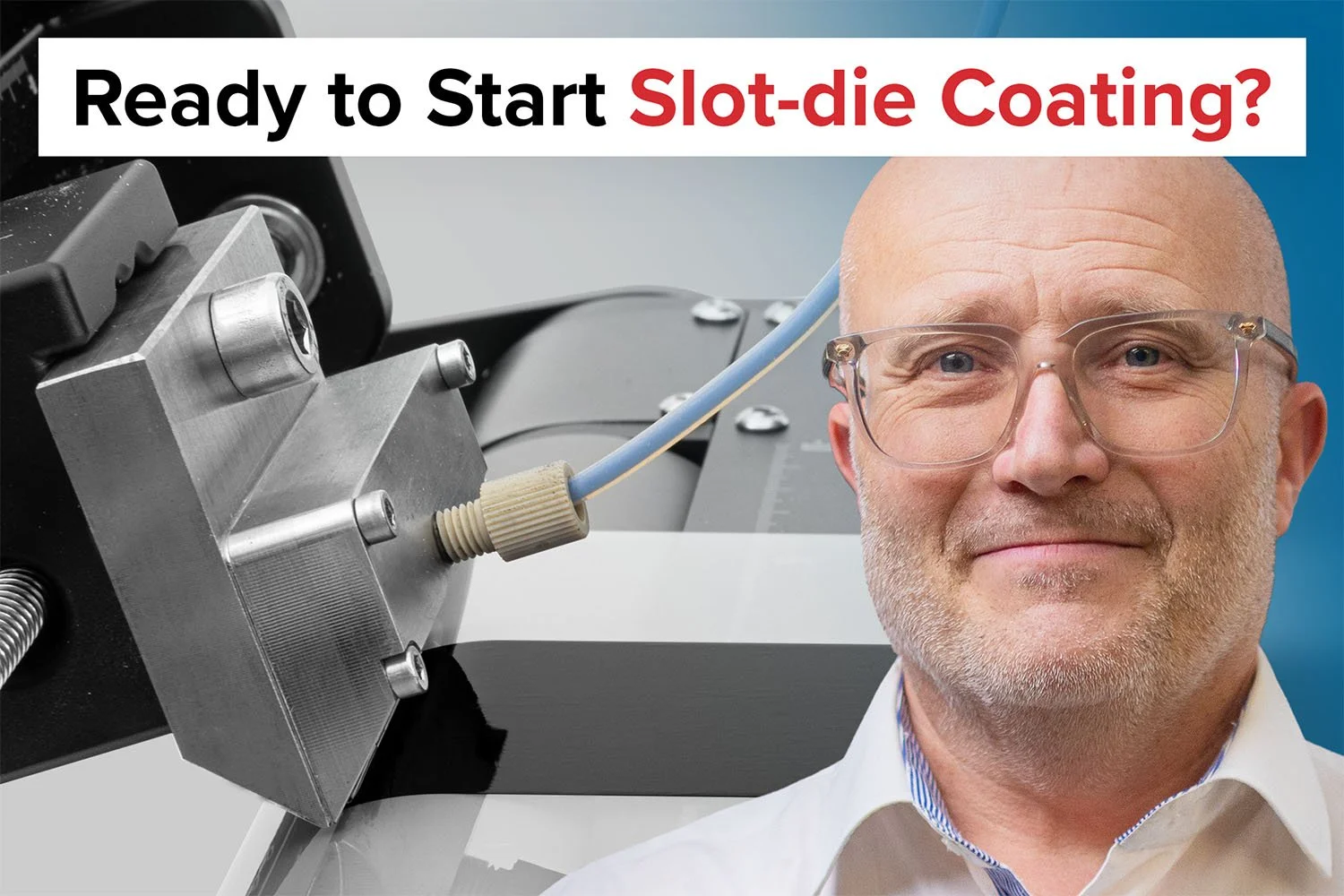
Need help with slot-die coating or machines? Contact our experts for guidance and support.
More Customer Success Stories
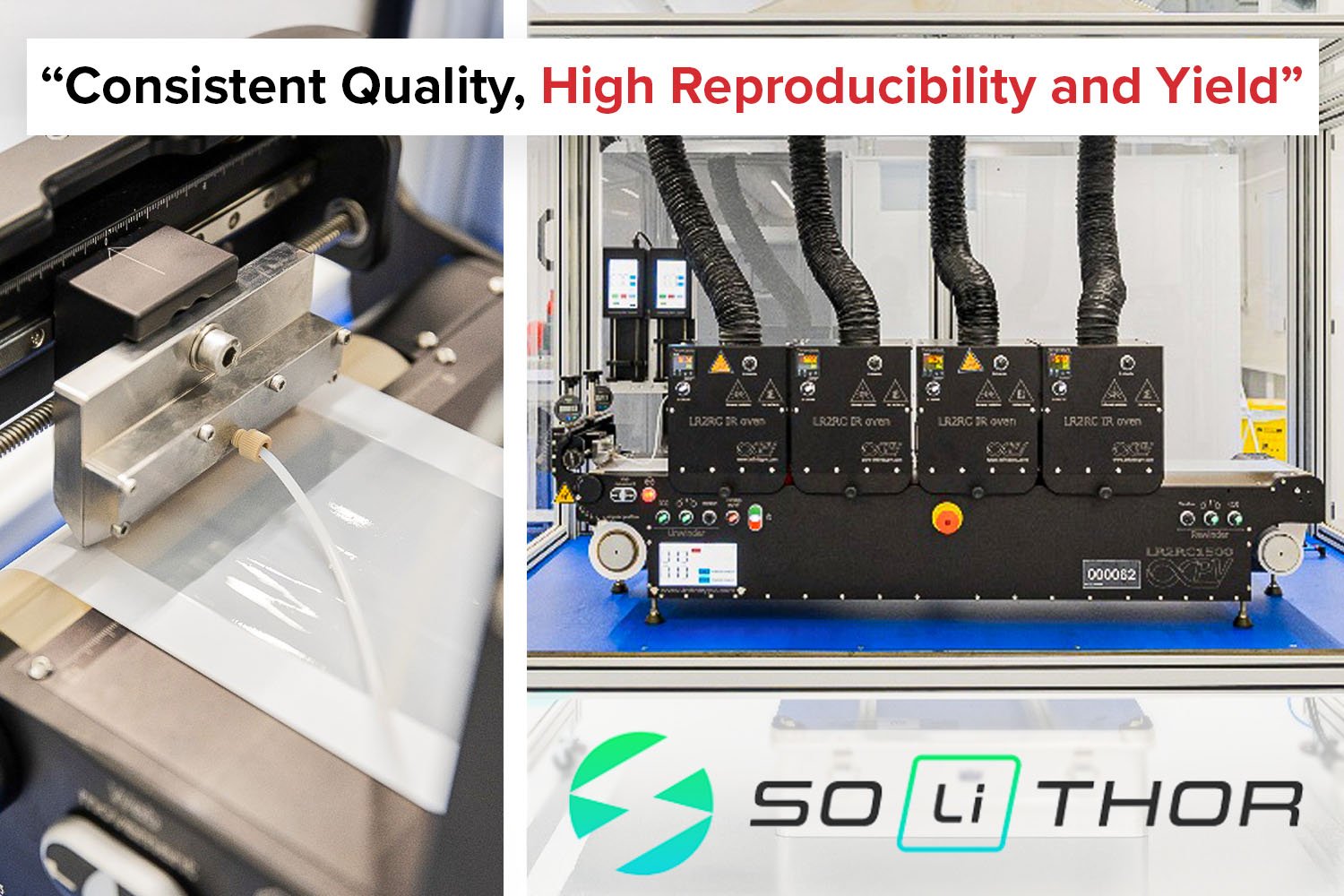
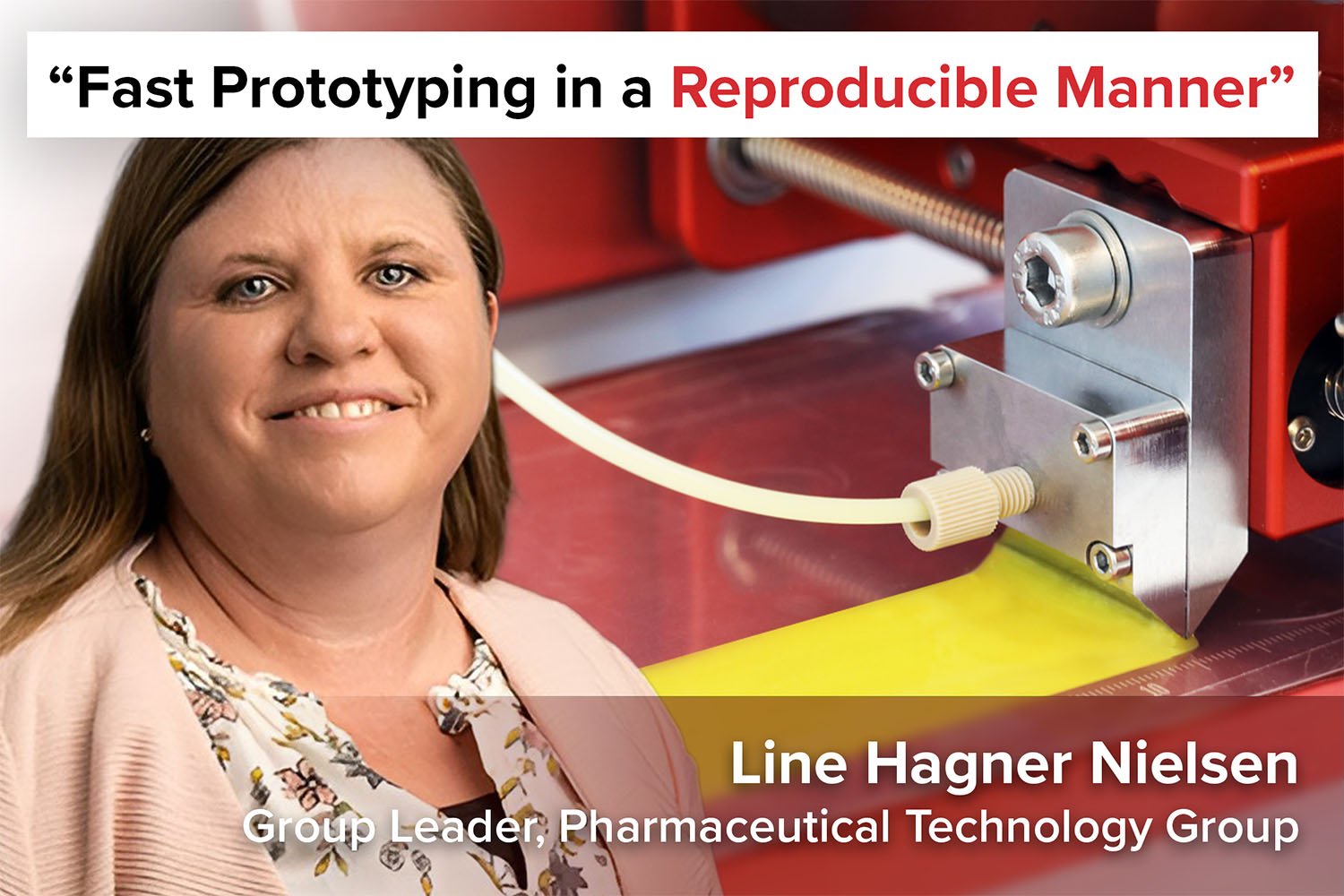


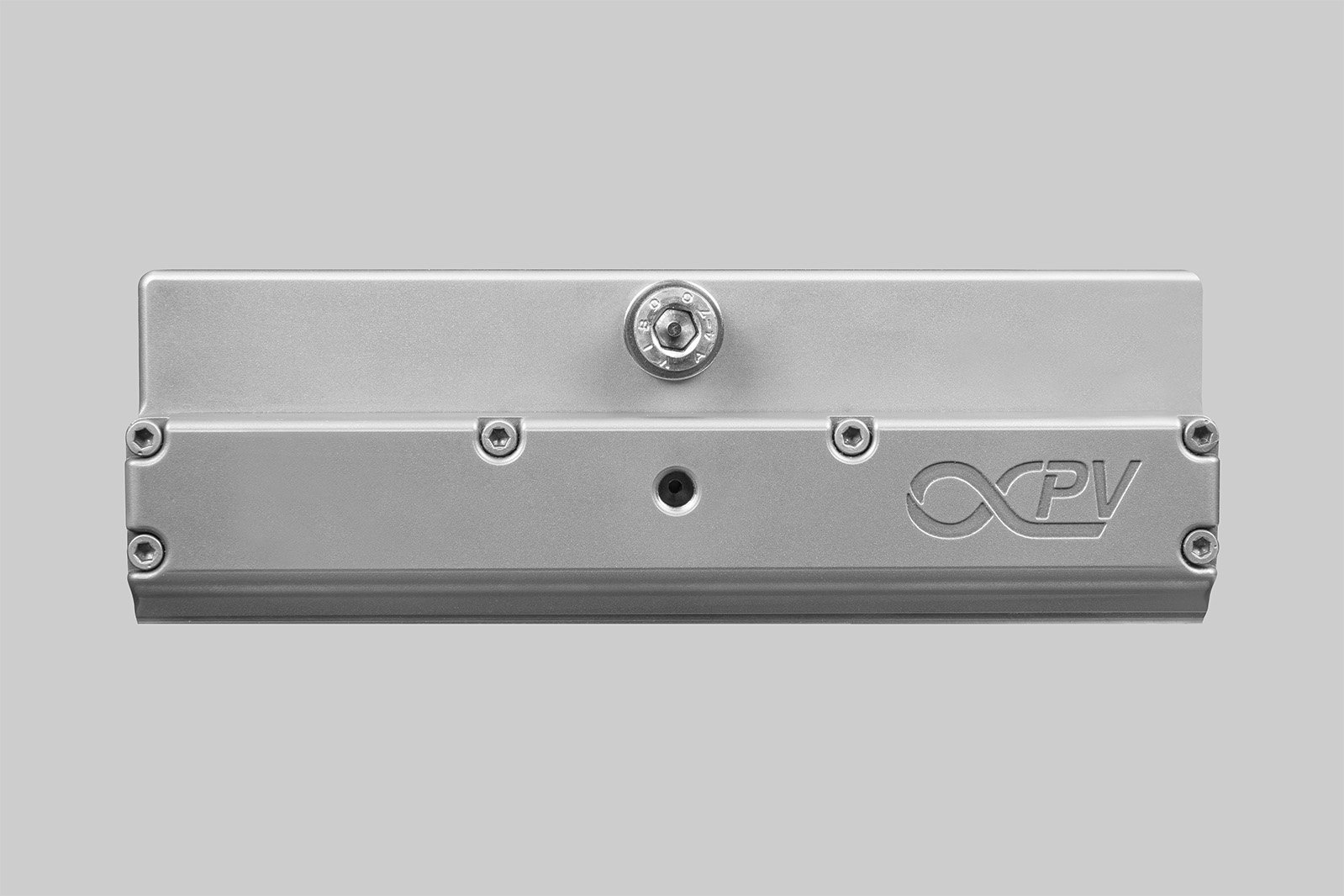
The infinityPV slot-die heads offer unparalleled performance across various materials and size. Available in PEEK, Stainless and Titanium in standard widths of 40 mm, 65 mm, 115 mm, 165 mm, 195 mm and 305 mm. View video.