
University of Southern Denmark Validates Long-Lasting Organic Photovoltaics with ISOSun Solar Simulator
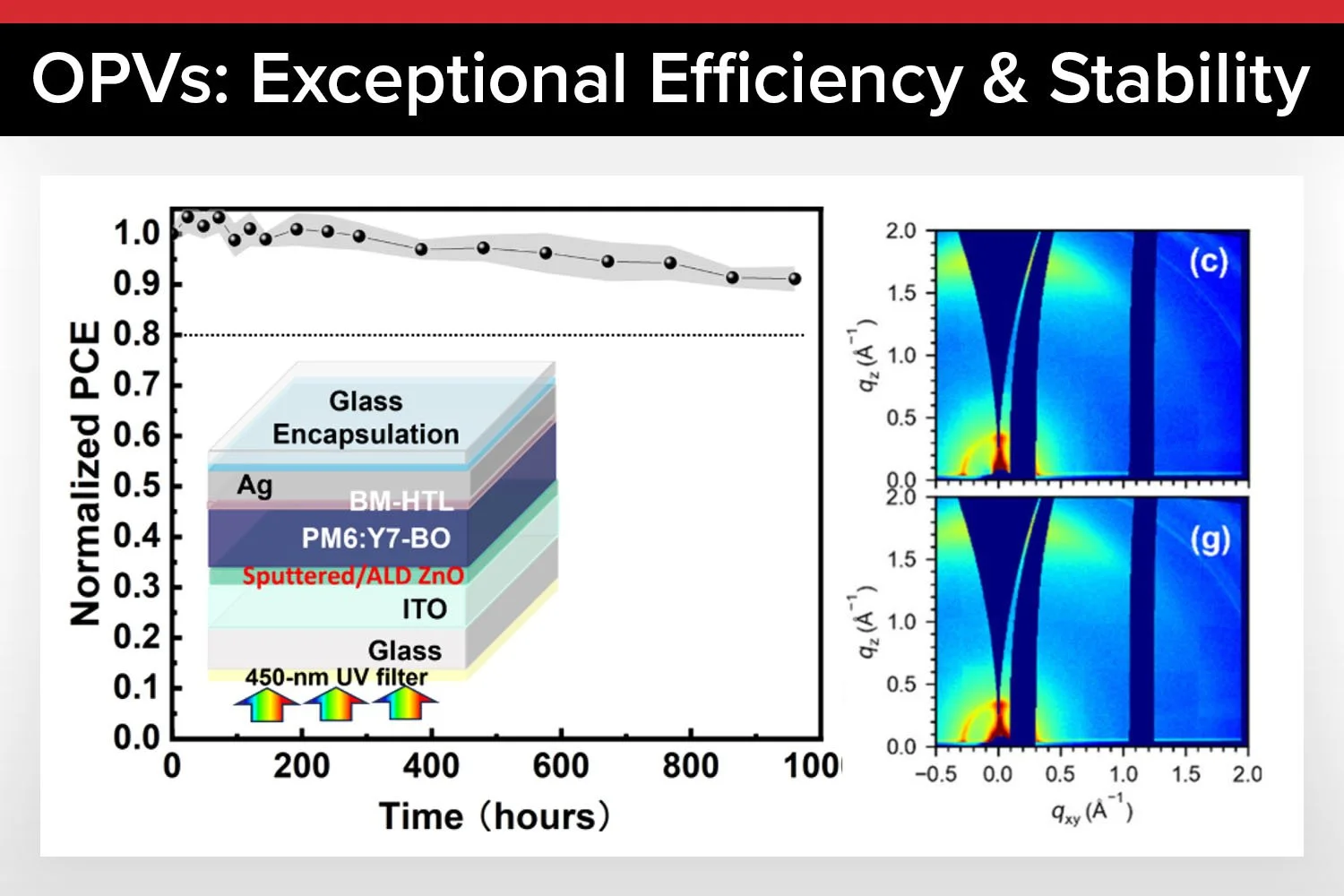
In a new study, researchers from the University of Southern Denmark used an infinityPV ISOSun Solar Simulator to test and validate high-performance organic photovoltaics (OPVs) with sputtered zinc oxide (ZnO) electron transport layers (ETLs).
Organic photovoltaics offer a promising path toward low-cost, lightweight, and flexible solar energy solutions. However, their commercialization has been hindered by stability issues, particularly in inverted device architectures where ZnO ETLs are commonly used. Solution-processed ZnO, while easy to fabricate, often contains intrinsic defects that act as charge-trapping centers, leading to recombination losses and degraded performance over time.
To tackle this, the researchers turned to magnetron sputtering, a roll-to-roll compatible deposition technique, to create ZnO ETLs with tunable properties. By optimizing the oxygen flow rate during sputtering, they were able to reduce surface defects and improve crystallinity, resulting in enhanced charge transport and extraction.
With 20 independently tunable LED channels covering 385–1300 nm, the ISOSun Pro accurately reproduces indoor, outdoor, and AM1.5G spectra across illuminated areas of up to 1000 cm².
Key Findings: Sputtered ZnO ETLs Outperform Traditional Methods
The study revealed that OPVs with sputtered ZnO ETLs consistently outperformed those with solution-processed ZnO across multiple metrics.
Devices with sputtered ZnO achieved a champion power conversion efficiency of 13.8%, compared to 13.1% for spin-coated ZnO. This improvement was primarily driven by an increase in short-circuit current density, rising from 21.9 to 23.2 mA/cm². Furthermore, the sputtered ZnO-based devices demonstrated superior long-term stability, with less than a 10% drop in PCE after 1,000 hours of continuous illumination, a significant improvement over the degradation observed in spin-coated ZnO devices.
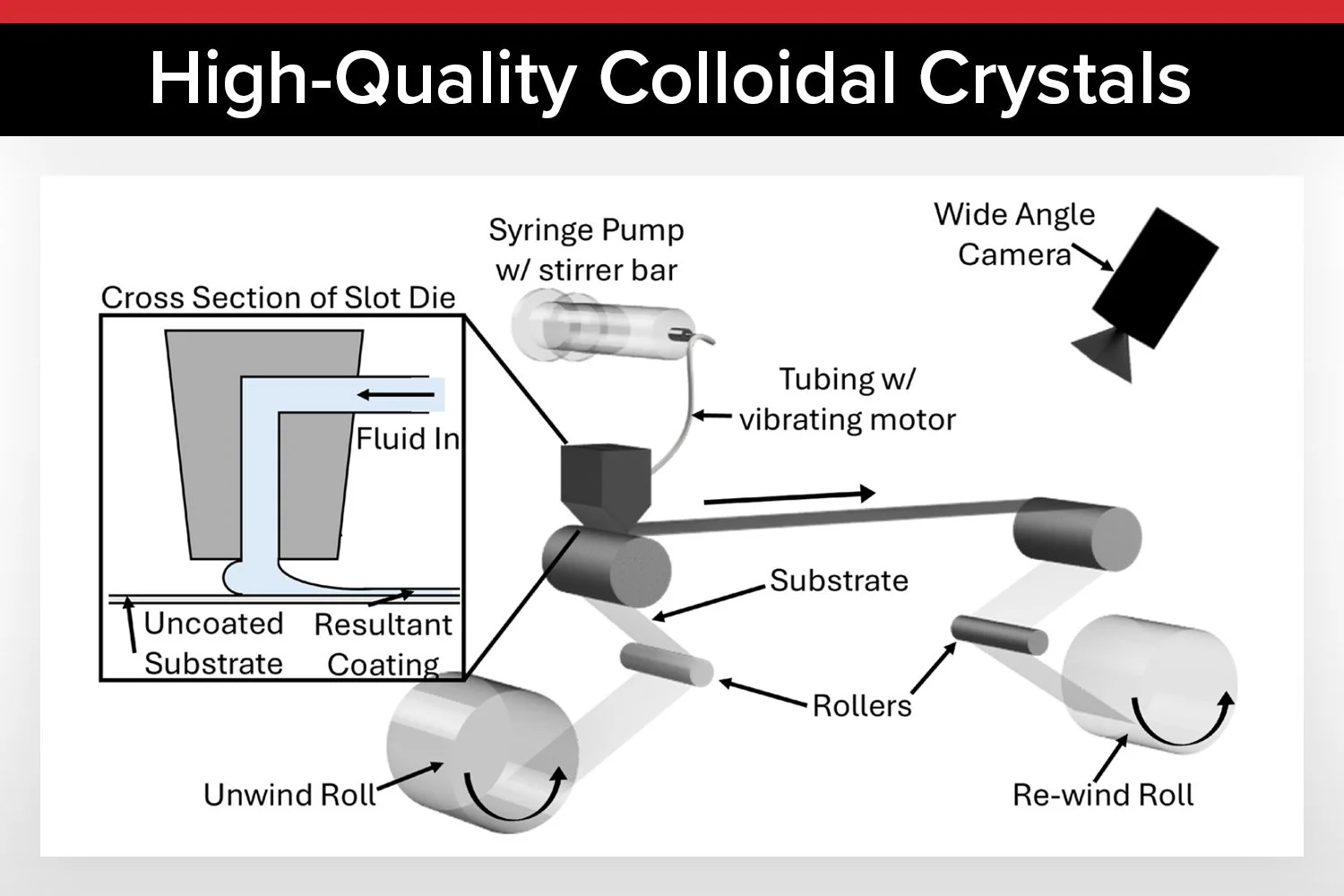
In slot-die coated OPVs fabricated in ambient air, sputtered ZnO ETLs enabled an average PCE of 13.9%, matching the performance of devices made in controlled environments. This highlights the scalability of the sputtering approach. Additional testing with other nonfullerene acceptors, such as PM6:L8-BO, achieved a record PCE of 15.9%, further underscoring the versatility of sputtered ZnO ETLs.
The ISOSun Vis is a compact solar simulator (390–700 nm) with six tunable LEDs, Class A uniformity, and excellent temporal stability.
How the ISOSun Solar Simulator Was Used
“Later, before performing the J−V measurements on slot-die coated devices, the solar simulator was recalibrated by the manufacturer, and the spectrum matches with standard AM 1.5G spectrum, as shown in Figure S20. Operational stability was measured on encapsulated samples in air using a solar simulator from infinityPV.”
What This Means for Your Research
The findings of this study demonstrate the critical role of high-quality characterization tools in advancing OPV technology. With the infinityPV ISOSun Solar Simulator, researchers can achieve precise, reproducible, and NREL-traceable data, enabling meaningful comparisons between different materials and device architectures.
For industry professionals, the study highlights the importance of reliable measurement systems for optimizing processing conditions and ensuring consistency in large-scale production. Accurate and stable solar simulation is essential for validating performance claims and supporting the transition from lab-scale research to industrial manufacturing.
For those preparing grant proposals or publications, using trusted characterization equipment adds credibility to experimental results. It helps ensure data accuracy, reproducibility, and alignment with industry standards, making research outcomes more compelling to reviewers, collaborators, and investors.
How Can We Help With Your Research?
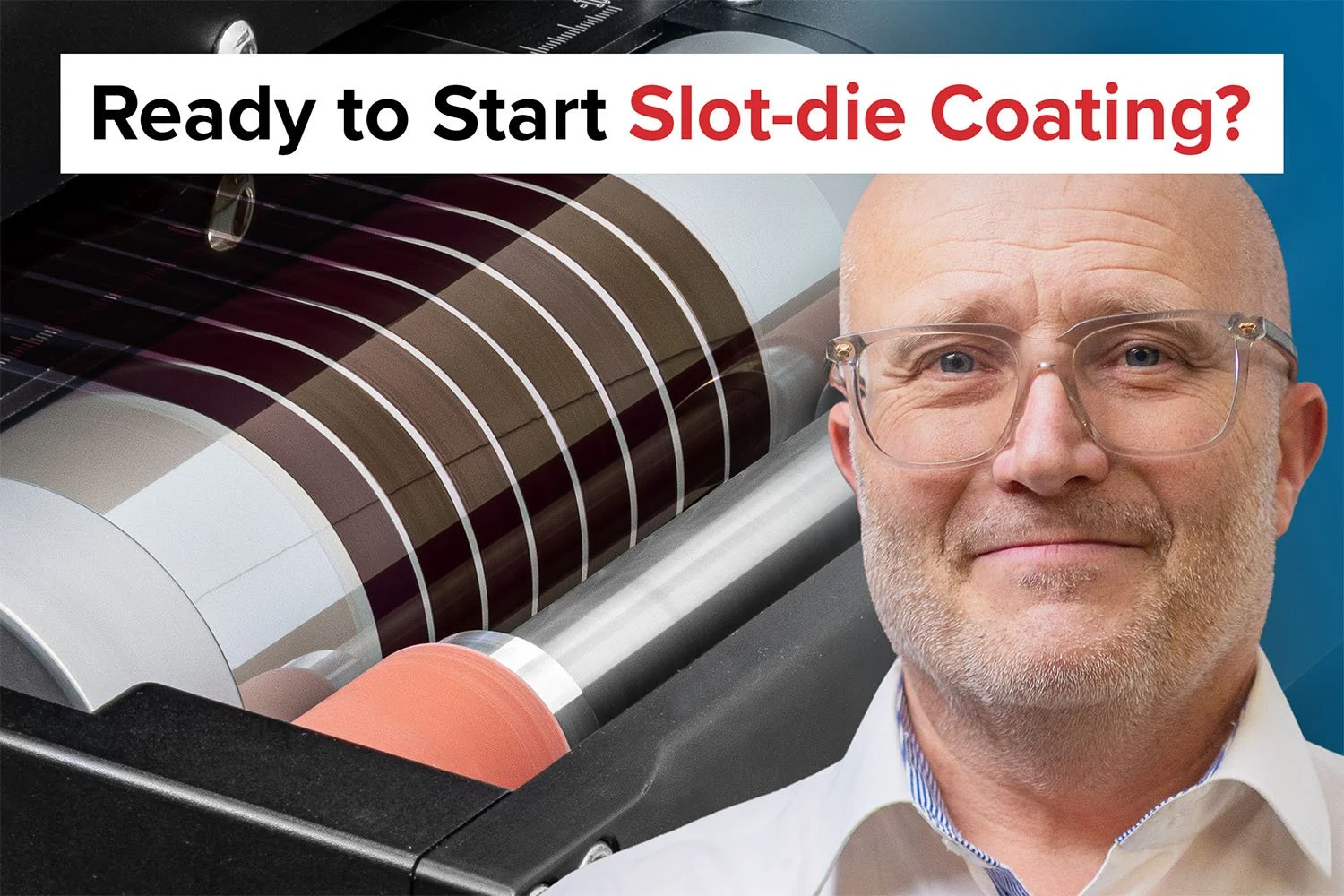
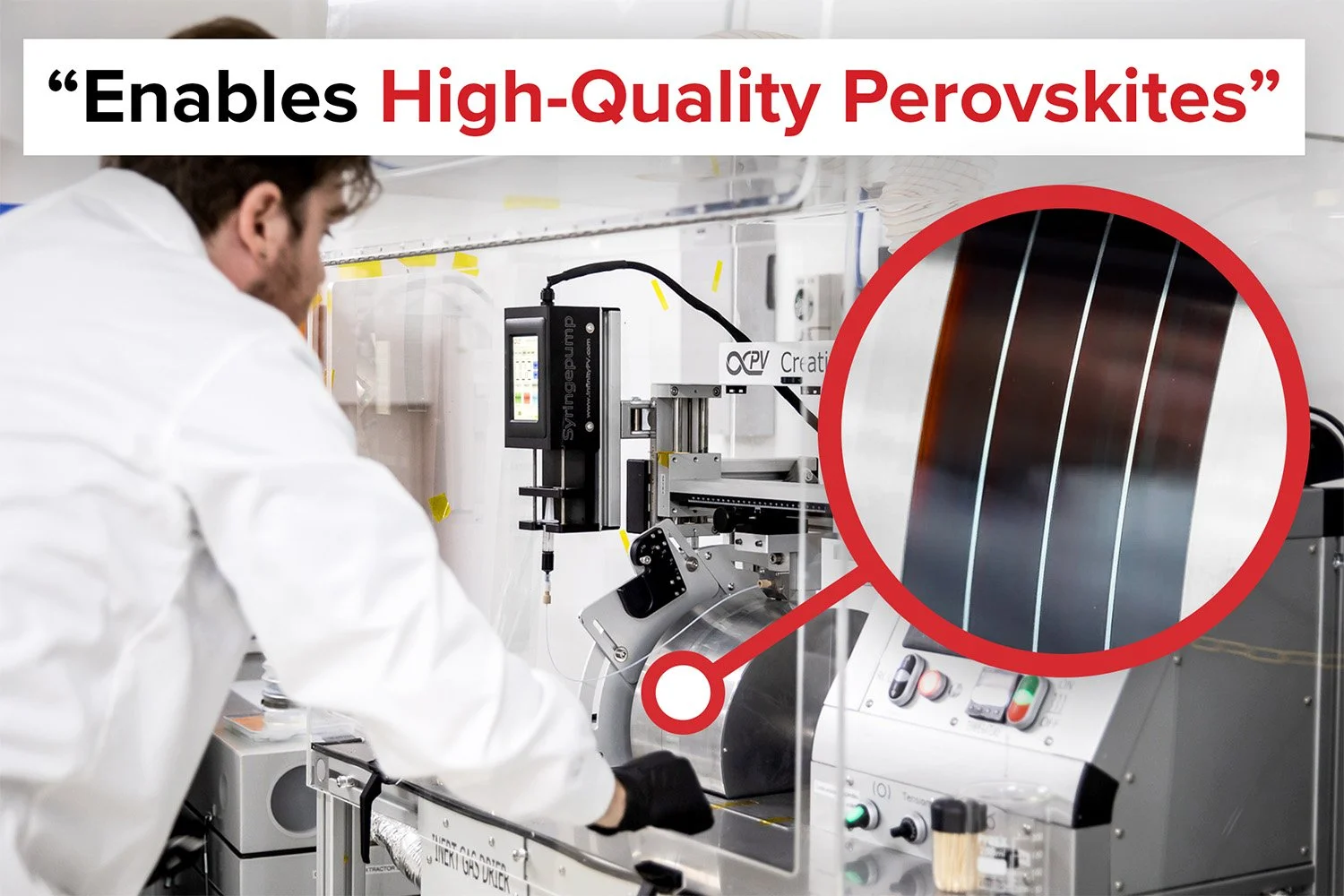
Need help with slot-die coating or machines? Contact our experts for guidance and support.
Peer-Reviewed Studies Featuring infinityPV Equipment

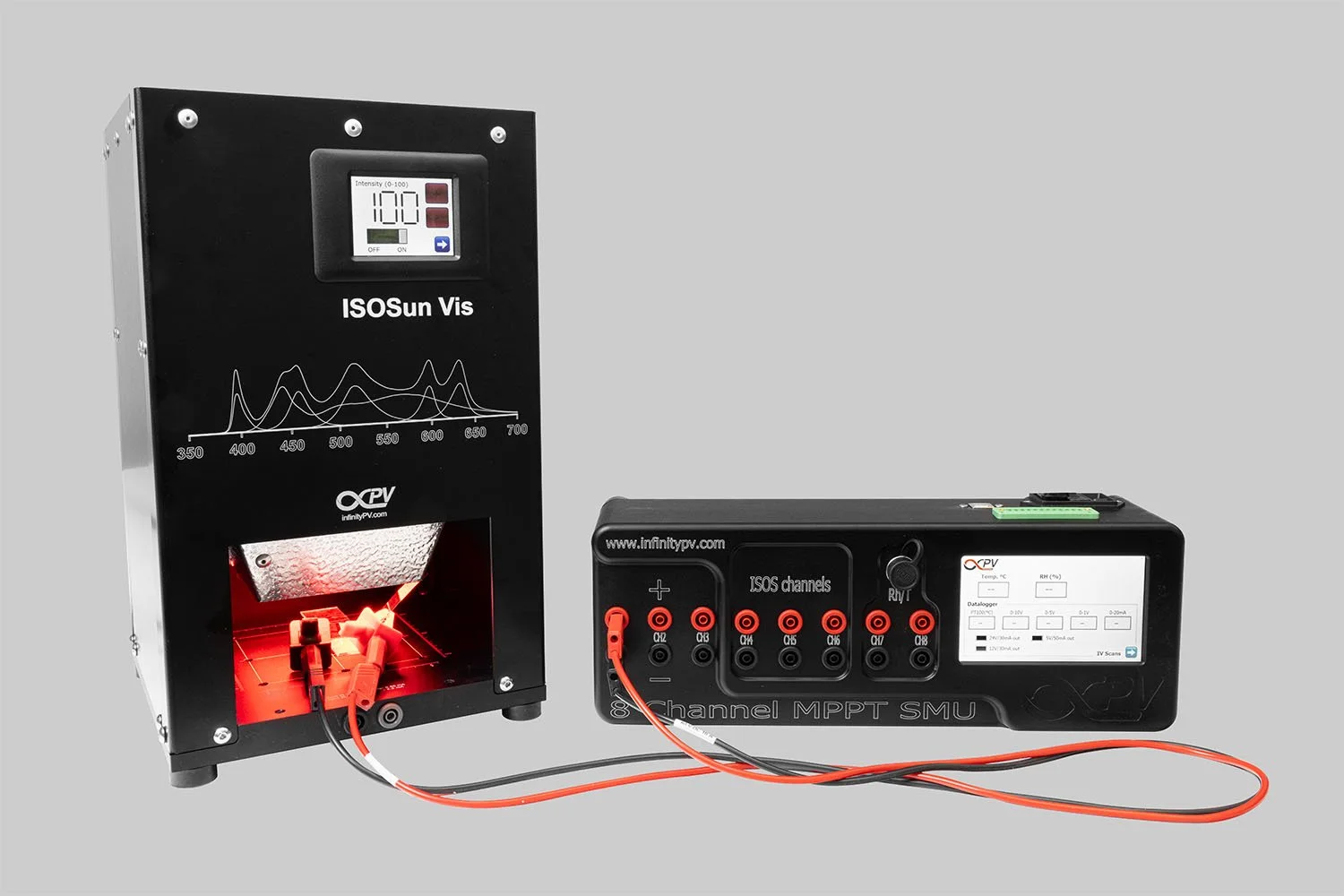
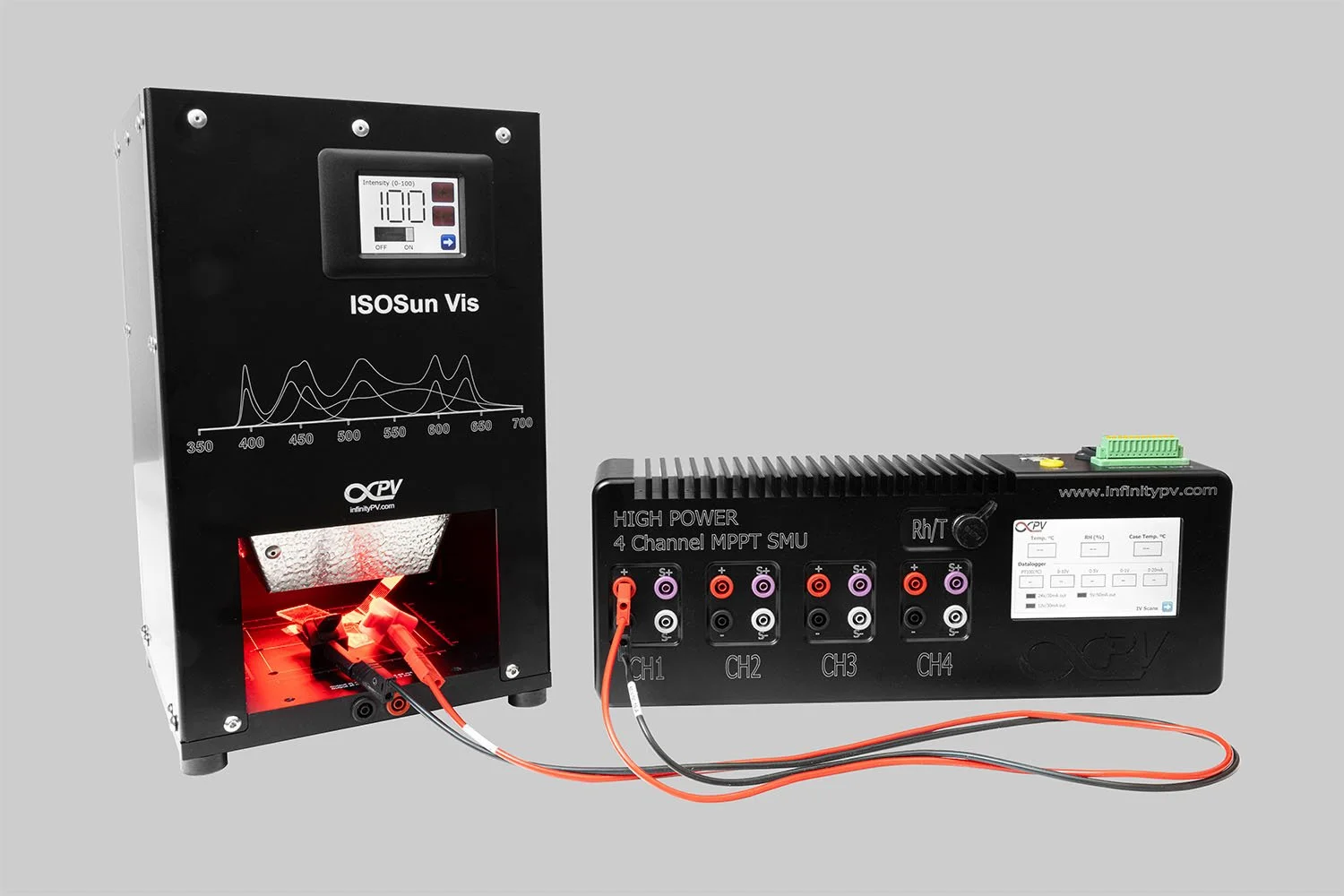
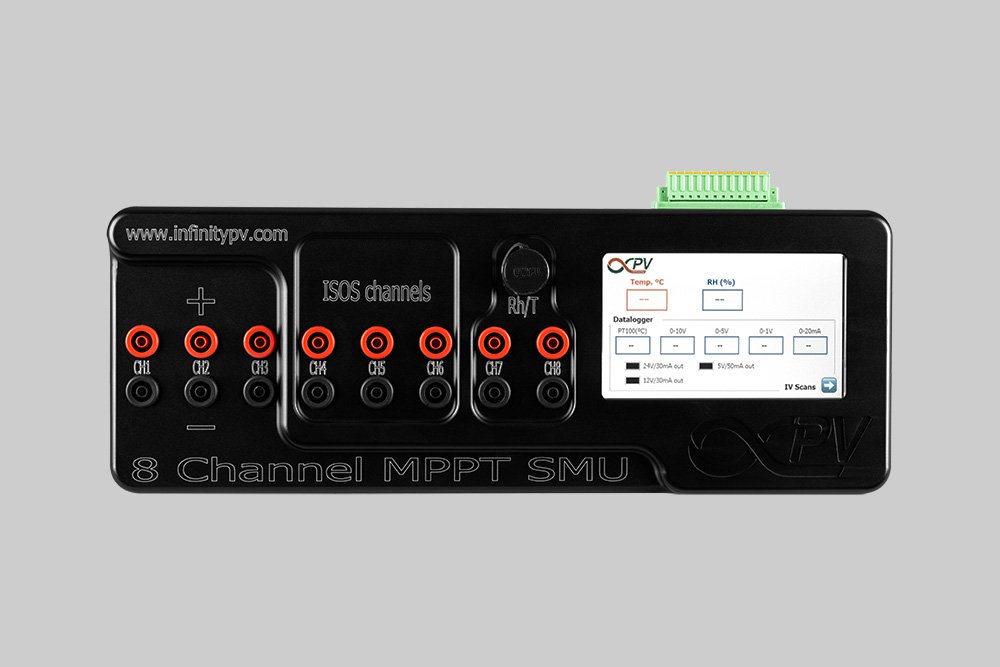
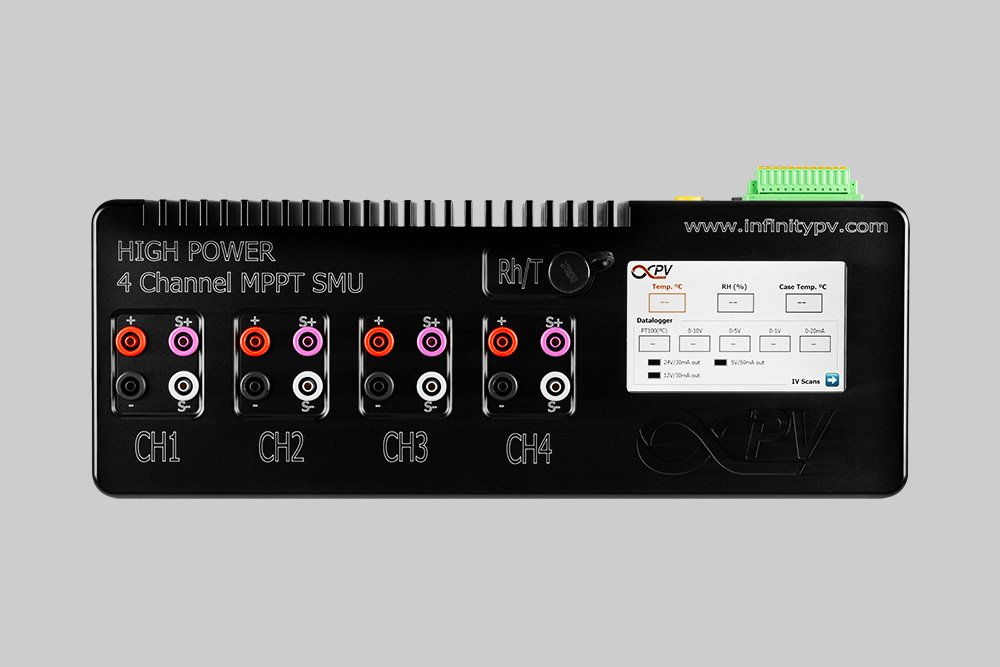



Compact solar simulator covering 385–1300 nm with 20 selectable wavelengths over areas up to 1000 cm². Delivers up to 7 suns intensity with up to class A+A+A+ uniformity. Fully compatible with the infinityPV MPPT SMU series and a range of optional environmental accessories, including sample holders, Rh/T probes, photodiodes, and spectrometers.