
ISOSun Pro Solar Simulator
Compact, large-area LED-based system designed to deliver stable and precise illumination across the 385–1300 nm spectral range.
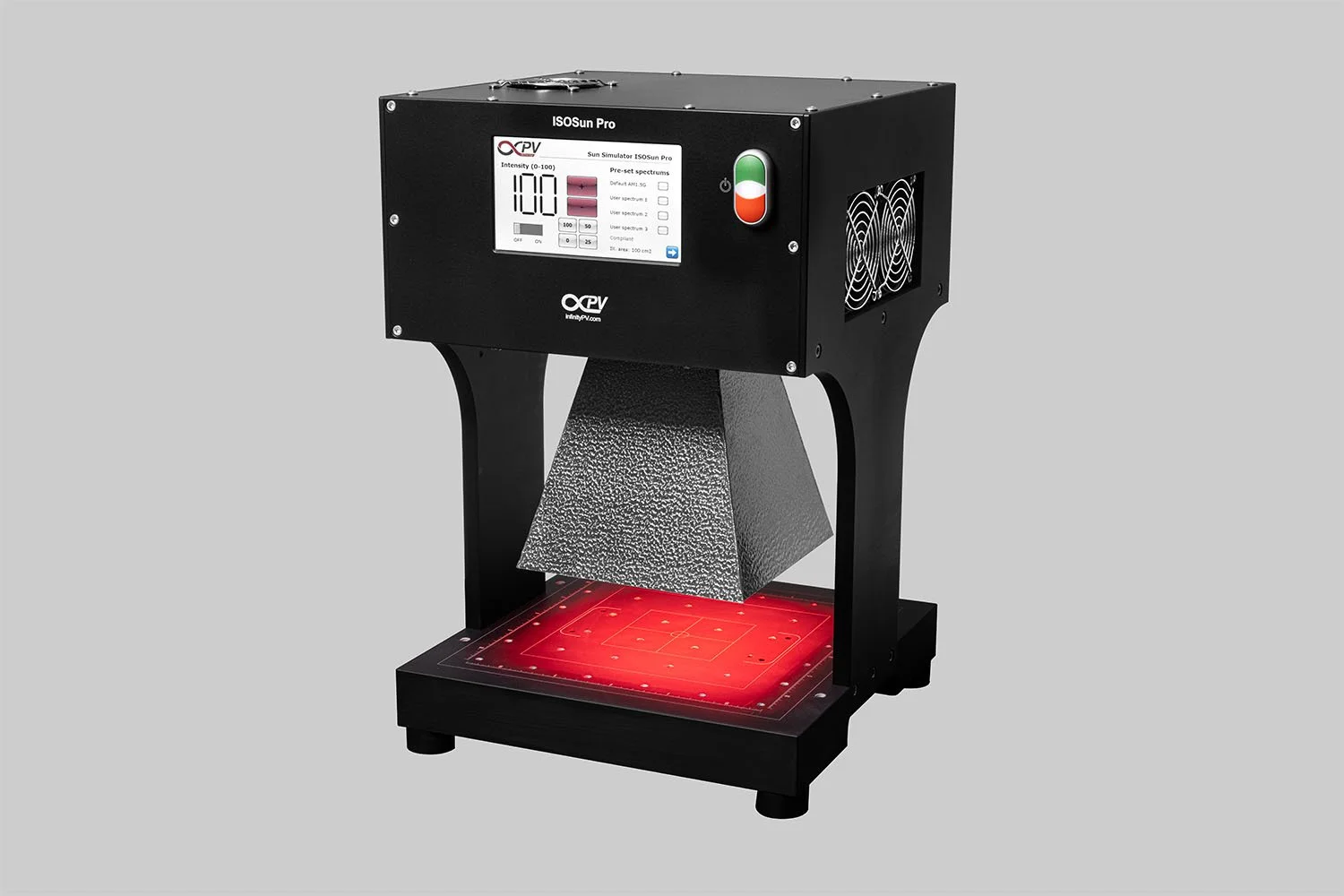

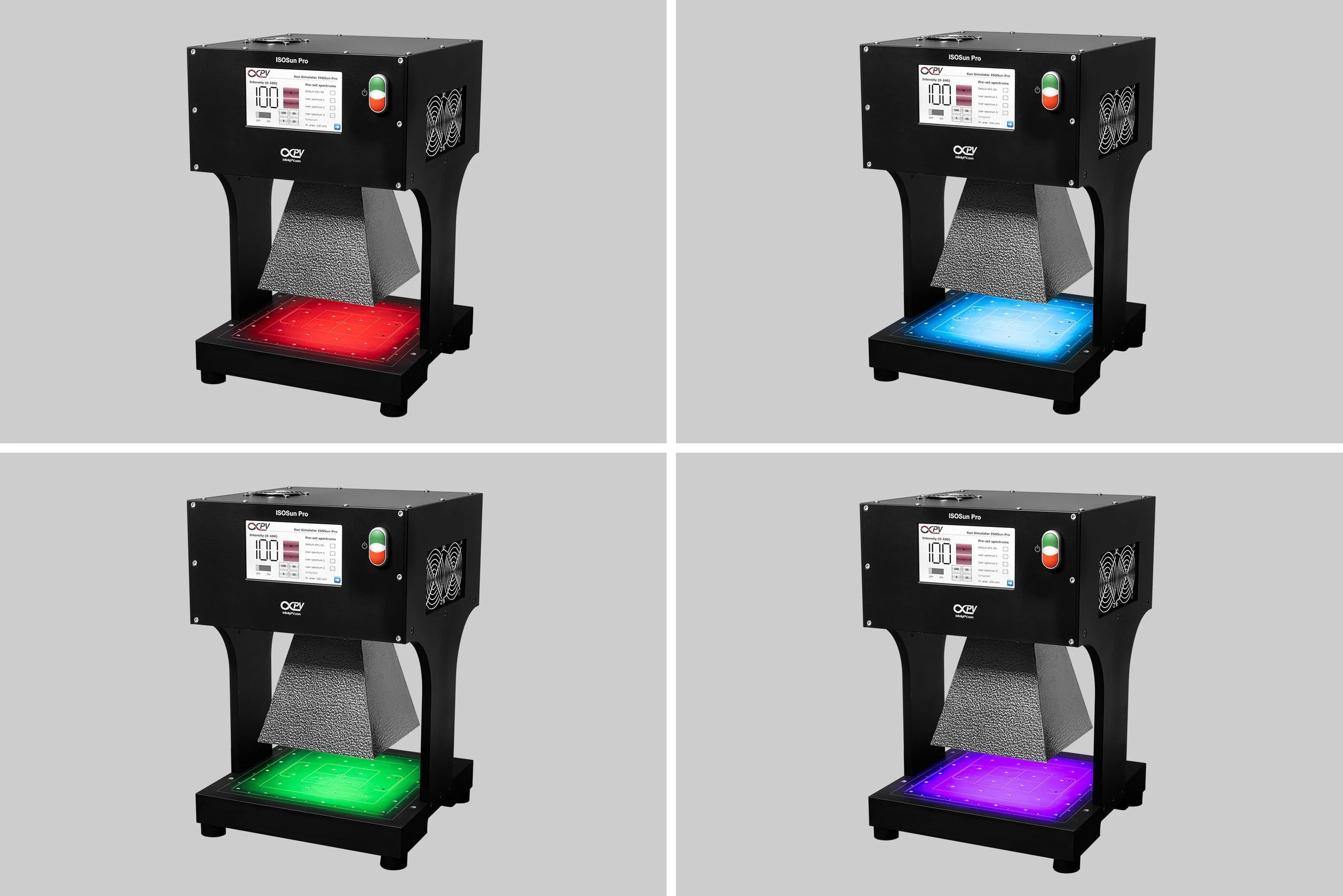
Reliable, Large-Area Solar Simulation
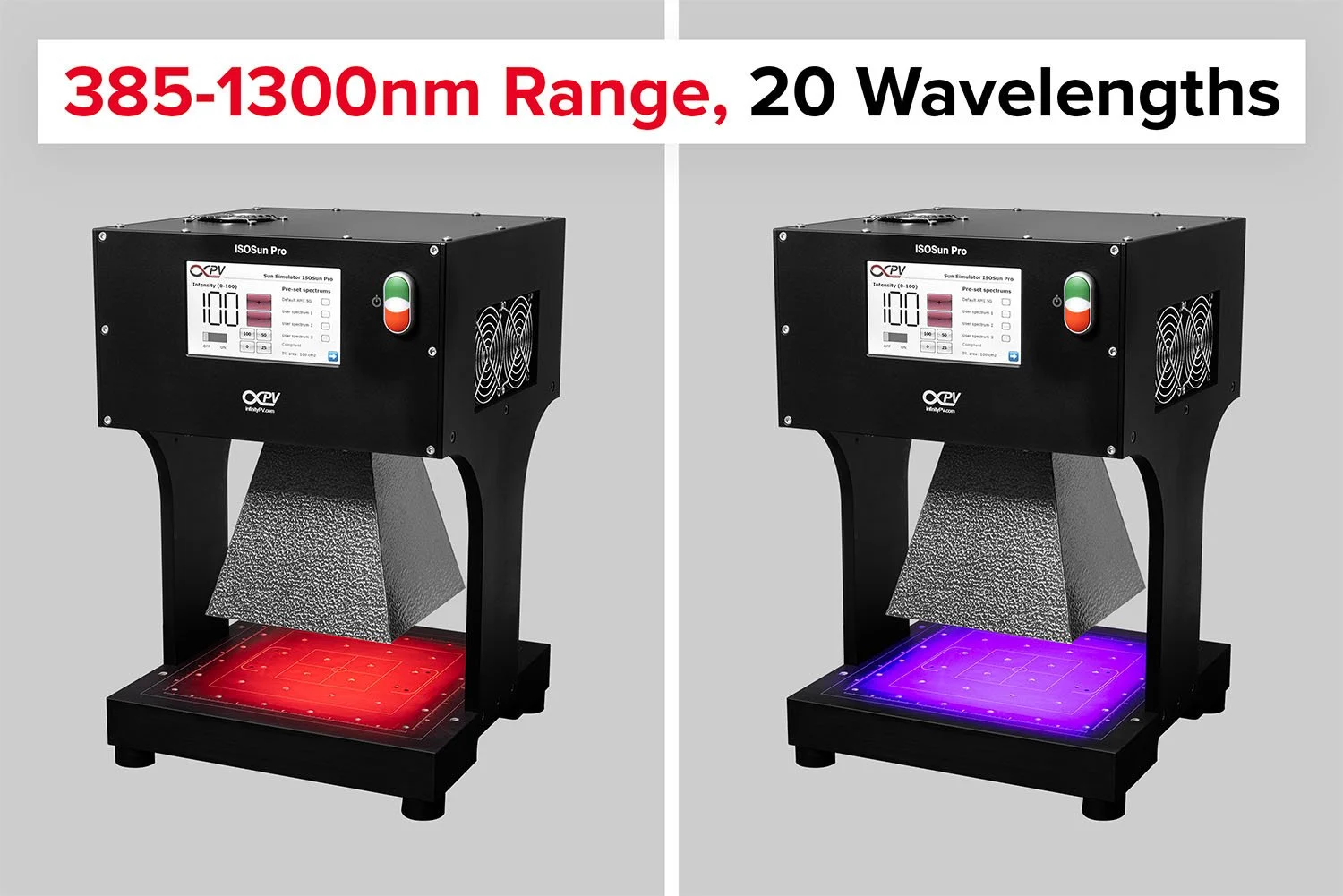
The ISOSun Pro Solar Simulator is a compact, large-area LED-based laboratory system designed to deliver stable and precise illumination across the 385–1300 nm spectral range. Featuring 20 independently tunable LED wavelengths, it enables accurate reproduction of indoor and outdoor spectra, including AM1.5G. The system supports illuminated areas up to 1000 cm² and delivers intensities of up to 7 suns, with outstanding performance in spectral match, spatial uniformity, and temporal stability (up to class A+A+A+). This ensures reliable and consistent conditions for high-accuracy measurements.
Key Features
Adjustable Spectrum: 385–1300 nm range with 20 independently tunable LED channels (UV–Vis–NIR)
Large Illuminated Area: Supports illumination up to 1000 cm²
Precise Intensity Control: Adjustable overall intensity and spectral distribution, including AM1.5G matching
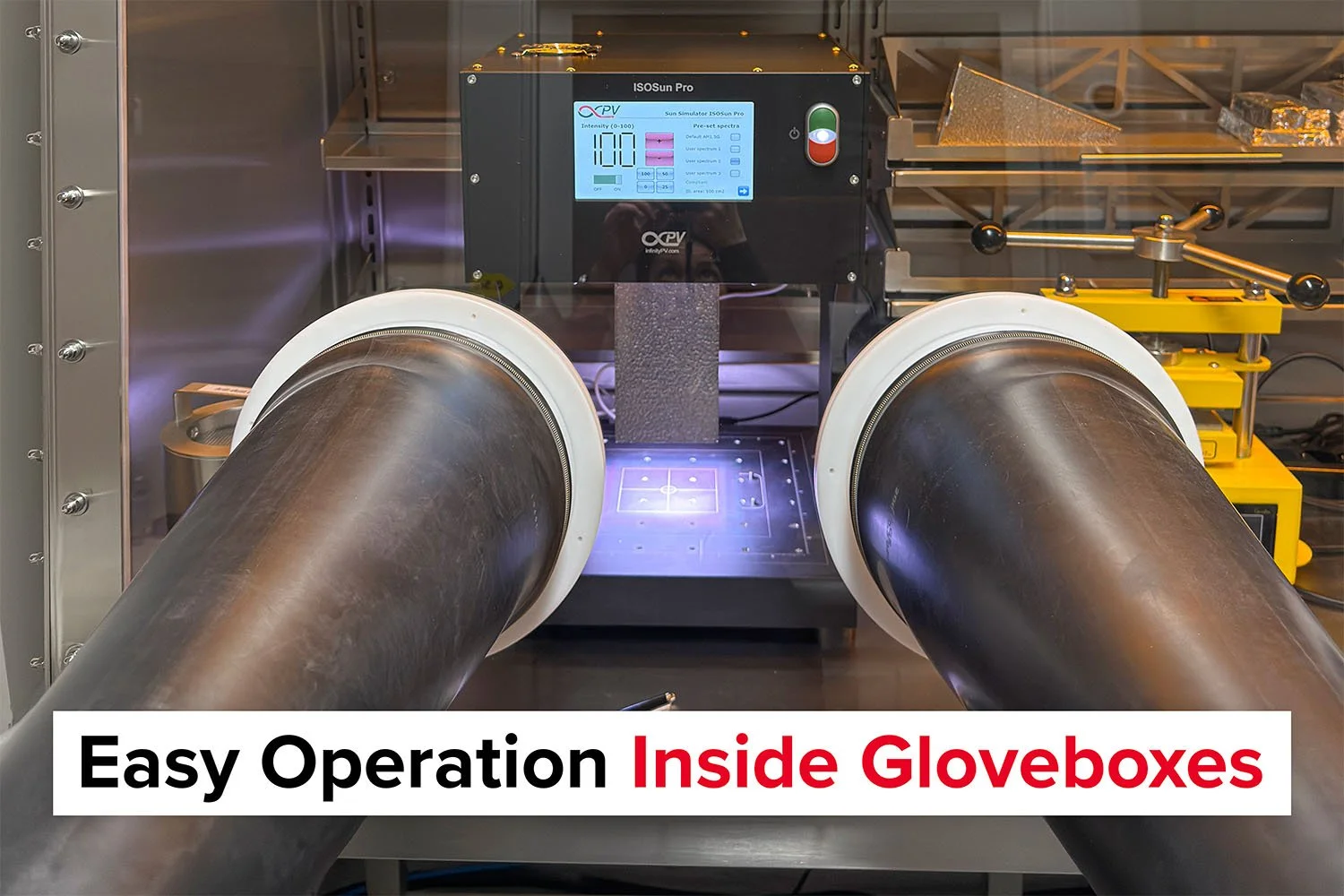
Flexible Operation: Can be used as a standalone unit or PC-controlled
User Software Included: Free spectrum-matching software for reference standards
Versatile Applications: Suitable for both small- and large-area solar cells and controlled illumination research
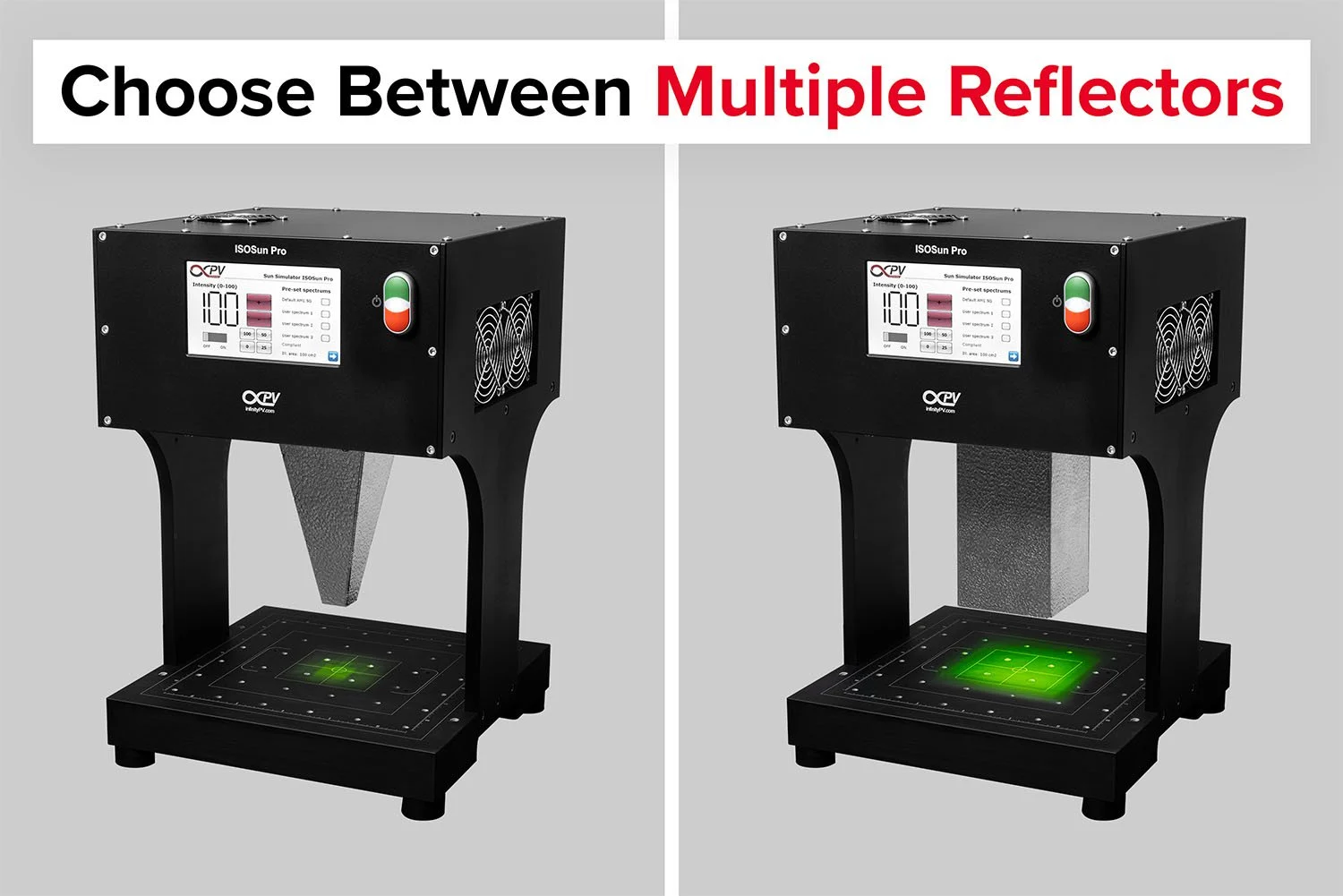
High Concentration Capability: Up to 7 suns with adjustable illuminated area via reflectors
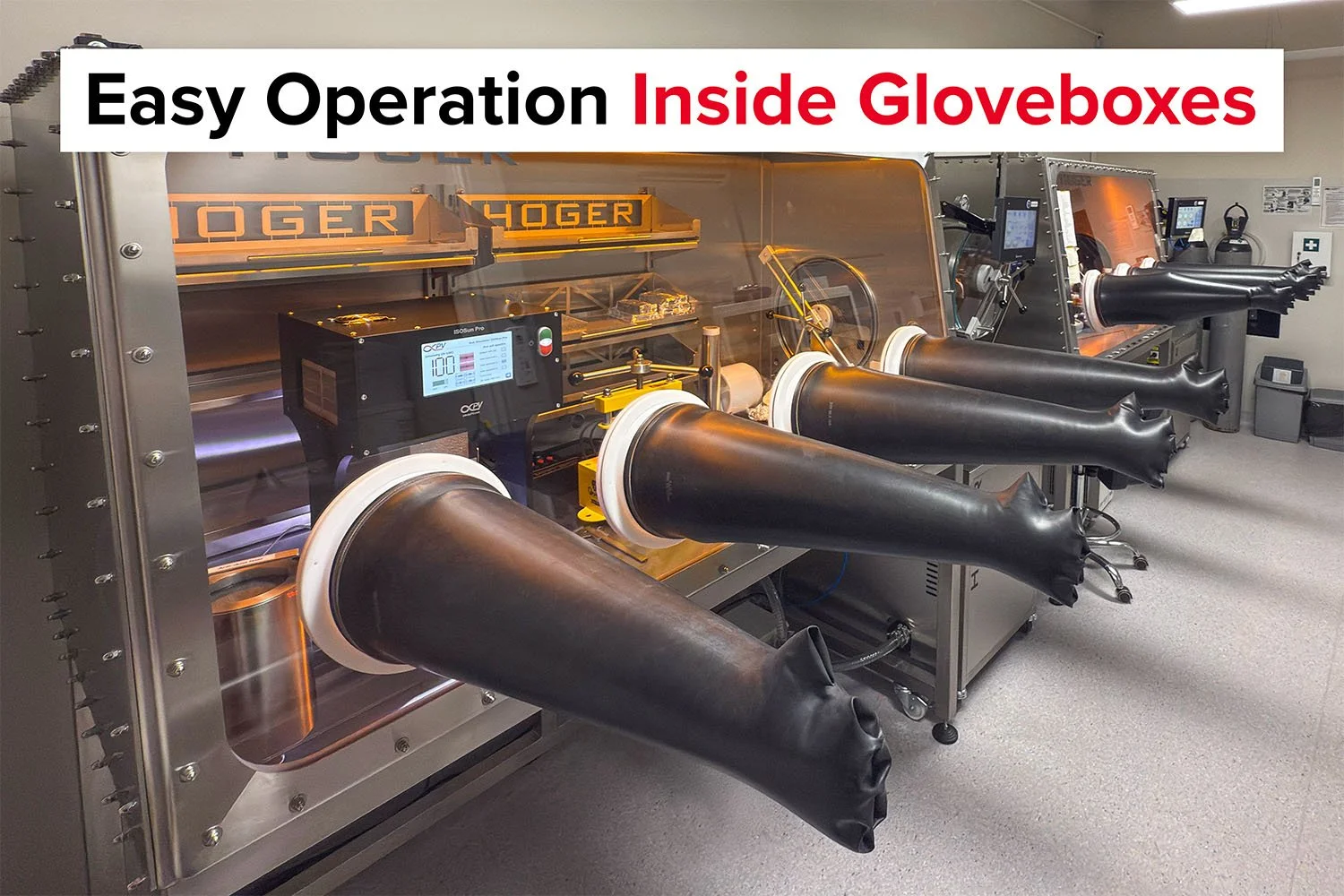
Robust Design: Durable benchtop laboratory system
Technical Specifications
Spectral Range: 385–1300 nm
LED Channels: 20 independently tunable channels
Maximum Illuminated Area: 1000 cm²
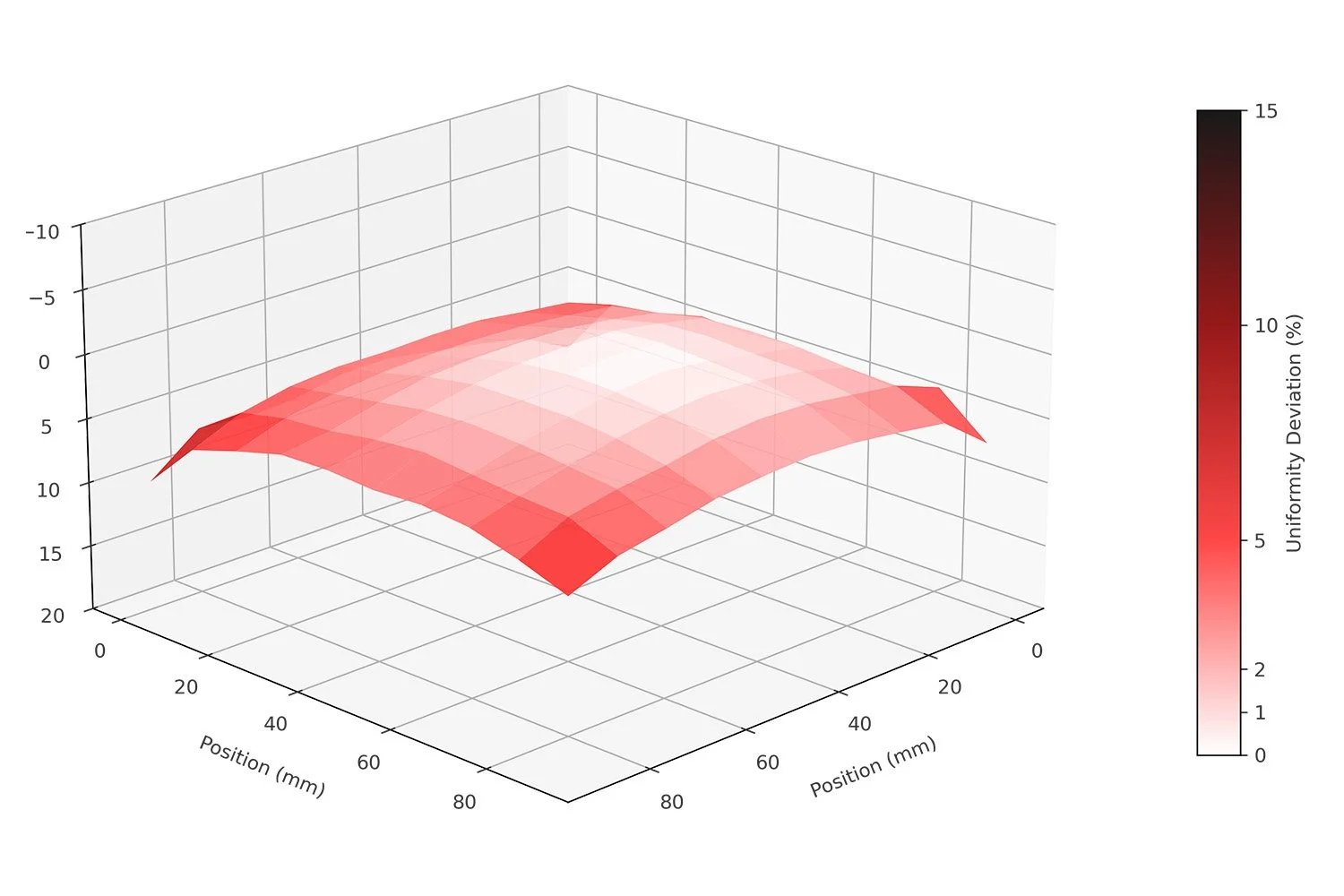
Spatial Uniformity: Class A+ (25% of aperture using reflectors), Class A (33% of aperture using reflectors), Class B (90% of aperture using reflectors), Class C (100% of aperture using reflectors)
Spectral Uniformity: Class A+
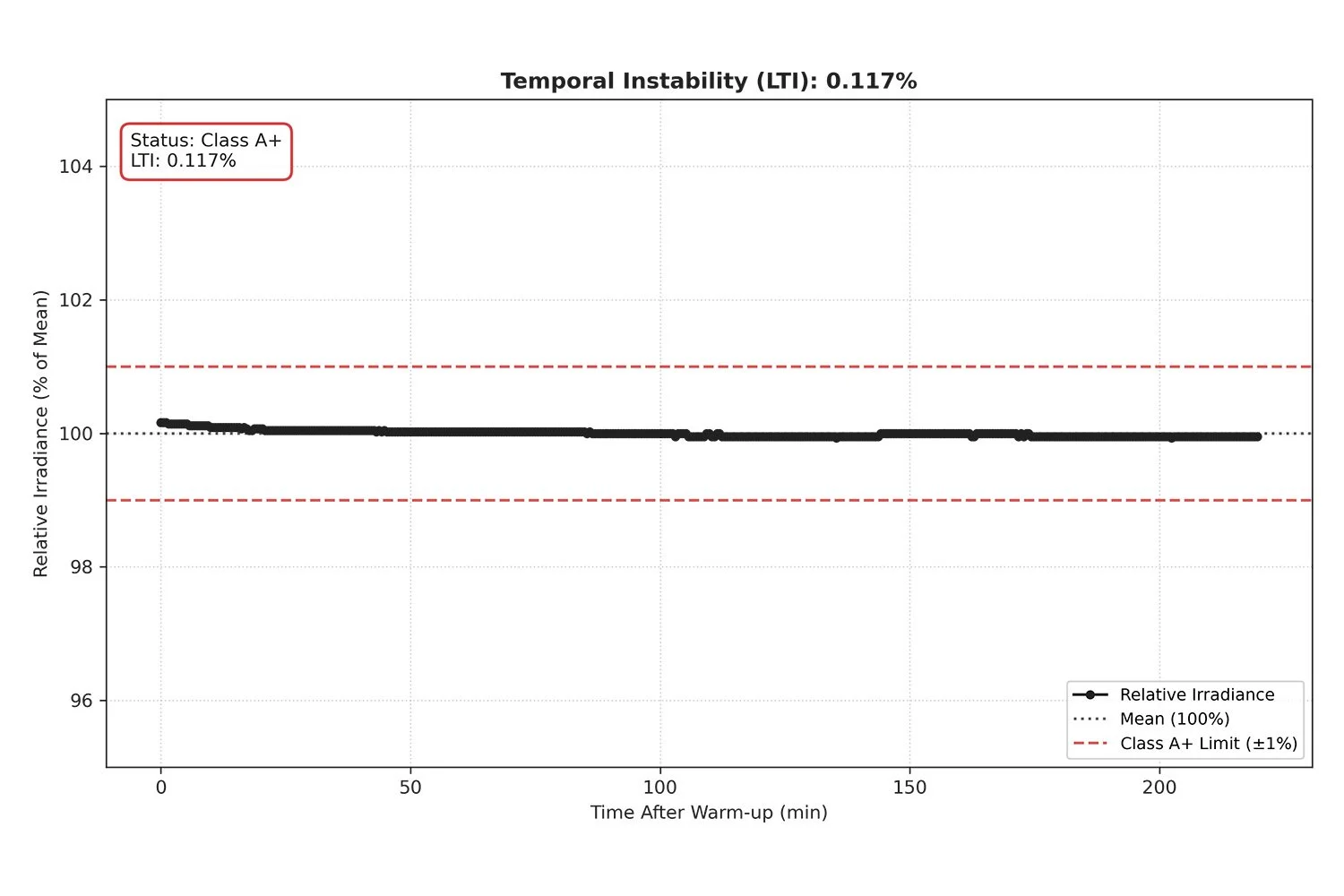
Temporal Stability: Class A+
Concentration: Up to 7 suns
Reflector Apertures Available: 6.25 cm², 25 cm², 50 cm², 100 cm², 200 cm², 400 cm². View all here.
Optional Accessories
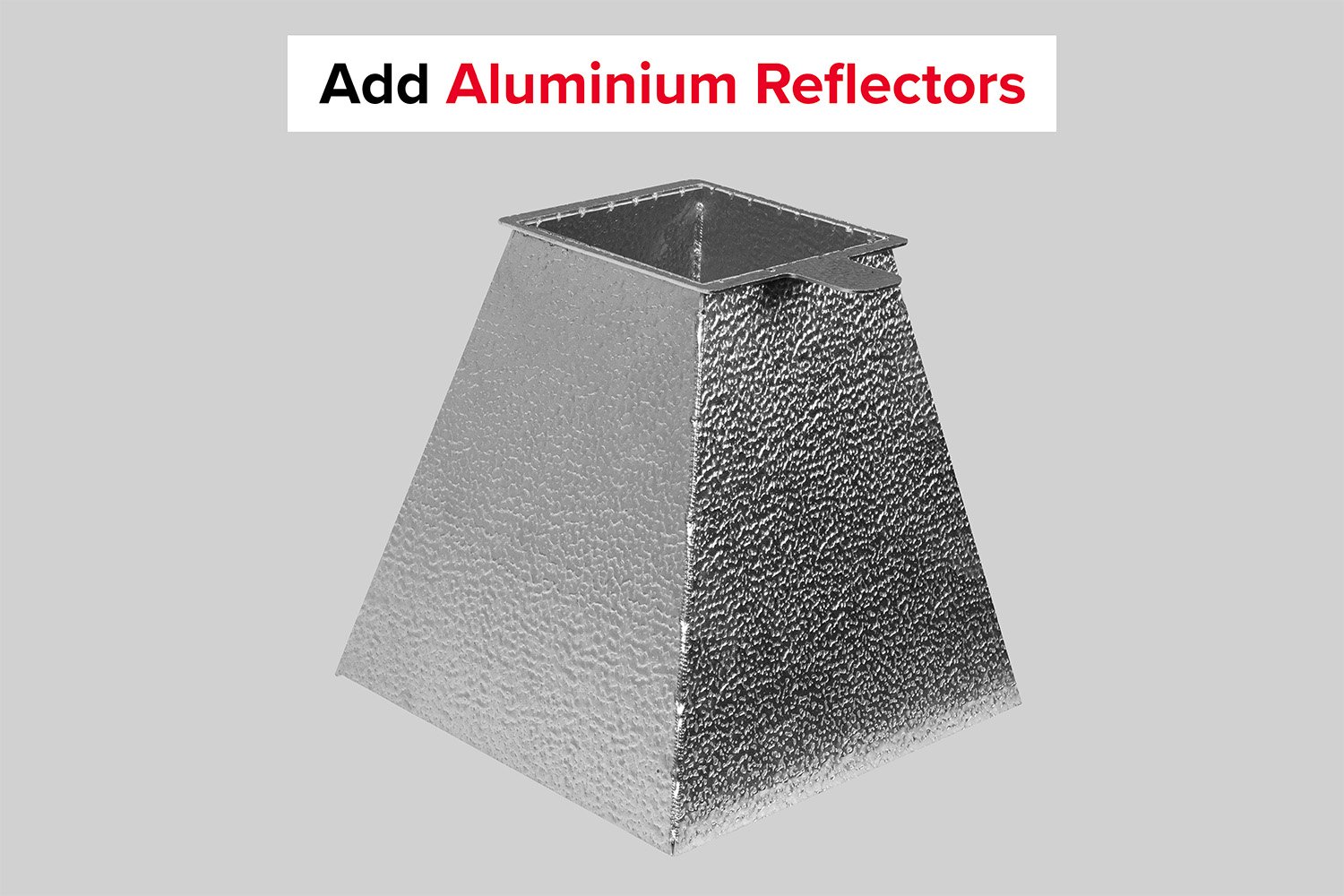
Reflectors: High-performance aluminium reflectors designed for seamless interchangeability. These different apertures allow you to transform a single light source into a multi-application powerhouse. View reflectors here.
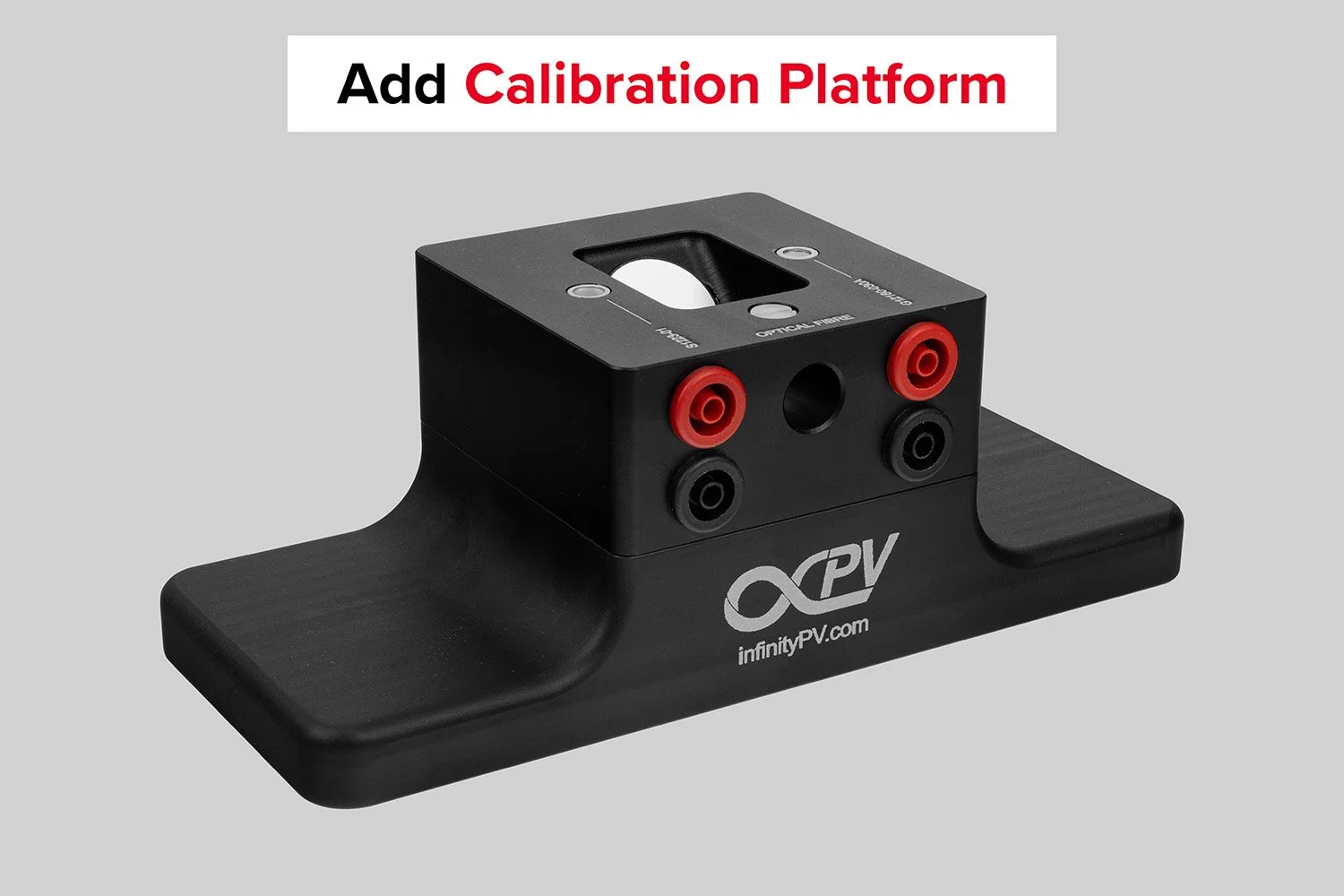
Calibration Platform: Comprising silicon photodiode (350-1100 nm), InGaAs photodiode (900-1700 nm) and diffuse reflector for optical fiber output (i.e. for spectrometer). Works together with our software in conjunction with Source Measure Units.
Spectral Irradiance
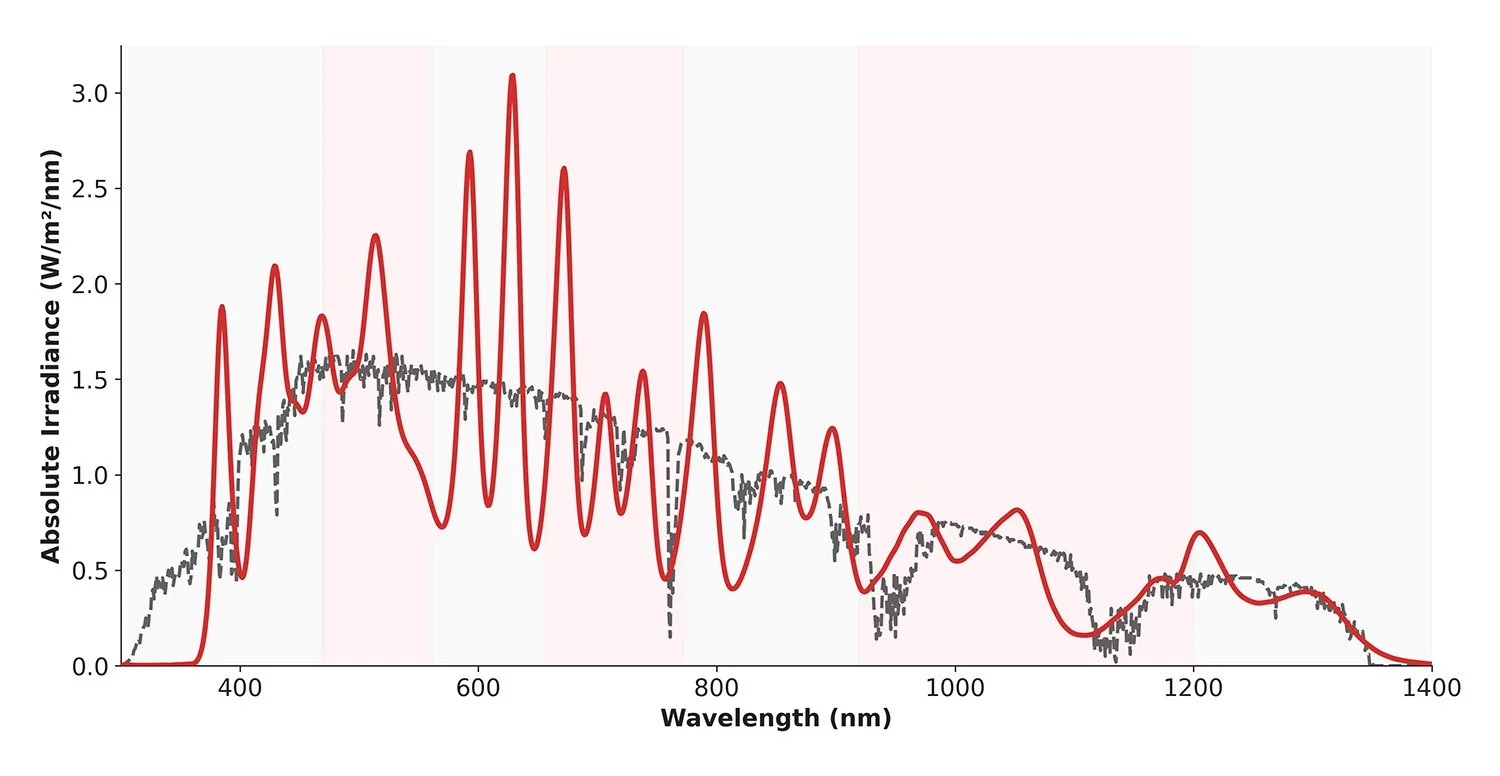
Easy tuning of the 20 independent LED wavelengths, spanning a spectral range of 385–1300 nm, enables accurate reproduction of indoor and outdoor spectra, including AM1.5G. The included software makes it easy to find the lamp settings that best match a given reference spectrum and in addition to relative tuning of the individual colours, the lamp allows the overall light intensity to be scaled uniformly across all channels.
Spatial Uniformity
Spatial uniformity measures how evenly light is distributed across the test plane. The ISOSun Pro achieves A+ uniformity (≤1%) over its core area and Class A or better across the majority of the field. The result: reliable, high-precision testing of solar cells at any size
Temporal Instability
The ISOSun Pro shows excellent stability over time being class A+ in both short-term and long-term temporal instability. The high stability over time allows for consistent measurements of your devices.
Which Solar Simulator Do YOU Need?
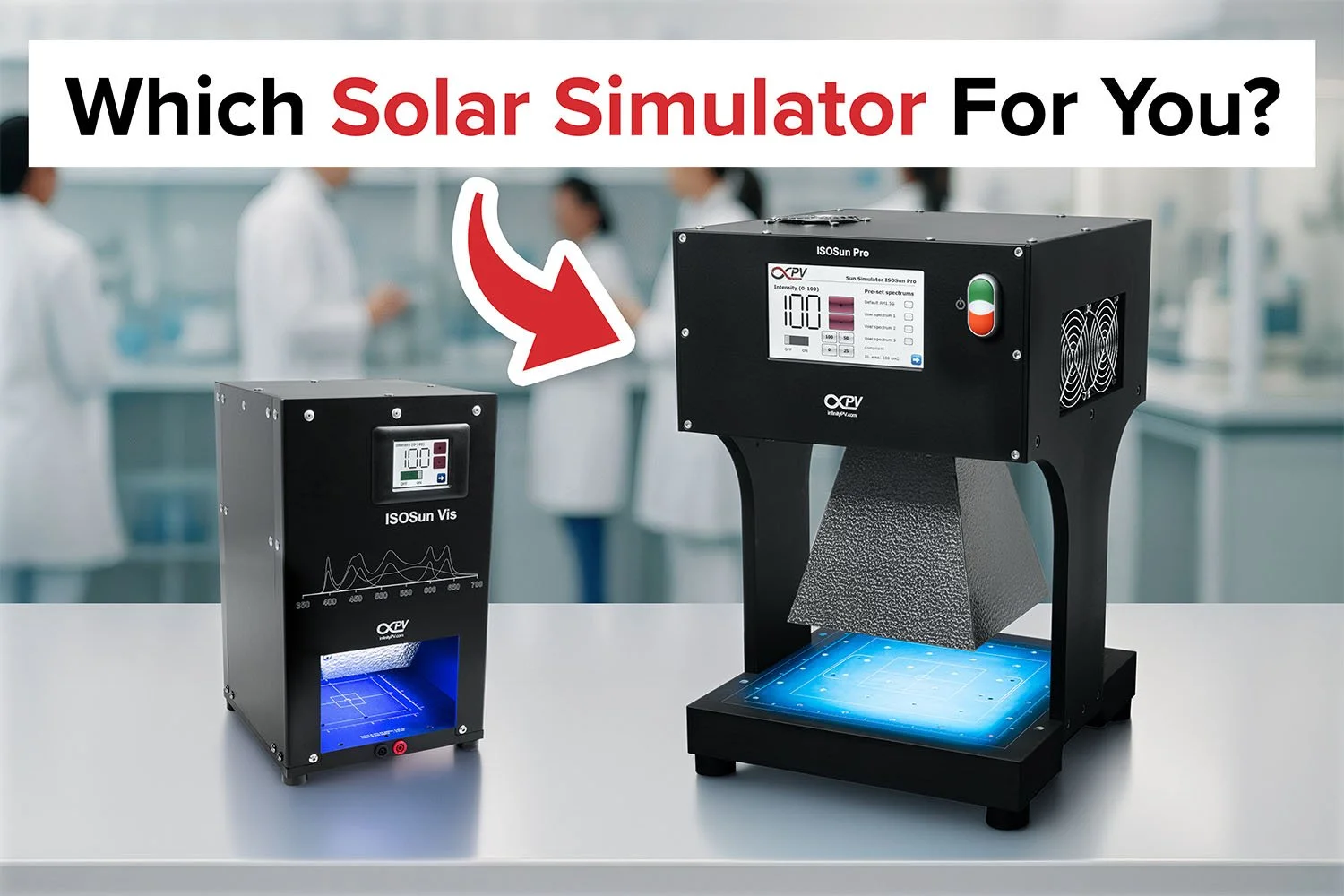
Learn about solar simulator classifications for photovoltaic testing. Understand A, B, C, and A+ ratings based on spectral match, spatial uniformity, and temporal stability according to IEC, ASTM, and JIS standards.

We Are Trusted By Top-Scientists Worldwide
“We were pleased to discover that infinityPV offers a versatile industrial roll-to-roll coater which is capable of depositing functional materials via the slot-die coating technique. It offers very good control over various fabrication parameters, such as coating speed and temperature in addition to the possibility of choosing from different drying options (hot air and IR drying).” — Dr. Dimitar Kutsarov, Research Fellow
High-Resolution Mapping of Solar Cell Performance
Laser Beam Induced Current (LBIC) is a high-resolution technique that maps the local photocurrent of a solar cell using a focused laser beam. It reveals spatial variations in performance, helping identify defects, shunts, inactive regions, and coating non-uniformities—making it a powerful tool for improving device quality, reliability, and manufacturing control.
Learn More About Solar Cells

We Are Ready to Help You
With decades of experience in printed electronics, our team is here to provide in-depth guidance on choosing the right system for your needs. Whether you're exploring advanced production methods or need help fine-tuning your setup, we offer expert advice tailored to your project. Contact us to discuss how we can support your solar cell development.