
Perovskite Solar Cells Need Laboratory Roll-to-Roll Coaters. Here’s Why.
Perovskite solar cells have revolutionized the world of printed solar technology. They are lightweight, efficient, and versatile. More importantly, they show that a simple bulk chemical can be transformed into a solar cell that competes with, and in some areas surpasses, silicon technology in cost, simplicity, thermal budget, embodied energy, manufacturing speed, and more.
However, perovskites are highly sensitive to both their environment and the details of their processing. Research conducted in idealized lab setups often fails to translate to industrial-scale production. To turn perovskite innovation into real-world solutions, we need scalable, practical platforms that mirror industrial processes but are still suitable for the lab.
Lab-Scale R2R Coaters
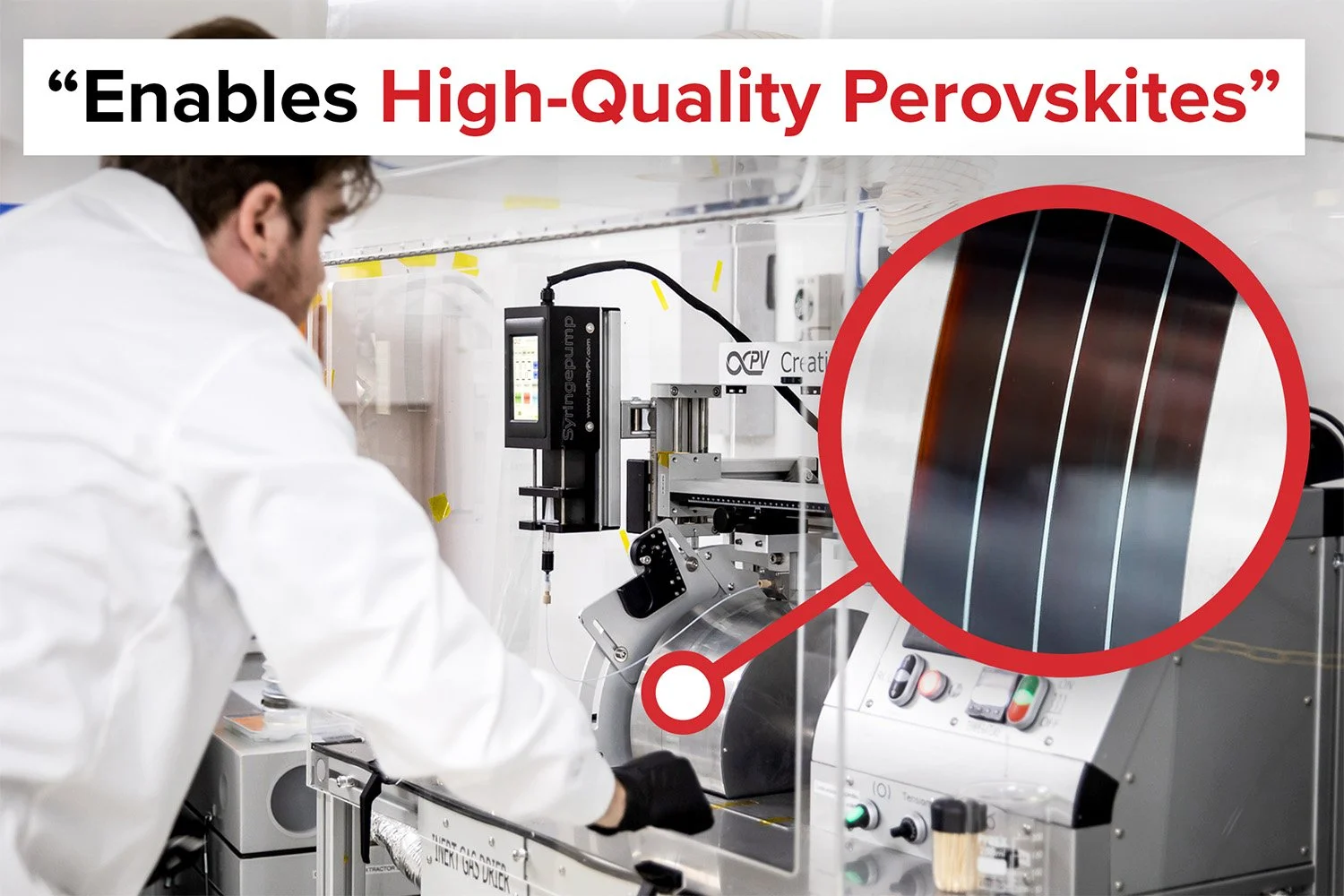
This is where lab-scale roll-to-roll (R2R) coaters come in. They allow researchers to work under realistic conditions while keeping risk, material use, and laboratory footprint minimal. With these compact systems, it is possible to produce tens of square meters of high-quality perovskite solar cells in a short time. Researchers can validate processes, optimize materials, and explore new ideas—all in a setup that mimics real-world manufacturing.
Lab-scale R2R coaters bridge the gap between breakthrough research and industrial production. By providing a platform that combines precision, adaptability, and scalability, they accelerate the path from lab innovation to commercially viable solar modules. This approach brings together research, testing, and scale-up in one streamlined workflow. A critical step for making perovskite solar technology impactful.
How to Make Perovskite Solar Cells: A Video Series
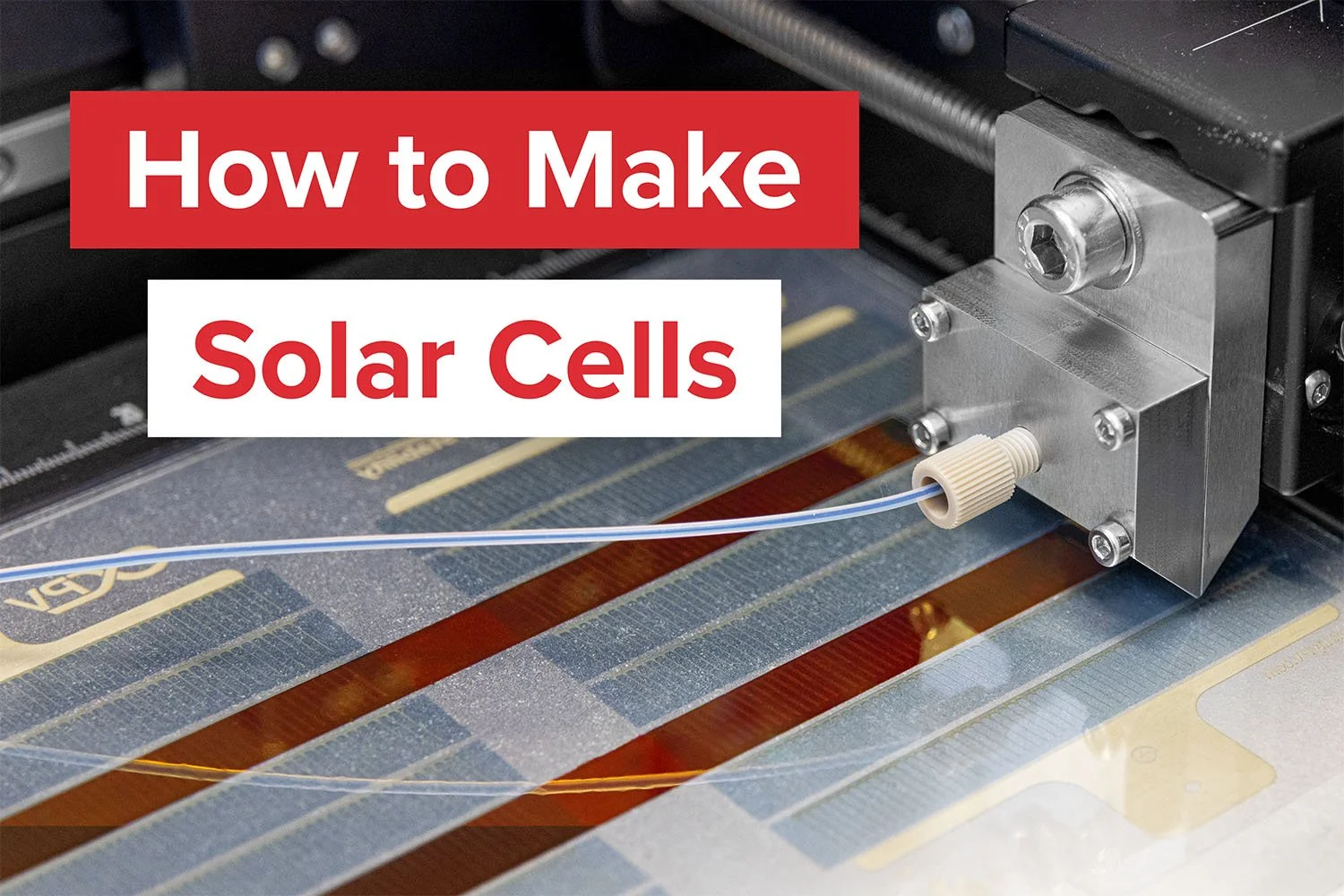
To demonstrate the power of these systems, we’ve created a video series that walks through the entire perovskite R2R process. Starting from bare foil, the series shows every step needed to produce finished, packaged, and tested solar modules. All using a single laboratory R2R coater and its components. Each video is detailed, showing the rationale behind each layer and the practical considerations for reproducible results.
In this series, you’ll see:
Substrate preparation
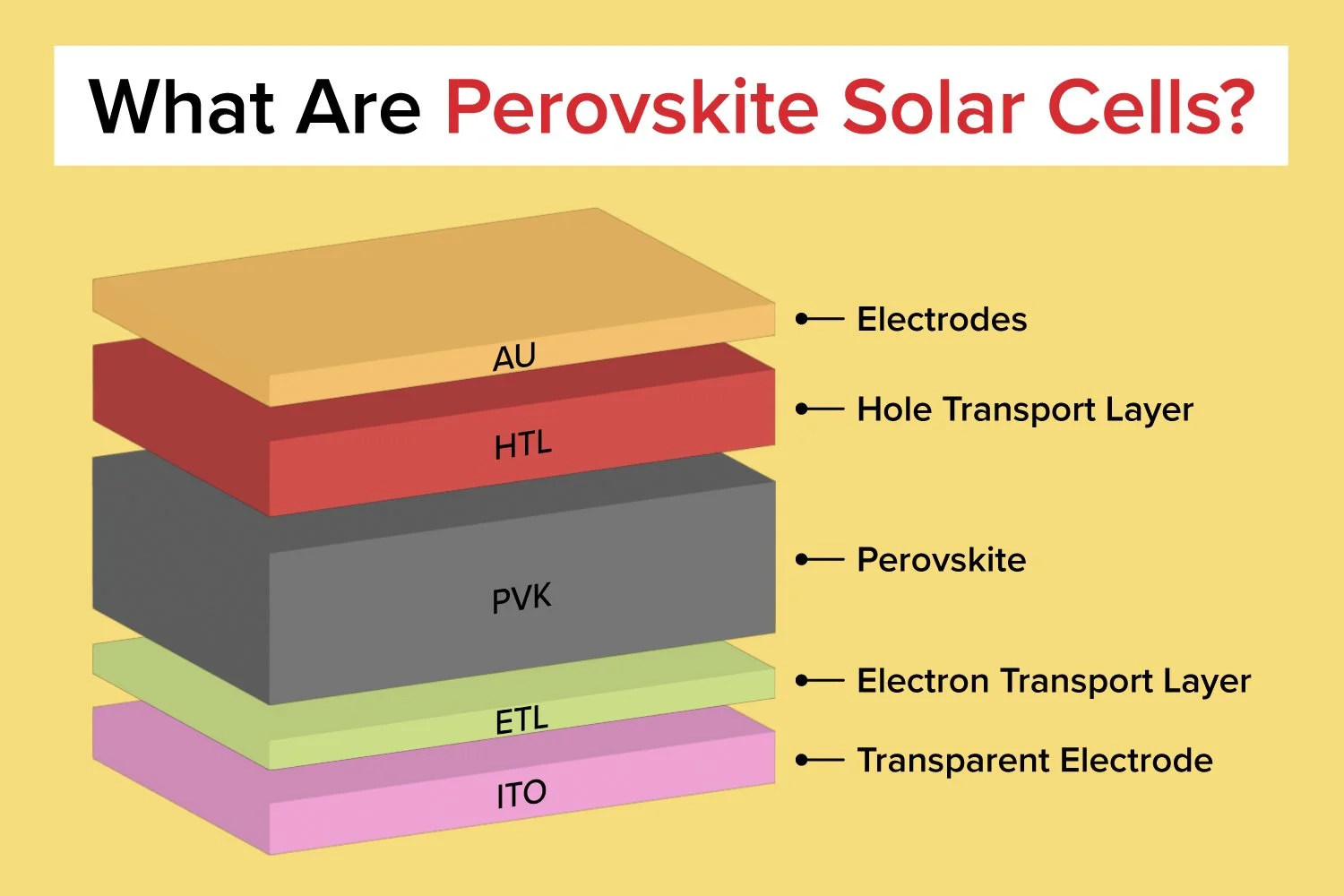
Electron Transport Layer (ETL) deposition
Perovskite active layer coating
Hole Transport Layer (HTL) formation
Top electrode deposition
Module characterization and testing
Tips for scalable, high-quality layer deposition
Every step is demonstrated on a compact lab-friendly platform, making it possible for labs of all sizes to reproduce and build on our results. All videos are available on the Roll-to-Roll Academy platform, giving researchers and enthusiasts an inside look at how perovskite modules can be manufactured from start to finish.
By making this process transparent, we aim to empower researchers, accelerate innovation, and show that large-scale production of perovskite solar cells is not just theoretical—it’s achievable. The future of clean energy depends on translating lab discoveries into real, scalable solutions. And it starts with the right R&D tools, the right approach, and the right know-how.
Explore the Entire How To Make Perovskite Series
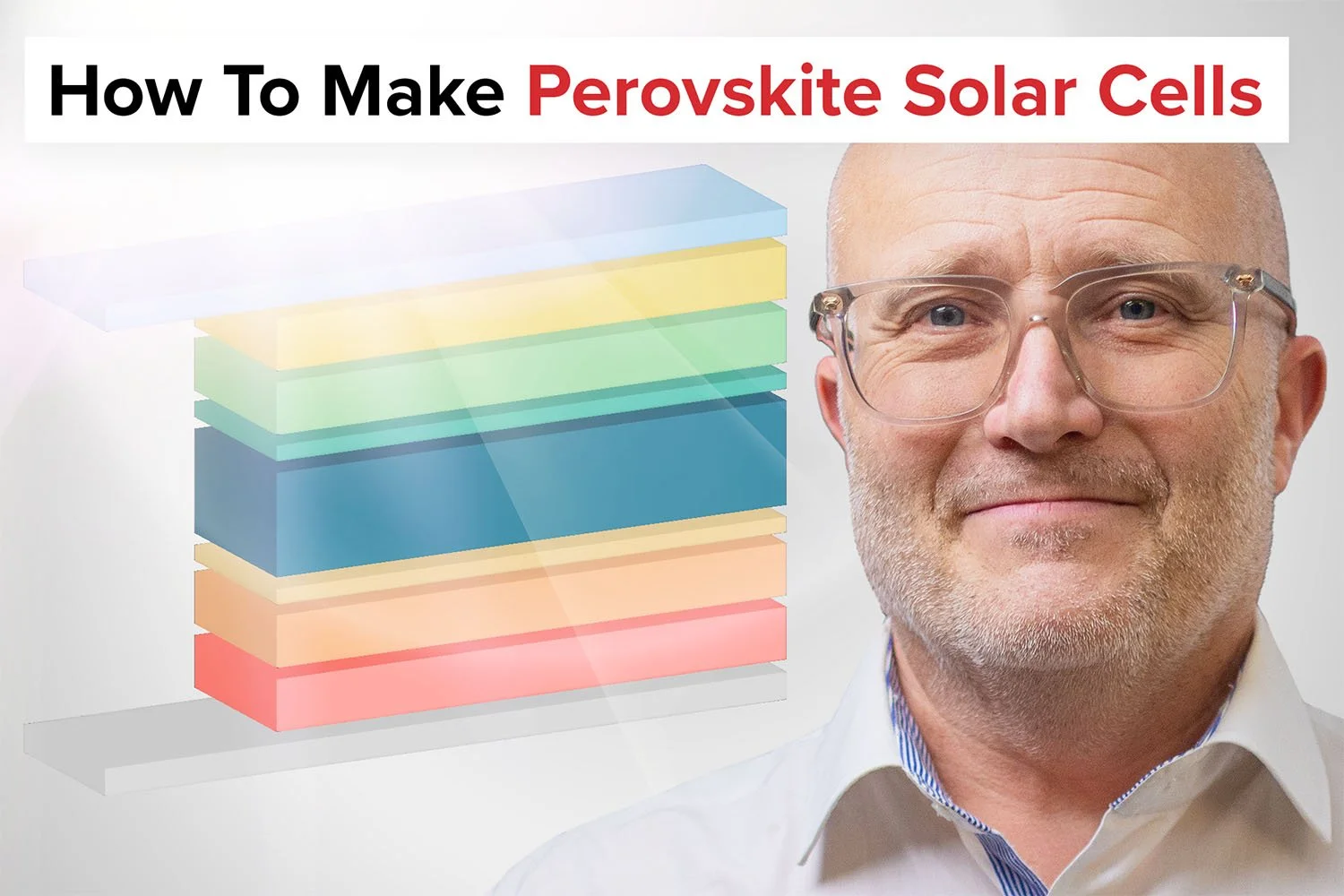
Learn how to make perovskite solar cells. Each single layer. We’ll show you how.
Related Articles
Related Products

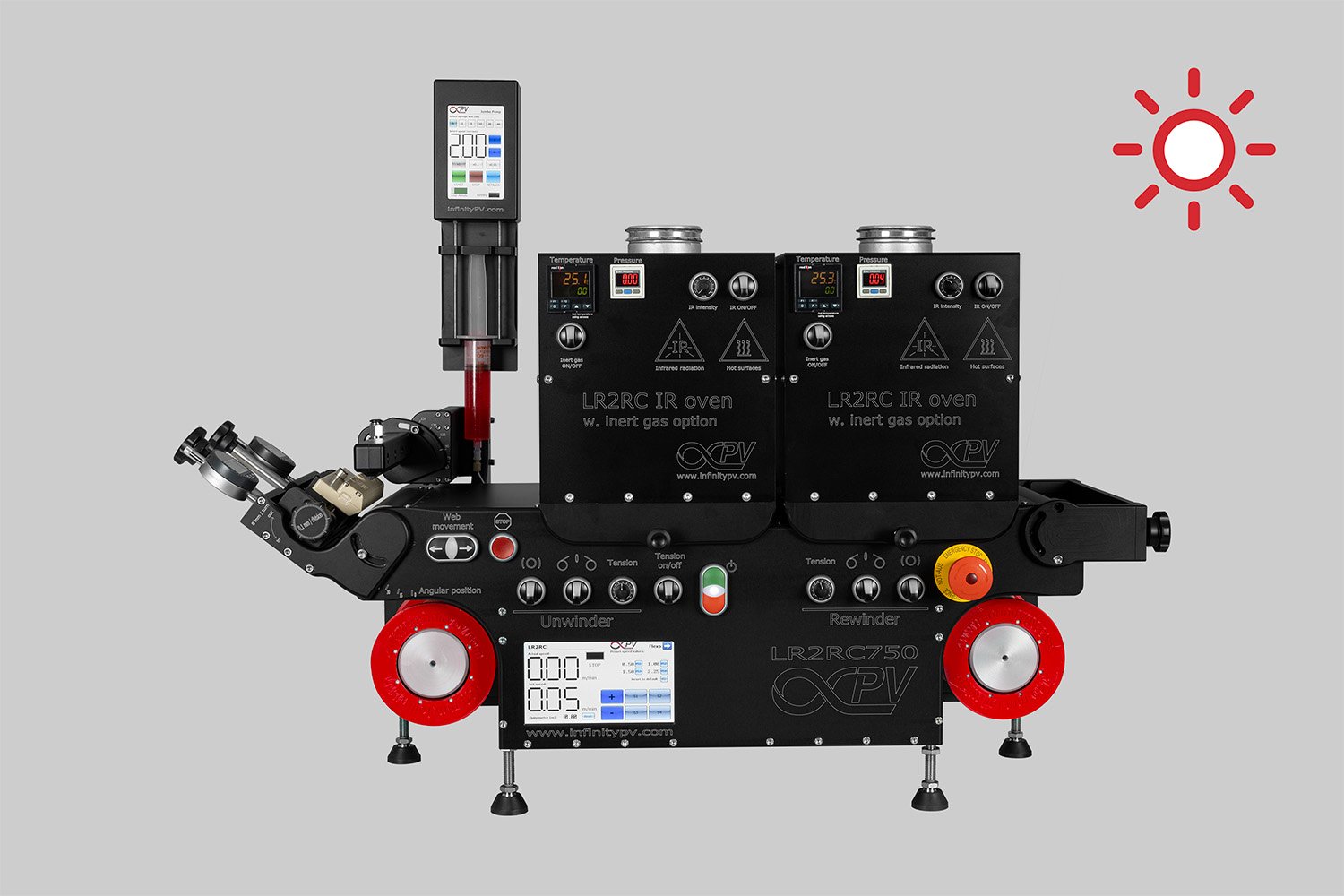
Laboratory Roll-to-Roll Coater
A compact and modular high precision roll-to-roll slot-die coater that transforms the way thin functional films are printed and coated.

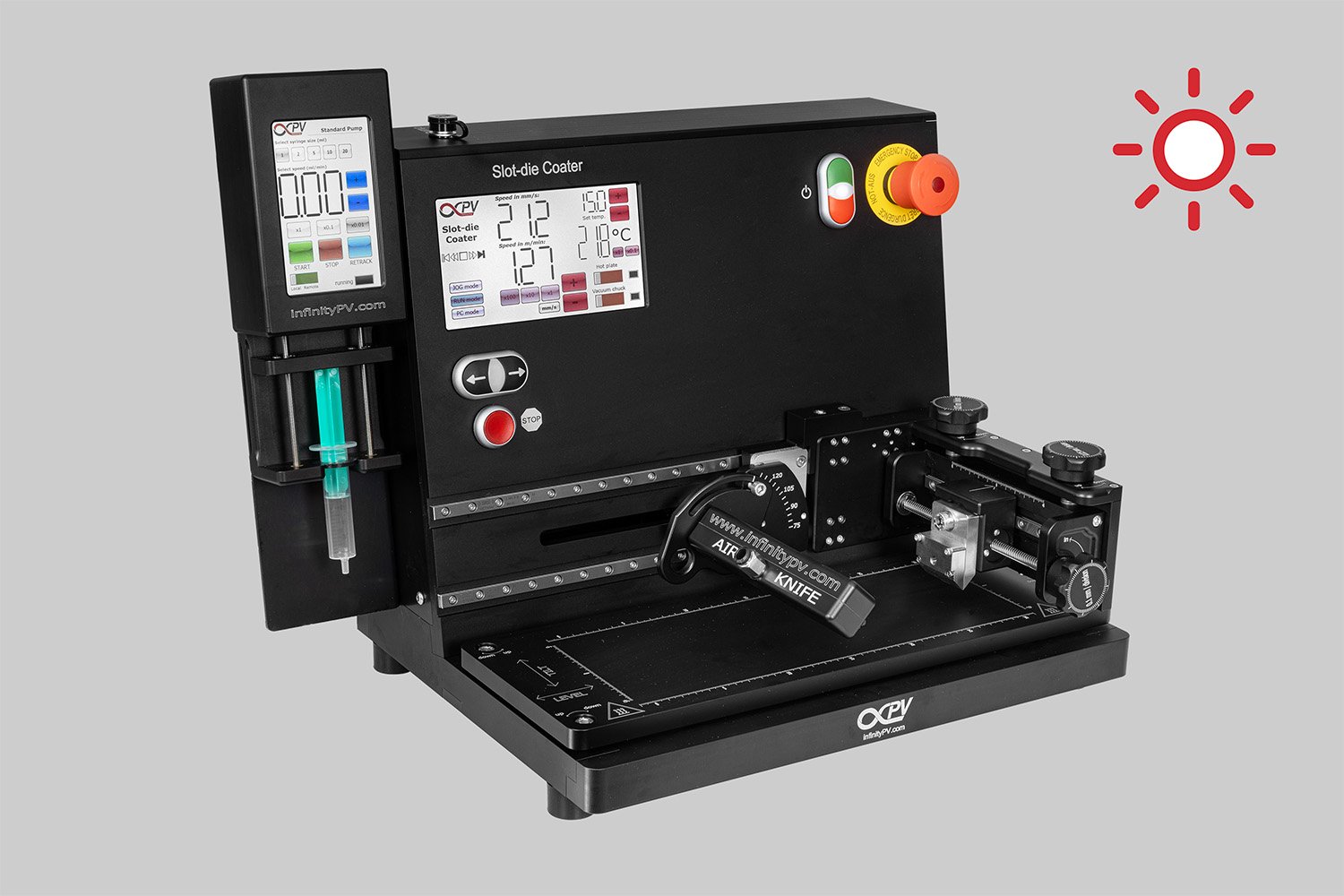
Slot-die Coater
A state-of-the-art, compact sheet coater for precise, consistent slot-die coatings, featuring a vacuum chuck, integrated drying, and optimized ink delivery.
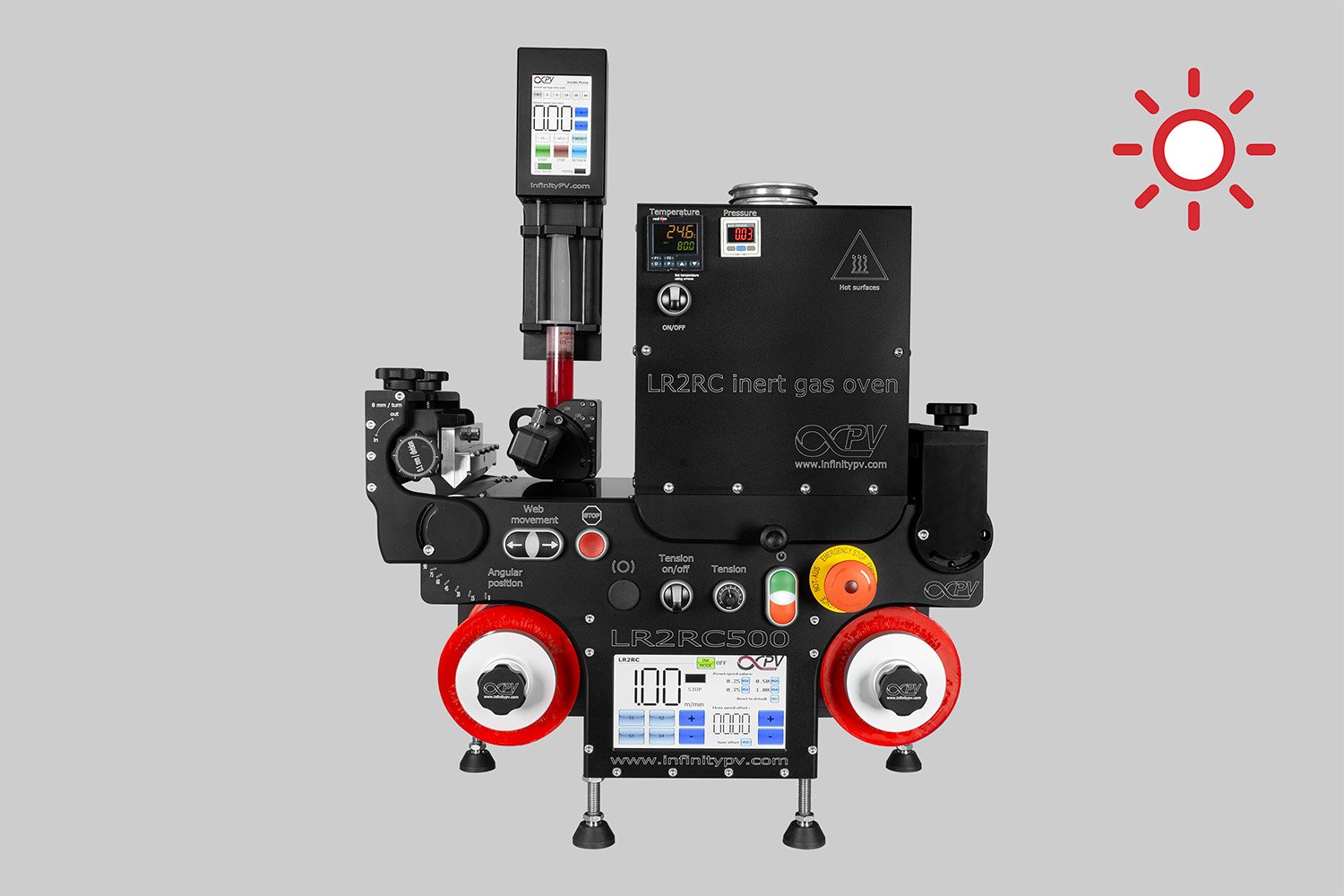
LR2RC500 Bundle
Probably the world’s most compact R2R slot-die coater. A compact, fully integrated R2R coater that fits on a workbench, in a fume hood or a glovebox.

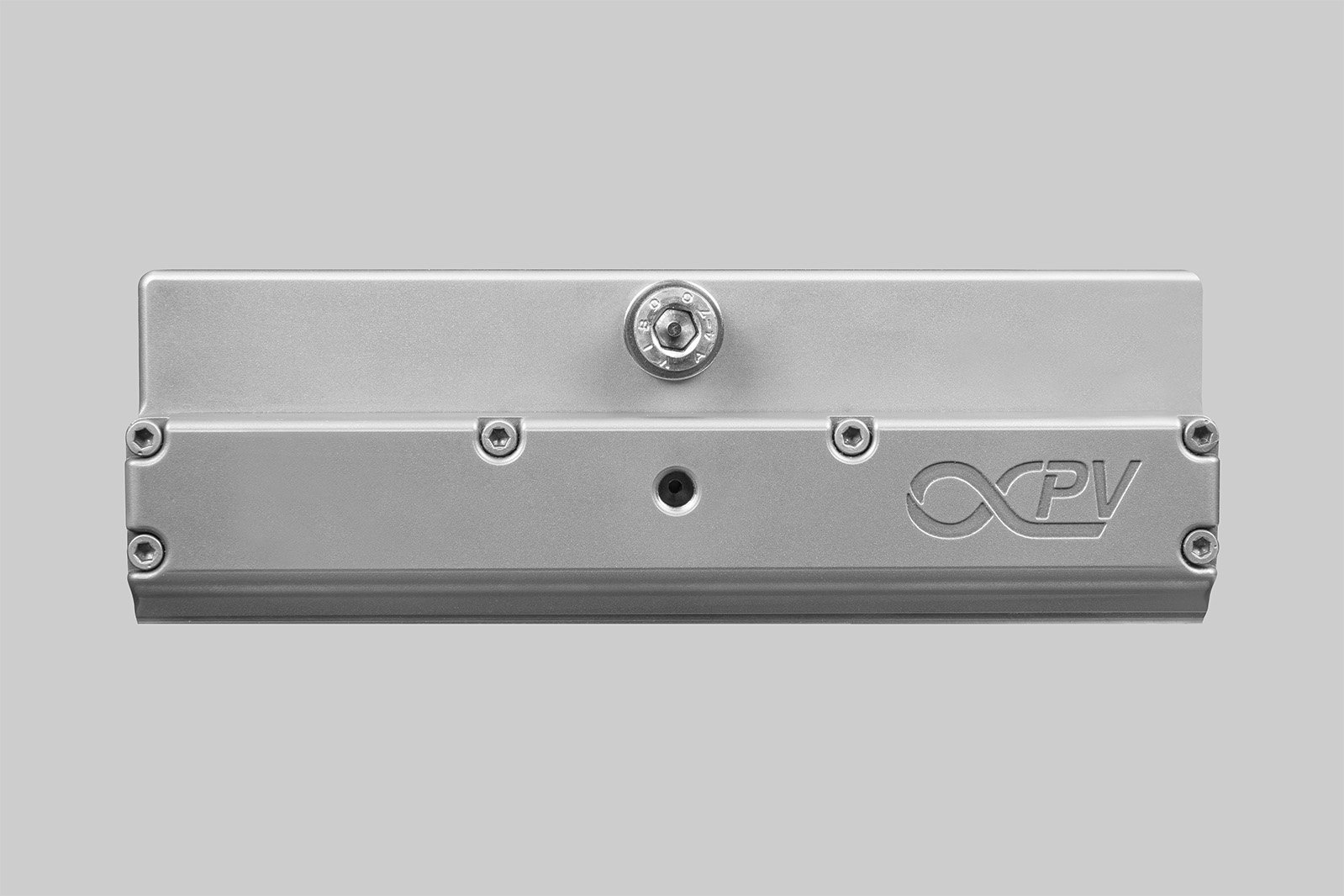
Slot-die Heads
Slot-die heads for high-quality coatings. Available in stainless steel, titanium, or PEEK, with widths from 40 mm to 305 mm, ensuring precise thin-film production.


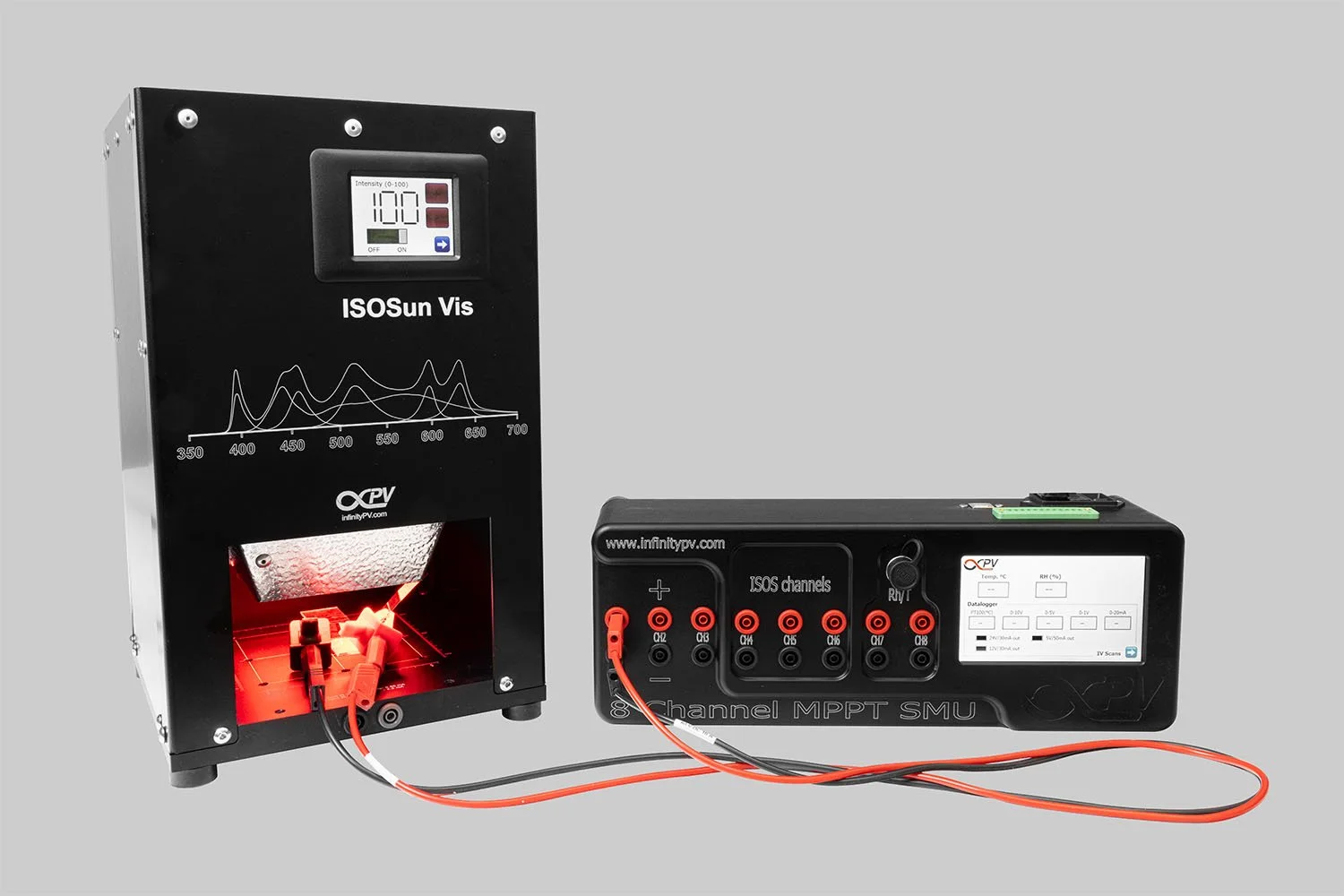
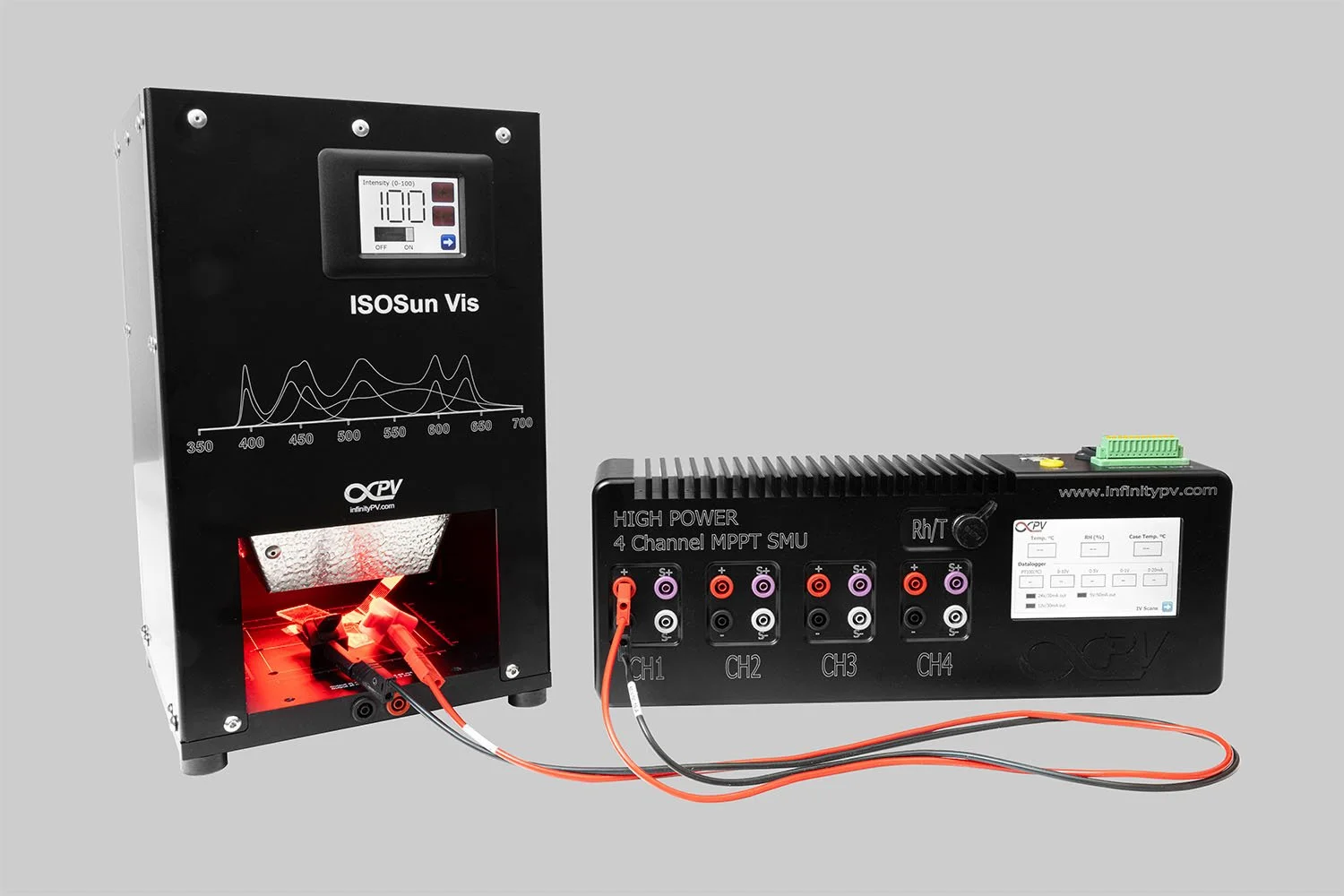


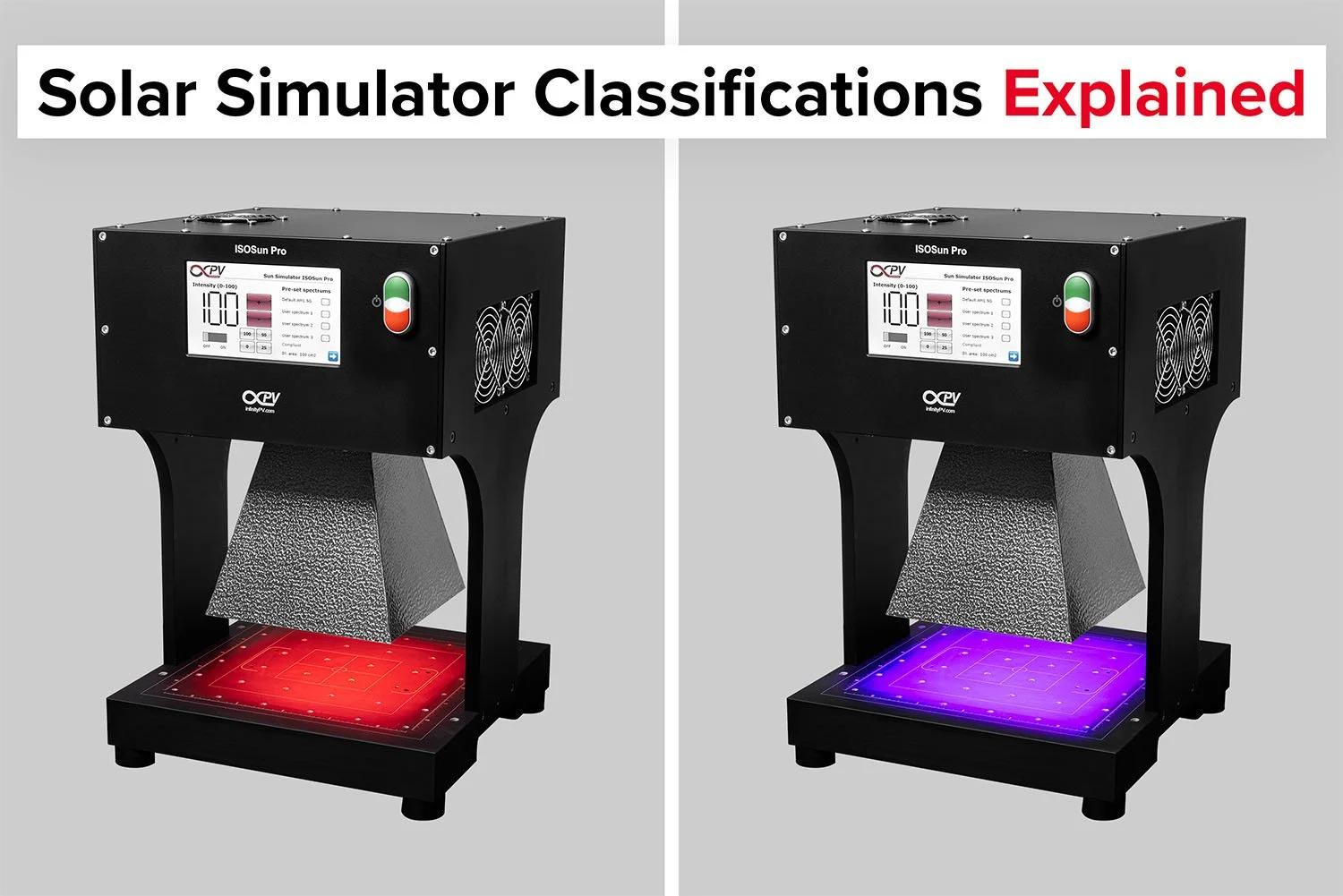
Compact solar simulator covering 385–1300 nm with 20 selectable wavelengths over areas up to 1000 cm². Delivers up to 7 suns intensity with up to class A+A+A+ uniformity. Fully compatible with the infinityPV MPPT SMU series and a range of optional environmental accessories, including sample holders, Rh/T probes, photodiodes, and spectrometers.