 Image 1 of 8
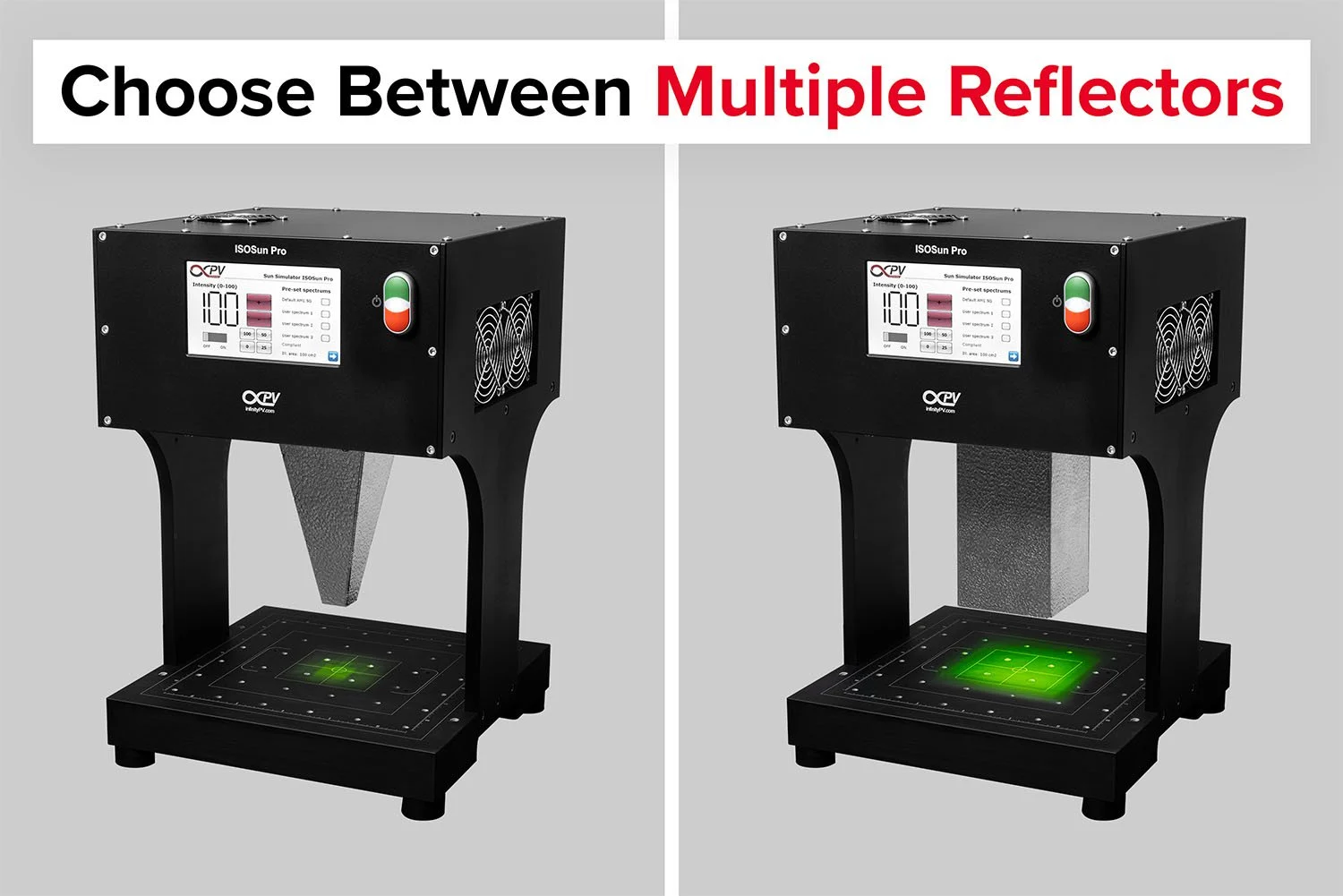 Image 2 of 8
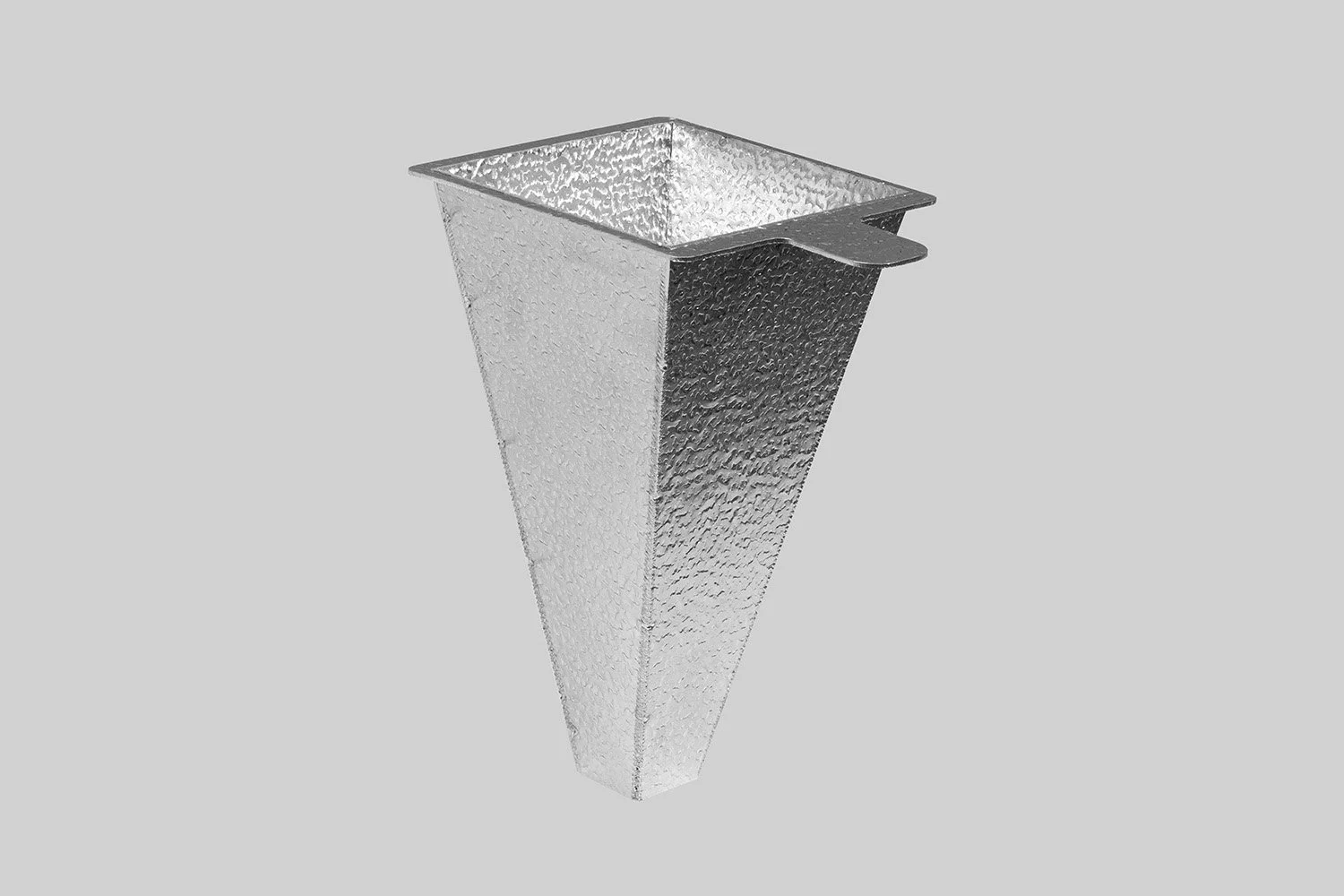 Image 3 of 8
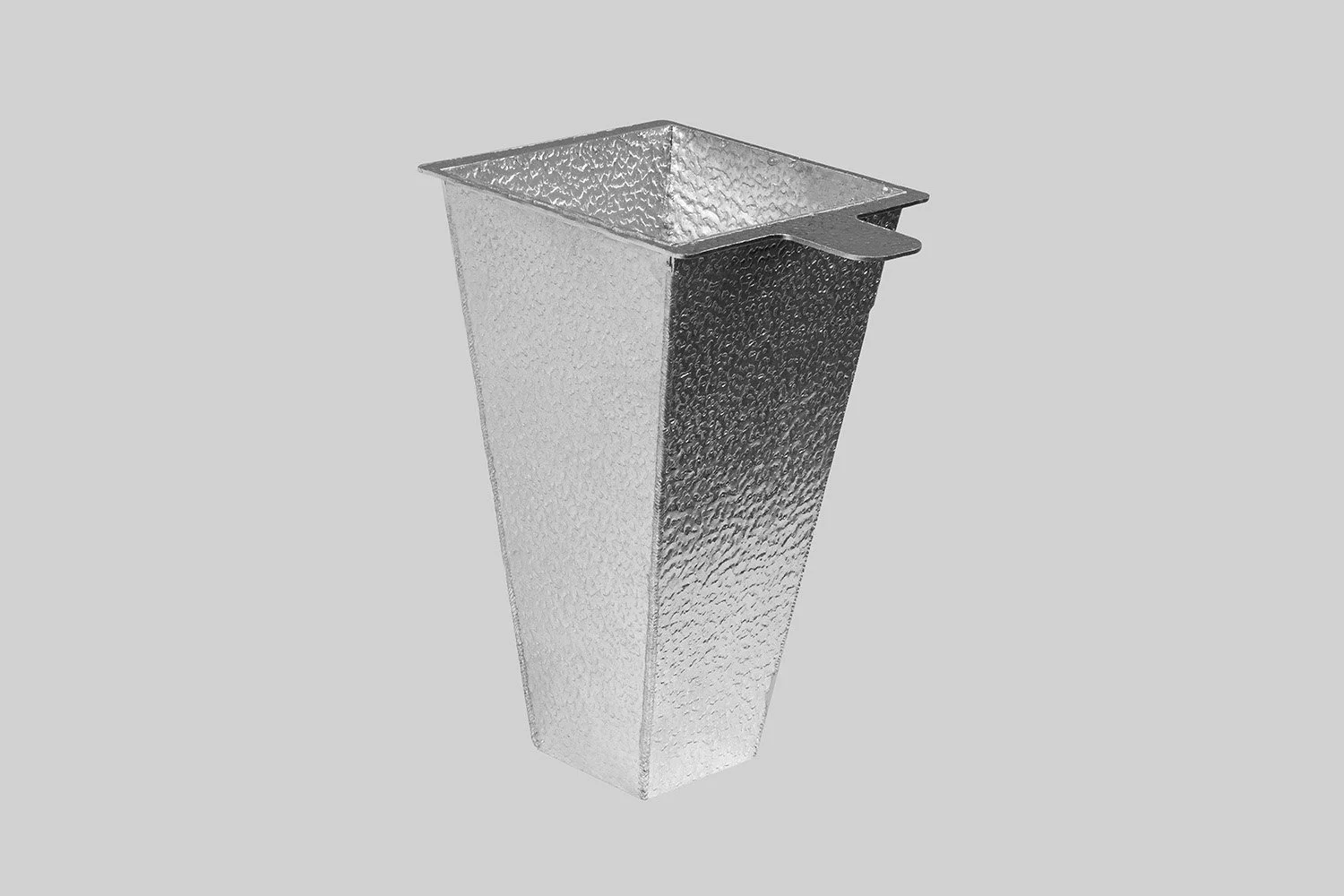 Image 4 of 8
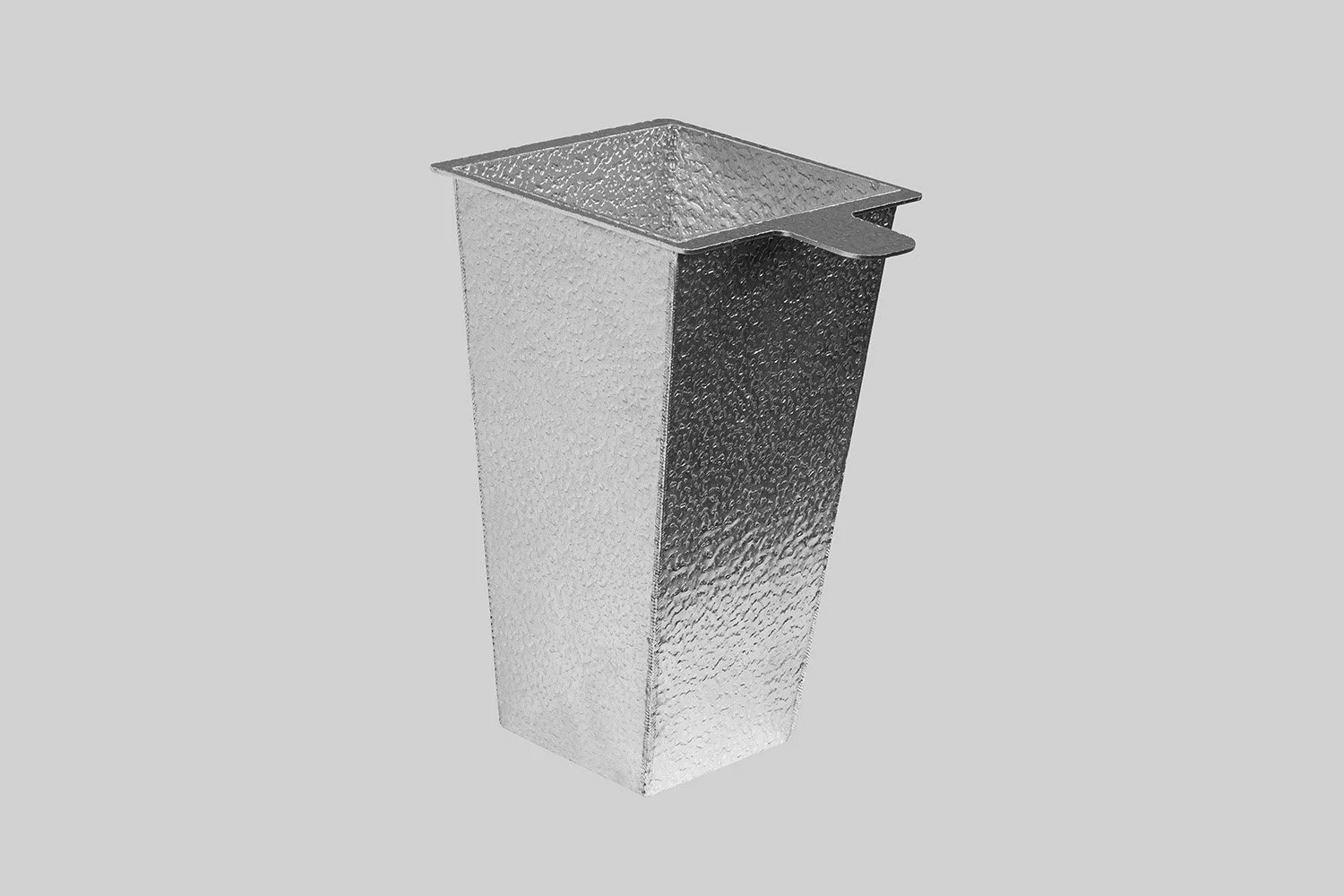 Image 5 of 8
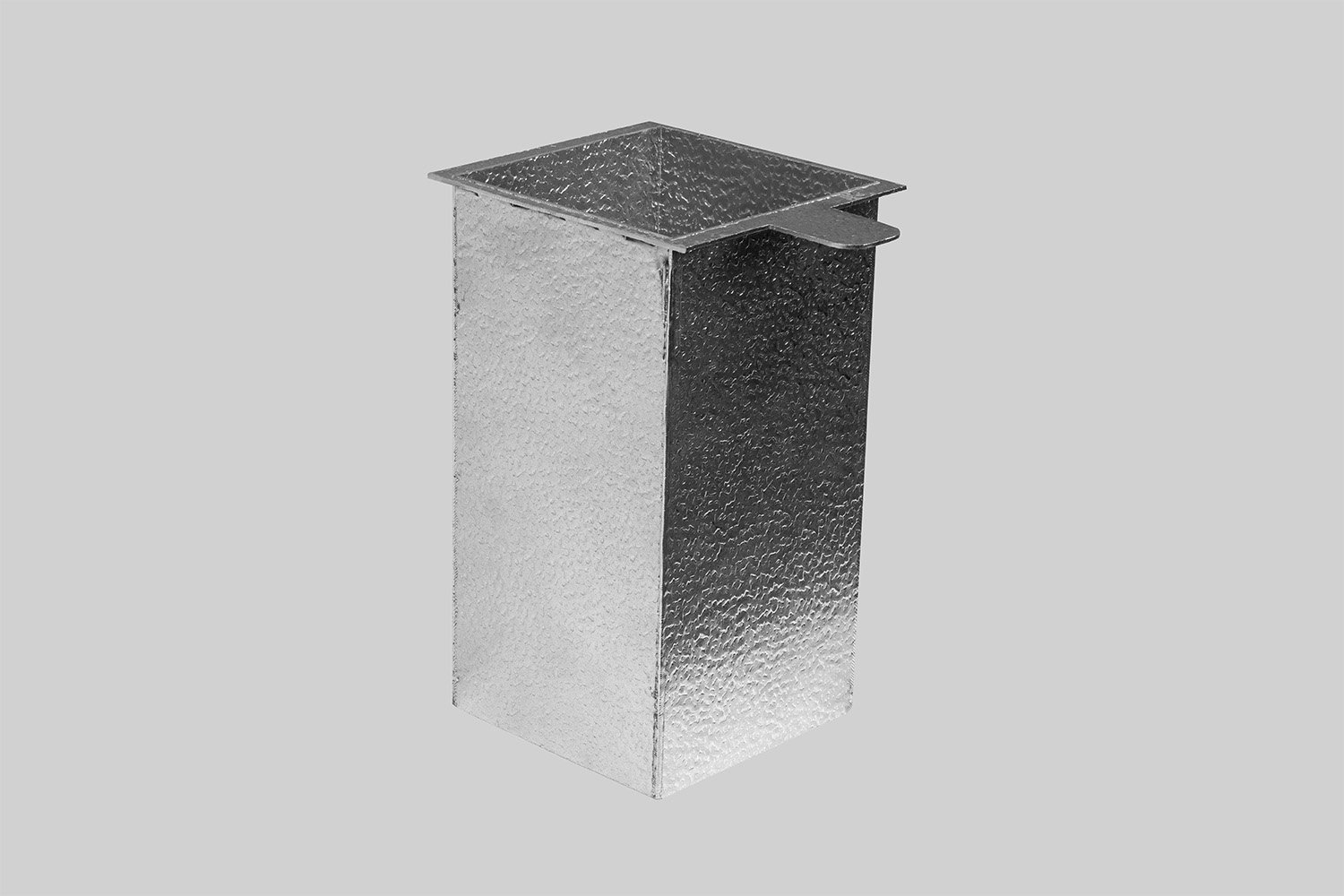 Image 6 of 8
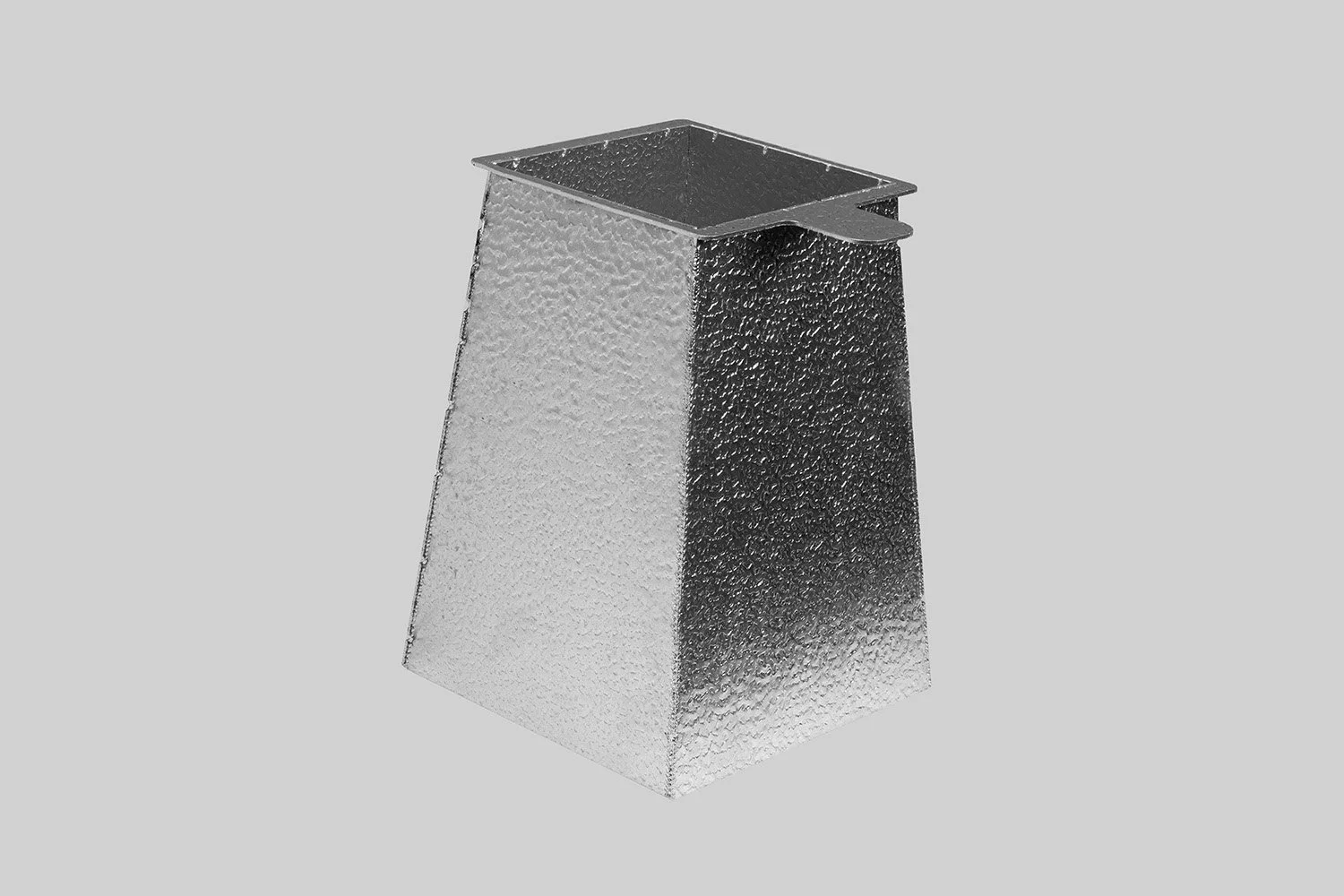 Image 7 of 8
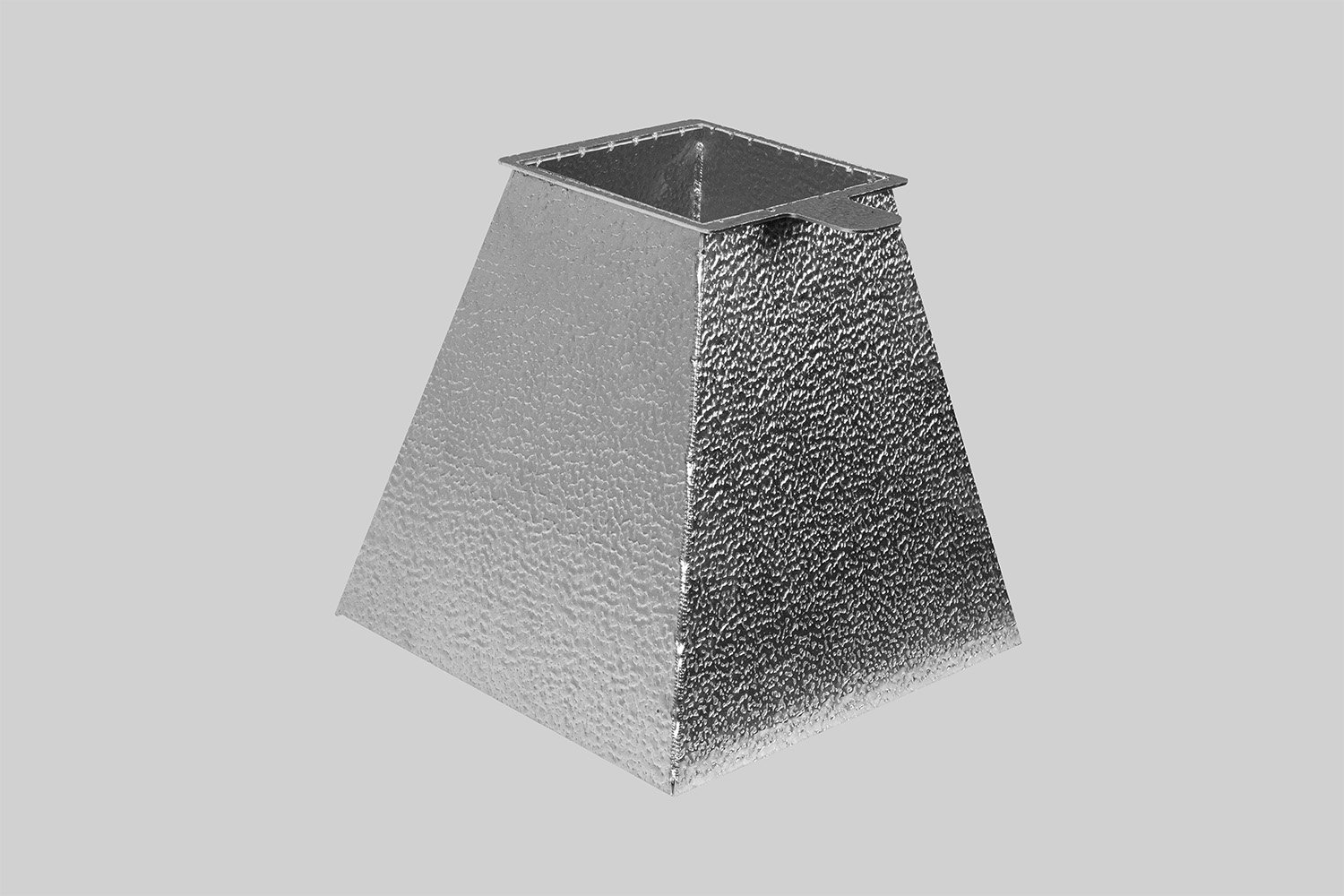 Image 8 of 8
One Simulator. Six Optical Profiles.
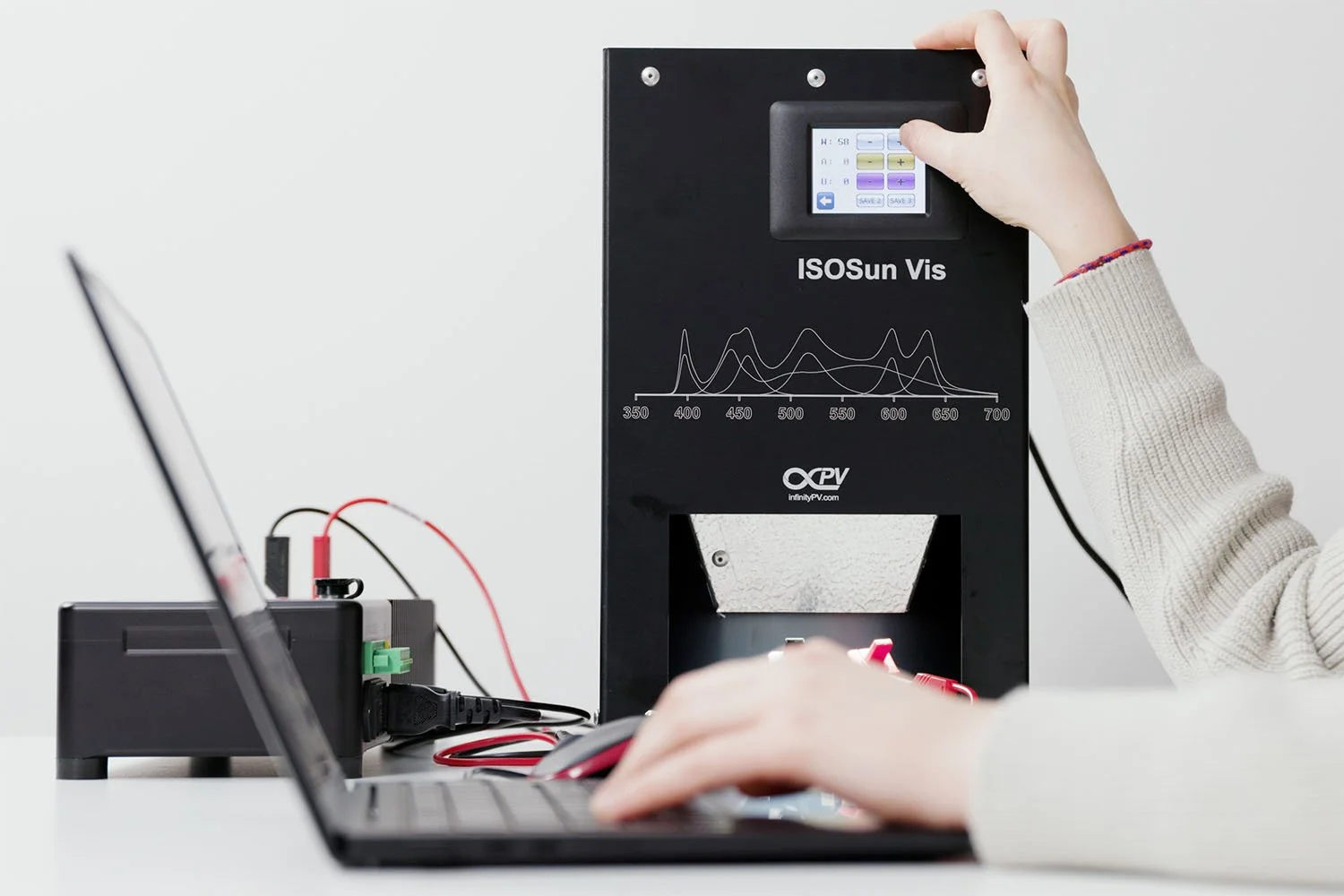
From concentrated high-intensity research to large-format module testing, the ISOSun Pro Solar Simulator reflectors offer the flexibility required for modern photovoltaic laboratories.
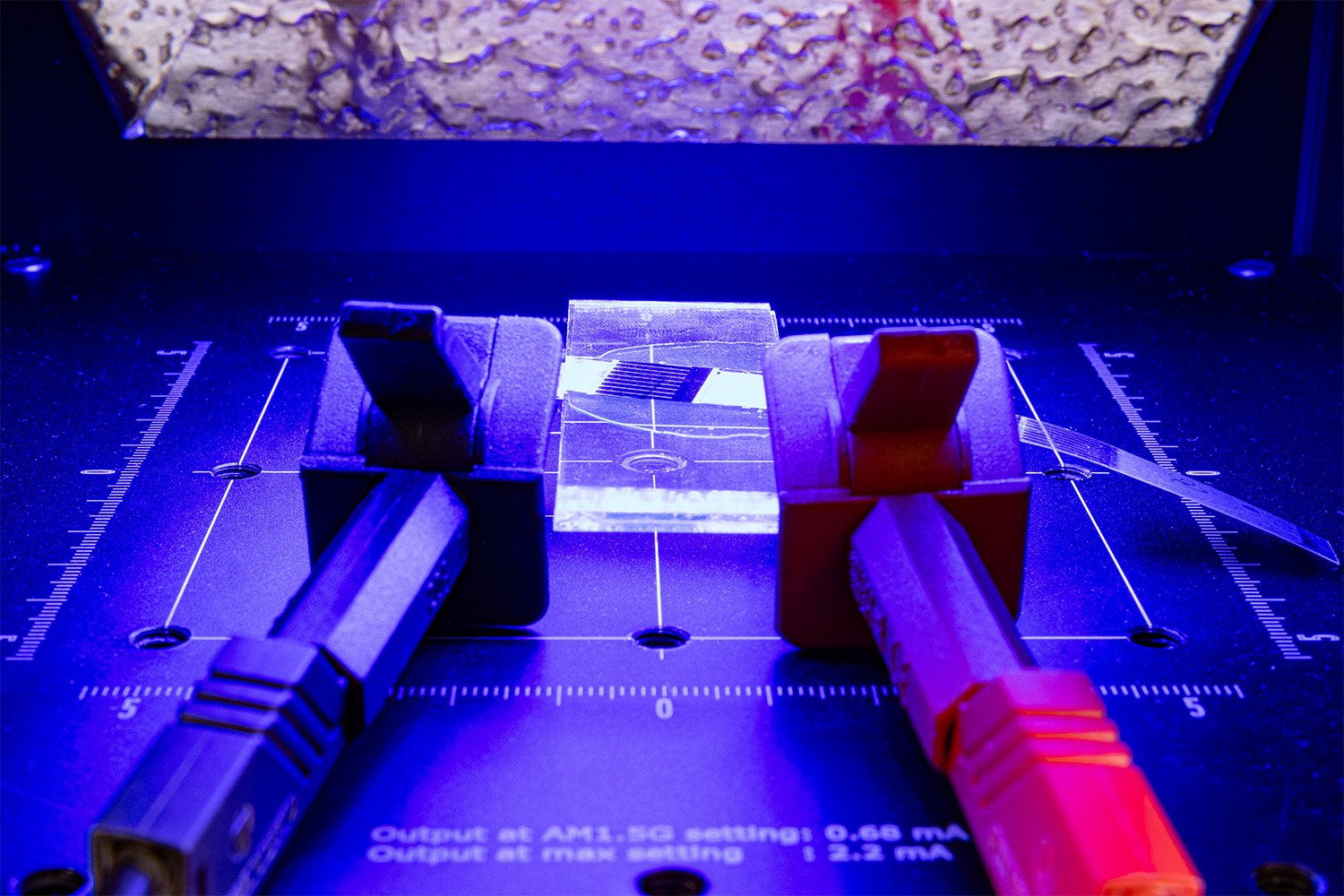
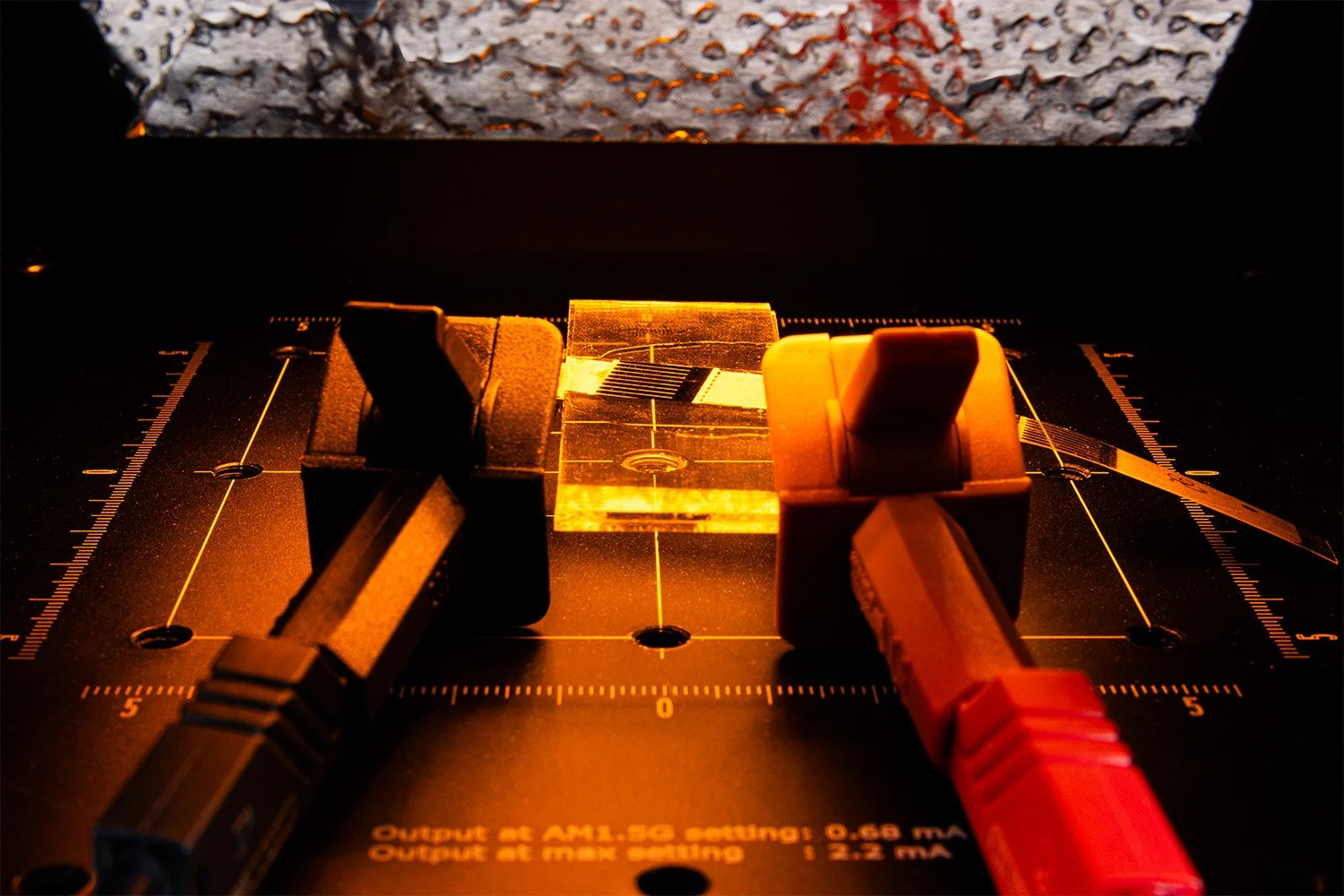
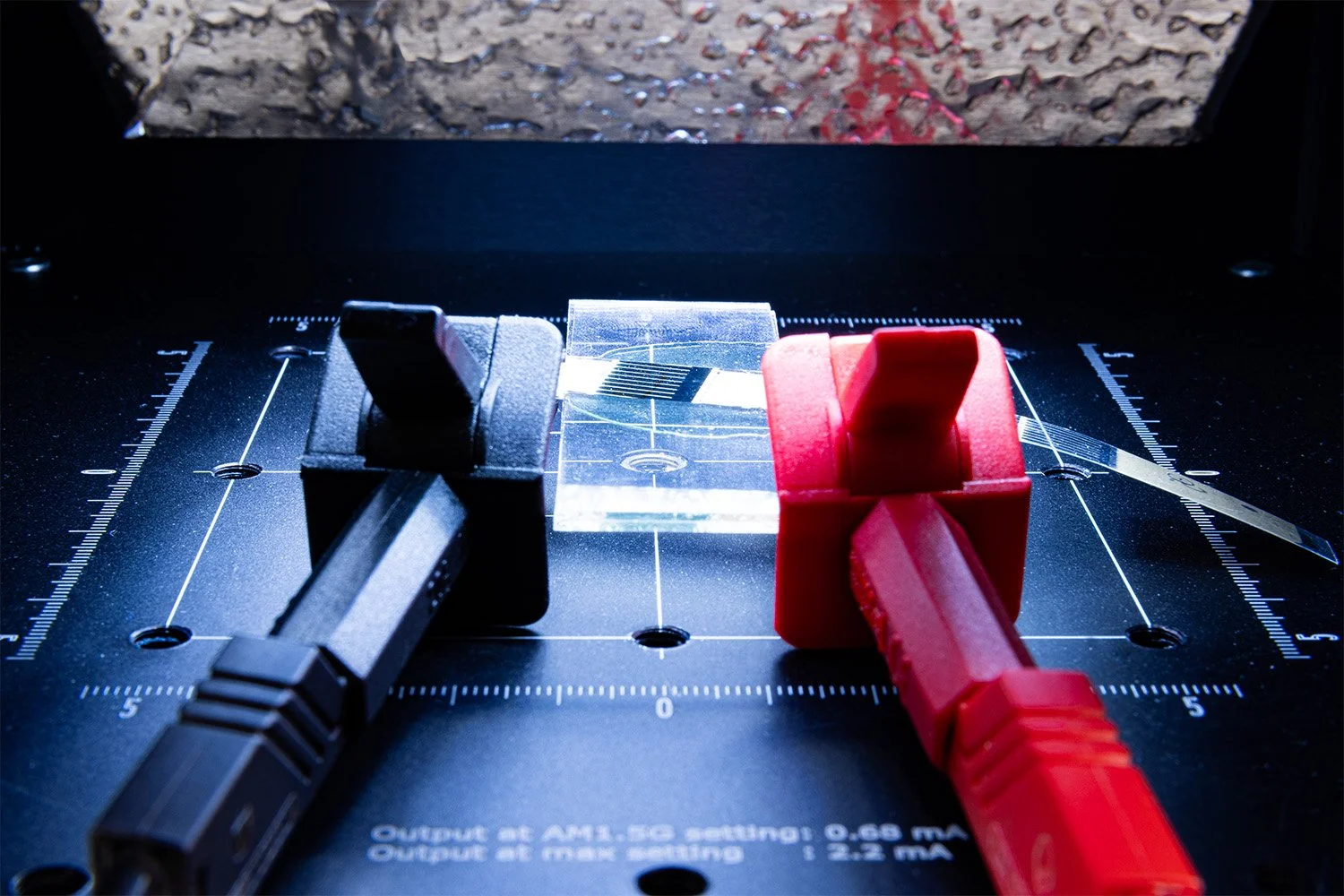
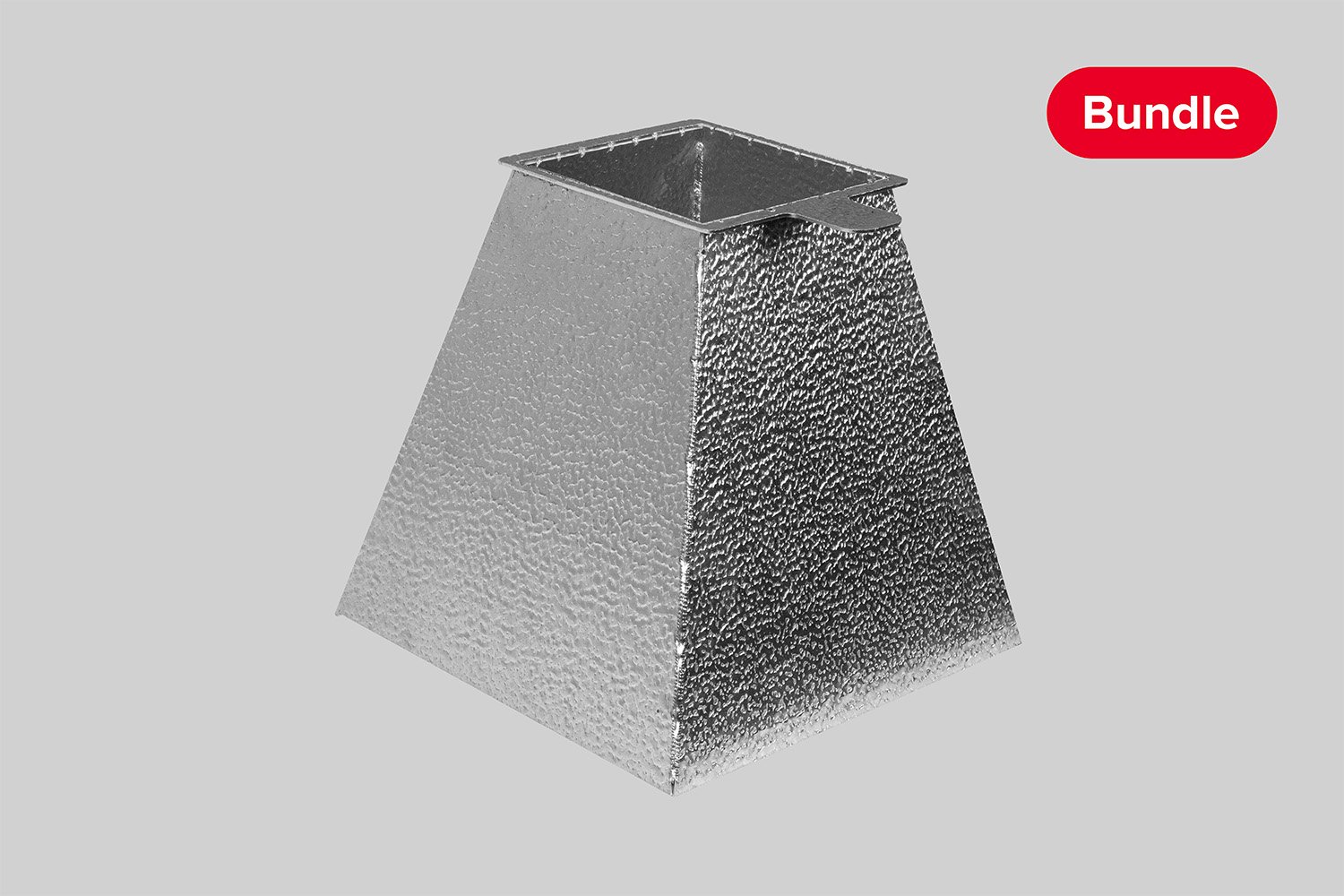
Extreme Intensity (6.25 cm² – 50 cm²): Engineered for accelerated aging and high-injection limit testing. By concentrating the LED output into a narrower aperture, the 6.25 cm² reflector delivers a massive 7 Suns of power at maximum settings—perfect for pushing the boundaries of cell durability.
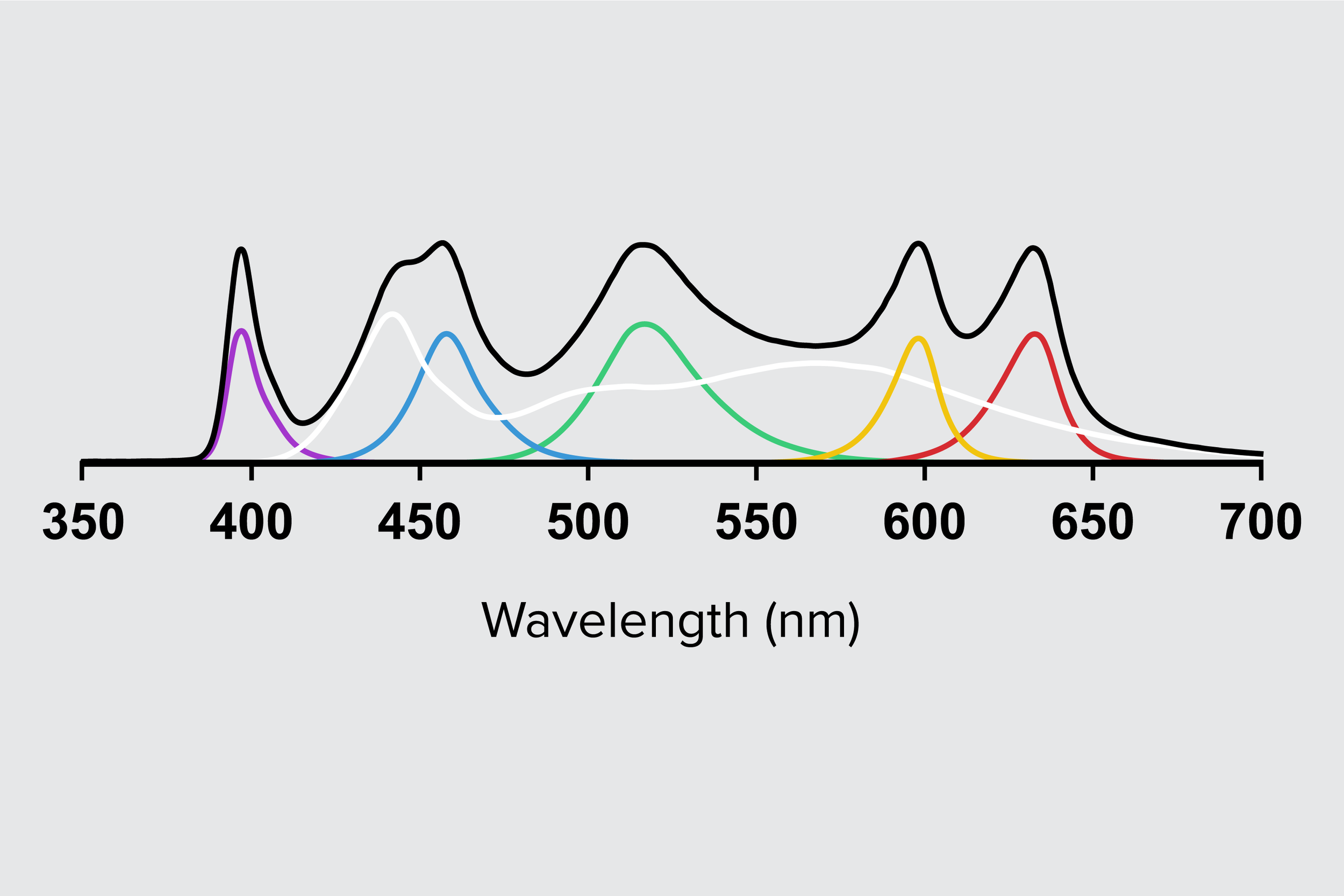
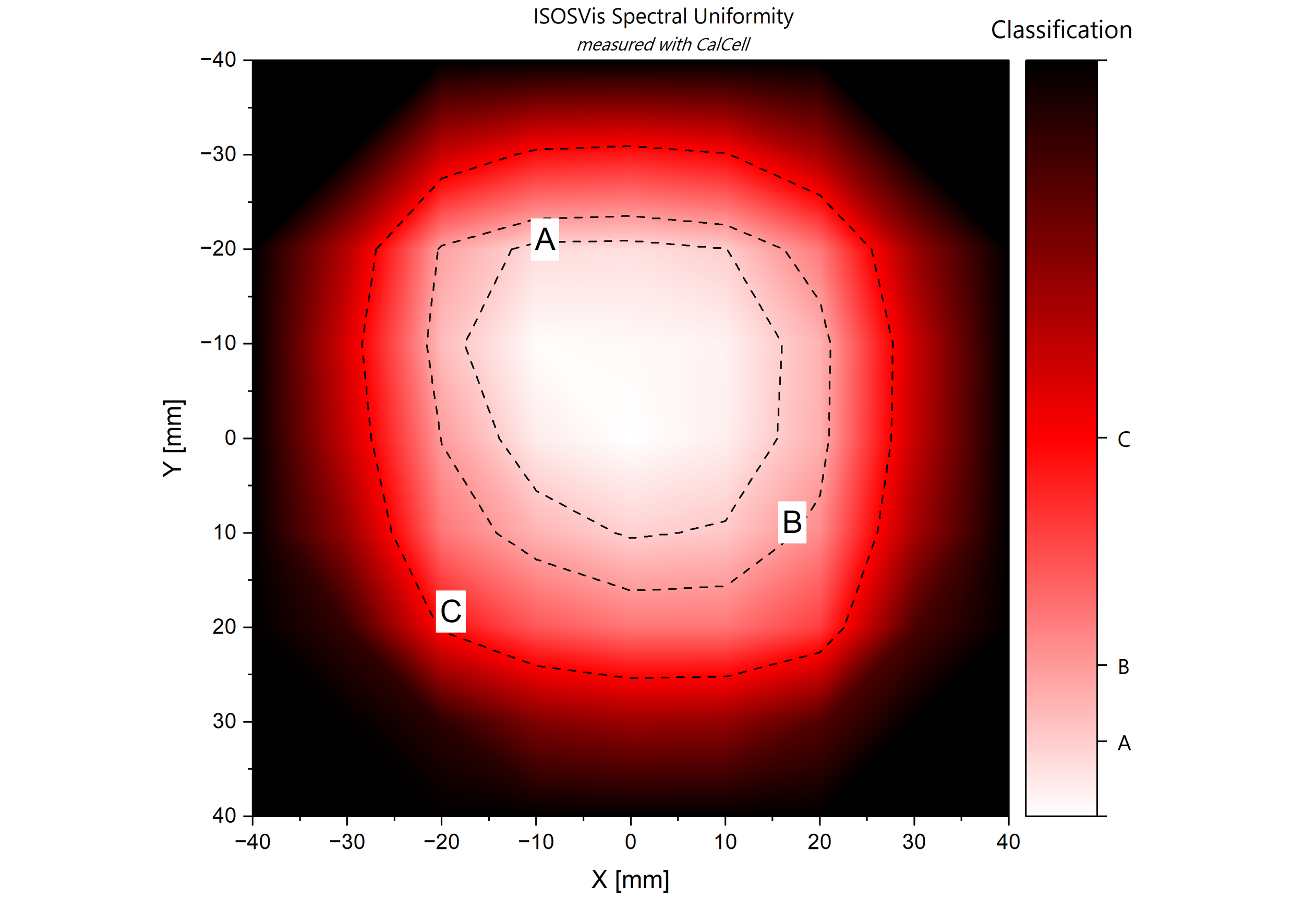
Standard Precision (100 cm²): Our flagship configuration, optimized for Class A+ spectral match and superior spatial uniformity across standard cell dimensions.
Expanded Coverage (200 cm² – 400 cm²): Scale your research. These wider apertures extend the active area to accommodate mini-modules, large-area perovskites, or high-throughput testing of multiple devices simultaneously.
Rapid Interchangeability: Switch between aperture sizes in minutes. The modular design ensures your lab stays agile without the need for multiple expensive light sources.
Optimal Photon Management: Unlike simple masks, our high-grade aluminium reflectors are geometrically tuned to capture and redirect stray light, maximizing optical efficiency.
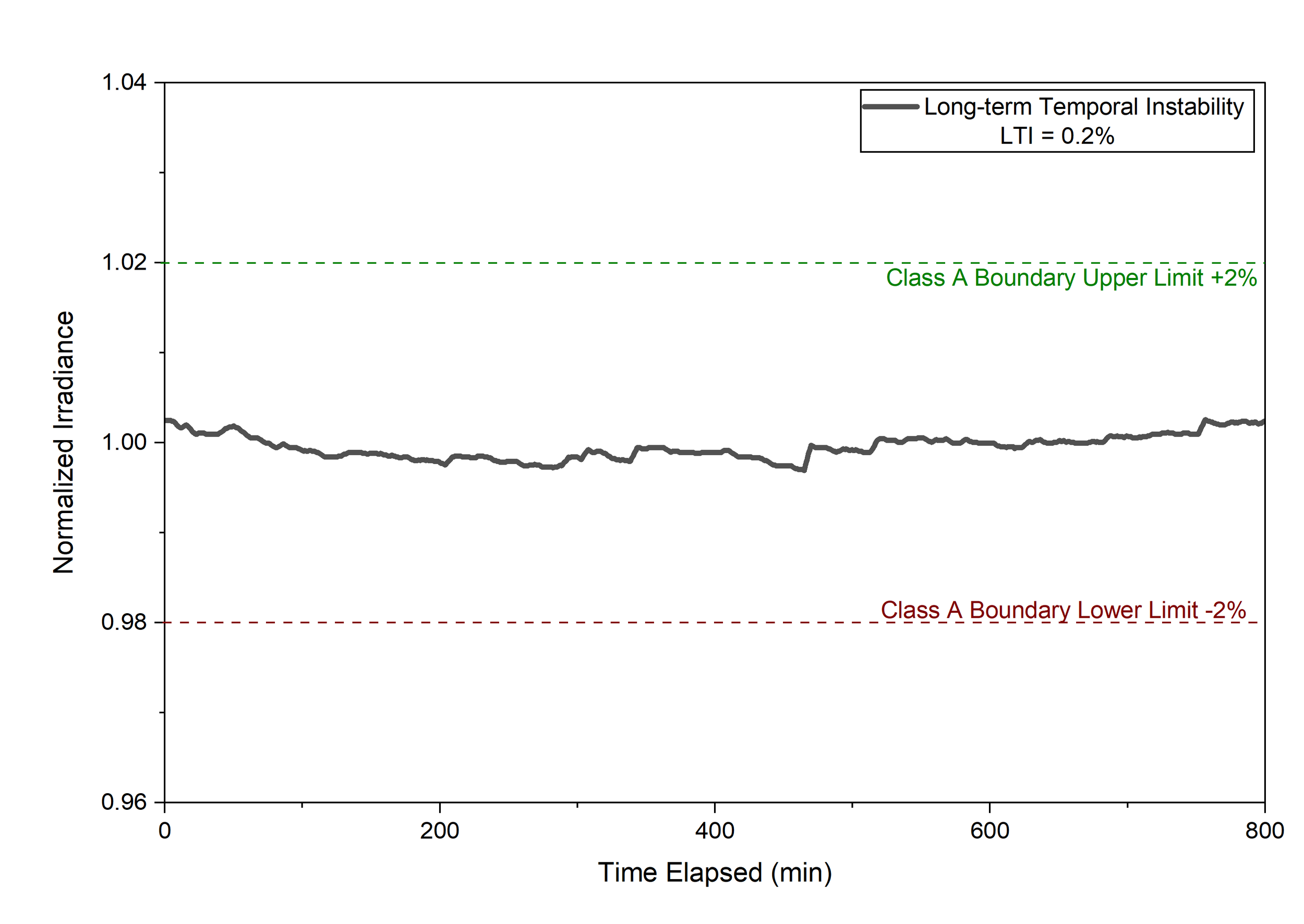
Thermal Stability: The robust aluminium construction assists in heat dissipation, ensuring stable output even during high-power, multi-sun experiments.
| Aperture Size | Research Focus | Peak Performance |
|---|---|---|
| 6.25 cm² | High-Concentration & Stress Testing | Up to 7 Suns |
| 25 – 50 cm² | Small-cell efficiency & thermal limits | High Intensity |
| 100 cm² | Standard PV Characterization | 1 Sun (Class A+A+A+) |
| 200 cm² | Mini-modules & tandem cells | Uniform Broad Area |
| 400 cm² | Large-area devices & high-throughput | Maximum Active Area |
Note on High-Intensity Mode: At maximum settings, the system prioritizes raw power (up to 7 Suns). While spectral match may deviate from standard classifications in this overdriven state, it provides an industry-leading tool for extreme irradiance studies.