
University of Sheffield Uses infinityPV Slot-die Head to Manufacture Colloidal Crystal Monolayers
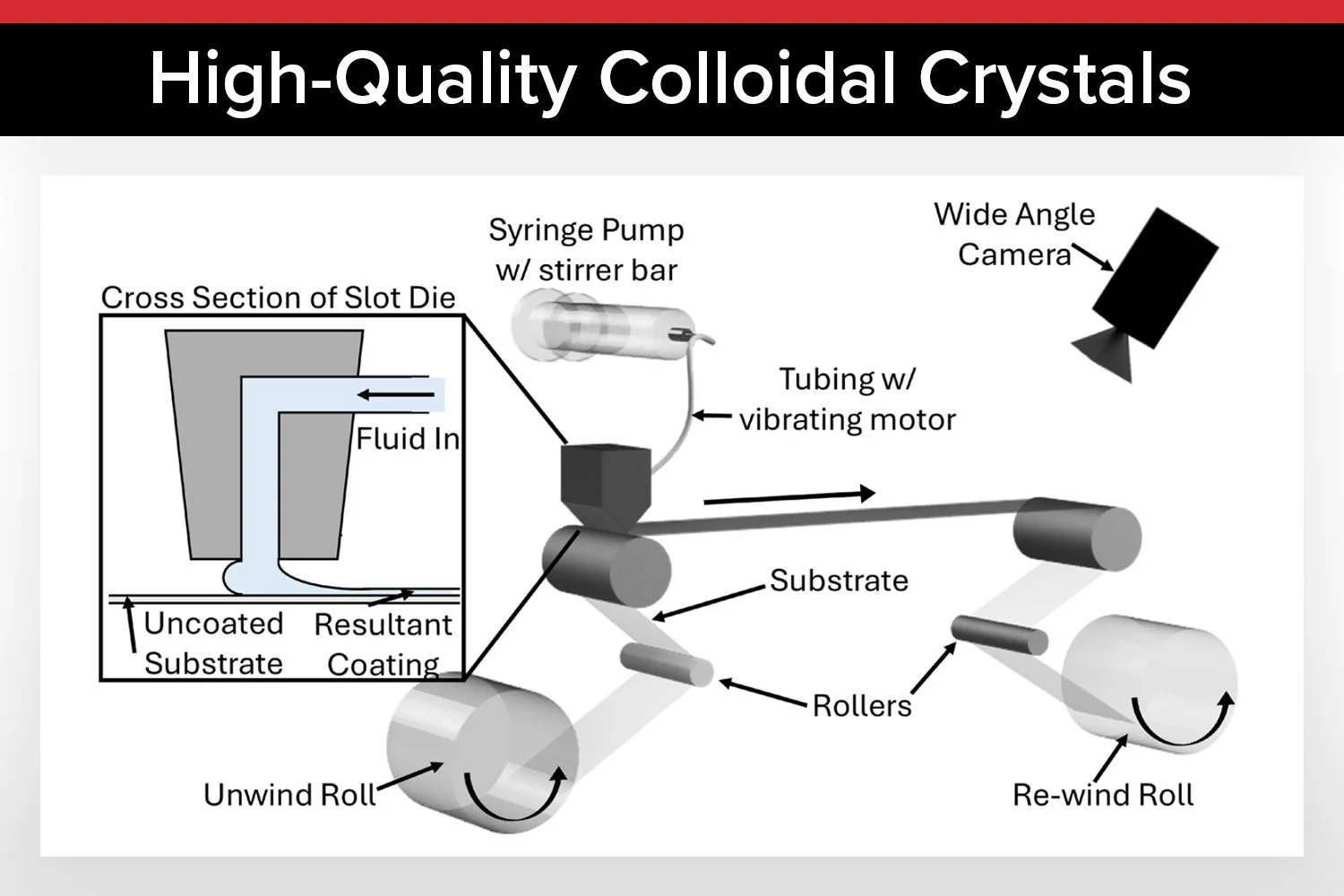
In a new study, researchers from the University of Sheffield used an infinityPV Slot-die Head to manufacture large-area colloidal crystal monolayers using continuous roll-to-roll coating. Published in Scientific Reports, the research demonstrates how adjusting coating parameters can influence particle ordering, offering a route towards more controllable and scalable manufacturing of functional thin films.
Scaling Up Colloidal Crystal Manufacturing with Slot-Die Coating
Colloidal crystals are materials made from particles arranged in highly ordered structures. Their optical and structural properties make them promising for applications in photonic devices, sensors, anti-reflective coatings, batteries and solar cells. However, manufacturing these structures at scale remains challenging. Conventional techniques, including spin coating, drop casting and Langmuir-Blodgett deposition, are generally batch-based and can offer limited control over coating uniformity, crystallinity and production speed.
In the study, researches investigated continuous roll-to-roll slot-die coating as an alternative for producing colloidal crystal monolayers. Using 300 nm silica particles dispersed in an ethanol-based solution, the researchers deposited coatings onto a moving polyethylene terephthalate (PET) substrate and examined how processing parameters affected the resulting particle arrangements.
The study focused on two key variables: substrate velocity and solution pump rate. By adjusting these parameters, the researchers controlled the amount of material deposited per unit area and investigated how this influenced the formation of ordered crystalline domains. Optical microscopy and scanning electron microscopy (SEM), combined with quantitative image analysis, were used to assess coating quality and long-range hexagonal ordering.
The findings demonstrate that roll-to-roll slot-die coating can produce large-area colloidal crystal monolayers with tunable structural properties. The research also highlights the potential for integrating inline measurement and process optimisation to support more reproducible manufacturing in the future.
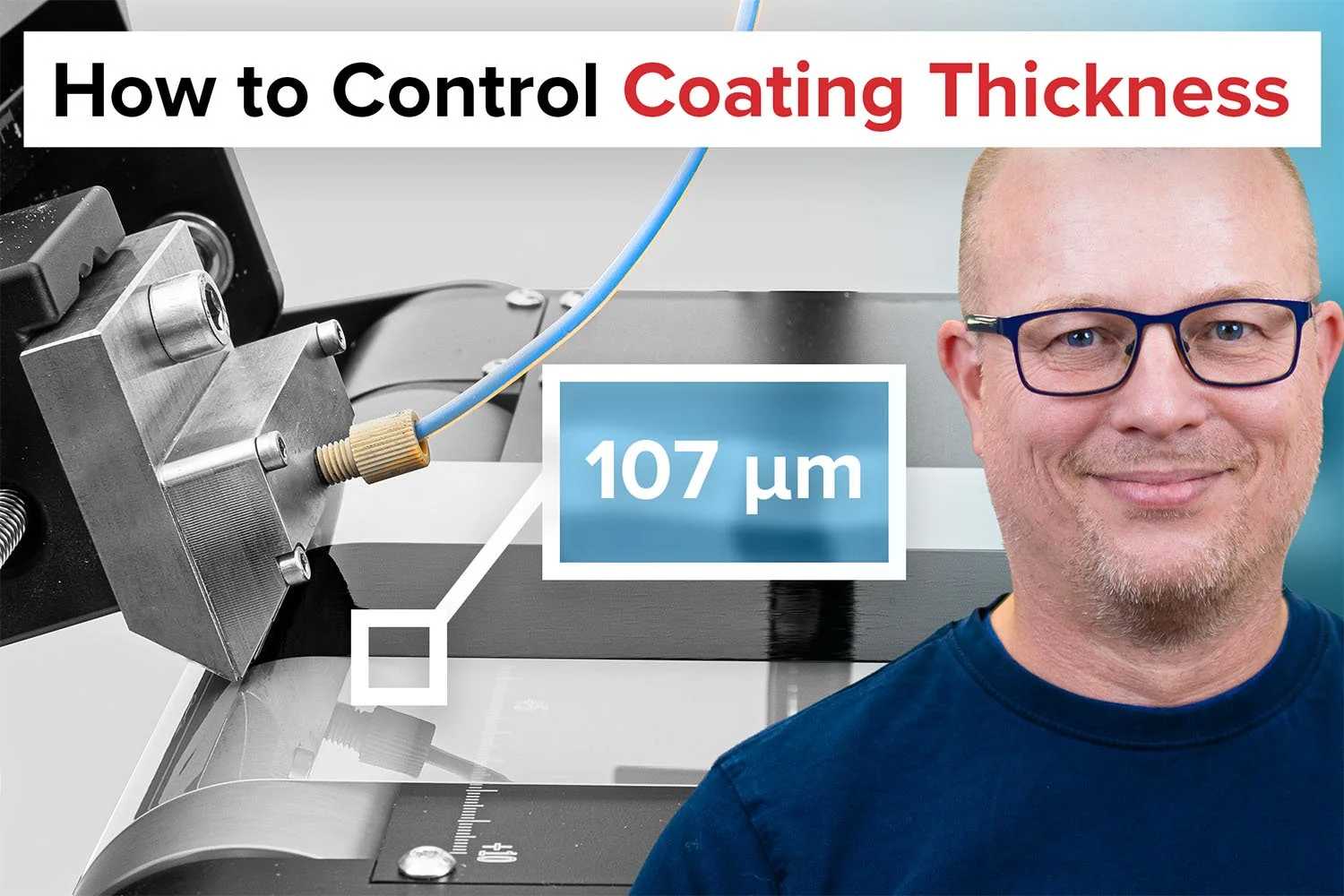
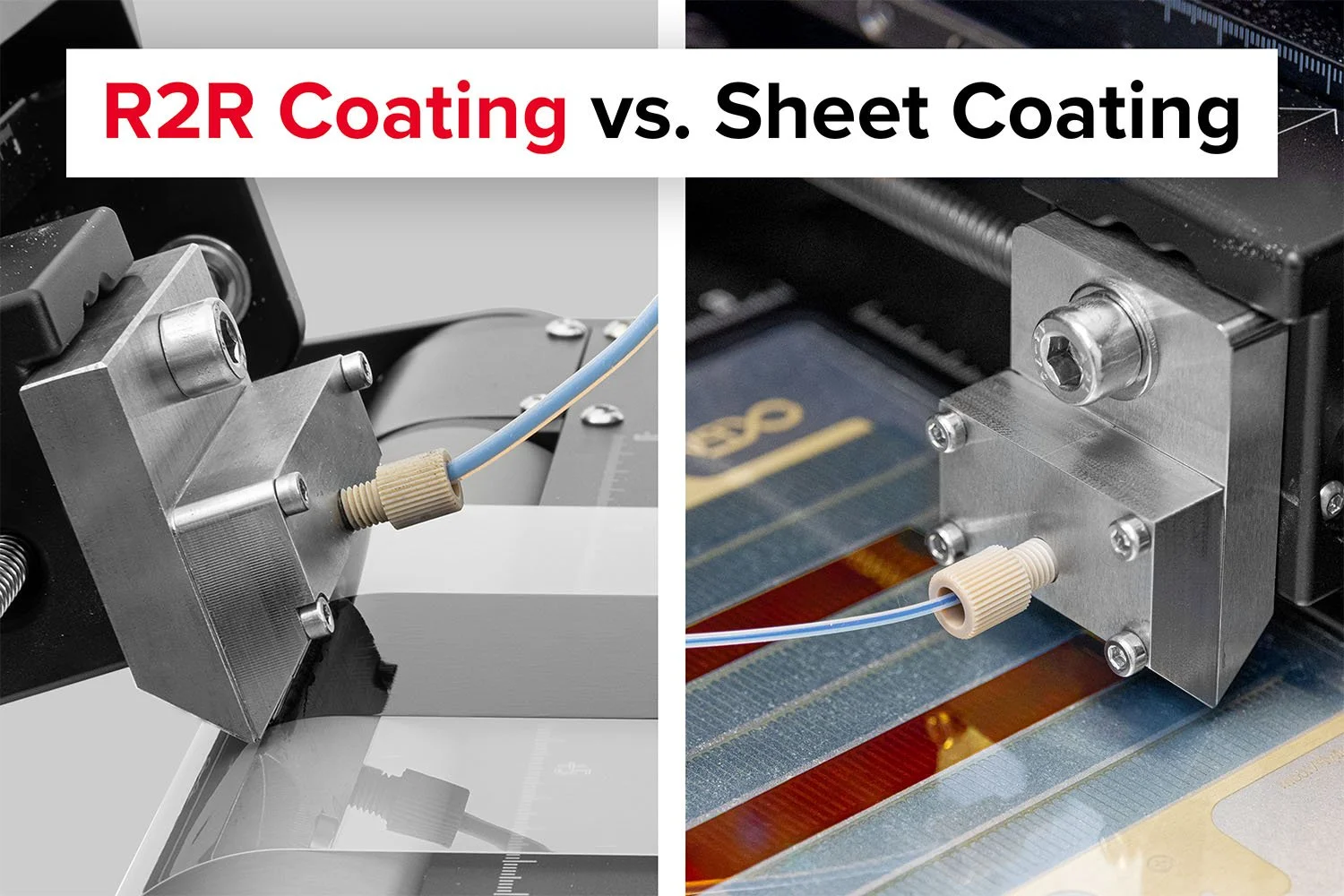
An infinityPV slot-die head was used for continuous roll-to-roll coating
How the infinityPV Slot-Die Head Was Used in the Research
The researchers incorporated an infinityPV Slot-die Head into a custom-built roll-to-roll coating setup. The stainless-steel head had a 10 mm coating width and deposited the colloidal suspension onto a continuously moving PET film. The coated substrate then passed beneath an inline wide-angle camera before being rewound.
The experimental system allowed the researchers to control substrate velocity, pump rate and coating gap. A meniscus guide was used during coating, while continuous agitation helped maintain a homogeneous colloidal suspension. A magnetic stirrer bar inside the syringe and a vibrating motor attached to the delivery tubing helped reduce particle aggregation, sedimentation and jamming, which otherwise caused streaks and larger coating defects.
Using this setup, the researchers systematically varied the coating conditions and evaluated the resulting structures at both macroscopic and particle scales. They identified an optimised condition for the tested silica suspension at a pump rate of 4.5 mL/h and a substrate velocity of 9 mm/s, with a coating gap of 0.5 mm. This condition produced a theoretical wet coating thickness of 14 µm and the highest-quality colloidal crystal monolayer observed in the study.
The work demonstrates how a slot-die head can be integrated into a controlled experimental platform to investigate the relationship between coating parameters and material structure. Importantly, the reported results were obtained using a custom-built experimental rig, rather than a complete commercial infinityPV roll-to-roll system.
“In summary, 36 𝜇𝜇m thick polyethylene terephthalate film (PMX727/36 HiFi Films, United Kingdom) is unwound from a first roll, passed under a 10 mm wide stainless steel slot die (infinityPV, Denmark), passed under an inline wide angle camera and then rewound onto a second roller. The substrate velocity, pump rate and coating gap were all computer controlled using custom made, LabView programs. A meniscus guide was used for all coatings.”
References
Passmore, C., Parnell, A. J., Howse, J. R. and Ebbens, S. J. “High throughput manufacture of colloidal crystal monolayers with optimisable crystallinity.” Scientific Reports (2026). https://doi.org/10.1038/s41598-026-71838-y
Trusscore Use infinityPV Slot-die Heads
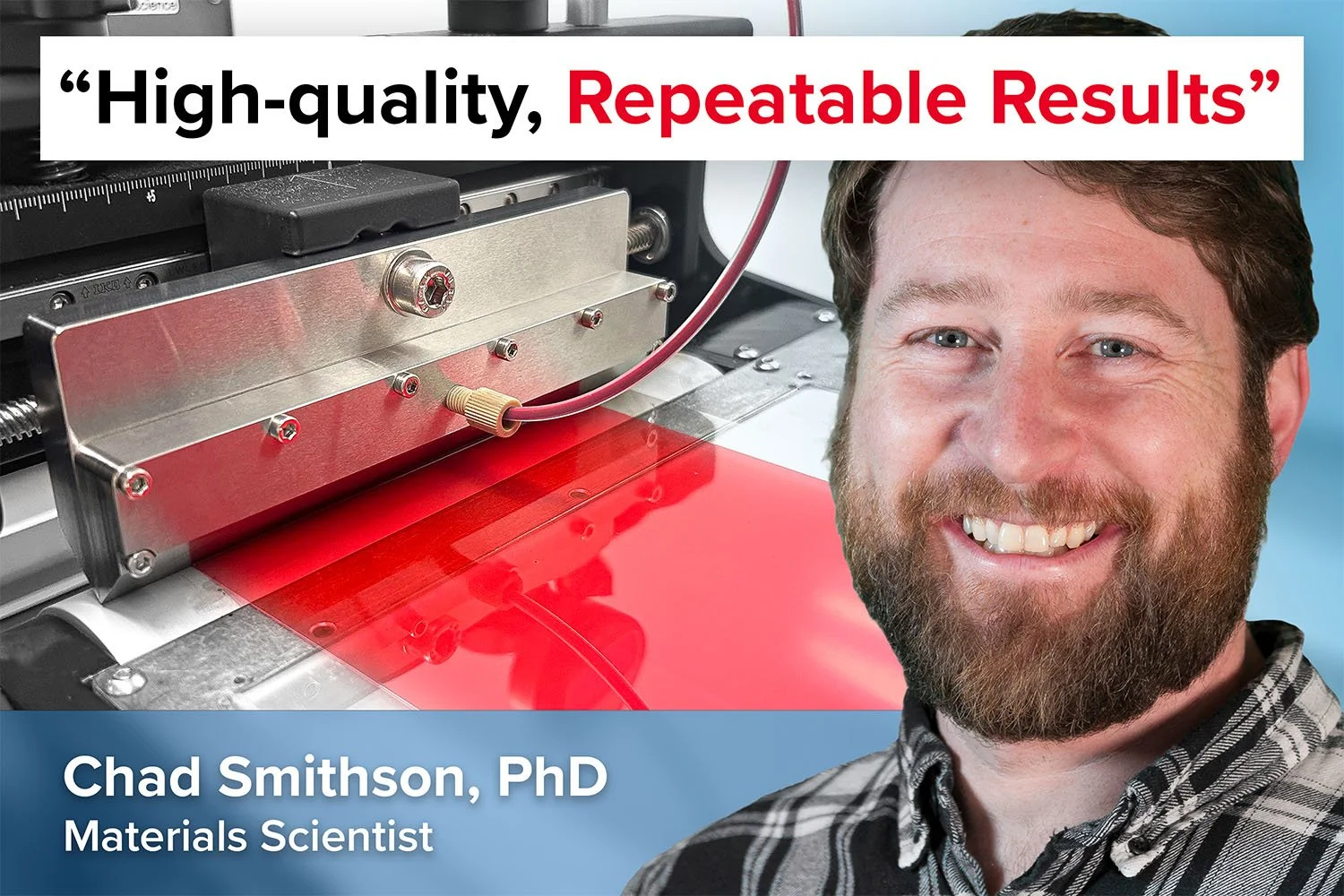
“The slot-die print heads consistently deliver high-quality, repeatable results from run to run.” — Chad Smithson, Materials Scientist at Trusscore. Read the full case study.
How Can We Help With Your Research?

Need help with slot-die coating or machines? Contact our experts for guidance and support.
We Are Trusted by Top Scientists Worldwide
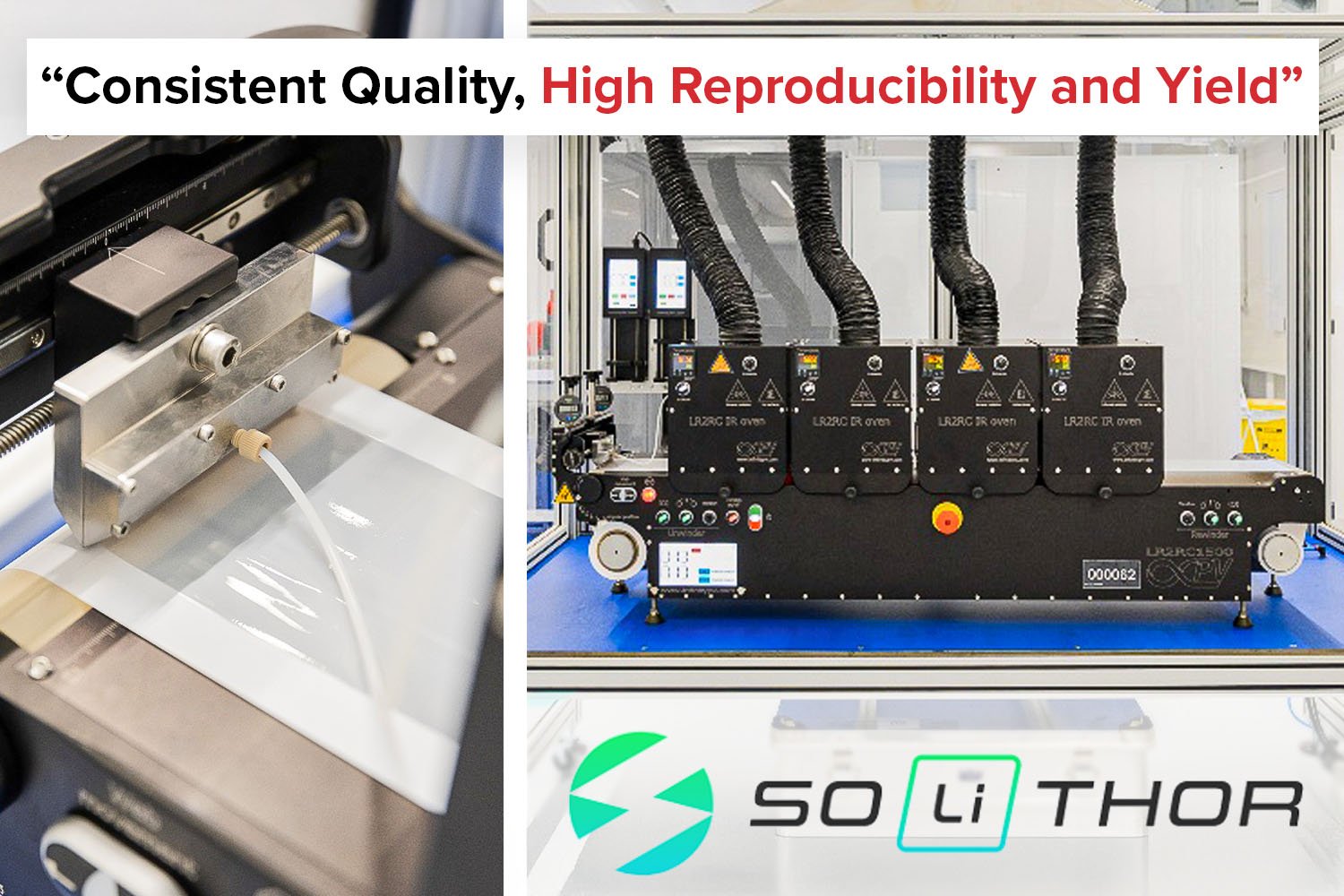



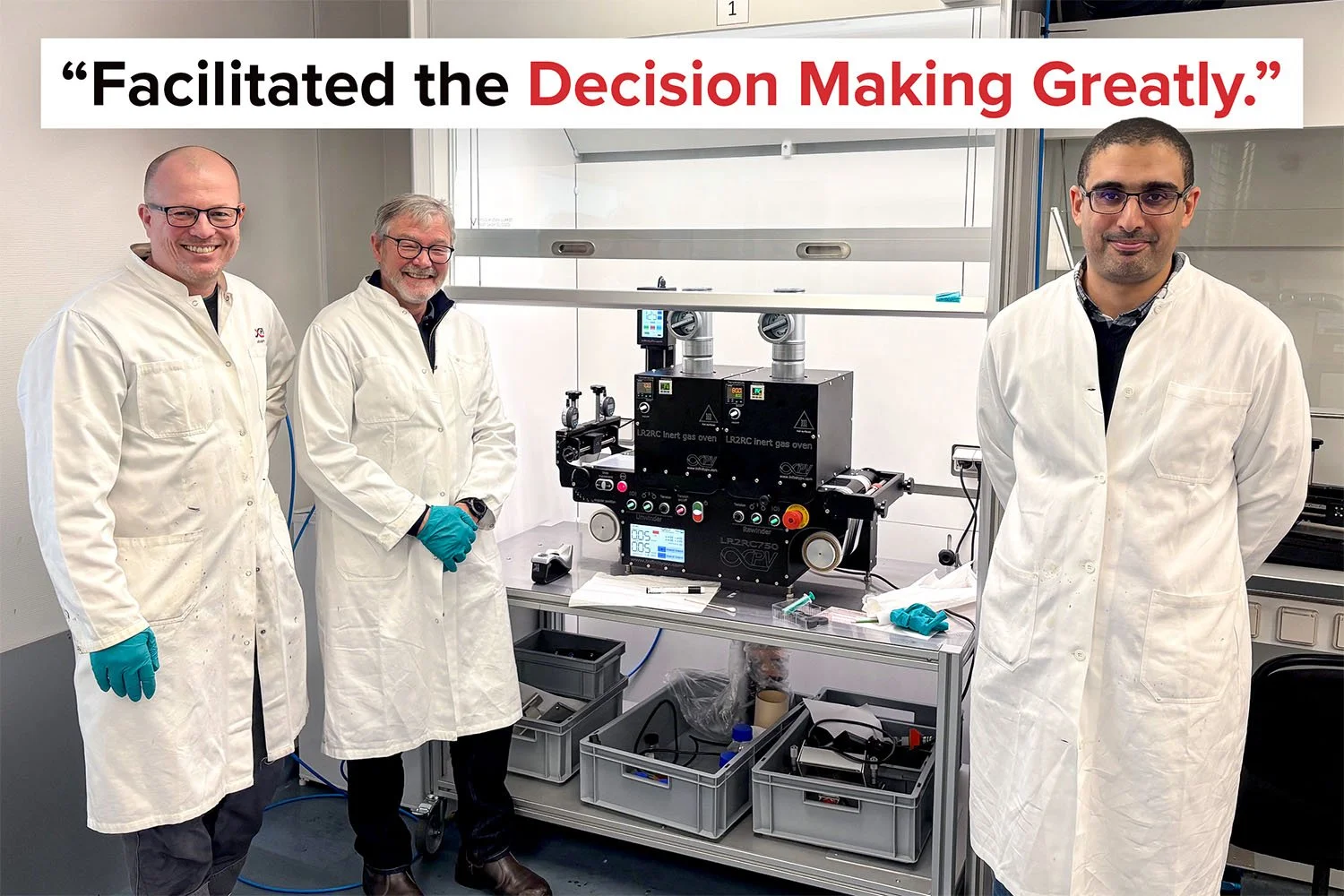




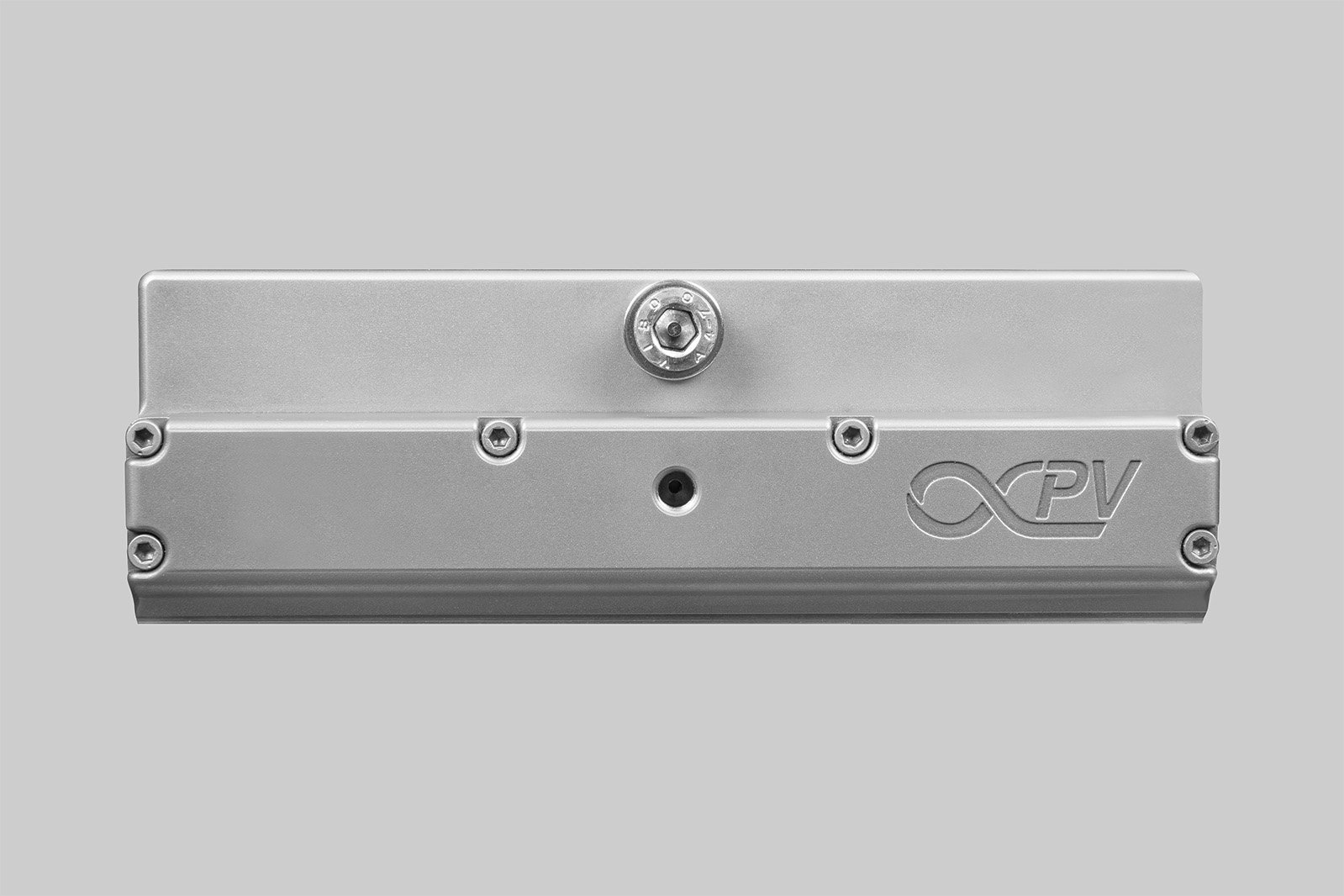
The infinityPV slot-die heads offer unparalleled performance across various materials and size. Available in PEEK, Stainless and Titanium in standard widths of 40 mm, 65 mm, 115 mm, 165 mm, 195 mm and 305 mm. View video.