
University of Calgary Develops UV-B Sensing Films Using Tabletop Roll-to-Roll Coater
In a new study, researchers from the University of Calgary used infinityPV’s Tabletop Roll-to-Roll Coater (since evolved into the Laboratory Roll-to-Roll Coater) to manufacture flexible photochromic films that selectively respond to UV-B light. The research demonstrates how slot-die coating can produce large-area functional coatings for reusable UV sensors on both plastic and textile substrates.
The work addresses a key challenge in photochromic UV sensing.
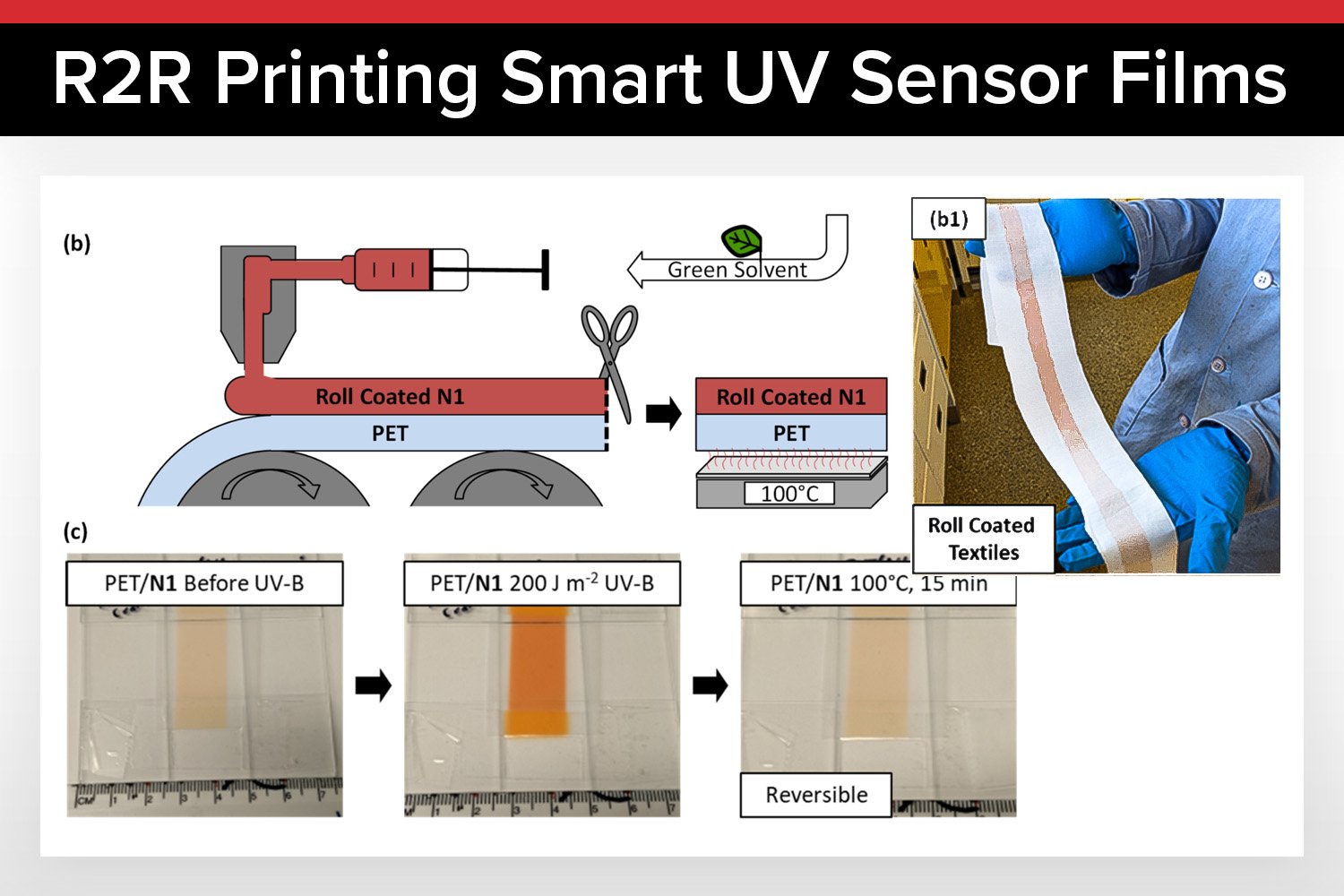
While many photochromic materials change color when exposed to light, they often suffer from limited stability, poor reversibility, or insufficient selectivity toward harmful UV-B radiation. The researchers developed a naphthopyran-based coating that changes from nearly colorless to amber orange under UV-B exposure and returns to its original state after heating. They then combined this material with scalable slot-die coating to fabricate flexible sensor films suitable for larger-area production.
Key Results from the UV Sensor Study
The researchers successfully manufactured 90 cm long photochromic films using slot-die coating under ambient conditions and an environmentally friendlier solvent. Producing continuous, large-area coatings demonstrates that the material can be fabricated using a scalable manufacturing process rather than only as small laboratory samples. The coated films maintained their performance over repeated use. During testing, they switched between colored and colorless states through ten consecutive UV-B exposure and heating cycles without measurable loss of performance, demonstrating good photostability and reusability.
The material also showed a strong preference for UV-B light over UV-A and indoor white light. This selective response makes it particularly suitable for applications that monitor exposure to the most harmful part of the ultraviolet spectrum associated with skin damage. To expand the functionality of the sensors, the researchers fabricated multilayer devices by combining the photochromic films with slot-die coated ZnO UV-filter layers. These additional layers slowed the color change, allowing the researchers to create sensor designs with different UV sensitivities.
Finally, the coating process was successfully transferred from PET plastic to polyester textiles while preserving the photochromic response. This demonstrates that the manufacturing approach is compatible with flexible fabrics and supports future development of wearable UV sensing technologies.
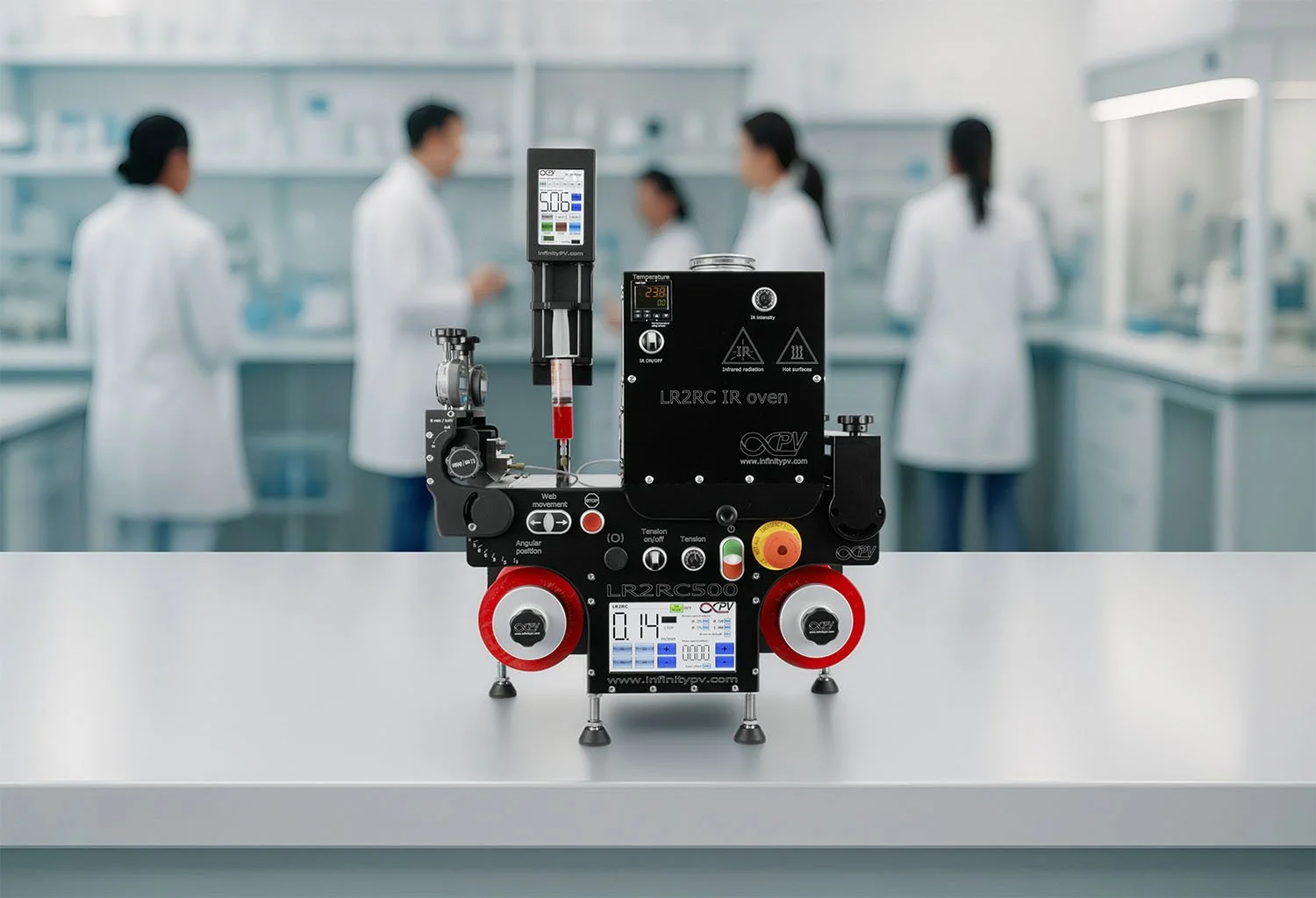
The Tabletop Roll-to-Roll Coater used in the study has since evolved into the Laboratory Roll-to-Roll Coater, designed to offer even greater flexibility and performance.
How the Tabletop Roll-to-Roll Coater Was Used
The researchers used the Tabletop Roll-to-Roll Coater to deposit the photochromic N1 solution onto PET substrates through slot-die coating in ambient air. The coating process produced uniform functional films that were subsequently dried at 100 °C to remove residual solvent. The same equipment was later used to coat polyester textiles by adjusting coating parameters to accommodate the more absorbent substrate.
Beyond producing the active photochromic layer, the roll-to-roll coating process was also used to manufacture ZnO UV-filter layers. These coated layers were laminated together with the photochromic films to create multilayer sensor architectures with different UV sensitivities. This demonstrates how a single coating platform can be used to fabricate multiple functional layers within one device.
The study highlights how the Tabletop Roll-to-Roll Coater supports research that moves beyond laboratory-scale material discovery toward reproducible fabrication of complete functional devices. Rather than coating isolated samples, the researchers produced long continuous films, multilayer structures, and textile-based devices using the same slot-die coating platform.
“Roll-coated films were prepared using an infinity PV Roll coater [...] Roll-coated N1: N1 (40 mg mL−1 in 2-MeTHF) films were prepared via slot-die coating on a PET substrate at 22 ◦C using a web speed of 250 mm min−1, flow rate of 90 μL min−1, and gap height of 100 μm. The shim thickness and width were 120 μm and 15 mm, respectively. Films were dried at 100 ◦C for 15 min on a hot plate. For textile substrates, 100% polyester was ironed prior to roll coating N1 (40 mg mL−1 in 2-MeTHF) overtop using a web speed of 1.2 m min−1, flow rate of 1.1 mL min−1, and gap height of 50 μm.”
From Tabletop to Laboratory Roll-to-Roll Coater
The Tabletop Roll-to-Roll Coater proved to be an invaluable tool for the University of Calgary’s research. Building on this foundation, the platform has since evolved into the Laboratory Roll-to-Roll Coater, designed to offer even greater flexibility and performance.
The Laboratory Roll-to-Roll Coater is more modular and more compact than ever before. It is available in multiple sizes with a smaller footprint, making it easy to integrate into laboratories, gloveboxes, or fume hoods. The system now supports advanced processes such as slurry coating, laser scribing, and wet processing, alongside expanded modular drying and curing methods including inert gas, UV, and UV-LED.
With its enhanced precision, adaptability, and compact design, the Laboratory Roll-to-Roll Coater has become a highly customizable platform for cutting-edge research in printed electronics worldwide.
How Can We Help With Your Research?
Need help with slot-die coating or machines? Contact our experts for guidance and support.
Peer-Reviewed Studies Featuring the Laboratory Roll-to-Roll Coater

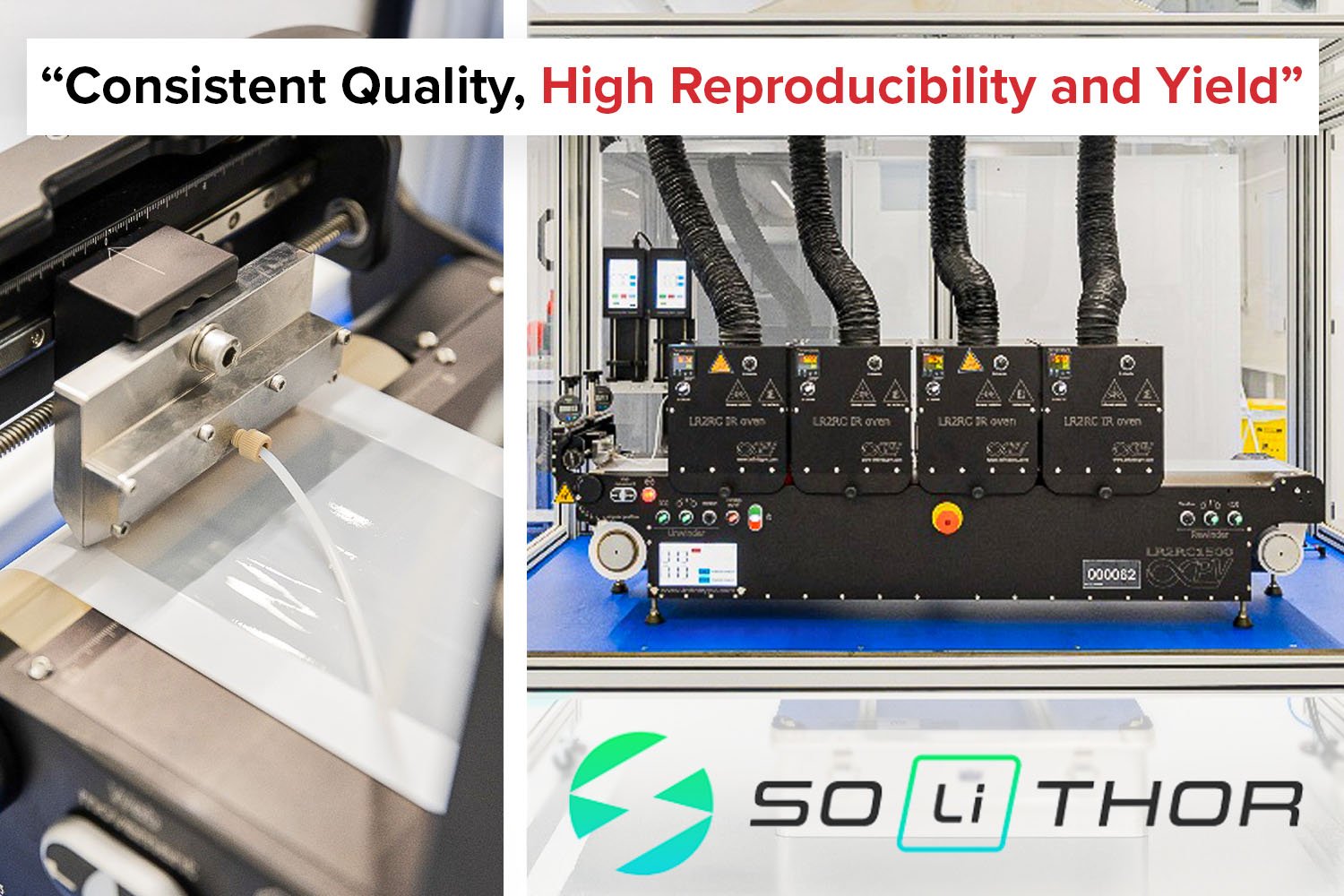


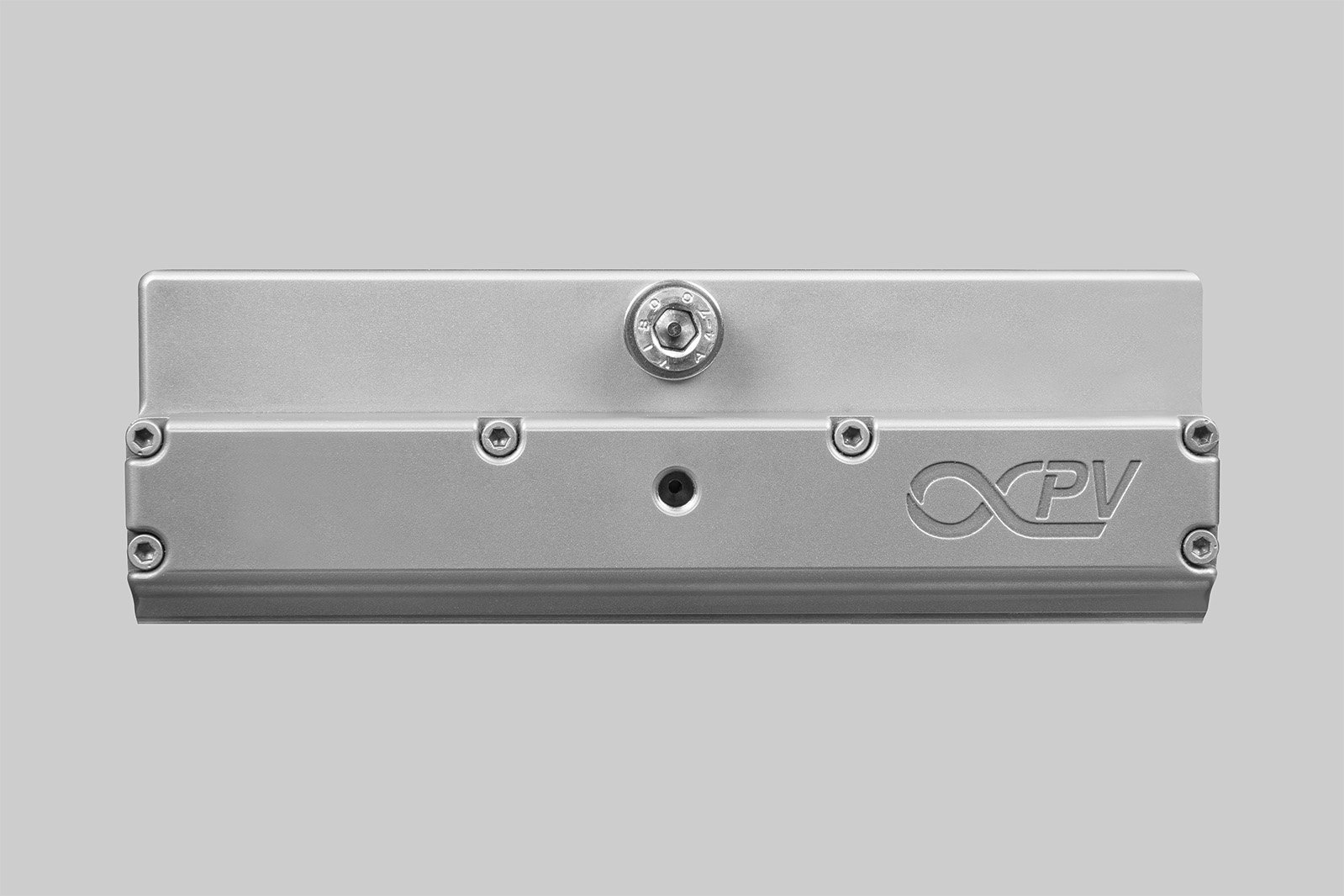

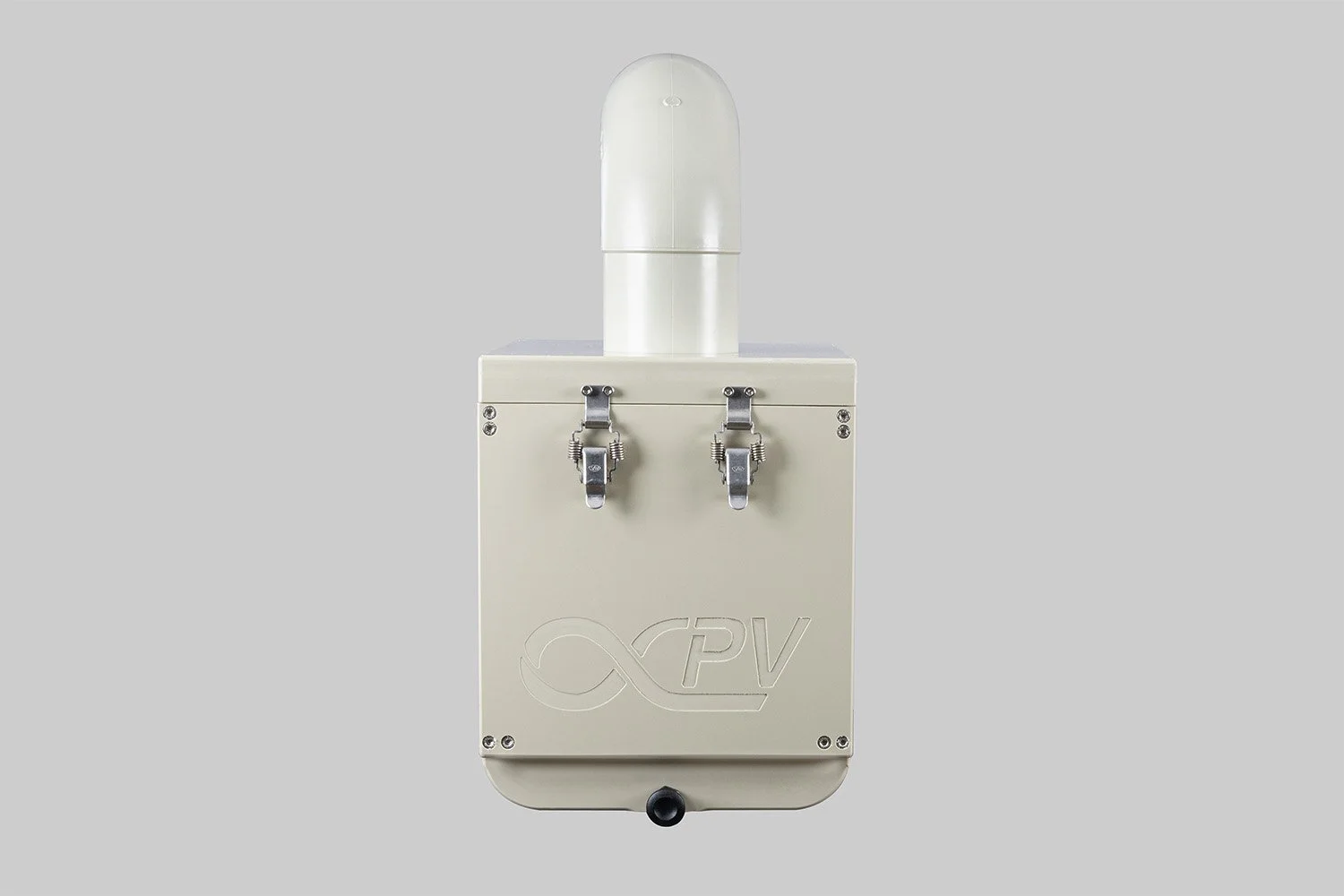


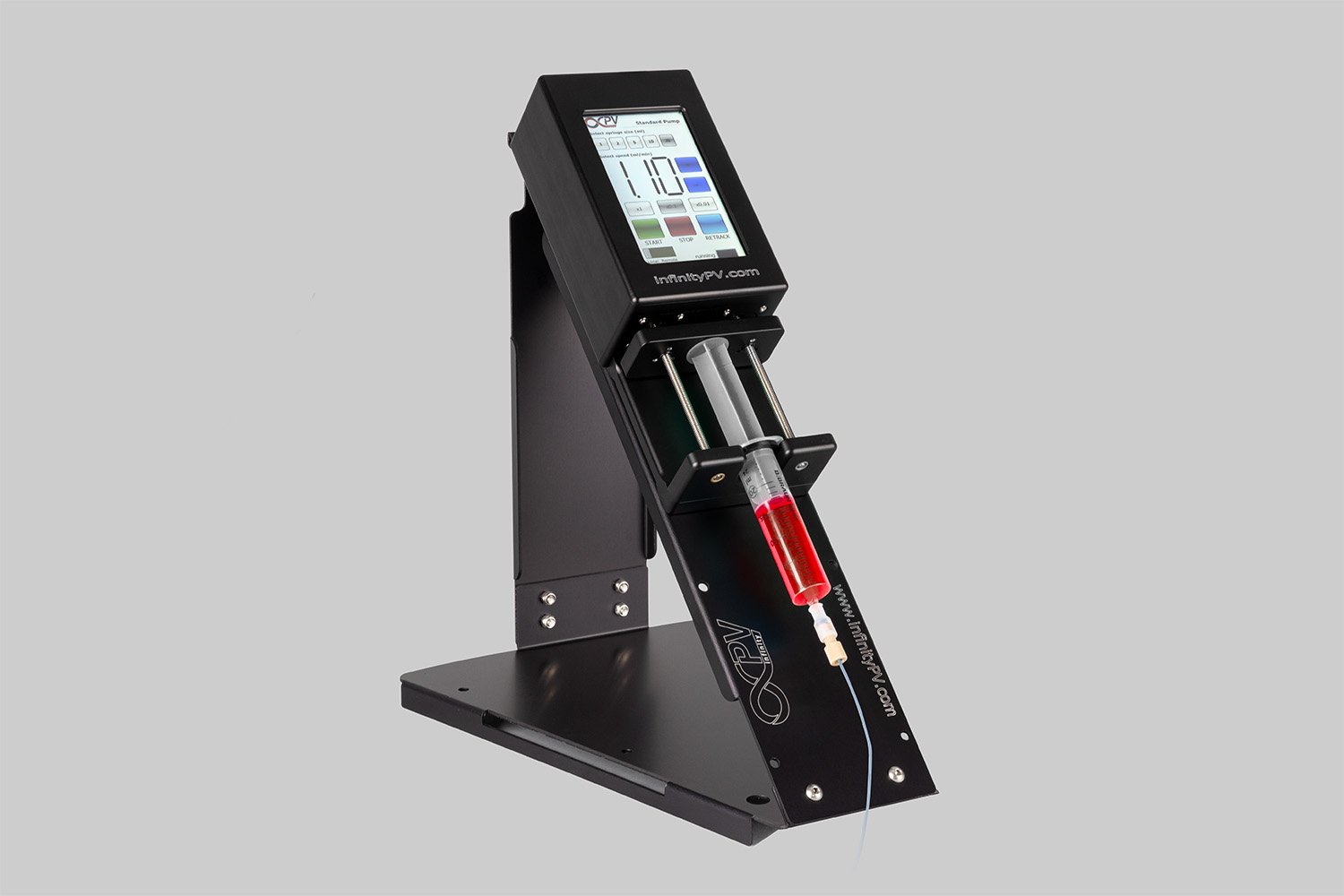
Probably the World’s Most Compact R2R Slot-die Coater: A compact, fully integrated roll-to-roll coating platform for laboratories, complete with a mounting system, anodized rollers, a syringe pump, a 65 mm stainless slot-die head and an infrared oven system—delivering unmatched precision and scalability.