
Gdańsk University of Technology Analyze Outdoor Stability of Perovskite Solar Cells Using infinityPV Source Measure Unit
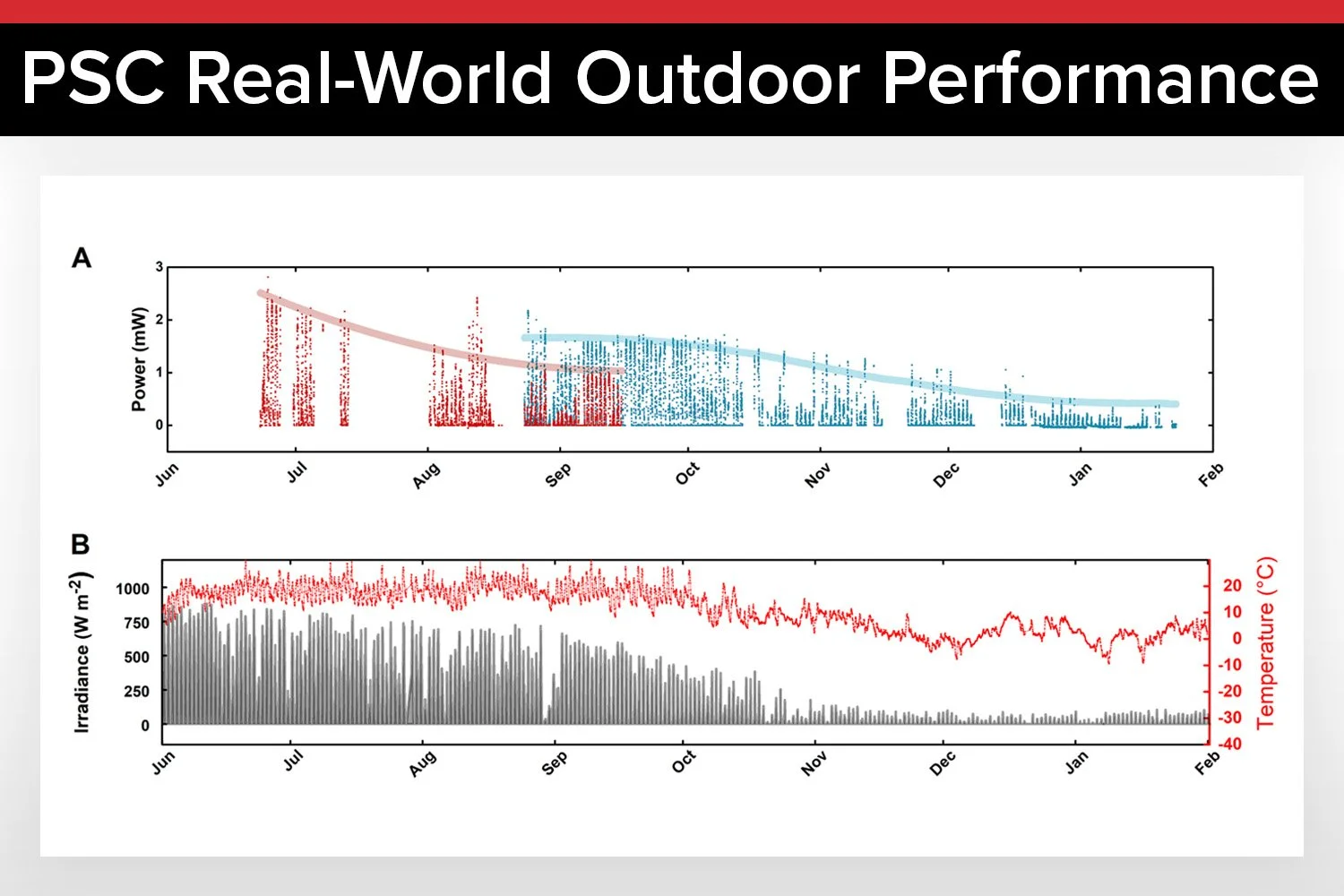
Perovskite solar cells (PSCs) are a promising technology for next-generation photovoltaics, but their long-term stability under real-world conditions remains a critical challenge. In a new study, researchers from Gdańsk University of Technology and National Taiwan University investigated the outdoor stability of semitransparent PSCs under ISOS-O-3 conditions.
The team aimed to identify degradation mechanisms under varying seasonal conditions, compare outdoor degradation with controlled laboratory tests, and analyze electrical losses using light-intensity-dependent measurements and drift-diffusion modeling. Laboratory current-voltage (J–V) measurements were performed using an infinityPV Source Measure Unit, enabling the researchers to characterize device performance throughout the study, while outdoor degradation was monitored using a dedicated 24-channel μMPPT system.
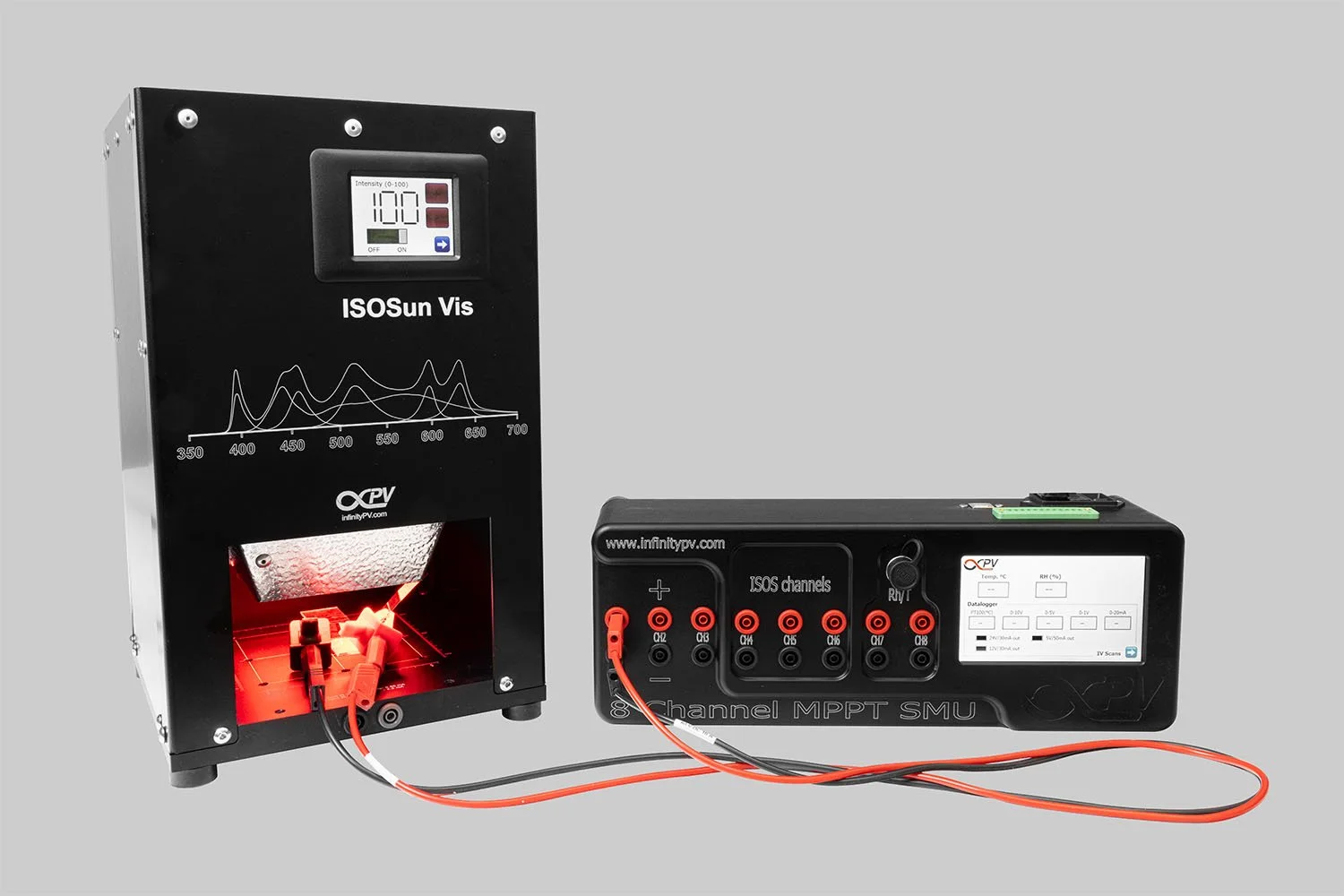
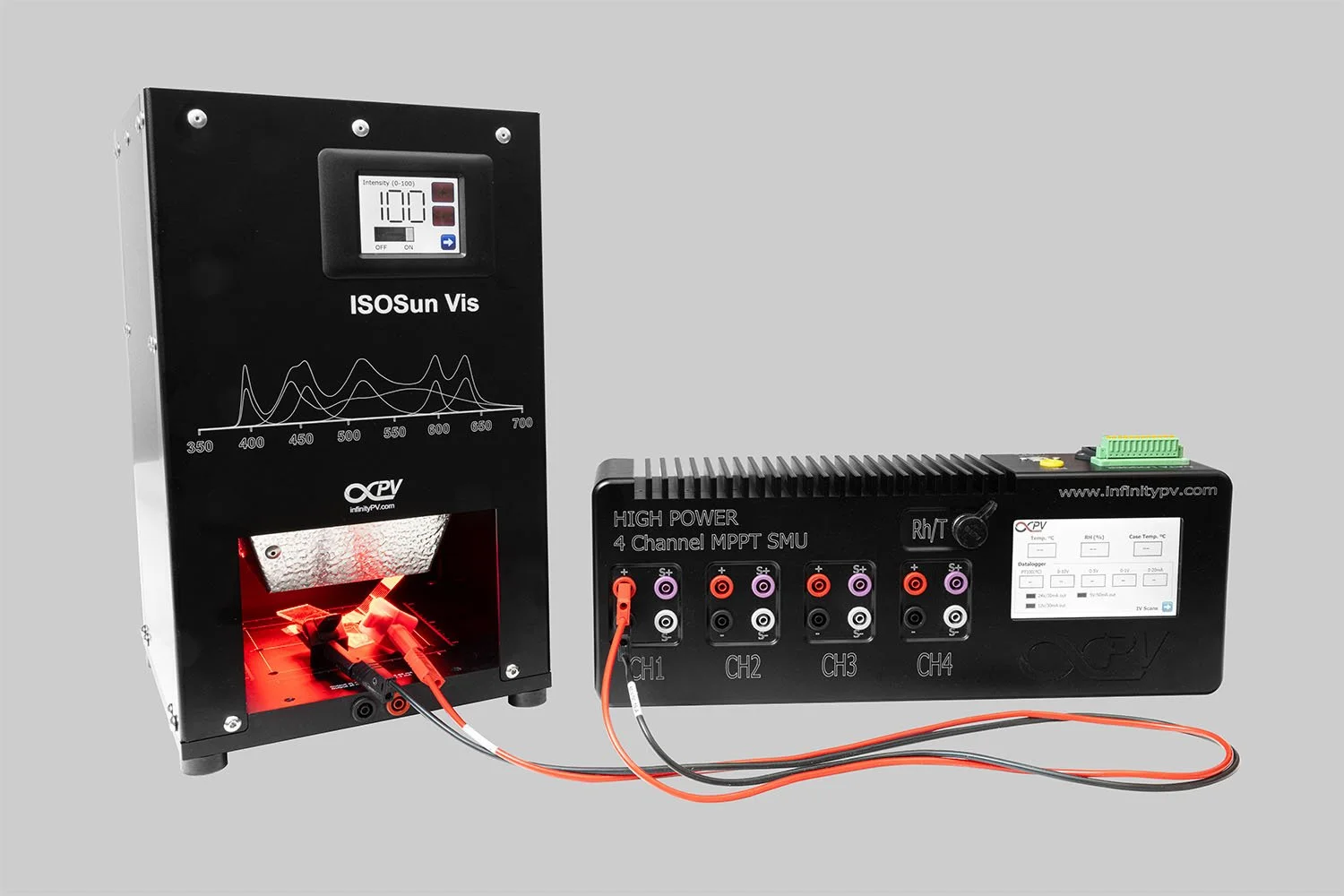
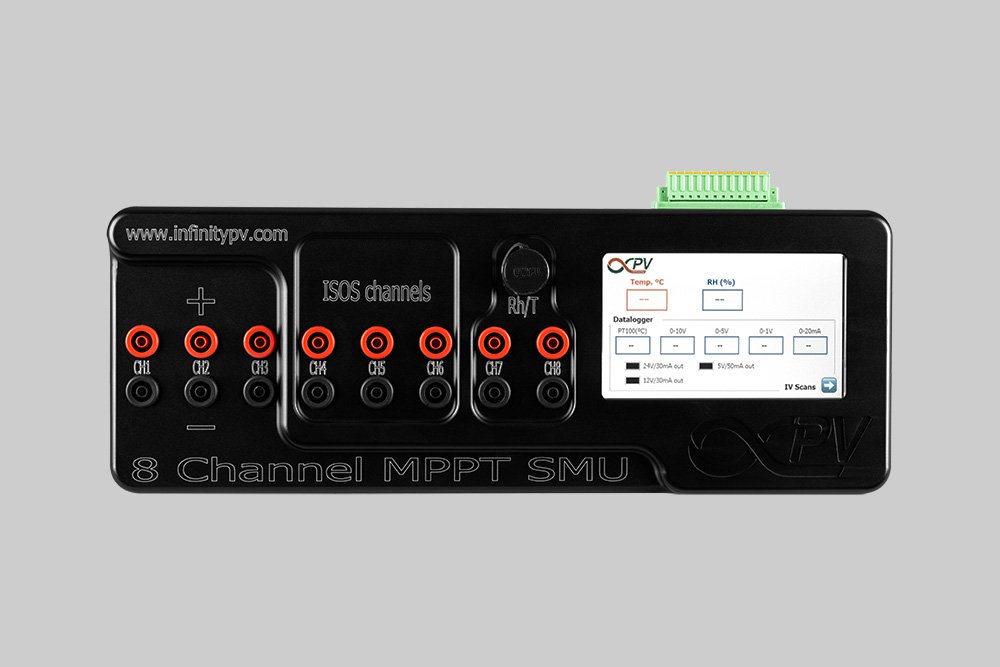
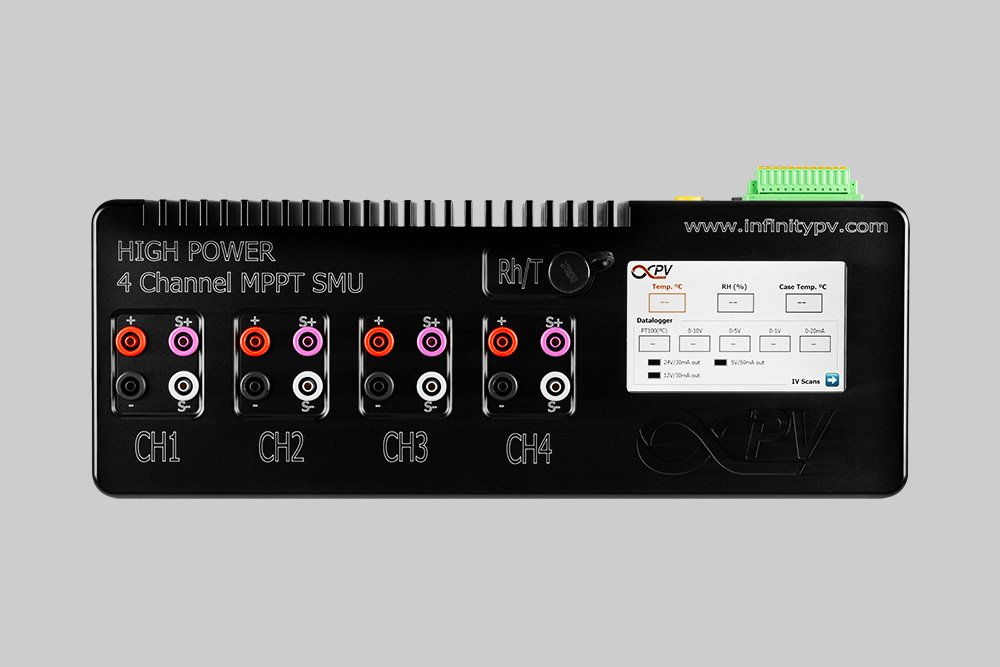
The infinityPV Source Measure Unit was used for laboratory J–V characterization of the semitransparent perovskite solar cells throughout the study.
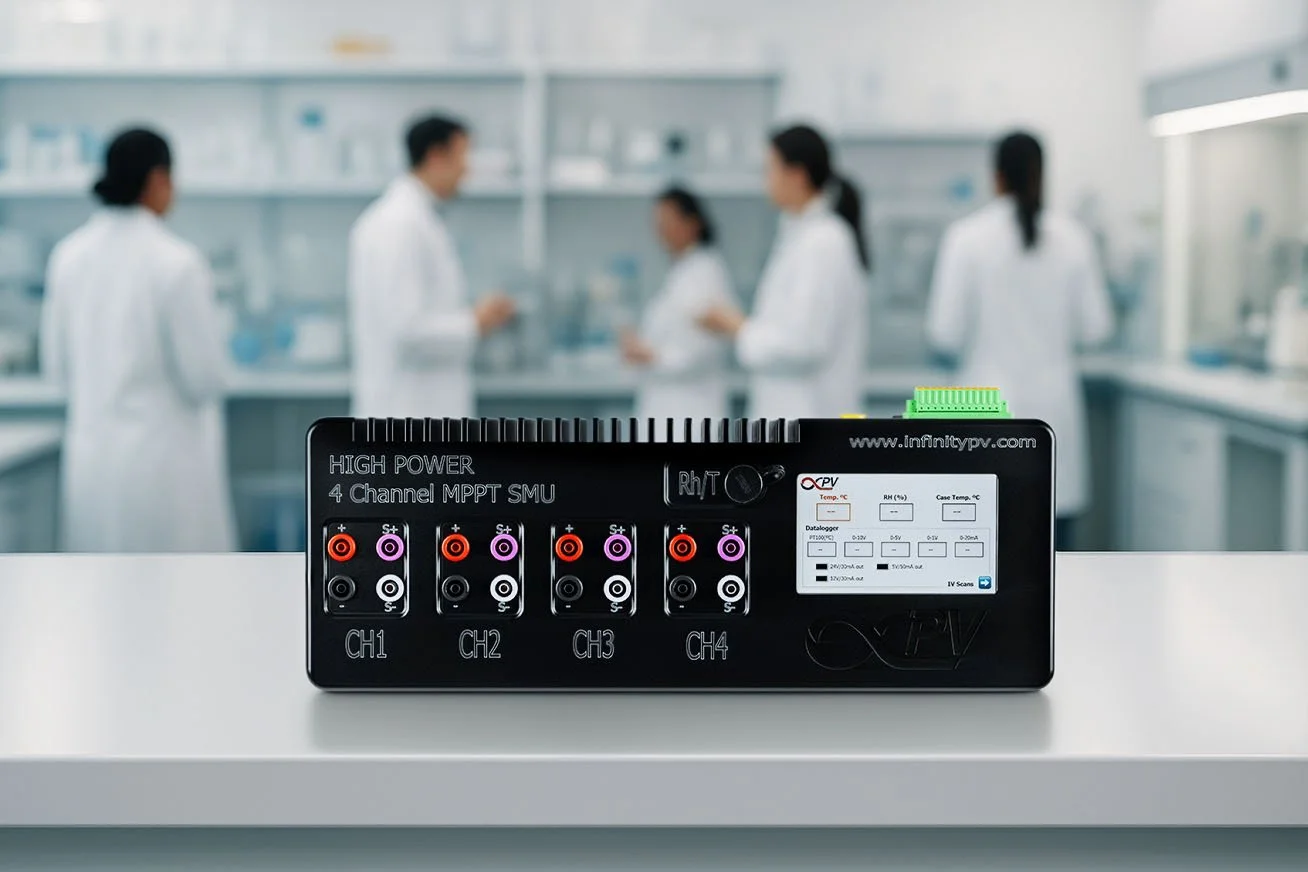
The Source Measure Unit was used to evaluate the outdoor stability of semitransparent Perovskite Soalr Cells under ISOS-O-3 conditions.
Key Findings
The research revealed that seasonal and environmental factors significantly impact the stability of perovskite solar cells. During the summer season, the cells retained 84% of their initial power conversion efficiency after 1,150 hours but degraded more rapidly under higher irradiance and temperatures. In contrast, during the fall season, the cells retained 77% of their initial efficiency after 3,100 hours, reflecting a slower degradation rate under milder environmental conditions.
Continuous light exposure was identified as the dominant degradation mechanism, primarily causing reductions in short-circuit current. Temperature and humidity initially improved device performance by reducing charge-extraction losses but later contributed to gradual declines in photovoltaic performance during extended aging. Drift-diffusion modeling further showed increasing bulk defect density during outdoor degradation, while accelerated light-soaking experiments indicated that reduced charge carrier mobility was a major contributor to long-term performance loss.
With 20 independently tunable LED channels covering 385–1300 nm, the ISOSun Pro Solar Simulator accurately reproduces indoor, outdoor, and AM1.5G spectra across illuminated areas of up to 1000 cm².
How the Source Measure Unit Was Used
“External Quantum Efficiency (EQE) curves of the devices were measured using an EQE system (M250, Optel Opole) equipped with a Keithley 6485 source meter and an SM1PD2A UV-enhanced silicon photodiode (Thorlabs). The photocurrent–voltage (J–V) characteristics were recorded using a source meter (infinityPV) under 100 mW cm2 illumination from an AM1.5G solar simulator (450 W lamp, Optel Opole) equipped with an AM1.5G filter (Sciencetech). The light intensity was calibrated using a CalCell Reference Device from infinityPV. To apply the light-intensity-modulated technique, a set of filters was used to obtain 1, 0.5, 0.1, 0.01 and 0.001 suns.”
What This Means for Your Research
This study demonstrates how the infinityPV Source Measure Unit can be integrated into advanced photovoltaic research workflows. In this work, the instrument was used to record laboratory J–V characteristics throughout the stability study, while the CalCell Reference Device was used to calibrate light intensity during photovoltaic characterization.
The flexibility of the Source Measure Unit, with both low-power and high-power variants, supports a wide range of photovoltaic research applications. Its 16-bit resolution, multi-channel architecture, synchronous and asynchronous operation modes, and compatibility with environmental sensors make it well suited for long-term characterization and testing. The user-friendly touchscreen interface and free software updates further enhance its usability for researchers working on solar cells and other optoelectronic devices.
How Can We Help With Your Research?
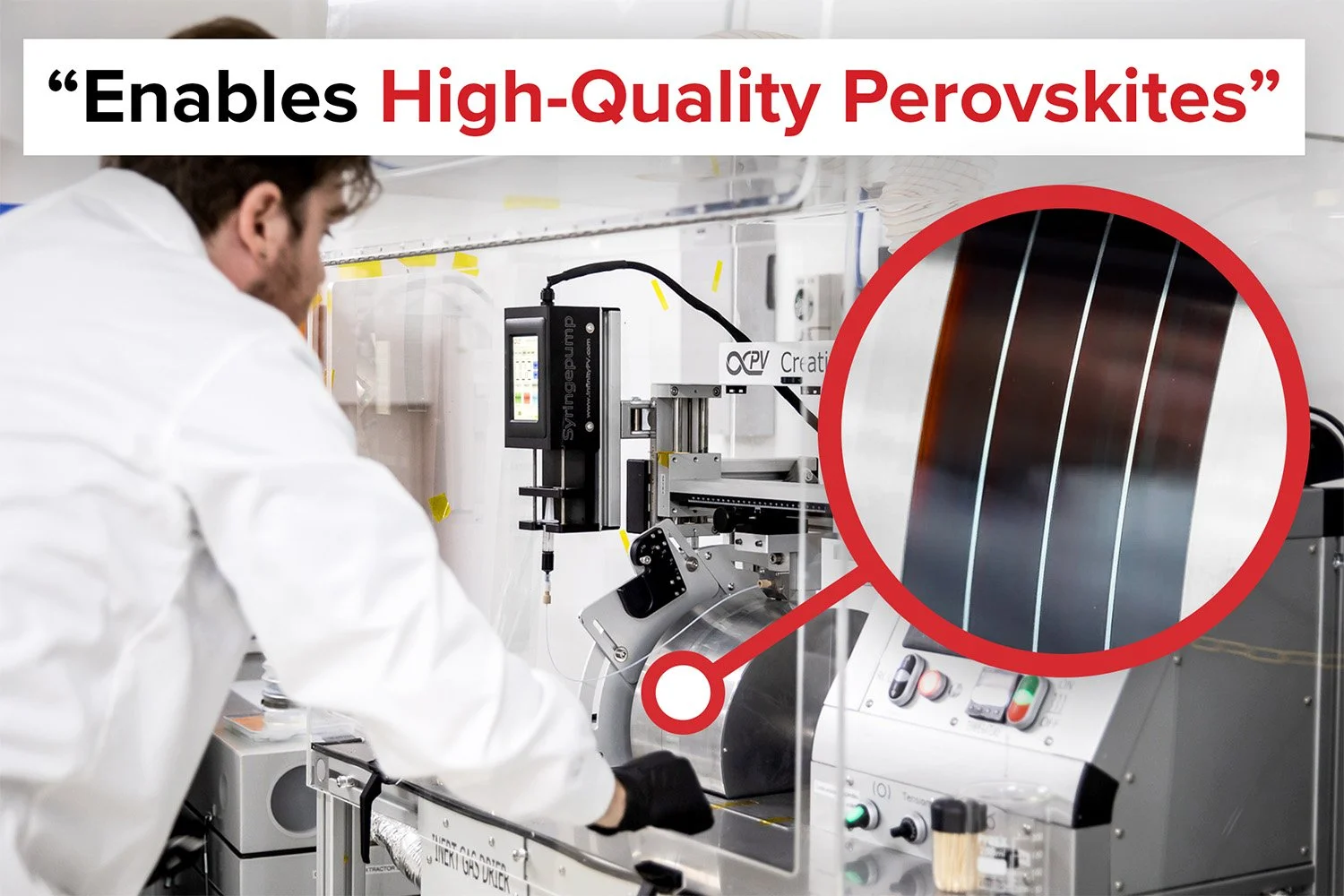
Need help with slot-die coating or machines? Contact our experts for guidance and support.
Peer-Reviewed Studies Featuring infinityPV Equipment




Compact solar simulator covering 385–1300 nm with 20 selectable wavelengths over areas up to 1000 cm². Delivers up to 7 suns intensity with up to class A+A+A+ uniformity. Fully compatible with the infinityPV MPPT SMU series and a range of optional environmental accessories, including sample holders, Rh/T probes, photodiodes, and spectrometers.