
Continuous, High-Area, Chitosan-Based Thin Films Manufactured Using Slot-die Coating
Chitosan-based films hold immense potential for applications in medicine, food science, and water treatment, yet their commercial adoption has been limited by the lack of scalable production methods.
A study published in Polymers demonstrates how a lab-scale slot-die coating technique can produce continuous, high-area chitosan-based thin films efficiently and cost-effectively.
The research highlights the mechanical strength and uniformity of films created using this method, proving its viability for industrial-scale manufacturing. This breakthrough could pave the way for chitosan films to replace traditional plastics in packaging and other high-volume applications.
What You Need to Know
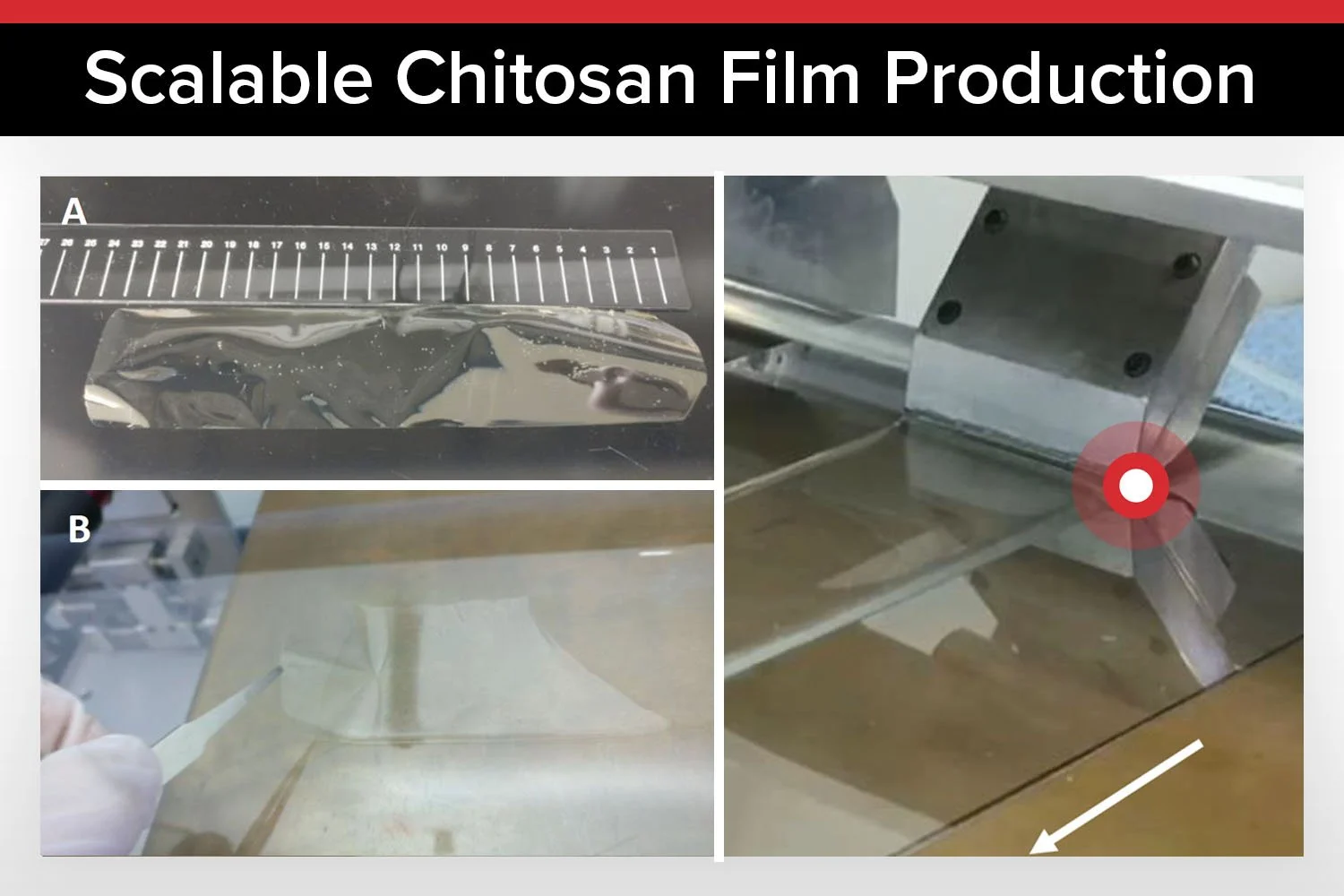
The study focuses on producing chitosan-based thin films using a slot-die coating technique, a method traditionally used for high-volume manufacturing. Researchers successfully created films from chitosan, chitosan-TEOS, and chitosan-glutaraldehyde hydrogels, all of which exhibited strong mechanical properties comparable to films made with other methods.
Mechanical testing revealed that hybrid films incorporating TEOS and glutaraldehyde showed higher yield strength than plain chitosan films. Importantly, no mechanical anisotropy was detected, meaning the films maintained consistent properties regardless of the extrusion direction.
The slot-die approach proved to be a rapid and reproducible method for creating high-quality chitosan films, suggesting its potential for scaling up to commercial production levels.
The Study in Detail
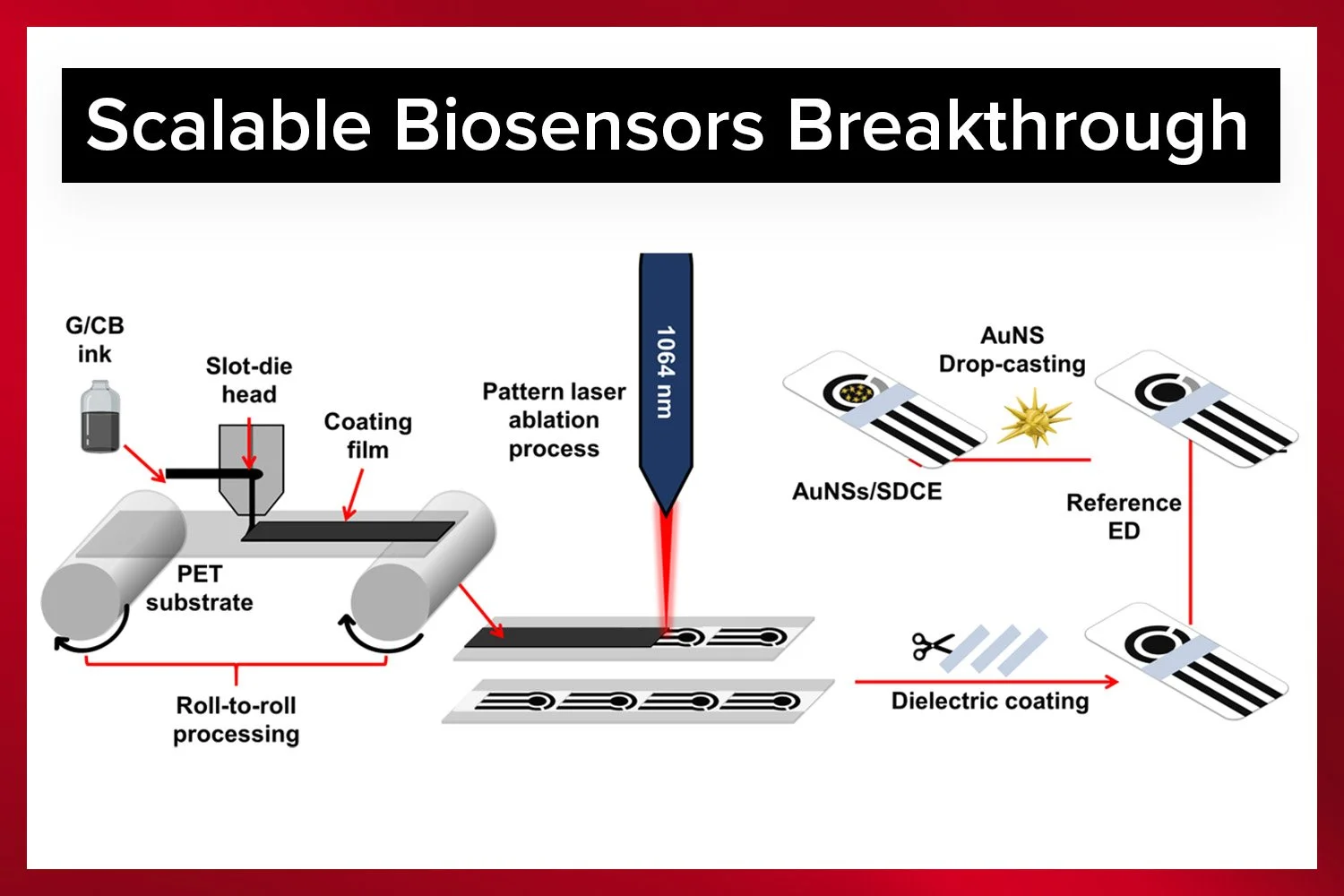
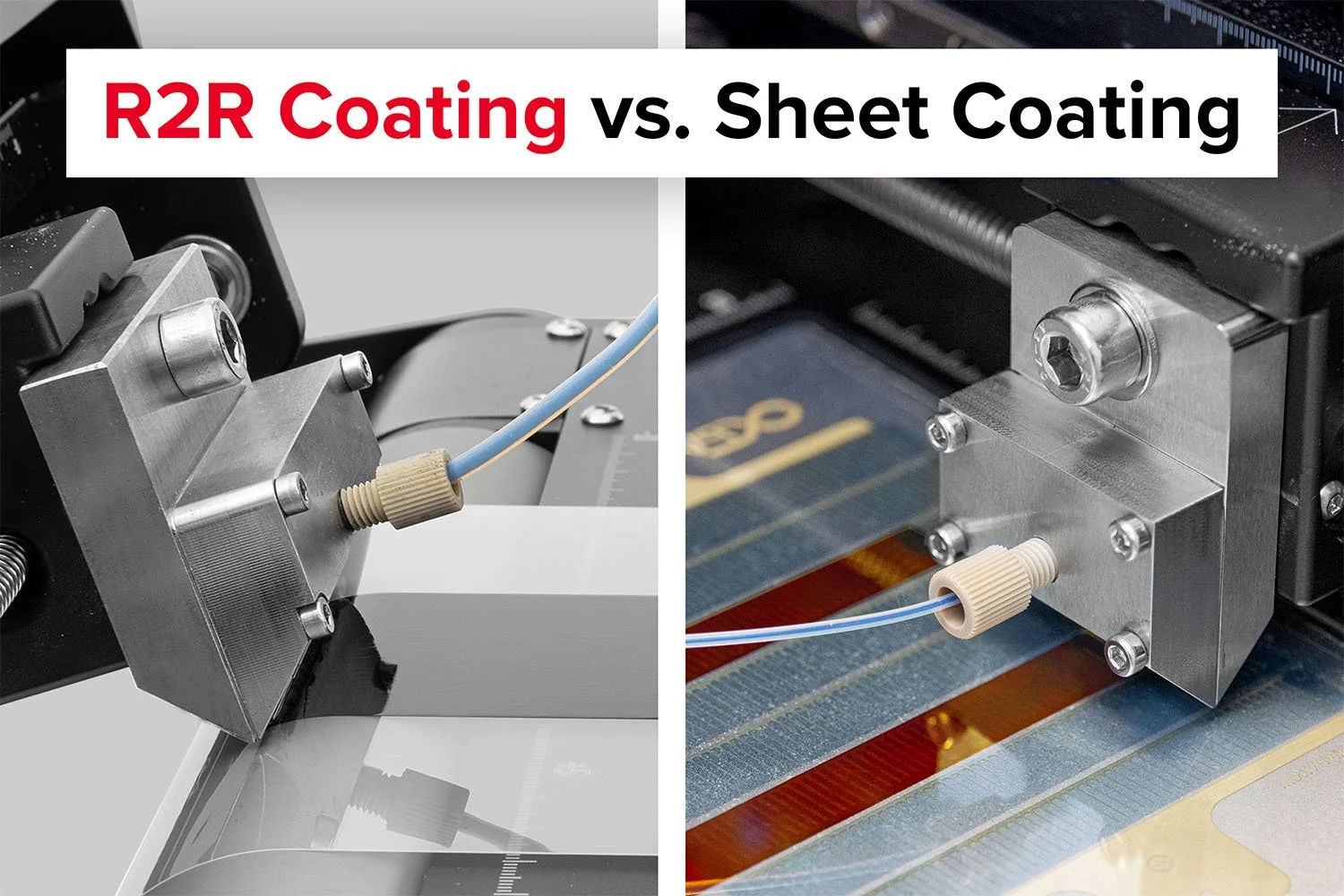
The research team utilized a slot-die roll-to-roll machine to deposit chitosan-based hydrogels onto a PET substrate. The apparatus consisted of two rollers with a heated plate in between, allowing for precise control over film thickness and uniformity. The hydrogels were extruded through a slot-die nozzle, forming continuous films that were later dried and peeled off for testing.
Three types of chitosan-based hydrogels were prepared: plain chitosan, chitosan-TEOS interpenetrating polymer networks (IPNs), and chitosan-glutaraldehyde cross-linked films. Each type was synthesized using established procedures, with TEOS and glutaraldehyde introduced to enhance mechanical properties. The films were then subjected to tensile strength tests to evaluate their performance.
The results showed that the slot-die method produced films with uniform thickness and strong mechanical properties. Chitosan-TEOS and chitosan-glutaraldehyde films demonstrated higher yield strengths than plain chitosan, with the latter being the most brittle. The study also confirmed that the slot-die process did not induce mechanical anisotropy, ensuring consistent film properties regardless of extrusion direction.
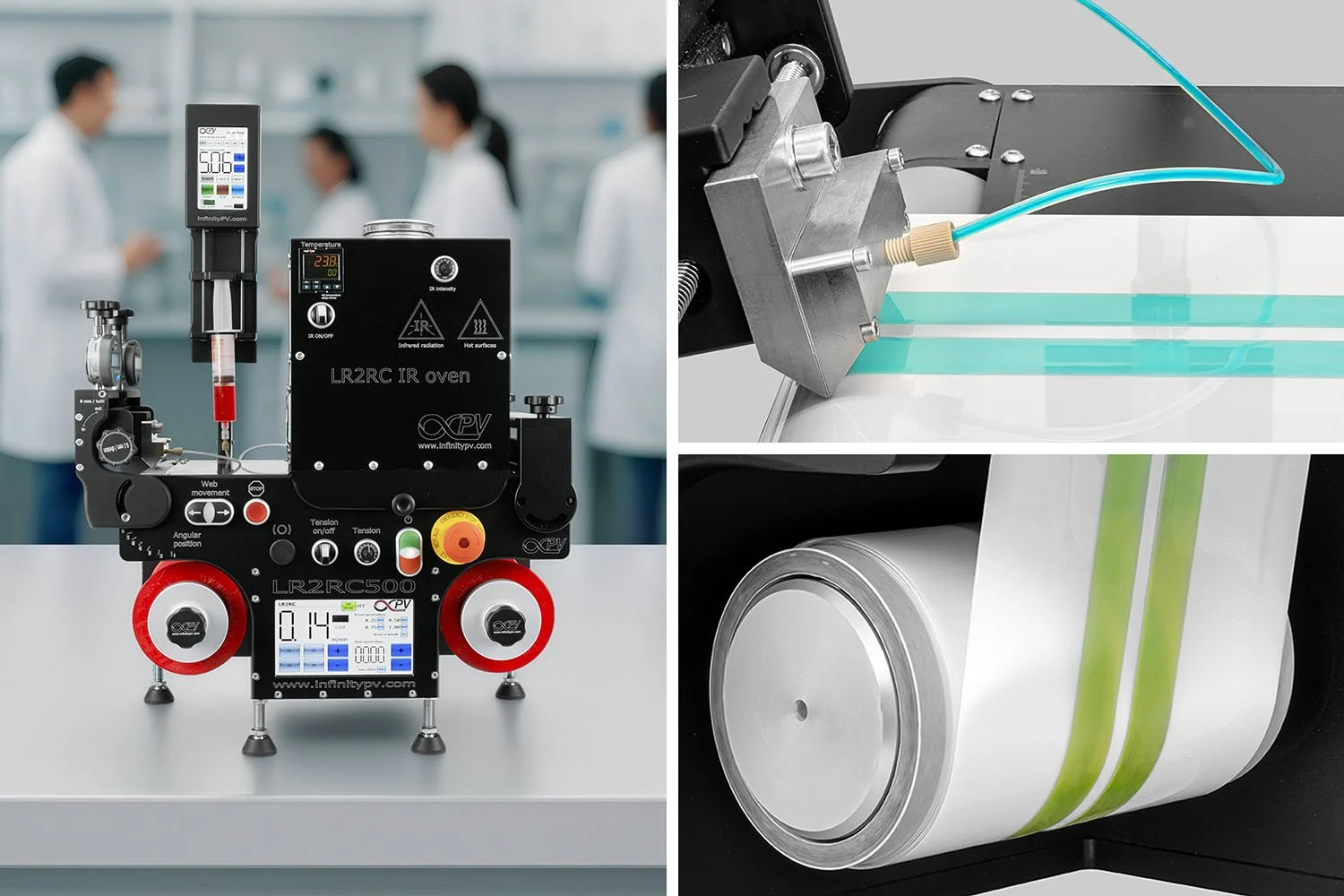
Scalable slot-die coating is easy and precise with the Laboratory Roll-to-Roll Coater.
The Benefits of Slot-Die Coating for Chitosan Films
Slot-die coating offers several advantages for producing chitosan-based films. It enables continuous, high-volume production, making it ideal for industrial applications. The method ensures uniform film thickness and mechanical properties, which are critical for applications like packaging and medical devices.
Unlike batch processes such as solution casting or spin coating, slot-die coating allows for the rapid and scalable production of thin films. This efficiency reduces production time and costs, making it a practical solution for manufacturers looking to adopt chitosan-based materials. Additionally, the ability to control film dimensions precisely ensures reproducibility, a key factor for commercial success.
The study’s findings underscore the potential of slot-die coating to produce high-quality chitosan films with minimal waste and maximum efficiency. This method could help bridge the gap between lab-scale research and large-scale manufacturing, enabling the widespread adoption of biodegradable and sustainable materials.
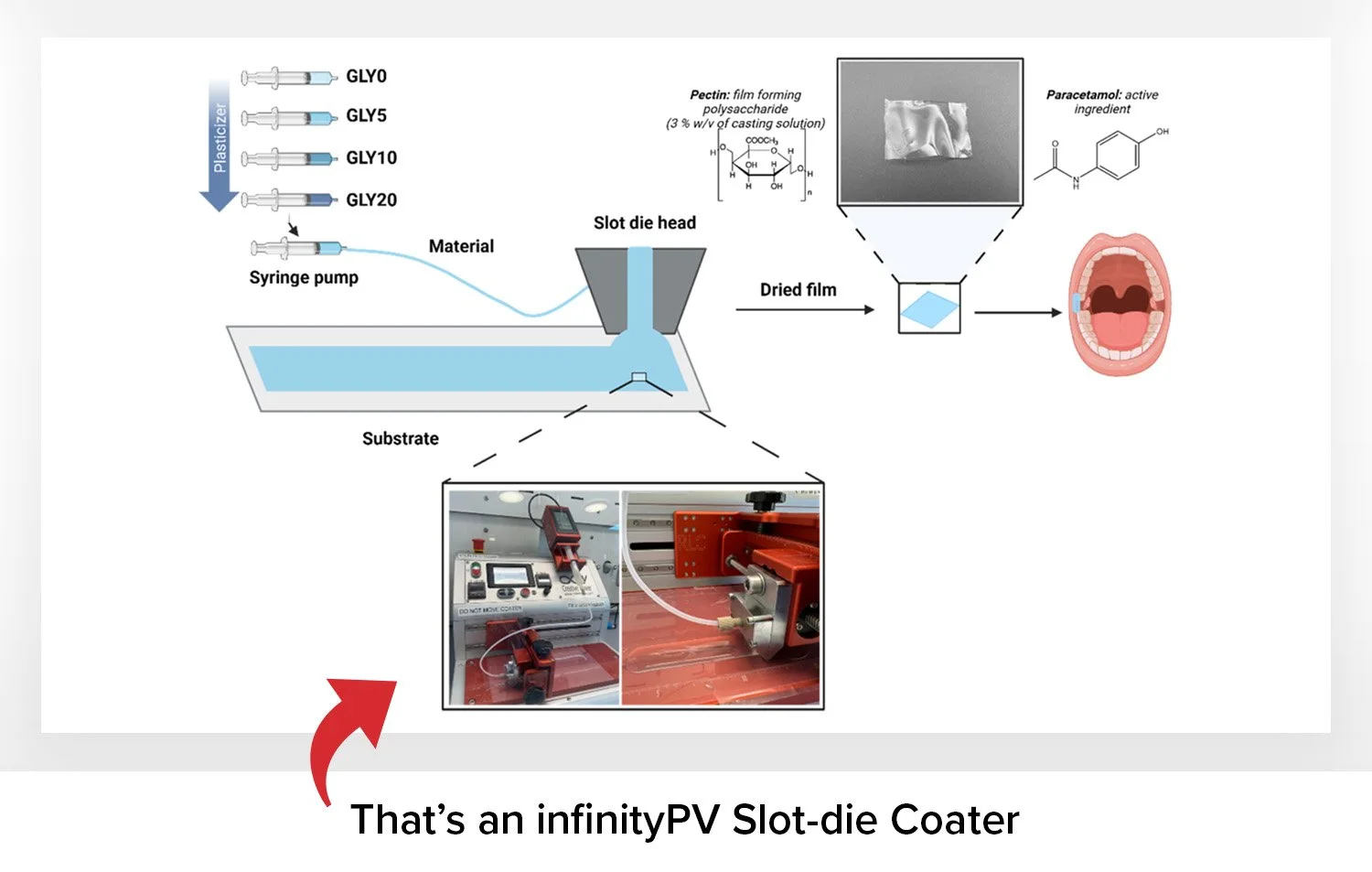
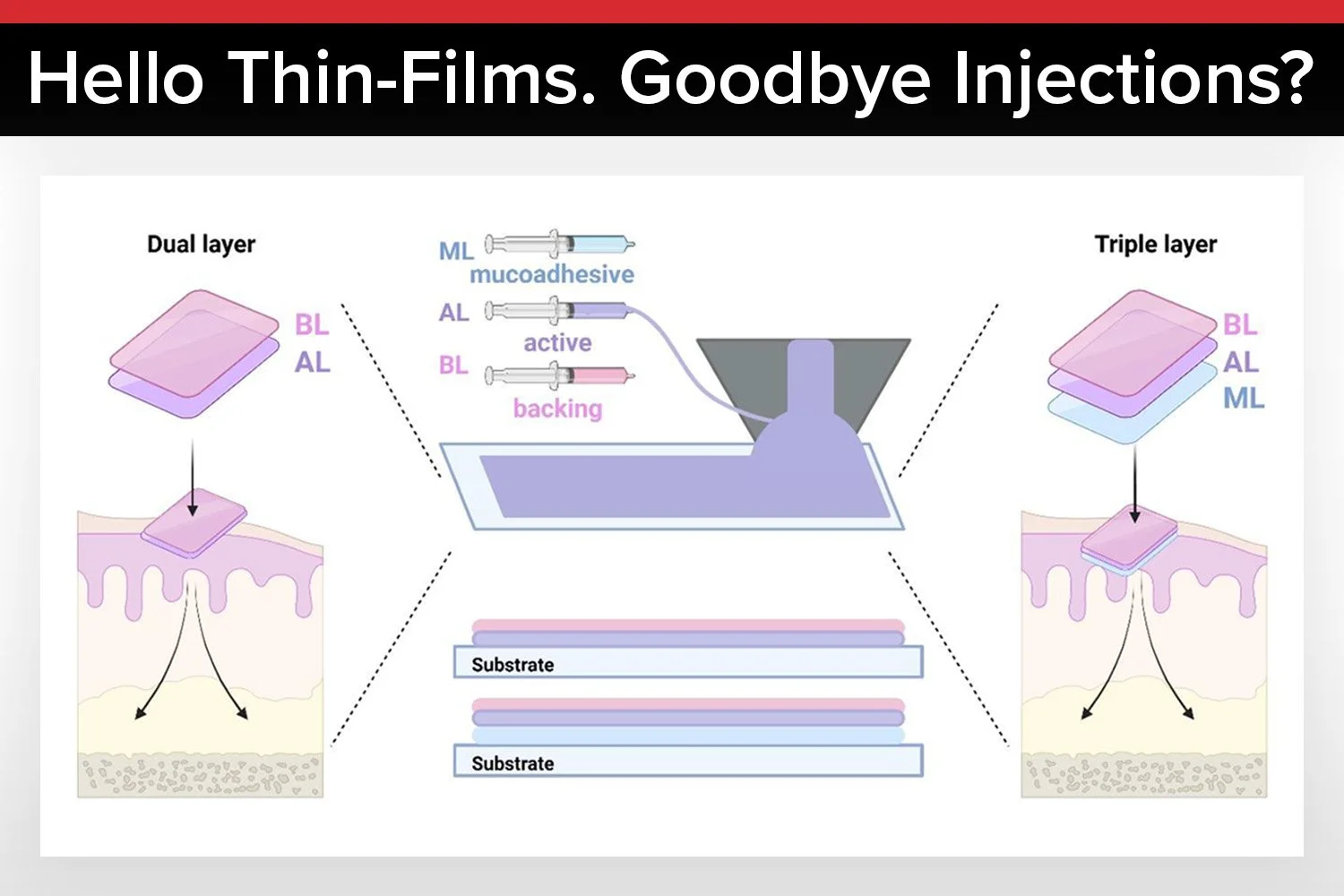
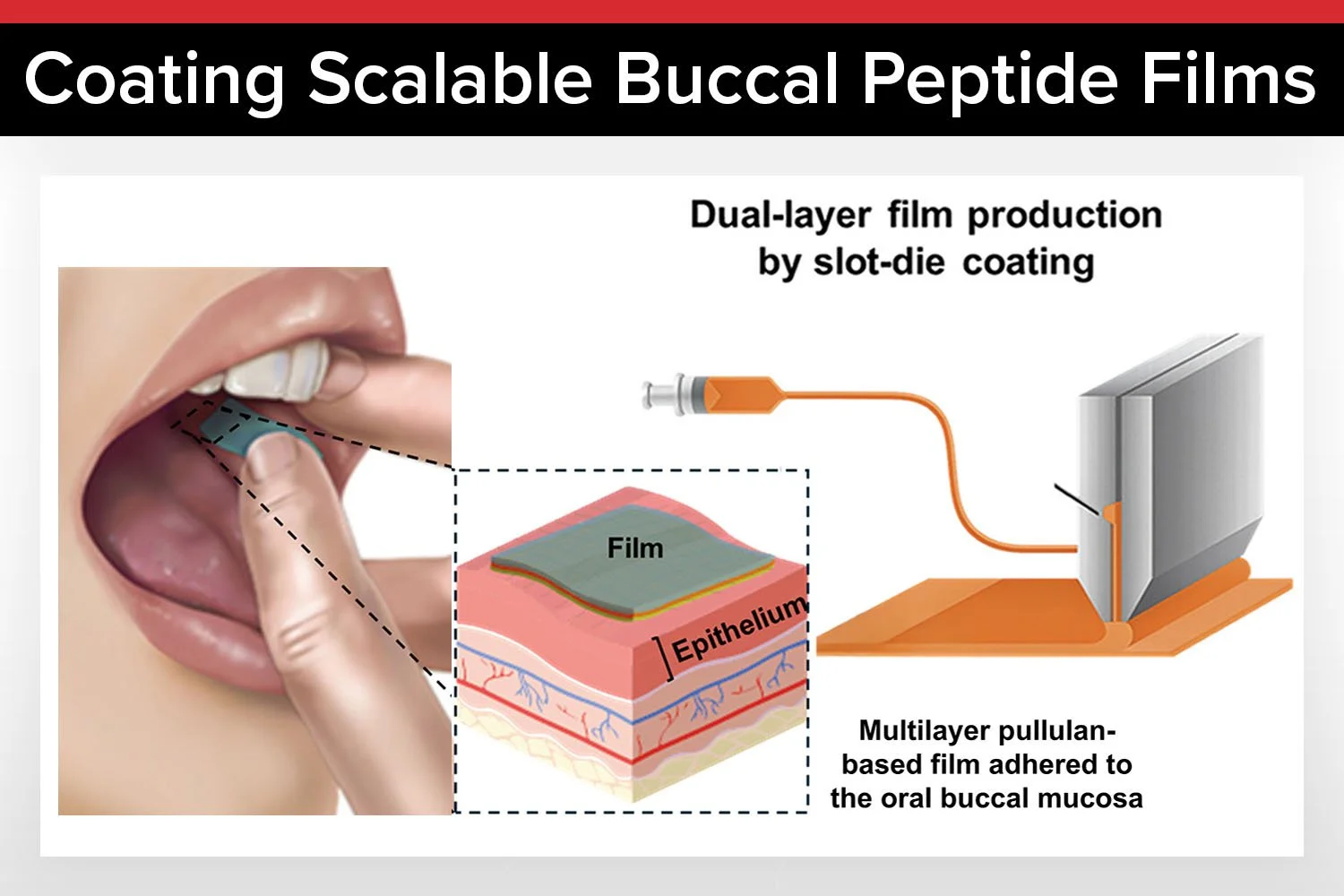
Researchers used slot-die coating to create scalable, biocompatible drug-delivery films with precise release control.
Conclusion
This study demonstrates that slot-die coating is a viable and efficient method for producing high-volume, high-area chitosan-based thin films. The mechanical properties of the films produced using this technique compare favorably with those made by other methods, and the lack of mechanical anisotropy ensures consistency. By adopting slot-die coating, manufacturers can scale up production of chitosan films for applications in packaging, medicine, and beyond, contributing to the development of sustainable and biodegradable alternatives to traditional plastics.
References
Pemble, O.J.; Bardosova, M.; Povey, I.M.; Pemble, M.E. A Slot-Die Technique for the Preparation of Continuous, High-Area, Chitosan-Based Thin Films. Polymers2021, 13, 1566. https://doi.org/10.3390/polym13101566
Get Professional Support for Your Coating Needs

Need help with slot-die coating or machines? Contact our experts for guidance and support.
Related News




Probably the World’s Most Compact R2R Slot-die Coater: A compact, fully integrated roll-to-roll coating platform for laboratories, complete with a mounting system, anodized rollers, a syringe pump, a 65 mm stainless slot-die head and an infrared oven system—delivering unmatched precision and scalability.