
All-Solid-State Battery: Scalable Manufacturing Techniques Using Slot-die Coating
The electric vehicle revolution demands batteries that are safer, more powerful, and longer-lasting.
All-solid-state batteries (ASSBs) promise exactly that by replacing flammable liquid electrolytes with solid materials, enabling higher energy density and eliminating fire risks.
However, transitioning from lab breakthroughs to industrial-scale production remains a massive challenge.
A recent review in the ECS Journal of Solid State Science and Technology by Han Cui and Shaofeng Kong examines the fabrication processes of ASSBs, highlighting the critical role of precision manufacturing techniques like slot-die coating in making these batteries a commercial reality.
What You Need to Know
All-solid-state batteries (ASSBs) offer significant advantages in safety and energy density but face substantial challenges in achieving consistent, high-quality production.
The fabrication of ASSBs involves multiple complex steps, including component mixing, layer forming, layer compaction, and layer cutting. Each of these steps must meet stringent requirements for thickness control, density, and yield to ensure reliable performance.
Current production yields for ASSBs are typically below 80 percent, significantly lower than the over 95 percent yield achieved in mature lithium-ion battery production lines.
Slot-die coating is a critical step in manufacturing high-performance thin-film batteries.
The Fabrication Challenges of All-Solid-State Batteries
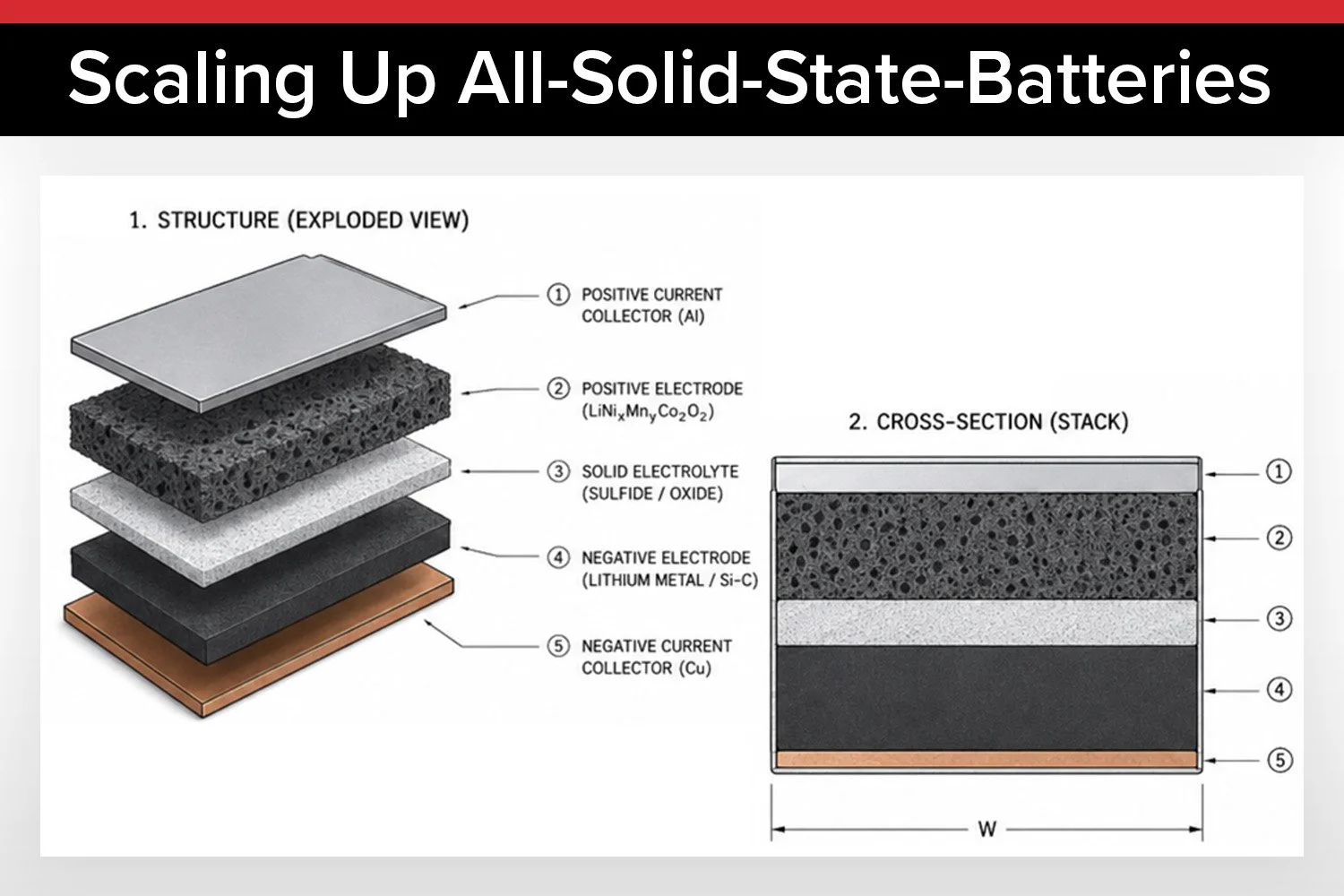
All-solid-state batteries replace liquid electrolytes with solid materials, which improves safety and energy density. Their working principles rely on a solid-state architecture where the cathode, solid electrolyte, and anode form a compact, sandwich-like structure. This design eliminates the risk of fire or explosion, even under external damage, and allows for the use of lithium metal anodes, which significantly boost energy density.
The fabrication of ASSBs involves several types of solid electrolytes, including sulfides, oxides, polymers, and composites. Each type presents unique advantages and challenges. Sulfides, for example, offer high ionic conductivity but are highly sensitive to moisture. Oxides provide superior stability but require high-temperature processing. Polymers are easier to work with but have lower performance ceilings.
The production process for ASSBs is divided into three main stages: electrode and electrolyte fabrication, cell fabrication, and formation and testing. Electrode and electrolyte fabrication includes component mixing, layer forming, layer compaction, layer drying, and layer cutting. Each step must be precisely controlled to achieve the desired thickness, density, and uniformity. Slot-die coating is a key technique in the layer forming process, as it ensures uniform and high-quality coatings, which are essential for the performance and safety of ASSBs.
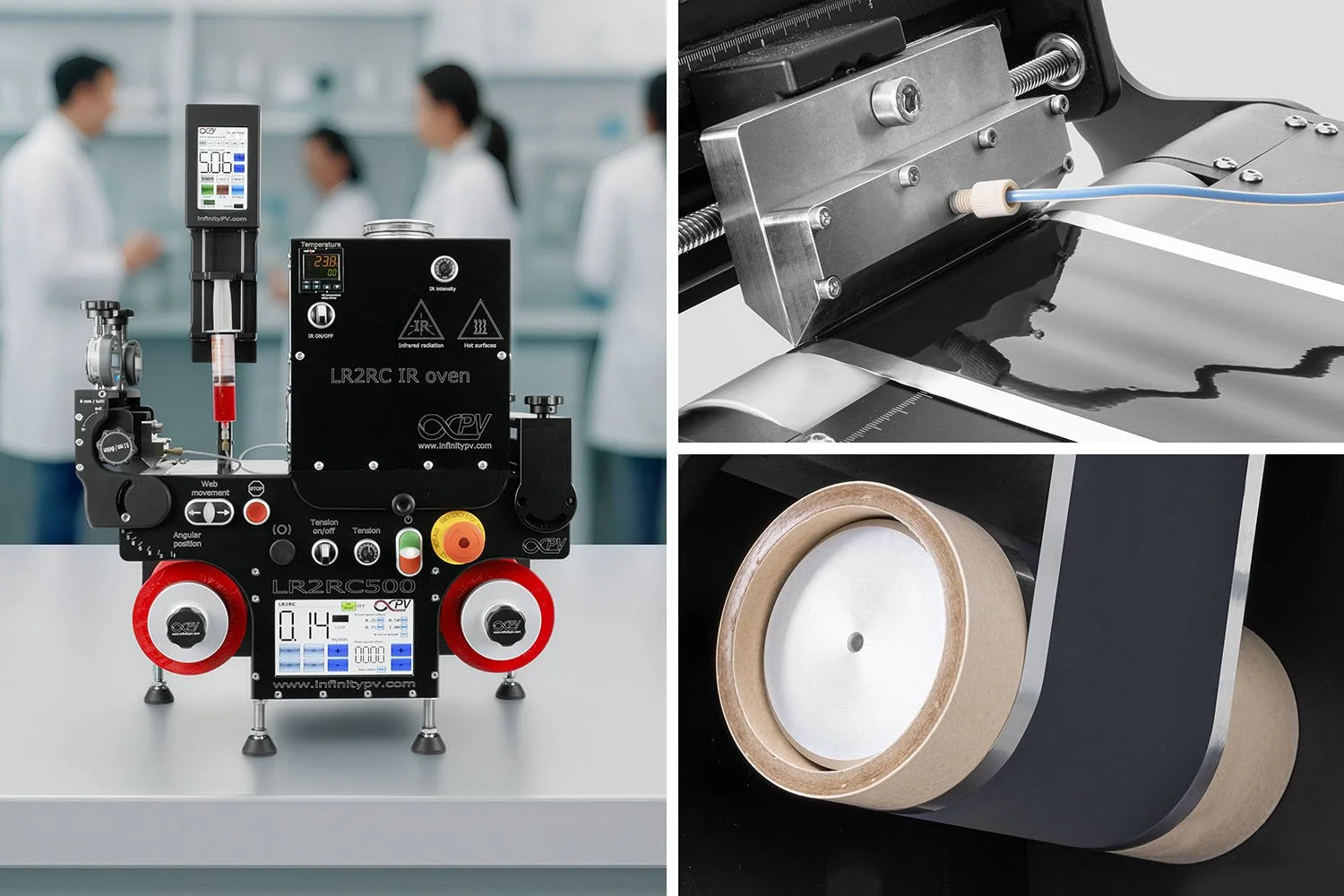
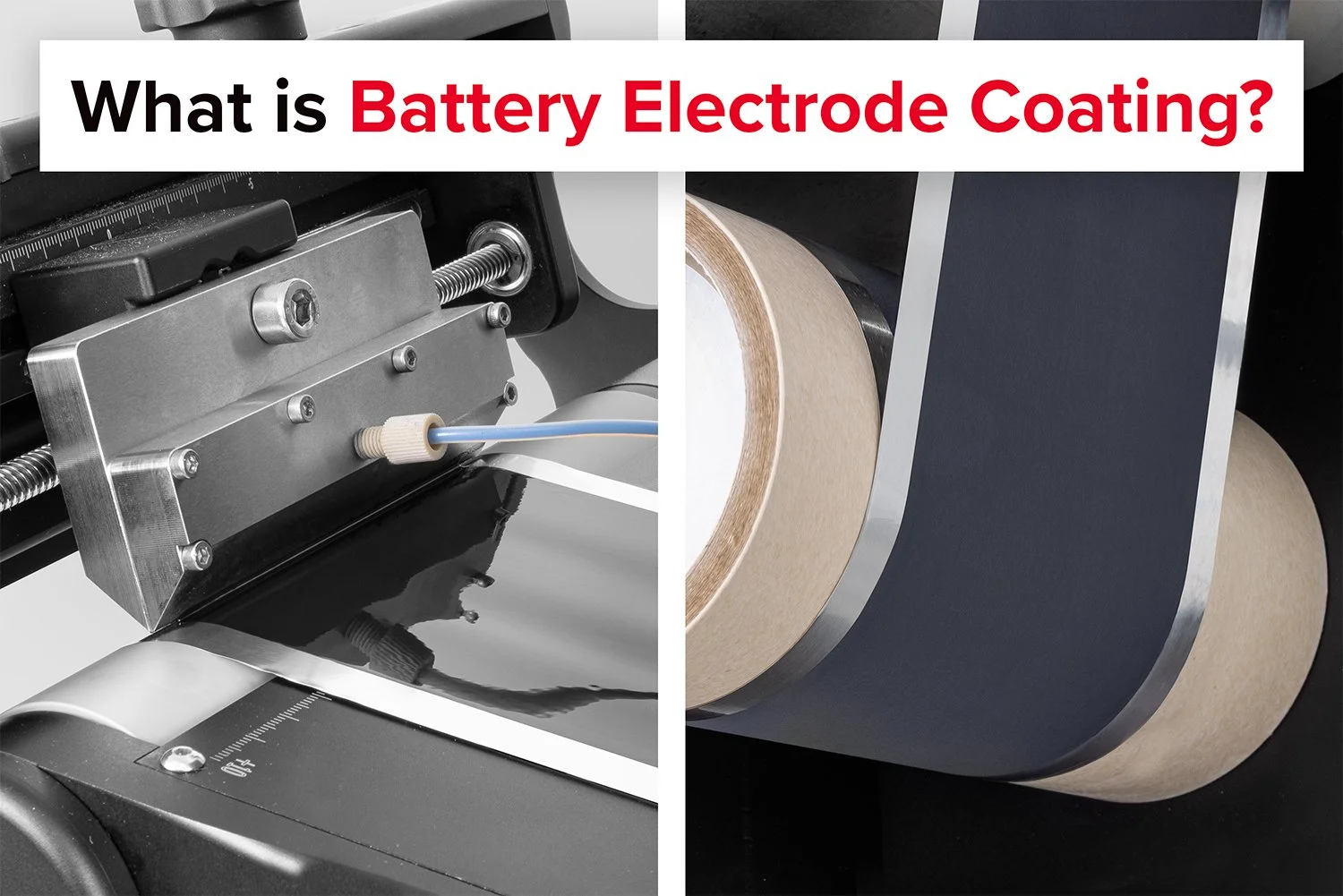
Scalable slot-die coating is easy and precise with the Laboratory Roll-to-Roll Coater.
The Benefits of Slot-die Coating for ASSBs
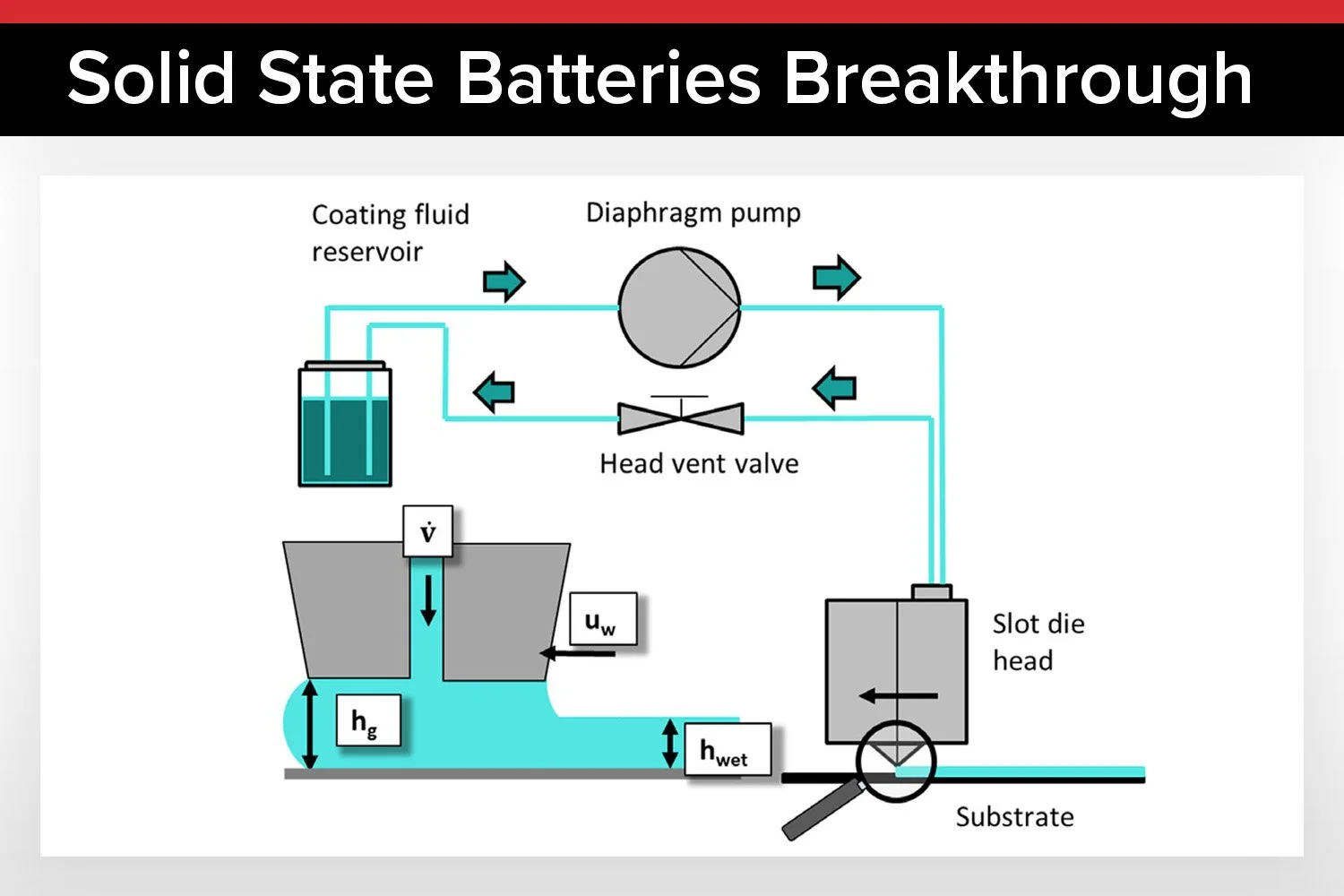
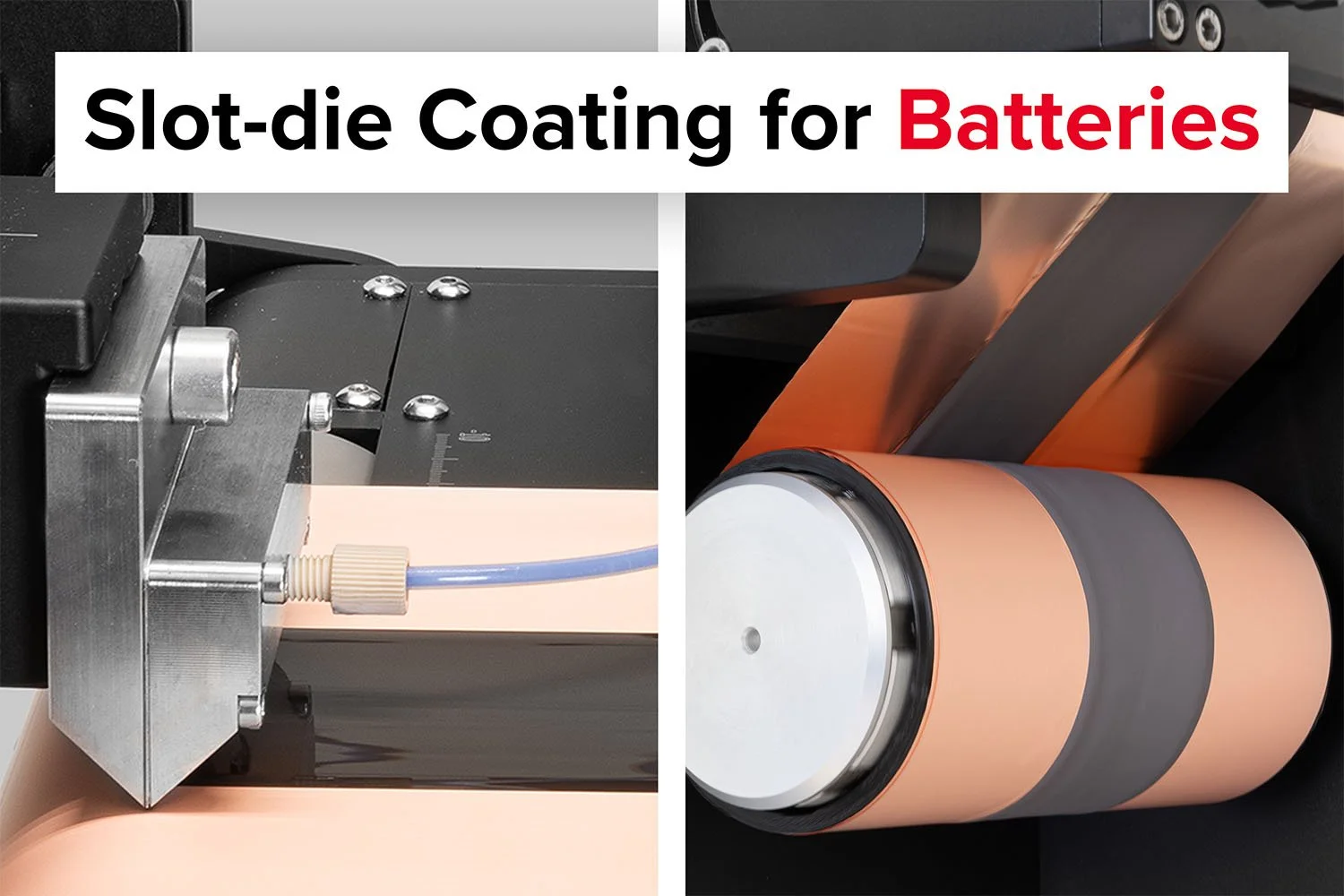
Slot-die coating is a highly effective technique for producing the thin, uniform layers required in ASSBs. This method offers high precision and consistency in areal density, which is crucial for the performance of solid-state batteries. The non-contact application of the slurry through a precise slit ensures that the coating is uniform and free from defects that could compromise battery performance.
Additionally, slot-die coating allows for indirect coating patterns, which can be tailored to specific battery designs. This flexibility is essential for accommodating the various architectures of ASSBs, including those with different electrolyte types and electrode configurations.
Moreover, slot-die coating can be integrated into continuous manufacturing processes, making it suitable for large-scale production. This scalability is critical for transitioning ASSBs from laboratory research to industrial manufacturing. By ensuring precise control over layer thickness and uniformity, slot-die coating helps address some of the key challenges in ASSB production, such as interfacial contact and mechanical integrity.

The Laboratory Roll-to-Roll Coater makes double-sided slot-die coating simple.
Conclusion
All-solid-state batteries hold great promise but require precise and scalable manufacturing techniques to overcome current challenges. Slot-die coating emerges as a key technology in this context, offering the precision, consistency, and scalability required to produce high-quality ASSBs.
As the industry moves toward mass adoption of ASSBs, techniques like slot-die coating will play a pivotal role in overcoming current manufacturing bottlenecks and ensuring the reliable production of next-generation batteries.
References
Citation: Han Cui and Shaofeng Kong, A Review on the Fabrication and Manufacturing Processes of All-Solid-State Batteries From Laboratory Research to Industrial Scale-Up, ECS Journal of Solid State Science and Technology, 2026. https://doi.org/10.1149/2162-8777/ae5451
Get Professional Support for Your Battery Coating Needs
Need help with slot-die coating or machines? Contact our experts for guidance and support.
Related News
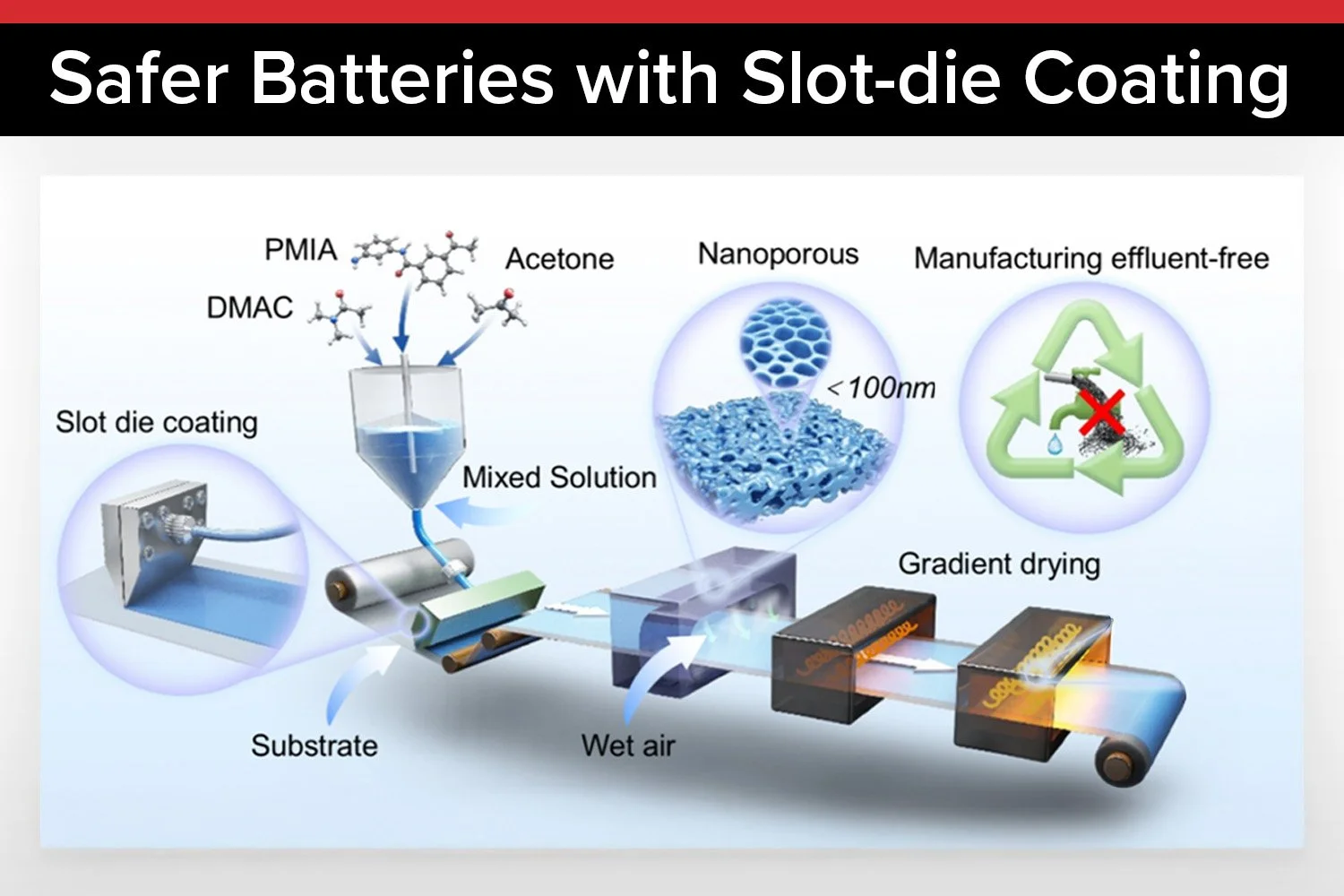
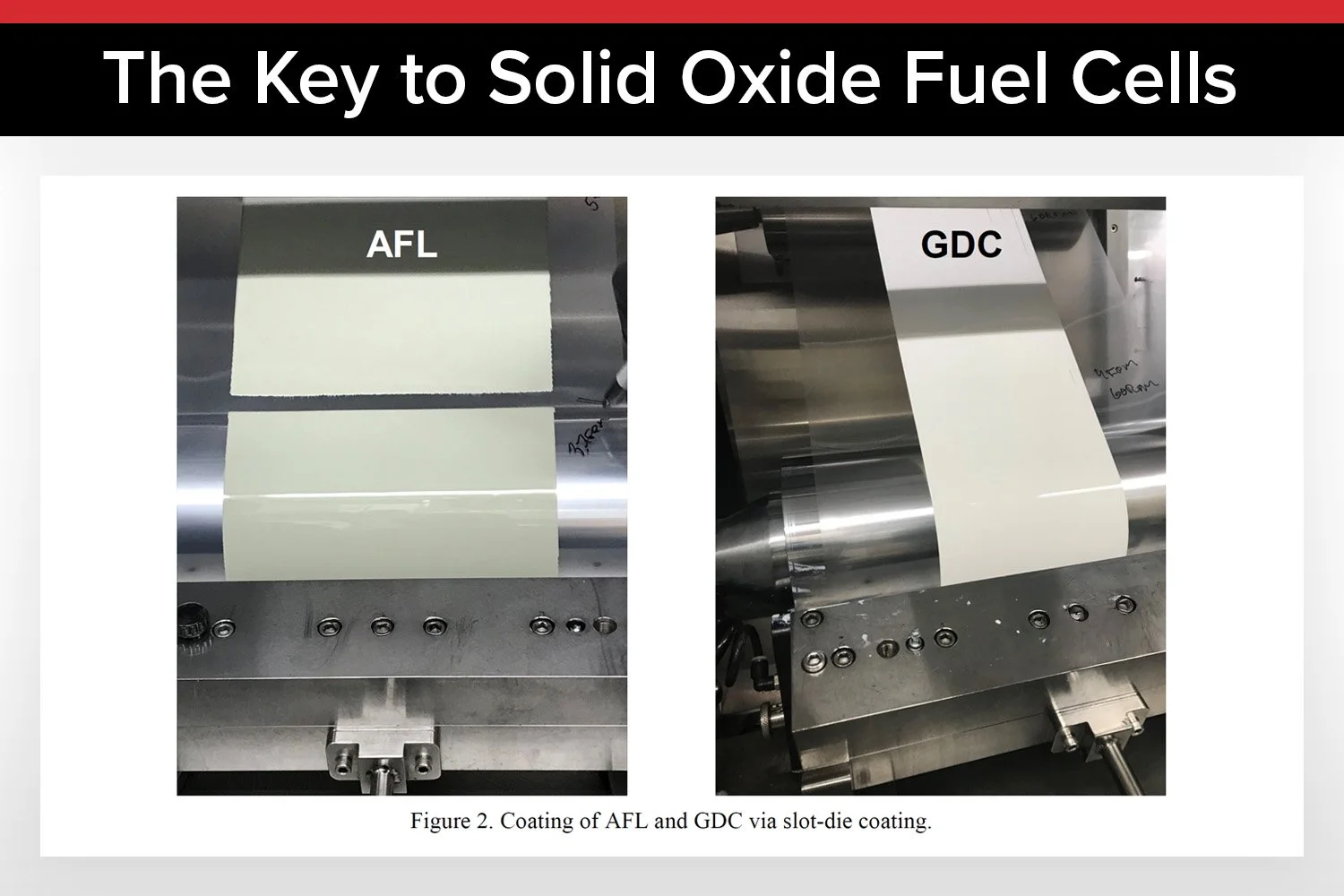



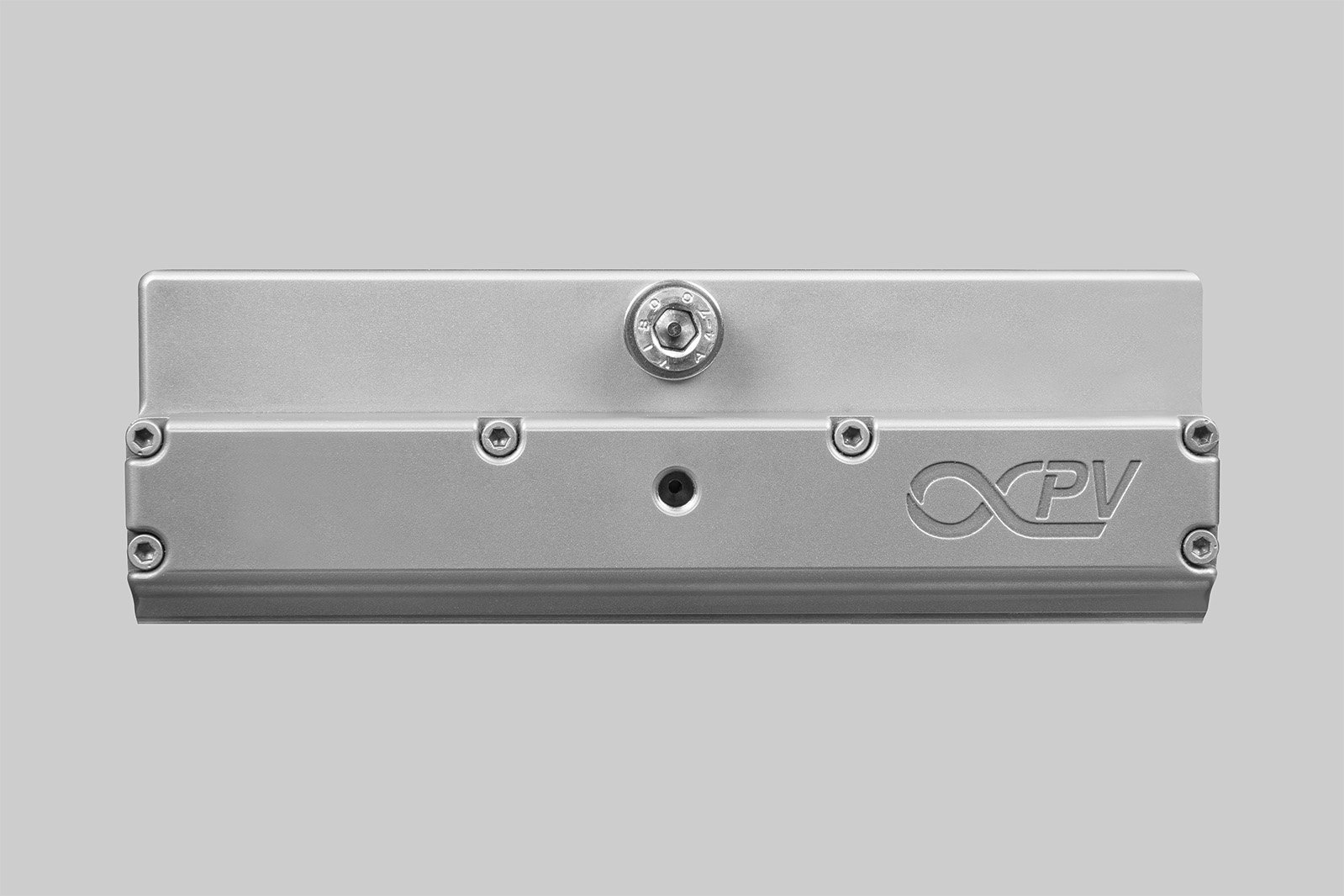

The SDC Battery Coater Pro is specifically designed for researchers dedicated to developing and optimizing battery materials. It facilitates a seamless transition from research to commercialization. View video.