
Reducing Defects in Battery Electrode Coating: The Role of Viscous and Capillary Forces
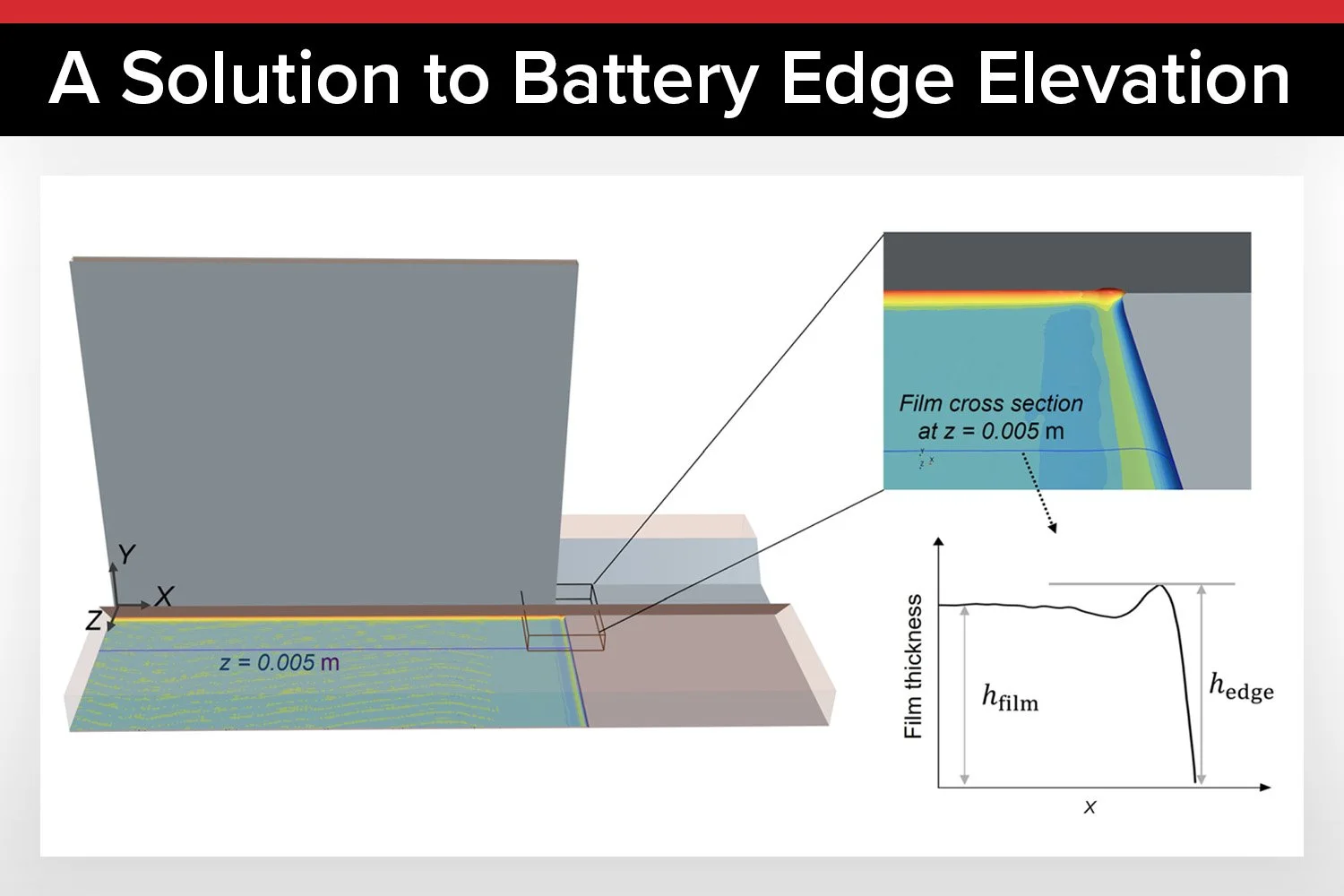
Battery manufacturers face a persistent challenge: edge elevation, where the coating at the edges of battery electrodes becomes thicker than the rest. This defect leads to uneven stress, cracks, and reduced energy density. Problems that worsen as batteries become more advanced.
A new study, "Numerical investigation on the impact of viscous forces and capillary forces on slot die coating edge formation in battery electrode manufacturing," reveals the hidden forces behind this issue. Using 3D CFD simulations, researchers uncovered how viscous and capillary forces dictate edge behavior. Their findings introduce the Capillary number as a key predictor, offering a way to control edge formation and improve battery quality.
What You Need to Know
This study investigates why the edges of battery coatings, sometimes become thicker than the rest using advanced computer simulations. A problem called edge elevation.
Viscous forces (from slurry thickness) and capillary forces (from slurry-surface interactions) are the main factors shaping the edges.
Researchers use the Capillary number to predict edge sensitivity:
Low Capillary number → edges highly sensitive to process changes.
High Capillary number → edges more stable and easier to control.
Manufacturers can use these insights to optimize coating processes and reduce defects.
Slot-die coating is a critical step in manufacturing high-performance thin-film batteries.
What Is Slot Die Coating and Why Does It Matter?
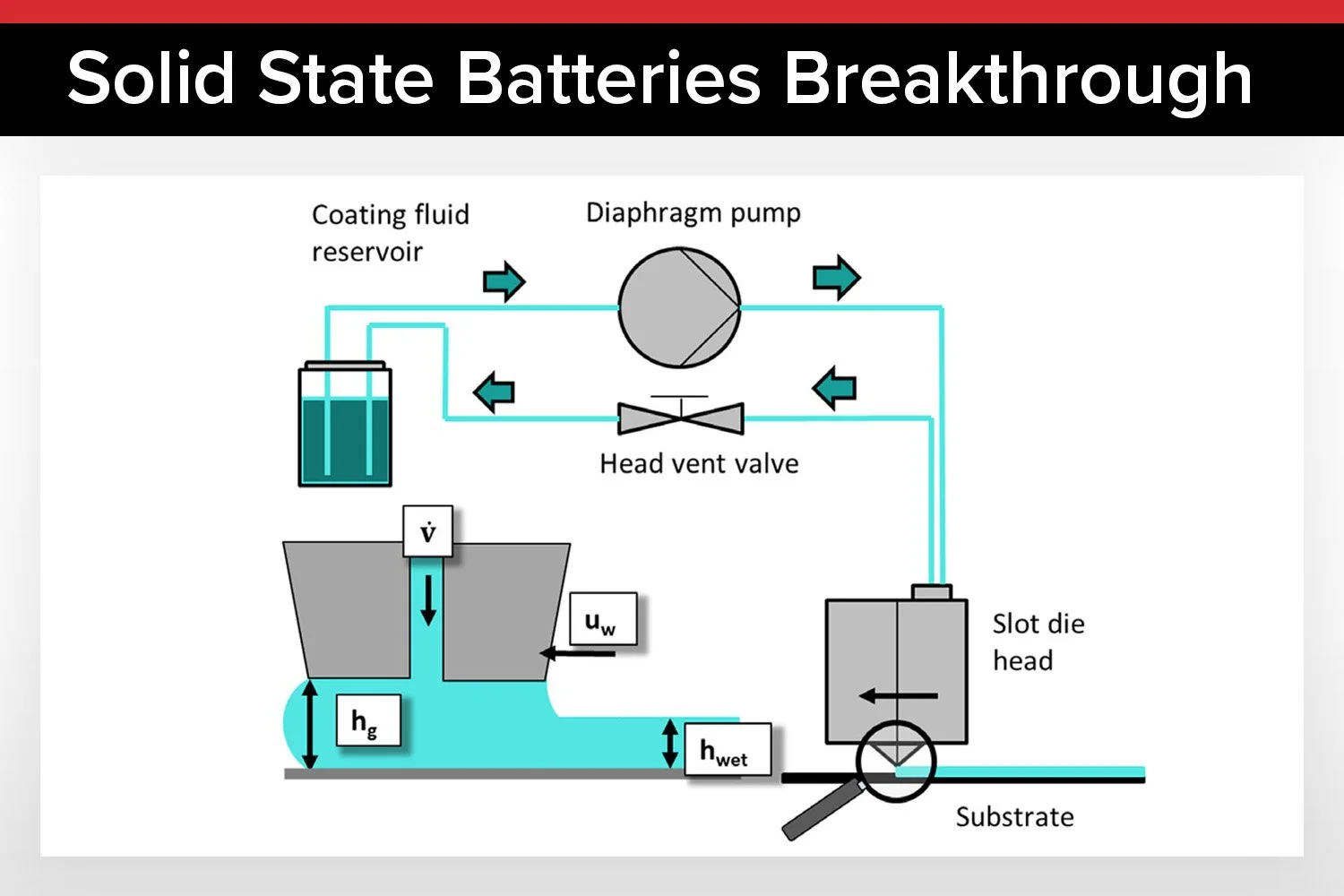
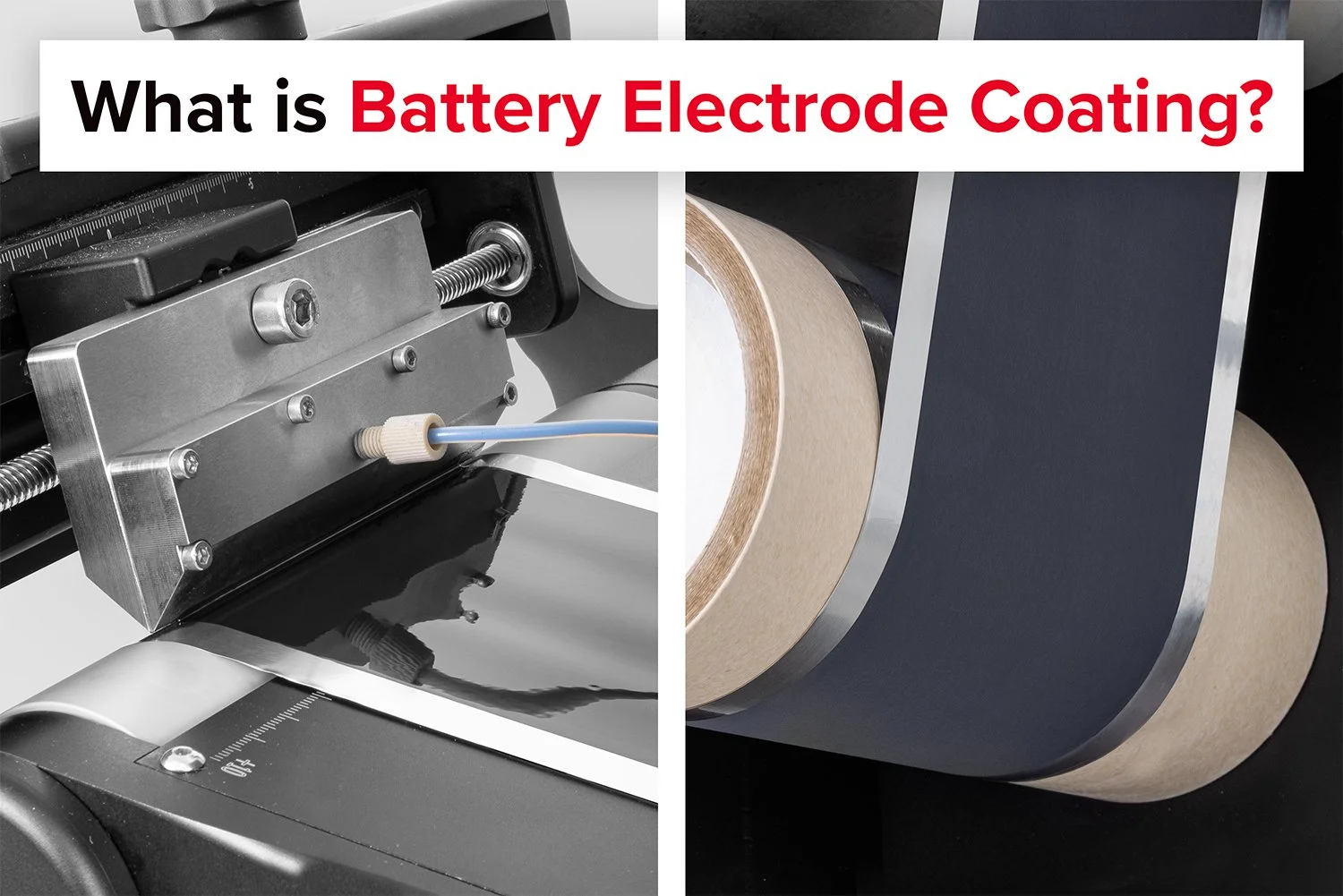
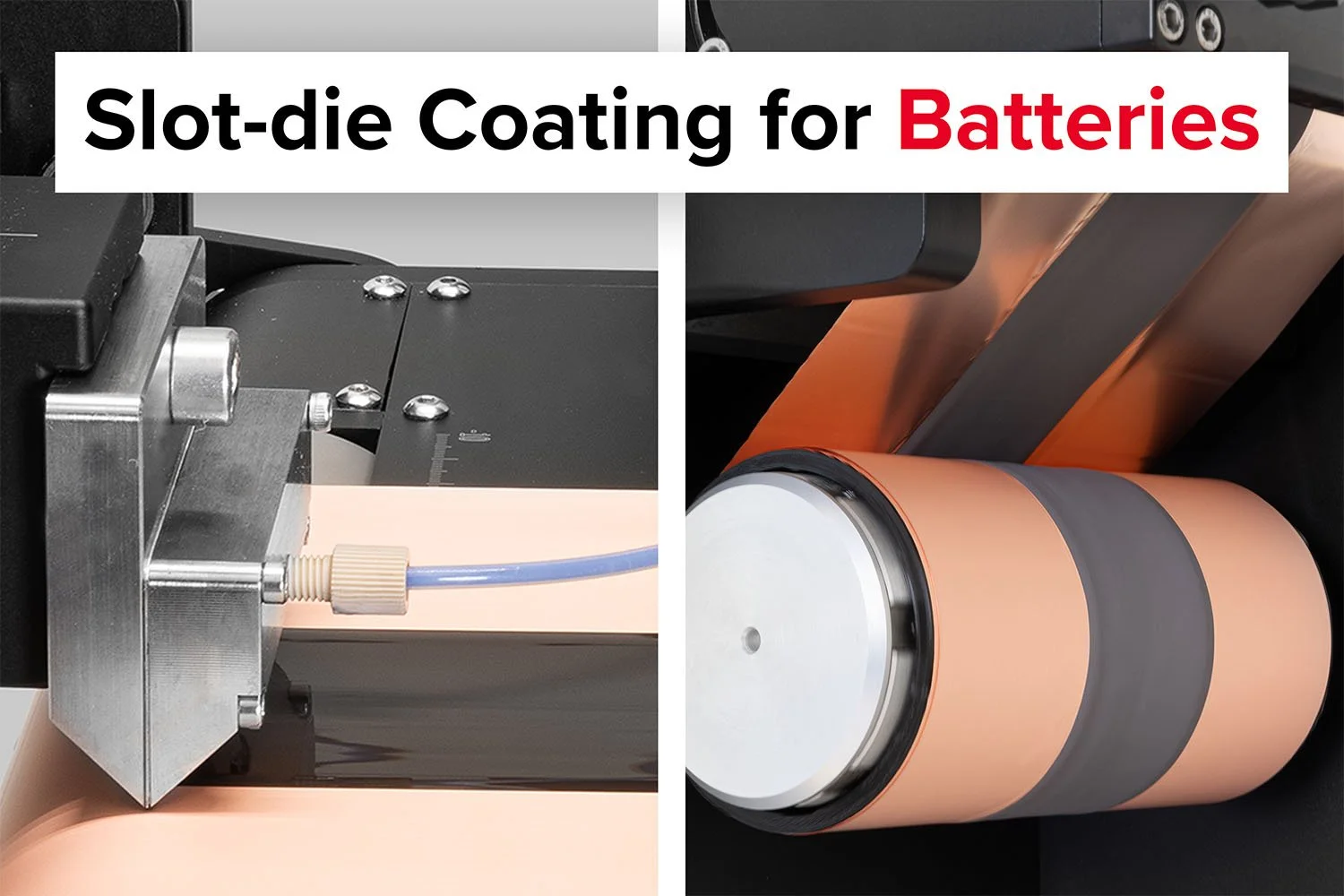
Slot die coating is the gold standard for applying precise, uniform coatings in battery manufacturing. In this process, a slurry is pumped through a narrow slot onto a moving foil. The goal is to create a thin, even layer that will become the battery’s electrode.
But perfection is elusive. Edge elevation, where the coating thickens at the edges, is a common defect.
This leads to uneven drying, stress concentration, and potential failures in downstream processes like calendering and winding. For solid-state batteries, which are particularly sensitive to uniformity, edge elevation can even accelerate performance degradation over time.
Understanding the forces at play during slot die coating is crucial. Traditionally, researchers focused on film stretching as the primary cause of edge elevation.
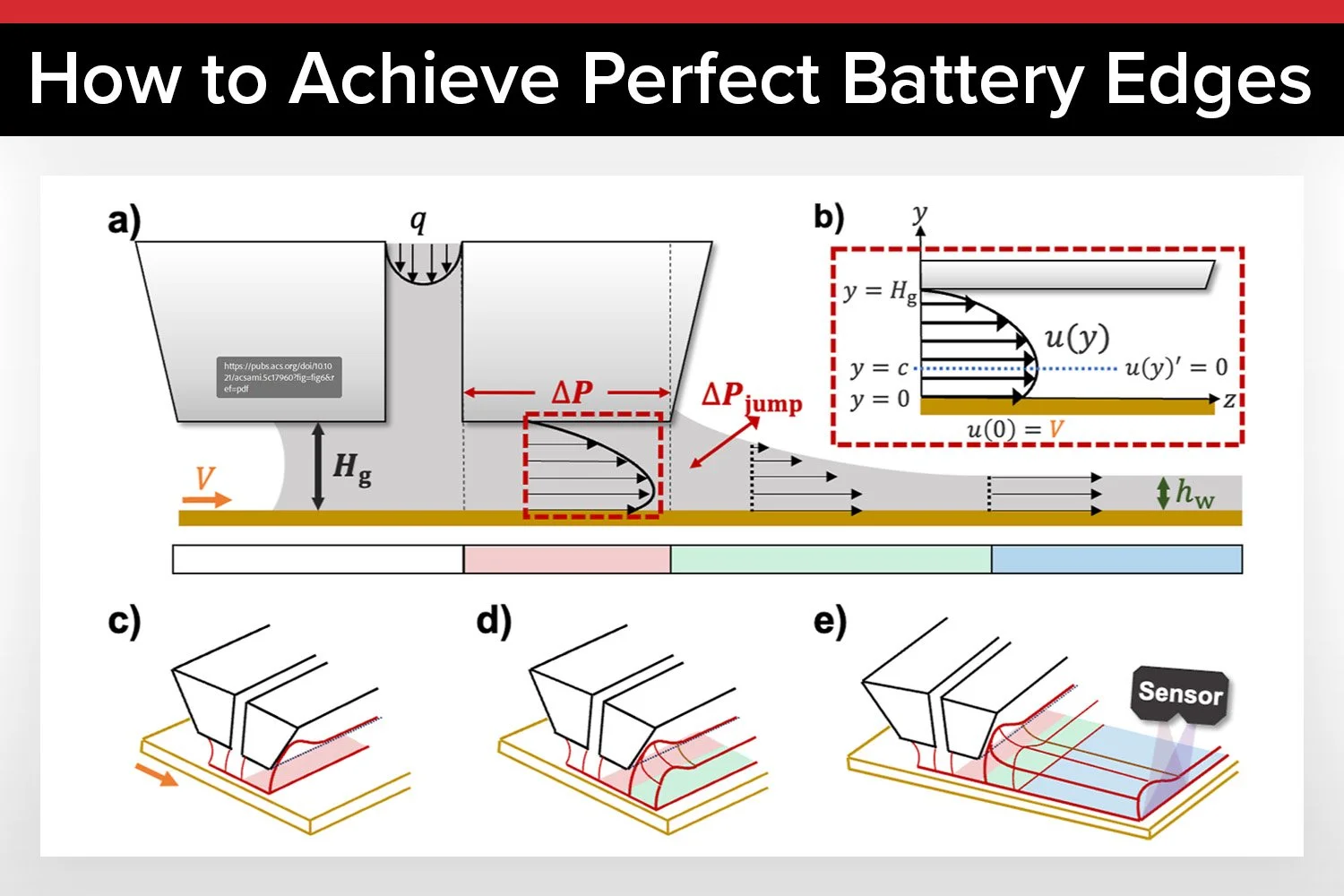
However, this study reveals that viscous forces (related to the slurry’s resistance to flow) and capillary forces (driven by surface tension and wettability) are equally important. By manipulating these forces, manufacturers can gain finer control over the coating process, reducing defects and improving battery quality.
Why Edge Formation Matters for Battery Manufacturing
This research is a game-changer for battery manufacturers. By identifying the Capillary number as a key predictor of edge behavior, the study provides a framework for optimizing coating processes across different scales, from lab prototypes to mass production.
At low Capillary numbers, the edge profile is highly sensitive to changes in foil wettability and slurry viscosity. This means small variations in material properties or process conditions can lead to significant edge defects. Conversely, at high Capillary numbers, the edges become more stable and less sensitive to these variations, making the process more robust.
For industries scaling up battery production, this insight is invaluable. It allows engineers to tailor process parameters, like line speed, slurry viscosity, and foil contact angle, to achieve consistent, high-quality coatings.
The study also highlights the importance of monitoring and controlling these parameters, especially when transitioning from pilot to full-scale production.
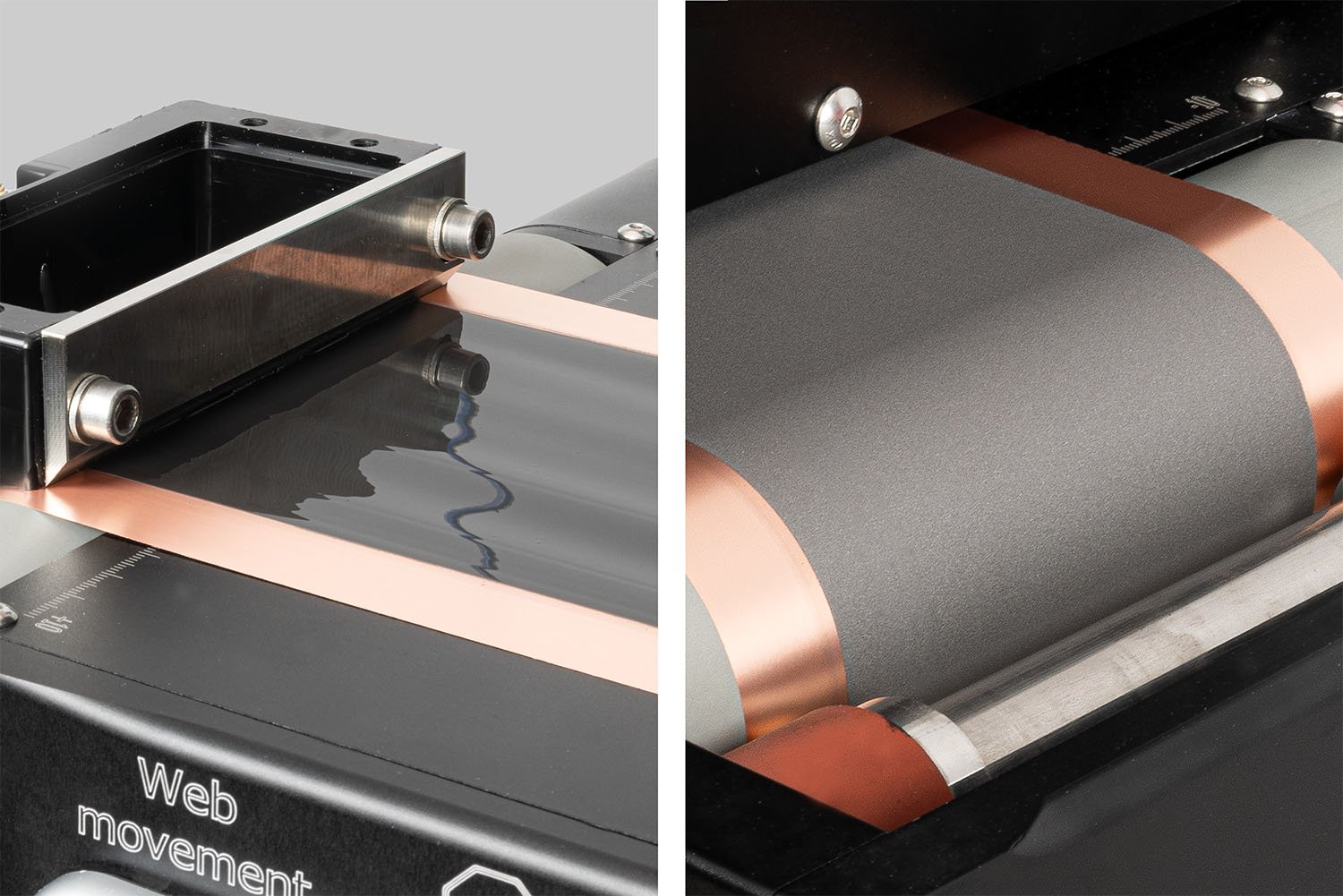
Achieve consistent slurry coatings with ease using the Laboratory Roll-to-Roll Coater.
How the Study Was Conducted
The researchers used 3D CFD simulations to model the slot die coating process, focusing on the initial formation of the coating edge. They varied key parameters, including slurry viscosity, foil contact angle, and line speed, to observe their impact on edge elevation.
The simulations employed the Volume of Fluid (VOF) method to capture the interface between the slurry and air, allowing for detailed analysis of the free surface dynamics. A Carreau-Yasuda model was used to describe the non-Newtonian, shear-thinning behavior of the battery slurry, which is critical for accurate predictions.
By defining a characteristic viscosity and Capillary number, the researchers mapped the edge behavior into two regimes:
Low Capillary number regime: Edge elevation is highly sensitive to changes in viscosity and contact angle.
High Capillary number regime: Edge elevation stabilizes and becomes less sensitive to process variations.
This mapping provides a clear, actionable framework for manufacturers to predict and control edge formation.
How This Research Shapes the Battery Industry
The findings of this study have far-reaching implications.
For battery manufacturers, the ability to predict and control edge elevation means fewer defects, higher yields, and more consistent product quality. This is especially critical as the industry moves toward solid-state batteries, where uniformity is paramount.
The research also opens doors for further innovation. For example, optimizing die designs, such as incorporating chamfers, to mitigate edge elevation could become more data-driven. Additionally, the simulation tools developed in this study can be used to explore other process parameters, like die gap and slurry composition, without the need for costly physical experiments.
As battery technology continues to advance, studies like this will be essential for overcoming the small but critical challenges that stand between us and the next generation of energy storage.

The Laboratory Roll-to-Roll Coater makes double-sided slot-die coating simple.
Conclusion
This study shines a light on the hidden forces shaping battery electrode coatings. By revealing the interplay between viscous and capillary forces, it provides manufacturers with the knowledge to fine-tune their processes, reduce defects, and improve battery performance. The identification of the Capillary number as a key predictor of edge behavior is a significant step forward, offering a practical tool for optimizing coating processes at any scale.
For an industry where precision and consistency are everything, this research is a vital resource. It explains why edge elevation occurs and shows how to control it, ensuring that the batteries of the future are not just powerful, but perfectly crafted.
Authors
Wanjiao Liu
Get Professional Support for Your Battery Coating Needs

Need help with slot-die coating or machines? Contact our experts for guidance and support.
Related News
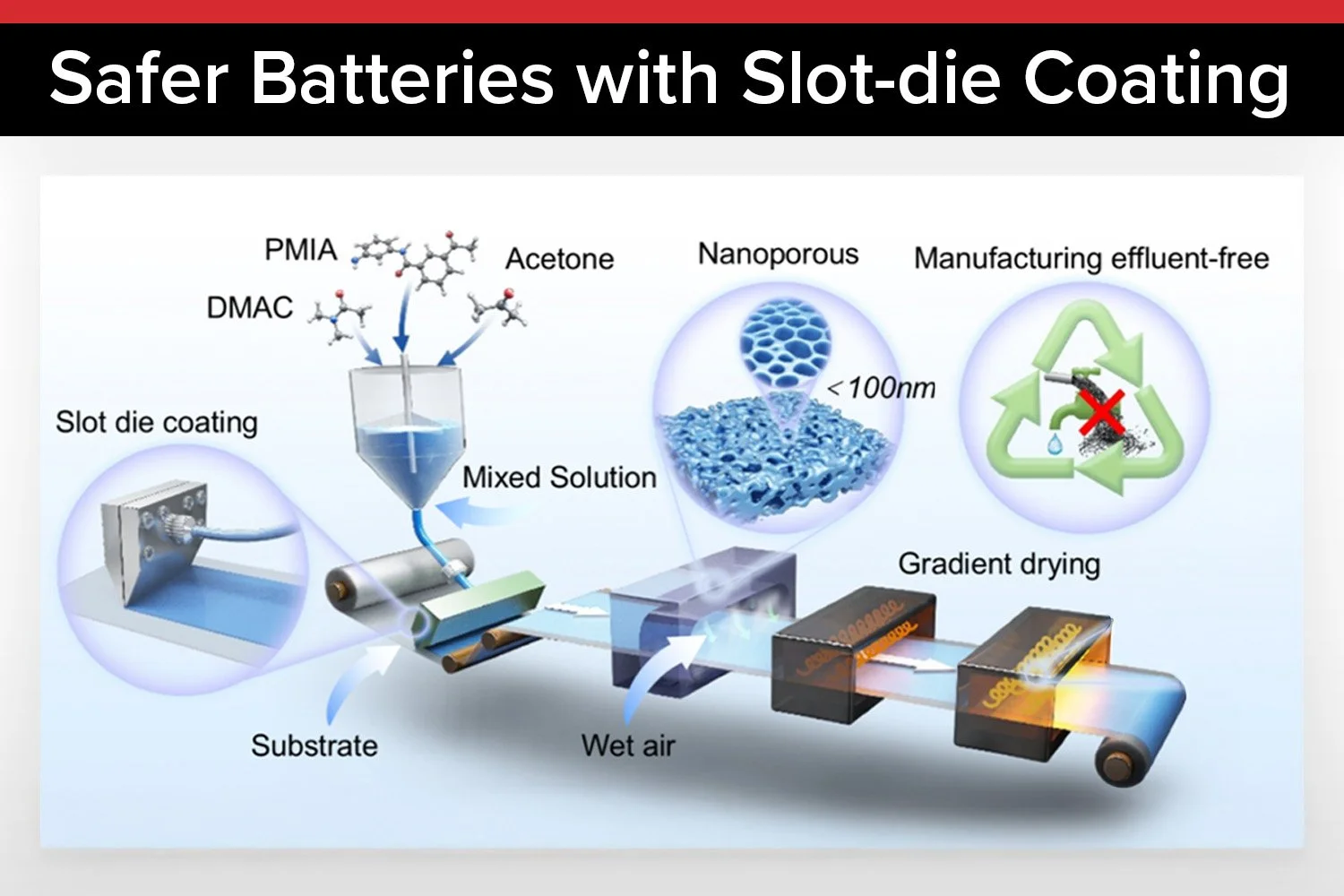
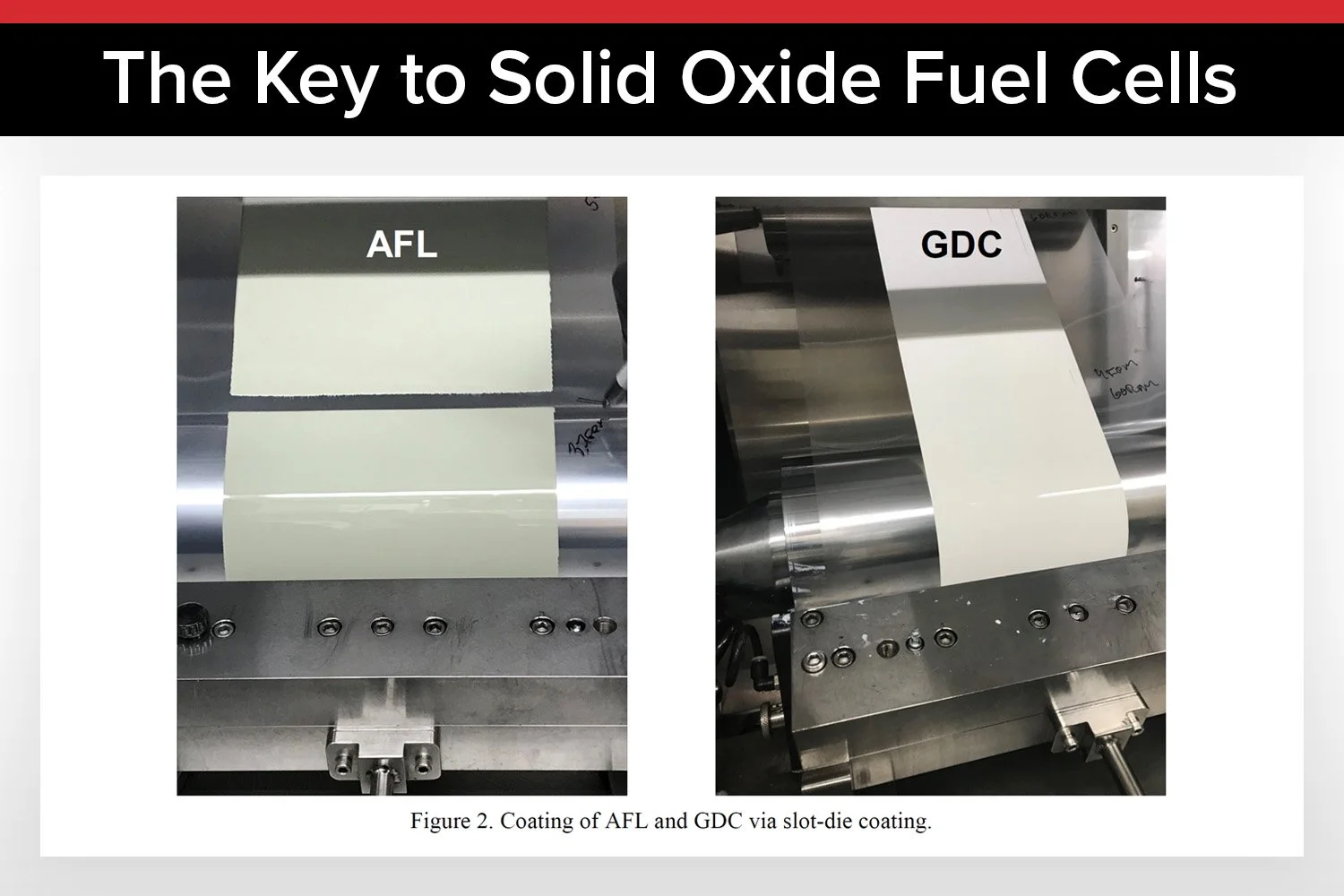
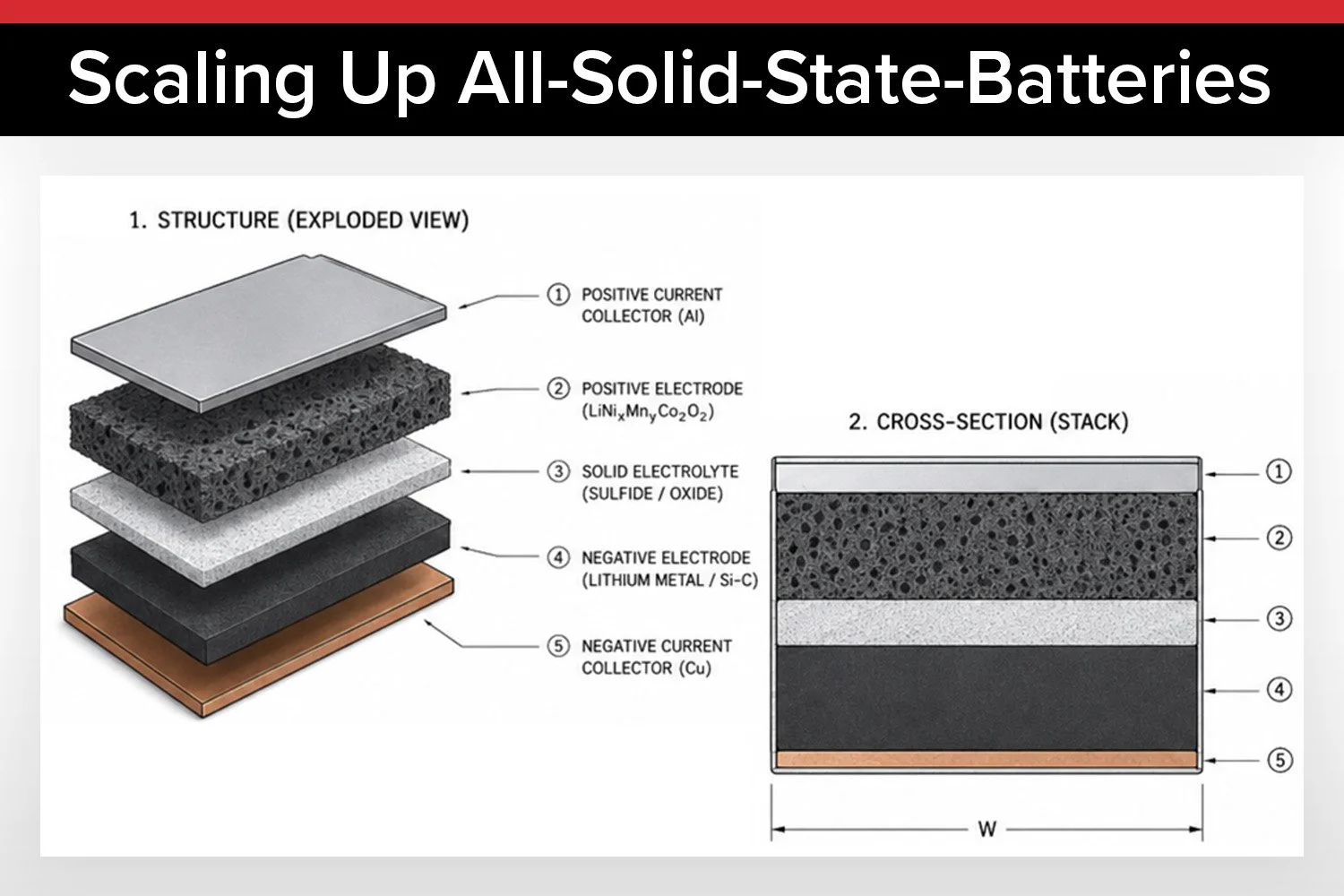


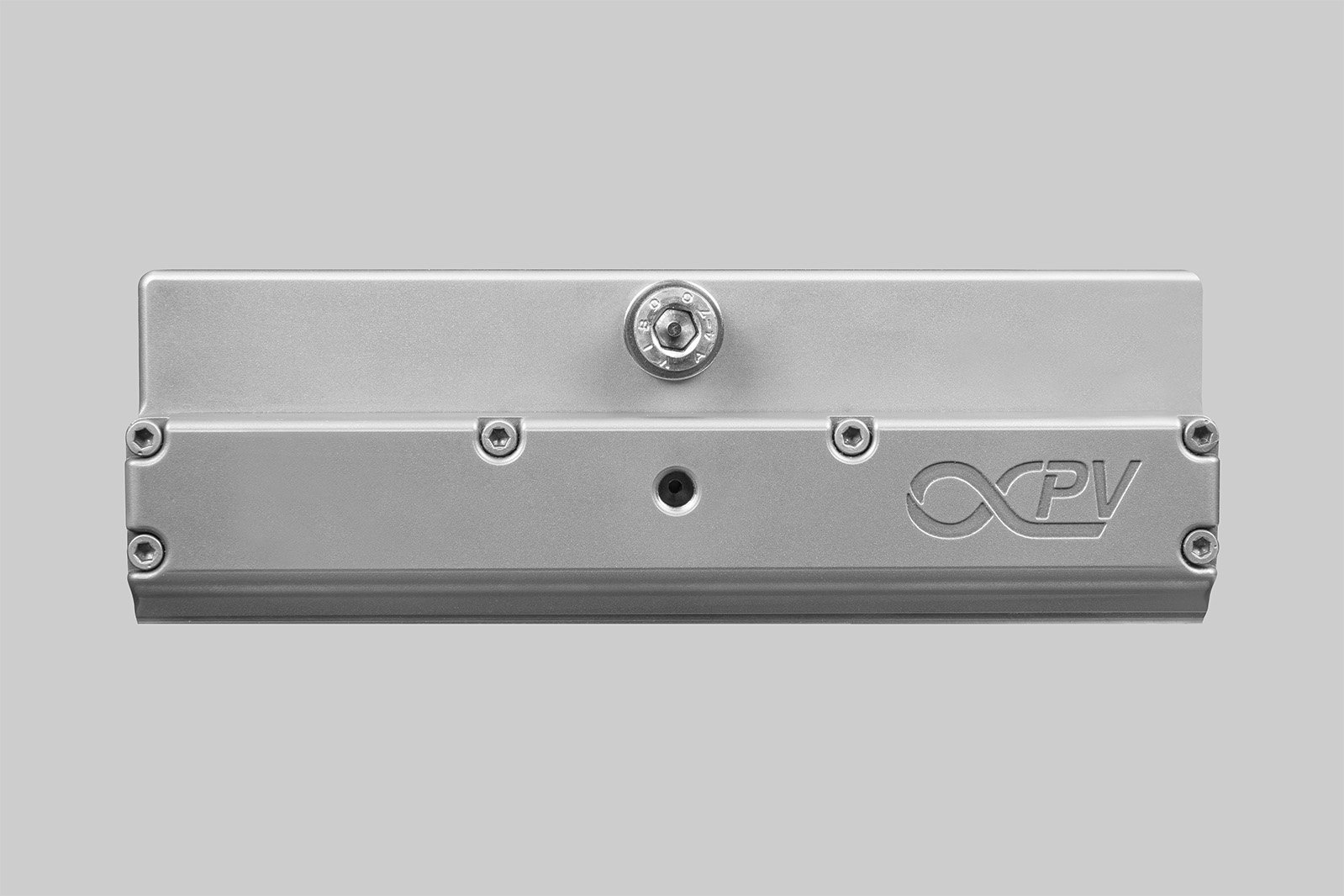





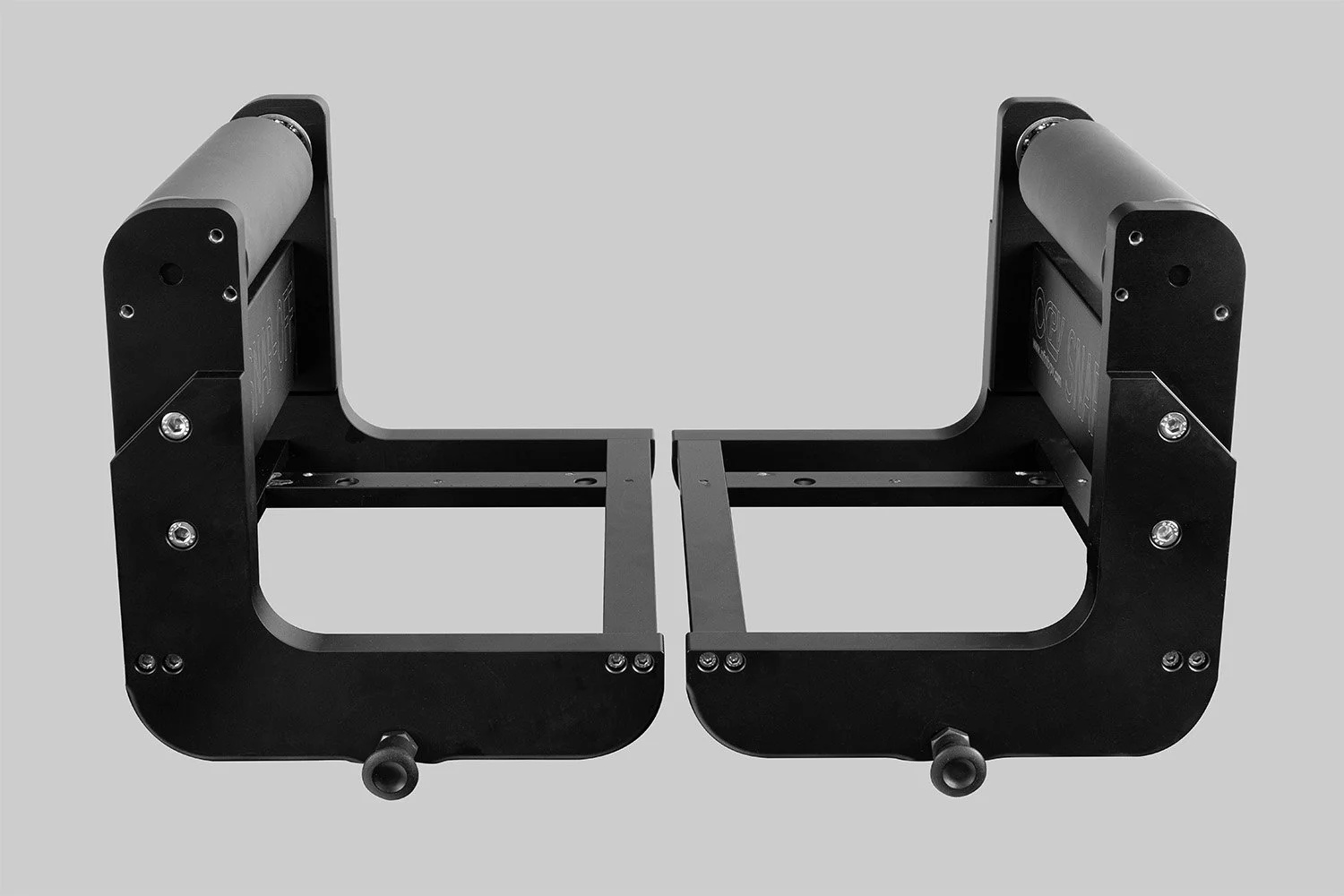

The SDC Battery Coater Pro is specifically designed for researchers dedicated to developing and optimizing battery materials. It facilitates a seamless transition from research to commercialization. View video.