
Solid-State Battery Breakthrough: Pseudoplastic Flow Behavior Enables Defect-Free Layers at High Coating Speeds
The demand for safer, higher-performance batteries is driving innovation in energy storage.
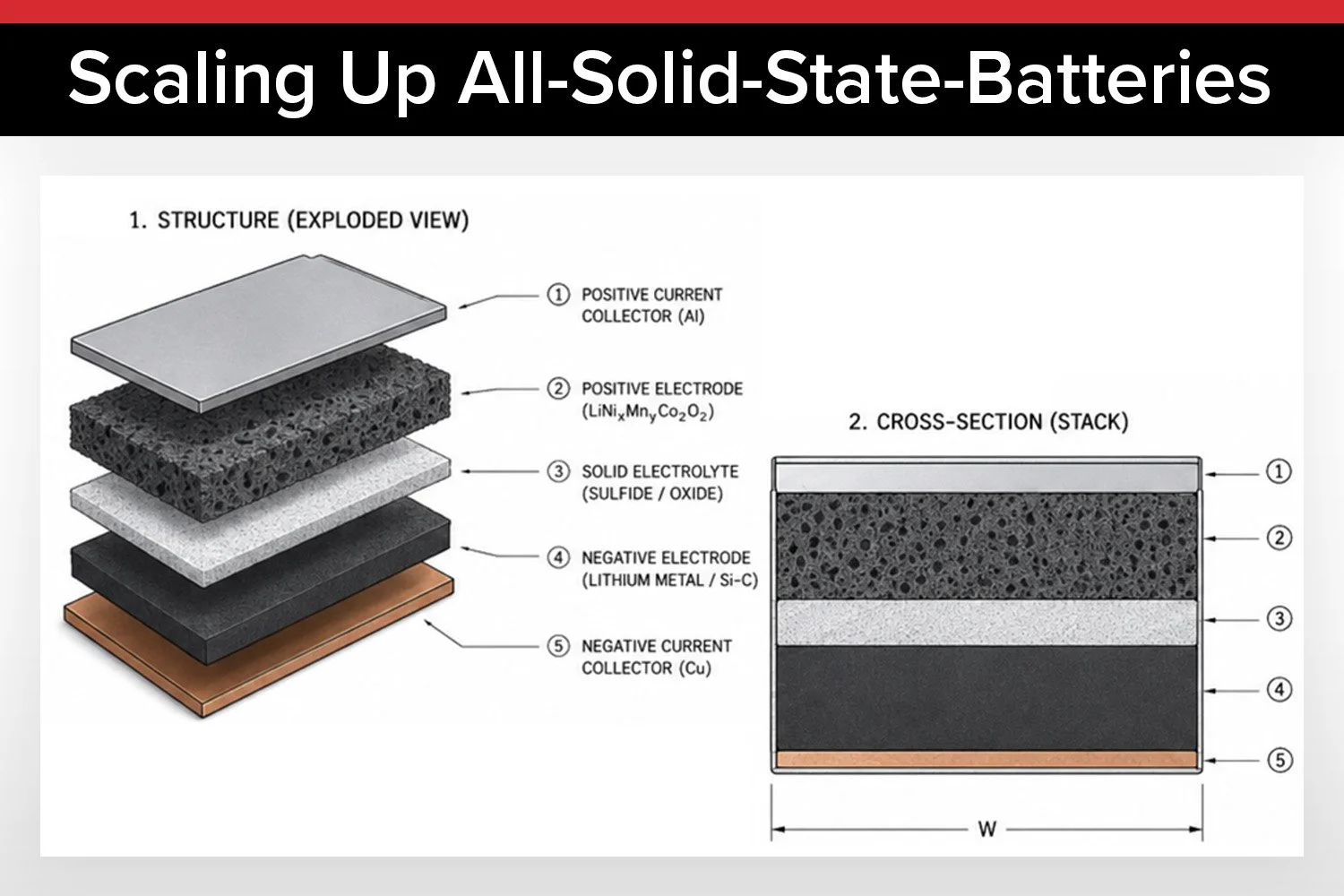
All-solid-state batteries (ASSBs) promise to deliver just that by replacing flammable liquid electrolytes with solid alternatives.
But producing thin, defect-free solid electrolyte layers has been a major hurdle. Until now.
A new study titled "Process Window Evaluation for Slot Die Coating of PEO-Based Electrolytes in All-Solid-State Batteries" published in Energy Technology reveals how researchers optimized the slot die coating process to create ultra-thin, uniform layers of poly(ethylene oxide) (PEO)-based solid electrolytes.
Their findings provide a roadmap for scalable, high-quality solid electrolyte production, bringing us one step closer to next-generation batteries.
What You Need to Know
Solid-state batteries are safer and more energy-dense than traditional lithium-ion batteries, but their performance depends on producing thin, homogeneous solid electrolyte layers.
This study identifies the optimal PEO concentration (22 wt%) for stable coatings, balancing viscous and capillary forces to prevent defects.
Using the slot die coating process, the researchers achieved layers as thin as 12.5–35 µm with consistent ionic conductivity.
Their work proves that pseudoplastic flow behavior, where viscosity decreases under shear, is essential for defect-free coatings, making this a critical advancement for battery manufacturing.
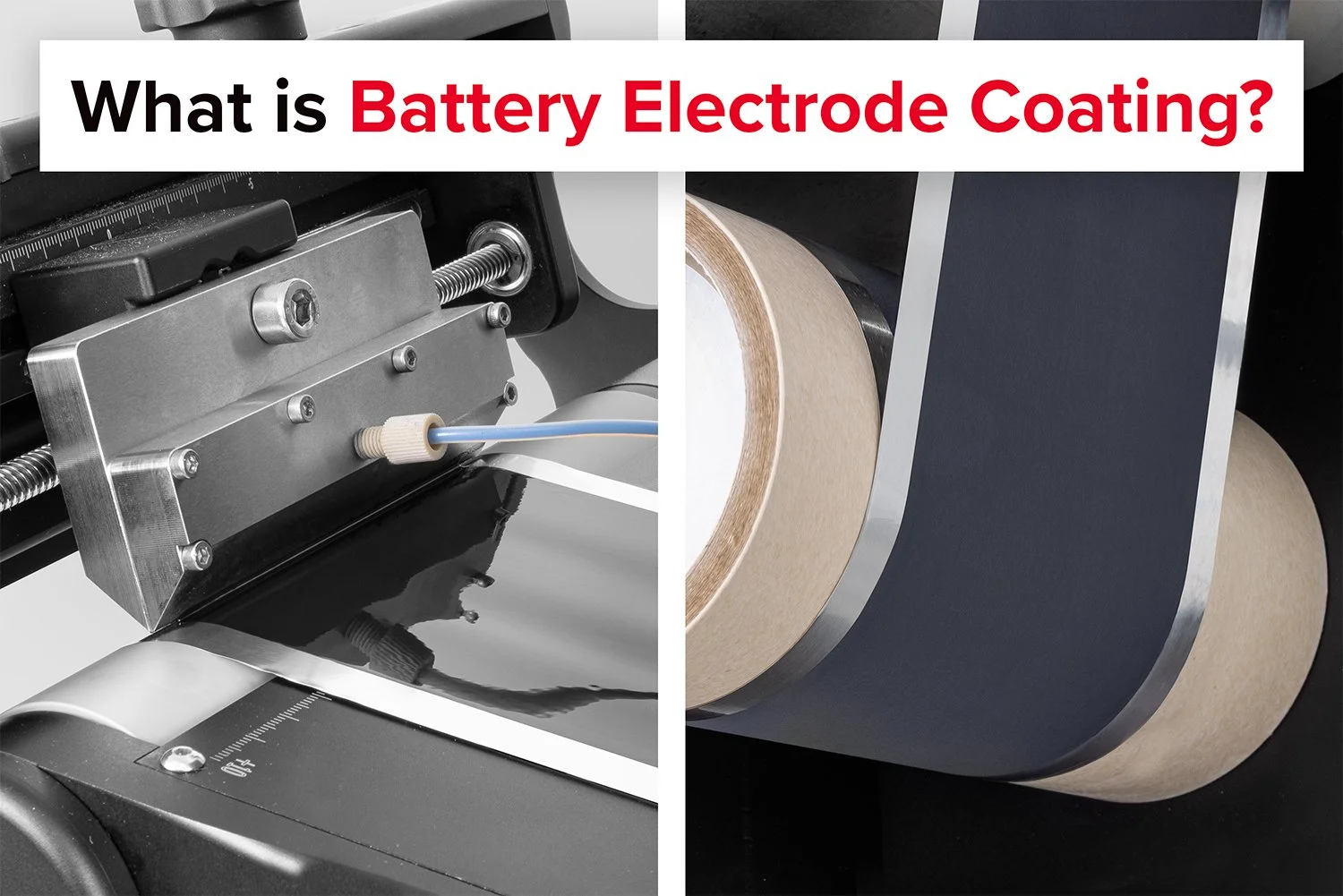
Slot-die coating precisely applies ultra-thin, uniform films. Ideal for advanced battery manufacturing.
Understanding the Technology: What Is Slot Die Coating?
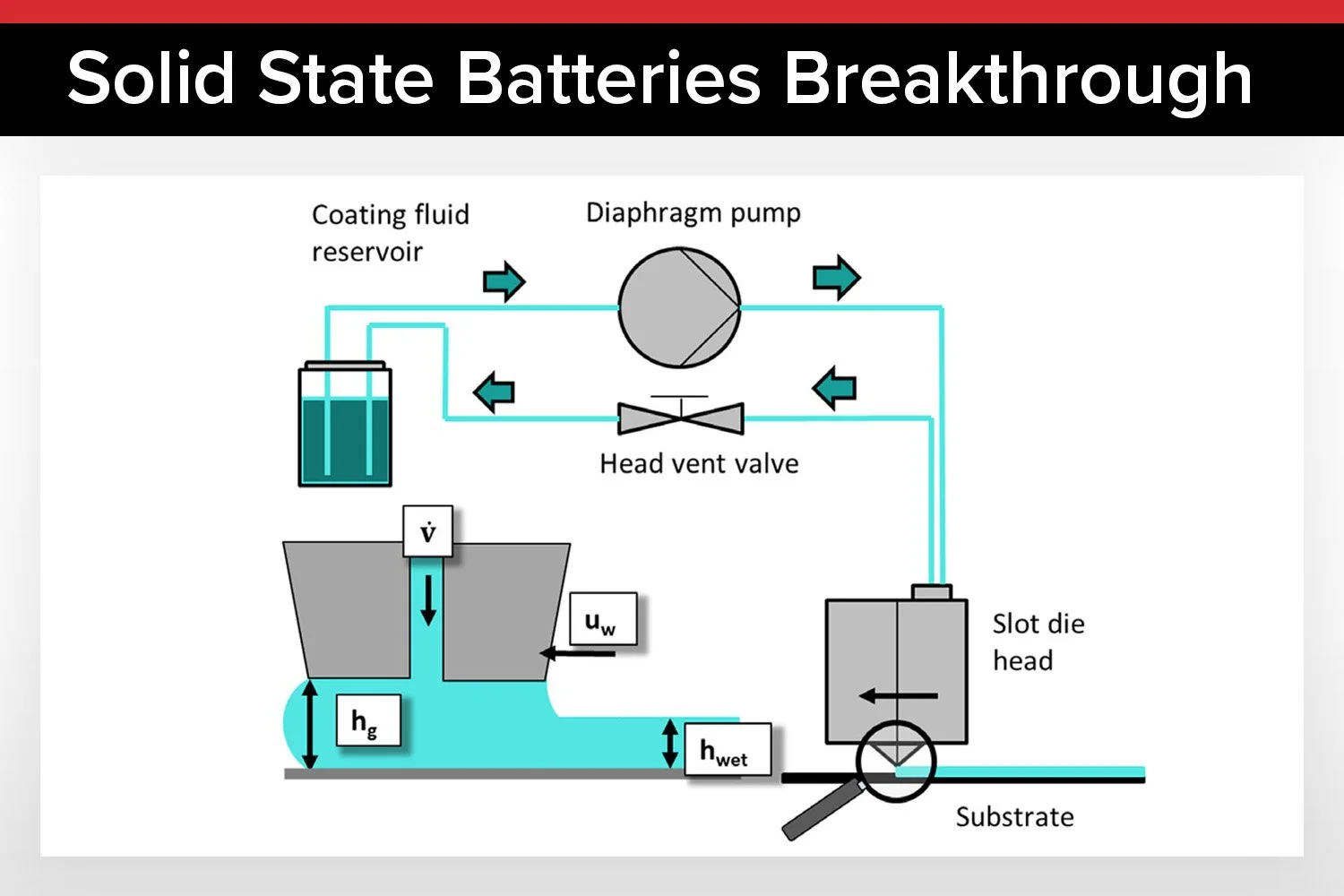
Slot die coating is a precision wet-coating technique widely used in industries like battery manufacturing and solar panel production. It deposits thin, uniform layers of material onto a substrate with exceptional control over thickness and homogeneity.
Unlike older methods, slot die coating is ideal for producing the delicate solid electrolyte layers required in ASSBs.
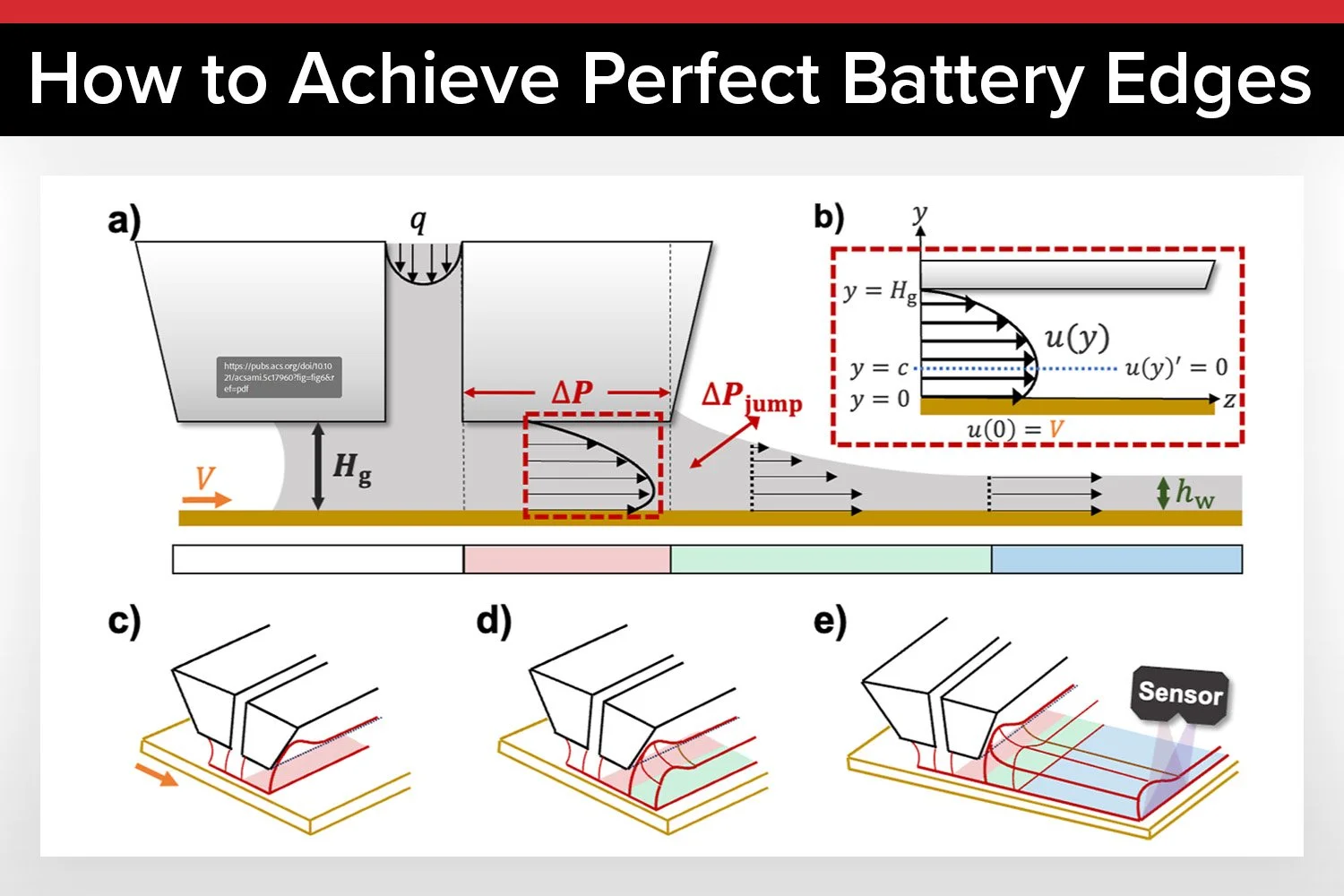
In this study, the team focused on PEO-based electrolytes, a polymer known for its flexibility, safety, and ability to dissolve conductive salts. PEO’s pseudoplastic behavior, that is, its ability to thin under shear stress, makes it particularly well-suited for slot die coating. By adjusting coating speed, dispense rate, and coating gap, the researchers fine-tuned the process to avoid defects like air entrainment and low-flow instability.
The key breakthrough was achieving a capillary number (Ca) close to 1, where viscous and capillary forces are perfectly balanced. This balance is critical for producing defect-free, ultra-thin layers, which are essential for high-performance solid-state batteries.
The Importance of PEO-Based Electrolytes
Solid-state batteries are the future of energy storage, offering higher energy density and improved safety compared to traditional lithium-ion batteries. However, their potential is limited by the challenge of producing thin, uniform solid electrolyte layers. Liquid electrolytes are flammable and prone to dendrite growth, which can cause short circuits. Solid electrolytes, particularly those based on PEO, provide a safer alternative by suppressing dendrites and improving mechanical stability.
This study is the first to systematically evaluate the slot die coating process for PEO-based solid electrolytes. By identifying the optimal PEO concentration (22 wt%), the researchers demonstrated that pseudoplastic fluids can be coated stably, even at high speeds. This challenges the assumption that higher viscosity always leads to better coating stability. Instead, the study shows that flow behavior—how the fluid responds to shear—is far more important.
The implications are significant:
Scalability is improved because slot die coating is already used in industry, making it easier to integrate this process into existing manufacturing lines.
Safety is enhanced since PEO-based electrolytes are non-flammable and more stable than liquid alternatives.
Performance is boosted because thin, uniform layers improve energy density and ionic conductivity, leading to better battery performance.
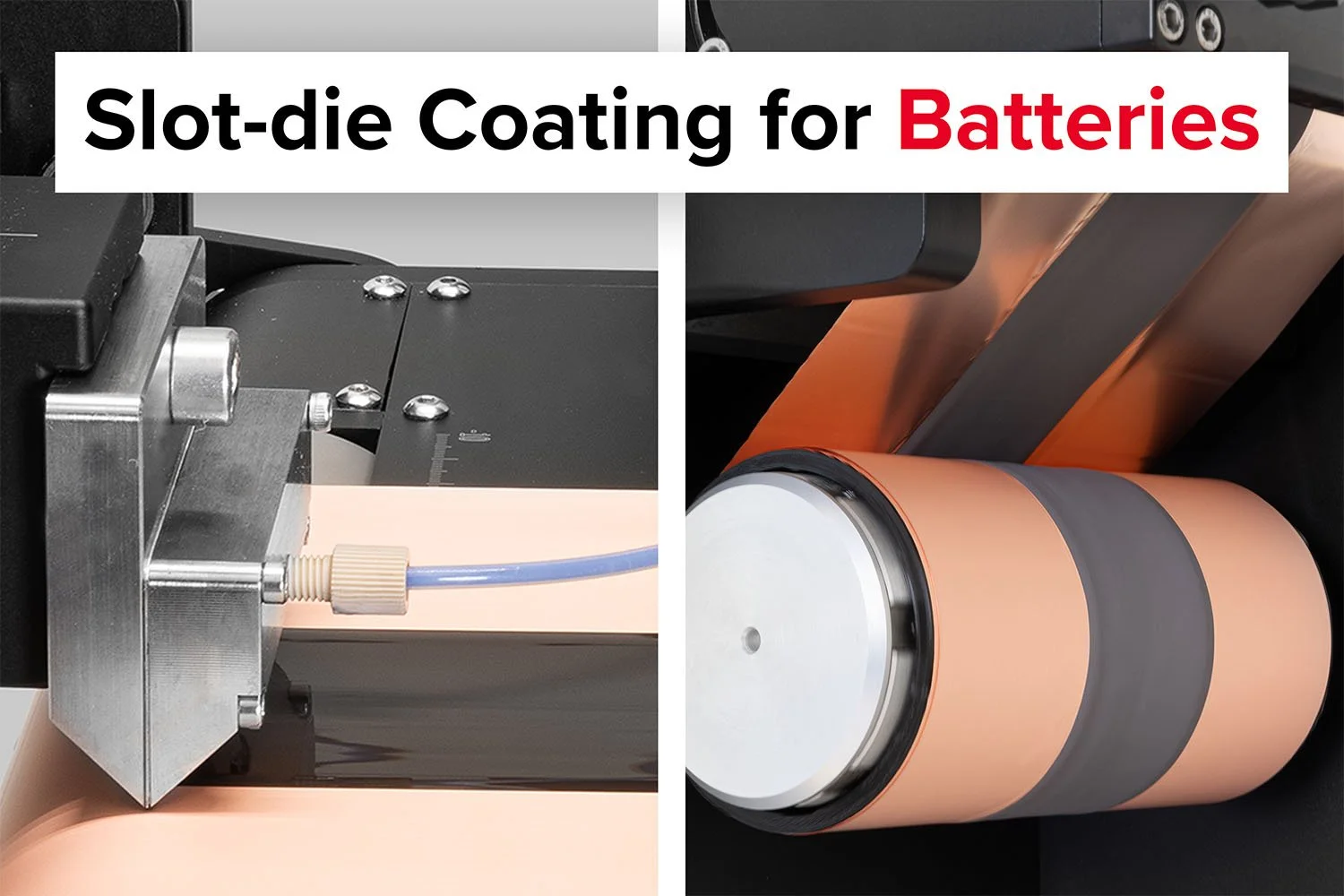
Slot-die coating is a critical step in manufacturing high-performance thin-film batteries.
How the Study Was Conducted: Methods and Findings
The researchers used a Design of Experiments (DoE) approach to systematically vary key process parameters:
Coating speed determined how fast the substrate moved under the slot die.
Dispense rate controlled the volume of fluid pumped through the die per second.
Coating gap defined the distance between the die and the substrate.
They tested four PEO concentrations ranging from 15 to 25 wt% and analyzed the resulting layers for homogeneity, dry thickness, and ionic conductivity. The team also measured rheological properties, such as viscosity and surface tension, to understand how material behavior affects coating stability.
A critical insight was the role of the capillary number (Ca), which compares viscous to capillary forces. Fluids with Ca approximately equal to 1, where neither force dominates, produced the most stable coatings. The 22 wt% PEO fluid achieved this balance, delivering defect-free layers with ionic conductivities of 3 ± 1 × 10⁻⁶ S cm⁻¹, consistent with established literature values.
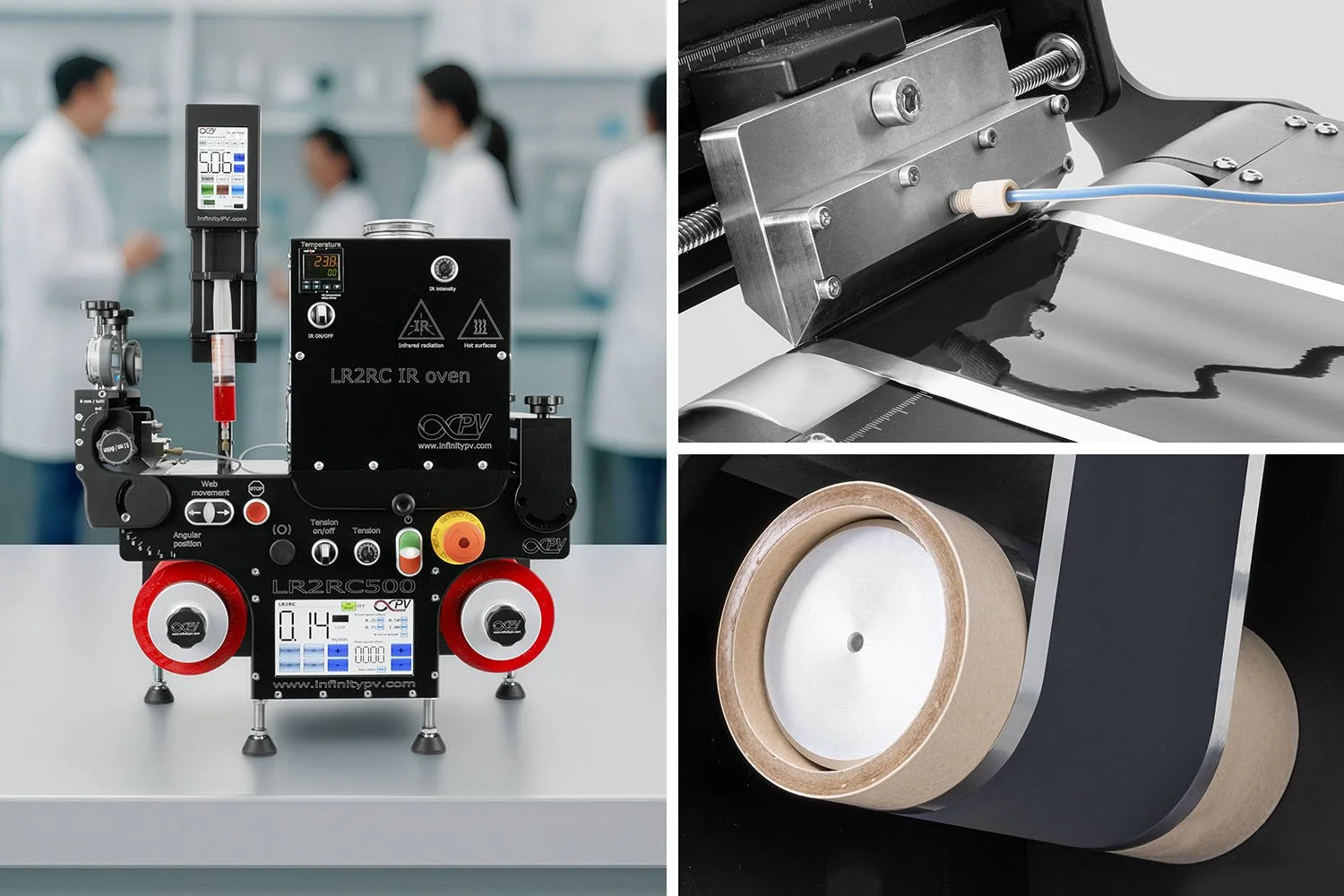
Scalable slot-die coating is easy and precise with the Laboratory Roll-to-Roll Coater.
Future Outlook: The Impact on Battery Manufacturing
This study represents a major step toward scalable, high-quality solid electrolyte production.
The findings provide a framework for optimizing slot die coating not just for PEO, but for other pseudoplastic materials used in solid-state batteries. As the industry moves toward commercializing ASSBs, this research offers practical guidelines for manufacturers to achieve consistent, defect-free layers.
Looking ahead, the next challenges include:
Scaling up production while maintaining layer uniformity.
Exploring new polymer systems with even better ionic conductivity.
Integrating these electrolytes into full battery cells for real-world testing.
The study’s methodology is transferable, meaning it can be applied to other materials and coating processes. This could accelerate the development of safer, higher-performance batteries for applications ranging from electric vehicles to grid storage.
Conclusion
The study demonstrates that thin, uniform solid electrolyte layers can be produced reliably using slot die coating.
By optimizing PEO concentration, coating speed, and dispense rate, the researchers achieved a balance of viscous and capillary forces, resulting in defect-free coatings with consistent ionic conductivity.
This work is a critical advancement for the solid-state battery industry, offering a scalable, reproducible method for producing high-quality electrolytes. As demand for safer, more efficient energy storage grows, studies like this pave the way for next-generation batteries that could power everything from smartphones to electric vehicles.
Authors:
Andrea Wiegandt
Frederieke Langer
Julian Schwenzel
Get Professional Support for Your Battery Coating Needs
Need help with slot-die coating or machines? Contact our experts for guidance and support.
Related News
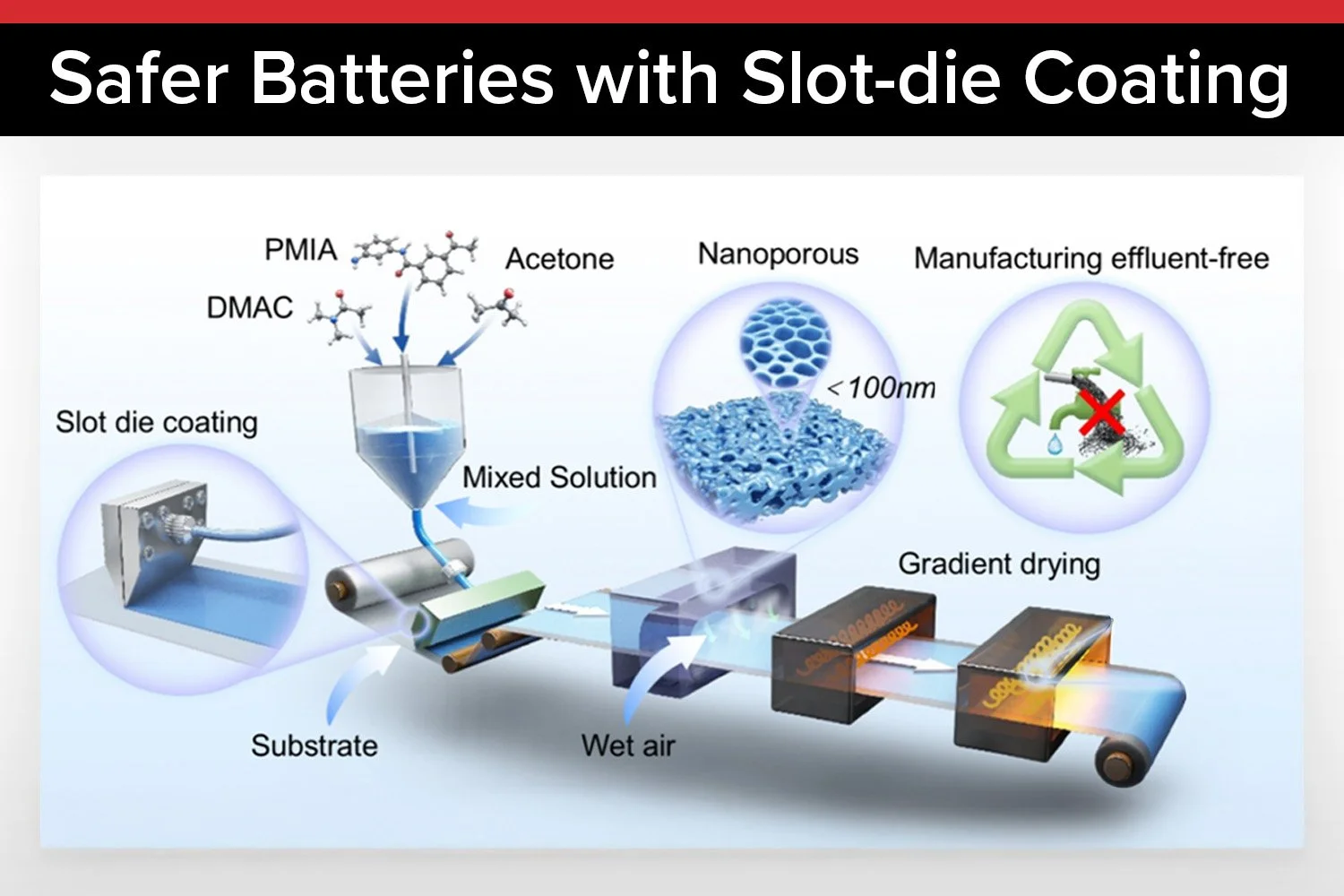
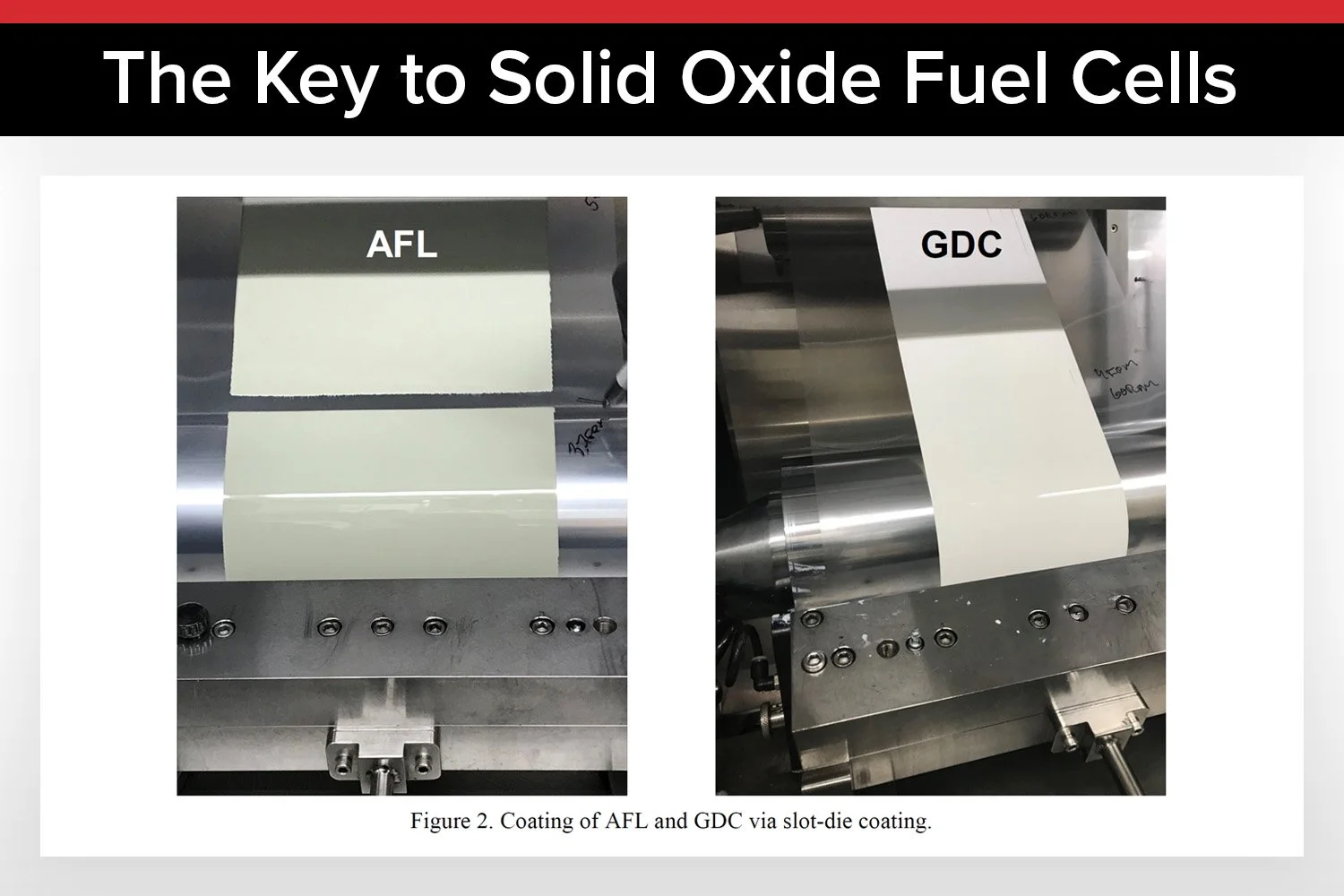



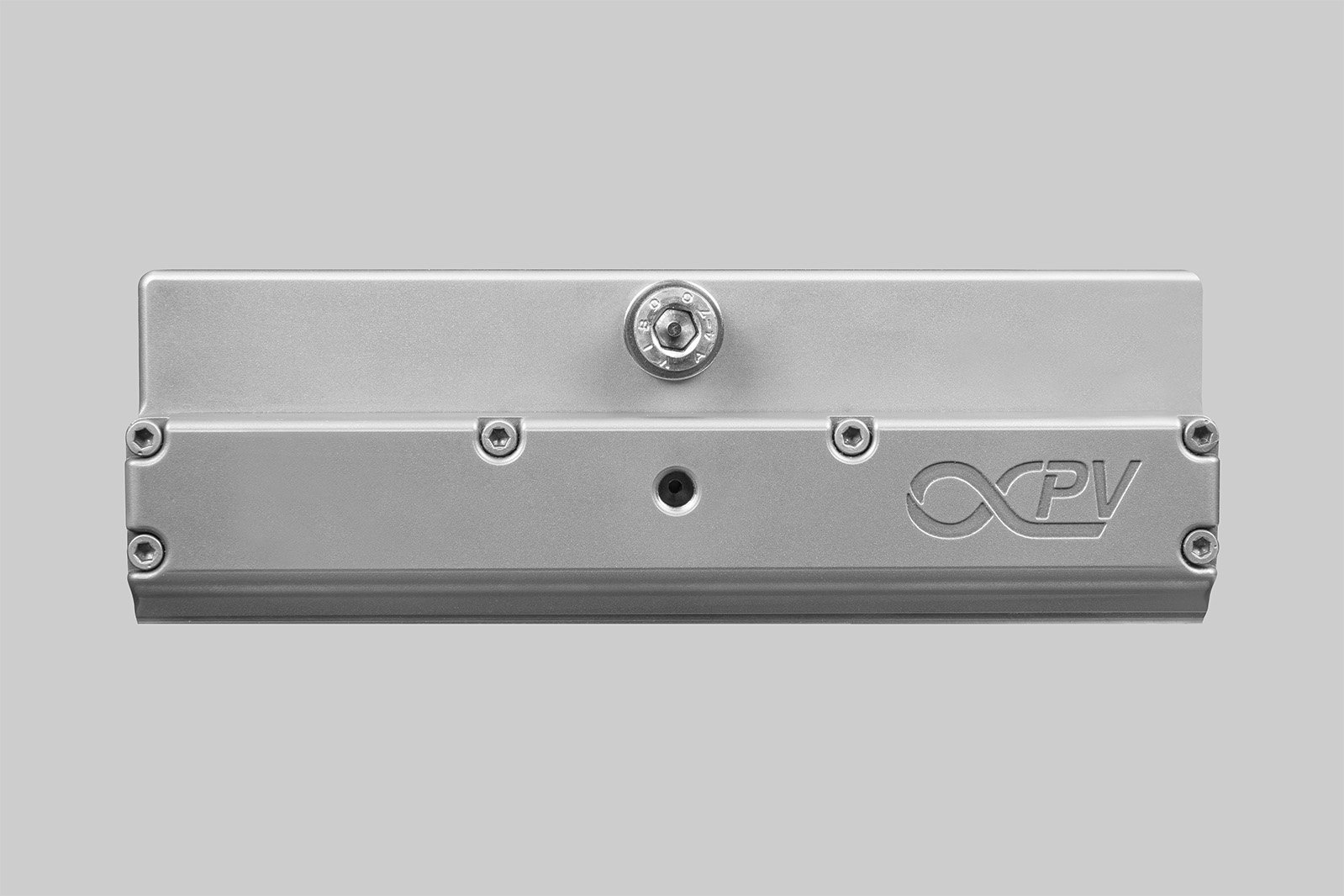

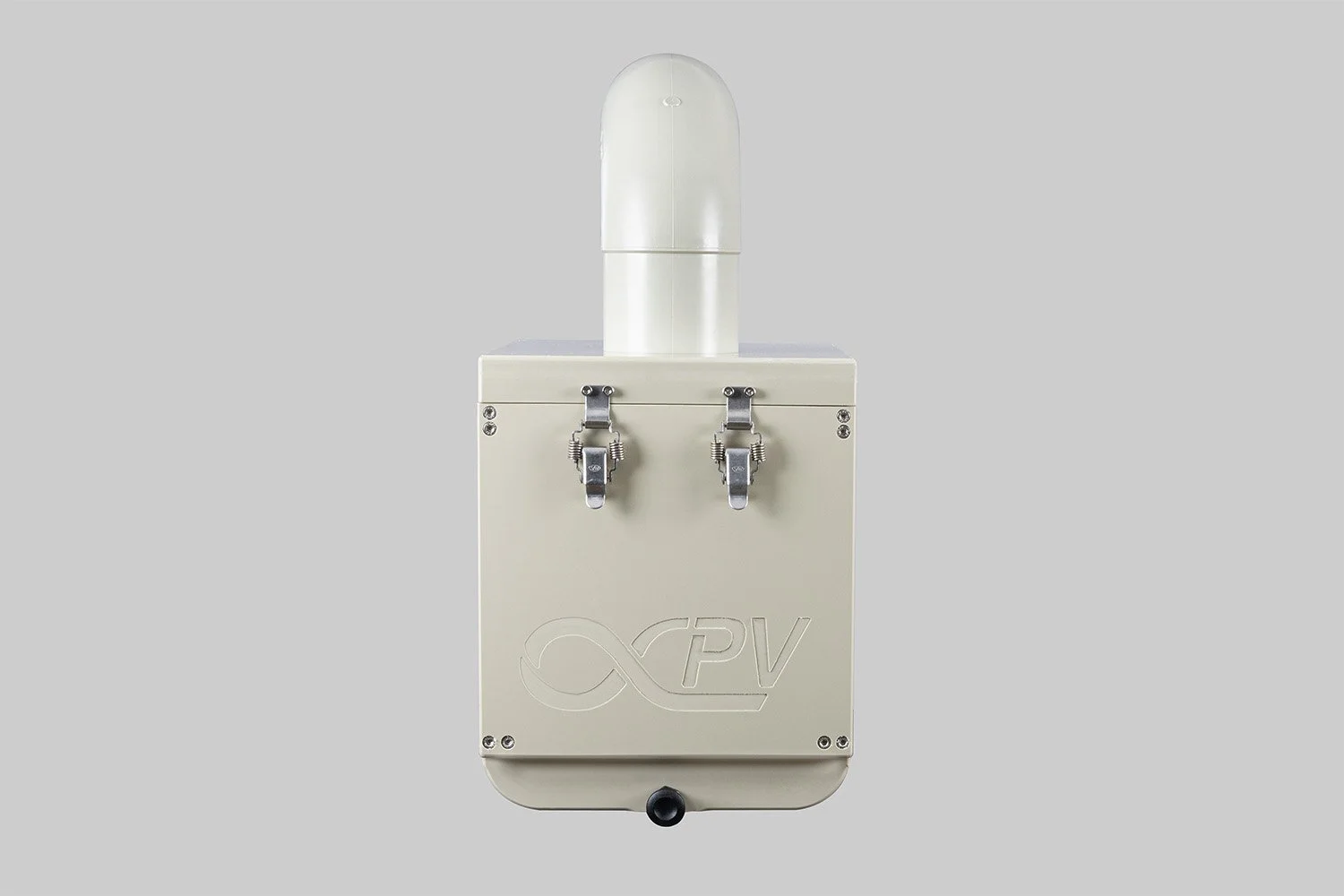


The SDC Battery Coater Pro is specifically designed for researchers dedicated to developing and optimizing battery materials. It facilitates a seamless transition from research to commercialization. View video.