
Scalable Manufacturing of Nanoporous Separators for Lithium-Ion Batteries Using Slot-die Coating
Lithium-ion batteries (LIBs) are the backbone of modern electric vehicles and energy storage systems, but their increasing energy density raises safety concerns, particularly thermal runaway. Traditional polyolefin separators like polyethylene (PE) and polypropylene (PP) struggle with thermal instability, which can lead to catastrophic failures.
A recent study in ACS Nano introduces a scalable roll-to-roll method using slot-die coating to fabricate nanoporous poly(m-phenylene isophthalamide) (PMIA)-modified PE separators. This approach enhances thermal stability, electrolyte wettability, and interfacial stability, addressing critical safety challenges in large-format LIBs.
What You Need to Know
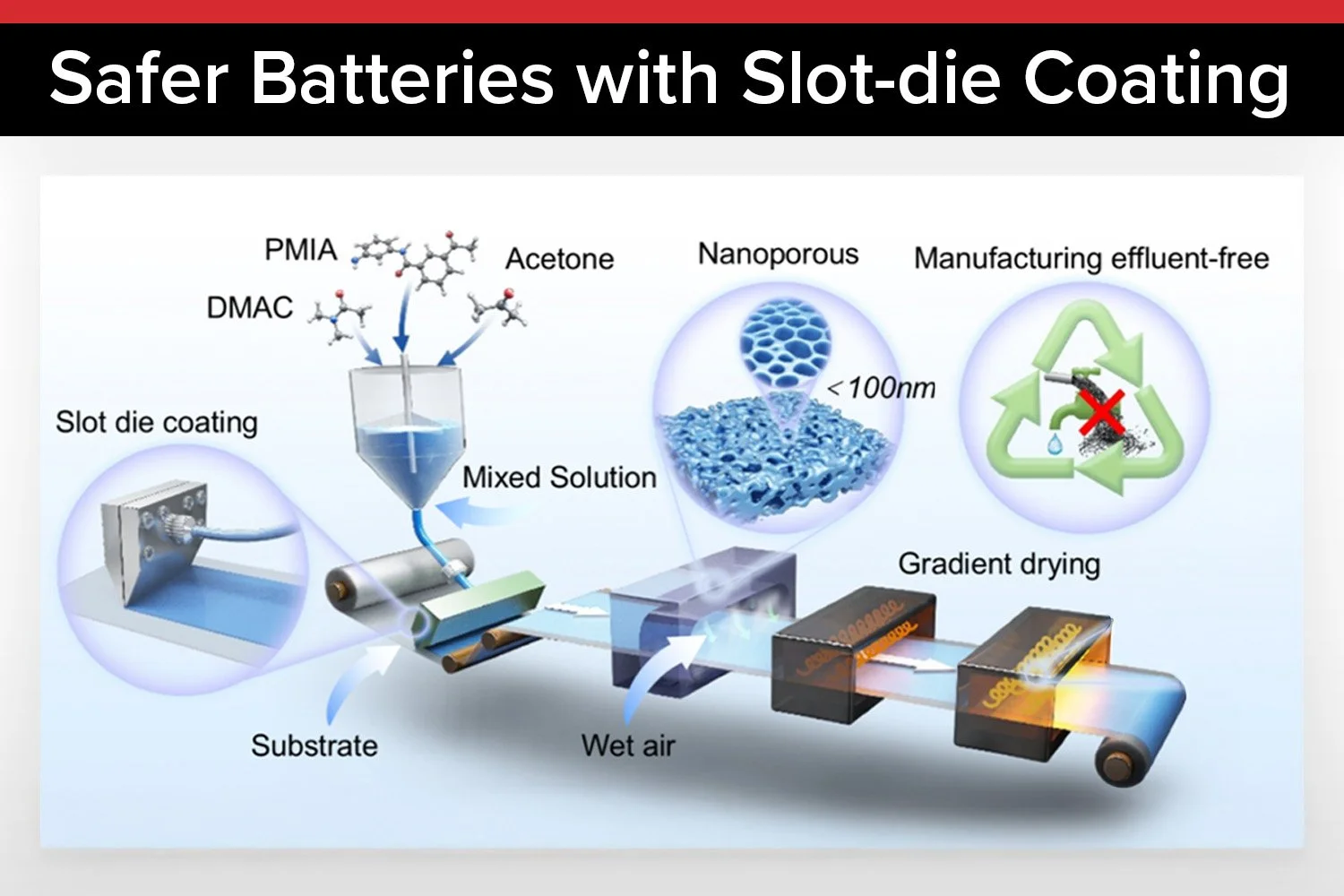
The study demonstrates a roll-to-roll slot-die coating process for producing PMIA@PE separators using a nonsolvent and evaporation-induced phase separation (NEIPS) technique. This method reduces water consumption and environmental impact compared to traditional wet processes.
The PMIA@PE separator achieves thermal shrinkage below 6% at 210°C for 1 hour, significantly outperforming commercial PE separators. It also improves electrolyte affinity and cycling stability without sacrificing performance.
Accelerating rate calorimetry tests show that 60 Ah LiNi₀.₆Mn₀.₂Co₀.₂O₂/graphite pouch batteries with PMIA@PE separators have the highest thermal runaway trigger temperature, lowest peak temperature, and slowest temperature rise rate compared to commercial alternatives.
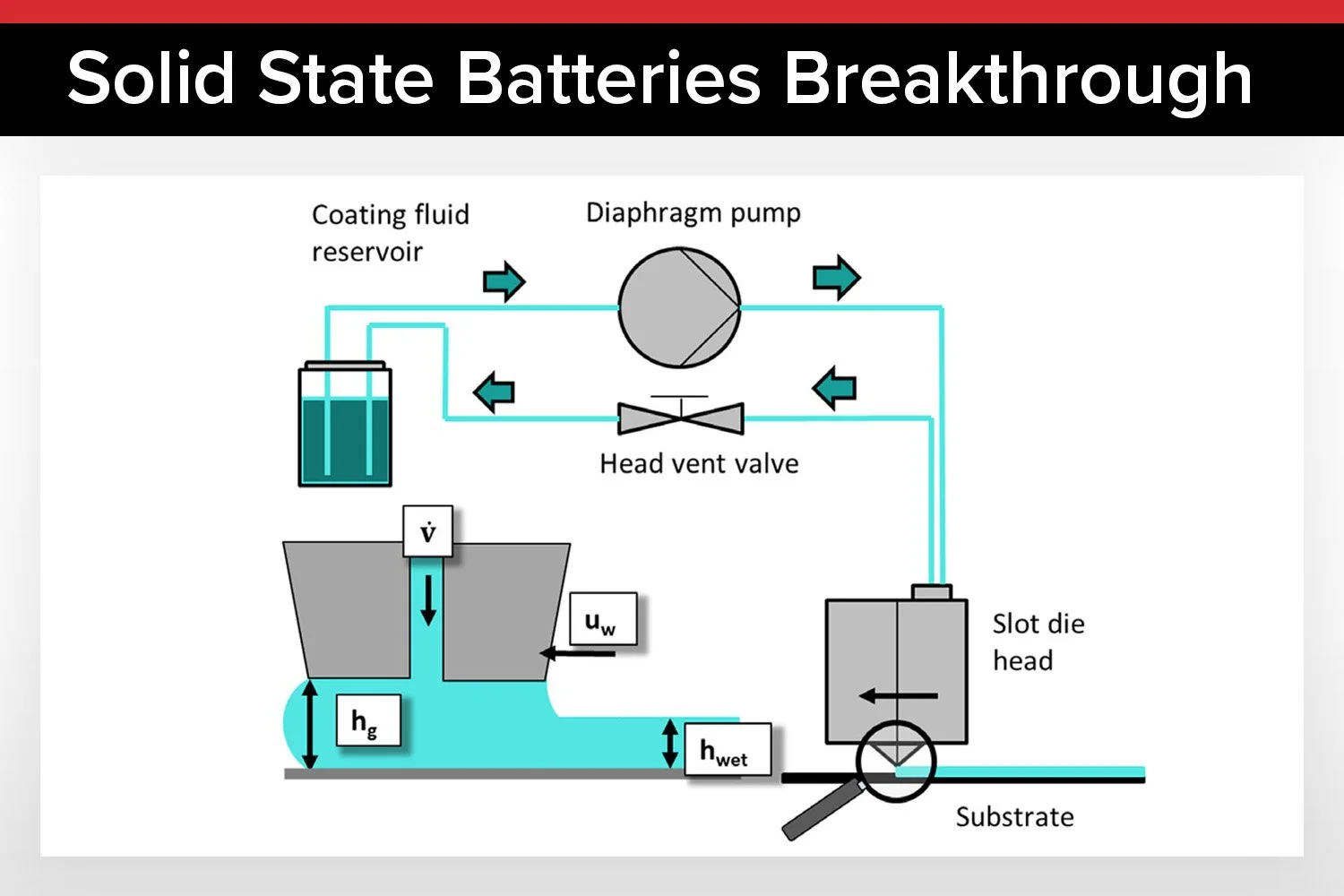
Slot-die coating is a critical step in manufacturing high-performance thin-film batteries.
The Science Behind PMIA@PE Separators
The fabrication process involves slot-die coating a PMIA solution onto a PE substrate, followed by exposure to humid air to induce phase separation. This creates a nanoporous structure that enhances thermal and mechanical properties. The NEIPS method eliminates the need for a coagulation bath, reducing water consumption by up to 85.72% compared to traditional nonsolvent-induced phase separation (NIPS) processes.
Life cycle assessment results confirm that NEIPS exerts less than 35% of the environmental impact of NIPS across all categories, with water consumption reduced to just 14.28% of the traditional method. The PMIA@PE separator’s nanoporous structure improves electrolyte uptake and ionic conductivity, while its thermal stability prevents shrinkage and deformation at elevated temperatures.
Performance and Safety Advantages
The PMIA@PE separator outperforms commercial PE and Al₂O₃@PE separators in thermal stability, electrolyte compatibility, and flame retardancy. It exhibits a 32% increase in specific surface area and a 10% reduction in total pore volume, enhancing electrolyte compatibility and ionic conductivity. Thermal shrinkage is minimal, with only 5.4% area shrinkage at 210°C, compared to 48.1% for PE separators at 180°C.
In accelerating rate calorimetry tests, the PMIA@PE separator delays thermal runaway onset, reduces peak temperature, and lowers the maximum temperature rise rate. This translates to a substantially reduced risk of catastrophic failures, making it ideal for high-safety applications in electric vehicles and energy storage systems.
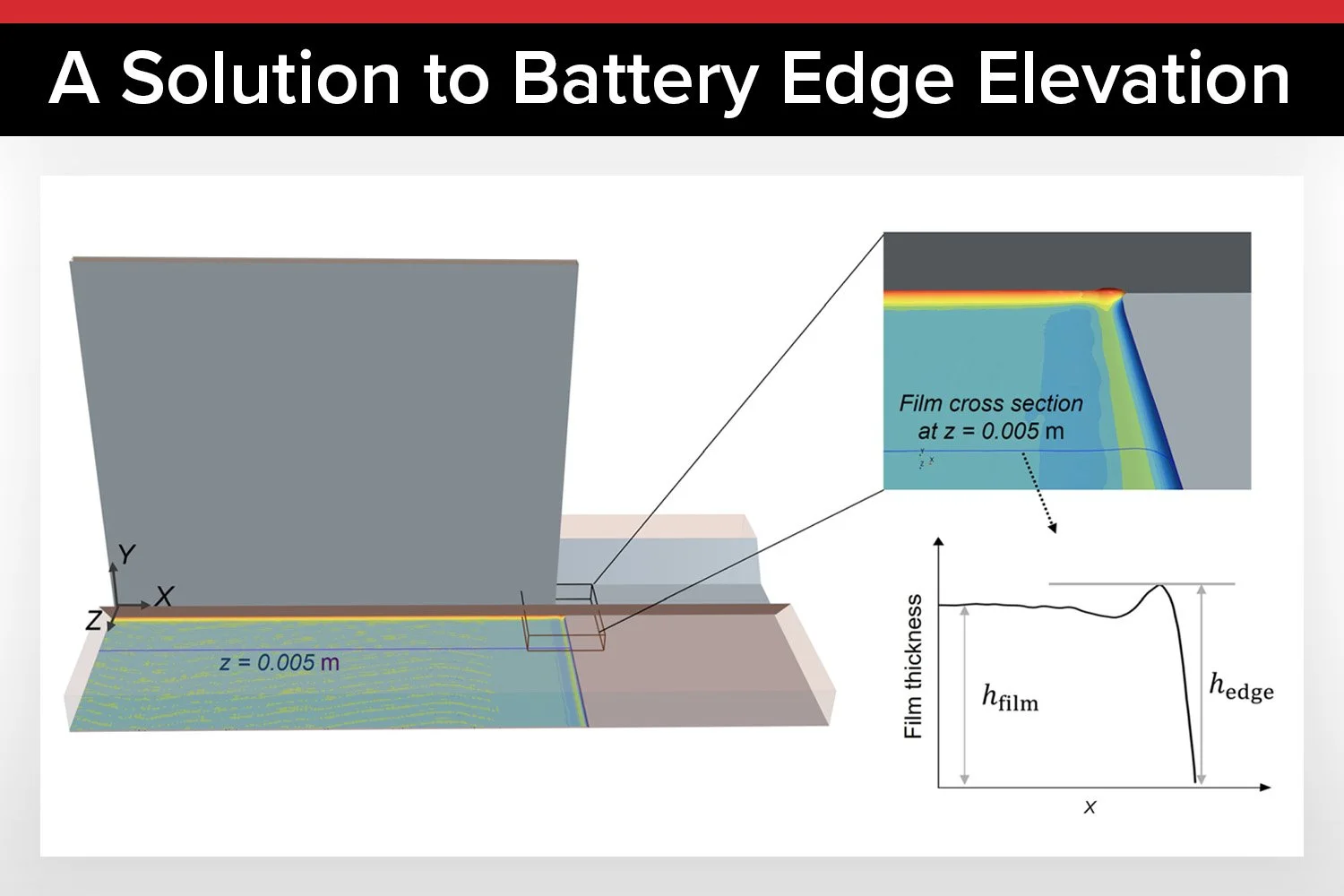
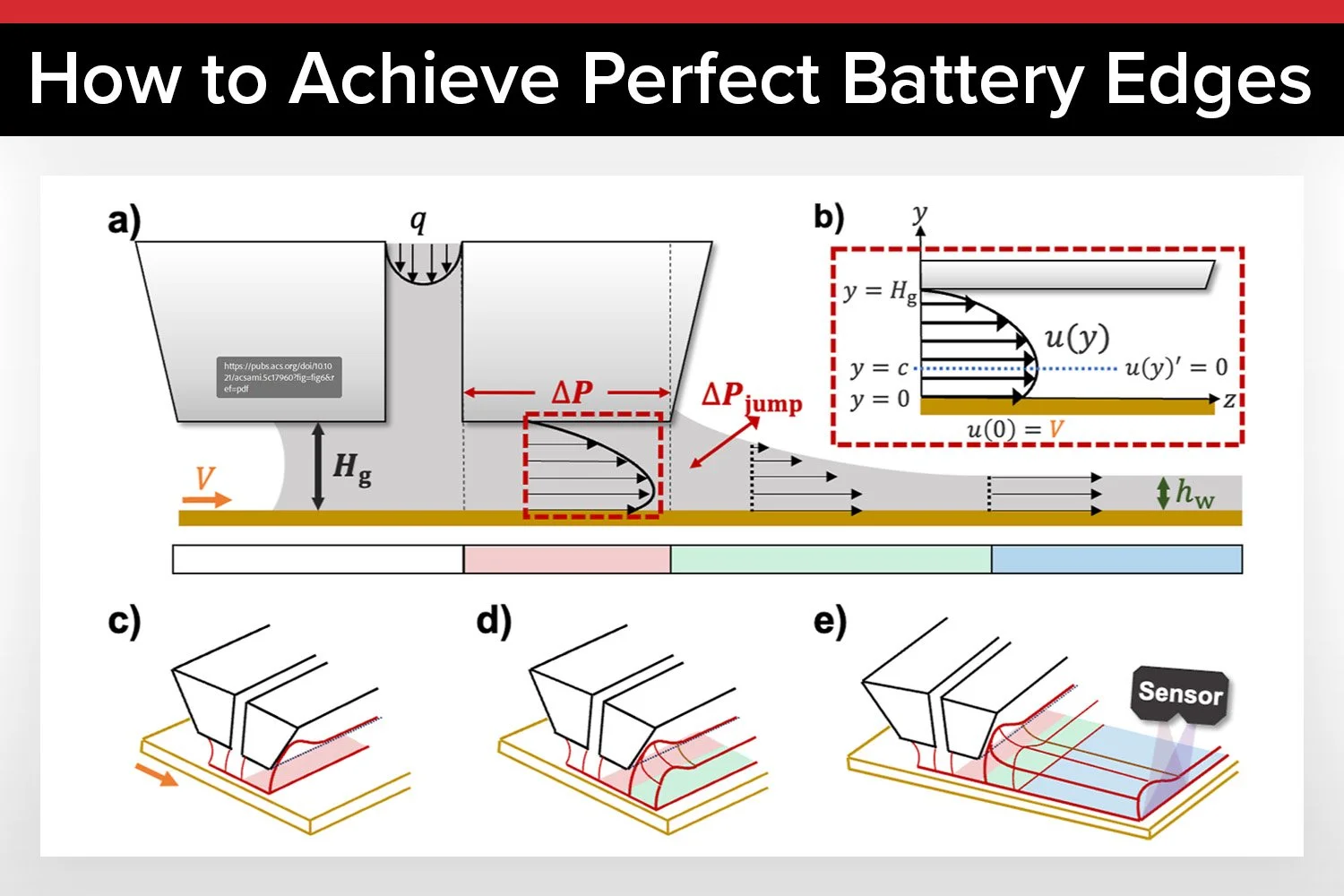
Slot-die coating precisely applies ultra-thin, uniform films. Ideal for advanced battery manufacturing.
The Role of Slot-Die Coating
Slot-die coating is a precise and scalable method for applying thin, uniform layers of material onto a substrate. In this study, it enables the continuous, large-scale production of PMIA@PE separators with consistent thickness and porosity. This method allows for precise control over coating thickness, pore structure, and material distribution, which is critical for manufacturing high-performance nanoporous separators.
The roll-to-roll slot-die coating process ensures high throughput and efficiency, making it ideal for industrial applications. By eliminating the need for a coagulation bath and reducing water consumption, slot-die coating contributes to a more sustainable manufacturing process. This aligns with the growing demand for eco-friendly and scalable production methods in the battery industry.
Future Implications
The NEIPS method demonstrated in this study is not limited to PMIA@PE separators. It can be extended to other high-temperature-resistant polymer-coated separators, such as polyimide (PI), polyethylene terephthalate (PET), and polyacrylonitrile (PAN). This opens new possibilities for broader implementation of high-safety separator technologies in next-generation LIBs.
As demand for safer and more efficient energy storage solutions grows, scalable manufacturing methods like slot-die coating will play a pivotal role in advancing battery technology. The findings highlight the potential of slot-die coating to produce high-performance separators that address critical safety challenges in LIBs.

The Laboratory Roll-to-Roll Coater makes double-sided slot-die coating simple.
Conclusion
The study presents a scalable and eco-friendly NEIPS-based method for fabricating PMIA@PE nanoporous separators with enhanced thermal and electrochemical performance. Slot-die coating enables precise control over separator morphology, leading to improved thermal stability, electrolyte wettability, and flame retardancy. These advancements are critical for addressing thermal runaway risks in large-format lithium-ion batteries. The NEIPS method also offers significant environmental benefits, reducing water consumption and environmental impact compared to traditional manufacturing processes. This research underscores the importance of slot-die coating in producing high-safety separators for next-generation LIBs.
References
Yu, Y. et al. (2026) ‘Roll-to-Roll Scalable Manufacturing of Nanoporous Separators for High-Safety Lithium-Ion Batteries’, ACS Nano, 20(13), pp. 13042–13054. doi: 10.1021/acsnano.6c00772.
Get Professional Support for Your Battery Coating Needs
Need help with slot-die coating or machines? Contact our experts for guidance and support.
Related News
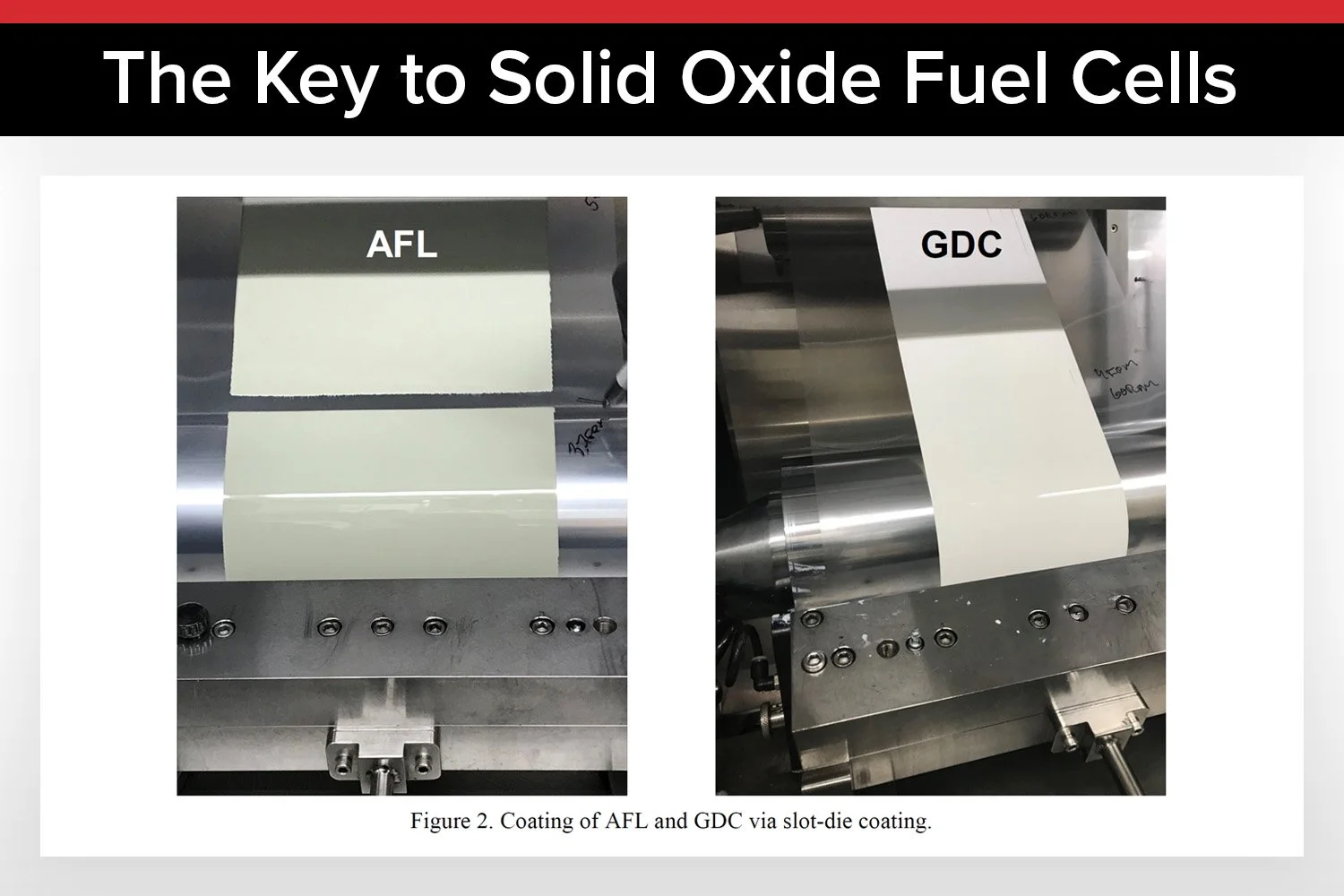
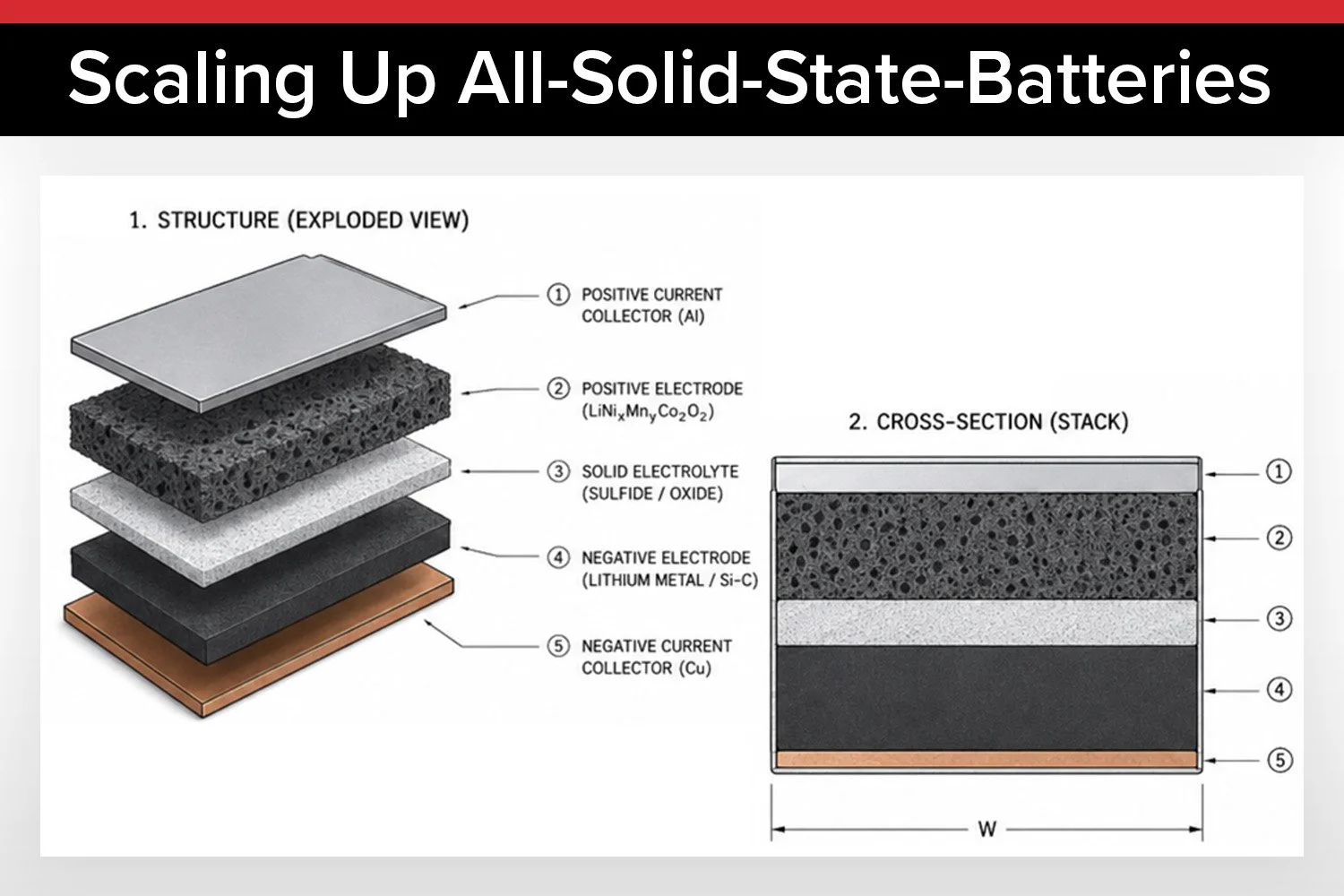
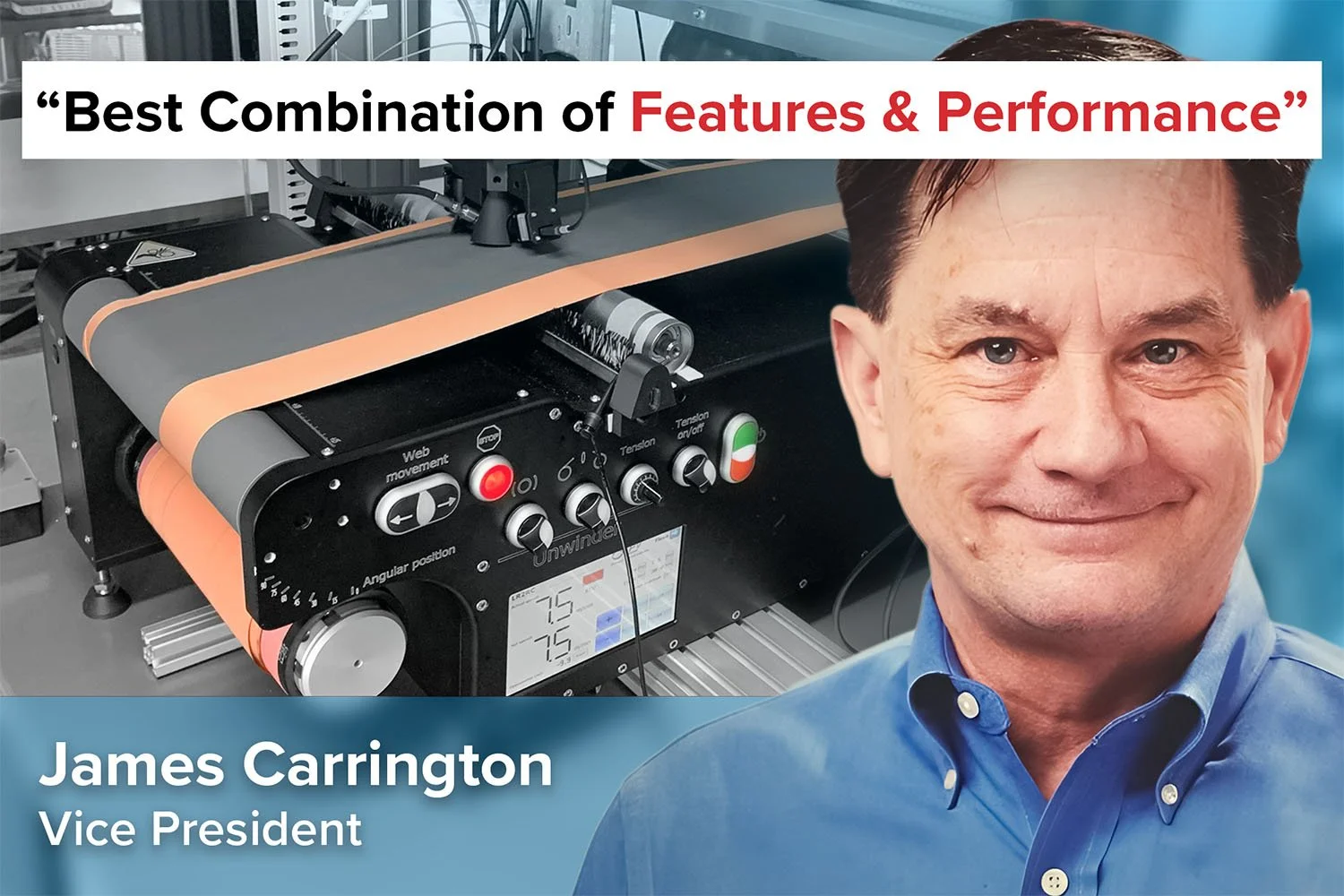




The SDC Battery Coater Pro is specifically designed for researchers dedicated to developing and optimizing battery materials. It facilitates a seamless transition from research to commercialization. View video.