
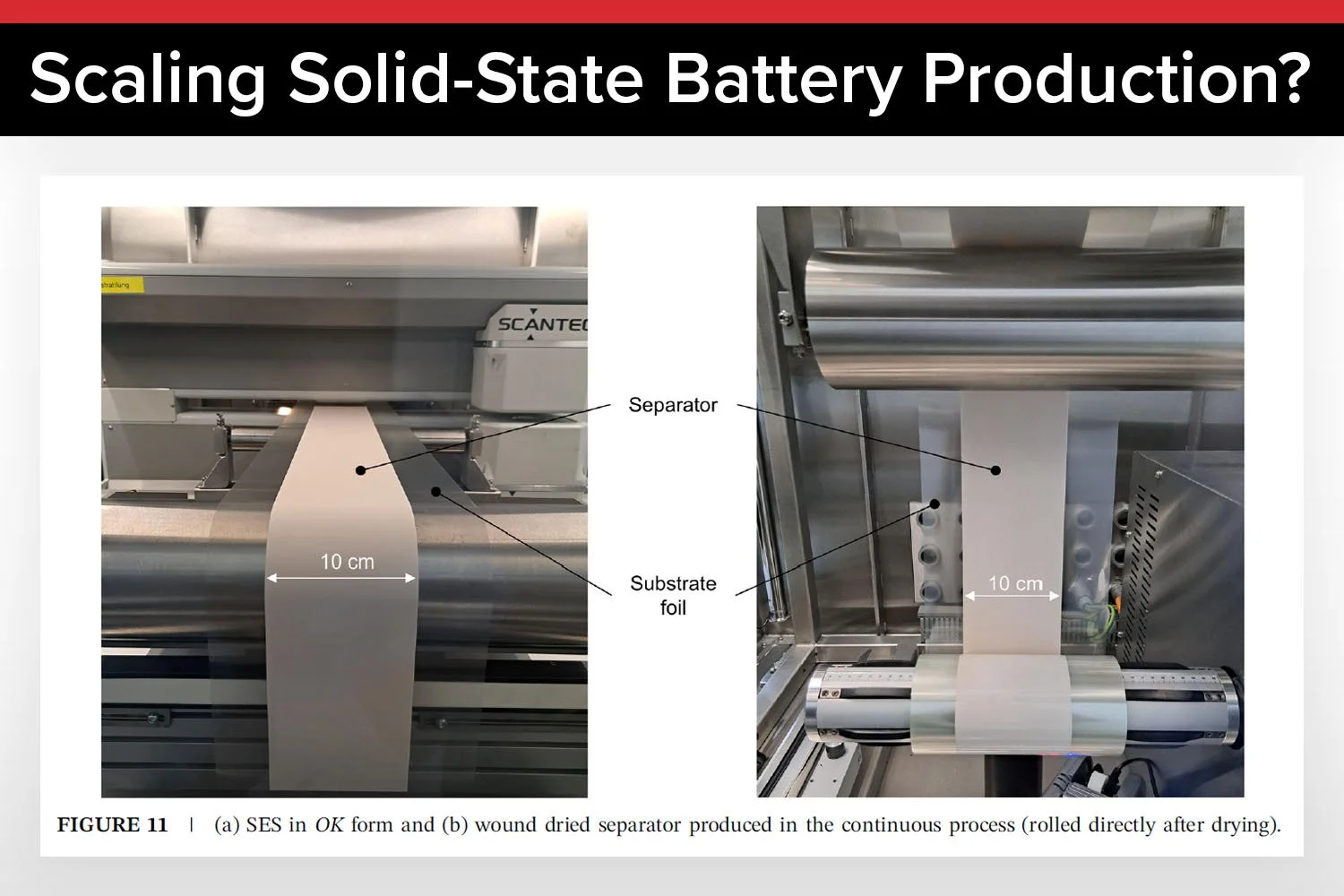
The development of all-solid-state batteries depends not only on new materials, but also on manufacturing processes that can produce them consistently. A recent study published in Energy Technology investigates how continuous roll-to-roll coating and drying can be used to manufacture sulfide-based solid electrolyte separators.
The researchers systematically examined how coating and drying parameters influence the resulting material. They then validated the selected process conditions by producing 2.5 metres of separator material at a consistent mass loading in a continuous roll-to-roll experiment.
What You Need to Know
The study investigates continuous roll-to-roll production of sulfide-based solid electrolyte separators for all-solid-state batteries.
The researchers used doctor-blade coating to apply a sulfide electrolyte slurry onto a flexible polyethylene substrate.
Coating gap, web speed, drying temperature and airflow influenced the separator's thickness, structure, crack formation and ionic conductivity.
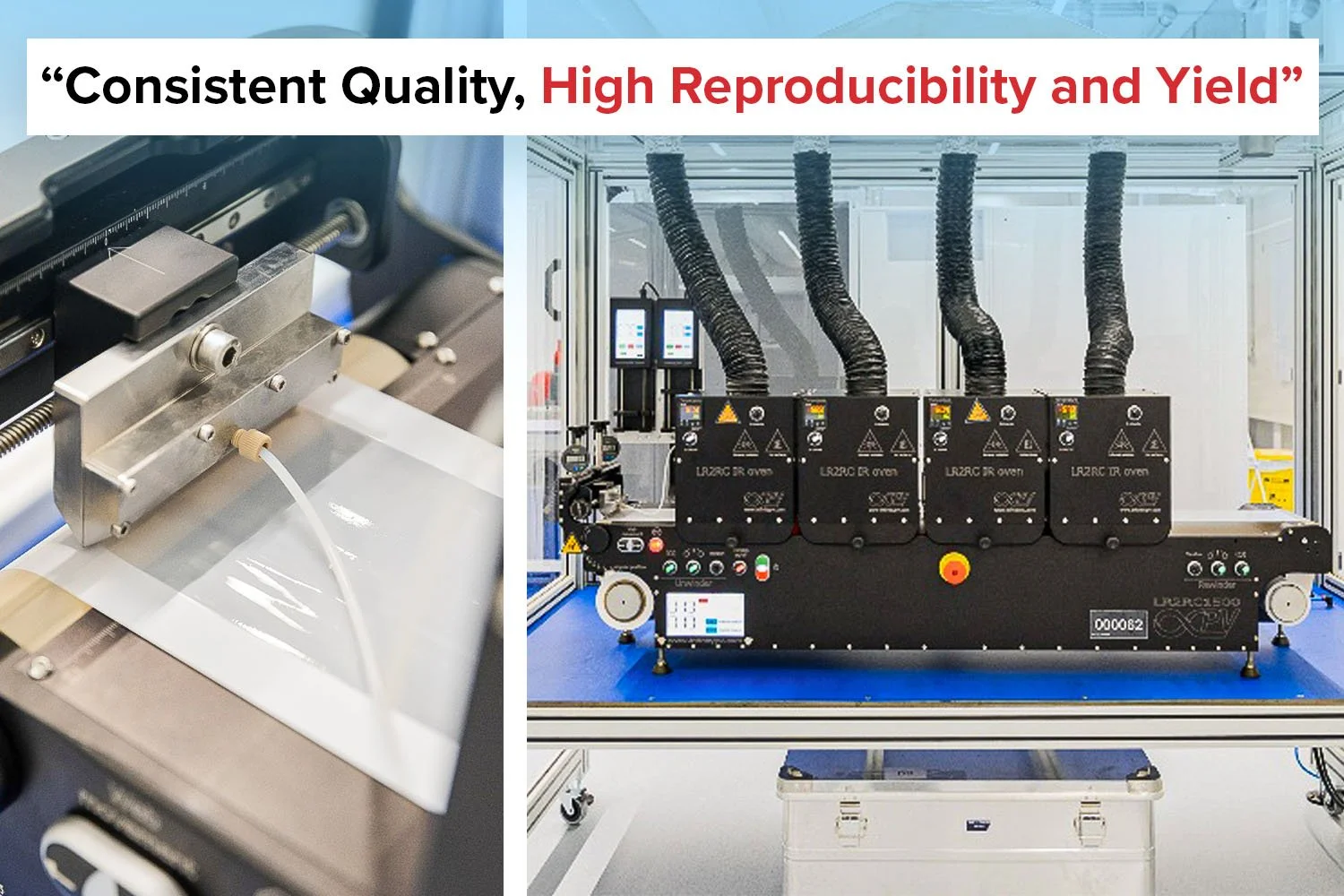
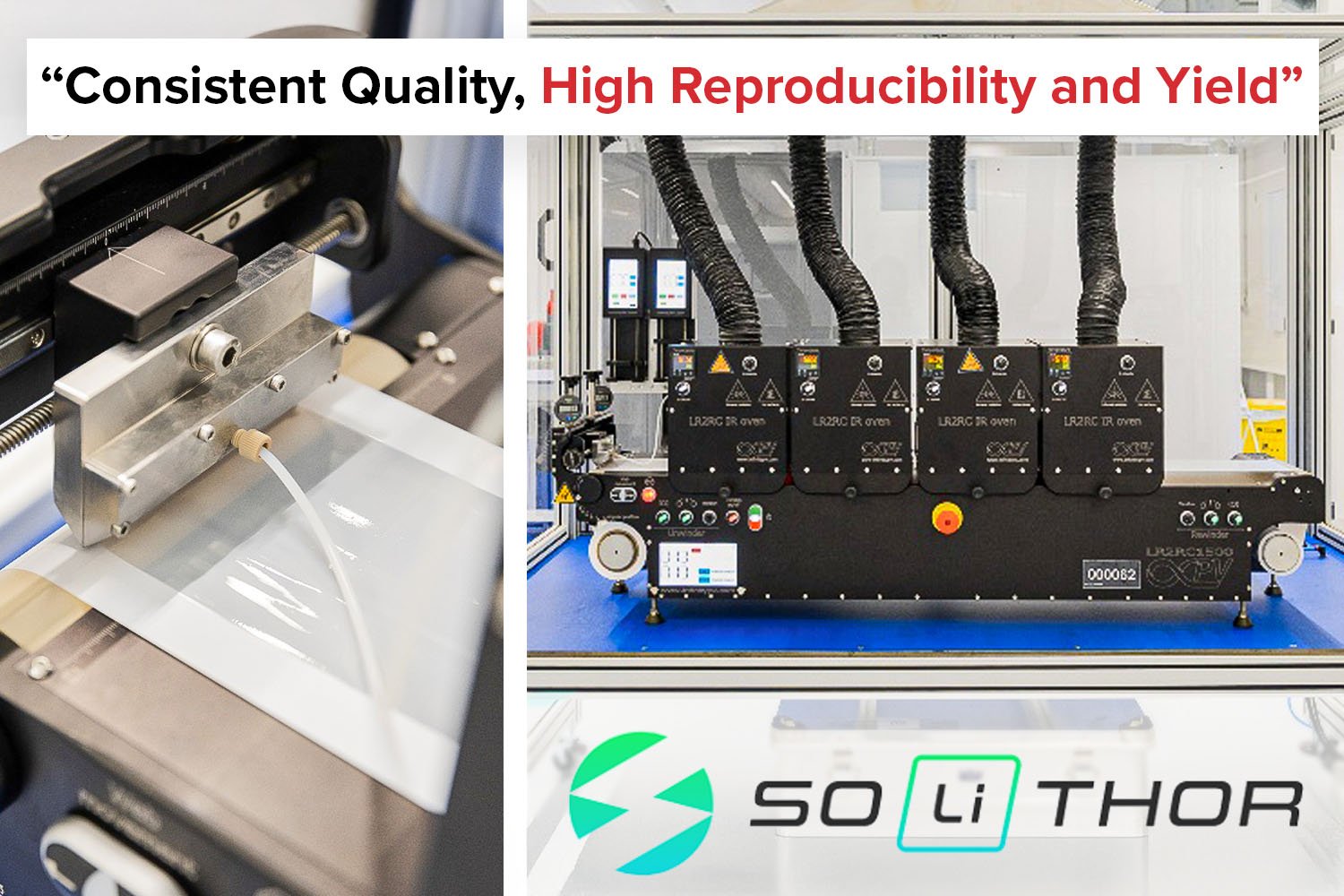
SOLiTHOR develops high-energy-density solid-state batteries using a Laboratory Roll-to-Roll Coater. Read the full case study.
Developing Scalable Solid Electrolyte Separators
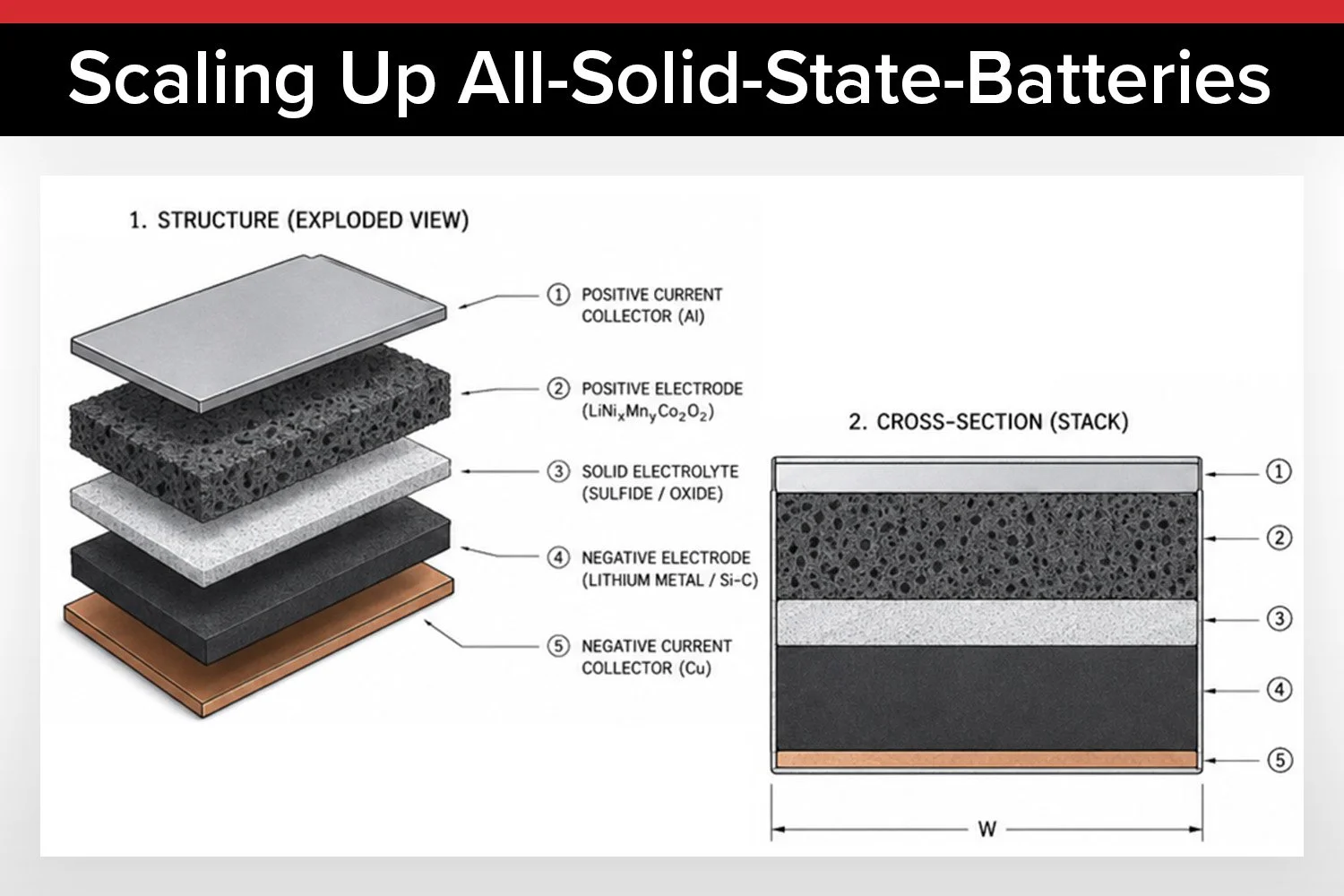
Solid-state batteries use a solid electrolyte instead of the liquid electrolyte found in conventional lithium-ion batteries. Sulfide-based solid electrolytes are of particular interest because of their high ionic conductivity and potential compatibility with established battery manufacturing processes.
The solid electrolyte separator must provide ionic conduction while preventing electronic contact between the electrodes. It also needs sufficient mechanical integrity to withstand handling and subsequent manufacturing steps. Producing thin, uniform and mechanically stable separators continuously remains a challenge.
In this study, the researchers prepared a slurry containing argyrodite-type lithium phosphorus sulfur chloride (LPSCl) and a polyisobutene (PIB) binder. The slurry was applied to a flexible polyethylene substrate using continuous roll-to-roll doctor-blade coating.
The experiments examined the influence of coating gap, web speed, drying temperature and drying airflow on the resulting separator layers.
Controlling Coating and Drying Parameters
The experiments showed that the coating gap directly influenced dry-layer thickness and material loading. Increasing the gap from 200 to 400 µm produced thicker layers with higher mass loading, but also increased variation. Higher web speeds resulted in thinner coatings and lower mass loading.
Drying conditions also affected the resulting material. Increasing the drying temperature and airflow generally reduced layer thickness and mass loading. However, airflow had an important effect on crack formation and ionic conductivity.
At a coating gap of 200 µm and a web speed of 0.1 m/min, increasing the drying airflow to 3.0 m/s prevented crack formation under the tested conditions. The researchers also found that increasing airflow from 1.5 to 3.0 m/s improved ionic conductivity from approximately 0.20 to 0.29 mS/cm in the investigated samples.
The selected process parameters were subsequently validated in a continuous roll-to-roll experiment. These included a 200 µm coating gap, a web speed of 0.1 m/min, drying temperatures of 80 and 100 °C in the two drying stages, and an airflow of 3.0 m/s.
Using these settings, the researchers produced 2.5 metres of separator material at a consistent mass loading, followed by an additional 1.3-metre run-off section in which thickness and mass loading gradually decreased as the slurry reservoir emptied. The material was fully dried at the oven outlet and could be wound without visible macroscopic defects.
The validated separator had a dry thickness of 72.85 ± 1.36 µm before pressing and an ionic conductivity of 0.27 ± 0.06 mS/cm. After uniaxial pressing, it could be detached from the polyethylene substrate and handled as a free-standing membrane.
The analysis also revealed binder migration towards the upper surface during drying. This indicates that further optimisation is needed to improve the separator's microstructural uniformity and ionic transport properties.
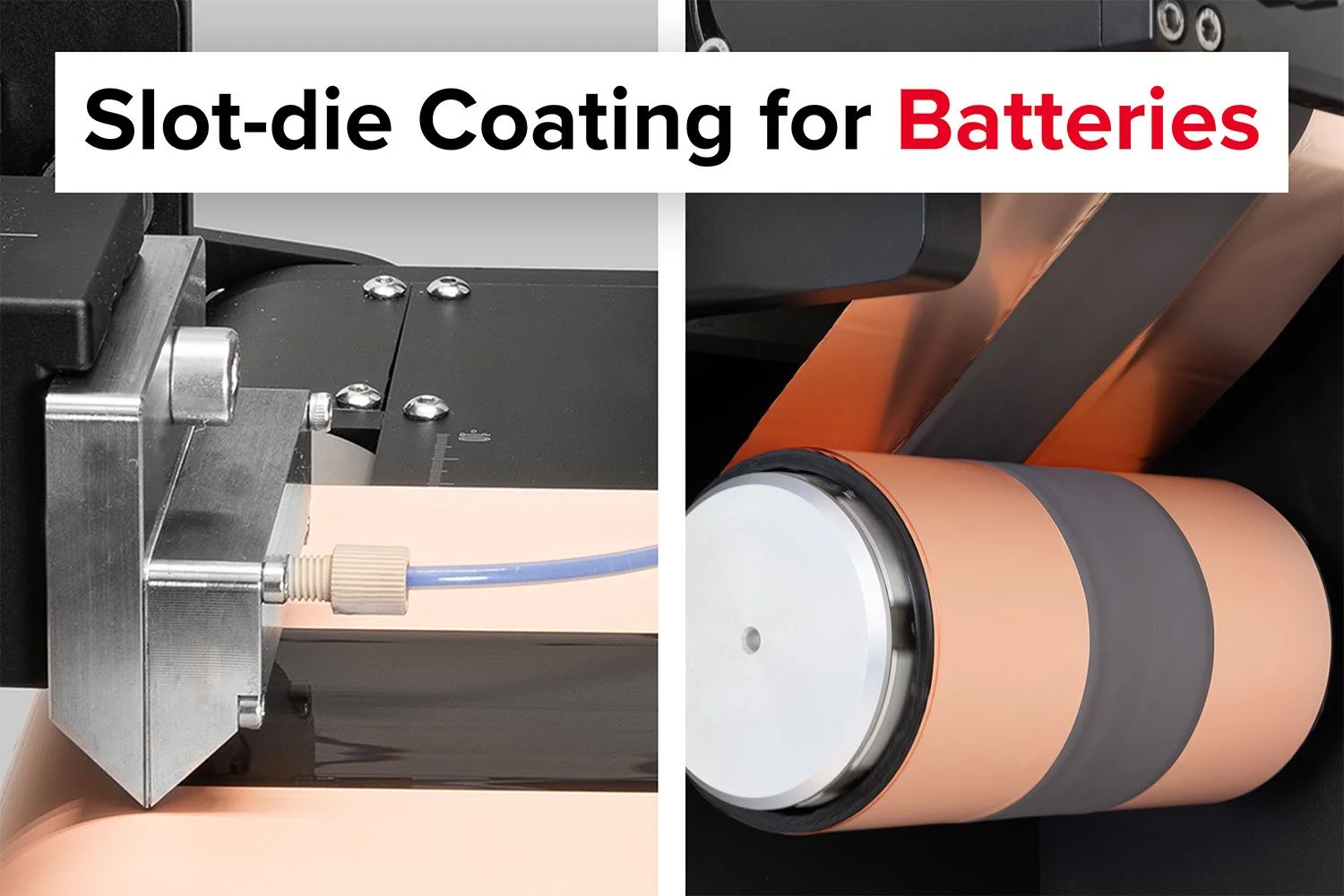
Slot-die coating precisely applies ultra-thin, uniform films. Ideal for advanced battery manufacturing.
Towards Continuous Solid Electrolyte Manufacturing
The study demonstrates continuous roll-to-roll production of sulfide-based solid electrolyte separators and identifies how coating and drying parameters influence their properties.
The validated process produced 2.5 metres of separator material at a consistent mass loading, with the resulting membrane showing mechanical integrity and measurable ionic conductivity. Further work is needed to reduce separator thickness and improve the drying process, particularly to limit binder migration.
These findings contribute to the understanding of continuous manufacturing processes for sulfide-based solid-state battery components. Future investigations using doctor-blade and slot-die coating will explore the production of thinner separators suitable for further development of all-solid-state batteries.
Reference
Jaimez Farnham, E., Mayr, A., Wach, L. and Daub, R. (2026) 'Continuous Roll-To-Roll Coating and Drying of Sulfide-Based Solid Electrolyte Separators for Scalable Manufacturing', Energy Technology, 14, e70661. https://doi.org/10.1002/ente.70661.
Get Professional Support for Your Battery Coating Needs
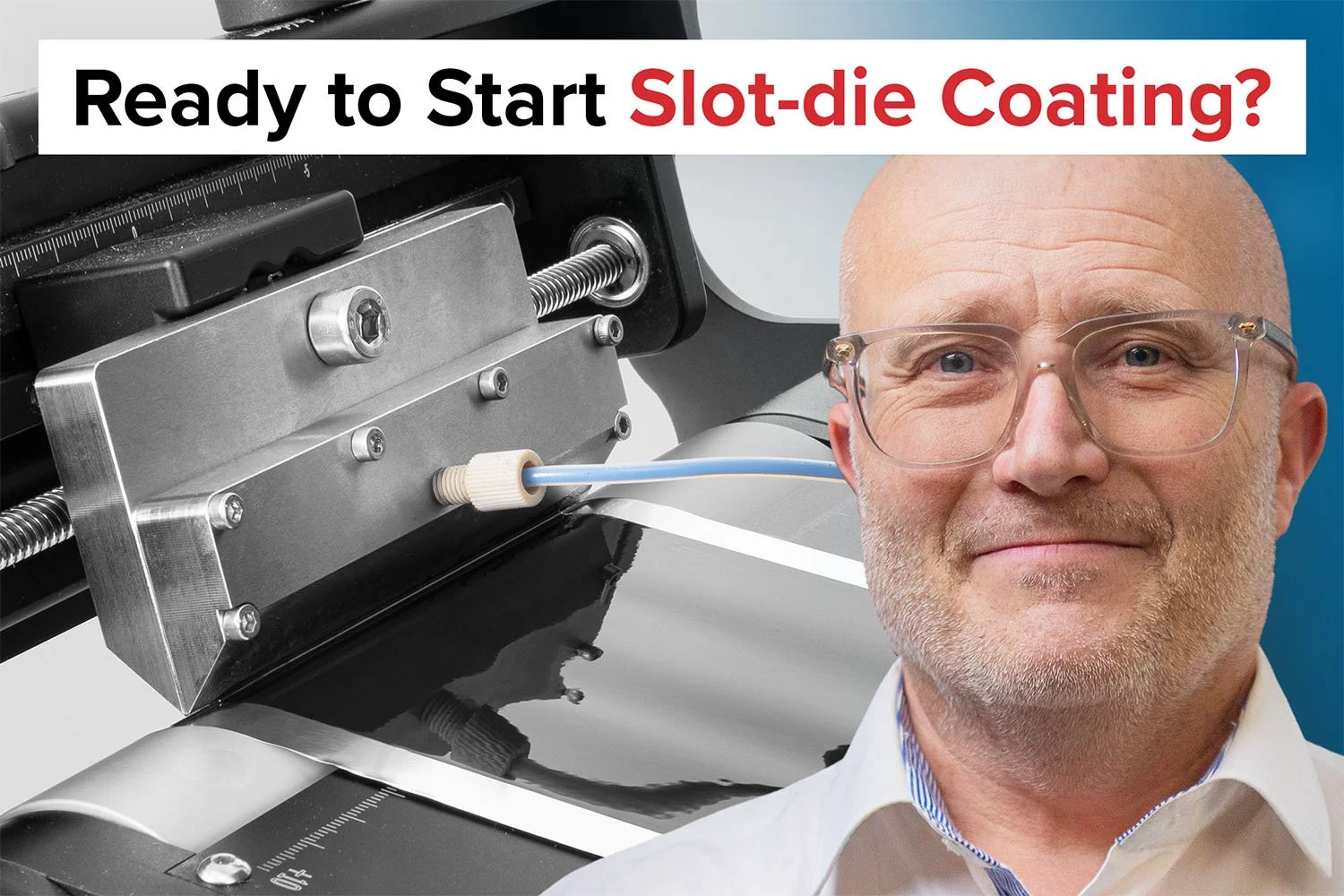
Need help with slot-die coating or machines? Contact our experts for guidance and support.
Related News


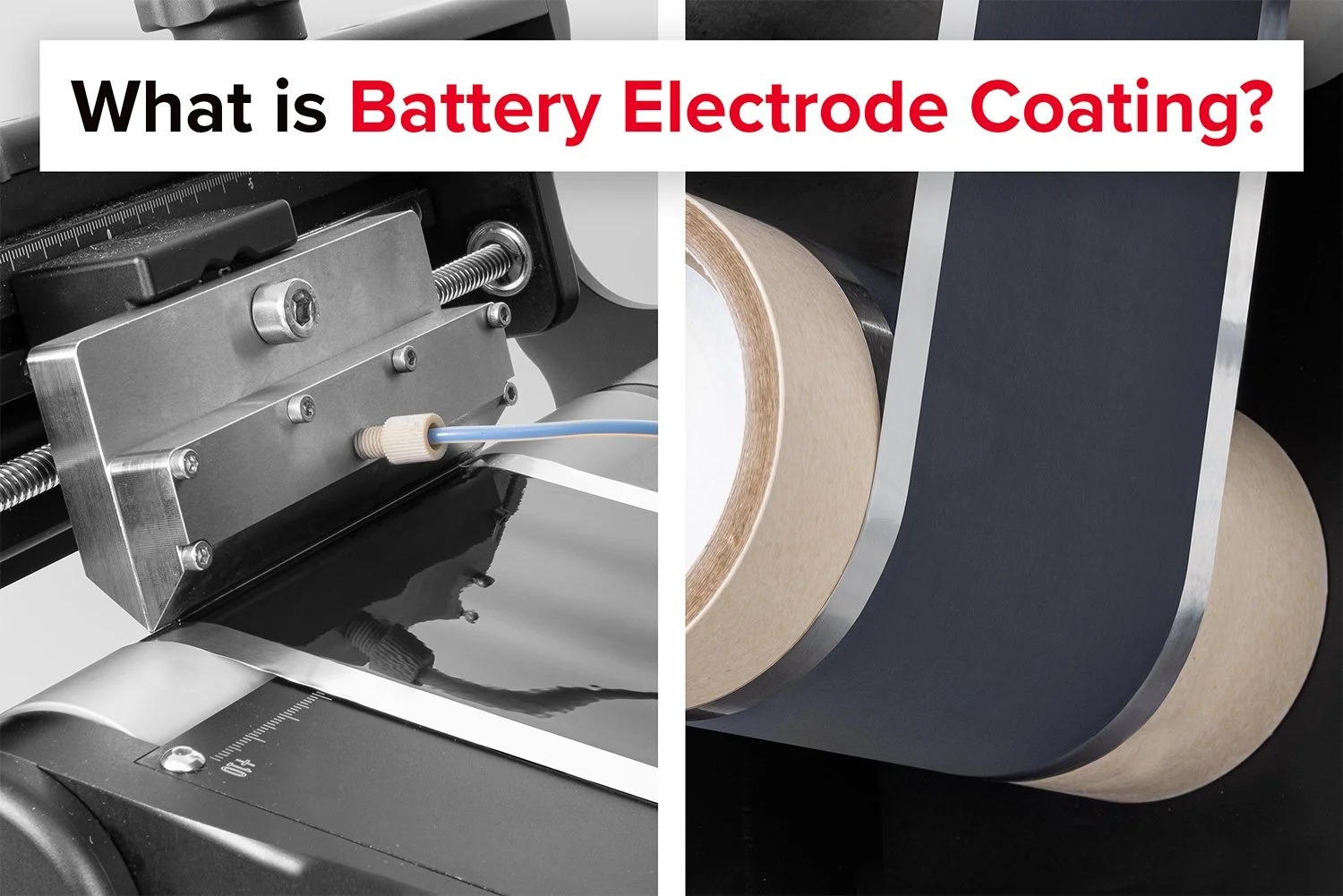



The SDC Battery Coater Pro is specifically designed for researchers dedicated to developing and optimizing battery materials. It facilitates a seamless transition from research to commercialization. View video.