
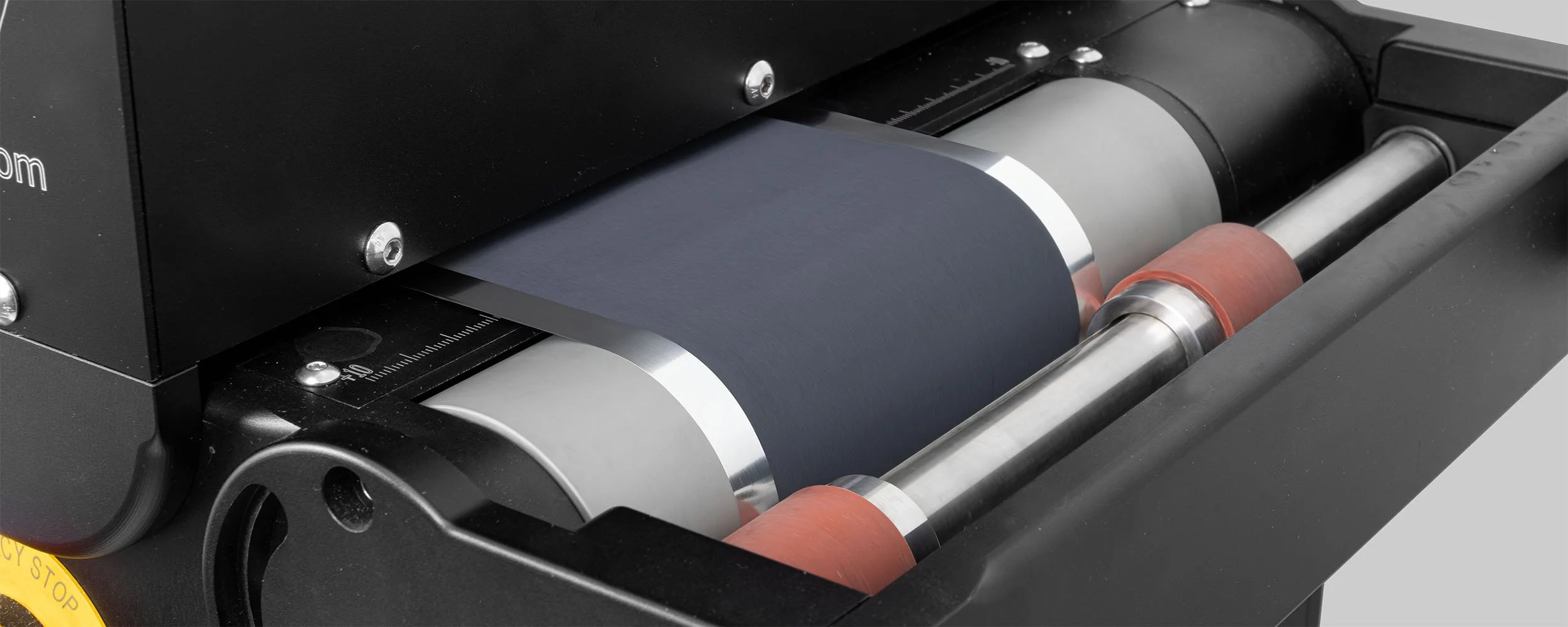
Accelerate Solid-State Battery Manufacturing with Slot-die Coating
Why Use Slot-die Coating for Solid-state Batteries?
Slot-die coating is a powerful technique for solid-state battery research because it enables precise, uniform, and reproducible deposition of battery materials over a defined area. This makes it possible to control coating thickness and material distribution while using relatively small amounts of material, which is particularly valuable when optimizing composite cathodes and solid electrolytes.
The process is also highly scalable and compatible with continuous roll-to-roll manufacturing, allowing researchers to move from laboratory-scale experiments toward larger-area battery production without fundamentally changing the coating principle. For solid-state batteries, slot-die coating can support the deposition of multiple functional layers, helping researchers develop more consistent, high-performance battery architectures.
SOLiTHOR Develops Solid State Batteries Using Slot-die Coating
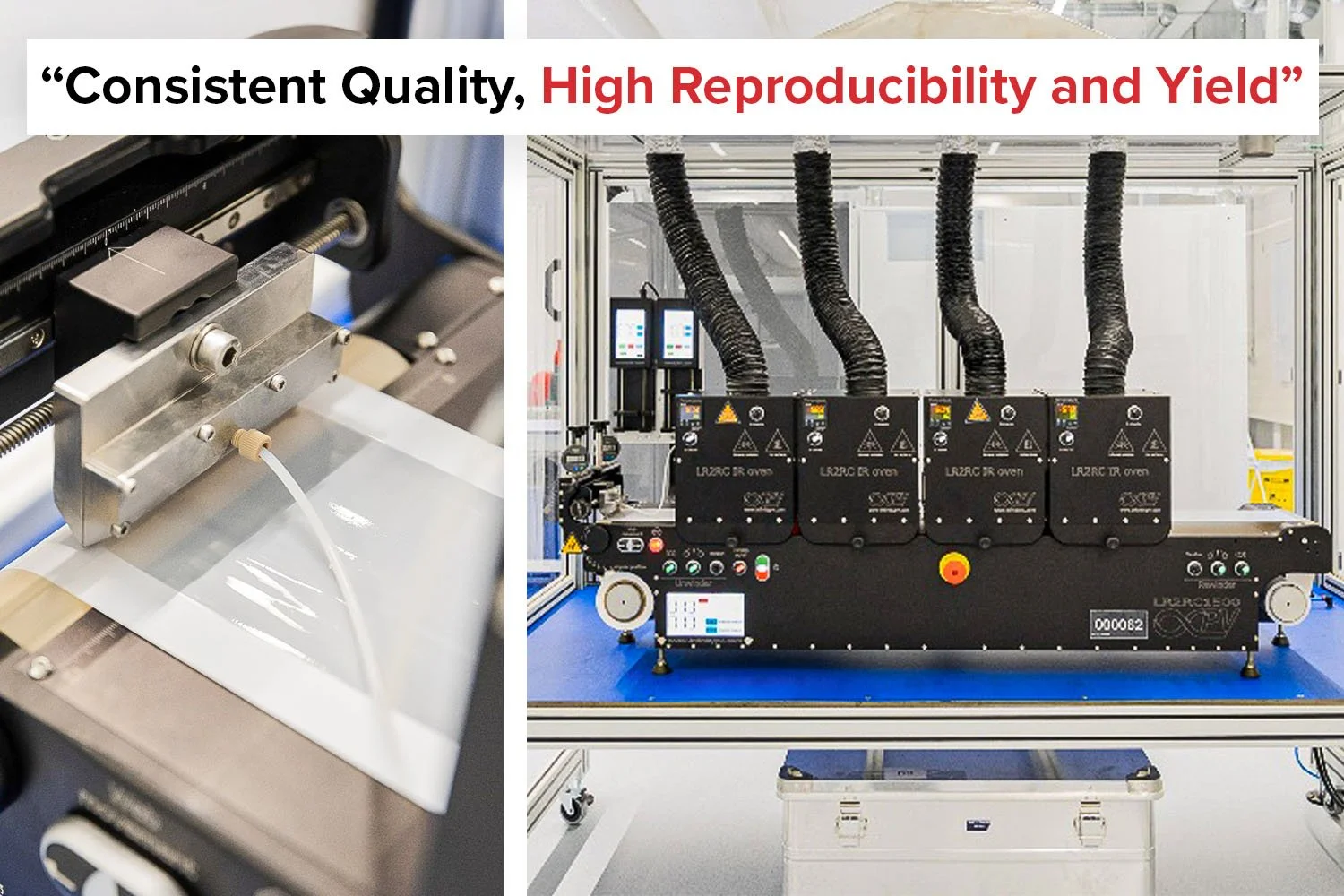
SOLiTHOR is developing high-energy-density solid-state batteries using a proprietary sol-gel-based solid composite electrolyte technology. To move from small-scale, hand-made samples toward scalable manufacturing, the company selected infinityPV’s Laboratory Roll-to-Roll Coater to optimize coating and drying processes for its composite cathode and solid electrolyte. Discover how the setup helped SOLiTHOR achieve consistent, reproducible wound rolls of several meters and accelerate the development of its roll-to-roll battery manufacturing process.
Proven in Peer-Reviewed Battery Research
Slot-die coating has already been demonstrated in multiple peer-reviewed studies within battery research. These publications show successful application for uniform electrode layers, multilayer battery structures, and functional coatings, highlighting both the precision and scalability of the technology.
Researchers have reported reproducible layer thickness, improved material utilization, and the ability to produce complex electrode architectures under controlled conditions, confirming that slot-die coating is a reliable and well-validated approach for modern battery development.
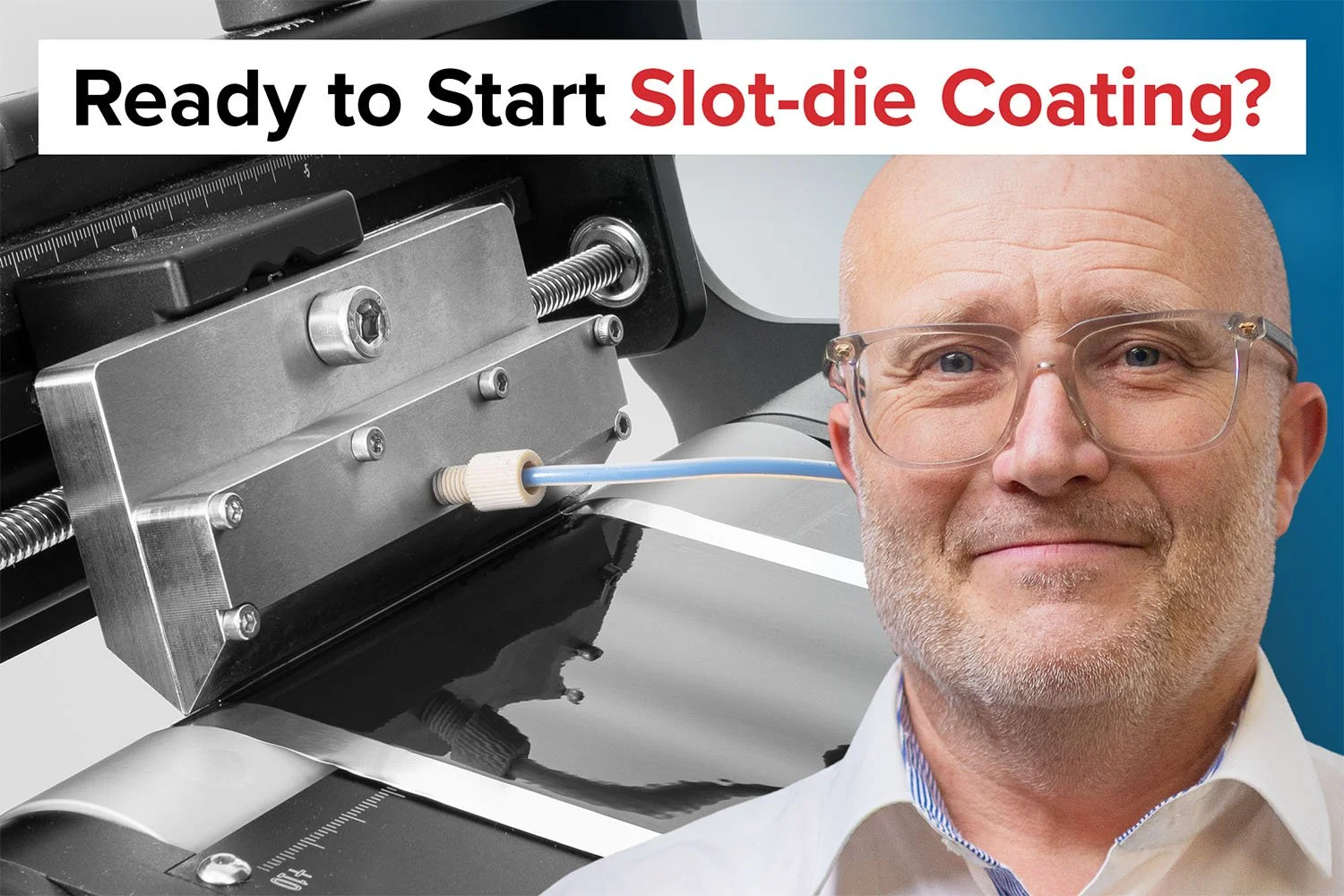
Is Slot-die Coating for You?
Slot-die coating is a versatile method that can help researchers and manufacturers achieve precise, uniform, and reproducible thin films. Whether you are developing new materials or scaling up production, it’s important to understand how this technique can meet your specific needs.
We can support you in exploring slot-die coating through:
Expert Consultation: Discuss your application with our team and evaluate whether slot-die coating fits your project goals.
Visit Our Lab: See the process in action and understand its capabilities firsthand.
Hands-On Workshops: Participate in practical sessions to test ideas, learn techniques, and gain experience with slot-die coating.

E-magy Enhances Battery Performance with R2R Coater
“We chose the Laboratory Roll-to-Roll Coater from infinityPV because it nicely sits between sheet coating machines and the usually bigger lab scale equipment offered by other suppliers. The machine is also very modular in set-up, which makes it a lot easier to change things in the process without changing the whole machine.” — Jurgen Poen, Battery Process Engineer at E-magy
Why Use Slot-die Coating for Solid-State Batteries?
Solid-state batteries promise higher energy density, improved safety, and longer cycle life compared to conventional lithium-ion batteries. However, achieving these benefits depends on the ability to manufacture highly uniform solid electrolyte layers, composite electrodes, and engineered interfaces with exceptional precision.
Slot-die coating is emerging as a key enabling technology for solid-state battery development because it provides accurate control over layer thickness, material distribution, and coating uniformity. Researchers can use slot-die coating to deposit solid electrolyte materials, composite electrode formulations, protective interlayers, and other functional coatings with excellent reproducibility.
Unlike many laboratory-scale deposition methods, slot-die coating is inherently scalable. Processes developed in research environments can be transferred more easily to pilot production and roll-to-roll manufacturing, helping bridge the gap between solid-state battery innovation and commercial production.
Advantages of Slot-Die Coating in Solid-State Battery Development
Precise Solid Electrolyte Deposition: The performance of a solid-state battery depends heavily on the quality and consistency of its electrolyte layer. Slot-die coating enables accurate control over coating thickness and material loading, helping researchers create uniform solid electrolyte films with reproducible properties.
Improved Interface Engineering: One of the biggest challenges in solid-state batteries is reducing resistance at interfaces between electrodes and solid electrolytes. Slot-die coating can be used to apply thin interlayers, buffer coatings, and surface modifications that help improve interfacial contact and electrochemical performance.
Enables Multilayer Battery Architectures: Advanced solid-state batteries often require multiple functional layers, including composite electrodes, solid electrolytes, protective coatings, and interface layers. Slot-die coating supports precise multilayer deposition, making it a valuable tool for developing next-generation battery architectures.
Efficient Use of High-Value Materials: Many solid-state battery materials are expensive or difficult to produce. Because slot-die coating precisely meters material delivery, it minimizes waste and maximizes material utilization during research and process development.
Scalable from Research to Manufacturing: As the solid-state battery industry moves toward commercialization, manufacturing scalability becomes increasingly important. Slot-die coating is compatible with continuous roll-to-roll production and offers a clear pathway from laboratory-scale development to pilot and industrial manufacturing.
Which Layers to Coat in Solid State Batteries?
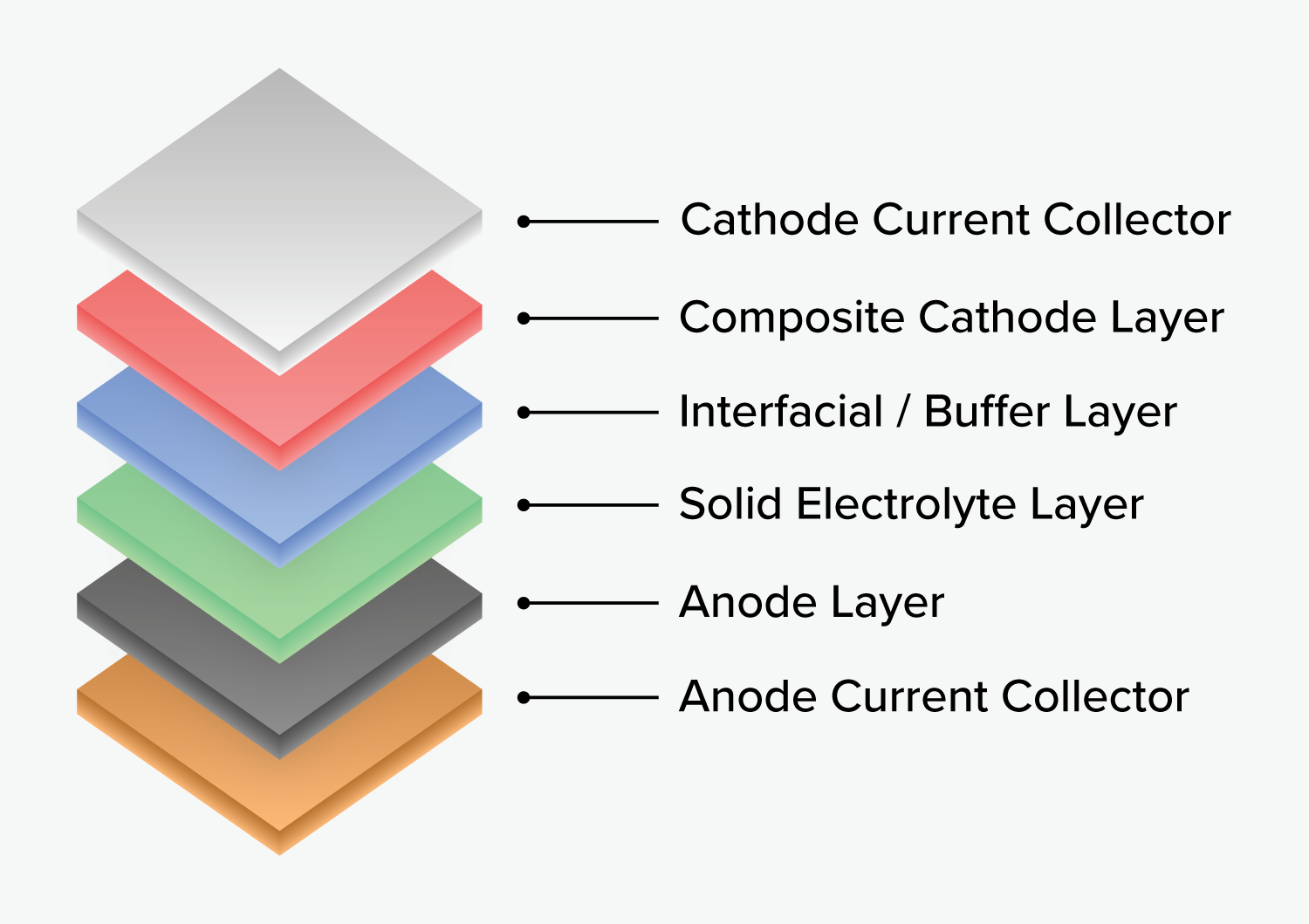
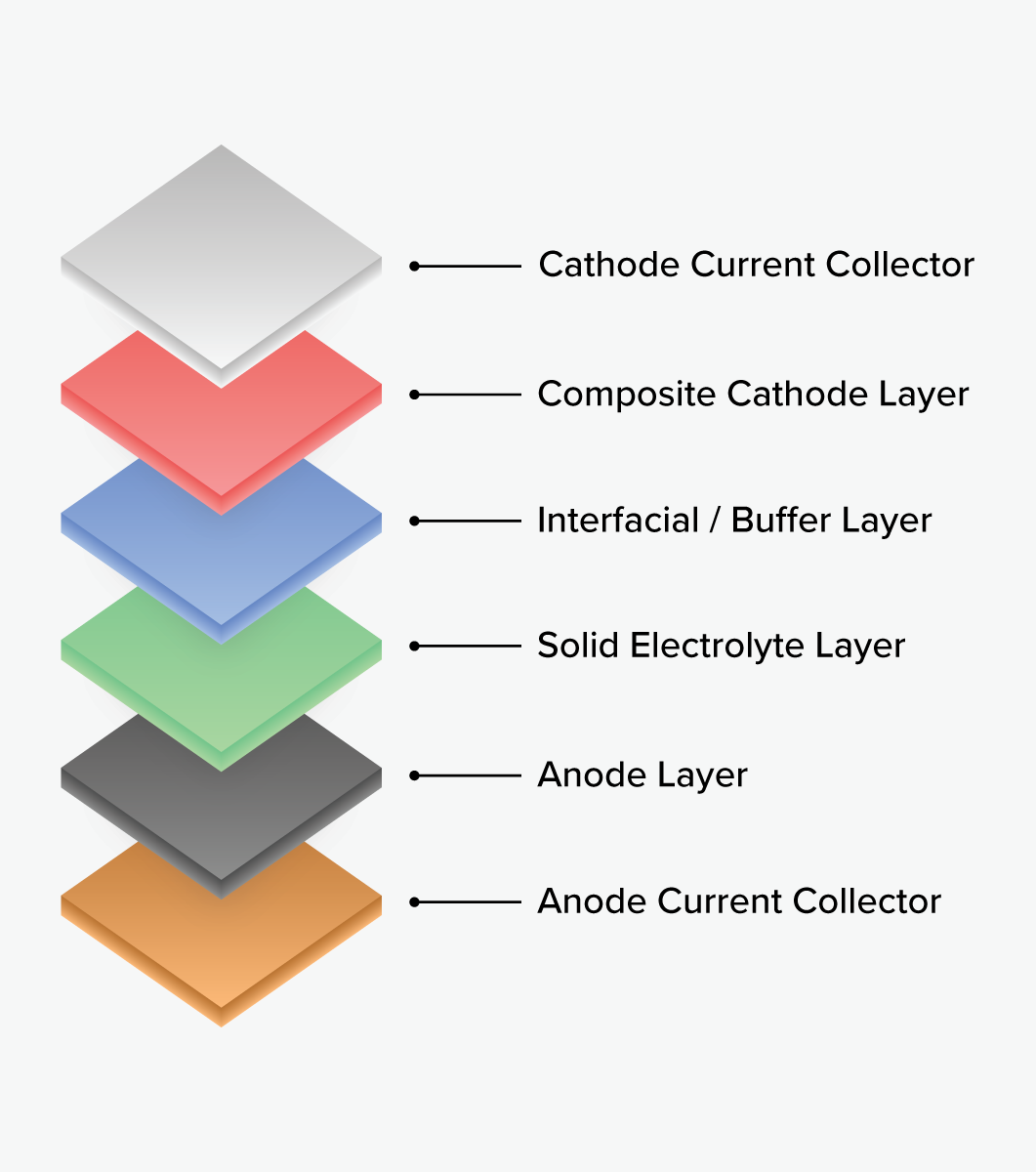
Solid-state batteries are built from multiple functional layers that work together to store energy and transport lithium ions. Unlike conventional lithium-ion batteries, which use a liquid electrolyte, solid-state batteries rely on a solid electrolyte layer positioned between the anode and cathode. The performance of the battery depends heavily on the quality, thickness, and uniformity of these layers. Researchers therefore focus not only on material selection, but also on manufacturing methods that can create highly consistent films and interfaces.
Anode Current Collector:The current collector provides the electrical connection between the anode and the external circuit. Copper foil is commonly used because of its excellent electrical conductivity.
Anode Layer: The anode stores lithium during charging and releases it during discharge. Depending on the battery design, the anode may consist of graphite, silicon-containing materials, lithium metal, or other advanced materials.
Solid Electrolyte Layer: The solid electrolyte is the defining component of a solid-state battery. It transports lithium ions between the electrodes while acting as a physical separator. Common electrolyte families include sulfide, oxide, and polymer-based materials.
Interfacial / Buffer Layer: Many solid-state batteries include thin interlayers between the electrolyte and electrode materials. These layers improve contact, reduce interfacial resistance, and help maintain stable performance during cycling.
Composite Cathode Layer: Unlike conventional battery cathodes, solid-state cathodes often contain a mixture of active material, solid electrolyte, and conductive additives. This composite structure enables efficient transport of both ions and electrons throughout the electrode.
Cathode Current Collector: The cathode current collector transfers electrons between the cathode and the external circuit. Aluminum foil is commonly used because it combines good conductivity with low weight and high stability.
Why Layer Uniformity Matters
Each layer within a solid-state battery must be deposited with precise control over thickness, composition, and surface quality. Even small variations can affect ionic conductivity, interfacial resistance, energy density, and cycle life. For this reason, scalable coating methods such as slot-die coating are increasingly used to manufacture solid electrolytes, composite electrodes, and interface layers with high reproducibility.

How Slot-Die Coating Accelerates Your ASSB Research
Achieve Sub-10 µm Electrolyte Films – Every Time
For all-solid-state batteries to outperform conventional lithium-ion batteries, thin and dense electrolyte layers are essential. Slot-die coating enables precise gap control down to 5 µm, making it ideal for depositing sulfide, oxide, or polymer electrolytes with exceptional uniformity. The non-contact deposition method eliminates substrate damage and ensures ±1% thickness consistency across the film.
The ability to produce continuous films via roll-to-roll processes means you can scale seamlessly from 10 cm² lab samples to 1 m² pilot films without changing your process parameters. This scalability ensures that your research remains relevant as you transition from small-scale experiments to larger production runs.
Eliminate Defects That Compromise Battery Performance
Even microscopic flaws in electrolyte or electrode layers can drastically reduce cycle life or trigger dendrite growth, which are major concerns in solid-state battery development. Slot-die coating mitigates common defects such as the coffee-ring effect, skinning, and cracking.
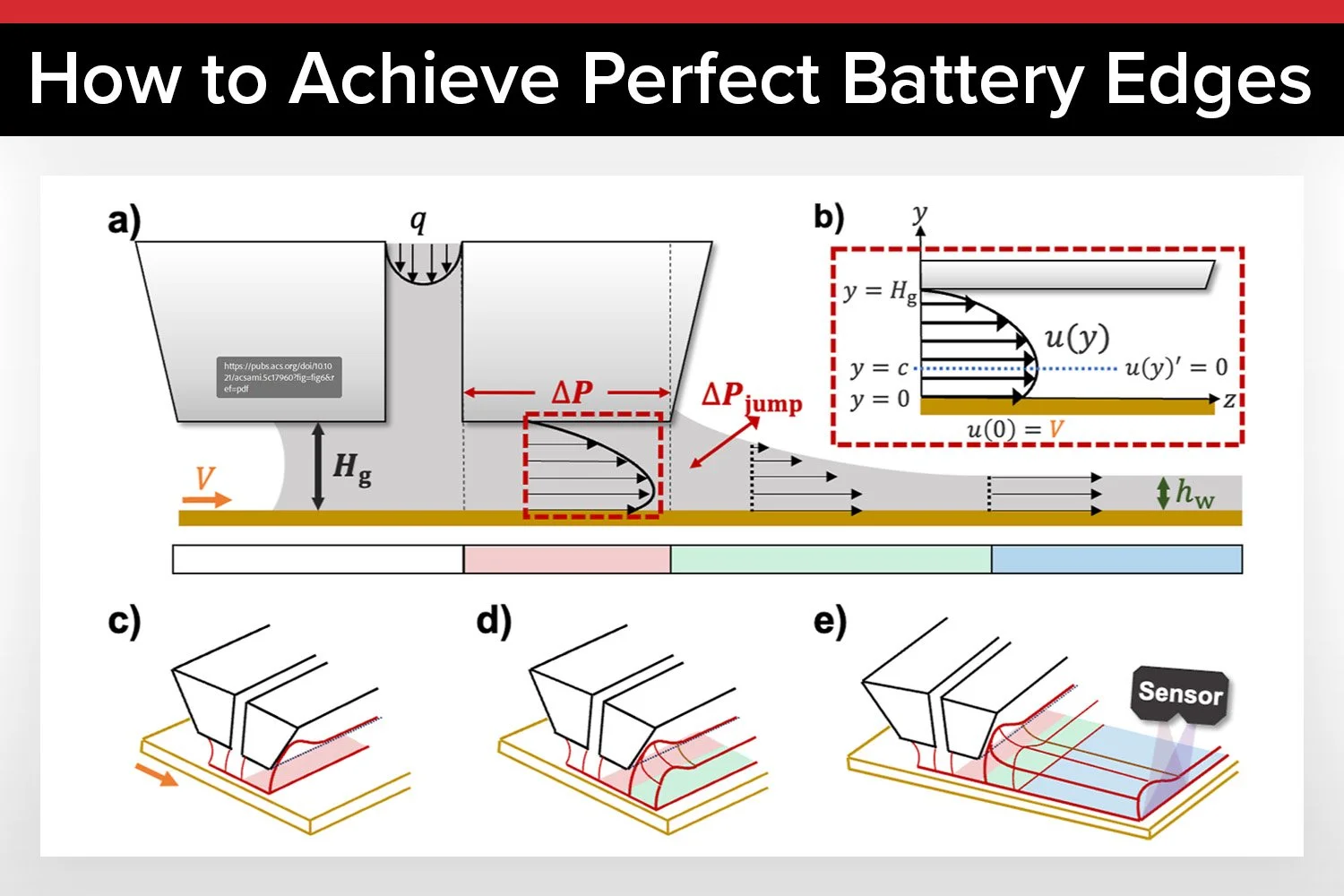
By employing gradient drying techniques and high-velocity air impingement, the system prevents edge thickening and ensures homogeneous areal density across the film. Multi-zone drying ovens, including options for argon atmospheres, are particularly effective for moisture-sensitive materials like sulfide electrolytes, avoiding issues such as trapped solvent or surface defects.
Currently, pilot-line yields for all-solid-state batteries hover below 80%, compared to over 95% for traditional lithium-ion batteries. Slot-die coating can cut defects by over 90%, significantly reducing iteration time and improving the reliability of your results. This is especially important for high-loading cathodes, where shear forces in the die slit help disperse agglomerates, ensuring a smooth and consistent film.
Seamless Integration with Your ASSB Fabrication Workflow
Our slot-die coating systems are designed to integrate effortlessly into every stage of your all-solid-state battery production process. From component mixing to drying, calendering, and layer cutting, the equipment supports both freestanding and cathode-supported fabrication schemes. This compatibility allows you to work with a wide range of materials, including sulfides, oxides, polymers, and composites, making it a versatile solution for diverse research needs.
For researchers working with moisture-sensitive materials, optional glovebox integration ensures that your coating process remains uncontaminated, which is critical for materials like sulfides. The system’s flexibility also extends to atmosphere control, allowing you to maintain the precise conditions required for your specific electrolyte or electrode formulations.
Equipment for Solid-State Battery Manufacturing
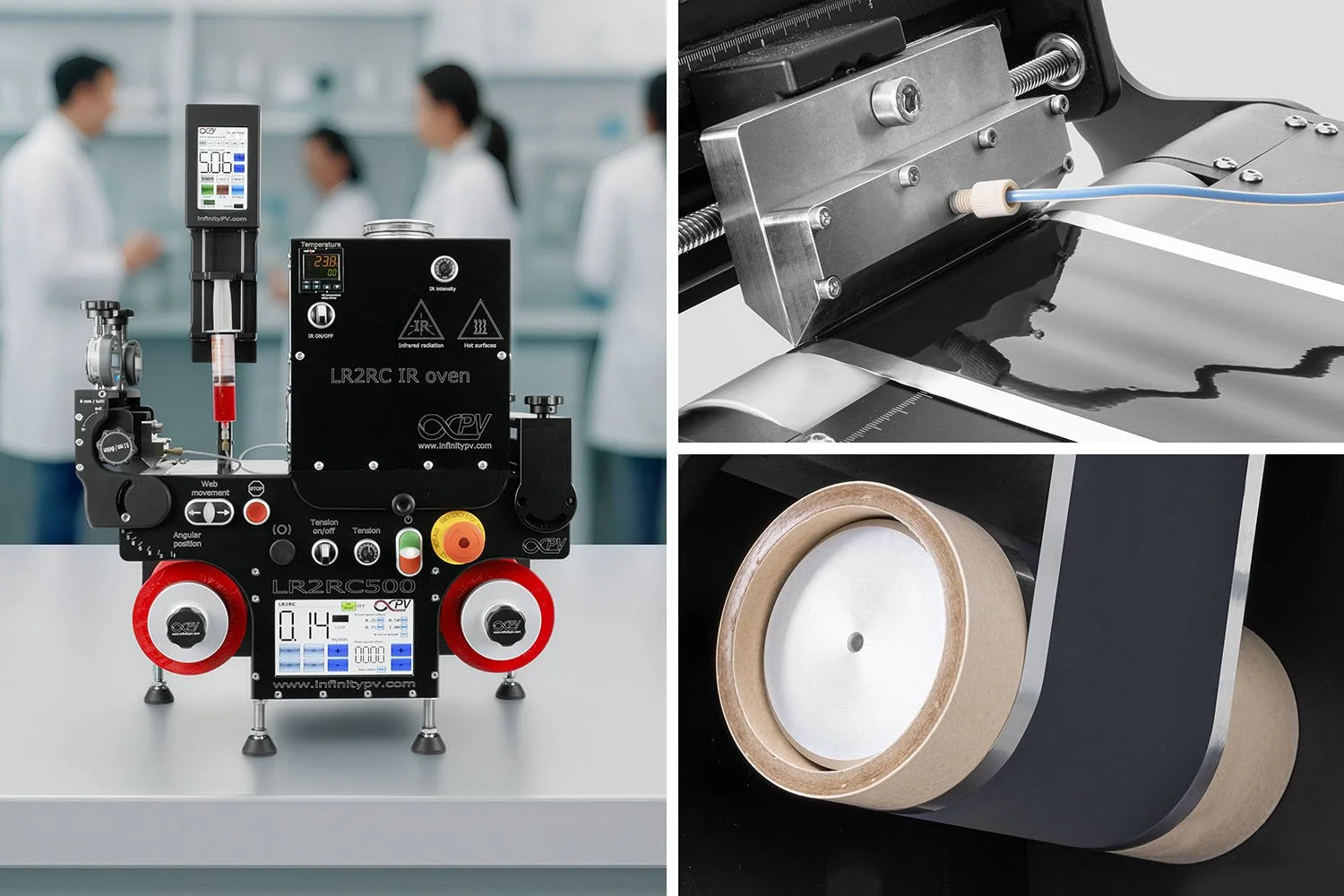
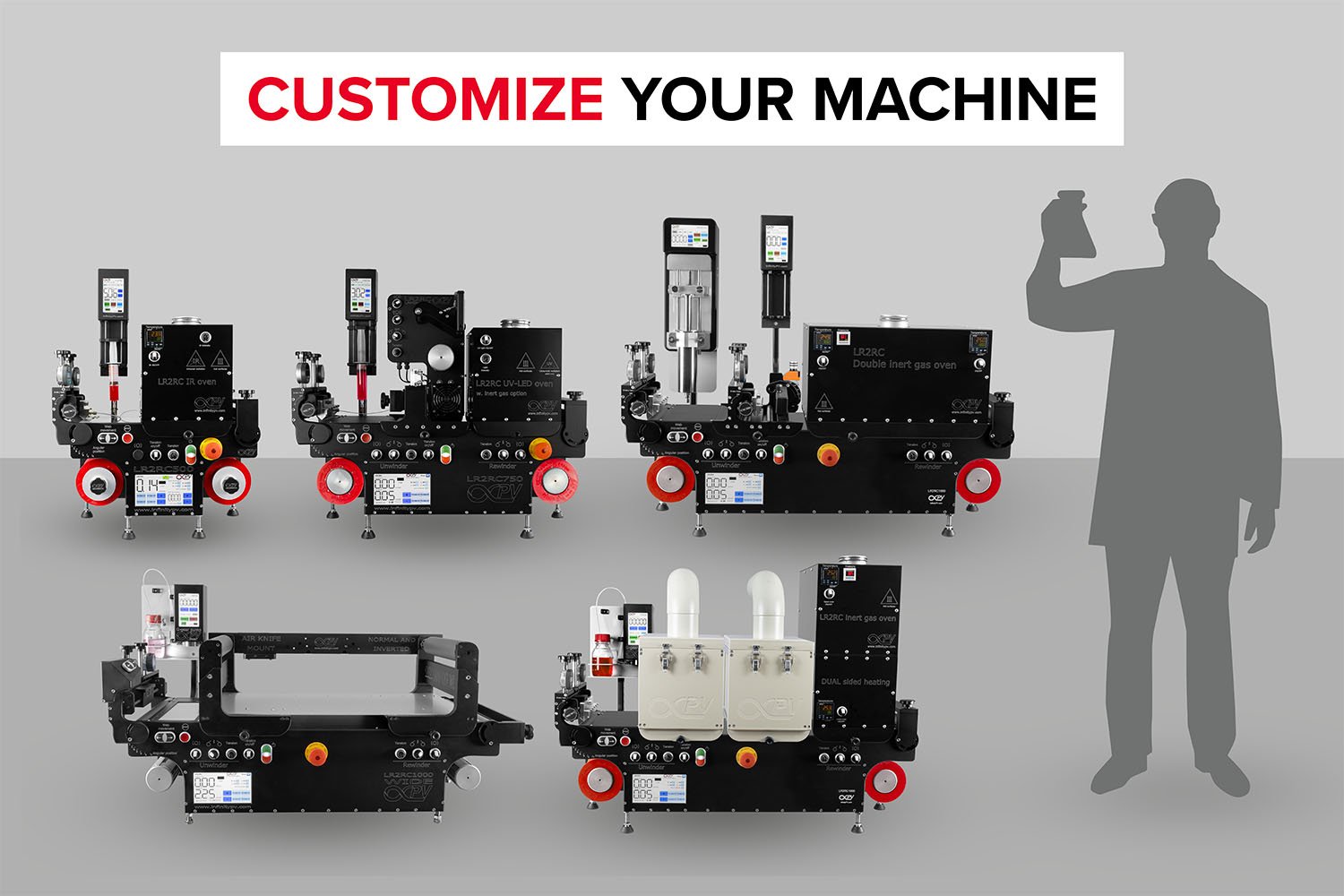
Selecting the right coating equipment is a critical step in developing scalable solid-state battery manufacturing processes. Whether you are coating solid electrolytes, composite electrodes, interfacial layers, or other functional battery materials, we can help you find the slot-die or roll-to-roll system that fits your application. Our coating platforms enable precise and reproducible deposition of advanced battery materials, helping researchers and manufacturers transition from laboratory-scale development to pilot and production environments.
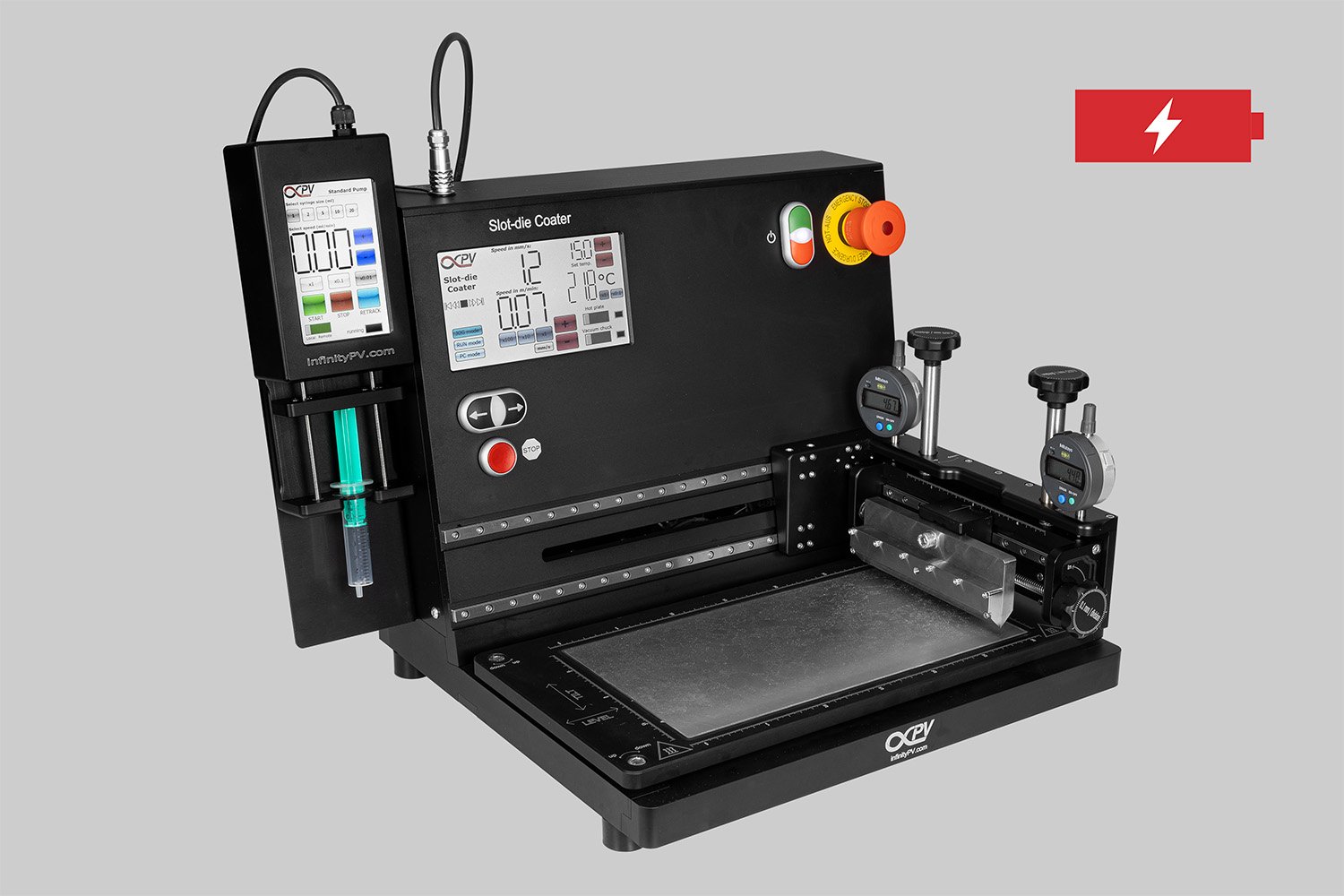
SDC Battery Coater Pro
The SDC Battery Coater Pro is specifically designed for researchers dedicated to developing and optimizing battery materials. It facilitates a seamless transition from research to commercialization.

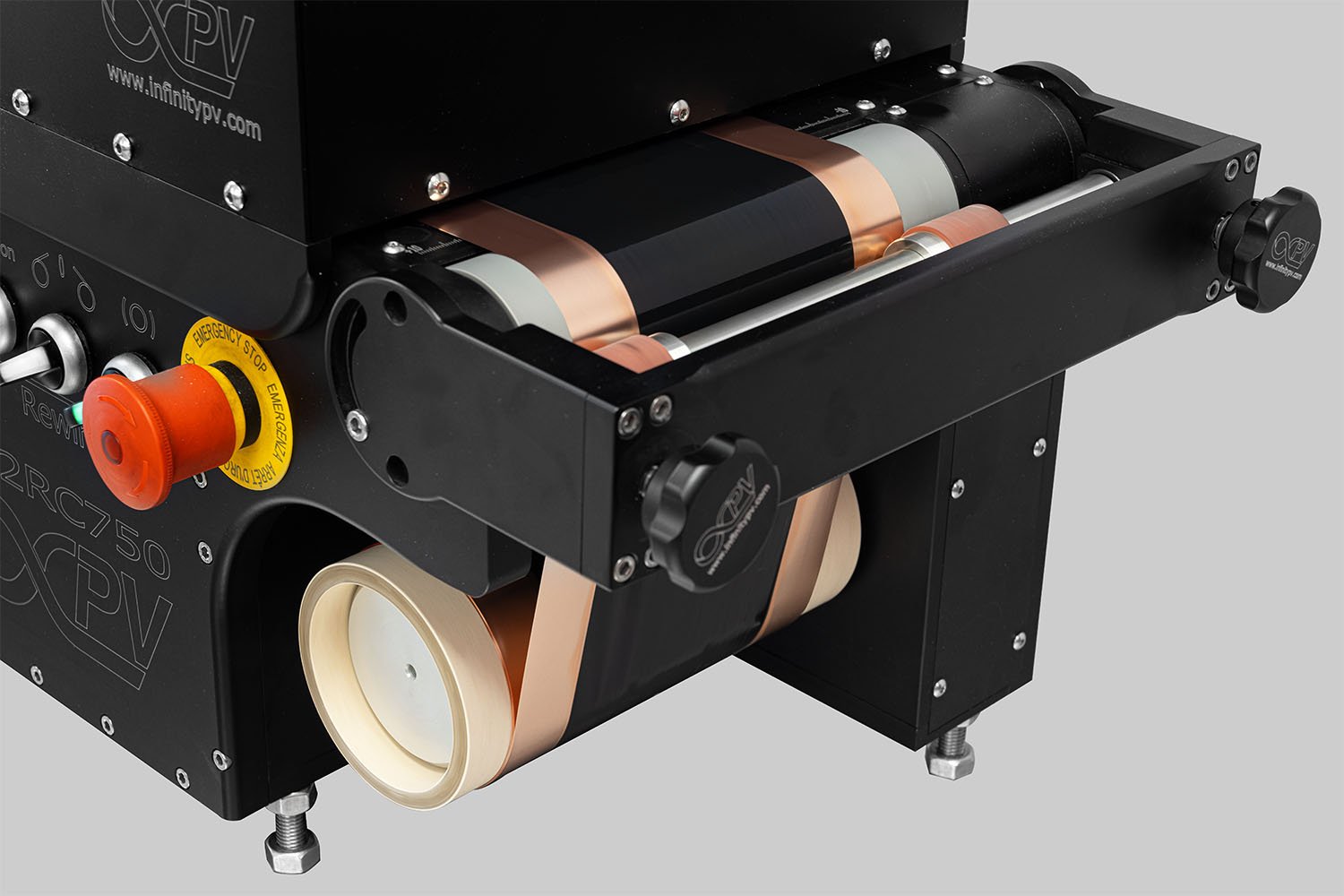
LR2RC750 Battery Coater
Customized for lab-scale research and development, this system facilitates the efficient application of battery electrode coatings.

LR2RC1000 Battery Coater
With a substrate processing width of up to 305 mm, you are well-equipped to initiate pilot-scale production of your battery technology.
Finding the Right Coating Approach for Your Application
Both slot-die coating and knife coating are widely used methods for applying slurry layers in battery electrode manufacturing. Each approach has its own advantages depending on the stage of development, desired coating precision, and production scale. Understanding the differences between these techniques can help determine which method is best suited for a specific battery material, formulation, or manufacturing process.
Slot-die Coating
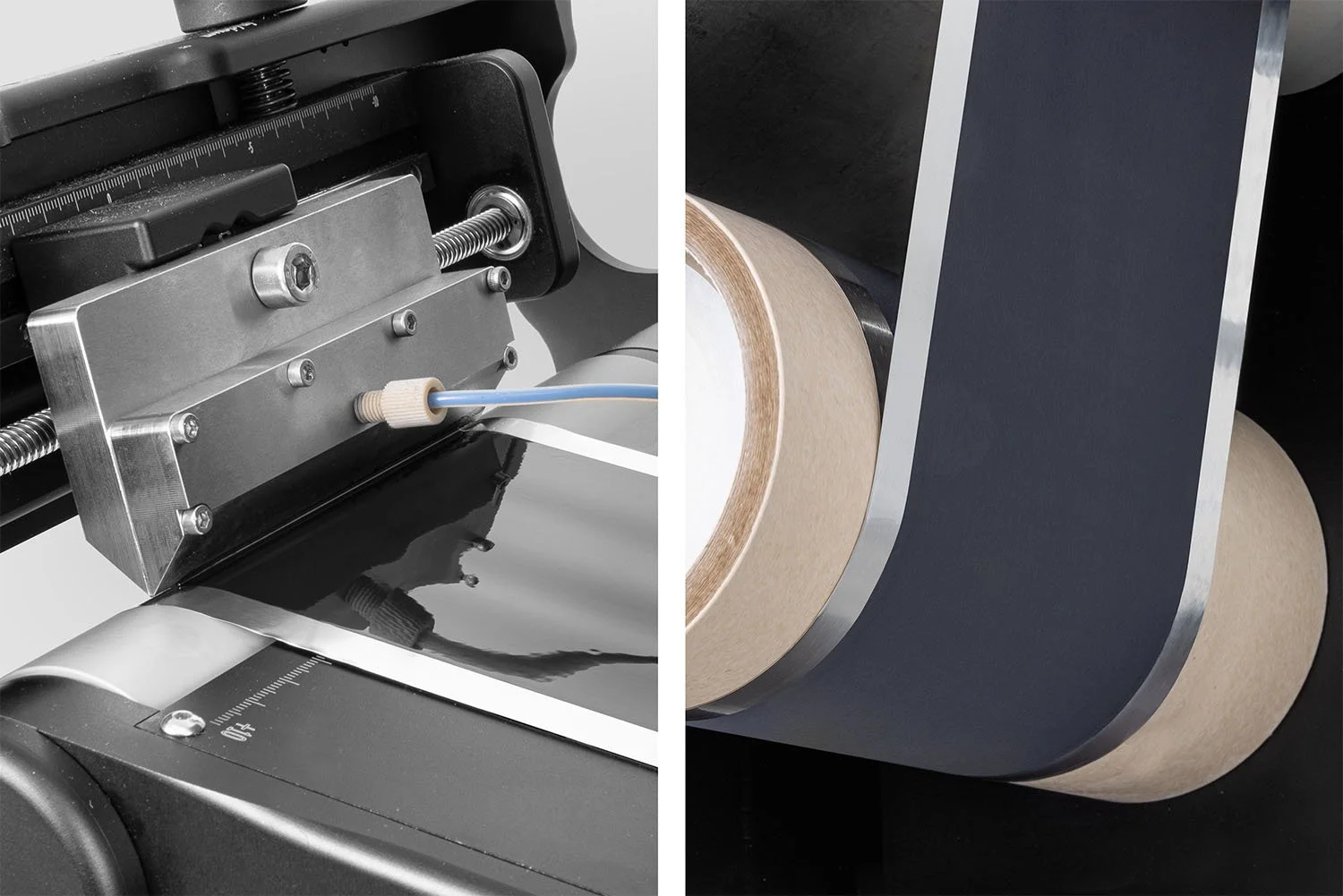
Slot-die coating is a highly controlled coating method where slurry is pumped through a precisely machined slot-die head and deposited directly onto a moving substrate, such as a current collector foil.
The flow rate, coating gap, and substrate speed can be carefully controlled, allowing for very uniform layer thickness and excellent reproducibility.
This level of precision makes slot-die coating particularly well suited for battery research, process optimization, and scalable roll-to-roll manufacturing.
Knife Coating / Slurry Coating
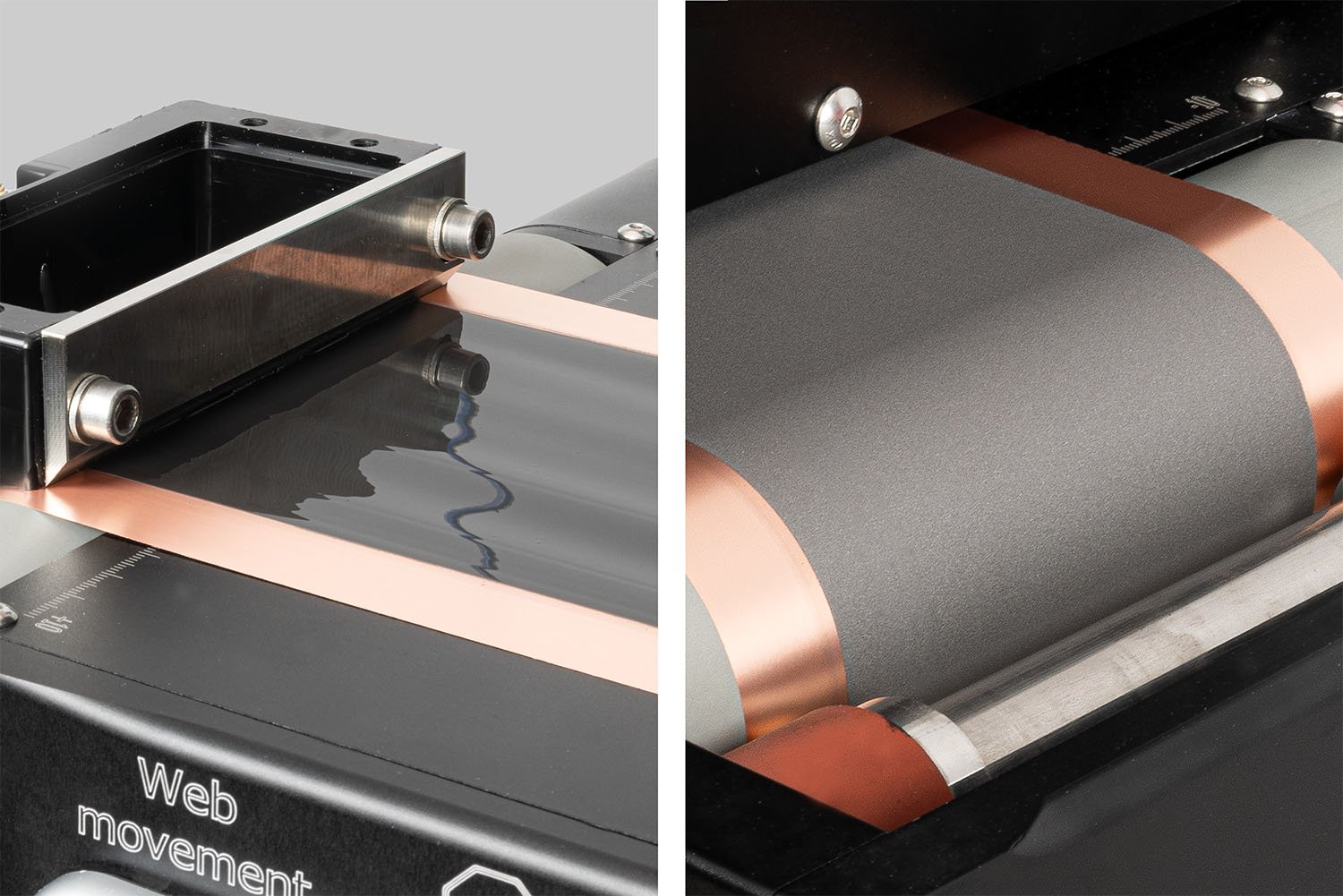
Knife coating, often referred to as doctor blade coating, applies slurry by spreading it across a substrate using a blade positioned at a set height above the surface.
The coating thickness is controlled primarily by the blade gap and the amount of slurry present in front of the blade.
While knife coating is simple and widely used for laboratory experiments and quick material screening, it generally offers less control over uniformity and material usage compared to slot-die coating.
Controlled Environments for Reliable Battery Processing
Need Controlled Conditions for Sensitive Battery Materials?
Many battery materials are sensitive to moisture, oxygen, or contamination. Gloveboxes, dry rooms, and clean environments provide controlled conditions for coating, processing, and testing battery components such as electrodes, solid-state layers, and separators.
Integrated and Safe
Controlled environments allow operations such as coating, drying, and material handling to be performed without exposing sensitive materials to air or contaminants. This ensures reproducibility while protecting both the materials and the process, which is essential for advanced battery chemistries and next-generation energy storage technologies.
Applications and Benefits
Controlled environments are ideal when working with lithium metal, solid-state electrolytes, moisture-sensitive electrode materials, or reactive battery components. They reduce defects, improve coating quality, and maintain consistent results from lab-scale experiments to pilot and production development.
Guidance for Your Process
We can help determine the best controlled environment setup for your battery application. From laboratory research to pilot lines, our team can advise on safe, reproducible workflows for processing sensitive battery materials.

FAQs
-
Slot-die coating works with sulfides (e.g., Li₆PS₅Cl), oxides (e.g., LLZO), polymers (e.g., PVDF-based), and composite electrolytes. It also handles cathode slurries (NCM, LFP) and anode materials (graphite, silicon).
-
You can achieve 5–200 µm films, with ±1% uniformity. For ASSBs, sub-10 µm electrolyte layers are ideal for maximizing energy density.
-
Yes. Gradient drying and high-velocity air impingement ensure uniform solvent evaporation, eliminating edge thickening and inconsistent areal density.
-
Absolutely. Our systems are R2R-ready, allowing seamless scaling from lab samples to pilot production without process changes.
-
For moisture-sensitive sulfides (e.g., Li₆PS₅Cl, LGPS), we recommend argon-filled drying ovens and glovebox integration to prevent hydrolysis and ensure defect-free films.
-
Slot-die offers ±1% thickness uniformity, <5% defect rates, and R2R scalability. Blade and spin coating have higher defect rates (10–30%) and limited scalability.
-
Yes. Slot-die coating is material-agnostic, so you can switch between cathodes, anodes, and electrolytes with minimal downtime.
-
We offer multi-zone hot-air impingement, infrared (IR) drying, and argon atmospheres to prevent skinning, cracking, or solvent entrapment in sulfide/oxide films.
-
Our systems work with Al, Cu, PET, PI, and other flexible substrates, matching pouch, cylindrical, and prismatic cell formats.
-
It reduces defects by 90%+, cutting iteration time and improving reliability. Pilot-line ASSB yields can increase from <80% to >90% with consistent films.
-
Yes. It enables uniform deposition of thin protective layers (e.g., 5–20 µm Li₆PS₅Cl) to suppress dendrite growth and improve cycle life.
-
Routine cleaning of the die head, pump, and drying zones is recommended. We provide maintenance guides and support to minimize downtime.
-
We provide installation, training, and process optimization to ensure you achieve first-coat success. Remote and on-site support are available.
-
It replicates industrial conditions in a lab setting, so your lab results translate directly to pilot production without process changes.
-
Academia, battery startups, material suppliers, and automotive OEMs use slot-die coating for R&D and pilot production.
-
Yes. Slot-die coating supports sequential deposition for cathode-supported schemes or prefab electrolyte films in freestanding architectures.