
Hydrogel Film Preparation Methods for Scalable and Precise Film Production
Hydrogel films are transforming industries from biomedical to environmental, thanks to their unique ability to retain water and respond to external stimuli. Unlike traditional hydrogels, films offer enhanced responsiveness, superior adaptability to surfaces, and seamless integration into devices.
However, the true potential of hydrogel films lies in how they are made.
The preparation method is the defining factor that determines the film’s mechanical properties, uniformity, thickness, and ultimately, its suitability for specific applications. Whether you are developing films for drug delivery, wound healing, sensors, or agricultural uses, the choice of fabrication technique can make the difference between mediocre and exceptional results.
In this guide, we explore the most effective methods for preparing hydrogel films, highlighting their principles, advantages, and limitations. By understanding these techniques, you can select the best approach to meet your research or production needs.
What You Need to Know
Hydrogel films are thin, flexible layers of crosslinked polymer networks that retain water and respond to stimuli.
The preparation method directly influences their mechanical properties, uniformity, and suitability for specific applications.
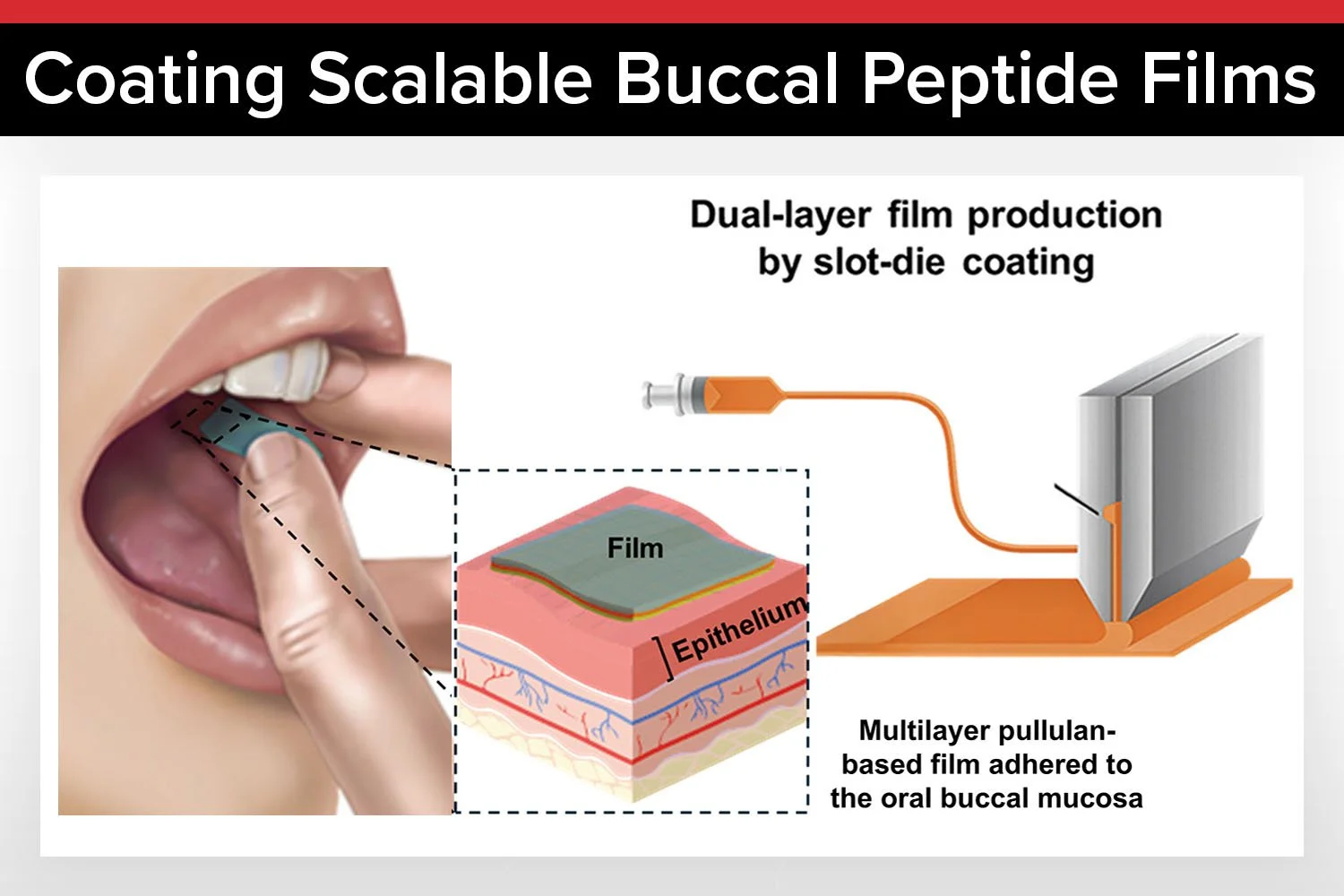
Slot-die coating emerges as a scalable, precise, and efficient technique for producing high-quality hydrogel films.
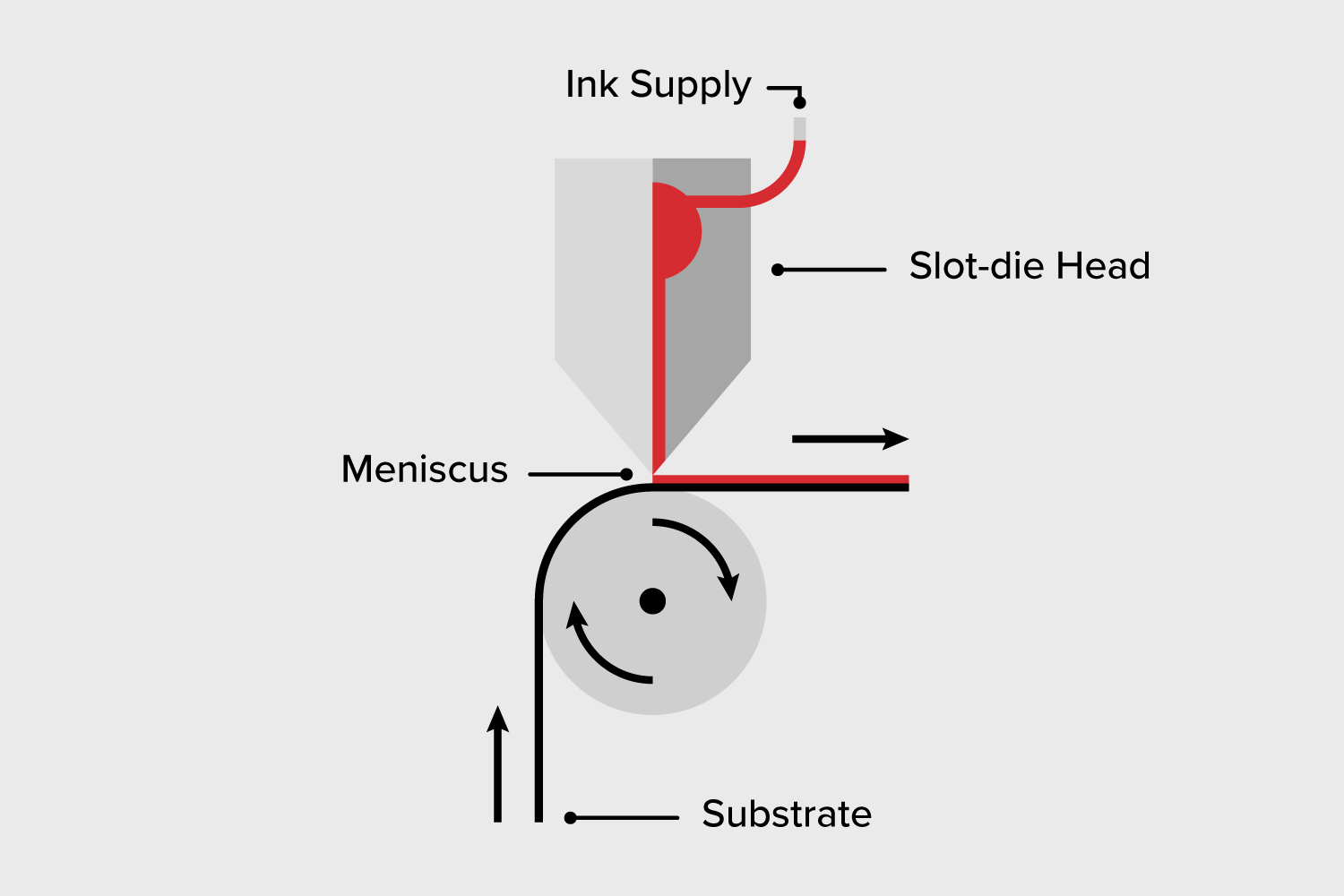
Slot-die coating is a scalable and precise technique for producing high-quality hydrogel films.
A Brief Introduction to Hydrogel Film Preparation Methods
Before diving into the details, it is essential to recognize that each preparation method offers unique benefits tailored to different applications.
Solvent casting is a simple and cost-effective technique ideal for small-scale production, while dip coating excels in creating uniform films on complex substrates.
Spin coating provides precision for small, flat surfaces, and spray coating offers scalability for large or irregular substrates.
Blade and bar coating are straightforward and economical, whereas photolithography delivers high precision for microfabrication.
Among these, slot-die coating stands out as a highly scalable and precise method, making it a top choice for both research and industrial applications.
Each of these methods will be discussed in detail to help you determine which one aligns best with your goals.
Solvent Casting: The Simple and Versatile Approach
Solvent casting is one of the most straightforward methods for creating hydrogel films.
This technique involves dissolving the polymer in a suitable solvent, casting the solution onto a substrate, and allowing the solvent to evaporate, leaving behind a thin, solid film. Solvent casting is cost-effective and versatile, as it does not require specialized equipment and can be used with a wide range of polymers.
However, it often involves the use of toxic solvents, which can remain in the film matrix, potentially compromising biocompatibility and purity. Additionally, the mechanical properties of films produced this way may not match those achieved with more advanced methods.
Dip Coating: Ideal for Complex Substrates
Dip coating is a widely used method for creating thin, uniform films on complex or rigid substrates.
The process involves immersing a substrate into a polymer solution, withdrawing it, and allowing the solvent to evaporate to form the film. Film thickness can be controlled by adjusting the viscosity of the solution and the withdrawal speed.
Dip coating is simple and can be automated, but it often results in high solution wastage and slower drying times, which can limit its efficiency for large-scale production.
Spin Coating: Precision for Small, Flat Substrates
Spin coating is a highly effective method for producing thin, uniform films on small, flat substrates.
The process involves dispensing a polymer solution onto a substrate, which is then rotated at high speeds to spread the solution evenly. The thickness of the resulting film is influenced by factors such as spinning speed, solution viscosity, and solvent evaporation rate.
Spin coating is particularly useful for applications requiring precise control over film thickness, such as in sensors or electronic systems. However, it is limited to small substrates and can be wasteful in terms of solution usage.
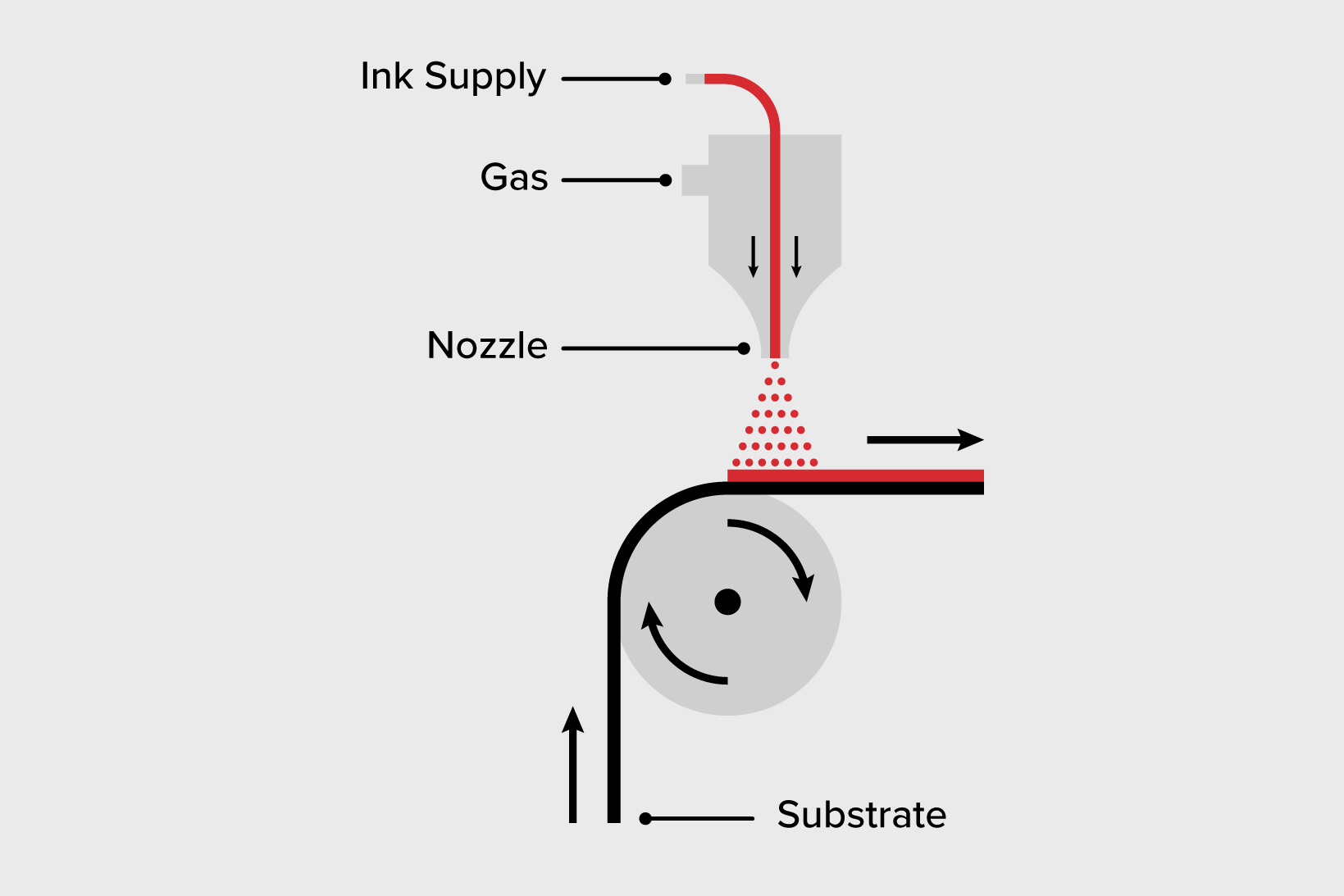
Spray Coating
Spray Coating: Scalability and Adaptability
Spray coating offers a scalable and versatile approach for creating hydrogel films. This method involves spraying a polymer solution onto a substrate using a pressurized gas, creating thin, uniform, and often porous films.
Spray coating is highly adaptable to substrates with complex geometries and can be scaled for large-scale production. It also allows for control over film thickness, roughness, and porosity by adjusting spraying parameters.
However, achieving uniform films can be challenging, and the method may require more specialized equipment.
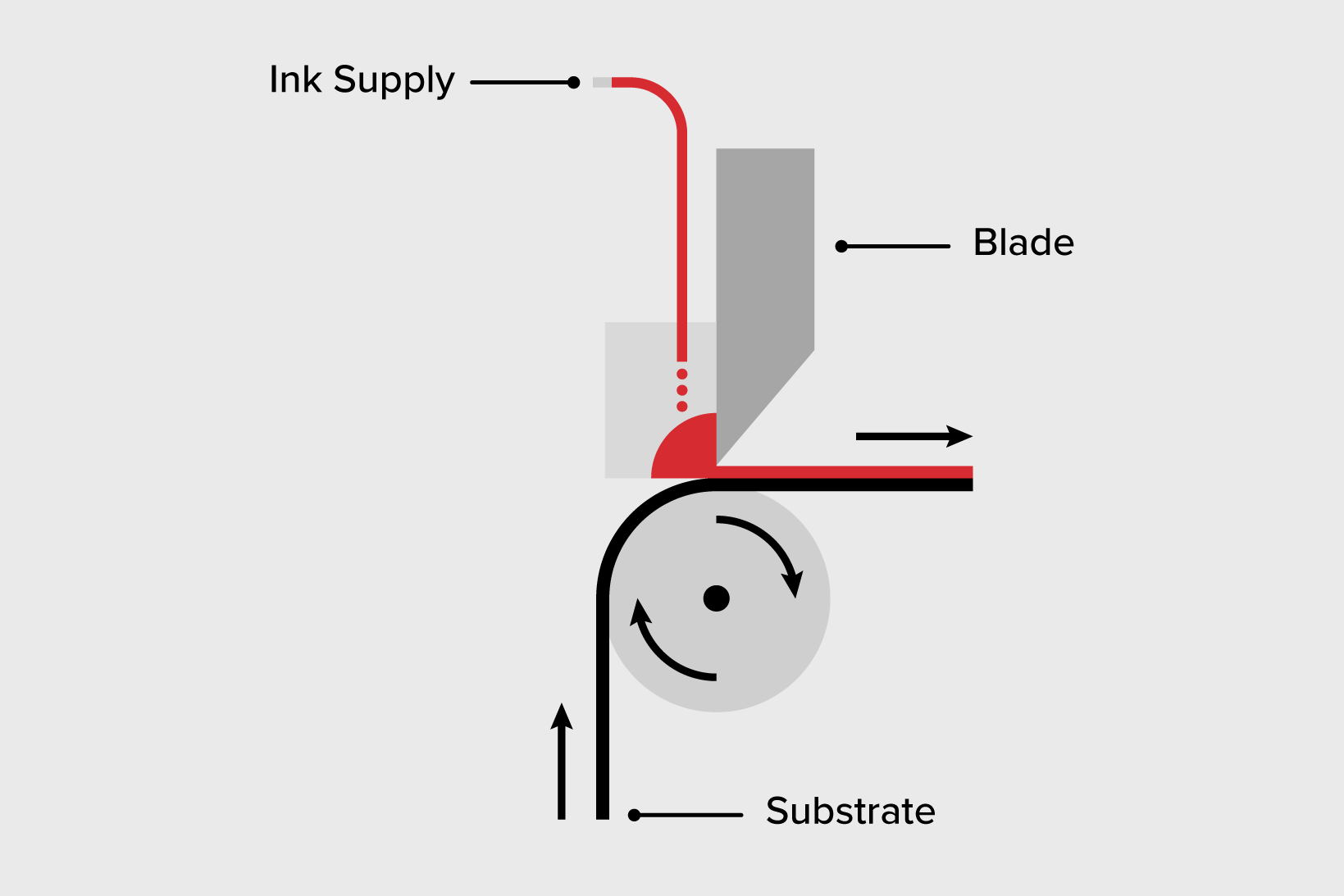
Doctor Blade Coating
Blade and Bar Coating: Simple and Cost-Effective
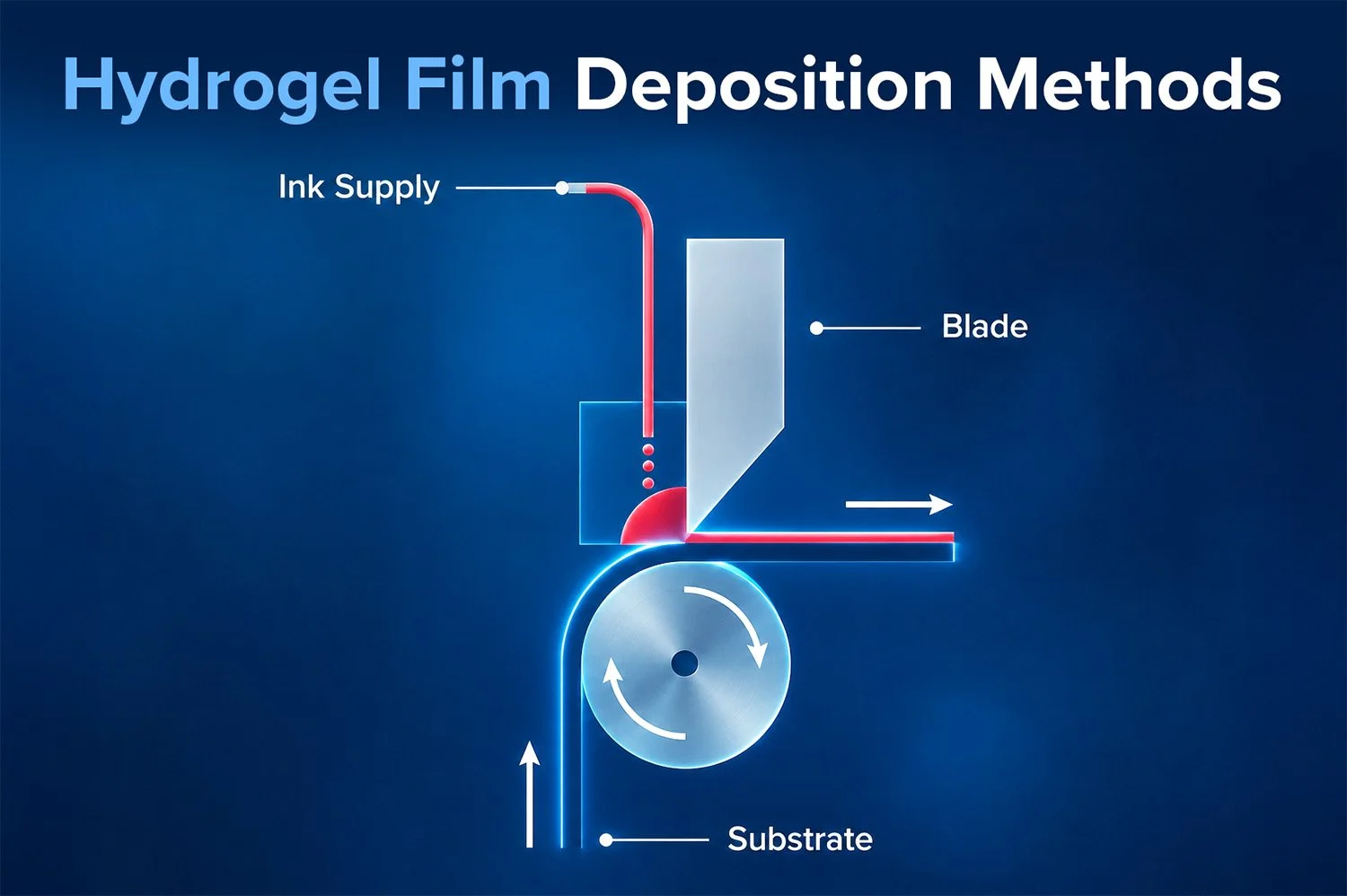
Blade coating and bar coating are similar methods that involve spreading a polymer solution evenly across a substrate using a blade or cylindrical rod. These methods are simple, cost-effective, and suitable for producing thin films on both rigid and flexible substrates.
Blade coating is scalable and ideal for industrial applications, though it may struggle to produce films thinner than tens of micrometers. Bar coating, while easy to use and scalable, is generally slower and may not achieve the same level of uniformity as other methods.
Photolithography: High Precision for Microfabrication
Photolithography is an advanced technique often used in microfabrication and nanotechnology. It involves exposing a photosensitive polymer film to light, typically ultraviolet, to create precise patterns. This method is ideal for applications requiring high precision and complex structures, such as in microelectronics or biosensors. However, photolithography is expensive and requires specialized equipment, making it less accessible for smaller research labs or startups.
Slot-Die Coating: The Gold Standard for Scalable and Precise Hydrogel Films
Slot-die coating is one of the most innovative and promising methods for hydrogel film preparation.
This technique involves metering a liquid polymer solution through a narrow slot and onto a moving substrate, creating a controlled meniscus or liquid curtain for uniform film deposition.
Slot-die coating is highly scalable, allows for high coating speeds, and minimizes solution waste, making it an excellent choice for both research and industrial applications.
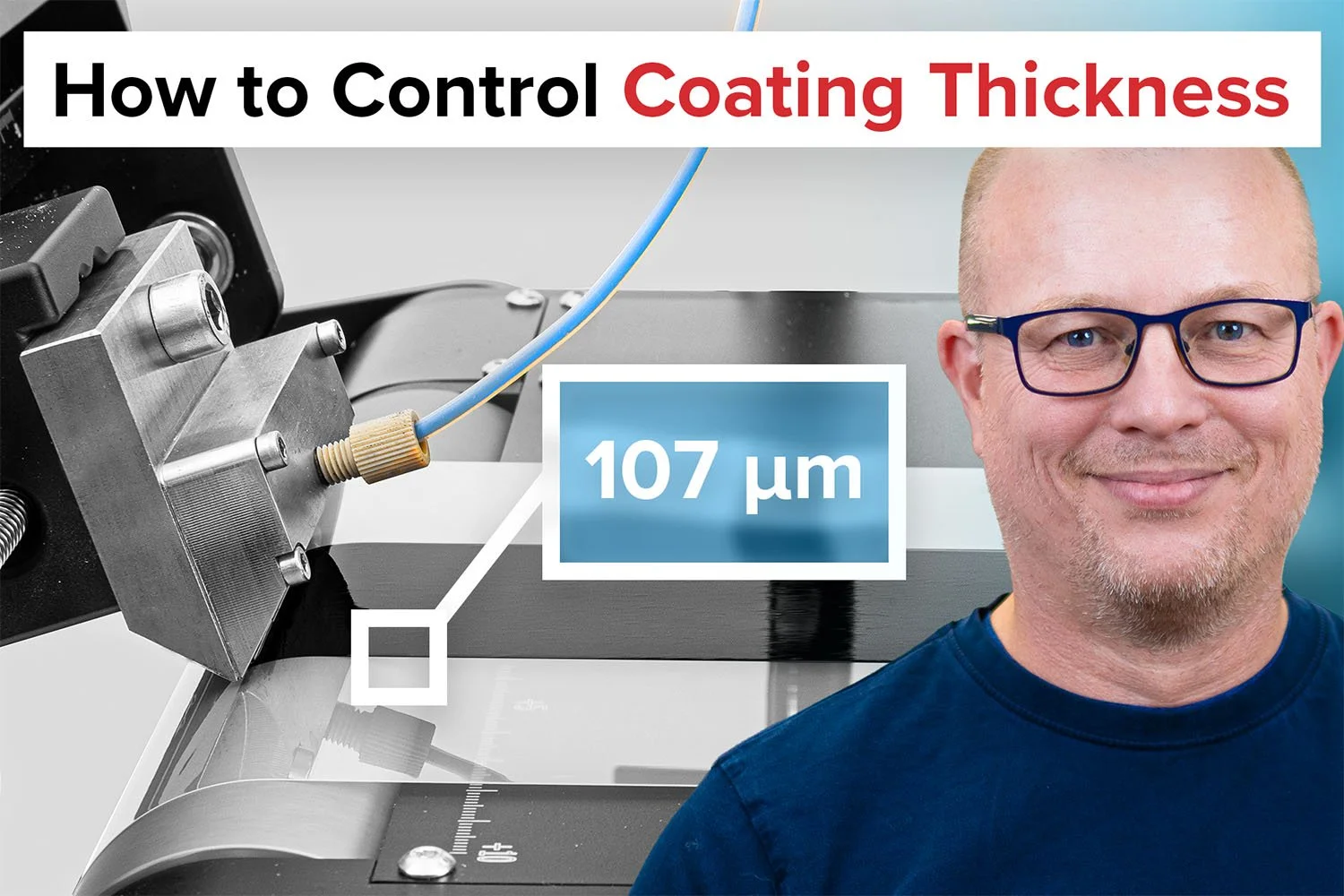
One of the greatest advantages of slot-die coating is its ability to handle a wide range of viscosities while maintaining exceptional uniformity and stability in the resulting films. This versatility makes it suitable for producing hydrogel films with precise thickness control, which is critical for applications in biomedical, environmental, and electronic fields. Additionally, slot-die coating systems can be optimized for continuous production, reducing downtime and increasing efficiency.
Slot-die coating also offers significant long-term benefits.
While the initial investment in equipment may be higher compared to simpler methods, the advantages of reduced material waste, faster production speeds, and consistent film quality make it a cost-effective solution. For researchers and manufacturers looking to scale up their hydrogel film production without sacrificing precision, slot-die coating provides the perfect balance of efficiency, control, and reliability.
For labs and production facilities focused on advancing their hydrogel research, investing in slot-die coating equipment can unlock new levels of productivity and quality. Whether you are developing films for biomedical applications, environmental remediation, or flexible electronics, slot-die coating ensures that your films meet the highest standards of uniformity and performance.
Conclusion
Choosing the right preparation method for hydrogel films depends on your specific needs, including the desired film properties, scalability, and budget. While methods like solvent casting, dip coating, and spin coating each have their advantages, slot-die coating stands out as the most efficient and precise option for those looking to elevate their research and production capabilities. By investing in slot-die coating equipment, you can achieve unparalleled control over film quality, thickness, and uniformity, ensuring your hydrogel films are optimized for any application.
References
Ubaldini, A. and Calistri, S. (2025) Advances in Hydrogel Film Fabrication and Functional Applications Across Biomedical and Environmental Fields, Applied Sciences, 15(17), p. 9579. doi: 10.3390/app15179579.
Get Professional Support for Your Coating Needs
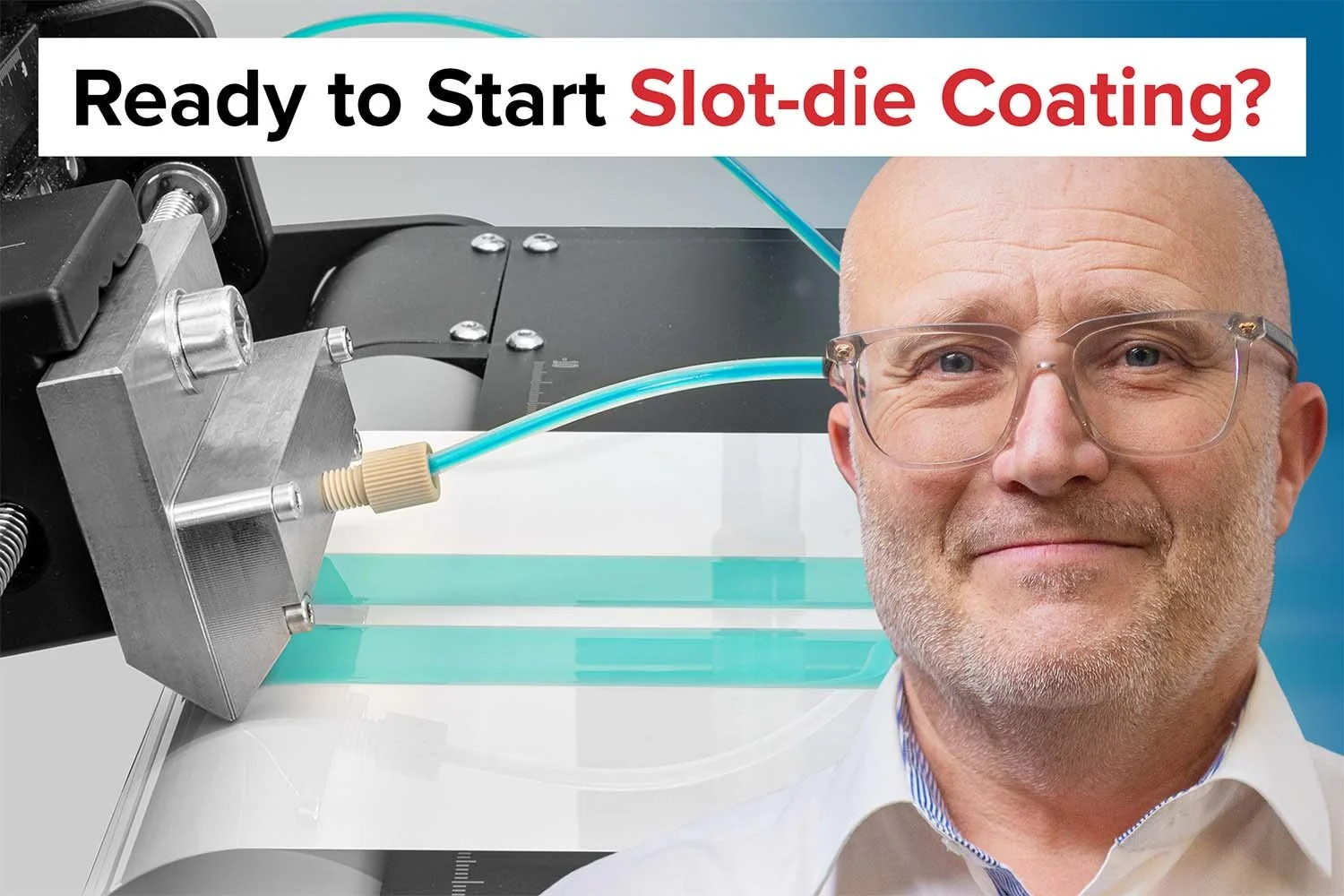
Need help with slot-die coating or machines? Contact our experts for guidance and support.
Related News


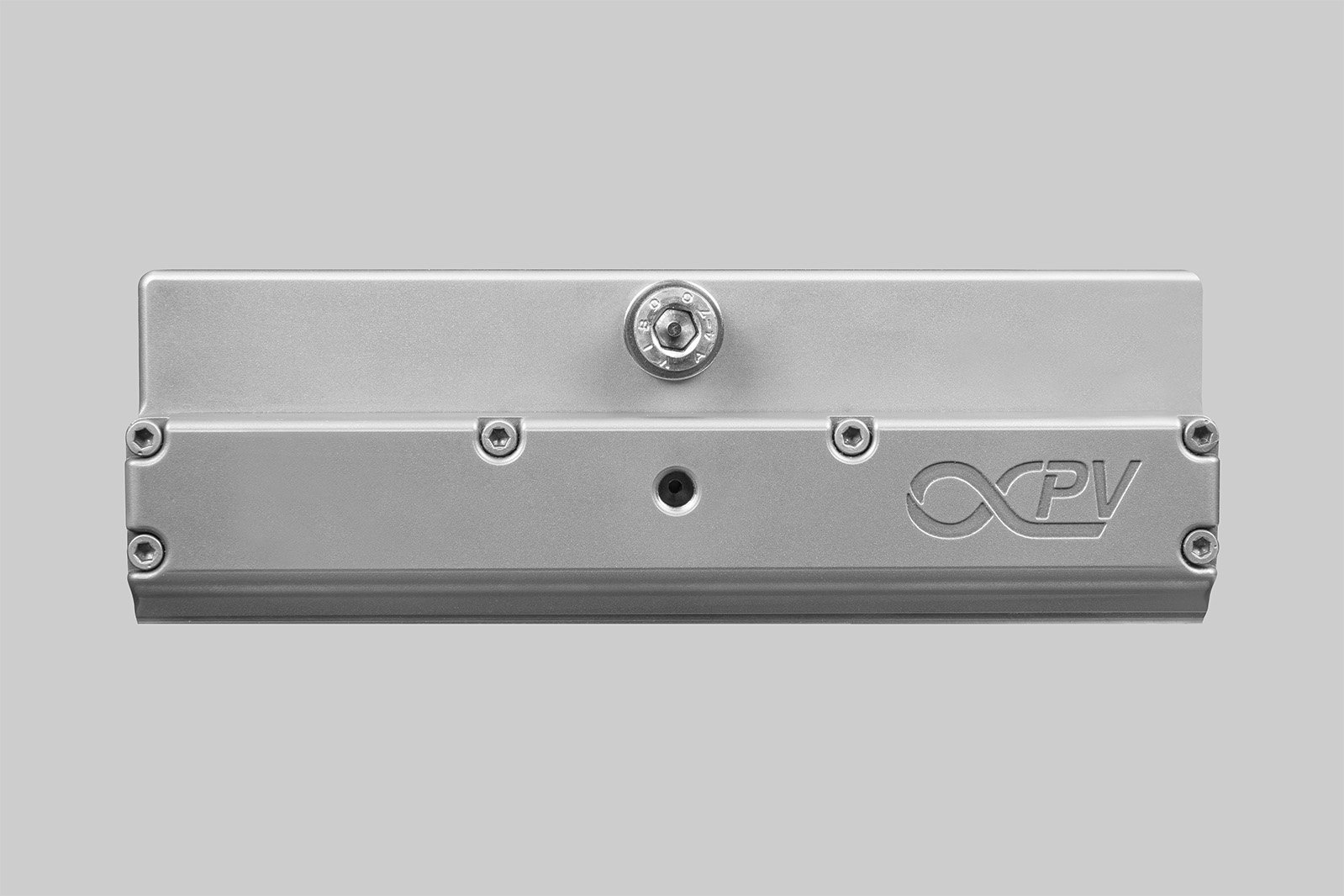

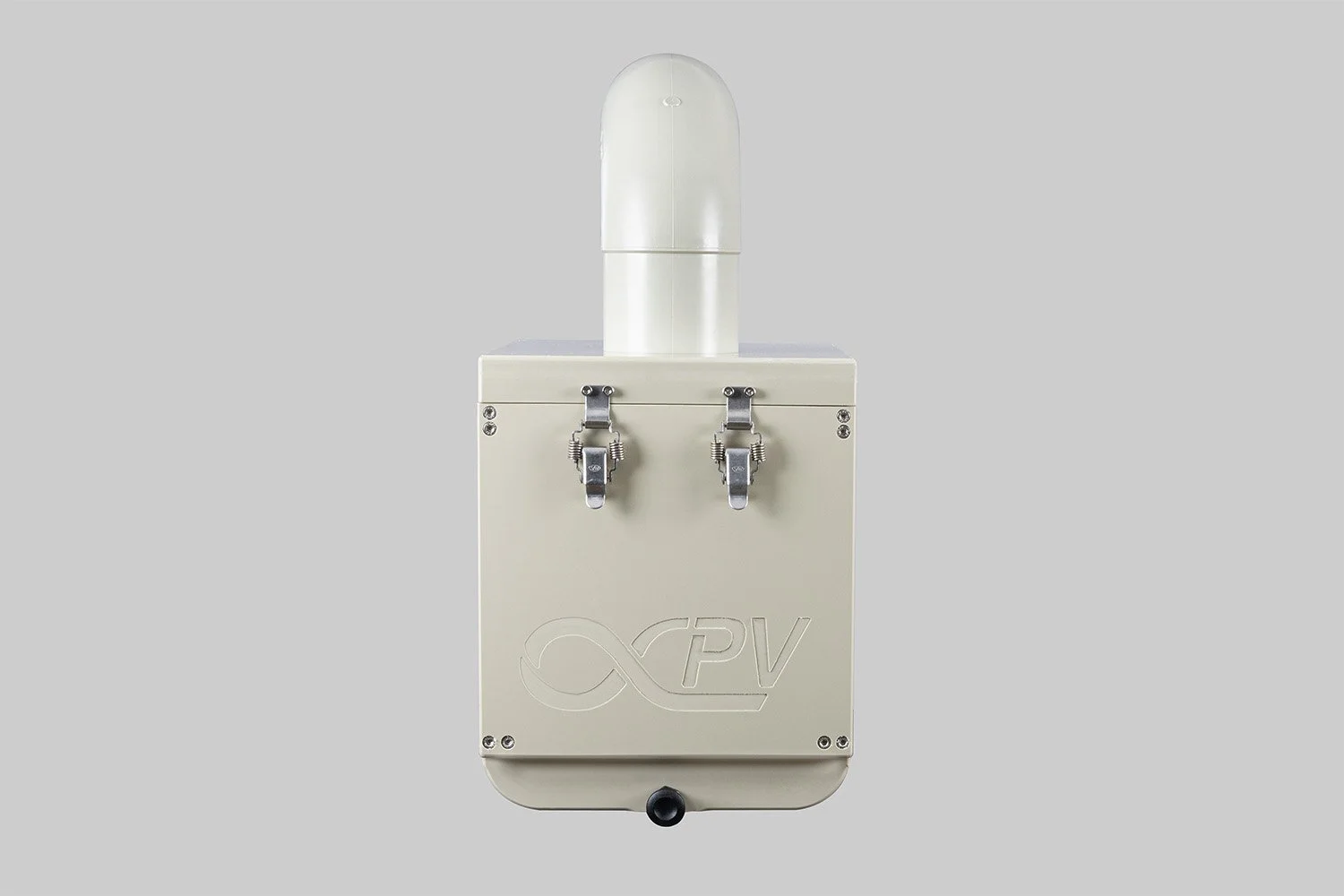


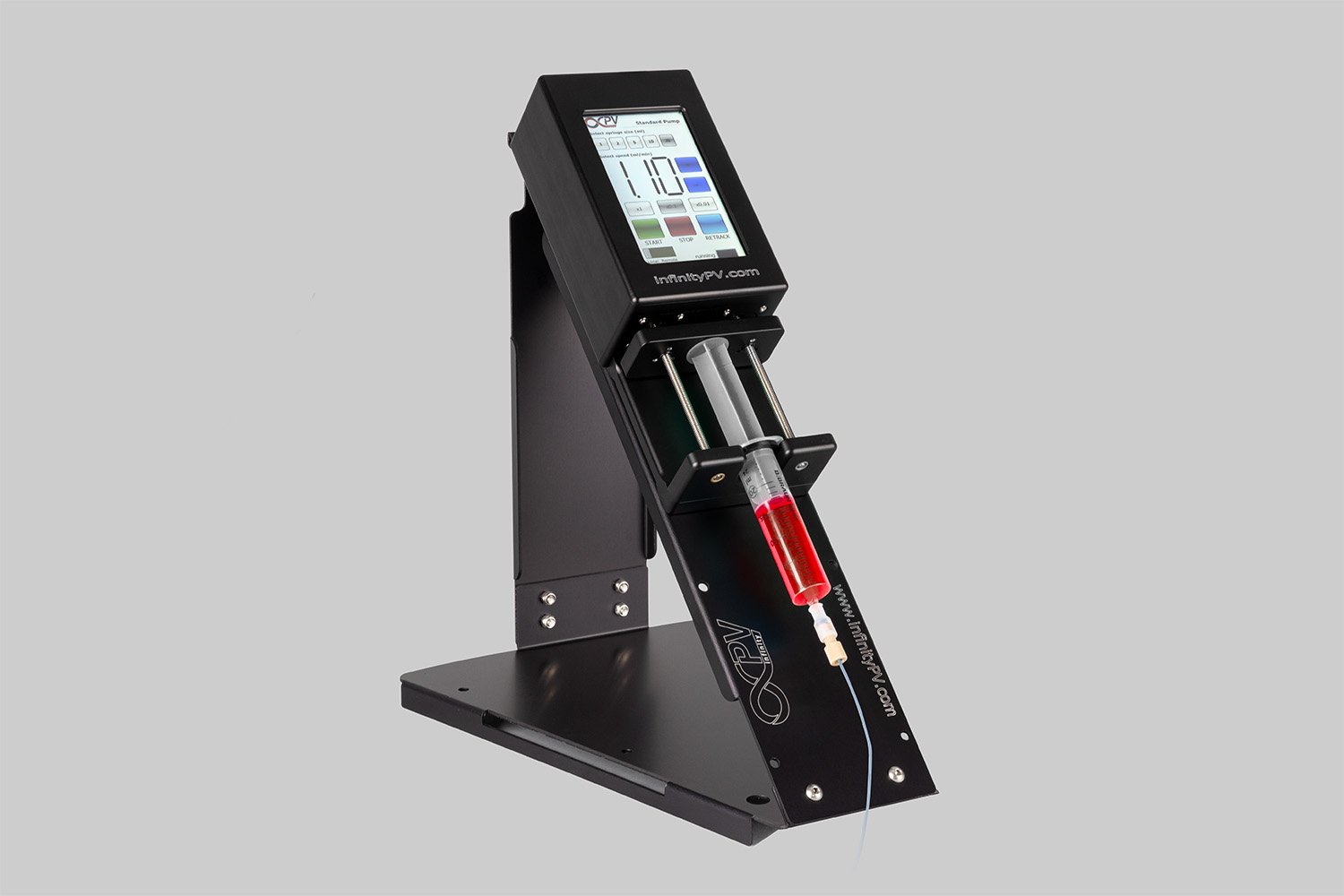
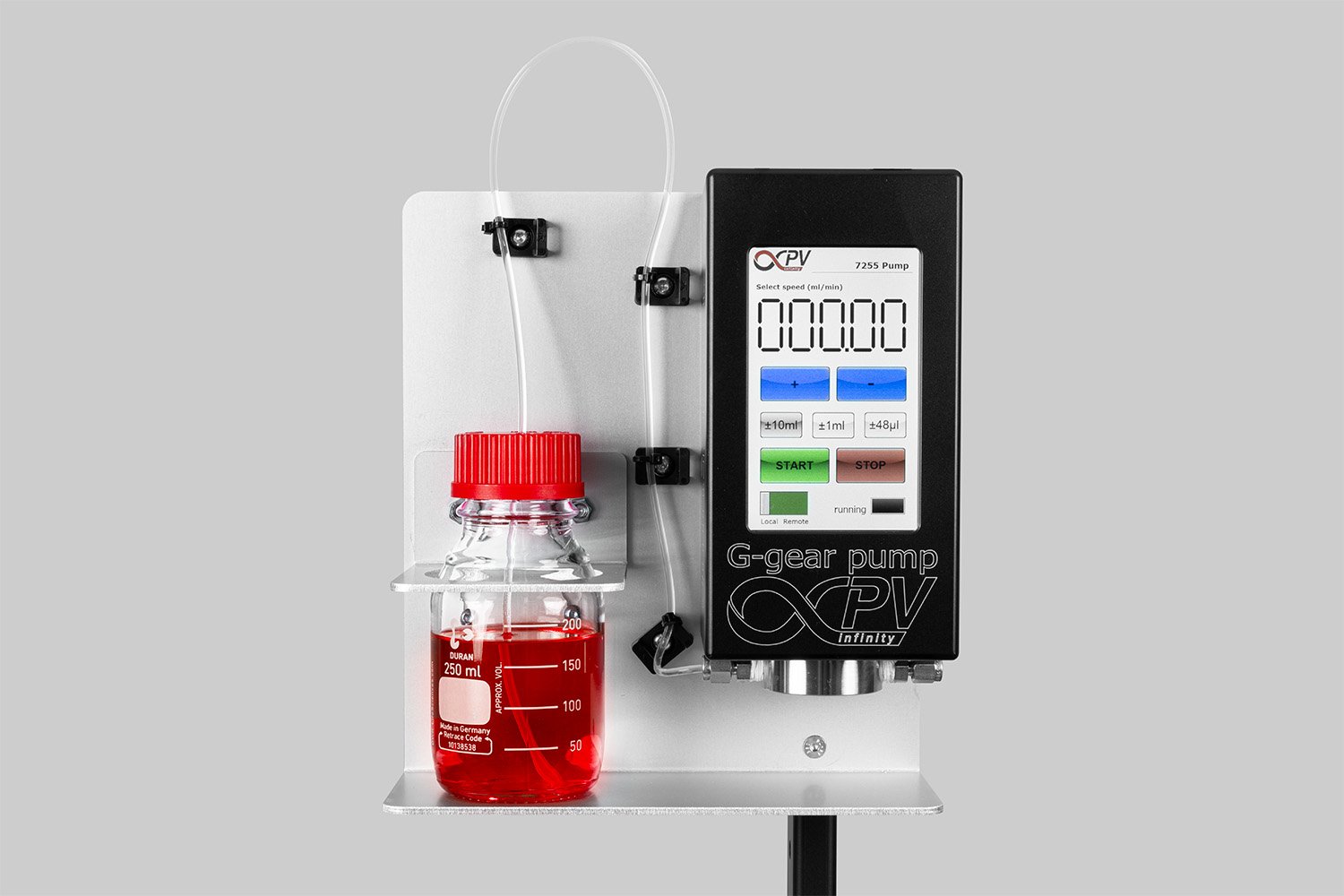
Probably the World’s Most Compact R2R Slot-die Coater: A compact, fully integrated roll-to-roll coating platform for laboratories, complete with a mounting system, anodized rollers, a syringe pump, a 65 mm stainless slot-die head and an infrared oven system—delivering unmatched precision and scalability.