
What Are Hydrogel Films? A Complete Guide to Their Uses and Benefits
Hydrogel films represent a groundbreaking advancement in materials science, offering a unique combination of flexibility, responsiveness, and water retention in an ultra-thin format. These films are redefining possibilities in fields such as medicine, agriculture, and electronics by merging the beneficial properties of hydrogels with the practical advantages of thin-film technology. Their ability to swell, shrink, or degrade in response to environmental stimuli like pH, temperature, or ionic strength makes them exceptionally adaptable to a wide range of applications.
The significance of hydrogel films lies in their ability to provide faster response times, greater flexibility, and seamless integration with other materials and devices compared to traditional bulk hydrogels.
This makes them ideal for applications where precision, speed, and adaptability are crucial.
What Are Hydrogel Films?
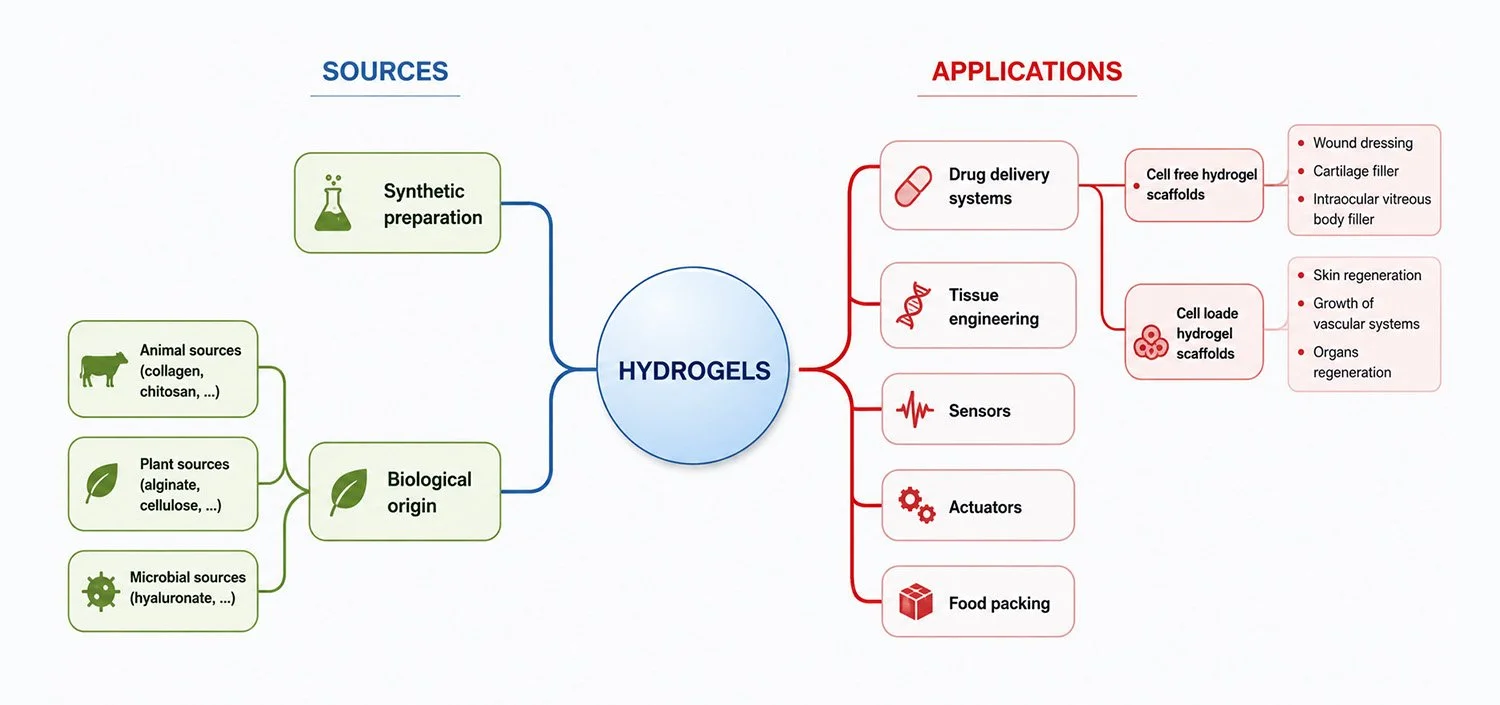
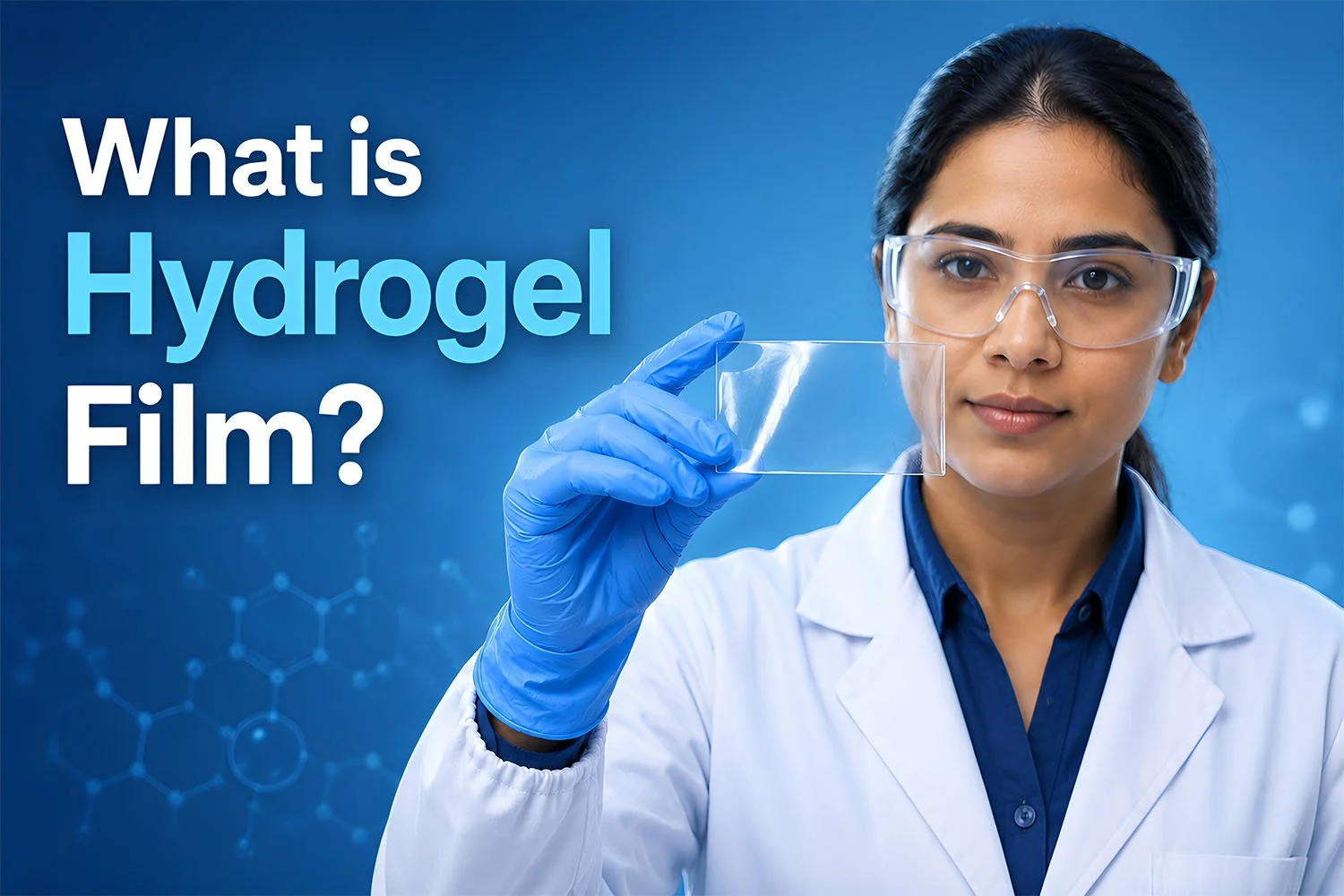
Hydrogel films are two-dimensional sheets of crosslinked polymer networks capable of absorbing and retaining large amounts of water. To understand their functionality, it is essential to first grasp the nature of hydrogels themselves. Hydrogels consist of three-dimensional networks of polymers that can hold up to 95% water by weight, giving them their characteristic softness, flexibility, and biocompatibility.
When fabricated into thin films, these properties become even more pronounced. The reduced thickness accelerates their response to external stimuli, making them ideal for applications requiring rapid and precise reactions, such as drug delivery systems or real-time sensors.
The Building Blocks: Polymers and Crosslinking
The foundation of hydrogel films lies in their polymer matrix, which can be derived from natural or synthetic sources. Natural polymers such as alginate, chitosan, collagen, and hyaluronic acid are favored for biomedical applications due to their biocompatibility and biodegradability. Synthetic polymers like polyvinyl alcohol (PVA), polyethylene glycol (PEG), and polyacrylic acid (PAA) are preferred for their tunable properties and scalability in industrial applications.
Crosslinking is the process that binds polymer chains together to form a stable network. This can occur through chemical means, where covalent bonds form between polymer chains using agents like glutaraldehyde or citric acid, or through physical interactions such as hydrogen bonding, ionic interactions, or crystalline zones. The type and degree of crosslinking determine the film’s mechanical strength, swelling behavior, and responsiveness to stimuli.
For instance, alginate films derived from brown algae are often crosslinked using calcium ions. Higher concentrations of calcium ions result in stiffer and less swellable films due to increased crosslink density, which restricts water absorption. This tunability allows scientists to tailor hydrogel films for specific applications, whether it be a flexible wound dressing or a rigid sensor.
Why Films? The Advantages of Going Thin
While bulk hydrogels have been extensively studied, their thin-film counterparts offer several distinct advantages. The reduced thickness of films allows for faster penetration of stimuli, leading to rapid swelling, shrinking, or drug release. This is particularly important for applications like biosensors, where real-time responsiveness is essential.
Films can be coated onto surfaces, layered into devices, or printed into complex patterns, making them ideal for integration into existing technologies. For example, a hydrogel film can be applied to a smartphone screen as a self-healing, anti-fogging layer or used as a flexible electrode in wearable electronics.
Thin films can also be engineered to exhibit enhanced mechanical properties, such as increased strength, elasticity, or adhesion, compared to their bulk counterparts. This is particularly important for applications like wound dressings, where the film must stretch and move with the skin without tearing.
Films allow for precise control over thickness, uniformity, and composition. Techniques like spin coating or 3D printing enable the creation of films with nanometer-scale precision, ensuring consistent performance across large areas.
Many film fabrication methods, such as dip coating, spray coating, or slot die coating, are inherently scalable, making it feasible to produce hydrogel films on an industrial level for applications like food packaging or agricultural mulches.
How Are Hydrogel Films Made?
The fabrication of hydrogel films is a multistep process that begins with the selection of polymers and ends with a fully crosslinked, functional material. This journey involves several key stages: polymer selection, gelation, film formation, and crosslinking. Each step offers opportunities for customization, allowing scientists to fine-tune the film’s properties for its intended application.
Step 1: Choosing the Right Polymer
The first decision in creating a hydrogel film is selecting the polymer matrix. As mentioned earlier, polymers can be natural or synthetic, and each comes with its own set of properties:
Natural Polymers: Alginate, chitosan, collagen, hyaluronic acid, cellulose, and lignin are popular choices for biomedical applications due to their biocompatibility and biodegradability. For example, chitosan, derived from the exoskeletons of crustaceans, is antimicrobial and can be chemically modified to enhance its mechanical strength or solubility.
Synthetic Polymers: Polyvinyl alcohol (PVA), polyethylene glycol (PEG), polyacrylic acid (PAA), and polyacrylamide (PAM) are commonly used for their tunable properties and industrial scalability. PVA, for instance, can be crosslinked physically (via freeze-thaw cycles) or chemically (using agents like glutaraldehyde) to create films with varying degrees of stiffness and water retention.
Hybrid systems, which combine natural and synthetic polymers or incorporate additives like nanoparticles, are also gaining traction. These hybrids can overcome the limitations of pure materials—for example, improving the mechanical strength of natural polymers or the biocompatibility of synthetic ones.
Step 2: Gelation — From Liquid to Gel
Once the polymer is selected, the next step is gelation, the process by which a liquid polymer solution transforms into a gel. Gelation can occur through chemical or physical means:
Chemical Gelation: Involves the formation of covalent bonds between polymer chains, often using crosslinking agents like glutaraldehyde, citric acid, or epichlorohydrin. For example, in PVA hydrogels, glutaraldehyde can react with the hydroxyl groups on PVA chains to form a crosslinked network.
Physical Gelation: Relies on non-covalent interactions, such as hydrogen bonding, ionic interactions, or the formation of crystalline zones. Alginate, for instance, can be crosslinked physically using calcium ions (Ca²⁺), which bind to the polymer chains and create a gel network.
Gelation can also be induced by external stimuli, such as temperature changes, UV light, or microwave irradiation. For example, microwave-assisted synthesis has been used to create hydrogel films by exposing polymer solutions to microwave radiation, which accelerates crosslinking and reduces waste.
Step 3: Film Formation — Shaping the Material
After gelation, the next challenge is shaping the gel into a thin, uniform film. The choice of method depends on factors like the desired film thickness, the nature of the polymer, the need for scalability, and the intended application.
Spray Coating
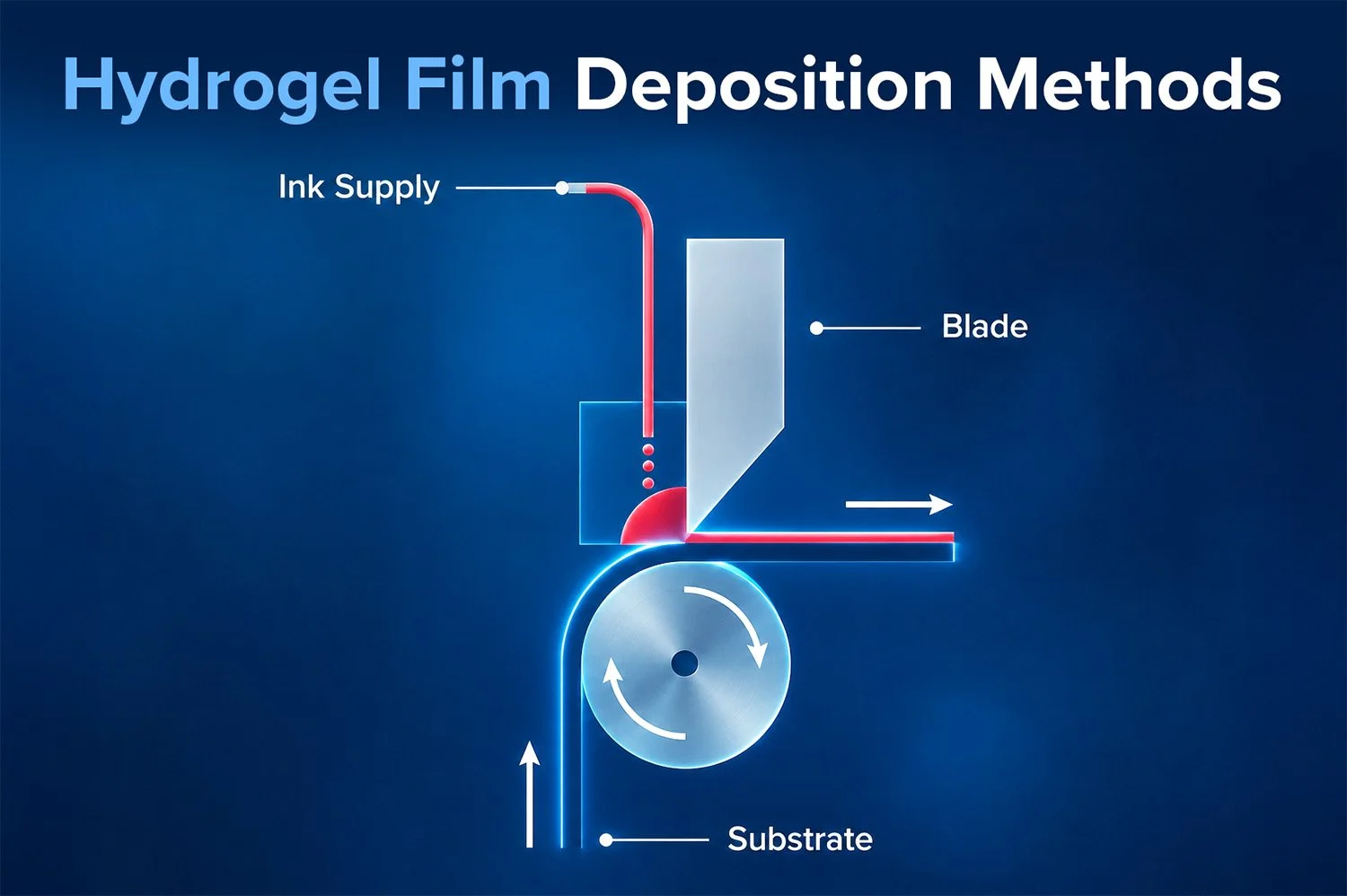
Doctor Blade Coating
Here are some of the most common techniques:
Solvent casting is one of the simplest and most cost-effective methods. It involves dissolving the polymer in a solvent, usually water, spreading the solution onto a substrate, and allowing the solvent to evaporate, resulting in a thin, solid film. While this method is versatile and does not require specialized equipment, it can leave residual solvents in the film, which may limit its use in applications requiring high purity.
In dip coating, a substrate is immersed in a polymer solution and then withdrawn at a controlled speed. The solvent evaporates as the substrate is pulled out, leaving behind a thin film. The thickness of the film can be controlled by adjusting the withdrawal speed and solution viscosity. This method is particularly useful for coating complex or rigid shapes, such as medical implants or electronic components.
Spin coating is a high-precision method where a polymer solution is dispensed onto a substrate that is then rotated at high speeds, typically between 500 and 4000 rpm. Centrifugal force spreads the solution evenly across the substrate, creating a uniform, thin film. The thickness of the film is controlled by factors like spinning speed, solution viscosity, and solvent evaporation rate. Spin coating is ideal for creating ultra-thin films on small, flat substrates, such as those used in sensors or microelectronics.
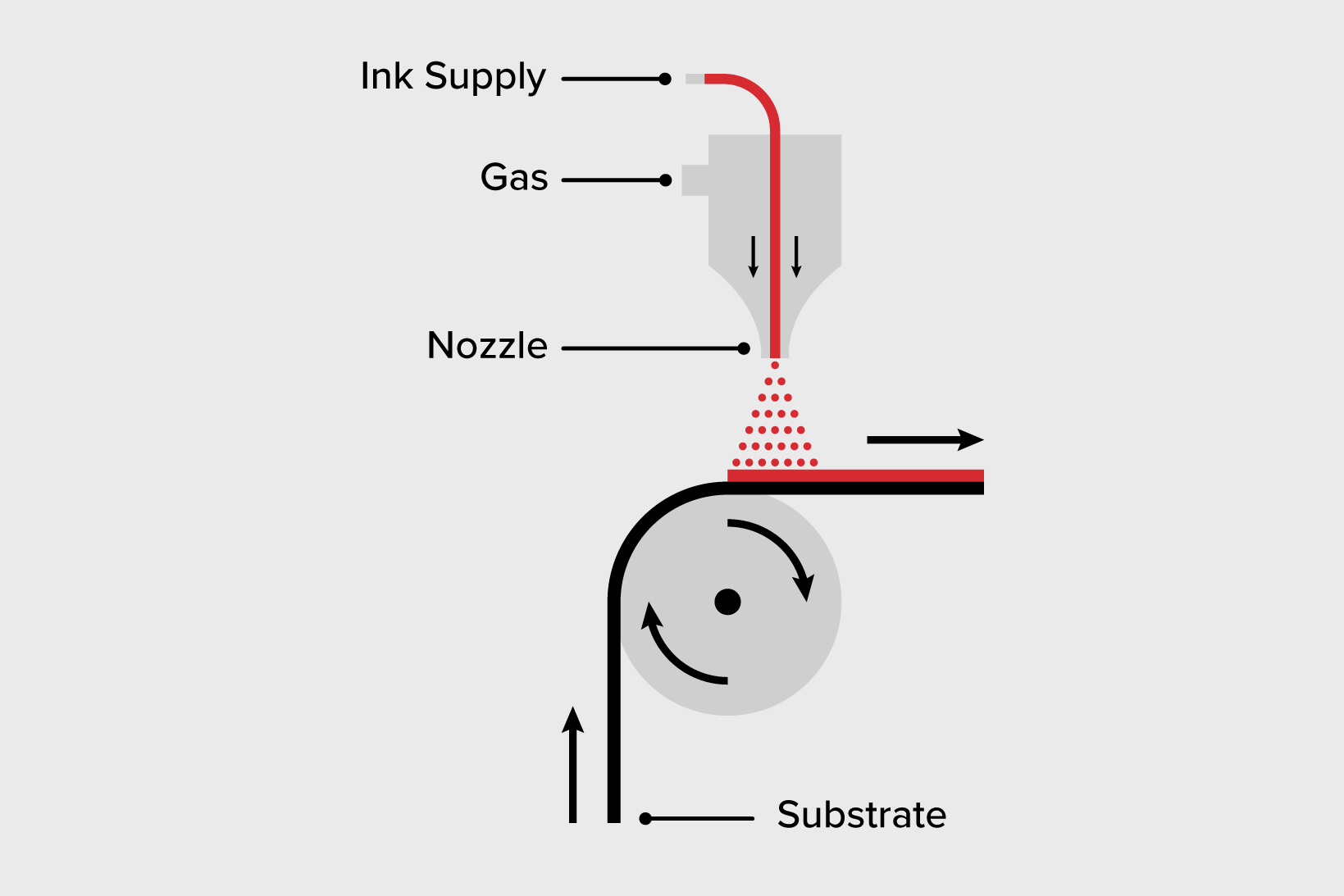
In spray coating, a polymer solution is broken into fine droplets using a spray gun or nozzle and deposited onto a substrate. The solvent evaporates, leaving behind a thin film. This method is highly scalable and can be used to coat large or irregularly shaped surfaces, such as agricultural films or food packaging. It is also useful for creating porous films, as the spraying process can introduce air pockets into the material.
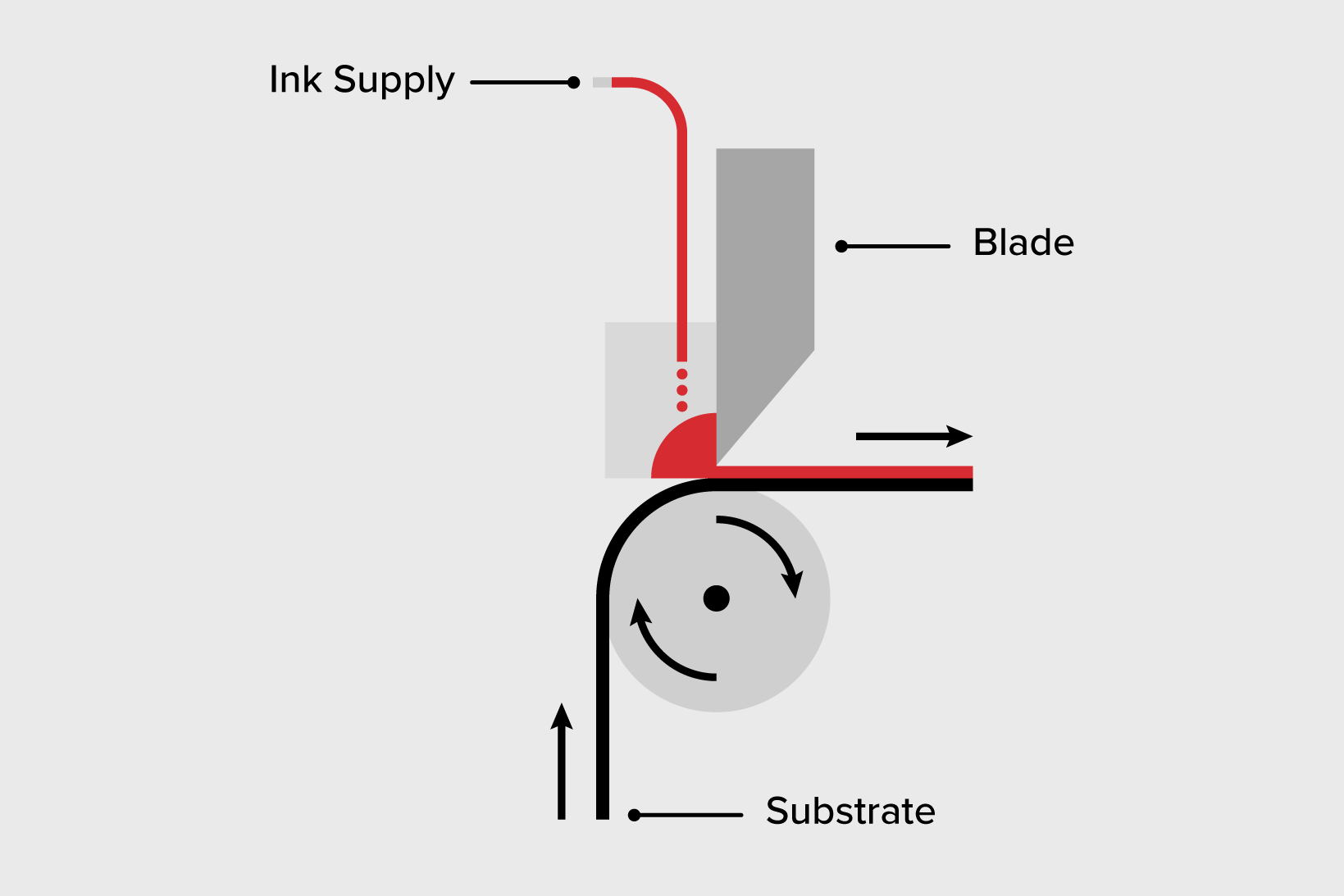
Blade coating and bar coating are similar methods where a blade or a cylindrical rod is used to spread a polymer solution evenly across a substrate. The gap between the blade or bar and the substrate determines the film thickness. These methods are cost-effective and scalable, making them suitable for industrial applications. However, they typically produce films with thicknesses in the tens of micrometers range and may not achieve the same level of uniformity as spin or dip coating.
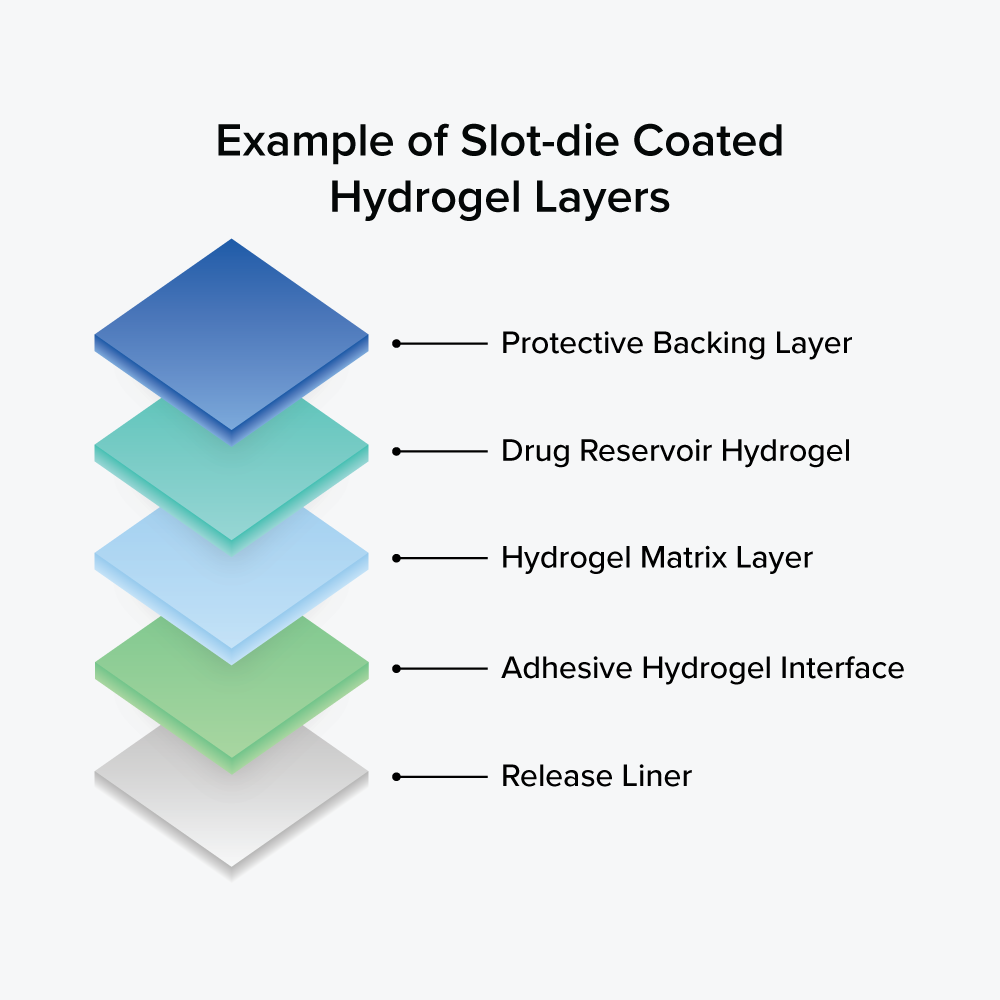
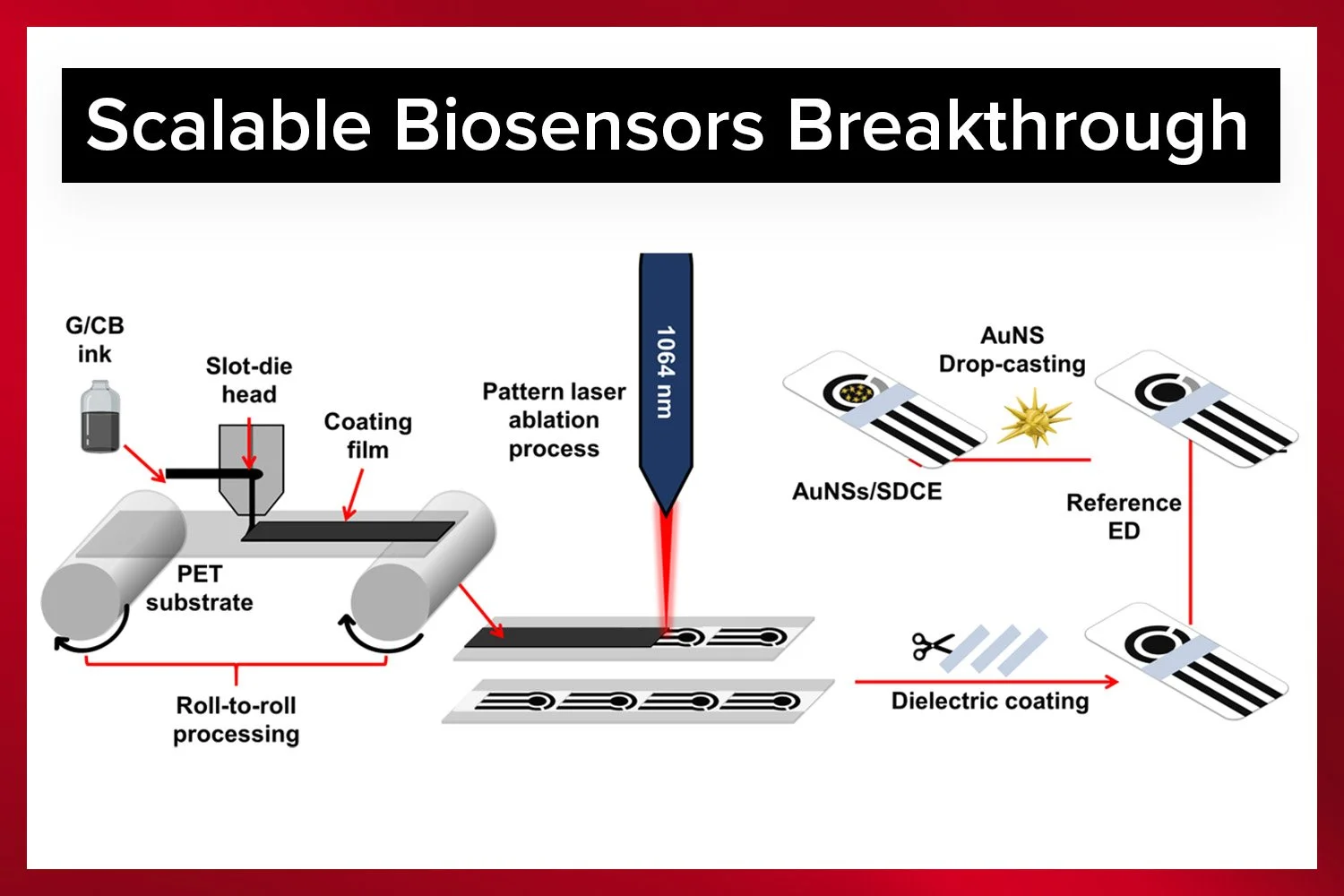
Slot die coating is a precision method where a polymer solution is extruded through a narrow slot onto a moving substrate. This technique allows for highly uniform films with controlled thickness and minimal waste. It is often used in roll-to-roll manufacturing, making it ideal for large-scale production of films for applications like food packaging or flexible electronics.
For applications requiring microscale precision, such as microfluidic devices or biosensors, photolithography is a powerful tool. In this method, a photosensitive polymer solution is applied to a substrate and exposed to UV light through a mask. The exposed areas undergo chemical changes, while the unexposed areas remain soluble and can be washed away. This allows for the creation of complex patterns with features as small as a few micrometers.
While not traditionally associated with thin films, 3D printing is emerging as a versatile method for creating hydrogel films with custom geometries and internal structures. Techniques like stereolithography or extrusion-based printing can be used to build up films layer by layer, allowing for the incorporation of gradients, pores, or even embedded additives like nanoparticles or drugs.
Step 4: Crosslinking — Locking in the Structure
Once the film is formed, the final step is crosslinking—the process that stabilizes the polymer network and gives the film its final properties. Crosslinking can occur in situ (during film formation) or post-synthetically (after the film is formed).
In Situ Crosslinking: The polymer solution contains a crosslinking agent (chemical or physical) that induces gelation as the film is formed. For example, in spin coating, a polymer solution containing calcium ions can be spun onto a substrate, and the ions will crosslink the polymer chains as the solvent evaporates.
Post-Synthetic Crosslinking: The film is first formed from a soluble polymer, and then crosslinking is induced in a separate step. This can be done using chemical agents, heat, or radiation. For example, a PVA film can be crosslinked by exposing it to gamma radiation, which creates covalent bonds between the polymer chains.
The choice of crosslinking method depends on the polymer and the desired properties. Chemical crosslinking tends to create stronger, more stable films, while physical crosslinking is often reversible and can be useful for applications where the film needs to degrade or respond dynamically to its environment.
Step 5: Adding Functionality with Additives
To further enhance the properties of hydrogel films, additives can be incorporated into the polymer matrix. These additives can serve a variety of purposes:
Nanoparticles: Metallic nanoparticles (e.g., silver, gold) or oxide nanoparticles (e.g., zinc oxide, titanium dioxide) can add antibacterial, optical, or magnetic properties to the film. For example, silver nanoparticles can make a hydrogel film antimicrobial, while iron oxide nanoparticles can make it responsive to magnetic fields.
Liposomes: These lipid-based vesicles can encapsulate drugs or other molecules, allowing for controlled release from the hydrogel film. Liposome-loaded hydrogel films are being explored for drug delivery and wound healing applications.
Graphene and Graphene Oxide: These carbon-based materials can enhance the mechanical strength, electrical conductivity, and thermal stability of hydrogel films. Graphene oxide, in particular, is hydrophilic and can form strong bonds with the hydrogel matrix.
Metal-Organic Frameworks (MOFs): MOFs are crystalline materials composed of metal ions connected by organic linkers. They can add porosity, high surface area, and tunable chemical functionality to hydrogel films, making them useful for applications like gas storage or catalysis.
Plasticizers and Crosslinkers: These can be used to improve flexibility, adhesion, or water retention in the film. For example, glycerol is often added to chitosan films to make them more flexible and less brittle.
The incorporation of additives can be done in situ (during film formation) or ex situ (after the film is formed). In some cases, innovative strategies are required to ensure uniform distribution of the additives within the film.
What Can Hydrogel Films Be Used For?
The versatility of hydrogel films is perhaps their most exciting feature. Their unique combination of biocompatibility, responsiveness, and tunable properties makes them suitable for a wide range of applications, from life-saving medical devices to sustainable agricultural solutions.
Biomedical Applications: Healing, Delivering, and Sensing
The biomedical field is where hydrogel films are making some of their most transformative impacts. Their biocompatibility, flexibility, and ability to mimic the natural extracellular matrix make them ideal for applications in tissue engineering, drug delivery, wound healing, and biosensing.
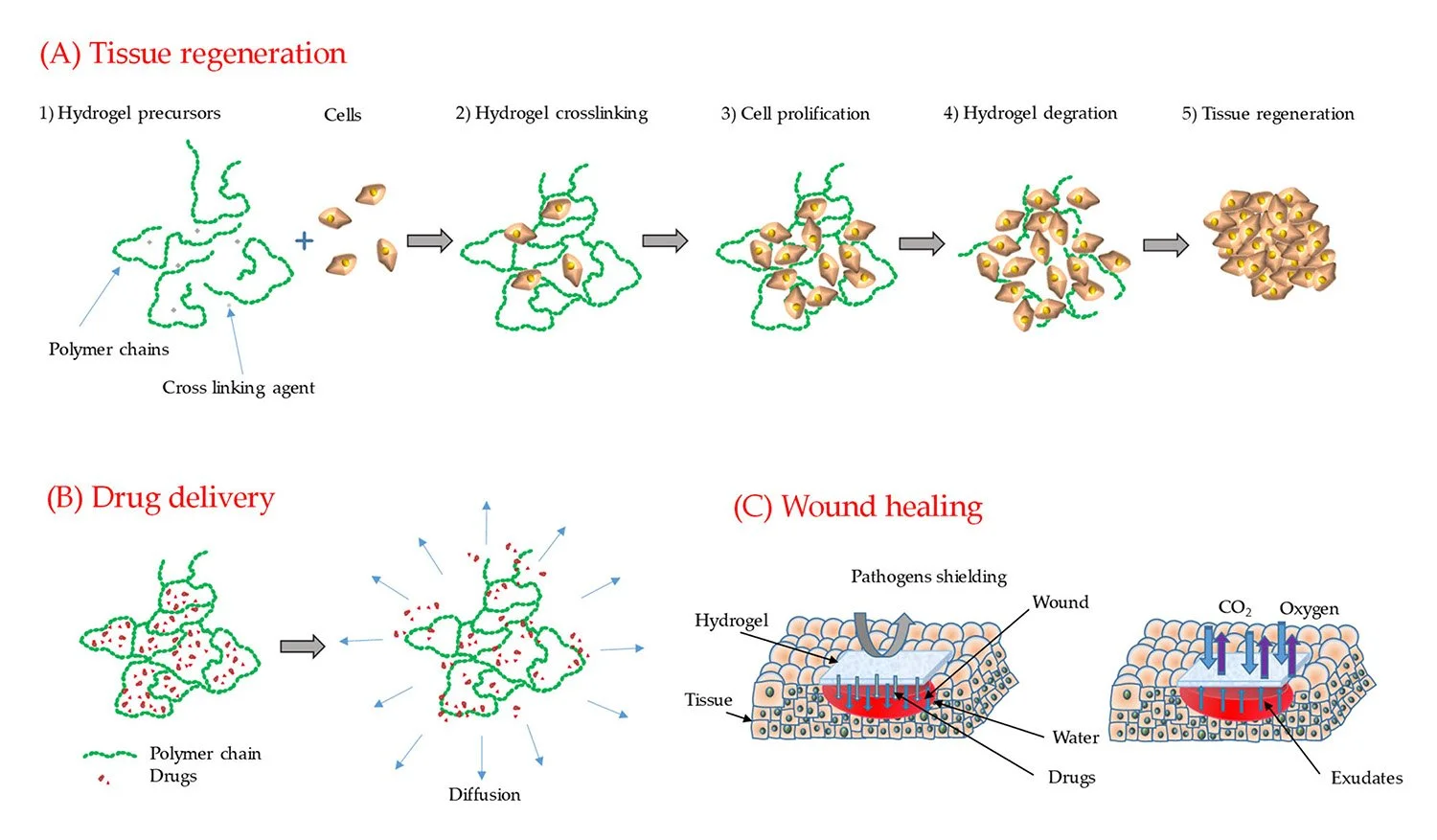
Wound Healing: The Next Generation of Dressings
Traditional wound dressings, like gauze or bandages, have limitations: they can stick to the wound, disrupt healing, and fail to provide a moist environment that promotes tissue regeneration. Hydrogel films, on the other hand, offer a revolutionary alternative.
Moist Environment: Hydrogel films can retain water and create a moist environment around the wound, which accelerates healing and reduces scarring. This is particularly important for chronic wounds, such as diabetic ulcers or pressure sores, which often struggle to heal in dry conditions.
Exudate Management: Hydrogel films can absorb excess fluid (exudate) from the wound while preventing dehydration. This balance is critical for maintaining an optimal healing environment.
Adhesion and Flexibility: Unlike rigid dressings, hydrogel films are flexible and adhesive, allowing them to conform to the contours of the body and move with the skin. This reduces the risk of the dressing peeling off or causing further damage.
Drug Delivery: Hydrogel films can be loaded with antibiotics, painkillers, or growth factors that are gradually released into the wound. This localized delivery can reduce the need for systemic medications (like oral antibiotics) and minimize side effects.
Antimicrobial Properties: By incorporating antimicrobial agents (such as silver nanoparticles or essential oils), hydrogel films can prevent infections and promote faster healing. For example, chitosan-based films have inherent antimicrobial properties due to the positive charge on the chitosan molecules, which can disrupt bacterial cell membranes.
Environmental and Agricultural Applications: Sustainability in Action
Beyond the biomedical field, hydrogel films are making waves in environmental and agricultural applications, where their ability to absorb, retain, and release water and other substances is being leveraged to create more sustainable and efficient systems.
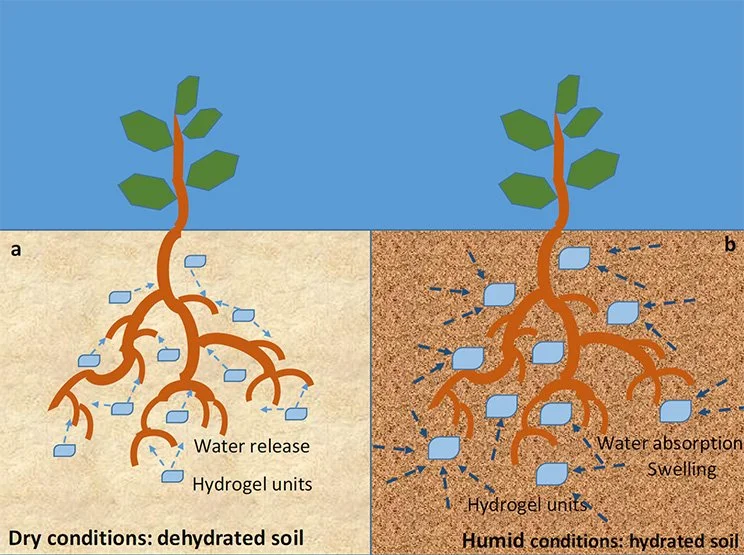
In agriculture, hydrogel films offer a sustainable solution to challenges like water waste, soil degradation, and nutrient runoff. They can absorb and retain large amounts of water and release it gradually into the soil as needed, which is particularly useful in arid or drought-prone regions where water scarcity is a major challenge. By reducing the need for frequent irrigation, hydrogel films can conserve water and improve crop yields. They can also be loaded with fertilizers and designed to release them slowly and in response to environmental conditions, ensuring that plants receive nutrients only when they need them, reducing fertilizer waste and minimizing environmental pollution from runoff. Hydrogel films can deliver pesticides in a controlled manner, reducing the overall amount of pesticides needed and minimizing their environmental impact while improving their effectiveness by targeting pests more precisely. Additionally, hydrogel films can improve soil structure, aeration, and drainage, leading to healthier plant growth, and prevent soil erosion by stabilizing the soil and reducing water runoff.
In environmental remediation, hydrogel films are being explored for removing pollutants from soil, water, or air. Their high surface area, tunable porosity, and ability to bind to specific molecules make them ideal for capturing and removing contaminants. Hydrogel films can be functionalized with chelating agents to remove heavy metals like lead, cadmium, or mercury from contaminated water or soil. They can also be designed to absorb oils or organic pollutants from water, making them useful for treating industrial effluent. Additionally, hydrogel films can capture gases like carbon dioxide or volatile organic compounds, making them useful for carbon capture and storage applications.
Food Packaging: Extending Shelf Life Sustainably
The food industry is another area where hydrogel films are making a big impact. Traditional food packaging materials, such as plastics, are non-biodegradable and contribute to environmental pollution. Hydrogel films, on the other hand, can be biodegradable, biocompatible, and even edible, making them a sustainable alternative for food preservation.
Active Packaging: Hydrogel films can be loaded with antimicrobial or antioxidant agents to extend the shelf life of food. For example, chitosan-based films have inherent antimicrobial properties, while essential oils or plant extracts can be incorporated to enhance their effectiveness.
Intelligent Packaging: Hydrogel films can be designed to respond to changes in the food environment, such as pH, temperature, or humidity. For example, a hydrogel film could change color in response to spoilage, alerting consumers to potential contamination.
Gas and Moisture Barriers: Hydrogel films can regulate gas and moisture exchange, preventing food from drying out or becoming soggy. This is particularly important for fresh produce, which can spoil quickly if not stored properly.
Electronics and Soft Robotics: Flexible, Responsive Materials
The world of electronics is increasingly moving toward flexible, wearable, and biodegradable devices. Hydrogel films, with their softness, stretchability, and responsiveness, are emerging as a key material for this next generation of technology.
Flexible Sensors: Hydrogel films can be used to create flexible sensors for applications like wearable health monitors, electronic skin (e-skin), or soft robotics. For example, a hydrogel film could be used as a strain sensor to detect movements or as a temperature sensor to monitor body heat.
Conductive Hydrogels: While hydrogels are typically electrically insulating, they can be made conductive by incorporating conductive polymers, carbon nanotubes, or metal nanoparticles. These conductive hydrogel films can be used as electrodes, circuits, or sensors in flexible electronic devices.
Self-Healing Materials: Some hydrogel films can self-heal—repairing cracks or damage autonomously. This property is particularly useful for soft robotics, where materials need to withstand repeated deformation without failing.
Screen Protectors: Hydrogel films can be used as self-healing, anti-fogging screen protectors for devices like smartphones and tablets. Their flexibility and transparency make them ideal for this application, and their self-healing properties can extend the lifespan of the protector.
Cosmetics and Personal Care: Enhancing Skin Health
Hydrogel films are also finding applications in the cosmetics and personal care industries, where their biocompatibility, moisture retention, and ability to deliver active ingredients make them ideal for skincare products.
Face Masks: Hydrogel films can be used as sheet masks to deliver hydrating, anti-aging, or brightening ingredients to the skin. Their high water content ensures that the skin stays hydrated, while their flexibility allows them to conform to the contours of the face.
Wound and Burn Care: Hydrogel films can be used as cooling, soothing dressings for minor burns or skin irritations. Their moist environment promotes healing, while their flexibility ensures comfort.
Drug Delivery for Skin Conditions: Hydrogel films can be loaded with topical medications (such as retinoids, antibiotics, or anti-inflammatory agents) for the treatment of acne, eczema, or psoriasis. Their controlled release ensures that the medication is delivered gradually and effectively.
Challenges and Considerations
While the future of hydrogel films is promising, there are still challenges and considerations that need to be addressed to fully realize their potential.
For biomedical applications, biocompatibility is paramount. While hydrogel films are generally considered safe and biocompatible, there are still risks to consider. Hydrogel films may contain traces of unreacted monomers, crosslinkers, or additives that could be toxic or harmful, and ensuring that these substances are fully removed or inert is critical for medical applications. As hydrogel films degrade, they may release byproducts that could be harmful to cells or tissues, and understanding and controlling the degradation process is essential for long-term safety. If hydrogel films contain nanoparticles, there is a risk of nanotoxicity, the potential for nanoparticles to damage cells or organs if they are released into the body, and careful testing and regulation are needed to ensure the safety of nanoparticle-loaded films.
For medical applications, hydrogel films must be sterilized to prevent infections. However, traditional sterilization methods can damage the film’s structure or properties. Heat sterilization can denature proteins or degrade polymers, reducing the film’s mechanical strength or biocompatibility. Gamma radiation can break chemical bonds in the polymer, leading to degradation or changes in properties. Chemical sterilization can leave residues that may be toxic or cause adverse reactions. Researchers are exploring alternative sterilization methods, such as ethanol treatment or low-temperature plasma, which may be gentler on hydrogel films while still effectively killing bacteria and viruses.
For many applications, adhesion is critical, as hydrogel films must stick to surfaces without peeling off or causing damage. However, adhesion can be challenging due to surface roughness, moisture, or movement. Skin, for example, is not smooth, and sweat or other fluids can weaken the adhesive interface or alter the film’s structure. Dynamic surfaces can stretch, bend, or flex, causing hydrogel films to peel or tear. To improve adhesion, researchers are exploring adhesive polymers, stimuli-responsive adhesion, and surface modifications.
For hydrogel films to be widely adopted, they must be cost-effective and scalable. Currently, some of the most advanced fabrication methods are expensive or limited to small batches. To overcome this, researchers are working on cheaper raw materials, more efficient fabrication methods, and automation to reduce labor costs and improve consistency.
While hydrogel films offer sustainable solutions in many areas, their environmental impact must also be considered. Not all hydrogel films are fully biodegradable, and synthetic polymers may persist in the environment if not properly disposed of. Even biodegradable films can release harmful byproducts as they degrade, and nanoparticles or additives in the film could leach into the soil or water, affecting plants, animals, or microorganisms. The production of hydrogel films requires water, energy, and raw materials, and minimizing the environmental footprint of these processes is important for sustainability.
Key Takeaways: Why Hydrogel Films Matter
Hydrogel films are a transformative technology with the potential to reshape industries, improve lives, and create a more sustainable future. Their versatility allows them to be tailored for a vast range of applications, from medicine to agriculture to electronics.
For biomedical applications, they offer a safe, non-toxic, and biodegradable alternative to traditional materials, with their similarity to natural tissues making them ideal for wound healing, drug delivery, and tissue engineering.
In agriculture and food packaging, they can reduce waste, conserve water, and lower environmental impact, making them a key player in the circular economy.
Hydrogel films are at the forefront of materials science innovation, from self-healing materials to 4D printing, pushing the boundaries of what is possible in soft robotics, wearable electronics, and smart systems. While some advanced applications require specialized equipment or expertise, many hydrogel films can be made with simple, low-cost methods, democratizing access to the technology and allowing researchers, entrepreneurs, and hobbyists to experiment and innovate.
Conclusion: A Material for the Future
Hydrogel films represent a remarkable fusion of science, engineering, and creativity. They are a leap forward in our ability to design materials that are smart, responsive, and sustainable. From healing wounds to feeding crops to powering wearable devices, their applications are as diverse as they are impactful.
As we have explored, hydrogel films are not just a single material but a platform, one that can be customized, functionalized, and scaled to meet the needs of almost any industry. The challenges ahead, such as scalability, cost, regulation, and environmental impact, are significant, but so too are the opportunities.
For researchers, hydrogel films offer a rich field of study with endless possibilities for new discoveries and innovations. For entrepreneurs, they present a chance to disrupt industries and create sustainable, high-impact products. For hobbyists, they provide a fun, hands-on way to engage with cutting-edge materials science.
The future of hydrogel films is bright, and it is being written now. Whether you are a scientist, an engineer, a farmer, a doctor, or simply someone who cares about the future of our planet, hydrogel films are a technology worth watching, exploring, and embracing.
References
Ubaldini, A.; Calistri, S. Advances in Hydrogel Film Fabrication and Functional Applications Across Biomedical and Environmental Fields. Appl. Sci. 2025, 15, 9579. https://doi.org/10.3390/app15179579
Get Professional Support for Your Coating Needs
Need help with slot-die coating or machines? Contact our experts for guidance and support.
Related Articles












Probably the World’s Most Compact R2R Slot-die Coater: A compact, fully integrated roll-to-roll coating platform for laboratories, complete with a mounting system, anodized rollers, a syringe pump, a 65 mm stainless slot-die head and an infrared oven system—delivering unmatched precision and scalability.