
What Is Dental Articulating Paper and How Is It Manufactured?
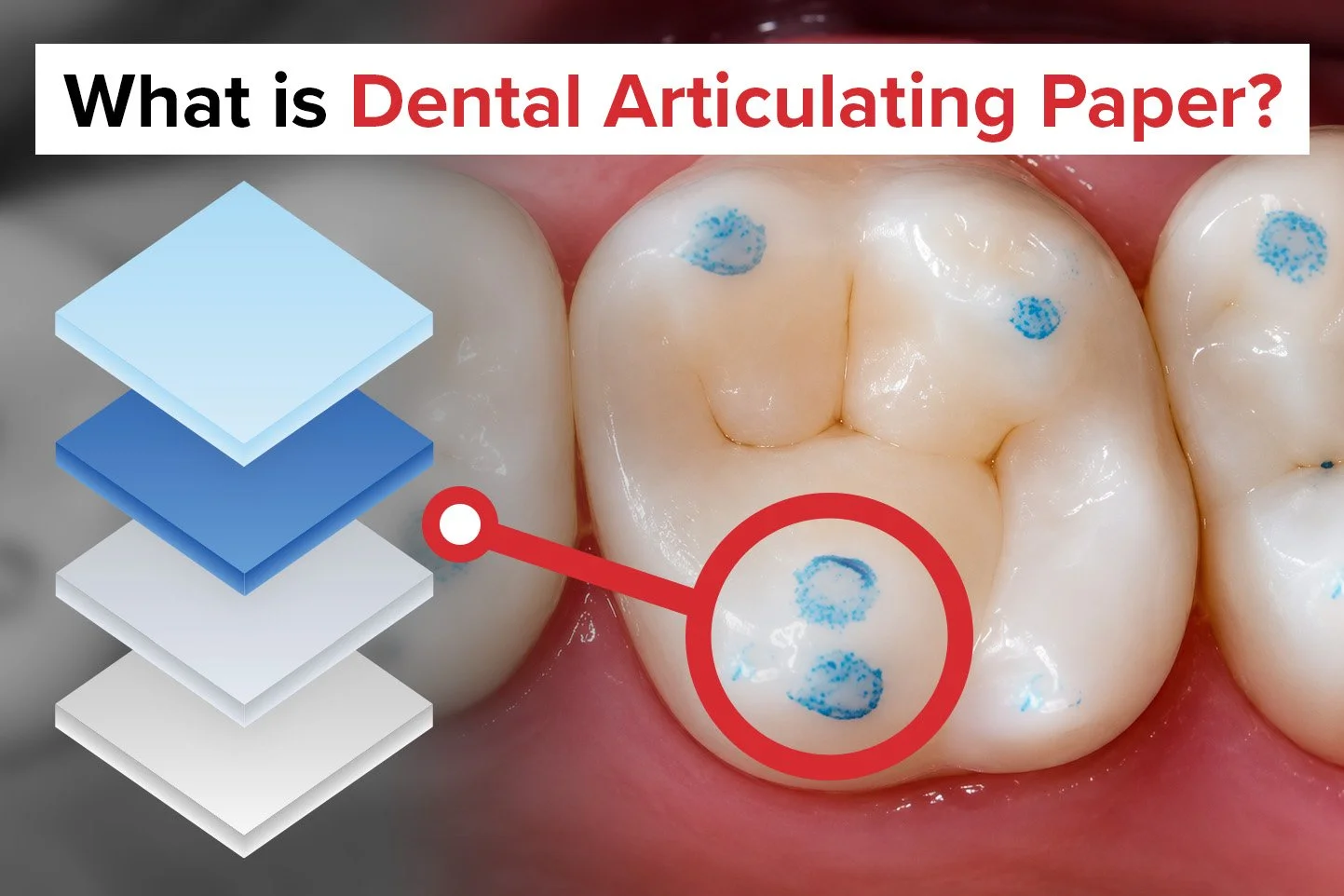
Dental articulating paper is one of the most widely used diagnostic materials in modern dentistry. Dentists rely on it every day to identify bite contact points, evaluate occlusion, adjust restorations, and ensure patient comfort. While the clinical use of articulating paper is well understood, the manufacturing processes behind these products often receive far less attention.
As demand grows for more accurate, consistent, and high-performance dental diagnostic materials, manufacturers are increasingly exploring advanced coating technologies to improve product quality and production efficiency.
One technology gaining significant attention is slot-die coating.
What Is Dental Articulating Paper?
Dental articulating paper is a thin coated substrate used to transfer colored markings onto tooth surfaces when a patient bites down. These markings help dentists visualize occlusal contacts and identify areas where adjustments may be required.
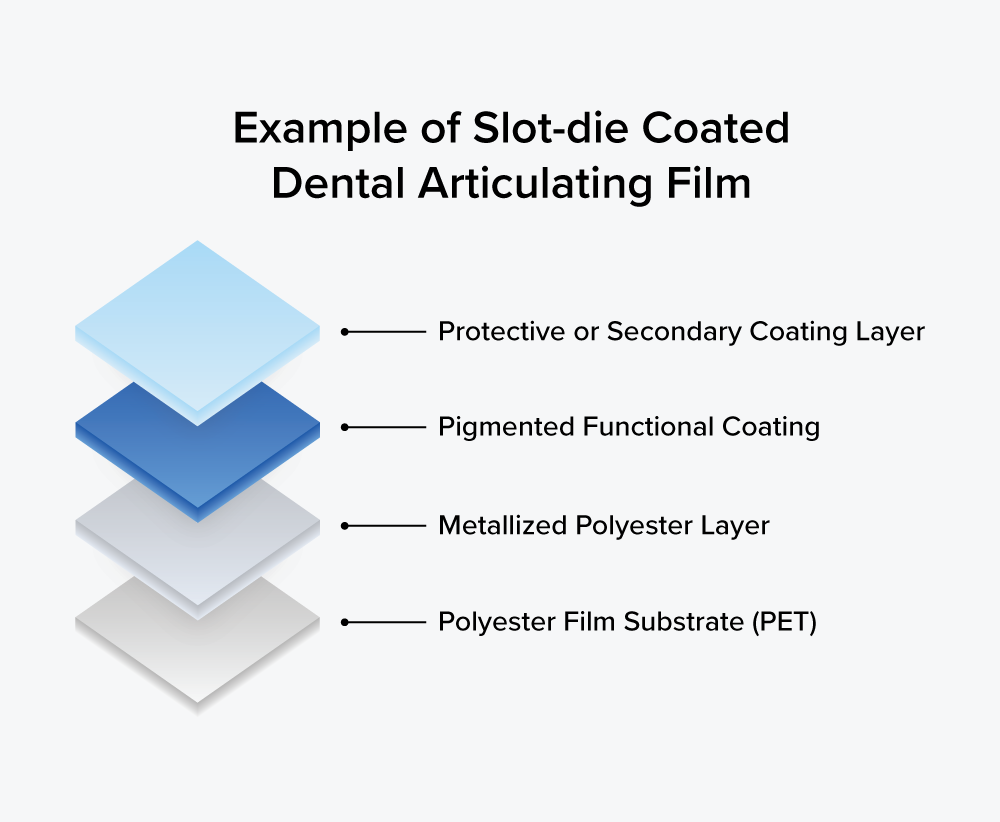
The product typically consists of a lightweight paper, polymer film, or textile substrate coated with pigmented waxes, inks, or pressure-sensitive marking formulations. When pressure is applied between opposing teeth, the coating transfers to the tooth surface, leaving visible marks that indicate contact points.
Articulating papers are available in a range of thicknesses, colors, and formats depending on the intended clinical application. Manufacturers often focus on achieving the right balance between sensitivity, mark visibility, durability, and transfer performance.
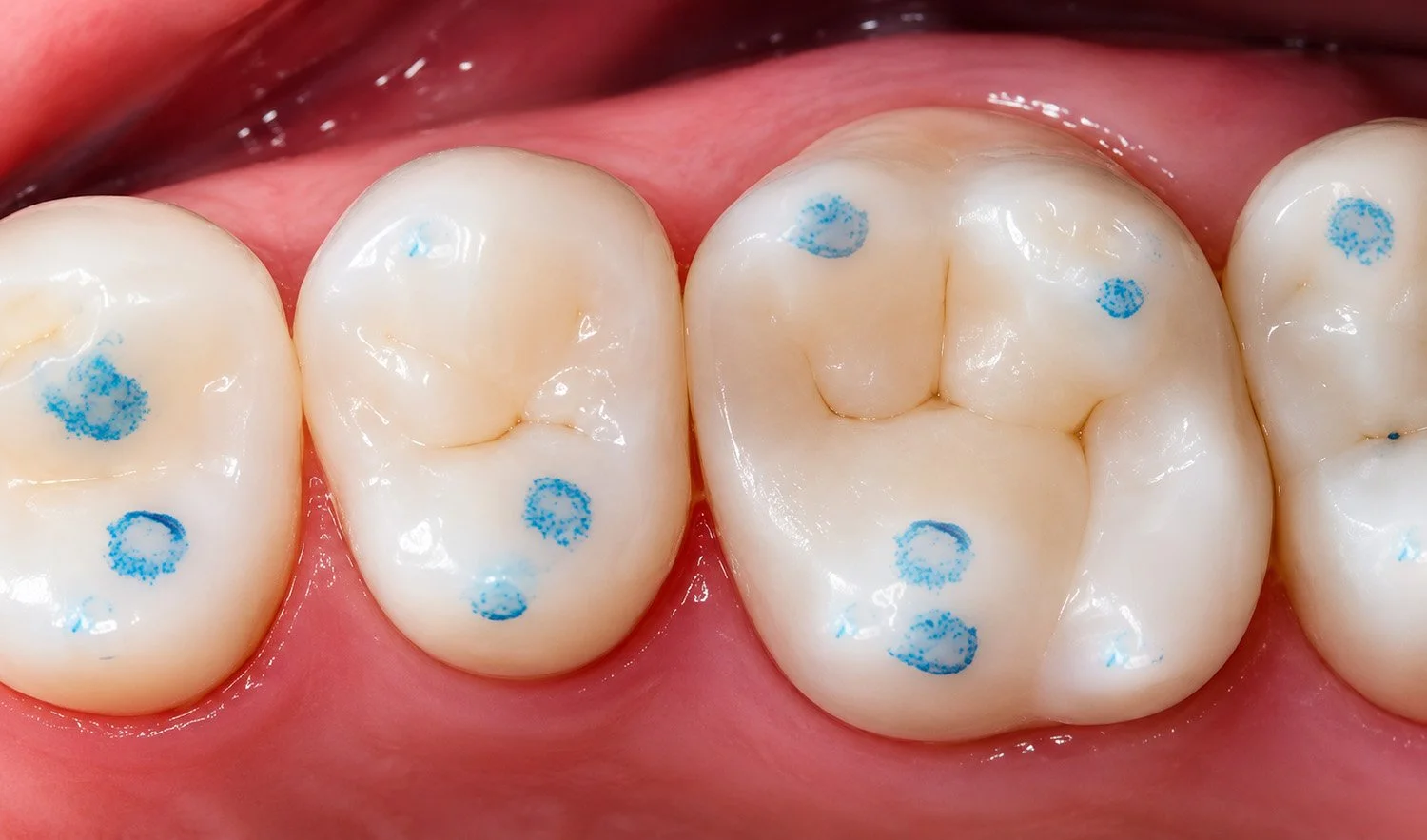
Dentists use blue, red, or a combination based on clinical needs. Blue is more sensitive and picks up lighter contact points. Red requires more pressure to leave a mark.
Why Coating Quality Matters in Articulating Paper Manufacturing
The effectiveness of dental articulating paper depends heavily on coating uniformity. If the coating layer varies in thickness across the web, the resulting product may produce inconsistent markings during use.
Dentists expect articulating paper to provide reliable and repeatable results. Uneven coating distribution can lead to false contact indications, poor transfer efficiency, excessive marking, or insufficient sensitivity. These issues can ultimately affect clinical outcomes and customer satisfaction.
For manufacturers, coating quality directly impacts product performance, production yield, and material consumption. As a result, coating technology plays a critical role in articulating paper development.
Traditional Coating Methods Used for Articulating Paper
Many articulating paper products are produced using conventional coating methods such as gravure coating, knife coating, dip coating, roll coating, or manual laboratory-scale application techniques.
While these methods can successfully apply waxes and pigment-containing formulations, they often present challenges during product development and scale-up. Coating thickness variation, edge effects, material waste, and difficulties controlling low coating weights are common concerns.
These challenges become particularly important when manufacturers are developing new formulations, testing alternative substrates, or attempting to reduce production costs while maintaining performance standards.
Challenges in Developing New Articulating Paper Products
Dental material manufacturers face increasing pressure to improve product consistency while accelerating innovation cycles. Research and development teams often need to evaluate multiple coating formulations before selecting a final product design.
One of the biggest challenges is achieving precise and repeatable coating thickness across different development batches. Small variations in coating weight can significantly affect transfer properties, color intensity, and pressure sensitivity.
Material waste is another common issue. Many conventional coating methods require relatively large quantities of formulation, making experimentation expensive when working with specialty pigments, waxes, or proprietary additives.
Scale-up can also be difficult. A formulation that performs well in a small laboratory test may behave differently when transferred to pilot or production equipment. This can increase development timelines and delay commercialization.
What Is Slot-Die Coating?
Slot-die coating is a precision coating process that applies a controlled layer of liquid formulation onto a moving substrate through a specially engineered coating head.
Unlike many traditional coating methods, slot-die coating delivers the coating material directly to the substrate through a narrow slot, allowing highly accurate control over coating thickness, width, and uniformity.
The technology is widely used in industries requiring precision-coated functional materials, including batteries, fuel cells, medical devices, electronics, optical films, and advanced diagnostic products.
Because slot-die coating is a pre-metered process, the amount of material deposited is determined before reaching the substrate. This provides significantly greater process control compared with many conventional coating techniques.
How Slot-Die Coating Can Benefit Articulating Paper Development
For manufacturers developing dental articulating paper, slot-die coating offers several advantages that can accelerate research and improve product quality.
One major benefit is coating uniformity. Slot-die systems can produce highly consistent coating layers across the web, helping manufacturers achieve predictable transfer performance and more reliable marking characteristics.
Another advantage is reduced material consumption. Because slot-die coating is highly efficient, development teams can perform formulation studies using smaller quantities of expensive raw materials. This is particularly valuable during early-stage research when multiple coating compositions are being evaluated.
Slot-die coating also enables precise control over coating weight. Manufacturers can systematically investigate how different coating thicknesses influence sensitivity, color transfer, durability, and overall product performance.
For organizations planning future scale-up, slot-die coating offers a clear pathway from laboratory development to pilot and production environments. The underlying process principles remain consistent across equipment sizes, helping reduce development risk and improve technology transfer.
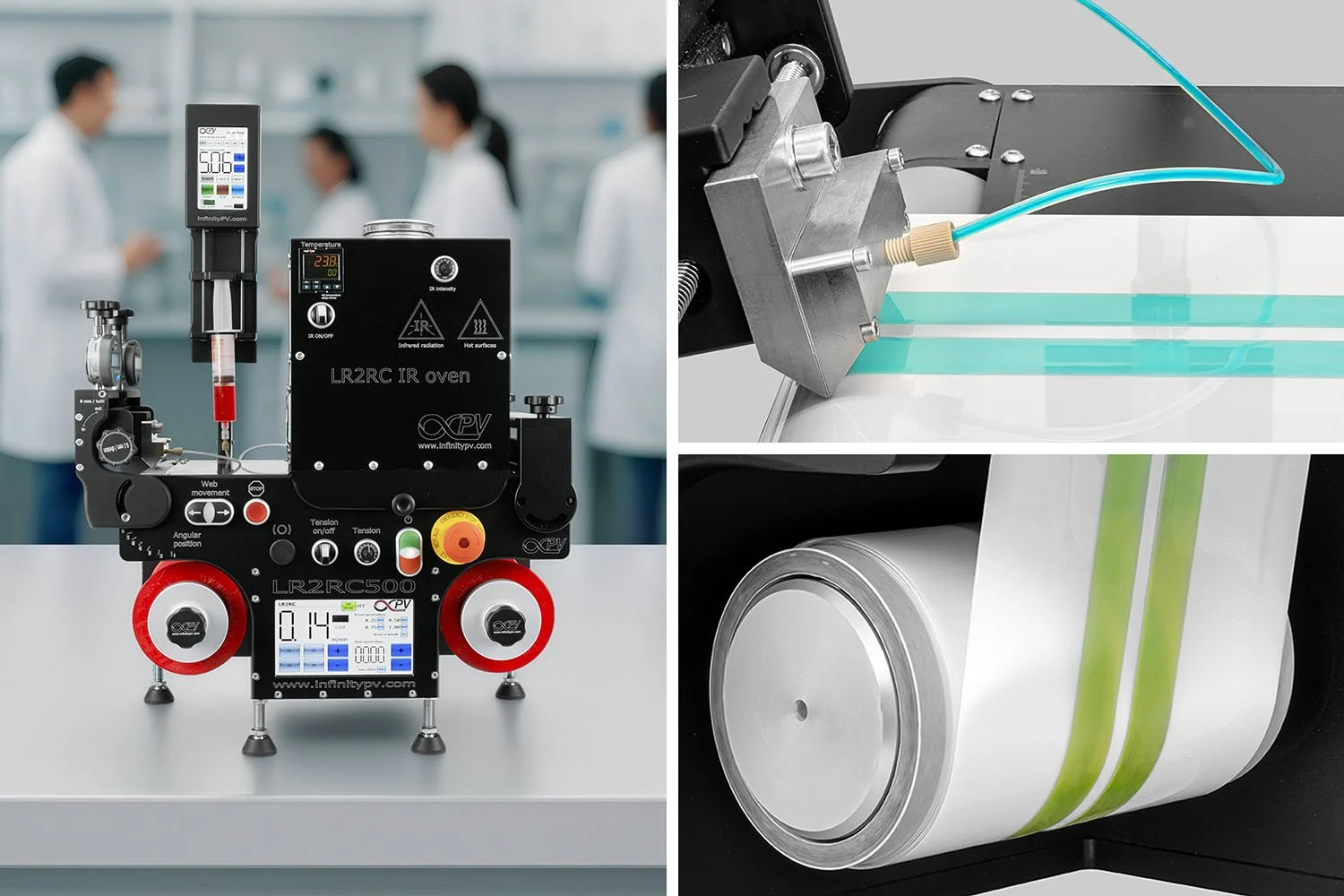
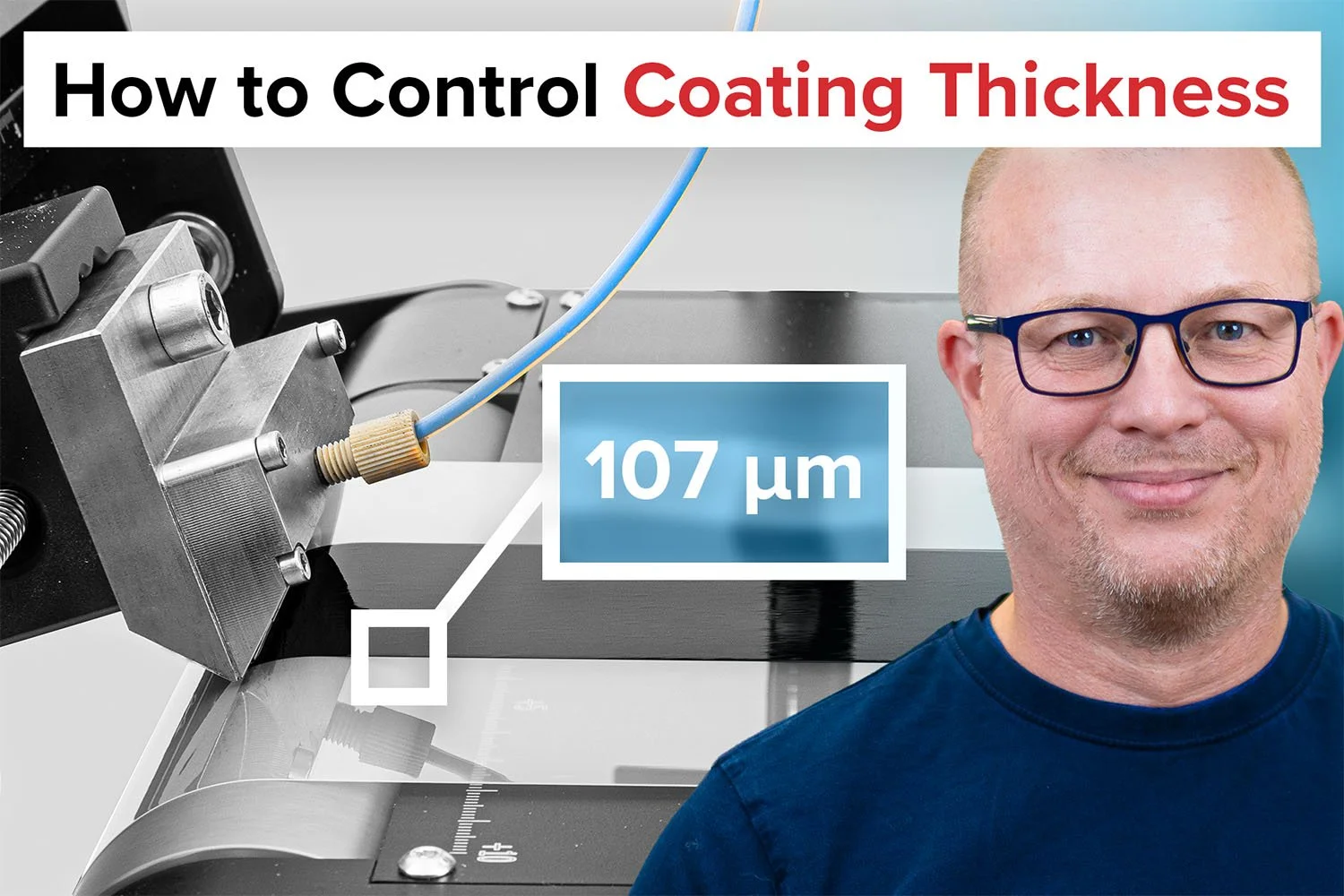
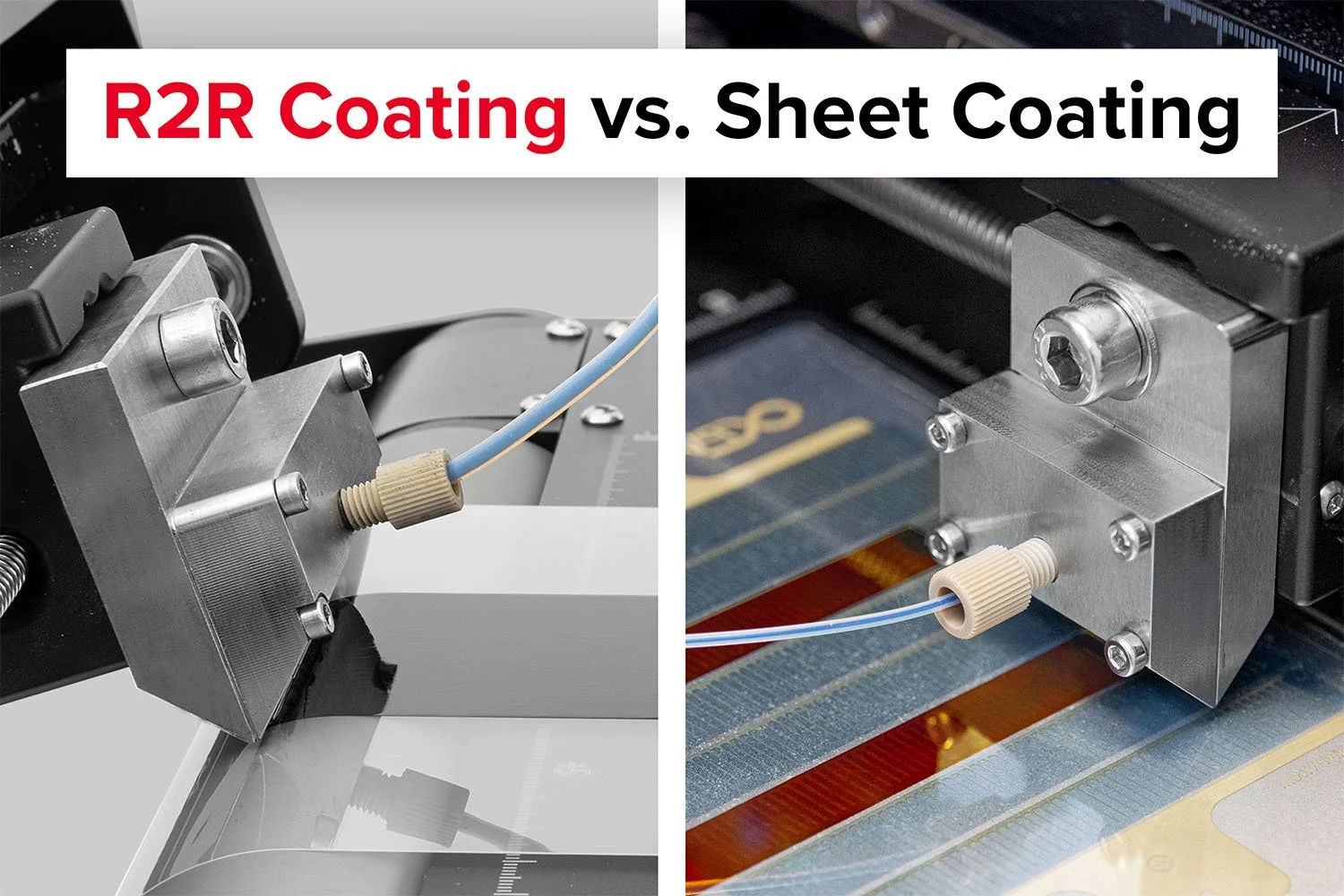
Scalable slot-die coating is easy and precise with the Laboratory Roll-to-Roll Coater.
Lab-Scale Slot-Die Coating for Dental Materials Research
Lab-scale slot-die coaters are increasingly being adopted by dental material developers seeking more reproducible coating results during product development.
These systems allow researchers to test new formulations under tightly controlled conditions while generating data that can support future scale-up decisions. Parameters such as coating thickness, line speed, substrate type, drying conditions, and formulation properties can be systematically optimized.
For articulating paper manufacturers, this approach can shorten development cycles and provide deeper insight into the relationship between coating structure and clinical performance.
As dental materials become more sophisticated and quality expectations continue to rise, precision coating technologies are becoming an important tool for innovation.
The Future of Articulating Paper Manufacturing
The dental industry continues to demand products that deliver greater accuracy, consistency, and reliability. For articulating paper manufacturers, achieving these goals requires not only advanced formulations but also advanced manufacturing processes.
Slot-die coating provides a modern approach to producing highly uniform coated products while reducing material waste and improving process control. Although traditionally associated with high-tech industries such as batteries and electronics, the technology is increasingly relevant for dental materials and diagnostic products.
Manufacturers developing next-generation articulating paper may find that slot-die coating offers a valuable platform for improving product performance, accelerating formulation development, and creating a smoother path from laboratory research to commercial production.
Get Professional Support for Your Coating Needs
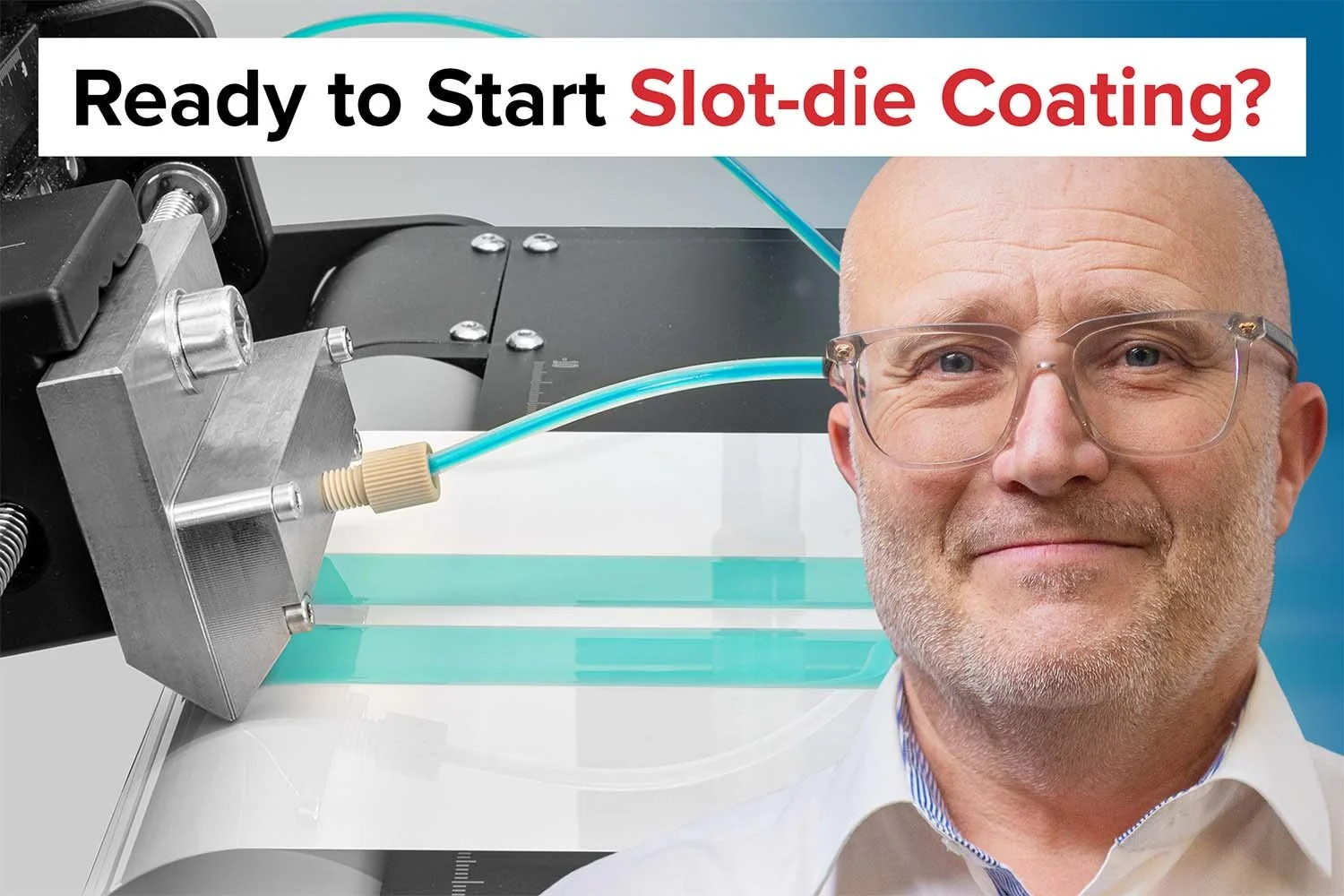
Need help with slot-die coating or machines? Contact our experts for guidance and support.
Related News
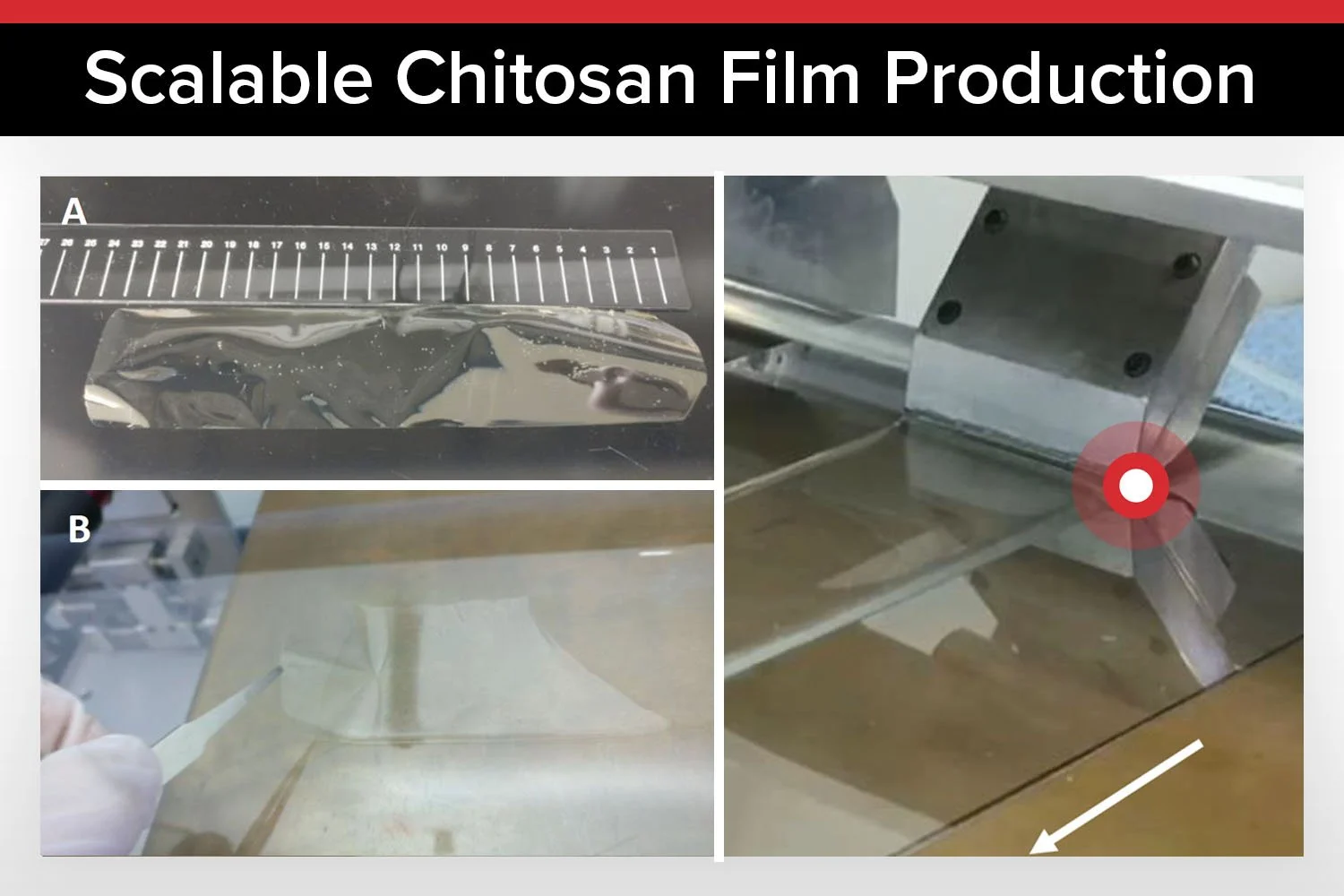





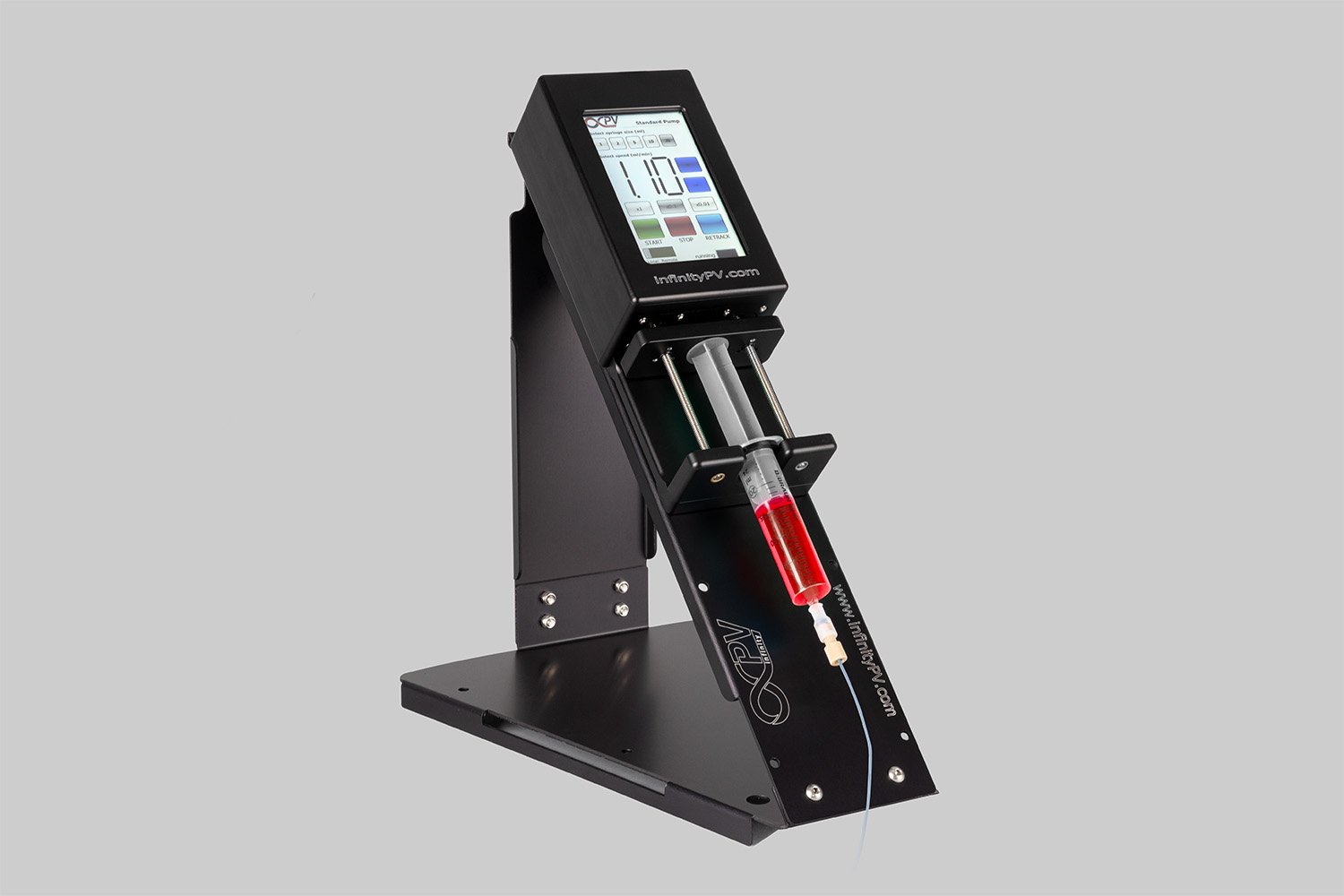
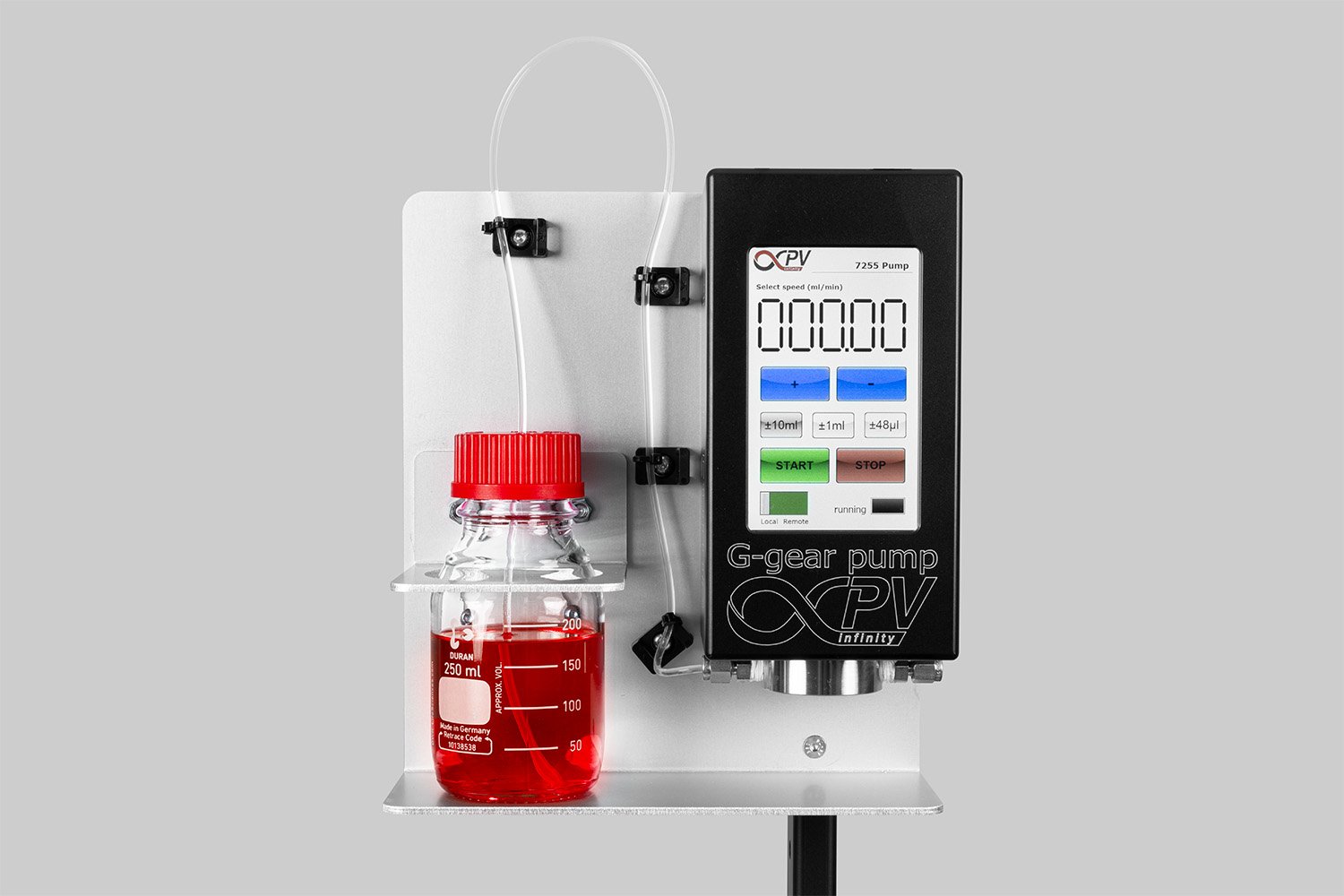
Probably the World’s Most Compact R2R Slot-die Coater: A compact, fully integrated roll-to-roll coating platform for laboratories, complete with a mounting system, anodized rollers, a syringe pump, a 65 mm stainless slot-die head and an infrared oven system—delivering unmatched precision and scalability.