
Transdermal Patch Development and Manufacturing
Develop and optimize drug-in-adhesive, matrix, and multilayer transdermal patches with precise coating control, uniform drug distribution, and scalable process development.
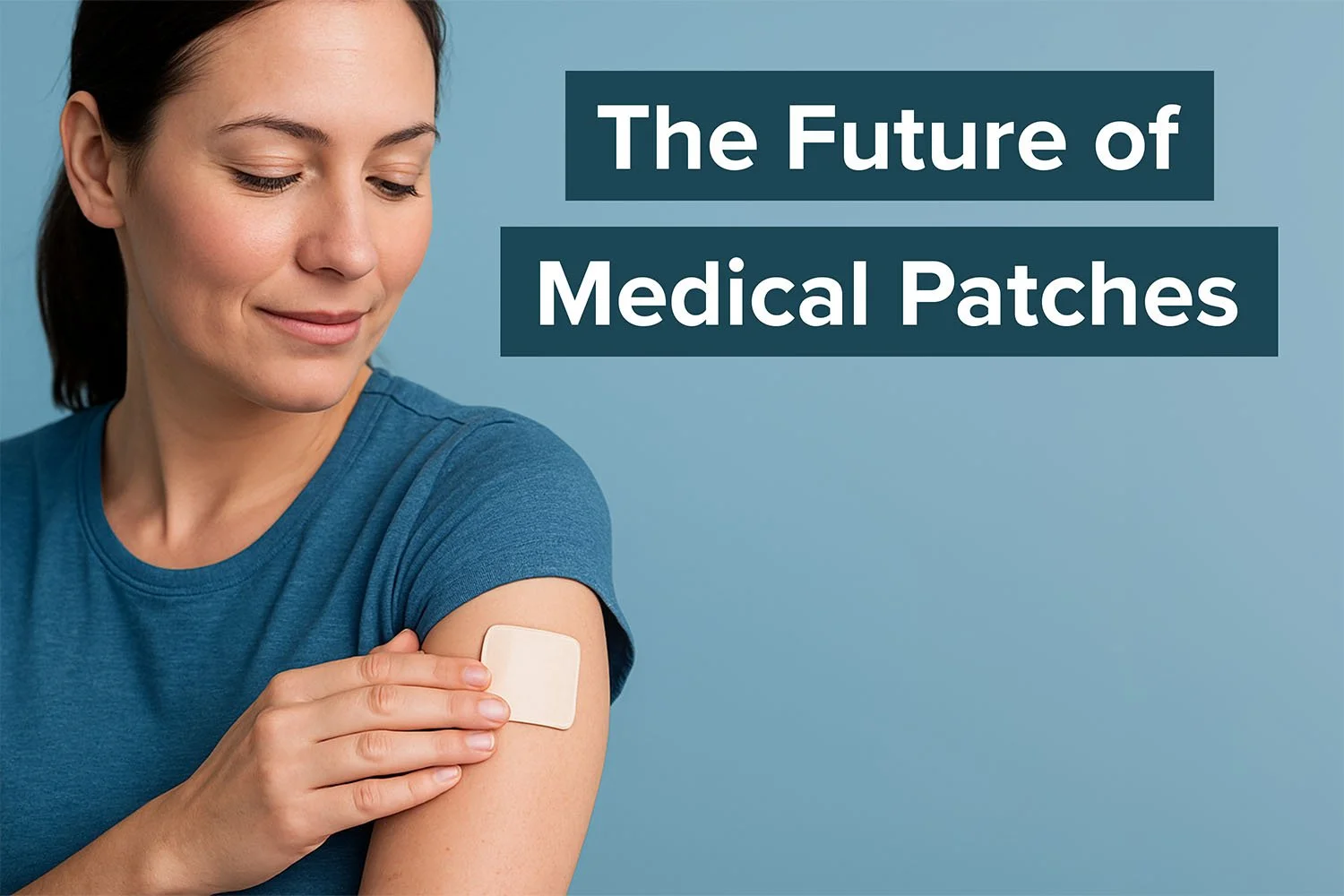
Develop Uniform, Scalable Transdermal Patch Formulations with Precise Coating Control
Transdermal patches are engineered drug delivery systems designed to deliver active pharmaceutical ingredients (APIs) through the skin into systemic circulation over an extended period. By bypassing the gastrointestinal tract and first-pass metabolism, transdermal delivery can improve bioavailability, enable controlled release, and enhance patient compliance.
Transdermal patches are increasingly used across pharmaceutical development for therapies requiring steady, long-duration dosing. These include chronic disease management, hormone delivery, pain control, and emerging biologics delivery approaches.
However, achieving consistent therapeutic performance depends heavily on precise control of coating and layer formation during development and scale-up.
Common development challenges include:
Uniform coating thickness across large areas
Consistent API distribution within adhesive or matrix layers
Reliable dose accuracy and patch-to-patch reproducibility
Stable and predictable release kinetics
Robust transition from lab-scale to commercial manufacturing
While many patch development programs begin with batch coating or solvent casting methods, these approaches often struggle to replicate uniformity and process control at scale. Slot-die coating provides a precise and scalable alternative, enabling controlled deposition of functional layers, efficient use of high-value APIs, and a direct pathway from laboratory formulation development to continuous manufacturing of transdermal patch systems.
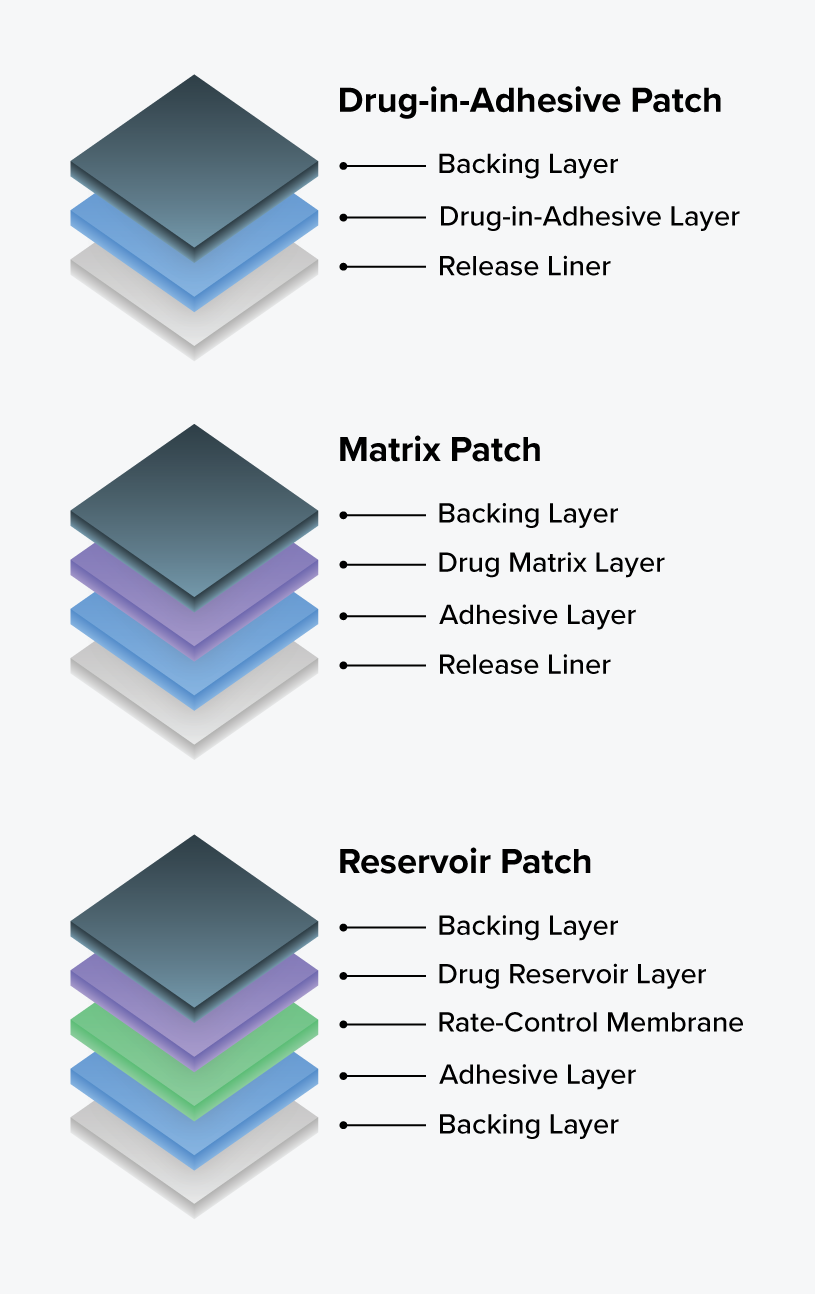
Common Transdermal Patch Architectures
Transdermal drug delivery systems are available in several different architectures, each designed to achieve specific drug release characteristics, formulation requirements, and manufacturing objectives. While all transdermal patches deliver active pharmaceutical ingredients through the skin, the location of the drug and the mechanism controlling release can vary significantly.
The three most common transdermal patch designs are shown below:
Drug-in-Adhesive Patch:
The active pharmaceutical ingredient is incorporated directly into the pressure-sensitive adhesive. This is the most widely used patch design due to its relatively simple structure, reduced layer count, and efficient manufacturing process.
Matrix Patch:
The drug is dispersed within a polymer matrix layer that controls release over time. An adhesive layer secures the patch to the skin, while the matrix serves as the primary drug-containing component.
Reservoir Patch:
The active pharmaceutical ingredient is stored within a dedicated reservoir layer. A rate-control membrane regulates drug diffusion, enabling highly controlled and consistent delivery profiles for certain applications.
Each architecture presents unique challenges related to coating uniformity, layer thickness control, drug loading, and scale-up, making precise coating technologies an important part of transdermal patch development and manufacturing.
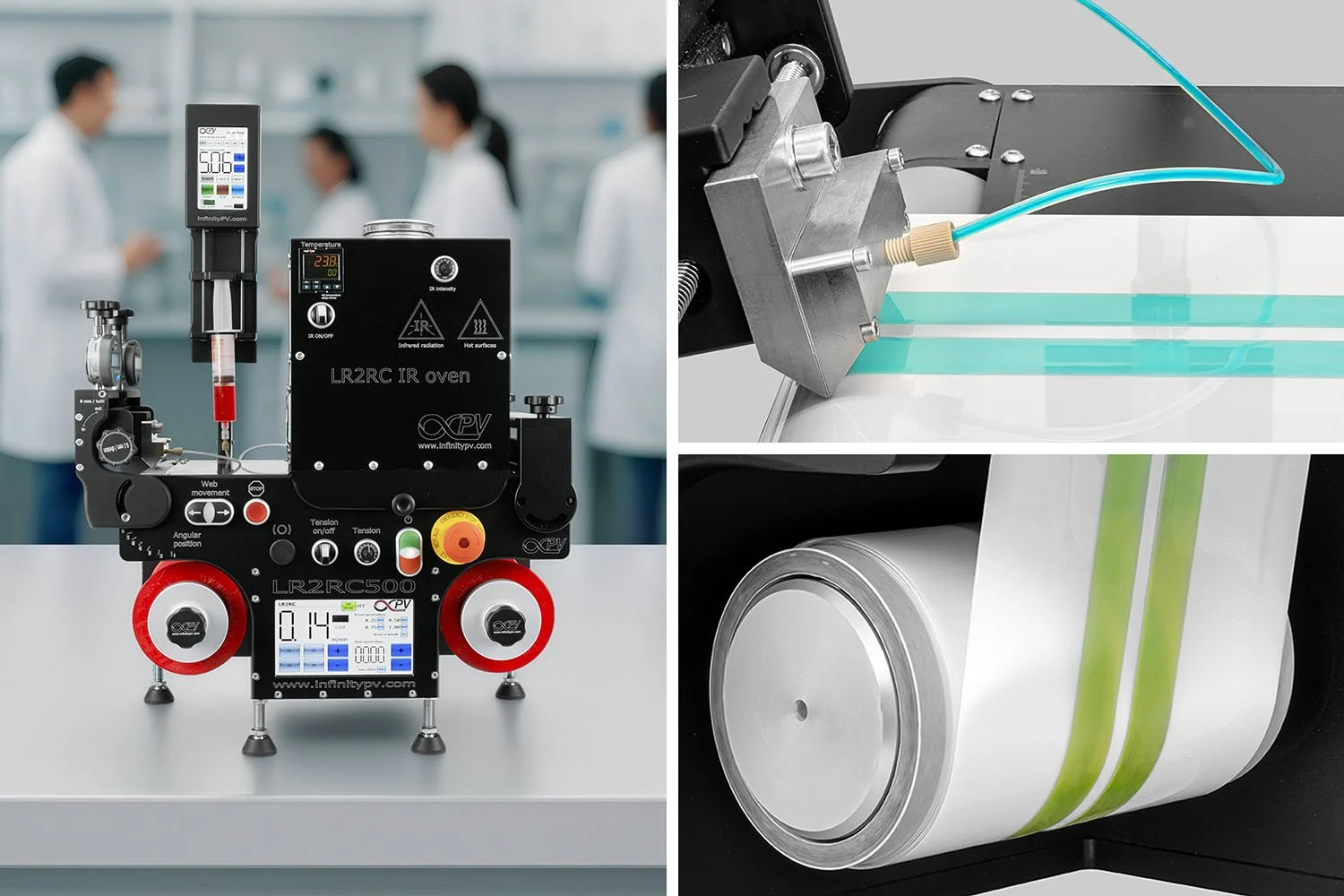
Why Researchers Are Turning to Slot-Die Coating
liver precise layer control, uniform drug distribution, and reproducible performance. Slot-die coating provides highly controlled deposition of functional layers and is increasingly used in the development of transdermal patches, microneedle systems, and other advanced drug delivery platforms.
Key Benefits Include:
Uniform coating thickness across the web
Consistent drug loading and distribution
Improved patch-to-patch reproducibility
Efficient use of valuable APIs and formulation materials
Support for multilayer patch architectures
Reduced process variability during development
Compatibility with continuous manufacturing approaches
A clear pathway from laboratory research to commercial production
Ready for Scale-Up and Continuous Manufacturing
Many transdermal patch projects begin with formulation screening and process development at laboratory scale but ultimately require a manufacturing process capable of producing large volumes of highly consistent product.
Unlike many traditional coating methods, slot-die coating is already widely established in continuous roll-to-roll manufacturing. This enables researchers to develop formulations using the same coating principles employed in pilot and commercial production, reducing scale-up challenges and accelerating technology transfer.
By combining precise coating control with continuous processing, roll-to-roll manufacturing enables high throughput, excellent reproducibility, and efficient production of transdermal patches, drug-in-adhesive systems, matrix patches, and other advanced drug delivery products.
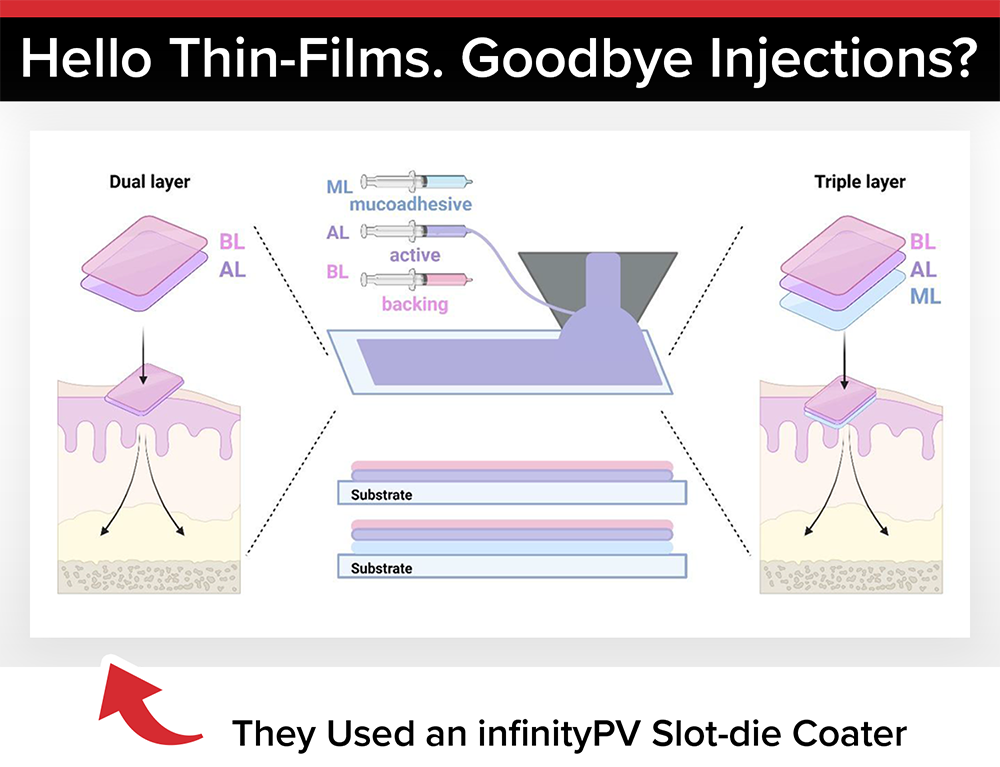
Novo Nordisk Uses Slot-die Coating for Next-Generation GLP-1 Drug Delivery
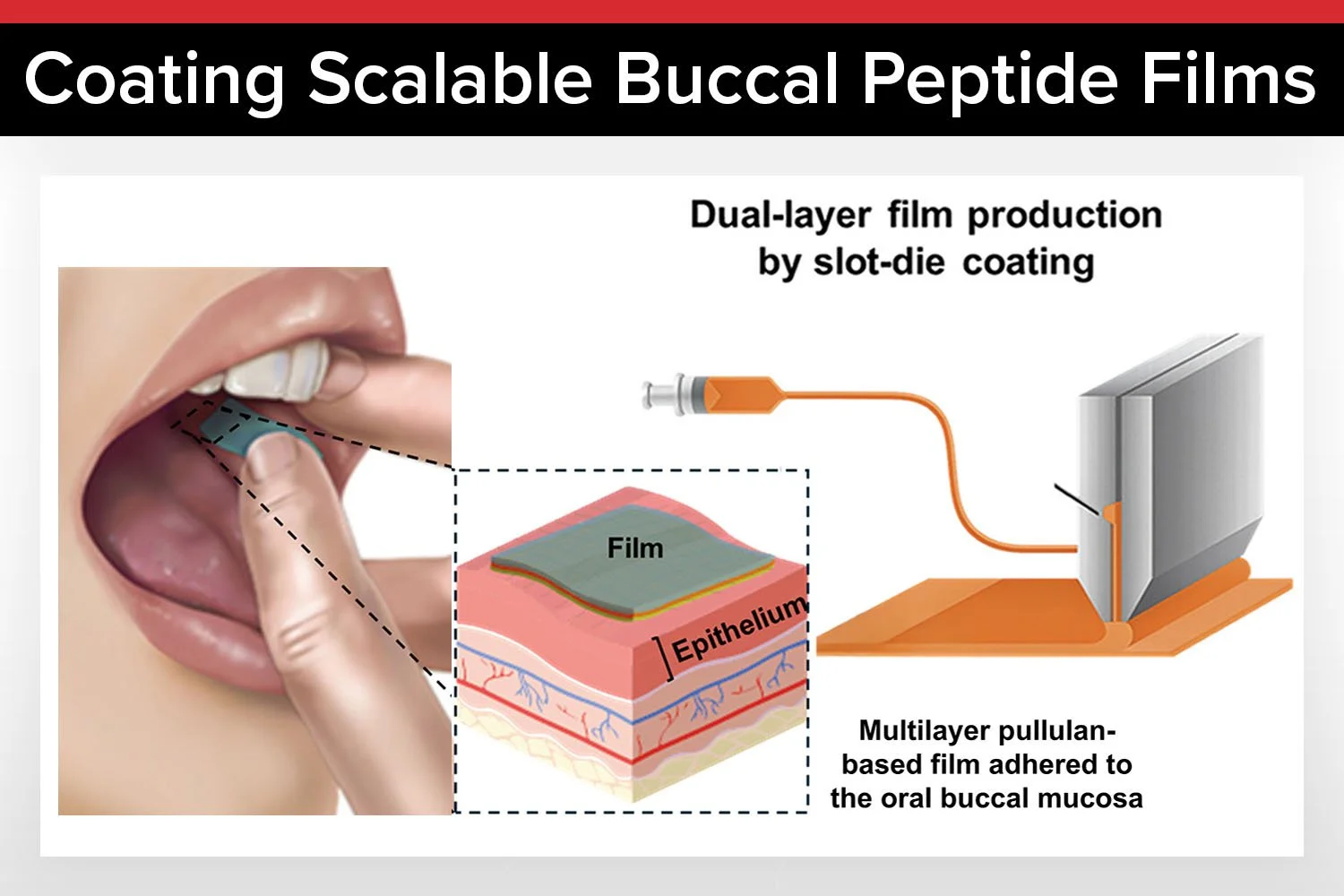
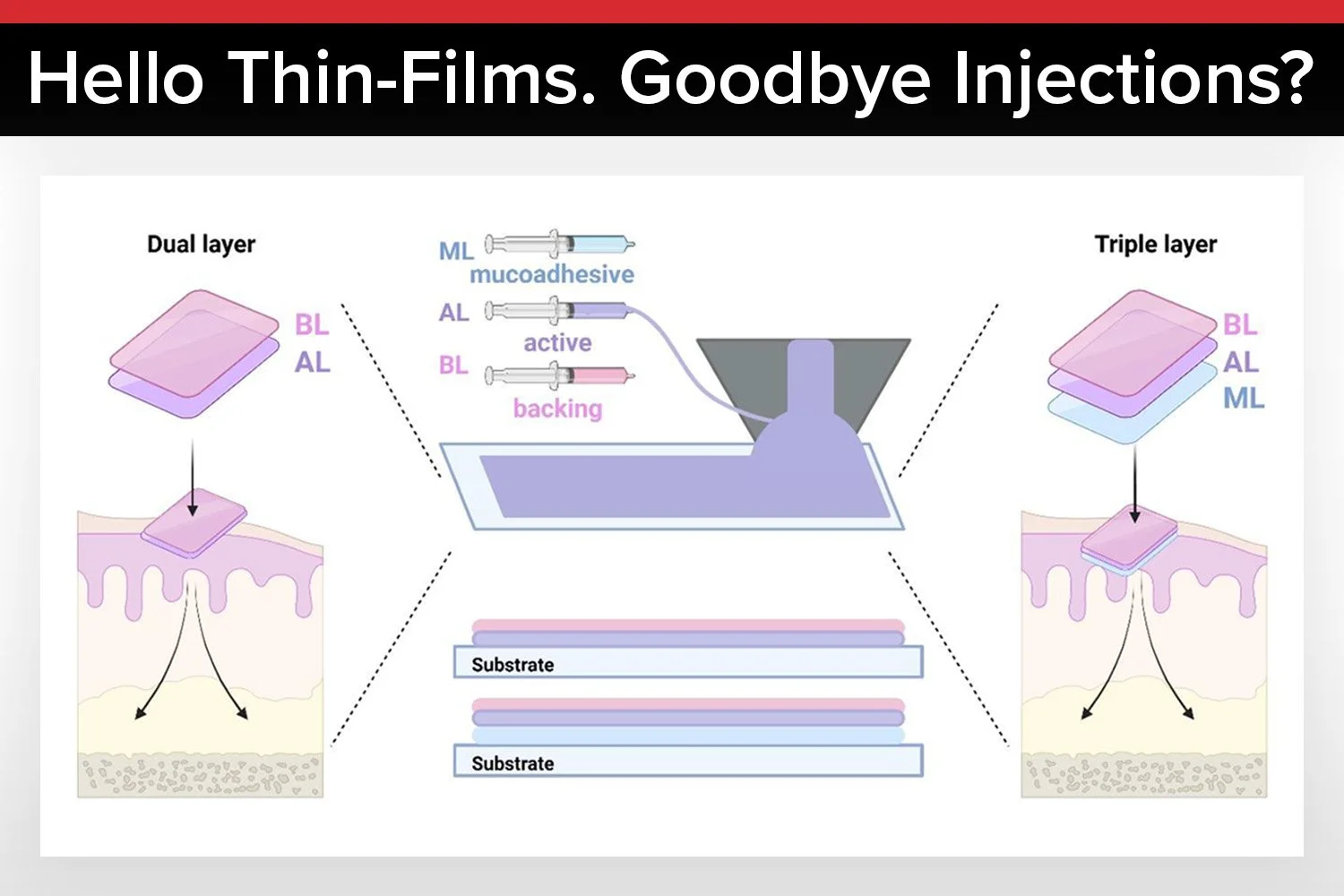
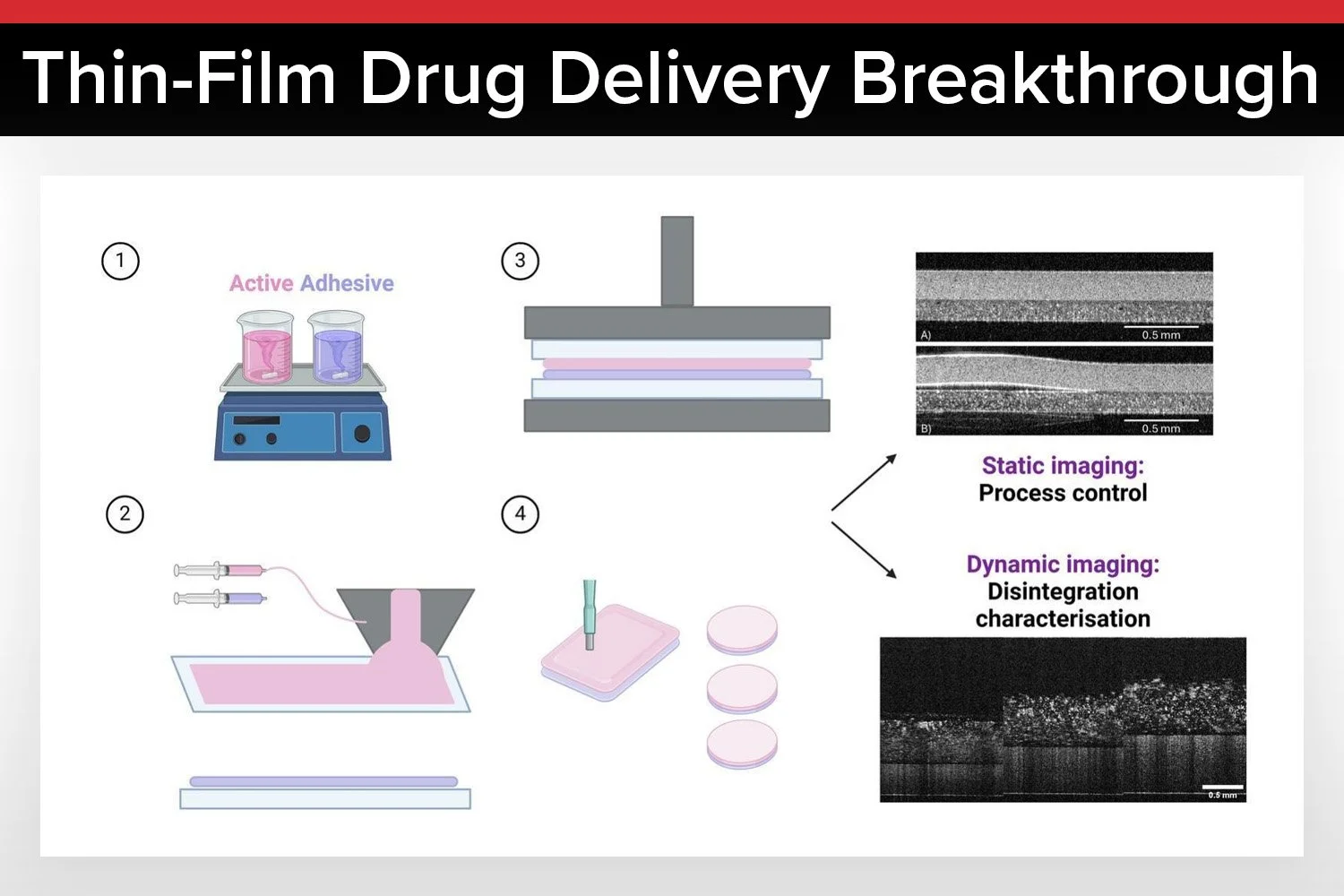
Researchers from Novo Nordisk and the Technical University of Denmark used an infinityPV Slot-die Coater to develop multilayer buccal films for needle-free GLP-1 delivery. The technology enabled precise coating of mucoadhesive, drug-loaded, and protective layers, supporting controlled drug release and scalable manufacturing of advanced oral film formulations.
What Is a Transdermal Patches?
Transdermal patches are a controlled drug delivery system designed to administer active pharmaceutical ingredients (APIs) through the skin and into systemic circulation over an extended period. By delivering drugs across the skin barrier, transdermal systems can maintain steady plasma concentrations while avoiding the gastrointestinal tract and first-pass metabolism in the liver.
This delivery route is widely used for therapies that require sustained, low-fluctuation dosing. It can improve dosing convenience, support long-term adherence, and reduce the variability often associated with oral drug administration.
Transdermal delivery is particularly valuable for chronic conditions where consistent drug exposure is important, including pain management, hormone replacement therapy, cardiovascular treatment, and smoking cessation therapies.
How Do Transdermal Patches Work?
Transdermal drug delivery relies on the controlled diffusion of an active compound through the skin, primarily through the stratum corneum, which acts as the main barrier to permeation. Once the drug passes through this outer layer, it enters the deeper skin tissues and ultimately the systemic circulation, where it can exert its therapeutic effect.
Because the stratum corneum is highly selective, only certain molecules are suitable for transdermal delivery. In general, smaller molecules with balanced lipophilic and hydrophilic properties are more likely to successfully permeate the skin. This makes formulation design a critical part of transdermal system development.
After crossing the skin barrier, the drug enters capillary networks and is transported throughout the body via systemic circulation. This enables the patch to deliver consistent therapeutic levels over extended periods, depending on the design of the system.
Transdermal Patch Rate-Control Mechanism
Many transdermal patch systems incorporate mechanisms that regulate the rate of drug release to ensure consistent dosing over time. One common approach is the use of rate-controlling membranes, which moderate the diffusion of the drug from the patch to the skin.
These membranes help maintain stable release profiles and reduce fluctuations in systemic drug levels. Depending on the design, patches can be engineered to deliver medication over periods ranging from several hours to multiple days.
Another important factor in controlling drug delivery is the formulation itself, which can be designed to influence diffusion rates, drug availability, and interaction with the skin barrier.
Permeation Enhancement in Transdermal Delivery
Because the skin presents a strong barrier to drug absorption, many transdermal systems incorporate strategies to enhance permeation. Permeation enhancers are substances that temporarily modify the structure of the stratum corneum, increasing its permeability and allowing greater drug flux.
These agents typically work by interacting with the lipid structure of the skin, creating temporary pathways that facilitate drug diffusion. When properly designed, permeation enhancement can expand the range of drugs suitable for transdermal delivery while maintaining skin safety and tolerability.
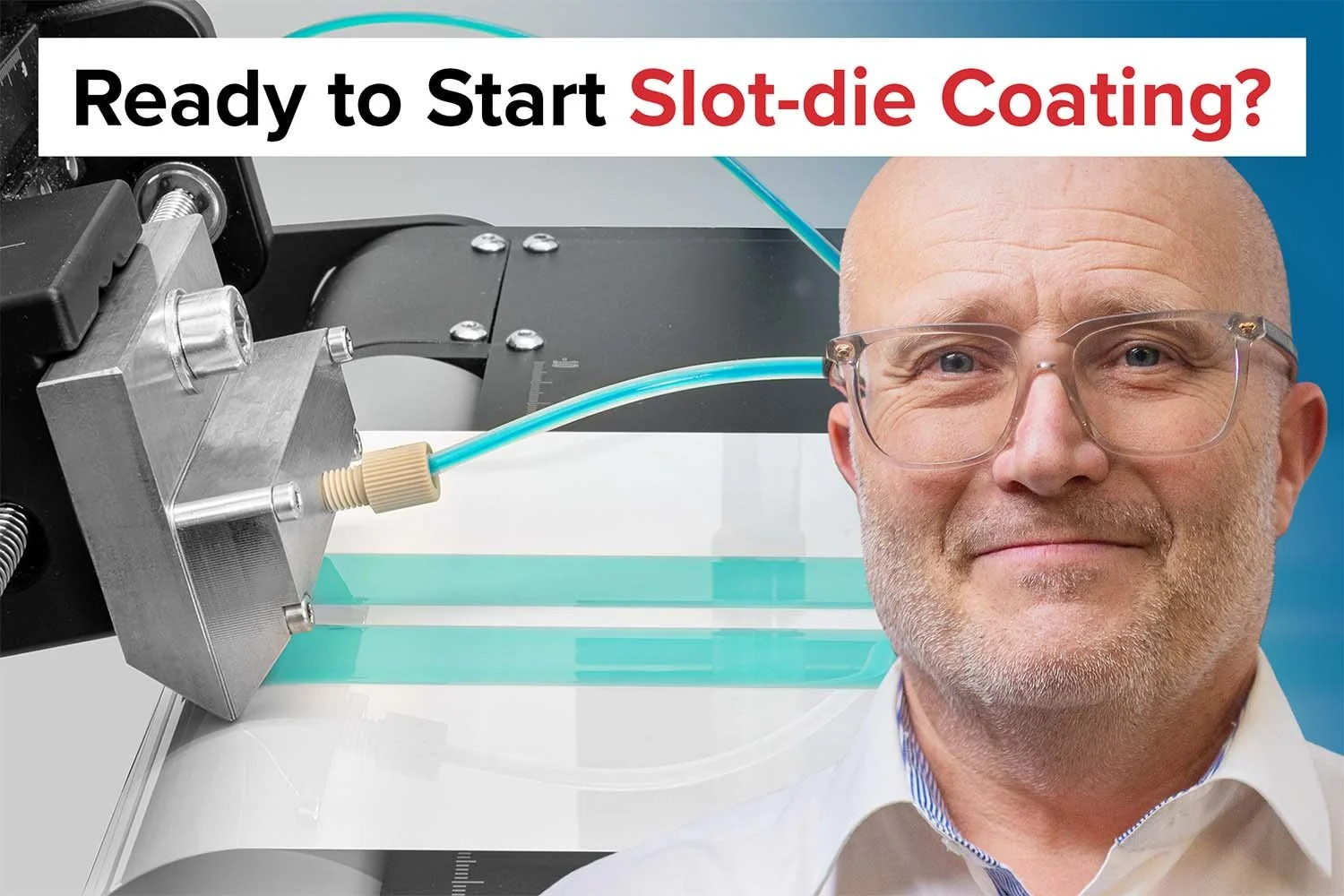
Bridging Pharmaceutical Research and Manufacturing
We help researchers and pharmaceutical innovators develop uniform, reproducible thin films through advanced slot-die coating and roll-to-roll processing technologies. Our laboratory equipment bridges the gap between formulation development and scalable manufacturing, enabling precise coating control for next-generation drug delivery systems.
Key Components of a Transdermal Patch
Transdermal patches consist of multiple functional layers that work together to control drug delivery, maintain adhesion, protect the formulation, and ensure consistent performance throughout the wear period.
While the exact structure varies depending on the patch design, most systems include the following core components:
Drug-Containing Layer: Contains the active pharmaceutical ingredient (API) and serves as the primary source of drug delivery. Depending on the patch architecture, the drug may be incorporated into an adhesive, polymer matrix, or dedicated reservoir layer.
Adhesive Layer: Secures the patch to the skin throughout the intended wear period. In drug-in-adhesive systems, this layer also contains the active ingredient and contributes directly to drug delivery.
Rate-Control Membrane (Optional): Regulates the rate at which the drug diffuses from the patch to the skin, helping achieve a controlled and predictable release profile.
Backing Layer: Provides structural support and protects the patch from external factors such as moisture, oxygen, and mechanical damage during use.
Release Liner: A temporary protective layer used during manufacturing and storage. It is removed immediately before application to expose the adhesive and active layers.
Together, these components form an integrated drug delivery system designed to provide controlled, consistent administration of medication through the skin.
Slot-die Coating is Proven in Peer-Reviewed Pharmaceutical Studies
Factors Affecting Skin Permeability
The effectiveness of transdermal drug delivery is strongly influenced by the properties of both the drug and the skin. The stratum corneum acts as the primary barrier, and its permeability determines how easily a drug can reach systemic circulation.
Molecular size is a key factor, as smaller molecules are generally more capable of diffusing through the skin. Lipophilicity also plays an important role, since the stratum corneum contains lipid-rich regions that favor the absorption of non-polar compounds. Drugs must also exhibit suitable solubility characteristics to move efficiently between the patch matrix and the skin environment.
In addition to molecular properties, physiological and environmental conditions can influence absorption. Skin hydration, temperature, and integrity can all affect permeability. Variations in skin thickness across different body sites can also lead to differences in drug uptake.
These factors must be carefully considered during formulation and patch design to ensure consistent and predictable drug delivery.
Types of Transdermal Patch Systems
Transdermal patches can be designed in several configurations, each tailored to different therapeutic needs and release profiles.
Single-layer systems incorporate the drug directly into an adhesive matrix, allowing relatively simple and steady drug release. These systems are often used for low-dose or well-controlled therapies where complex release modulation is not required.
Multi-layer systems use stacked adhesive or functional layers to enable more controlled or staged drug delivery. These designs allow for variation in drug concentration across layers, supporting extended or time-modulated release profiles.
Reservoir systems contain a separate drug compartment, often paired with a rate-controlling membrane that regulates diffusion. This design allows for precise control over drug release but requires more complex manufacturing and formulation control.
Matrix systems embed the drug within a polymer structure that governs release through diffusion. These systems offer design flexibility and can be adapted for both immediate and sustained delivery applications.
We’re Here to Help You Find the Right System
Choosing the right slot-die or roll-to-roll coating system for your pharmaceutical application can feel complex. Whether it’s tablets, capsules, patch films, packaging, or medical devices, we’re ready to guide you — helping you select the machine that delivers precise, reproducible, and scalable results.

Slot-die Coater
Ideal for lab research, prototyping, and small-batch production. Sheet-based processing allows flexible testing, parameter adjustments, and precise coatings in limited quantities.

Laboratory Roll-to-Roll Coater
Best for scaling lab results to continuous, high-throughput production. Ensures uniform, consistent coatings on long substrates and supports transition to larger-scale manufacturing.

R2R Hybrid Coater
Combines sheet-based precision with roll-to-roll efficiency. Offers maximum flexibility for lab-scale thin film processing—from early formulation work to pilot-scale production.
Limitations of Traditional Transdermal Patch Manufacturing Methods
Traditional transdermal patch development often relies on batch mixing, solvent casting, knife-over-roll coating, or manual spreading techniques during early-stage formulation work. While these methods are useful for initial screening and proof-of-concept studies, they can introduce variability that becomes more problematic as development progresses toward scale-up and commercial manufacturing. Manual or semi-manual coating approaches are particularly sensitive to operator technique, substrate handling, drying conditions, and environmental factors such as temperature and humidity. As a result, maintaining consistent coating thickness and uniform drug distribution across larger areas can be challenging. This variability can directly impact dose uniformity, release behavior, and overall patch performance.
As formulations become more advanced—particularly in multilayer systems such as drug-in-adhesive, matrix, or reservoir patches—process control becomes increasingly critical. Small deviations in coating or layer formation can lead to significant differences in drug loading and release kinetics, especially when working with potent or low-dose active pharmaceutical ingredients.
Material waste is another important consideration, particularly during development where expensive APIs and specialized polymers are often used. Batch-based coating methods may require excess material to ensure coverage consistency, which can reduce efficiency and increase development costs. In addition, many traditional laboratory-scale methods do not closely replicate the conditions used in continuous or roll-to-roll manufacturing. This can create challenges during scale-up, where processes must often be redeveloped or significantly adjusted to achieve comparable performance at production scale.
For transdermal patch development programs aiming for a smooth transition from laboratory research to manufacturing, coating technologies that provide precise control over film formation and are compatible with continuous processing are increasingly important.
Comparing Transdermal Patch Coating Methods
Solvent casting and batch coating techniques remain widely used in early-stage transdermal patch development due to their simplicity and flexibility in formulation screening. However, as development advances, researchers typically require tighter control over layer uniformity, drug distribution, and process reproducibility. Traditional methods can be suitable for initial feasibility studies but often lack the precision and scalability required for consistent production of multilayer patch systems. In contrast, more controlled coating approaches enable better management of coating thickness, material utilization, and process repeatability, while also aligning more closely with industrial manufacturing conditions. The comparison below highlights key differences between traditional batch-based coating approaches and more advanced precision coating methods used in transdermal patch development.
| Feature | Solvent Casting | Doctor Blade / Knife Coating | Spin Coating | Slot-Die Coating |
|---|---|---|---|---|
| Film Uniformity | Moderate | Good | Excellent | Excellent |
| Thickness Control | Moderate | Good | Excellent | Excellent |
| Material Efficiency | Moderate | Good | Poor | Excellent |
| Reproducibility | Moderate | Good | Good | Excellent |
| Multilayer Films | Limited | Limited | Difficult | Excellent |
| Scale-Up Potential | Limited | Moderate | Poor | Excellent |
| Continuous Manufacturing | No | Limited | No | Yes |
| Roll-to-Roll Compatibility | No | Limited | No | Yes |
| API Material Utilization | Moderate | Good | Poor | Excellent |
| Manufacturing Relevance | Low | Moderate | Low | High |
Which Coating Solution Fits Your Needs?
Every pharmaceutical product and process presents unique challenges. Whether you're optimizing formulation performance, improving coating uniformity, enabling complex product architectures, scaling from development to commercial manufacturing, or enhancing process efficiency, selecting the right coating technology is critical. We're here to help you achieve consistent, reproducible results and accelerate your path from development through production.
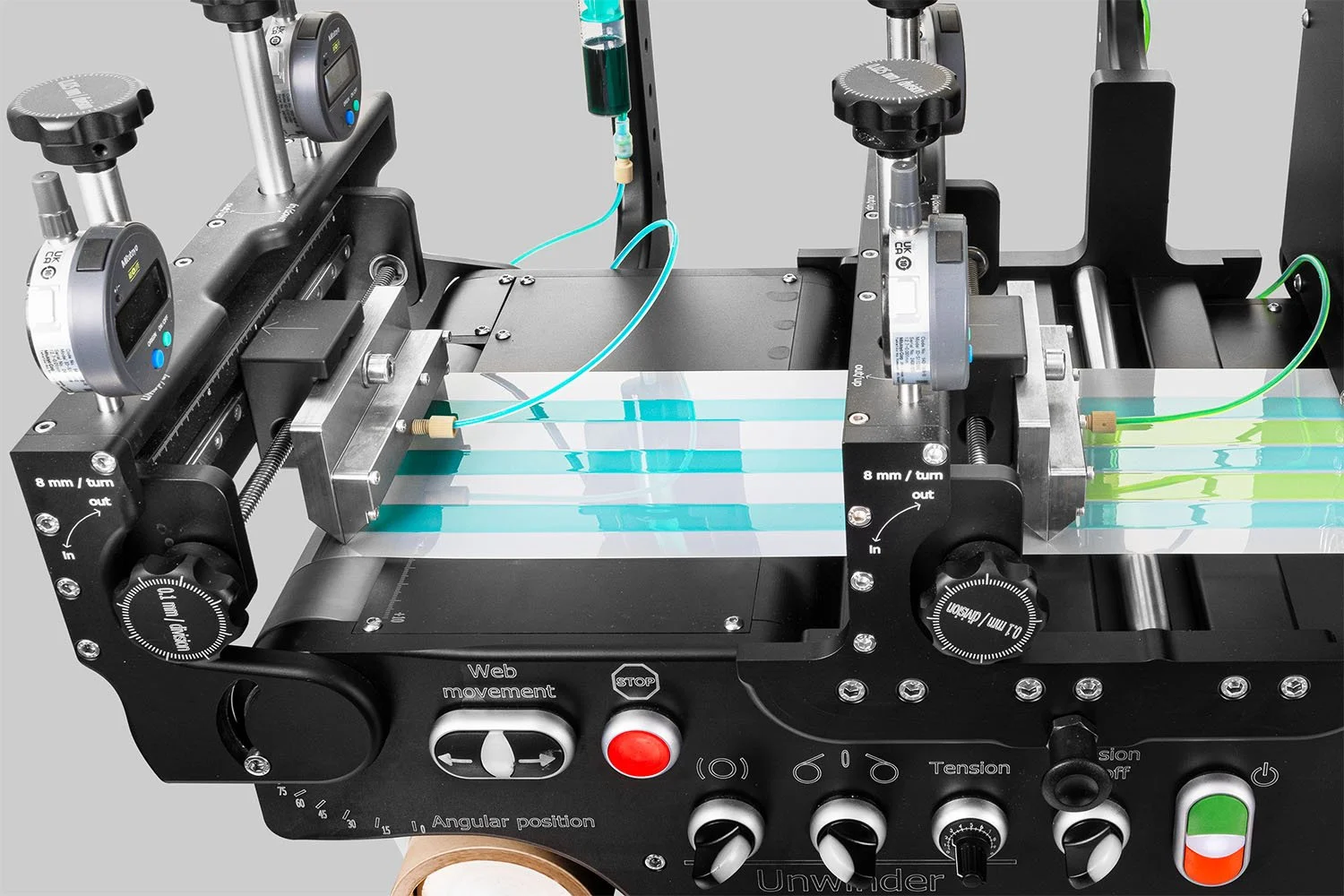
Inline Slot-die Coating
Flexible substrates move continuously through coating, drying, and laminating stations under precise tension. Ensures high throughput, uniform layers, and reproducible results.
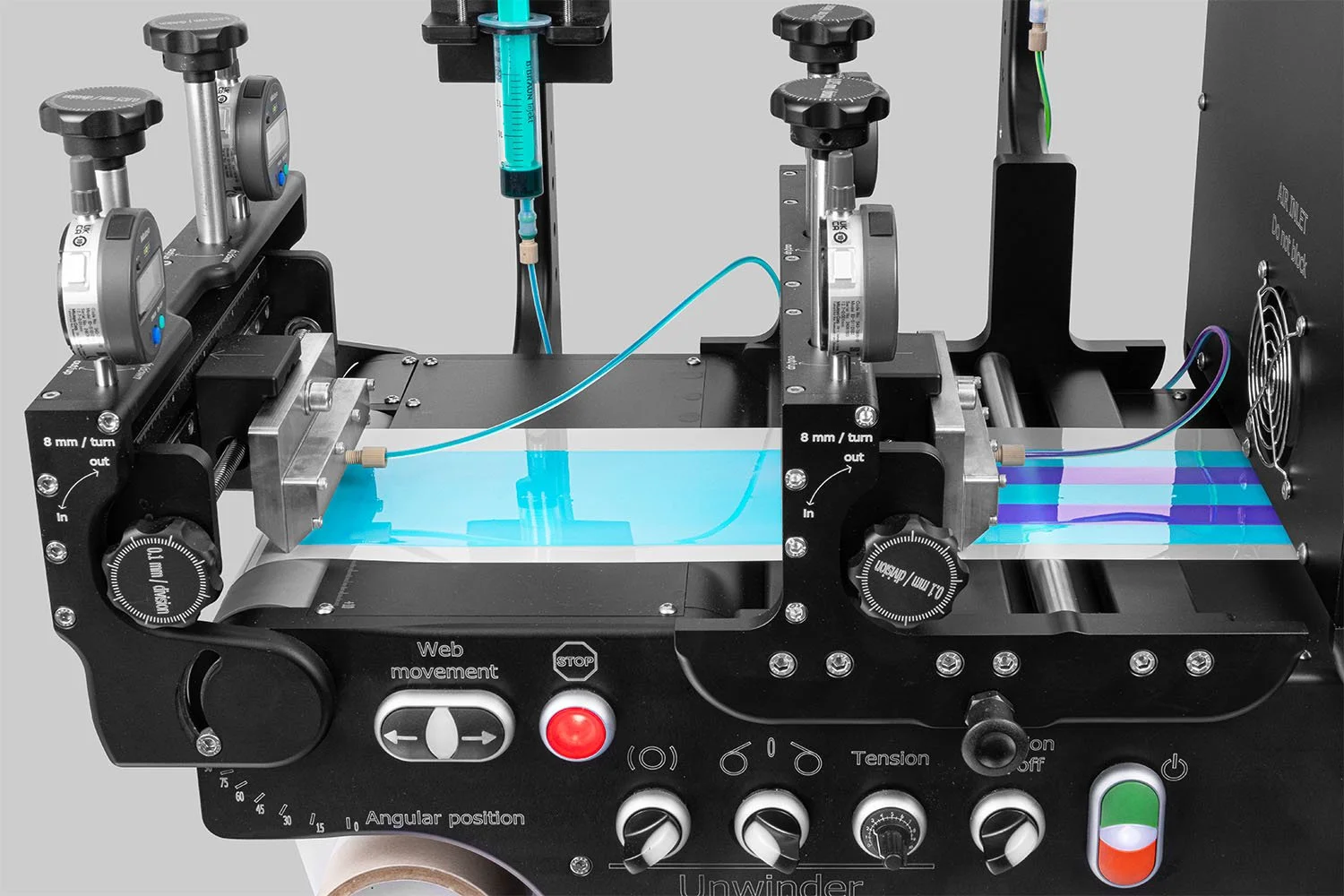
Wet-On-Wet Slot-die Coating
Two slot-dies apply wet layers consecutively without drying. Controlled spacing and speed create multilayer films with consistent thickness and adhesion.

Pristine Clean Surface Cleaning
Functional coatings are applied immediately after liner removal onto an untouched, contamination-free surface. This method improves adhesion, reduces defects, and enhances reproducibility—especially when combined with cleanroom environments for sensitive pharma films or biomedical devices.
Frequently Asked Questions
-
A transdermal patch is a drug delivery system that administers medication through the skin and into systemic circulation over a controlled period of time. Transdermal patches are commonly used for therapies that benefit from sustained drug release and consistent therapeutic levels.
-
Transdermal patches work by releasing an active pharmaceutical ingredient (API) that diffuses through the skin and enters the bloodstream. The rate of delivery depends on the formulation, patch architecture, and the permeability of the skin.
-
Transdermal drug delivery can provide sustained drug release, improved patient compliance, reduced dosing frequency, and avoidance of first-pass metabolism in the liver. These benefits make transdermal systems attractive for many chronic therapies.
-
The most common transdermal patch architectures include drug-in-adhesive patches, matrix patches, and reservoir patches. Each design uses a different approach to drug storage and release, allowing developers to tailor delivery profiles to specific therapeutic requirements.
-
Transdermal patches typically contain pressure-sensitive adhesives, polymer matrices, backing films, release liners, and active pharmaceutical ingredients. Additional components such as permeation enhancers or rate-control membranes may also be included depending on the application.
-
Common challenges include achieving uniform coating thickness, consistent drug distribution, reliable dose accuracy, predictable release kinetics, and successful scale-up from laboratory development to commercial manufacturing.
-
Slot-die coating is a precision coating process that deposits a controlled layer of formulation onto a moving substrate. The technology is widely used in pharmaceutical film manufacturing and is increasingly adopted for transdermal patch development due to its accuracy, reproducibility, and scalability.
-
Slot-die coating provides precise control over coating thickness, material usage, and layer uniformity. These advantages help researchers improve reproducibility, reduce material waste, and develop manufacturing processes that are more easily transferred to pilot and commercial production.
-
Yes. Slot-die coating is well suited for multilayer transdermal patch development and can be used to create functional layers such as drug-containing coatings, adhesive layers, and controlled-release structures with high precision.
-
Yes. Slot-die coating is widely used in roll-to-roll manufacturing environments and is considered one of the key enabling technologies for continuous thin-film production.
-
Yes. Slot-die coating is commonly used in roll-to-roll manufacturing environments and is well suited for continuous production processes. This makes it an attractive technology for organizations seeking a clear path from formulation development to large-scale manufacturing.
-
Slot-die coating can be used for a wide range of transdermal patch formulations, including drug-in-adhesive systems, matrix patches, reservoir patch components, controlled-release coatings, and other advanced drug delivery structures.