
How to Make Perovskite Solar Cells
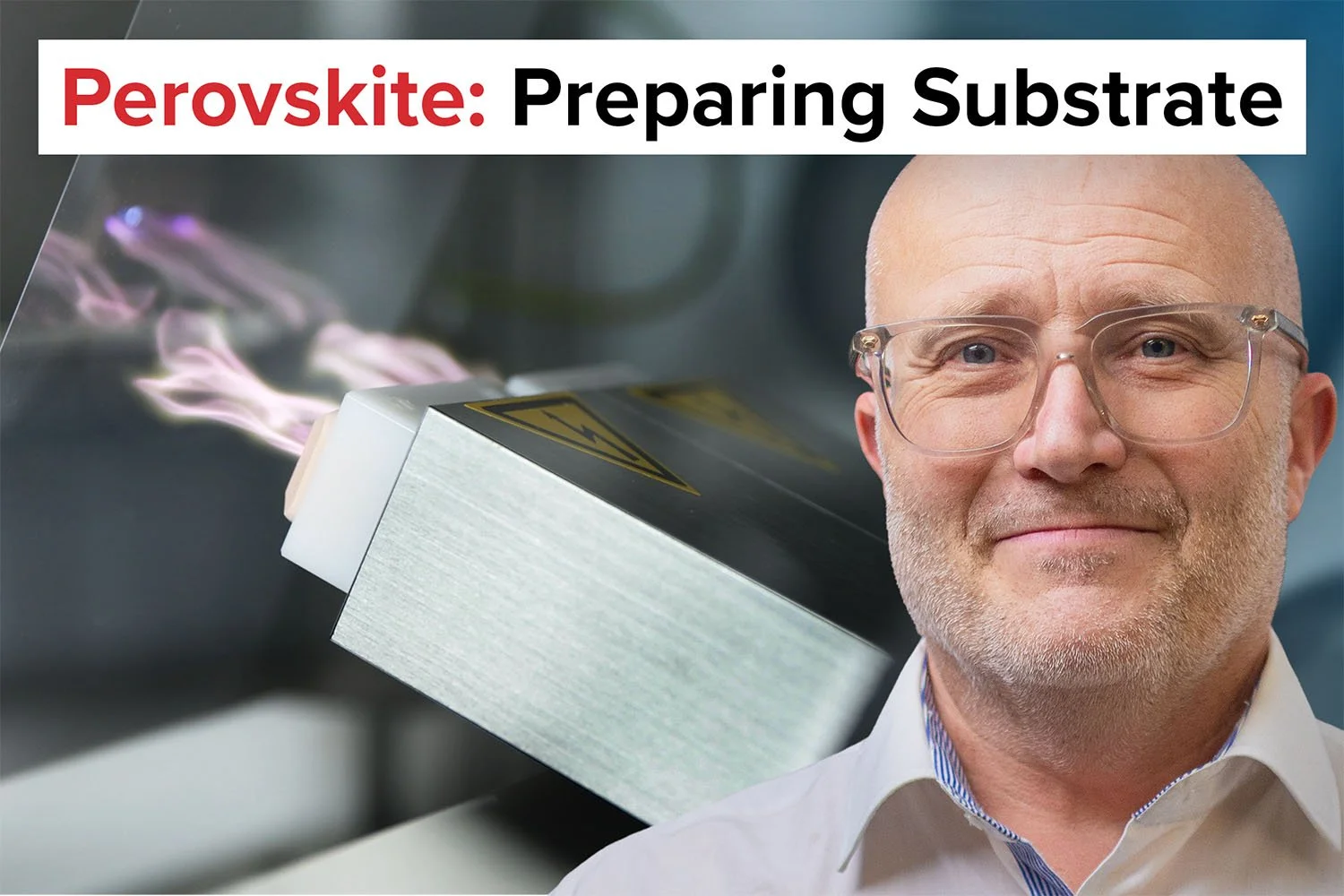
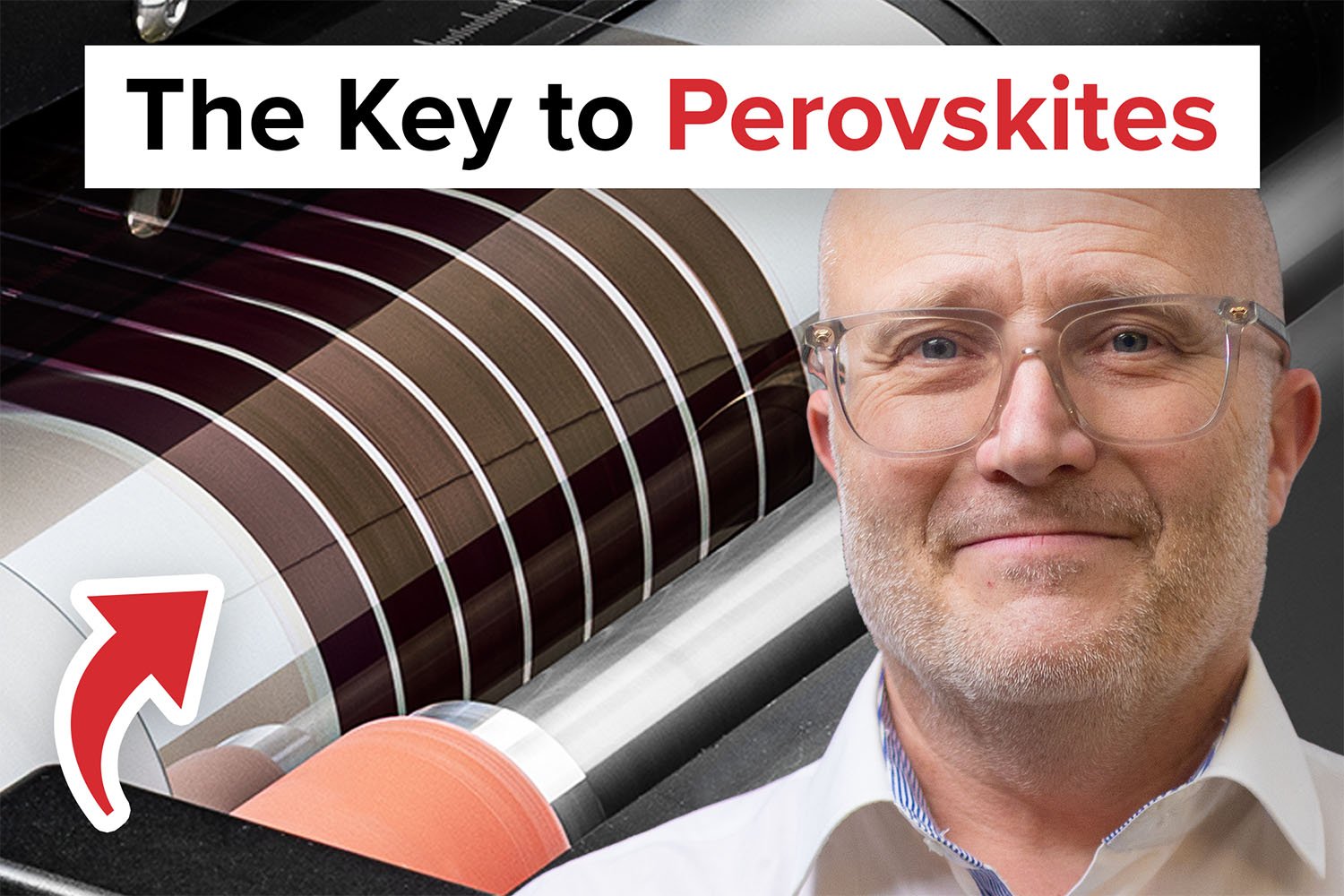
The full journey from bare foil to fully functional perovskite solar modules in a hands-on video series designed for researchers, engineers, and innovators in thin-film photovoltaics.
From Research Breakthroughs to Real Production
Perovskite solar cells are one of the most promising next-generation photovoltaic technologies, with the potential to transform how solar energy is produced by combining high efficiency, low material consumption, and scalable manufacturing. But turning laboratory breakthroughs into real industrial production requires more than promising materials. It requires proven processes. That is exactly what this video series delivers.
A Complete Roll-to-Roll Manufacturing Journey
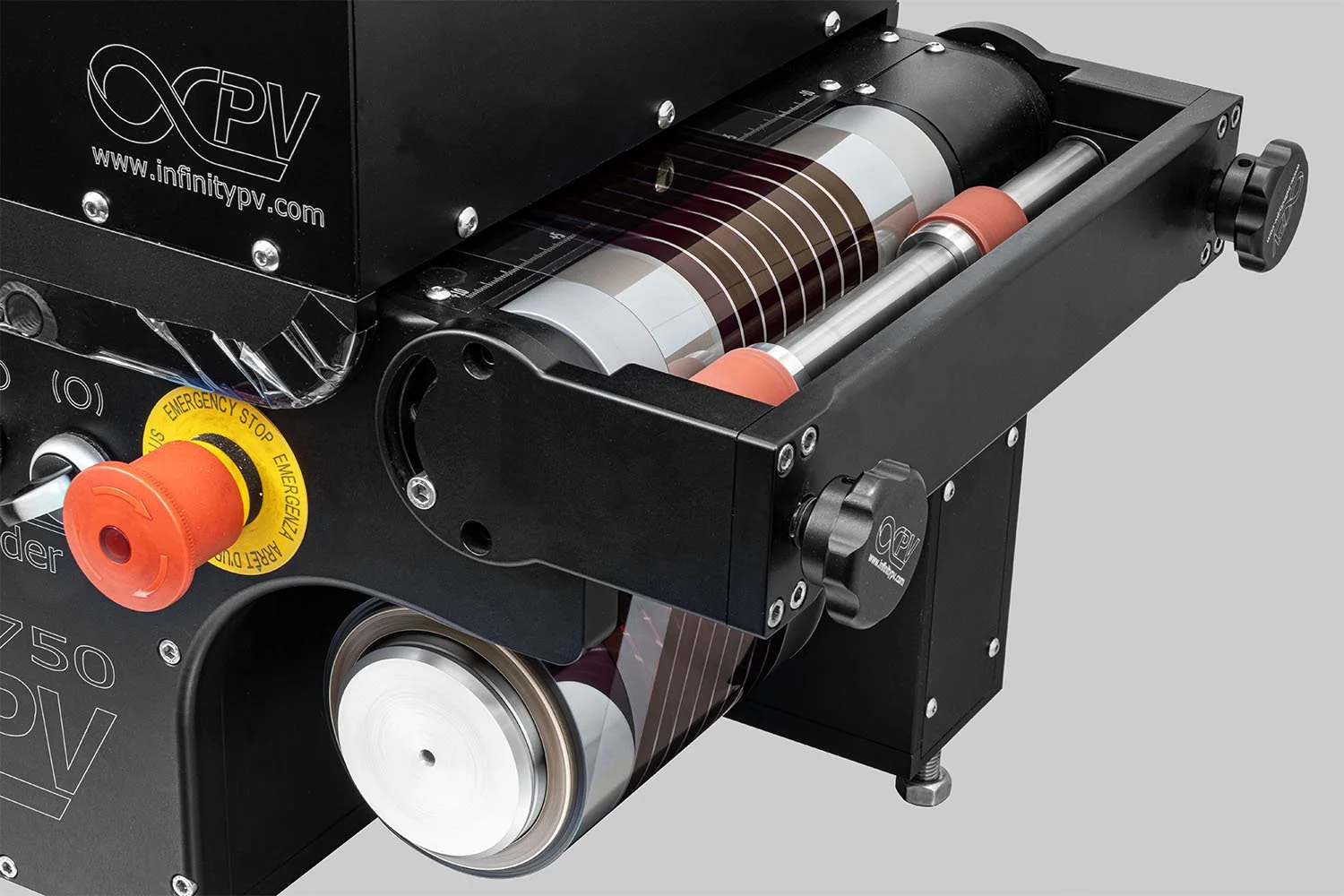
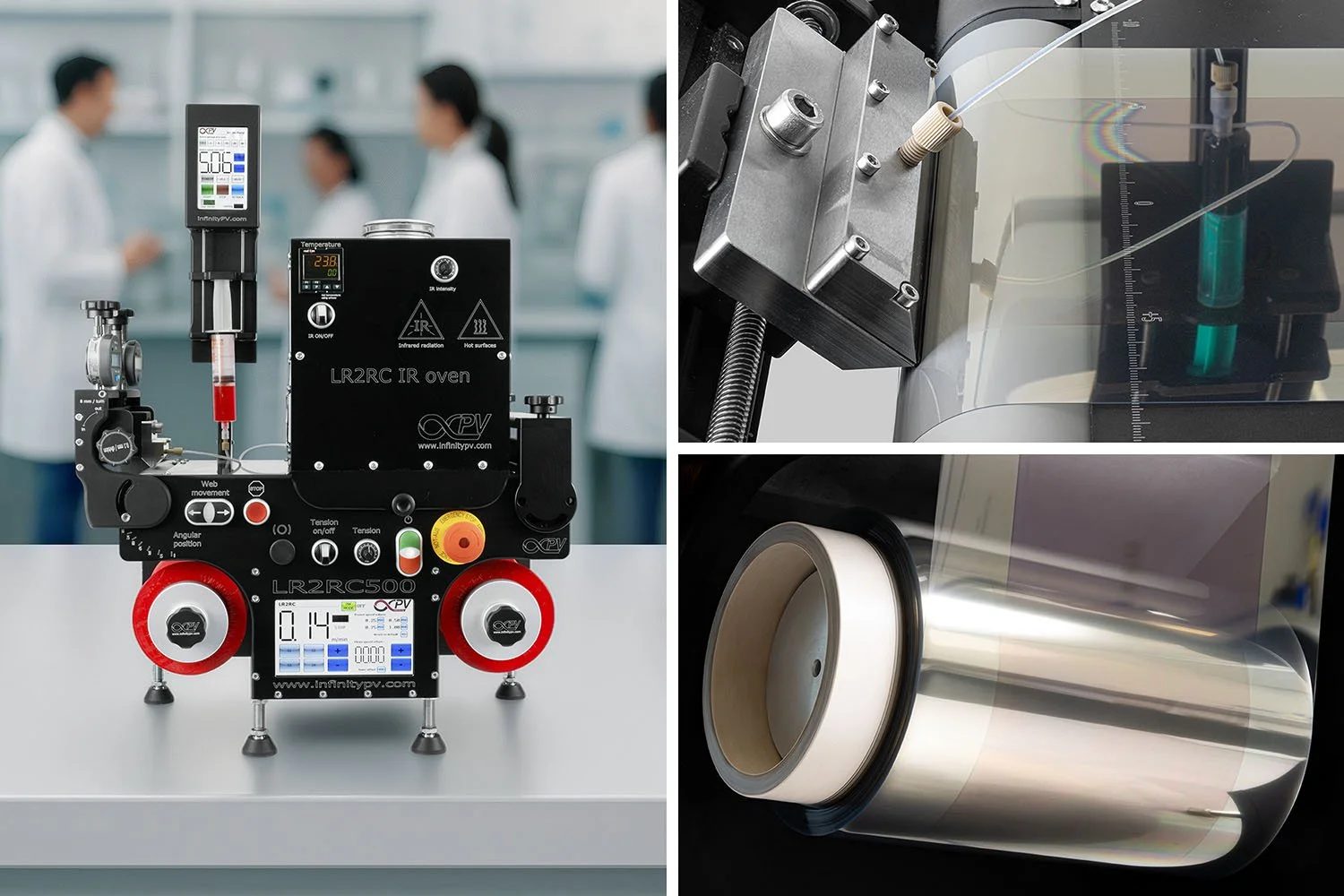
How to Make Perovskite Solar Cells takes viewers inside the complete roll-to-roll (R2R) manufacturing process, showing how fully functional perovskite solar modules can be produced step by step using a compact laboratory-scale coating platform. Starting from bare foil, the series follows every stage of fabrication through to finished, packaged, and tested modules, demonstrating that scalable perovskite production is not just theoretical, but practical and achievable.
Every Layer Explained
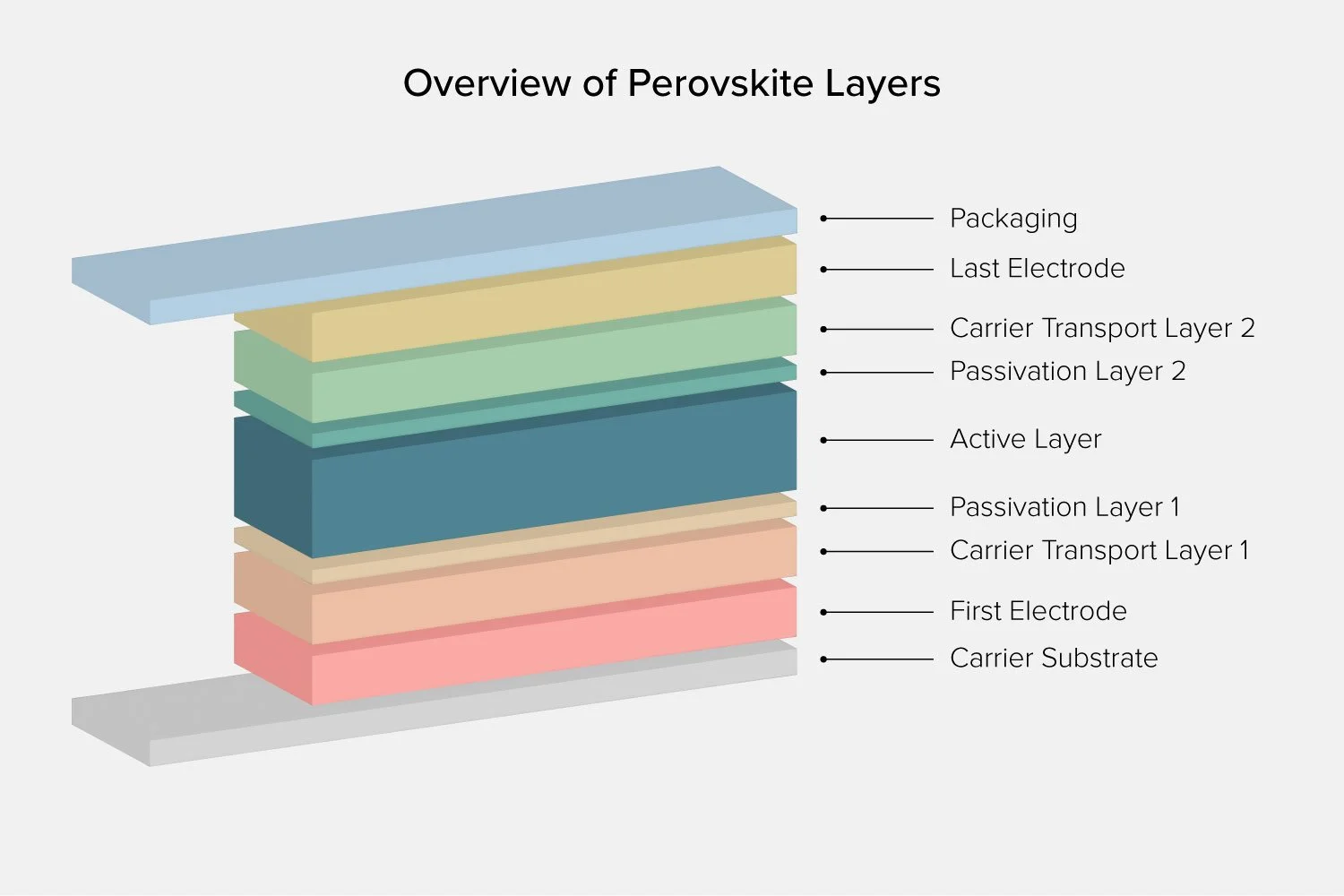
Each episode provides detailed insight into the full device architecture, covering substrate preparation, Electron Transport Layer (ETL) deposition, perovskite active layer coating, Hole Transport Layer (HTL) formation, top electrode deposition, and final module characterization. Beyond the technical steps, the series also explains the reasoning behind each layer, critical process parameters, and the practical considerations needed to achieve reproducible, high-quality results.
Built for Labs of All Sizes
What makes this series unique is its focus on accessibility and scalability. Every step is performed on a single lab-friendly R2R platform, making it possible for research labs, universities, and industrial R&D teams of all sizes to reproduce and build upon the demonstrated process.
Accelerating the Future of Clean Energy
Available through the Roll-to-Roll Academy platform, the series opens the door to transparent, practical knowledge-sharing in perovskite manufacturing. By making the full process visible, from first coating to final testing, we aim to empower researchers, accelerate innovation, and help bridge the gap between scientific discovery and large-scale clean energy production.
The future of solar depends on solutions that can move beyond the lab. This series shows how that future can be built, layer by layer.
All Episodes in the Series
High-Quality Perovskite Solar Modules Produced Using R2R Coating at Halocell Energy
“At Halocell, the compact laboratory R2R equipment from infinityPV has become essential for validating our roll-to-roll coating processes. The system enables us to produce high-quality perovskite PV modules at lab scale. This directly supports our goal of high-throughput, low-cost PV production by effectively bridging R&D to scalable manufacturing.” — Marion Geltinger, Chief Operations Officer, Halocell Energy
High-Resolution Mapping of Solar Cell Performance
Laser Beam Induced Current (LBIC) is a high-resolution technique that maps the local photocurrent of a solar cell using a focused laser beam. It reveals spatial variations in performance, helping identify defects, shunts, inactive regions, and coating non-uniformities—making it a powerful tool for improving device quality, reliability, and manufacturing control.
Related Products

Laboratory Roll-to-Roll Coater
A compact and modular high precision roll-to-roll slot-die coater that transforms the way thin functional films are printed and coated.

Slot-die Coater
A state-of-the-art, compact sheet coater for precise, consistent slot-die coatings, featuring a vacuum chuck, integrated drying, and optimized ink delivery
Slot-die Heads
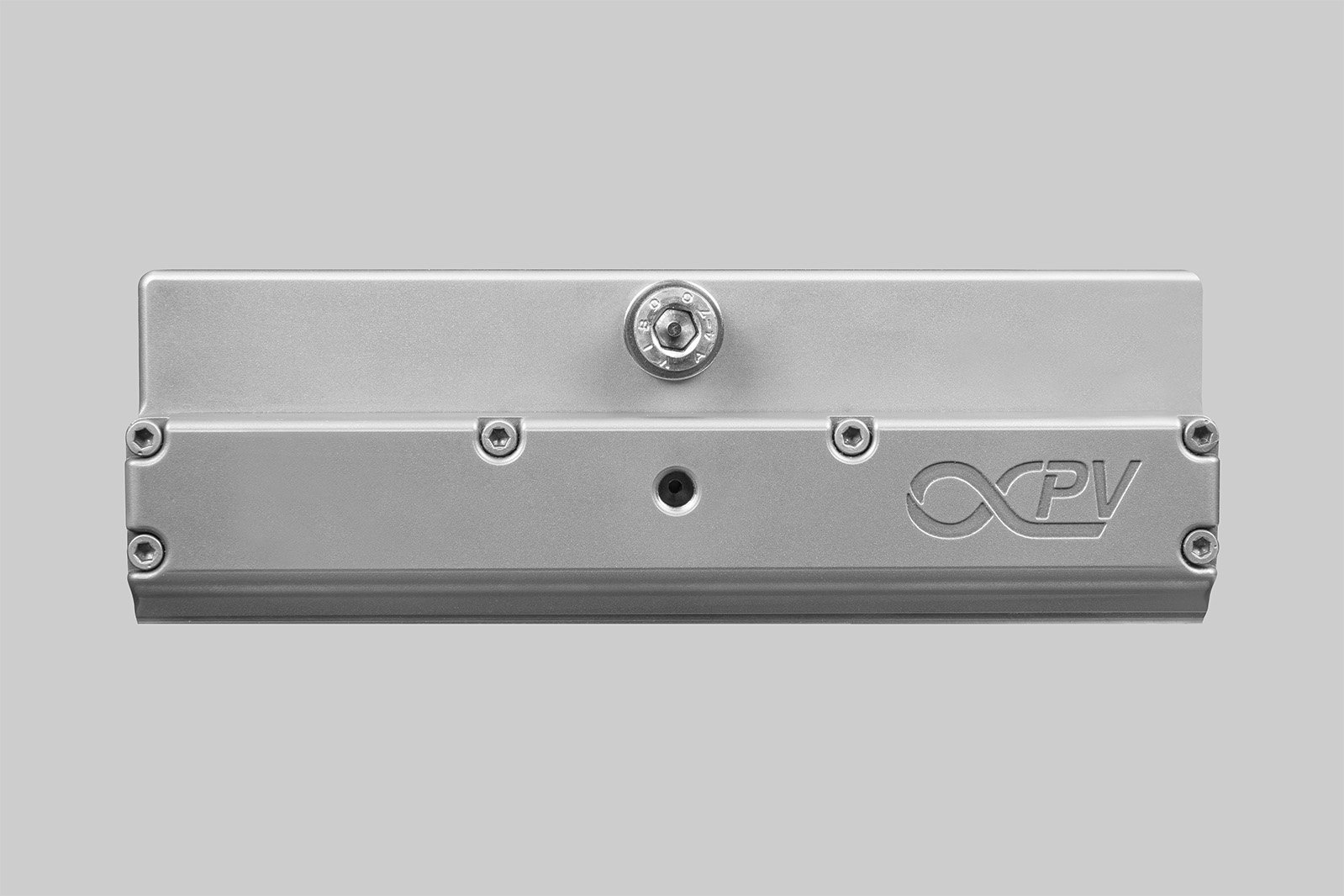
Slot-die heads for high-quality coatings. Available in stainless steel, titanium, or PEEK, with widths from 40 mm to 305 mm, ensuring precise thin-film production.