
From Oral Film Development to Manufacturing
Create uniform pharmaceutical films with a coating process that supports both laboratory research and commercial scale-up.
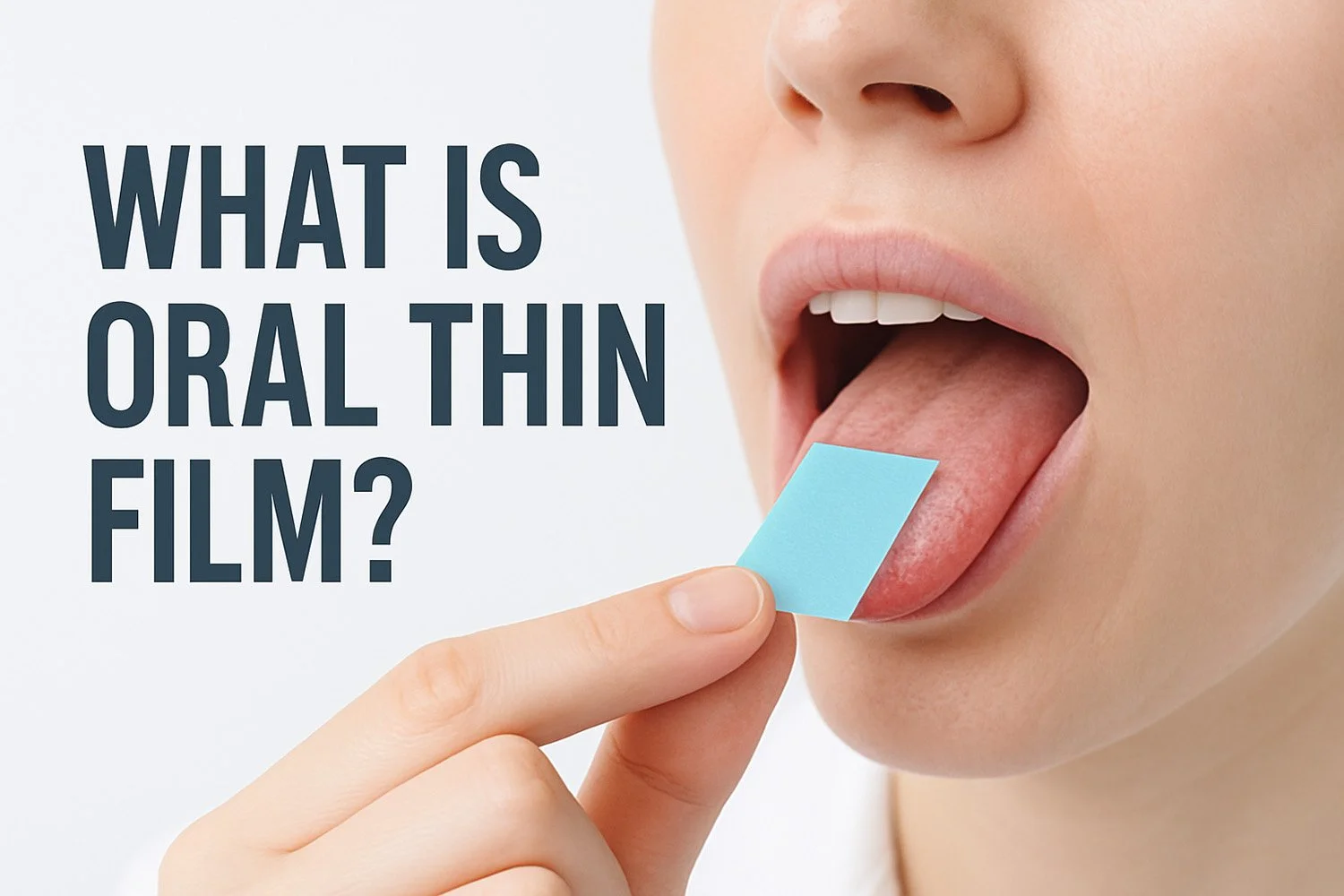
Develop Uniform, Scalable Oral Film Formulations with Precise Coating Control
Oral thin films (OTFs) are thin, biodegradable strips—typically smaller than a postage stamp—designed for sublingual or buccal administration. Composed of rapidly dissolving polymers, they release the drug upon contact with saliva in the oral cavity.
Oral thin films are increasingly recognized as patient-friendly alternatives to conventional tablets and capsules due to their ease of administration, rapid dissolution, and potential for precise dosing. These advantages make them particularly well suited for pediatric and geriatric populations, as well as therapies requiring rapid onset of action.
However, achieving consistent product quality and performance depends on precise control of the film manufacturing and coating processes.
Common development challenges include:
Uniform film thickness
Consistent API distribution
Reliable dose accuracy
Reproducible film performance
A clear path to manufacturing scale-up
While many projects begin with solvent casting or manual coating methods, these approaches can become challenging as formulations advance. Slot-die coating offers a precise and scalable solution, enabling uniform film deposition, efficient material use, and reproducible results from research through manufacturing.
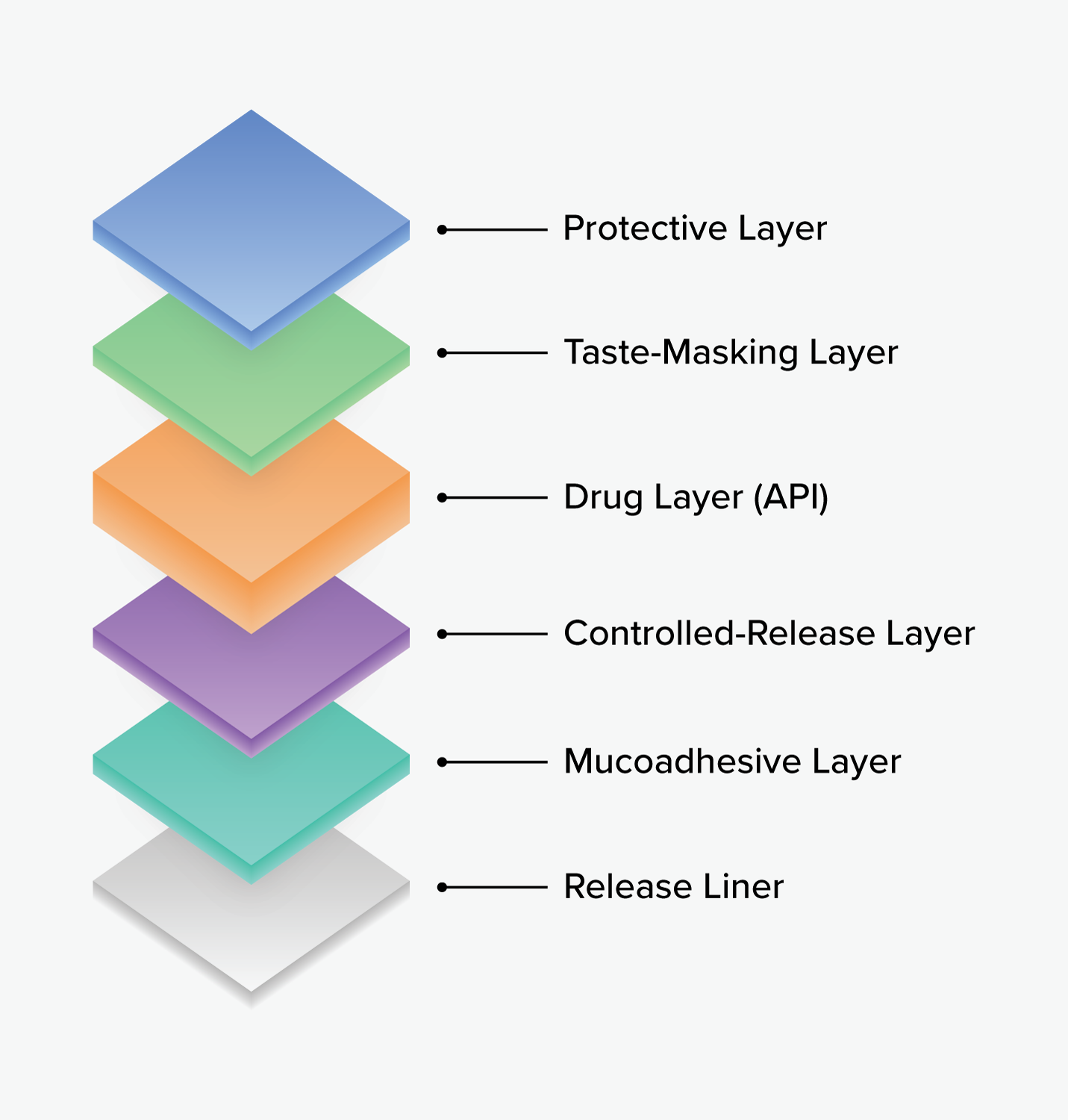
Oral Thin Film Multilayer Architecture Example
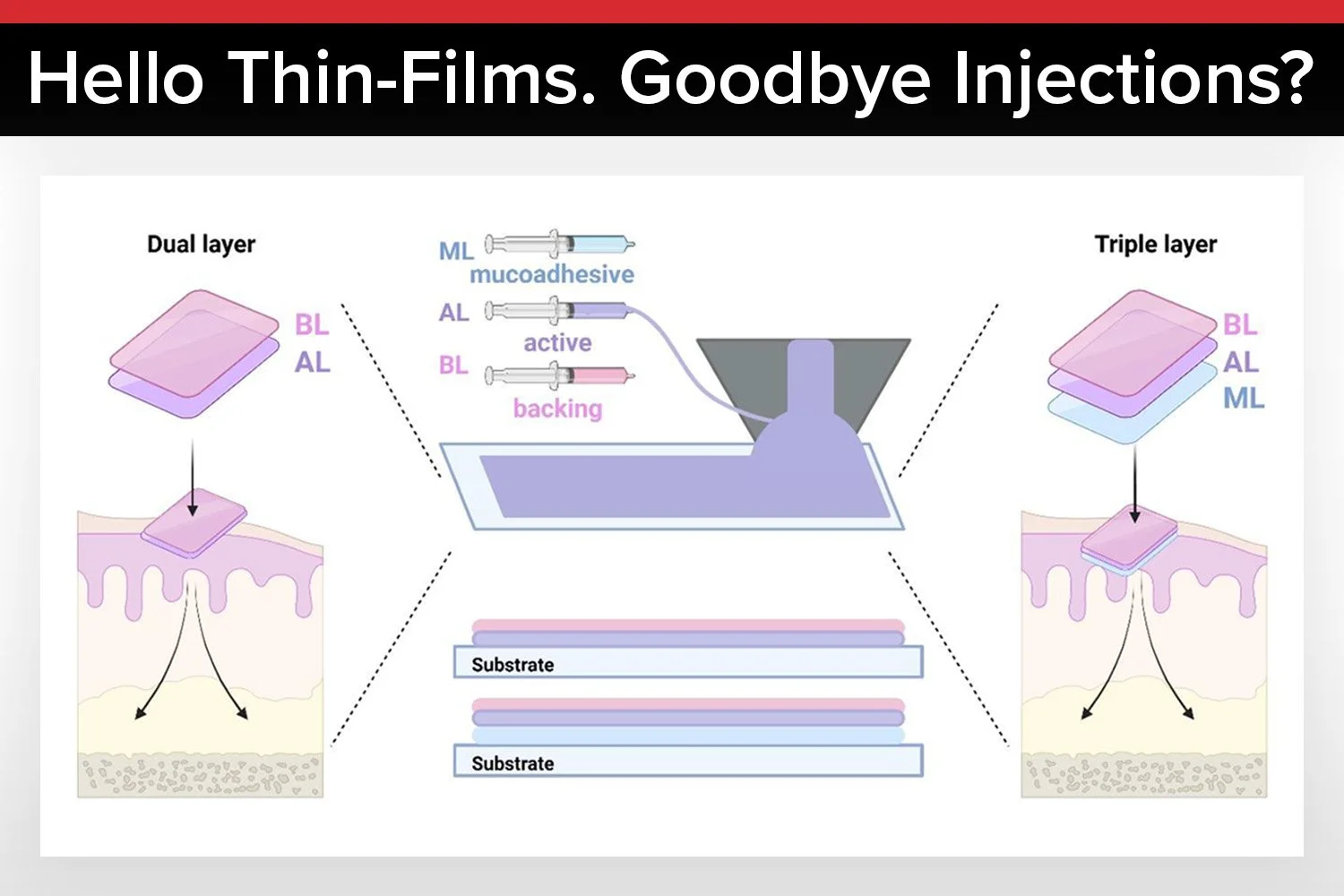
Modern oral thin films can contain multiple functional layers, each designed to improve drug delivery, patient experience, or product performance. While not every formulation includes all of the layers shown below, multilayer structures are increasingly explored for applications such as taste masking, controlled release, and enhanced drug absorption. An example of these layers could include:
Protective Layer: Protects the film from moisture, handling, and environmental exposure while improving durability.
Taste-Masking Layer: Reduces unpleasant taste and improves the patient experience during administration.
Drug Layer (API): Contains the active pharmaceutical ingredient and delivers the therapeutic effect.
Controlled-Release Layer: Controls how quickly the drug is released and absorbed after administration.
Mucoadhesive Layer: Helps the film adhere to oral tissue, increasing contact time and absorption.
Release Liner: A temporary carrier film used during manufacturing and removed before use.
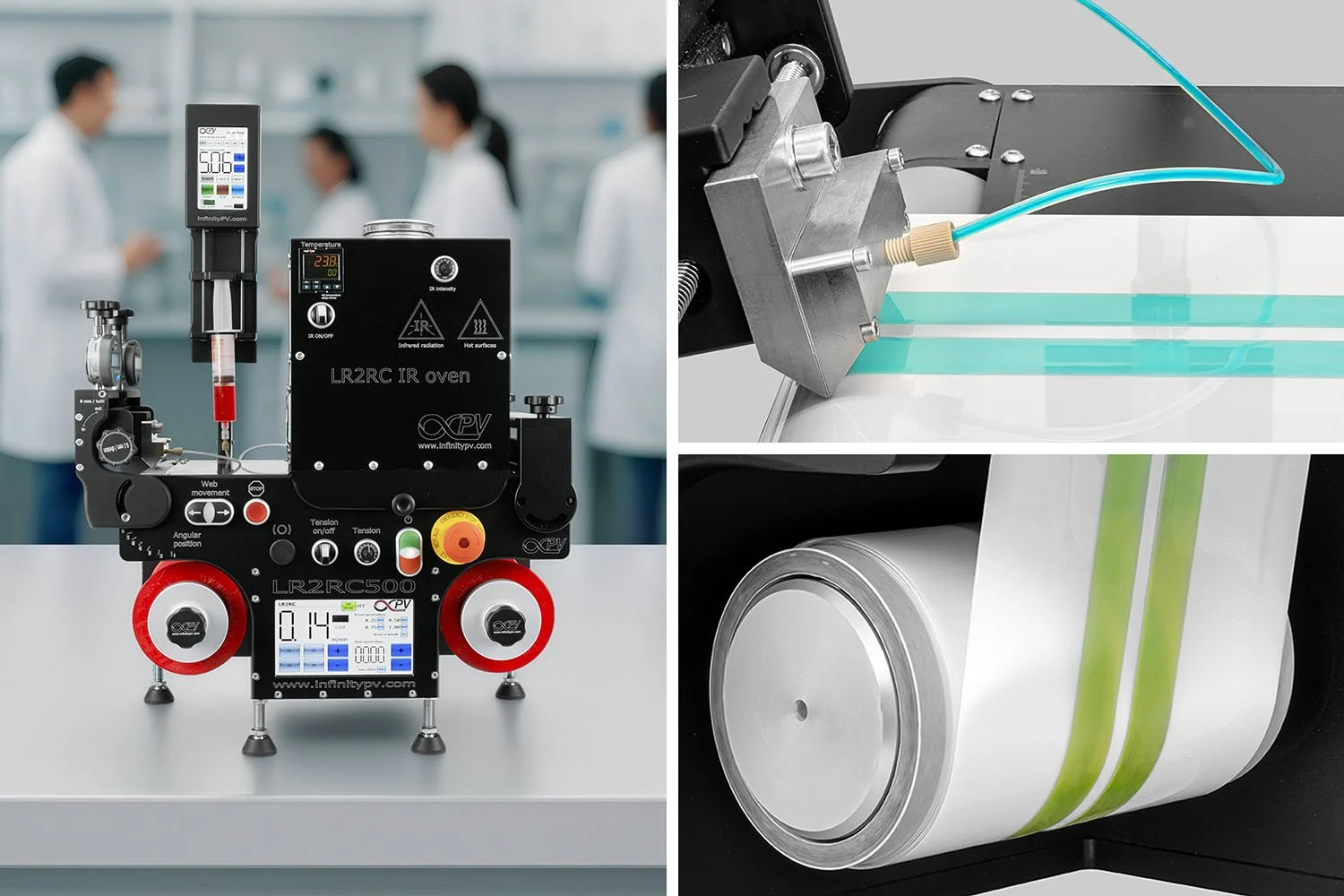
Why Researchers Are Turning to Slot-Die Coating
As oral thin film technologies become more advanced, researchers require coating processes that can deliver consistent quality while supporting future scale-up. Slot-die coating provides precise control over film deposition and is increasingly used for pharmaceutical films, transdermal patches, and advanced drug delivery systems.
Key benefits include:
Uniform film thickness and API distribution
Improved dose accuracy and reproducibility
Efficient use of valuable APIs and materials
Support for multilayer film architectures
Reduced process variability
Compatibility with cleanroom and controlled environments
A clear pathway from research to manufacturing
Ready for Roll-to-Roll Manufacturing
Many oral thin film projects begin at laboratory scale but ultimately require a manufacturing process capable of producing large quantities of consistent product.
Unlike many traditional coating methods, slot-die coating is already widely used in roll-to-roll manufacturing. Formulations developed using slot-die coating can therefore be transferred more easily from laboratory research to pilot production and commercial manufacturing.
By combining precise coating control with continuous processing, roll-to-roll manufacturing enables high throughput, excellent reproducibility, and efficient large-scale production of oral thin films and other pharmaceutical products.
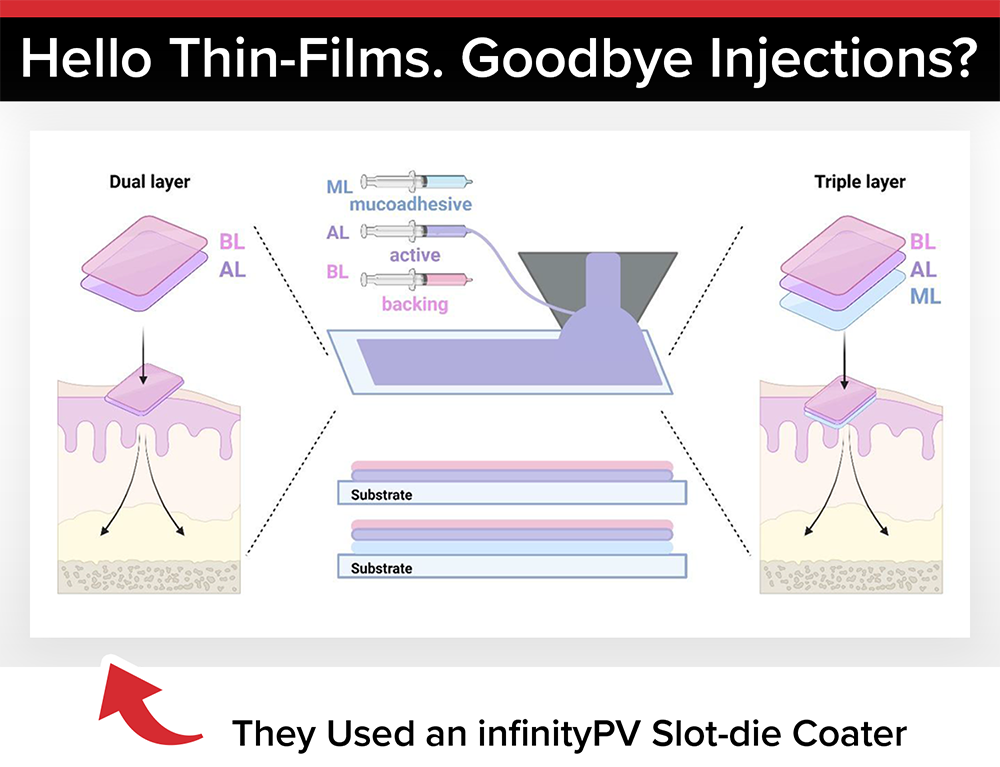
Novo Nordisk Uses Slot-die Coating for Next-Generation GLP-1 Drug Delivery
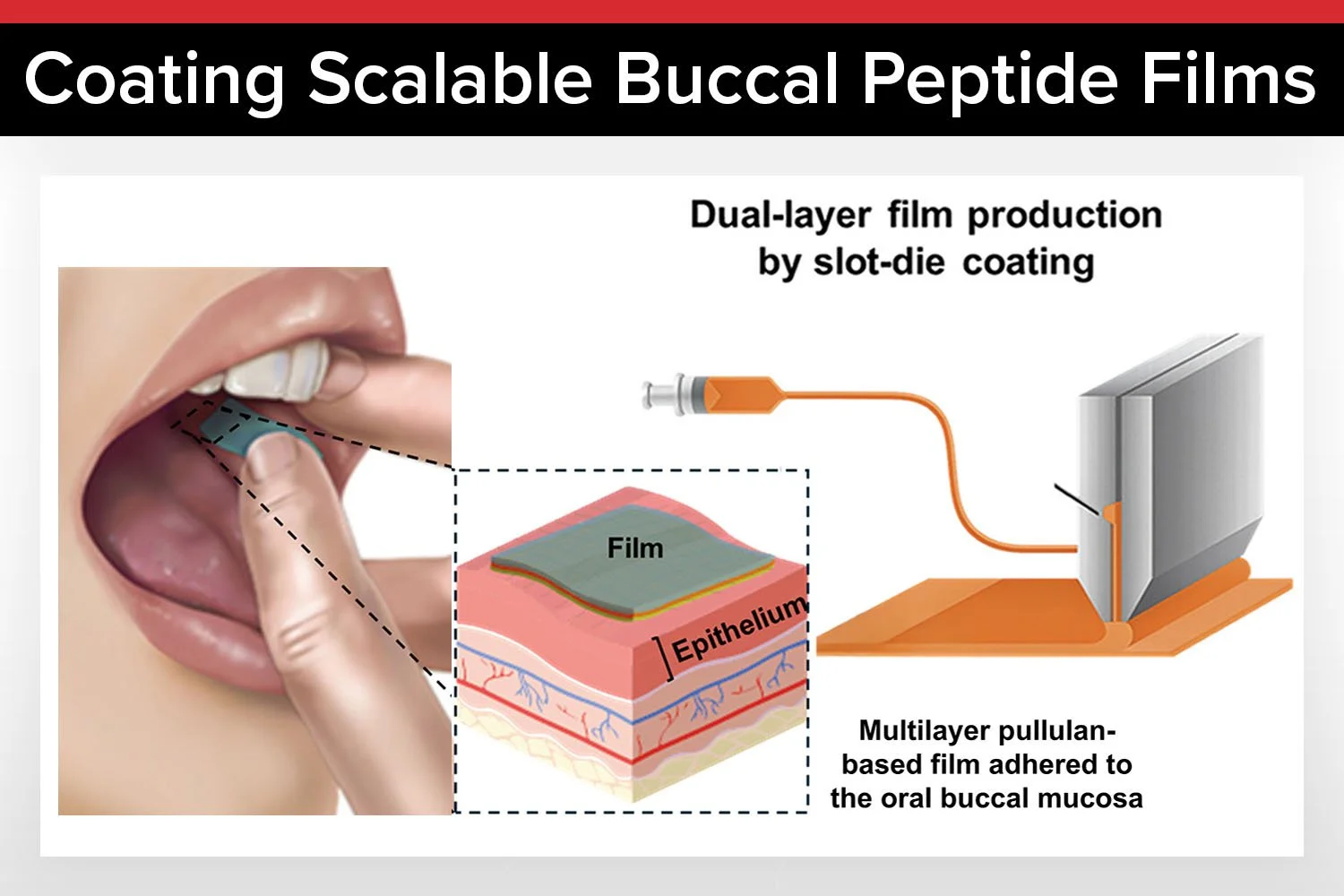
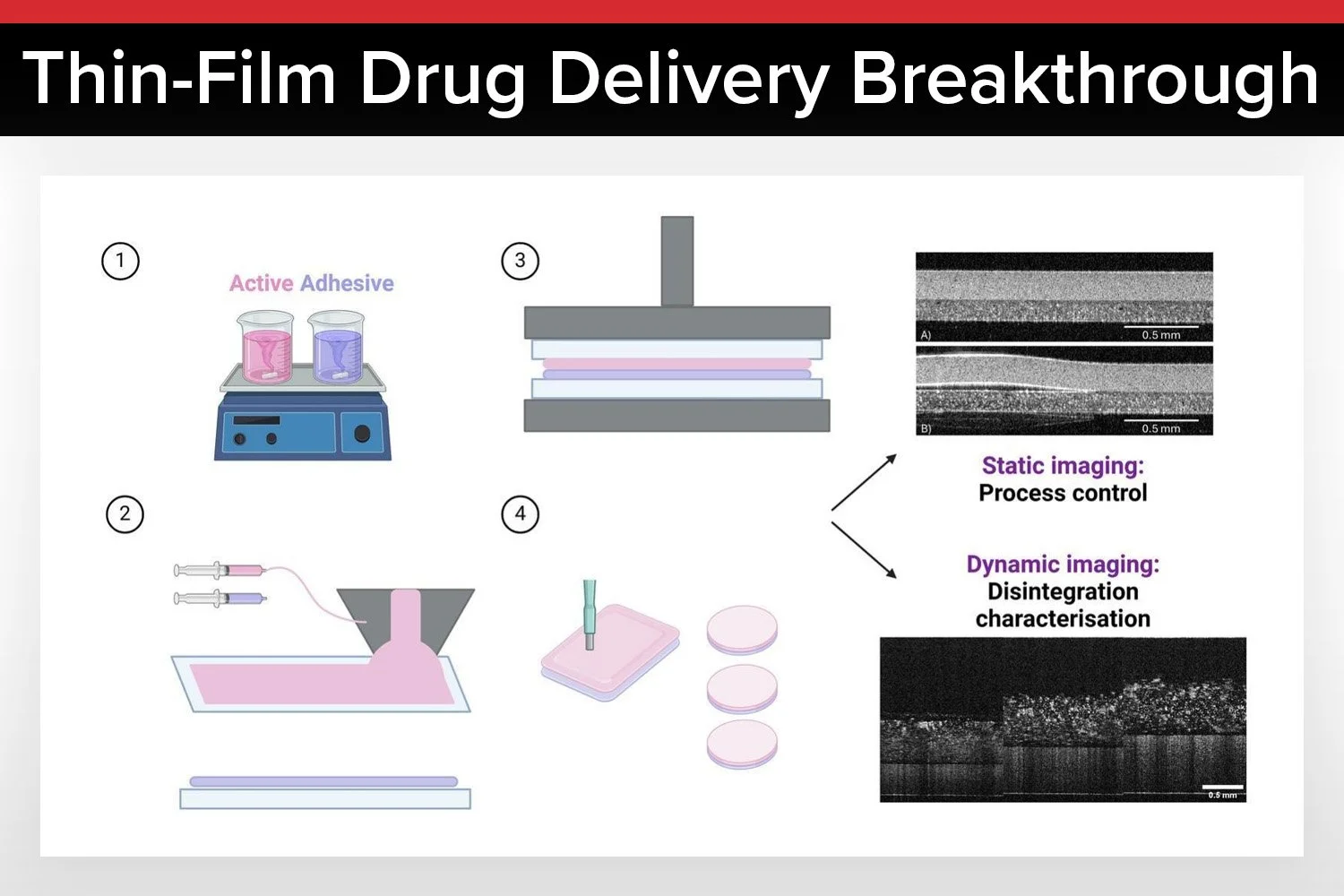
Researchers from Novo Nordisk and the Technical University of Denmark used an infinityPV Slot-die Coater to develop multilayer buccal films for needle-free GLP-1 delivery. The technology enabled precise coating of mucoadhesive, drug-loaded, and protective layers, supporting controlled drug release and scalable manufacturing of advanced oral film formulations.
Benefits of Oral Thin Films for Drug Delivery
Oral thin films are gaining attention as an alternative to traditional tablets, capsules, and injectable therapies. Their unique combination of patient convenience, rapid drug delivery, and flexible formulation design makes them attractive for a wide range of pharmaceutical applications, including fast-acting therapies, pediatric medicines, and advanced drug delivery systems.
Small, Convenient Dosage Form: Thin, lightweight, and easy to carry, oral films provide a discreet and patient-friendly dosage form that can be administered virtually anywhere.
Rapid Drug Delivery and Symptom Relief: Fast dissolution and absorption characteristics can support therapies that require a rapid onset of action and quick symptom relief.
Potentially Improved Bioavailability: Buccal and sublingual films can enable drug absorption through the oral mucosa, potentially bypassing first-pass metabolism and improving bioavailability for certain compounds.
Improved Patient Compliance: Oral films are easy to administer, require no water, and offer a convenient alternative for patients managing daily medication regimens.
Suitable for Pediatric, Geriatric, and Dysphagic Patients: Oral thin films can simplify medication administration for children, older adults, and patients who have difficulty swallowing tablets or capsules.
Potential to Reduce Adverse Effects: Improved drug absorption and delivery efficiency may allow lower doses to achieve therapeutic outcomes, potentially reducing unwanted side effects.
Flexible Platform for Advanced Drug Delivery: Oral thin films can be designed for immediate release, controlled release, taste masking, and mucoadhesive applications, supporting a wide range of therapeutic needs.
Challenges in Oral Thin Film Development and Manufacturing
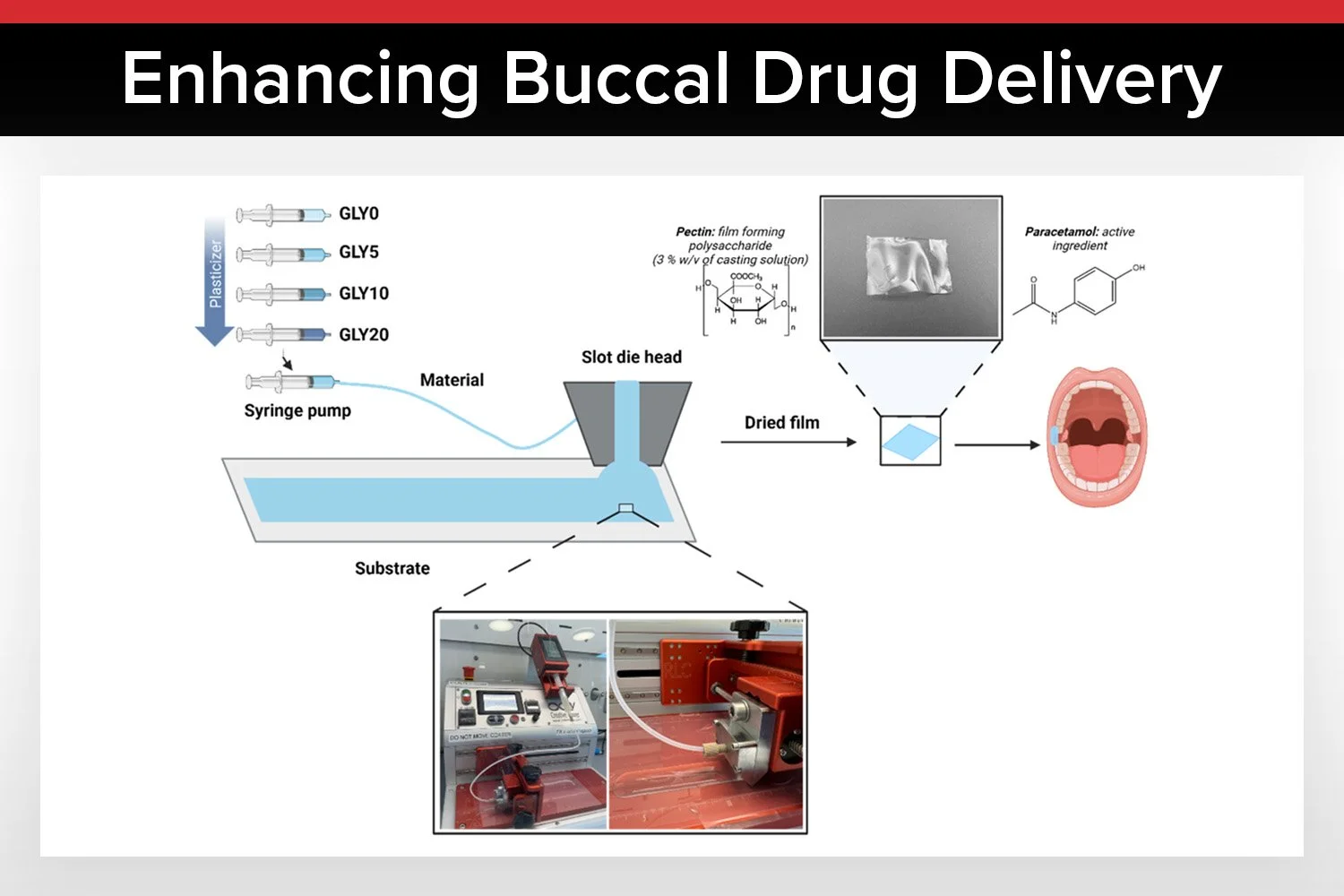
Although oral thin films offer significant advantages for patients and drug developers, manufacturing high-quality films presents several technical challenges. Achieving uniform film thickness across the entire coated area is essential for ensuring consistent performance and dose accuracy. Even small variations in coating thickness can affect drug loading, dissolution behavior, and overall product quality.
Maintaining consistent distribution of the active pharmaceutical ingredient throughout the film is another critical requirement. Poor dispersion or migration of the API during drying can lead to dose variability and reduced product performance. Formulators must also balance mechanical properties such as flexibility, tensile strength, and durability while ensuring that the film remains comfortable and easy for patients to administer.
As oral film technologies become more sophisticated, multilayer structures, controlled-release systems, and formulations containing sensitive or high-value APIs introduce additional manufacturing complexity. These factors increase the importance of precise and reproducible coating processes capable of supporting both laboratory development and future scale-up.
Critical Quality Attributes of Oral Thin Films
The performance and quality of an oral thin film depend on several critical attributes that must be carefully controlled during development and manufacturing. Film thickness plays a central role in determining drug loading, dissolution characteristics, and patient experience. Consistent thickness across the coated area is essential for achieving accurate and reproducible dosing.
Drug content uniformity is equally important, ensuring that each unit contains the intended amount of active pharmaceutical ingredient. Researchers must also evaluate dissolution behavior, mechanical properties, moisture content, and film stability to ensure reliable product performance throughout storage and administration. For multilayer oral films, additional considerations such as interlayer adhesion and layer integrity may influence both manufacturing success and therapeutic effectiveness.
The ability to consistently control these quality attributes is a major factor driving interest in advanced coating technologies that provide greater precision and reproducibility throughout the development process.
Scaling Oral Thin Films from Research to Commercial Manufacturing
Many oral thin film projects begin in research laboratories where formulation scientists evaluate polymers, APIs, excipients, and processing conditions on a small scale. While early-stage development often focuses on demonstrating proof of concept, successful products must ultimately transition to manufacturing processes capable of delivering consistent quality at commercial volumes.
Scale-up can present significant challenges when laboratory coating methods differ substantially from production technologies. Process parameters that work well during small-scale development may not translate effectively to larger manufacturing environments, creating delays and additional development costs. For this reason, many researchers are increasingly interested in coating technologies that provide a clearer pathway from formulation development to pilot production and commercial manufacturing.
Slot-die coating is widely used in continuous roll-to-roll manufacturing and offers precise control over coating thickness, material deposition, and process reproducibility. By utilizing development equipment that reflects commercial manufacturing principles, researchers can reduce scale-up risk and generate process knowledge that remains relevant throughout the product lifecycle.
Bridging Pharmaceutical Research and Manufacturing
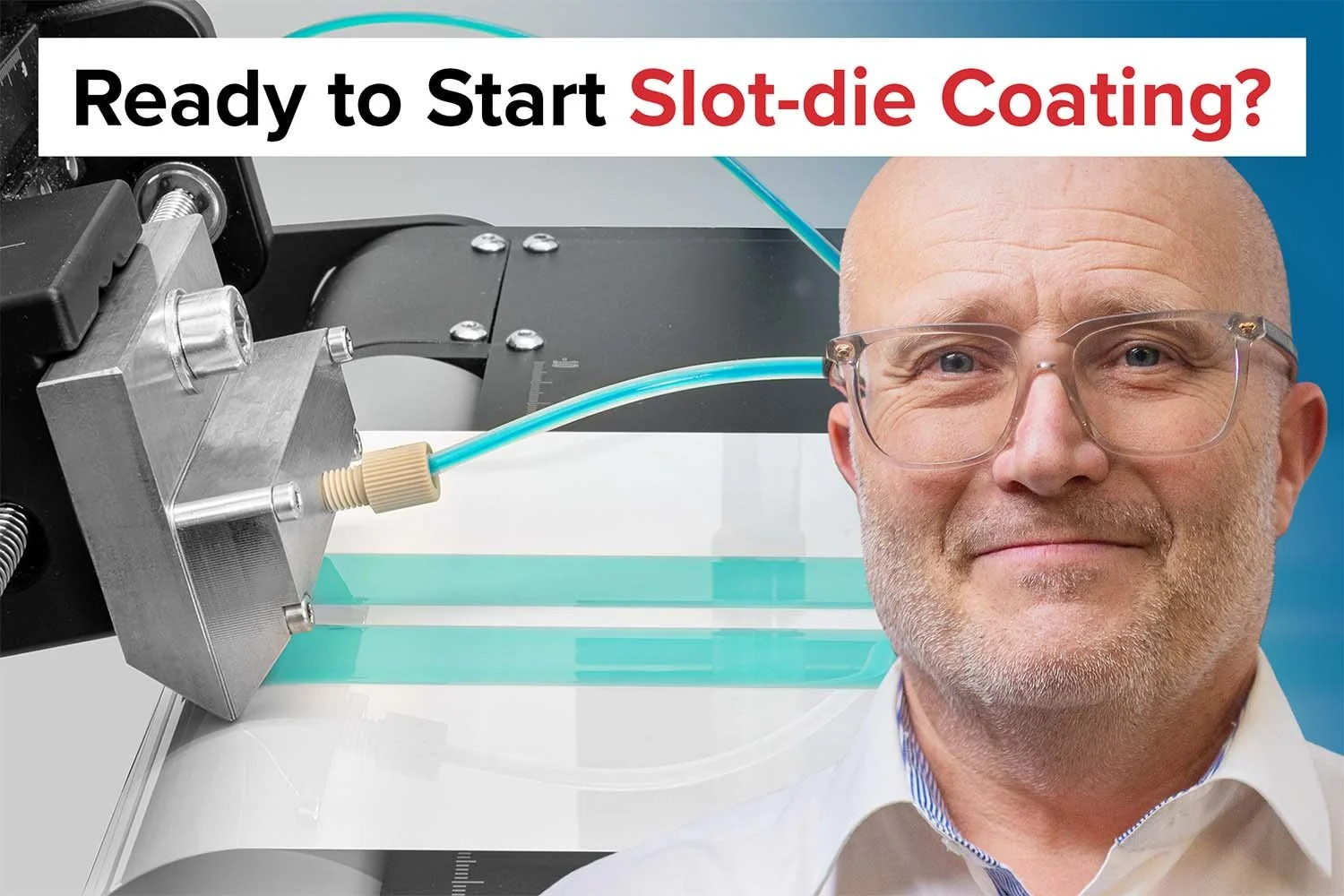
We help researchers and pharmaceutical innovators develop uniform, reproducible oral thin films through advanced slot-die coating and roll-to-roll processing technologies. Our laboratory equipment bridges the gap between formulation development and scalable manufacturing, enabling precise coating control for next-generation drug delivery systems.
Proven in Peer-Reviewed Pharmaceutical Studies
We’re Here to Help You Find the Right System
Choosing the right slot-die or roll-to-roll coating system for your pharmaceutical application can feel complex. Whether it’s tablets, capsules, patch films, packaging, or medical devices, we’re ready to guide you — helping you select the machine that delivers precise, reproducible, and scalable results.

Slot-die Coater
Ideal for lab research, prototyping, and small-batch production. Sheet-based processing allows flexible testing, parameter adjustments, and precise coatings in limited quantities.

Laboratory Roll-to-Roll Coater
Best for scaling lab results to continuous, high-throughput production. Ensures uniform, consistent coatings on long substrates and supports transition to larger-scale manufacturing.

R2R Hybrid Coater
Combines sheet-based precision with roll-to-roll efficiency. Offers maximum flexibility for lab-scale thin film processing—from early formulation work to pilot-scale production.
Limitations of Traditional Oral Thin Film Manufacturing Methods
Traditional oral thin film development often relies on solvent casting, manual coating techniques, or other batch-based processes. These approaches can be effective during early formulation screening but may present challenges as development programs advance toward commercialization. Manual methods often introduce variability related to operator technique, substrate preparation, drying conditions, and material handling.
As formulations become more complex, achieving consistent thickness, uniform API distribution, and reproducible multilayer structures can become increasingly difficult. Material waste may also become a concern when working with expensive active pharmaceutical ingredients or specialized excipients. Furthermore, many traditional coating methods do not closely resemble commercial manufacturing processes, making scale-up more challenging and increasing the risk of process redevelopment later in the project.
For organizations seeking a smoother transition from laboratory research to manufacturing, coating technologies that offer precise process control and scalability are becoming increasingly important.
Comparing Oral Thin Film Coating Methods
Solvent casting remains one of the most common methods for developing oral thin films in research environments. However, as projects advance, researchers often require greater control over film uniformity, material usage, reproducibility, and scalability. The comparison below highlights some of the key differences between traditional solvent casting and slot-die coating.
| Feature | Solvent Casting | Doctor Blade / Knife Coating | Spin Coating | Slot-Die Coating |
|---|---|---|---|---|
| Film Uniformity | Moderate | Good | Excellent | Excellent |
| Thickness Control | Moderate | Good | Excellent | Excellent |
| Material Efficiency | Moderate | Good | Poor | Excellent |
| Reproducibility | Moderate | Good | Good | Excellent |
| Multilayer Films | Limited | Limited | Difficult | Excellent |
| Scale-Up Potential | Limited | Moderate | Poor | Excellent |
| Continuous Manufacturing | No | Limited | No | Yes |
| Roll-to-Roll Compatibility | No | Limited | No | Yes |
| API Material Utilization | Moderate | Good | Poor | Excellent |
| Manufacturing Relevance | Low | Moderate | Low | High |
Which Coating Solution Fits Your Needs?
Every oral thin film formulation presents unique challenges. Whether you're optimizing drug loading, improving film uniformity, developing multilayer structures, or preparing for scale-up, selecting the right coating process is critical. We're here to help you achieve reproducible results and accelerate the path from formulation development to manufacturing.
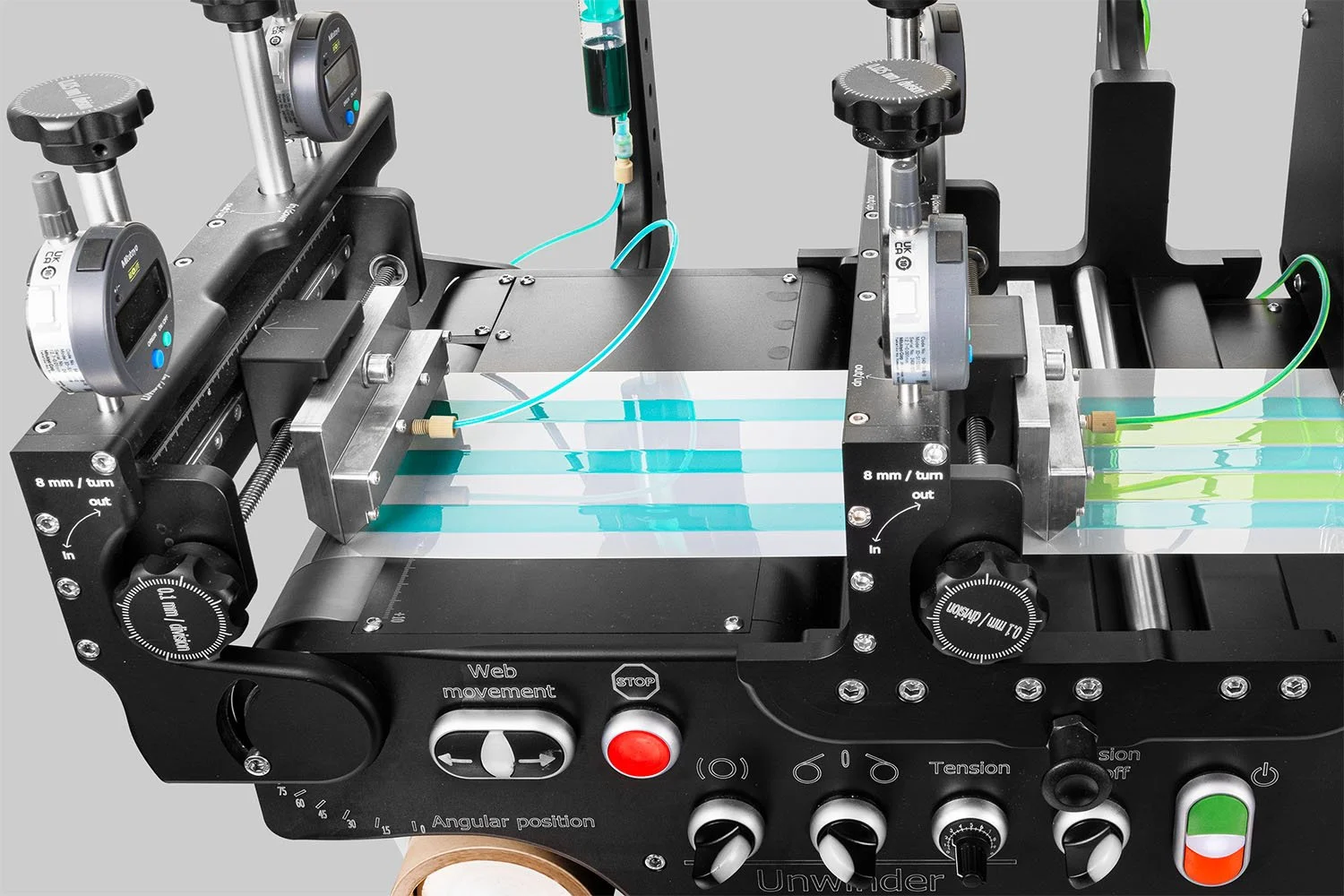
Inline Slot-die Coating
Flexible substrates move continuously through coating, drying, and laminating stations under precise tension. Ensures high throughput, uniform layers, and reproducible results.
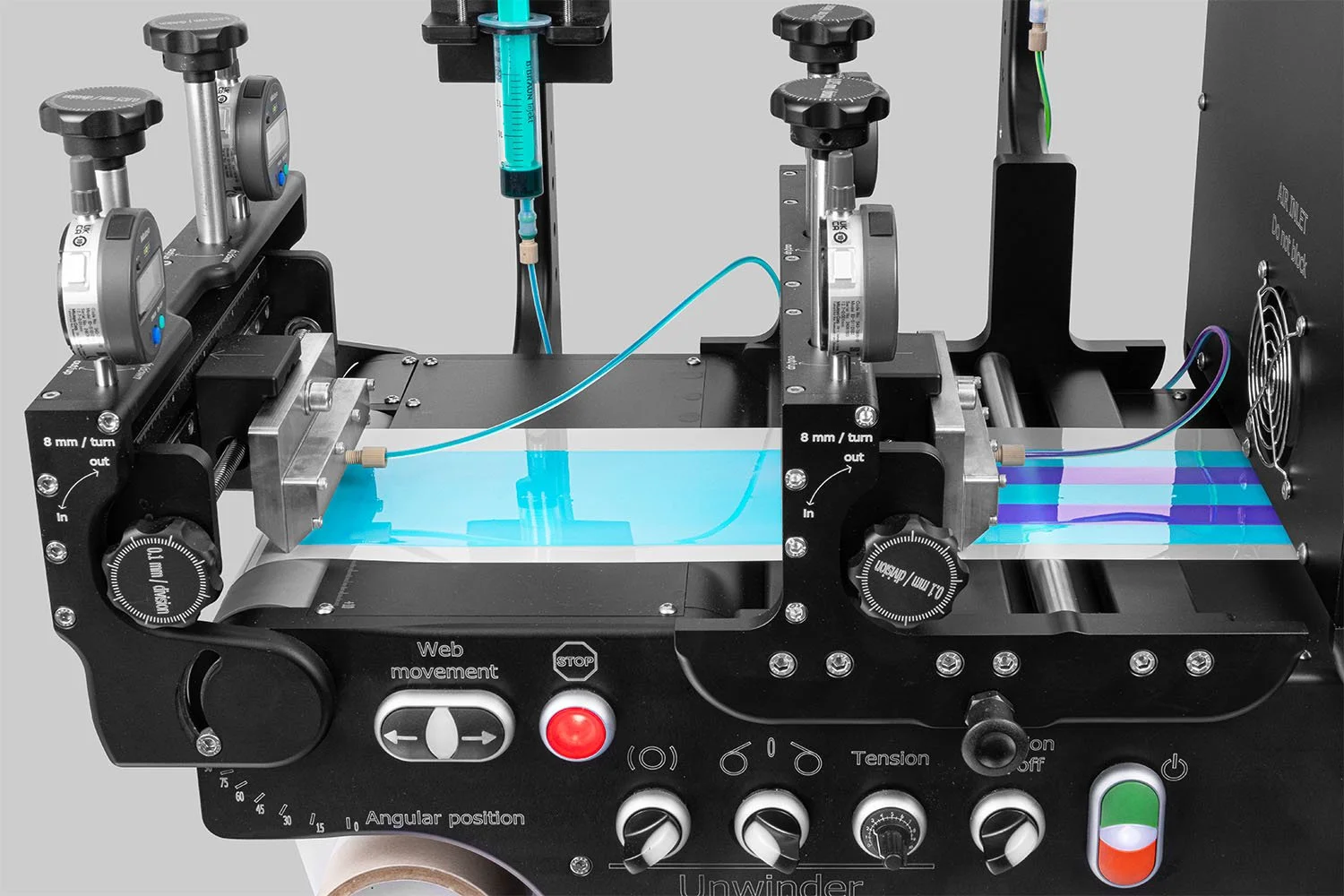
Wet-On-Wet Slot-die Coating
Two slot-dies apply wet layers consecutively without drying. Controlled spacing and speed create multilayer films with consistent thickness and adhesion.

Pristine Clean Surface Cleaning
Functional coatings are applied immediately after liner removal onto an untouched, contamination-free surface. This method improves adhesion, reduces defects, and enhances reproducibility—especially when combined with cleanroom environments for sensitive pharma films or biomedical devices.
Frequently Asked Questions
-
Slot-die coating is a precision coating method used to deposit uniform layers of pharmaceutical formulations onto a moving substrate. The process enables accurate control of film thickness, drug loading, and layer uniformity, making it well suited for oral thin film development and manufacturing.
-
While solvent casting is widely used for early-stage research, slot-die coating offers greater control over coating thickness, reproducibility, material utilization, and scalability. It is also compatible with continuous manufacturing processes used in industrial production.
-
Yes. Slot-die coating is increasingly used for oral thin films, buccal films, sublingual films, and other advanced drug delivery systems that require precise coating control and consistent drug distribution.
-
Oral thin films are thin, flexible dosage forms that dissolve or adhere within the mouth to deliver medication. They are commonly explored for pediatric medicines, geriatric formulations, fast-acting therapies, and needle-free drug delivery applications.
-
Oral thin films can be easier to administer, particularly for patients who have difficulty swallowing tablets. They can also provide rapid drug release, improved patient compliance, and alternative routes of drug delivery through the oral mucosa.
-
Yes. Slot-die coating can be used to create multilayer structures containing drug-loaded layers, taste-masking layers, mucoadhesive layers, controlled-release layers, and protective coatings. This enables the development of more advanced oral film formulations.
-
The process precisely meters the formulation before coating, helping maintain consistent film thickness and material distribution across the entire coating width. This can improve dose accuracy and batch-to-batch reproducibility.
-
Yes. Laboratory-scale slot-die coating systems are widely used for formulation development, process optimization, material screening, and scale-up studies. Researchers can develop processes using a technology that is directly relevant to commercial manufacturing.
-
Yes. Because the formulation is accurately metered during coating, slot-die coating can significantly reduce material waste compared with some traditional laboratory coating methods. This is especially beneficial when working with expensive or limited-availability APIs.
-
Yes. Slot-die coating is widely used in roll-to-roll manufacturing environments and is considered one of the key enabling technologies for continuous thin-film production.
-
Slot-die coating can be used for fast-dissolving films, buccal films, sublingual films, mucoadhesive films, controlled-release films, multilayer drug delivery systems, and other advanced pharmaceutical film formulations.
-
Yes. Multiple peer-reviewed studies have demonstrated the use of slot-die coating for oral thin films, transdermal patches, controlled-release systems, multilayer formulations, and other pharmaceutical applications. Researchers from organizations including Novo Nordisk have also used slot-die coating in the development of advanced drug delivery systems.