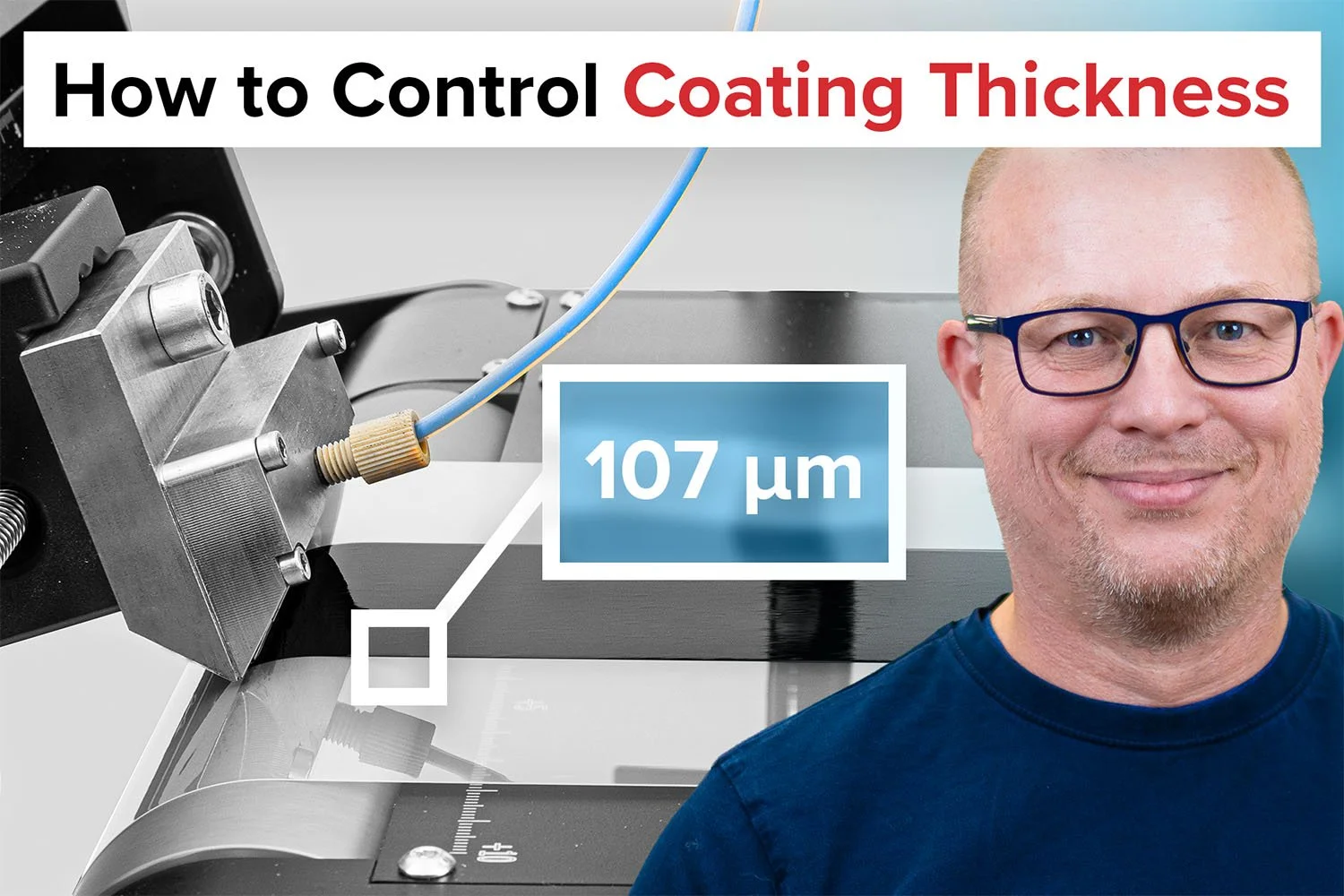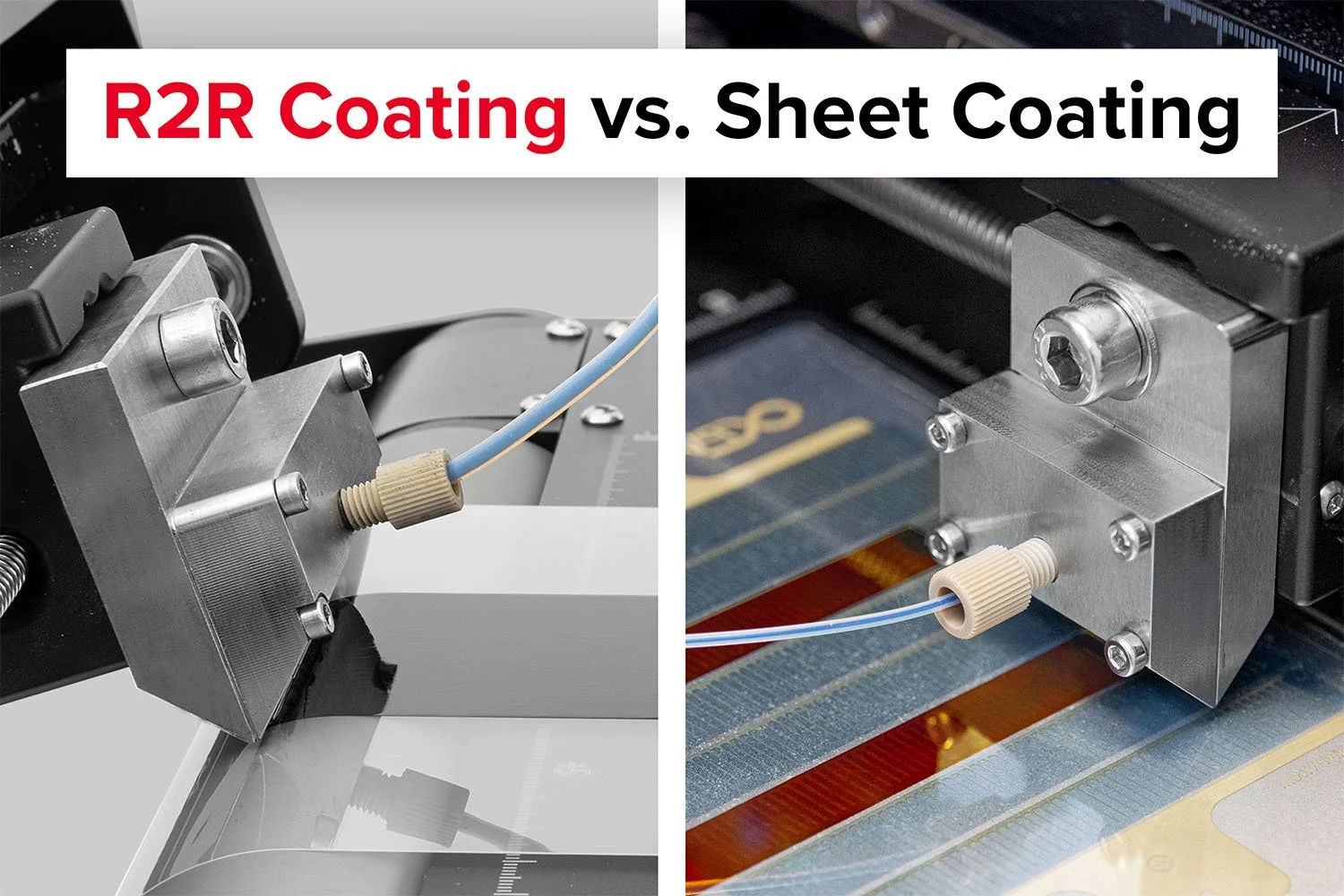
Ready to Start Slot-die Coating?
Slot-die coating makes high-performance, defect-free films possible across industries. With unmatched precision and minimal waste, it powers innovation in electronics, energy devices, displays, and beyond.
What is Slot-die Coating?
Slot-die coating is a precise method for depositing liquid materials onto a substrate to form uniform thin films. The technique uses a narrow slot-die head to deliver a controlled flow of material, ensuring consistent thickness and coverage across the entire surface. Unlike traditional coating methods, slot-die coating minimizes waste by applying only the necessary amount of material, while maintaining high reproducibility and accuracy.
This approach is widely used because it combines efficiency with versatility. It can handle a broad range of materials, from polymer solutions to nanoparticle suspensions, and is compatible with both rigid and flexible substrates.
Slot-die coating is particularly valuable in applications where uniformity and precision are critical, such as electronics, sensors, displays, and advanced material research. Its ability to scale from laboratory experiments to industrial production makes it an essential tool for manufacturers and researchers seeking consistent, high-quality coatings with minimal material loss.
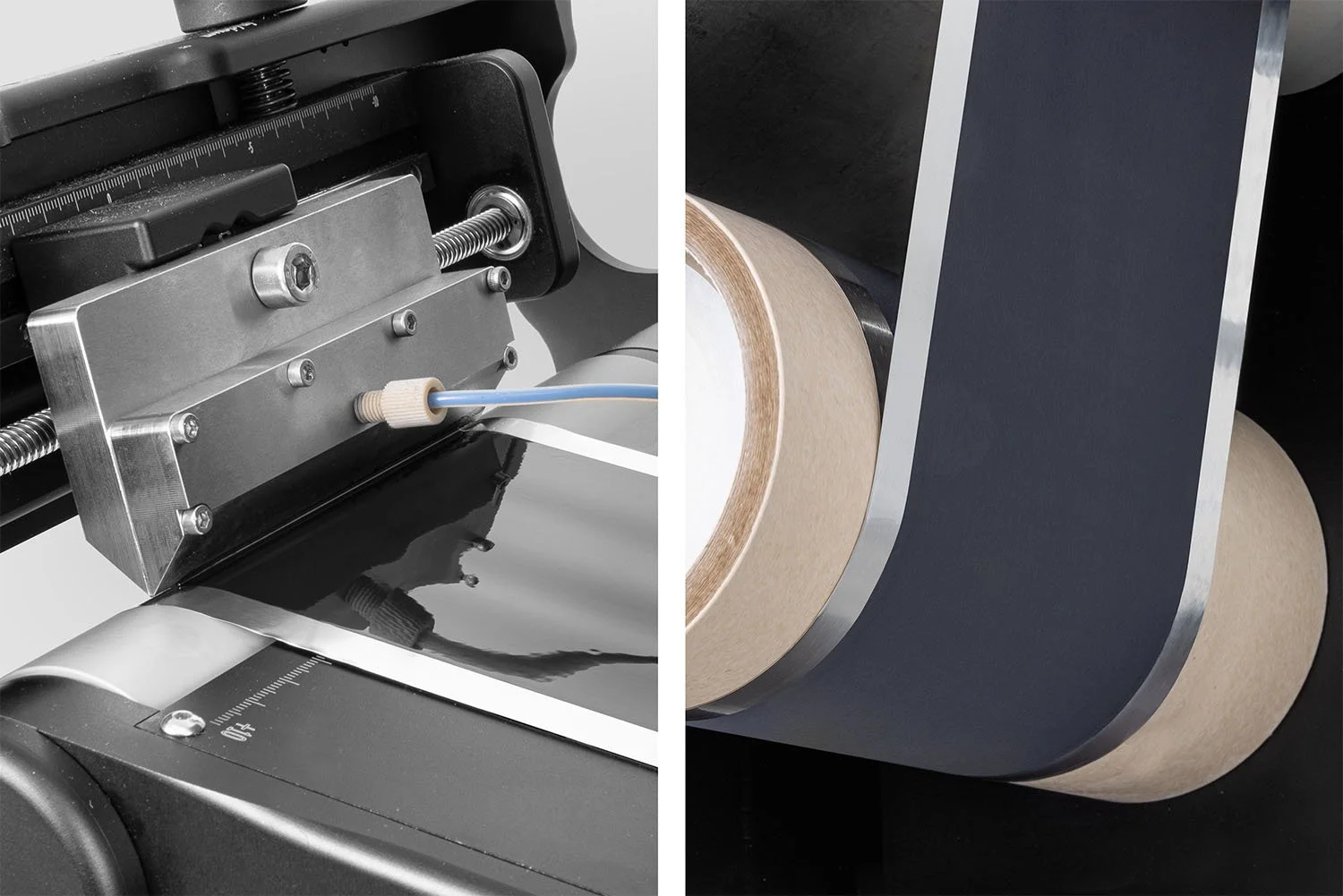
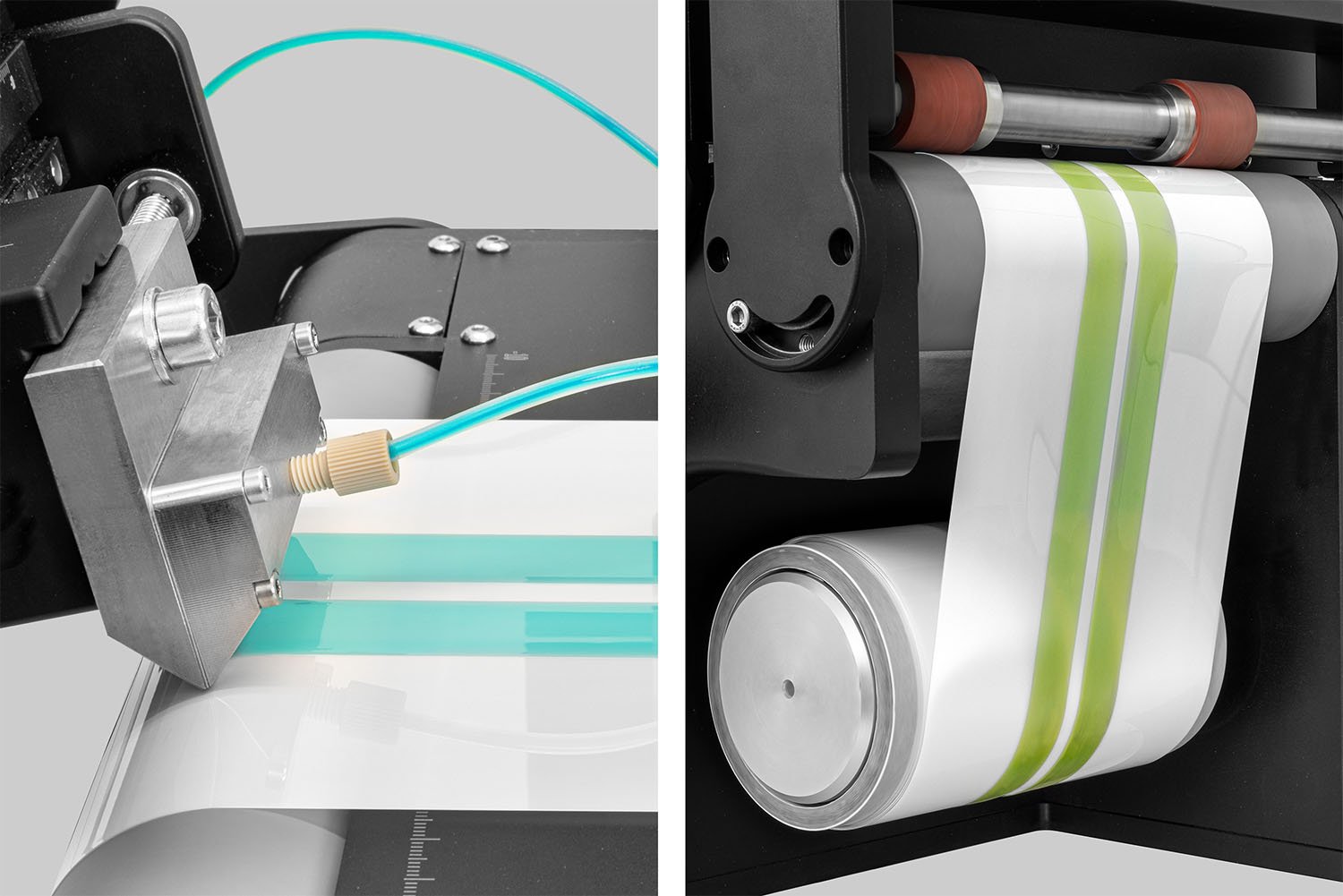
Why Use Slot-die Coating?
Slot-die coating is widely adopted across industries because it combines precision, efficiency, and scalability. Its controlled process allows manufacturers and researchers to produce high-quality coatings with minimal variability and material waste. The key advantages of using slot-die coating include:
Outstanding Thickness Control: Slot-die coating offers precise control over wet film thickness through the adjustment of flow rate, coating width, and substrate speed. This enables highly reproducible coatings ranging from ultra-thin layers to thicker functional films while maintaining excellent consistency between runs.
Exceptional Film Uniformity: The controlled delivery of coating material creates highly uniform films with minimal thickness variation. By operating within a stable coating window, slot-die coating can significantly reduce common coating defects such as streaks, ribbing, and edge irregularities.
High Material Efficiency: As a pre-metered coating process, slot-die coating applies only the required amount of material to the substrate. This minimizes waste and makes the technology particularly valuable when working with expensive functional materials and advanced formulations.
Scalable from Lab to Production: Slot-die coating is widely used in both research environments and industrial manufacturing. The same process principles can be applied from laboratory-scale experiments to pilot production and large-scale roll-to-roll manufacturing, simplifying technology transfer and process scale-up.
Wide Material Compatibility: The technology is compatible with a broad range of inks, slurries, and functional materials across various viscosities. This flexibility makes slot-die coating suitable for batteries, solar cells, printed electronics, sensors, membranes, optical coatings, and many other advanced applications.
Supports Advanced Research and Manufacturing: Researchers and manufacturers rely on slot-die coating when reproducibility, process control, and scalability are essential. The technology plays a key role in the development of next-generation energy devices, flexible electronics, functional coatings, and other emerging technologies.
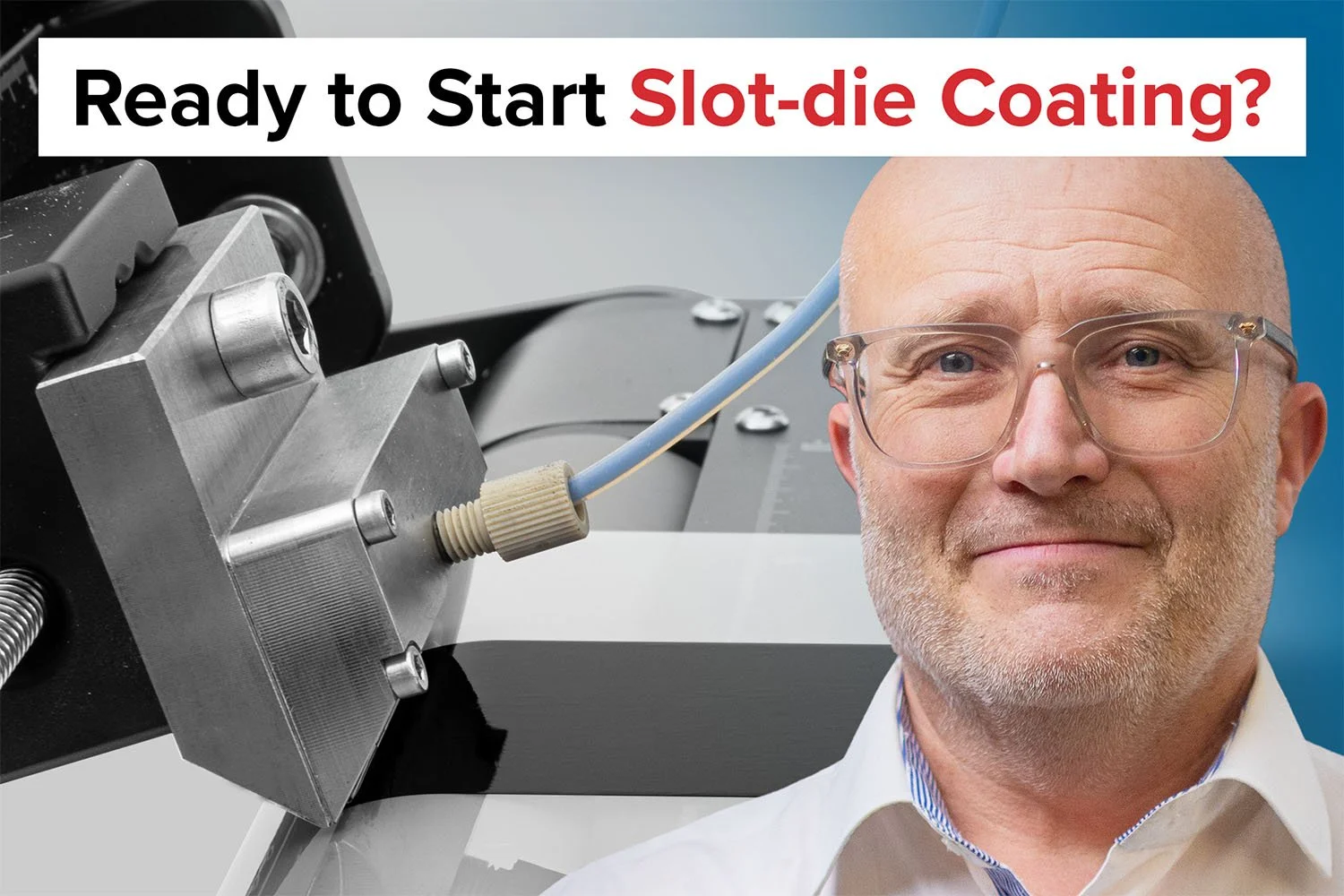
Is Slot-die Coating for You?
Slot-die coating is a versatile method that can help researchers and manufacturers achieve precise, uniform, and reproducible thin films. Whether you are developing new materials or scaling up production, it’s important to understand how this technique can meet your specific needs.
We can support you in exploring slot-die coating through:
Expert Consultation: Discuss your application with our team and evaluate whether slot-die coating fits your project goals.
Visit Our Lab: See the process in action and understand its capabilities firsthand.
Hands-On Workshops: Participate in practical sessions to test ideas, learn techniques, and gain experience with slot-die coating.
Who Benefits From Slot-die Coating?
Slot-die coating provides precise, uniform, and reproducible deposition of thin films, making it valuable across a wide range of applications. Researchers, developers, and manufacturers benefit from its ability to handle diverse materials, support scalable production, and deliver consistent results. The technique is especially useful when uniformity, control, and efficiency are critical to success.
Industries that rely on slot-die coating include:
Battery Manufacturing:Coating electrodes, separators, and solid-state layers with precision and consistency.
Pharmaceuticals: Applying uniform coatings for drug delivery systems and medical devices.
Membranes: Producing high-performance filtration and separation membranes.
Fuel Cells: Fabricating thin functional layers for energy conversion devices.
Solar Cells: Depositing uniform active layers for photovoltaic devices.
Adhesives: Creating controlled, consistent coatings for industrial bonding applications.
Packaging: Applying functional or protective coatings to packaging materials.
Sensors: Producing thin-film layers for chemical, optical, and electronic sensors.
Electrochromics: Coating layers for smart windows and display technologies.
Electronics & Displays: Printed circuits, flexible electronics, and advanced components.
Materials Research & R&D: Testing new inks, polymers, and nanomaterials in a reproducible manner.

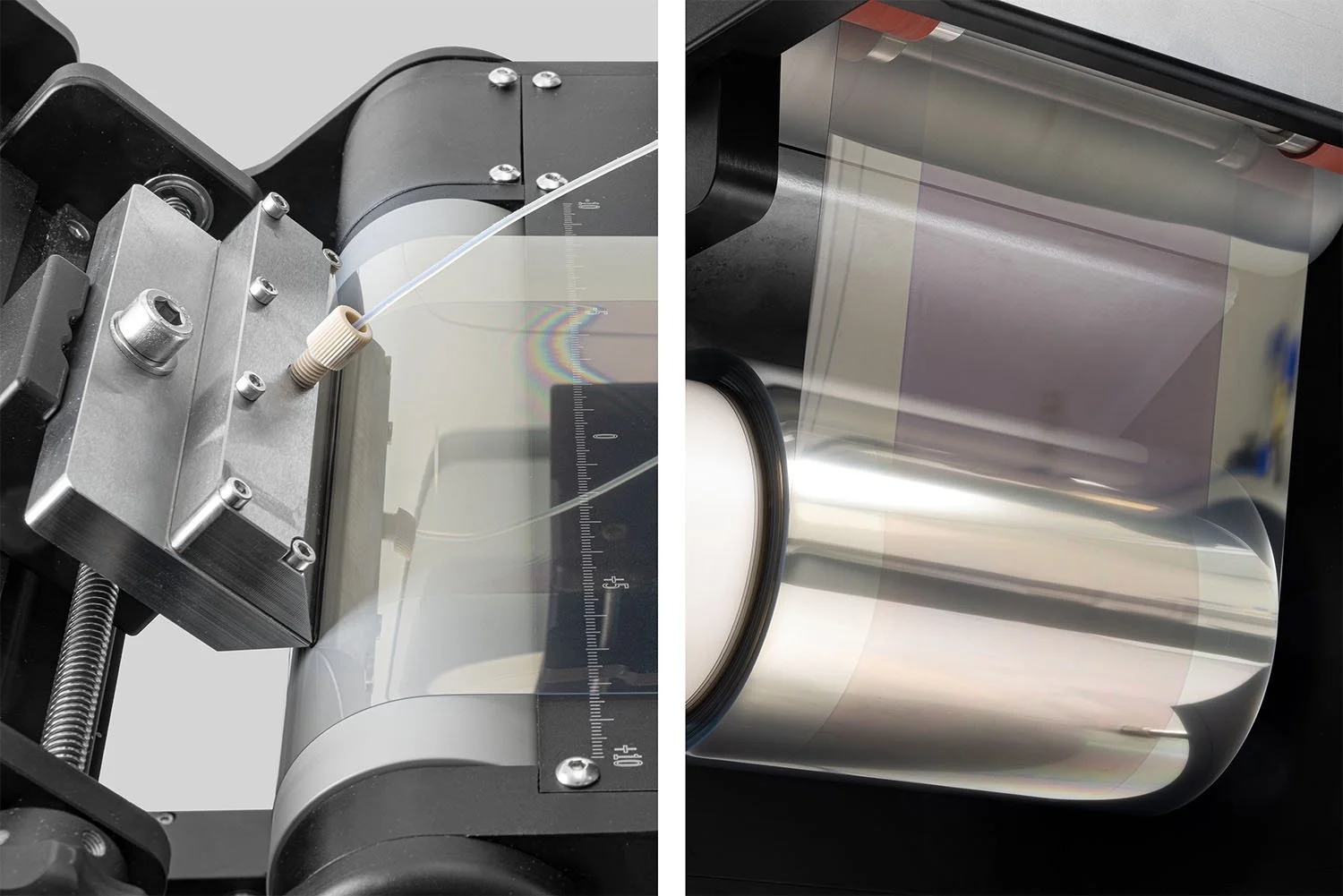
Slot-die Coating: Sheet Coating or Roll-to-Roll Coating?
Slot-die coating can be applied using different substrate handling methods, depending on the project and production scale. Two common approaches are sheet coating and roll-to-roll (R2R) coating. Each method has distinct advantages, making slot-die coating adaptable for both laboratory-scale experiments and high-volume manufacturing. Understanding the differences can help you select the approach that best suits your materials, throughput requirements, and process goals.
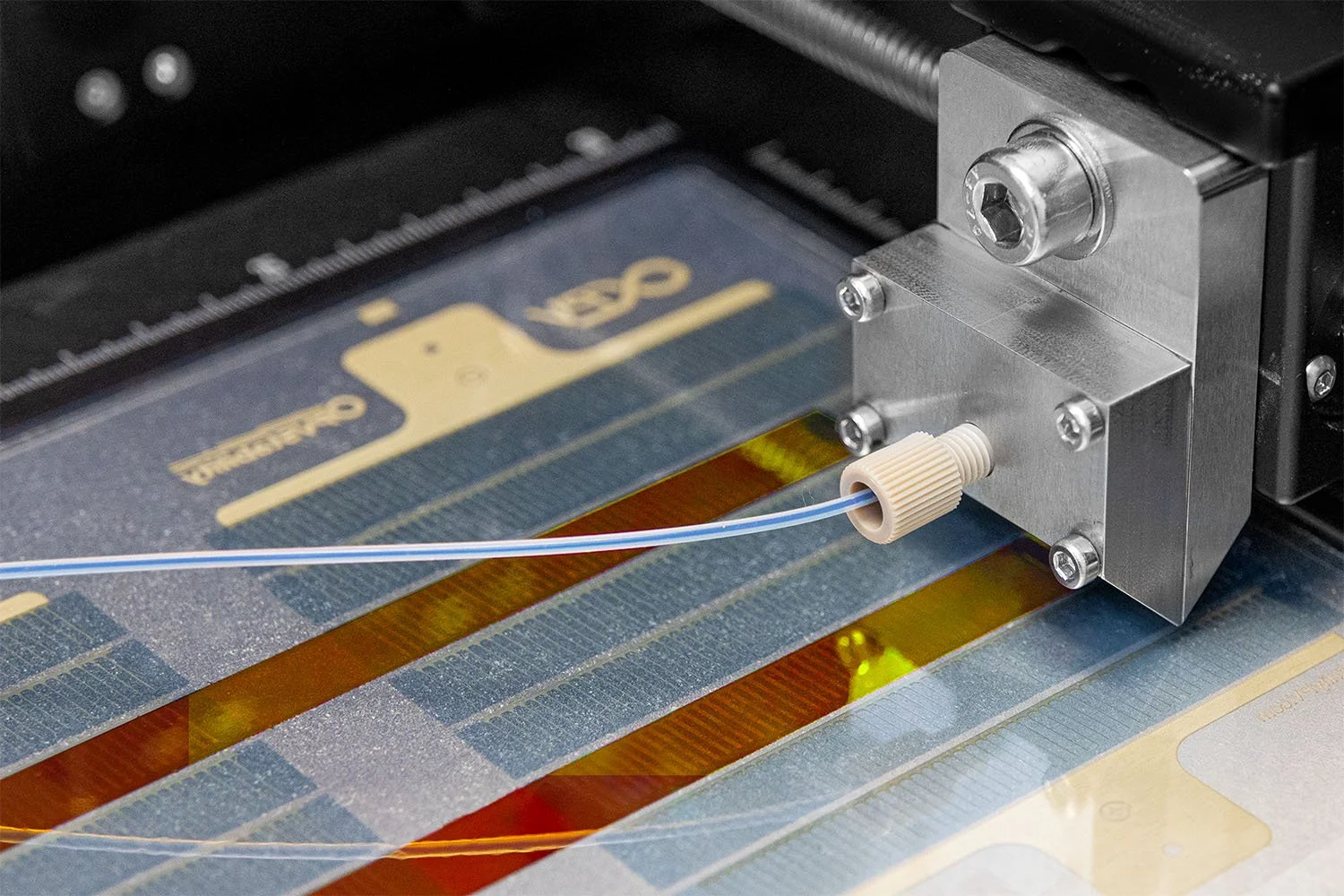
Sheet Coating
Sheet coating involves applying liquid materials onto individual, rigid substrates such as glass, silicon, or plastic sheets. This method is often used in research, prototyping, or low-volume production where precise control over small samples is required.
Sheet coating allows easy handling and inspection of each coated piece, making it ideal for developing new formulations, testing layer uniformity, or evaluating multi-layer structures before scaling up.

Roll-to-Roll Coating
Roll-to-roll coating is designed for continuous processing of flexible substrates, such as polymer films or foils. In this method, the substrate is unwound from a roll, coated, and rewound after drying or curing.
R2R slot-die coating is highly efficient for large-scale production, enabling fast throughput, consistent layer quality, and minimal material waste. It is commonly used in industrial applications, including flexible electronics, solar cells, batteries, and large-area functional coatings.
The Role of the Slot-die Head
What is a Slot-die Head?
The slot-die head is the central component of any slot-die coating system, responsible for delivering coating material with precision onto a substrate. Its design, internal geometry, and alignment directly impact the uniformity, stability, and quality of the resulting thin film.
A slot-die head is made up of several core elements that work together to guide the fluid from the supply system to the substrate.
Exterior Plates: Front and back plates form the main body of the head, securing internal components and connecting to the fluid delivery system.
Shim: A thin metal sheet that directs the coating material from the internal reservoir to the substrate. Its shape determines the coating width and pattern.
Meniscus Guide (optional): A small protrusion at the lips of the head that stabilizes the fluid interface between the head and substrate, helping maintain consistent flow.
Material enters the slot-die head through an inlet and first fills an internal chamber, often referred to as the reservoir or manifold. From there, it is guided to the coating lips and deposited onto the moving or stationary substrate. Unlike “self-metered” coating methods, the wet film thickness in slot-die coating is pre-metered, meaning it is determined by the following parameters:
Pump rate (Q): The volume of fluid entering the head.
Substrate speed (U): How fast the substrate moves under the head.
Coating width (W): The width across which the material is applied.
This approach provides a contact-free, highly controlled coating process, capable of handling a wide range of viscosities and formulations.
Non-Heated vs. Heated Slot-Die Heads
Slot-die heads can be either non-heated or heated, and the choice depends on the material and process conditions.
Non-Heated Slot-Die Heads
Non-heated heads are simple, cost-effective, and ideal for materials with stable viscosity that do not require temperature control, such as adhesives or sealants. However, ambient temperature fluctuations can affect coating consistency.
Heated Slot-Die Heads
Heated heads maintain optimal viscosity and flow for temperature-sensitive materials. Heating can be indirect, via a heated mount, or direct, with integrated heating elements. Direct heating offers precise temperature control and uniform heat distribution, ensuring consistent coating quality. Heated heads are essential for applications requiring stable process conditions or materials that are sensitive to viscosity changes.


Selecting the Right Slot-die Head for Your Application
Choosing the right slot-die head requires evaluating several factors related to your application, materials, and production requirements. The optimal design depends on both the coating process and the properties of the ink or slurry being used.
Key considerations include:
Coating speed: High-speed vs. low-speed processes
Ink viscosity: Low viscosity vs. highly viscous formulations
Ink rheology: Newtonian, thixotropic, or rheopectic behavior
Particle content: Presence, size, and magnetic properties of particles
Chemical compatibility: Mild chemistries vs. corrosive or reactive materials
Material cost and availability: Especially important for expensive or limited inks
Coating geometry: Narrow lines, stripes, or full-width coatings
Temperature requirements: Need for heating or cooling during coating
Ink stability: Whether continuous agitation is required to maintain homogeneity
Precision requirements: Tolerances needed for film thickness and uniformity
Budget constraints: Standard vs. custom slot-die heads
Versatility: General-purpose heads vs. designs dedicated to a specific process
Answering these questions helps determine the appropriate slot-die head material, design, lip configuration, feed ports, and additional features. Common materials include stainless steel (M315 or 316L), titanium, and PEEK, each offering different advantages in terms of corrosion resistance, durability, and weight.
For a more detailed overview of how to evaluate these parameters, you can read our complete slot-die head selection guide here.
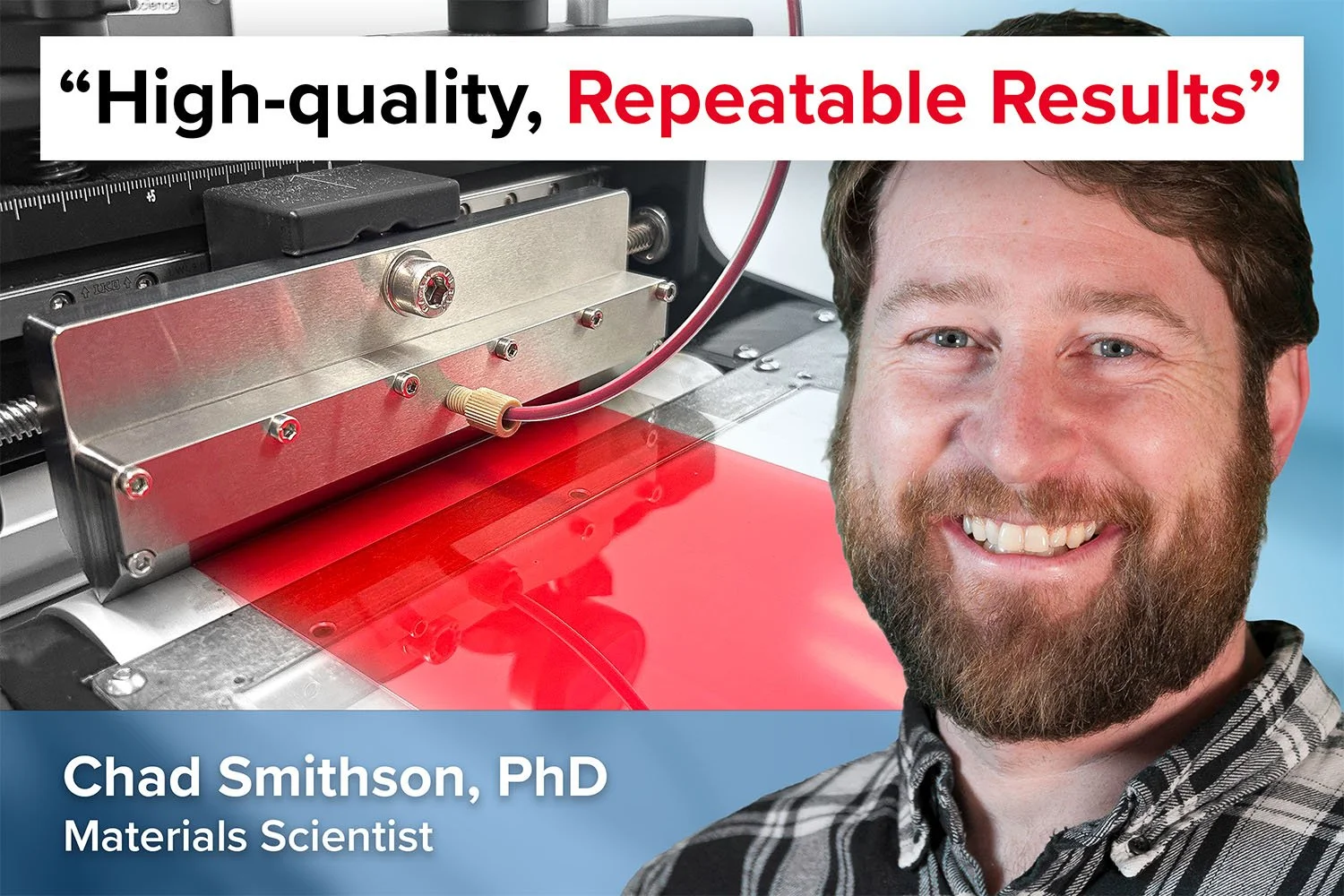
Slot-die Heads Deliver Consistent, High-Quality Coating for Trusscore
Chad Smithson, Materials Scientist at Trusscore, highlights the exceptional performance of the slot-die heads in their research on electrochromic coatings. The precision and reliability of the slot-die technology ensured uniform deposition of functional inks, which is critical for developing color-changing wall panels.
How to Choose a Slot-die Coater
What Slot-die Coater is Right for You?
A slot-die coater is the system that controls how coating material is applied to a substrate. While the slot-die head determines how the liquid is distributed, the coater itself handles substrate transport, drying, and integration with additional processing steps. Choosing the right coater is therefore essential for achieving reliable coating quality and efficient workflows.
Most slot-die coaters fall into three categories: sheet coaters, roll-to-roll (R2R) coaters, and hybrid systems. The right choice depends on several practical factors related to your application and production goals.
When selecting a slot-die coater, consider:
Substrate type: Rigid substrates (glass, metal, thick plastics) vs. flexible films or foils
Coating size: Small experimental samples vs. large-area coatings
Drying method: Bottom heating, oven drying, or specialized curing processes
Production scale: Single experiments, pilot-scale testing, or continuous production
Process flexibility: Need for additional treatments such as UV curing or secondary coatings
Understanding these factors helps determine which type of coating system best supports your research, development, or manufacturing needs.

Sheet Coaters
Sheet coaters process individual substrates one at a time, making them well suited for laboratory work, prototyping, and applications involving rigid materials. The substrate is typically placed on a flat stage where the slot-die head deposits the coating material onto the surface. This setup allows researchers to test new materials, adjust coating parameters, and run small experiments with high control.
These systems are compatible with both rigid and flexible substrates, including glass, silicon wafers, metal plates, and plastic sheets. Drying is often performed through bottom heating, where the substrate sits on a heated stage or hot plate. Because each substrate is handled separately, sheet coaters are ideal for research and small batches, though they are less efficient for large-scale production.

Roll-to-Roll Coaters
Roll-to-roll coaters operate with a continuous flexible substrate that moves from an unwinder, through the coating station, and onto a rewinder. Unlike sheet coaters, they allow continuous deposition of coating material over long lengths, making them highly suitable for large-area coatings and industrial production.
The coated substrate usually passes through oven-based drying sections, with heat applied from above or multiple directions to ensure consistent film formation. R2R systems also support inline integration of additional processes, such as curing, secondary coatings, UV/IR treatment, or cutting.
While initial setup requires careful threading and alignment, the continuous workflow becomes highly efficient once running. Roll-to-roll coaters are ideal for pilot-scale research, process development, and high-volume production, where throughput and consistency are critical.
Finding the Right Coating Approach for Your Application
No two coating applications are exactly the same, and choosing the right slot-die coating method can be challenging. Different approaches, such as inline slot-die coating, wet-on-wet coating, and pristine clean surface coating, offer distinct advantages depending on your material, substrate, and production goals.
Understanding these methods helps you achieve uniform films, reproducible results, and optimal performance, whether you are working on research, pilot-scale testing, or full-scale manufacturing.
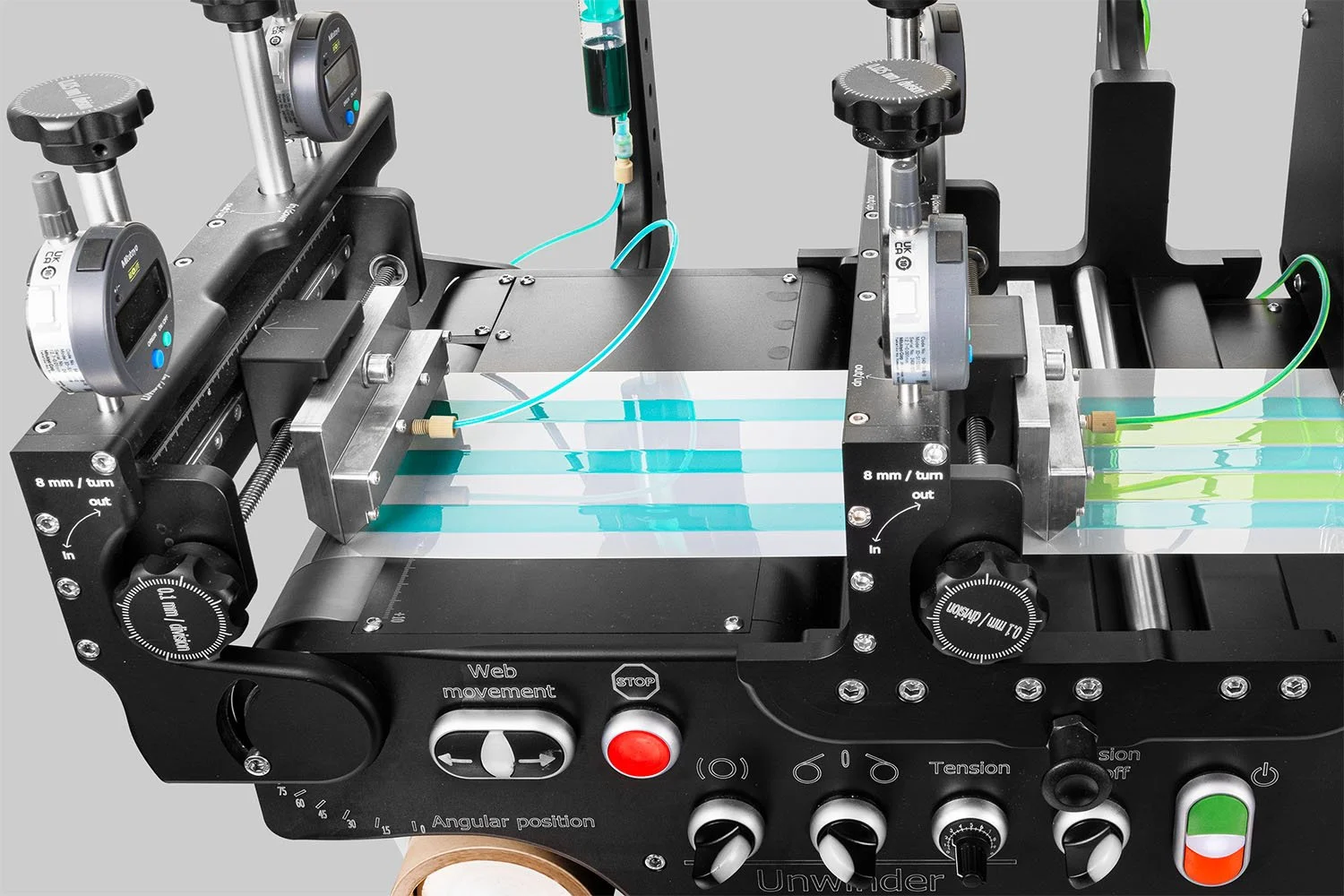
Inline Slot-die Coating
Flexible substrates move continuously through coating, drying, and laminating stations under precise tension. Ensures high throughput, uniform layers, and reproducible results.
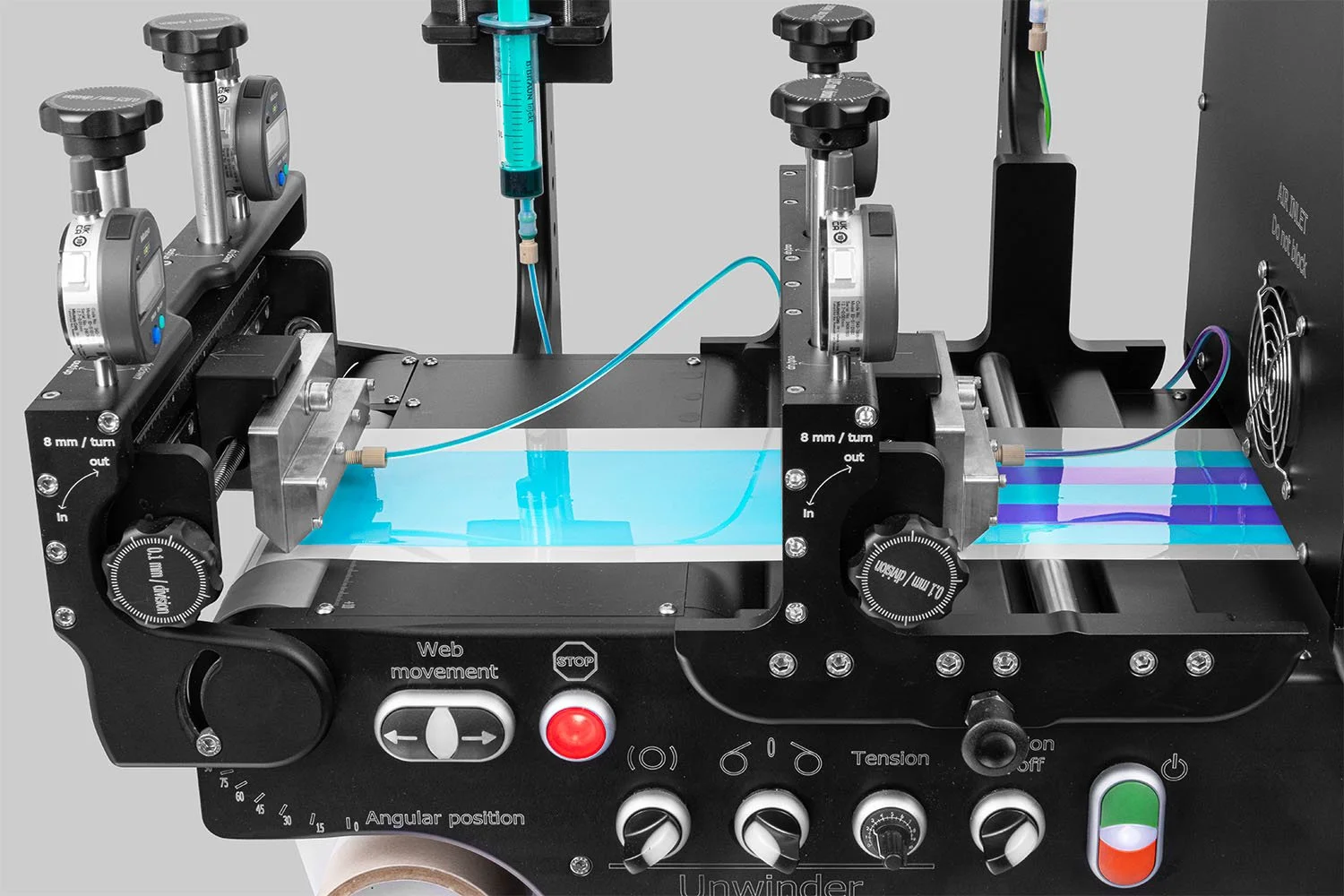
Wet-On-Wet Slot-die Coating
Two slot-dies apply wet layers consecutively without drying. Controlled spacing and speed create multilayer films with consistent thickness and adhesion.

Pristine Clean Surface Cleaning
Functional coatings are applied immediately after liner removal onto an untouched, contamination-free surface. This method improves adhesion, reduces defects, and enhances reproducibility—especially when combined with cleanroom environments for sensitive pharma films or biomedical devices.

Choosing the Right Pump
Selecting the right pump is critical for achieving consistent, high-quality coatings with a slot-die system. Key considerations include the viscosity and rheology of your material, the presence of particles, required flow rates, and the need for precise, reproducible dispensing.
Syringe pumps are ideal for small-to-medium volumes and highly precise delivery, gear pumps provide continuous, stable flow for higher-volume applications, and screw or piston pumps handle high-viscosity or abrasive materials.
The right pump ensures smooth ink delivery to the slot-die head, minimizes defects like streaking or air bubbles, and supports both lab-scale experiments and scalable production. Proper selection also simplifies maintenance, reduces material waste, and improves overall process efficiency, making it a fundamental component of any slot-die coating setup.
Reduce Waste and Boost Consistency with R2R Wet Processing
Roll-to-Roll Wet Processing for Slot-Die Coating
Roll-to-roll (R2R) wet processing allows flexible substrates to move continuously through coating, drying, or functional treatment steps. When combined with slot-die coating, this approach ensures uniform, reproducible layers and supports applications that require precise multilayer or specialty coatings.
Integrated and Precise
R2R processing can integrate multiple steps into a single workflow, from coating to drying or secondary functionalization. This allows precise control at every stage, improving reproducibility and efficiency for a wide range of materials and formulations.
Applications and Benefits
R2R slot-die coating is ideal for thin films, multilayer structures, functional coatings, membranes, adhesives, and flexible electronics. Continuous processing reduces variability, improves material utilization, and enables smooth scaling from laboratory experiments to pilot or full-scale production. Controlled environments, such as cleanrooms, can be used for sensitive materials.
Guidance for Your Process
We can help you determine the best R2R slot-die coating approach for your application. From lab-scale trials to pilot or production runs, our team provides guidance to achieve reproducible, scalable results efficiently.

Controlled Environments for Reliable Slot-die Coating
Why Use Controlled Environments?
Some materials are highly sensitive to moisture, oxygen, or contamination. Gloveboxes, fume hoods, and cleanroom setups provide controlled conditions for slot-die coating, drying, and material handling, ensuring that sensitive films and functional layers are applied reliably and consistently.
Integrated and Safe
Working in controlled environments allows coating, drying, and processing to be performed without exposing materials to air or contaminants. This improves reproducibility and protects both the materials and the process, making it ideal for delicate formulations, reactive chemistries, or high-performance functional coatings.
Applications and Benefits
Controlled environments are particularly useful for moisture-sensitive polymers, reactive inks, functional membranes, and biomedical or electronic coatings. They help reduce defects, maintain consistent layer quality, and enable reproducible results across lab-scale experiments, pilot tests, and production-scale processes.
Guidance for Your Process
Our team can help determine the best controlled environment setup for your slot-die coating needs. From laboratory research to pilot-scale production, we provide guidance on safe, reproducible workflows that ensure high-quality coatings for sensitive materials.

Plasma and Corona Treatment
For certain slot-die coating applications, surface energy plays a critical role in achieving uniform, defect-free layers. Corona and plasma treatments are widely used to modify the surface of non-porous substrates, improving wettability and adhesion of inks, coatings, and functional materials.
By increasing surface energy, these treatments help prevent dewetting, promote consistent spreading of the coating, and enhance bonding strength—especially on polymers, foils, or other low-energy materials. Incorporating corona or plasma treatment into your slot-die coating workflow ensures more reliable, high-quality coatings and supports reproducible results across research, pilot, and production scales.
We’re Here to Help You Find the Right System
Wet get it. Choosing the right slot-die or roll-to-roll coating system can feel complex, especially if you’re new to the technology. That’s why our team is here to guide you at every step, helping you select the right coating approach, optimize layer quality, and achieve consistent, scalable results.
Slot-die Coater
Ideal for lab research, prototyping, and small-batch production. Sheet-based processing allows flexible testing, parameter adjustments, and precise coatings in limited quantities.
Laboratory Roll-to-Roll Coater
Best for scaling lab results to continuous, high-throughput production. Ensures uniform, consistent coatings on long substrates and supports transition to larger-scale manufacturing.

R2R Hybrid Coater
Combines sheet-based precision with roll-to-roll efficiency. Offers maximum flexibility for lab-scale thin film processing—from early formulation work to pilot-scale production.
Learn More About Slot-die Coating