
What Is Roll-to-Roll Wet Processing?
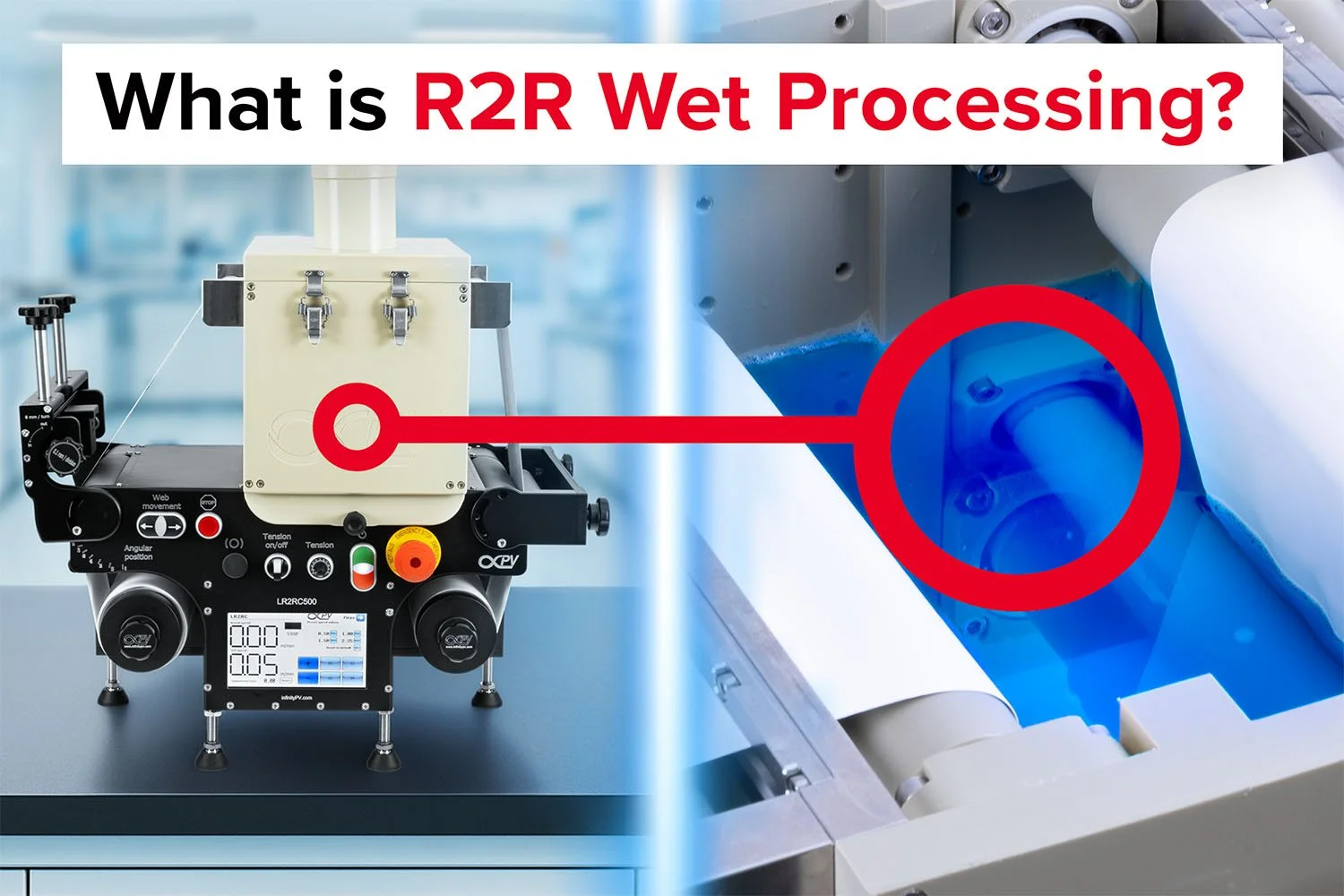
Roll-to-roll wet processing is a continuous web-based manufacturing method in which a flexible substrate, polymer film, metal or metal-oxide-coated foil, nonwoven, membrane, or textile, is transported through a sequence of liquid-phase treatment zones followed by dried or curing.
The term wet processing distinguishes liquid-phase operations - immersion baths, spray or mist systems. Wet processing is generally lower in capital cost, more amenable to high-throughput operation, and capable of processing both sides of the substrate simultaneously — though it introduces its own process engineering challenges around bath management, contamination control, and solvent handling.
Line Architecture and Unit Operations
A complete R2R wet processing line is composed of a series of modular stations. The specific configuration depends on the process, but the following unit operations are typical:
Unwind and Web Transport: The unwind station controls the tension and alignment of the incoming substrate. Precise tension control is critical: too little and the web will wrinkle or drift laterally; too much and thin substrates may stretch or deform, changing their dimensional properties. Web speed is a key process variable, directly determining dwell time in each bath.
Pre-treatment: Reliable and reproducible chemical processing requires a well-prepared substrate surface. Pre-treatment typically involves surface activation using slot-die coating or corona treatment to change the surface energy and promote wetting and adhesion.
Corona treatment changes the surface energy and promotes wetting and adhesion.
Wet Processing Baths The process baths are the functional core of the line. Depending on the target application, the chemistry in these zones may perform very different functions:
Chemical conversion and surface modification: Reactions that alter the chemical composition of the substrate surface layer — oxidation, reduction, hydrolysis, silanisation, or polymer grafting
Electrochemical deposition: Controlled deposition of metallic or semiconductor layers through faradaic processes; requires precise control of current density, bath temperature, and electrolyte composition
Functionalisation: Covalent or physical attachment of molecules, nanoparticles, or coatings to impart specific surface properties — hydrophilicity, hydrophobicity, conductivity, catalytic activity, or biological function
Etching and patterning: Selective dissolution of material using acid, base, or oxidising agents to create surface topography, define electrical features, or remove unwanted layers
Ion exchange and membrane conditioning: Treatment of ion-selective membranes to establish the ionic form, swelling state, and transport properties required for their end application
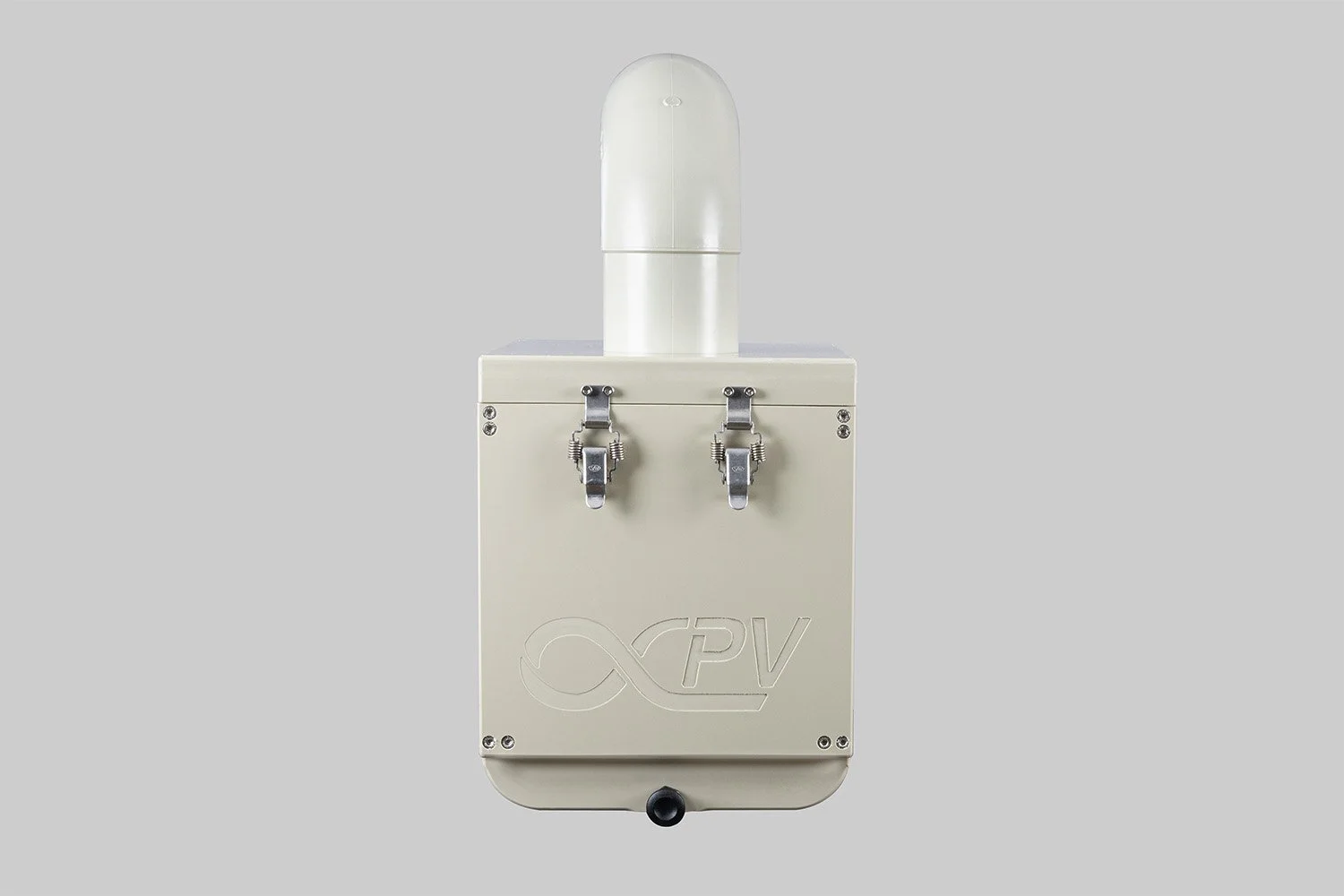
The essential part of the Wet Processing Center is the tank that holds the liquid, the rollers and all the auxiliary products such as stirring, cooling, heating, circulation, ventilation in a pseudo sealed container.
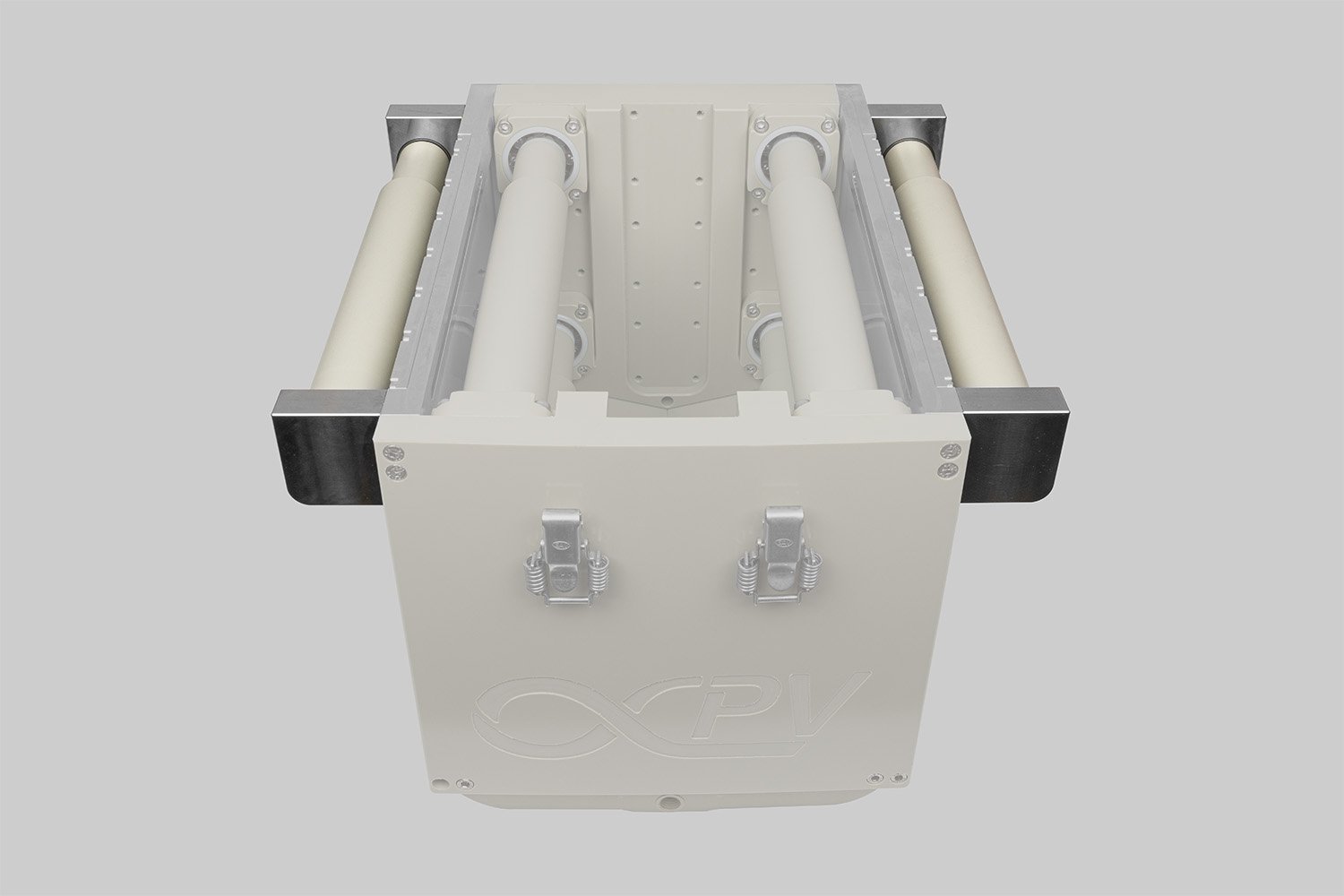
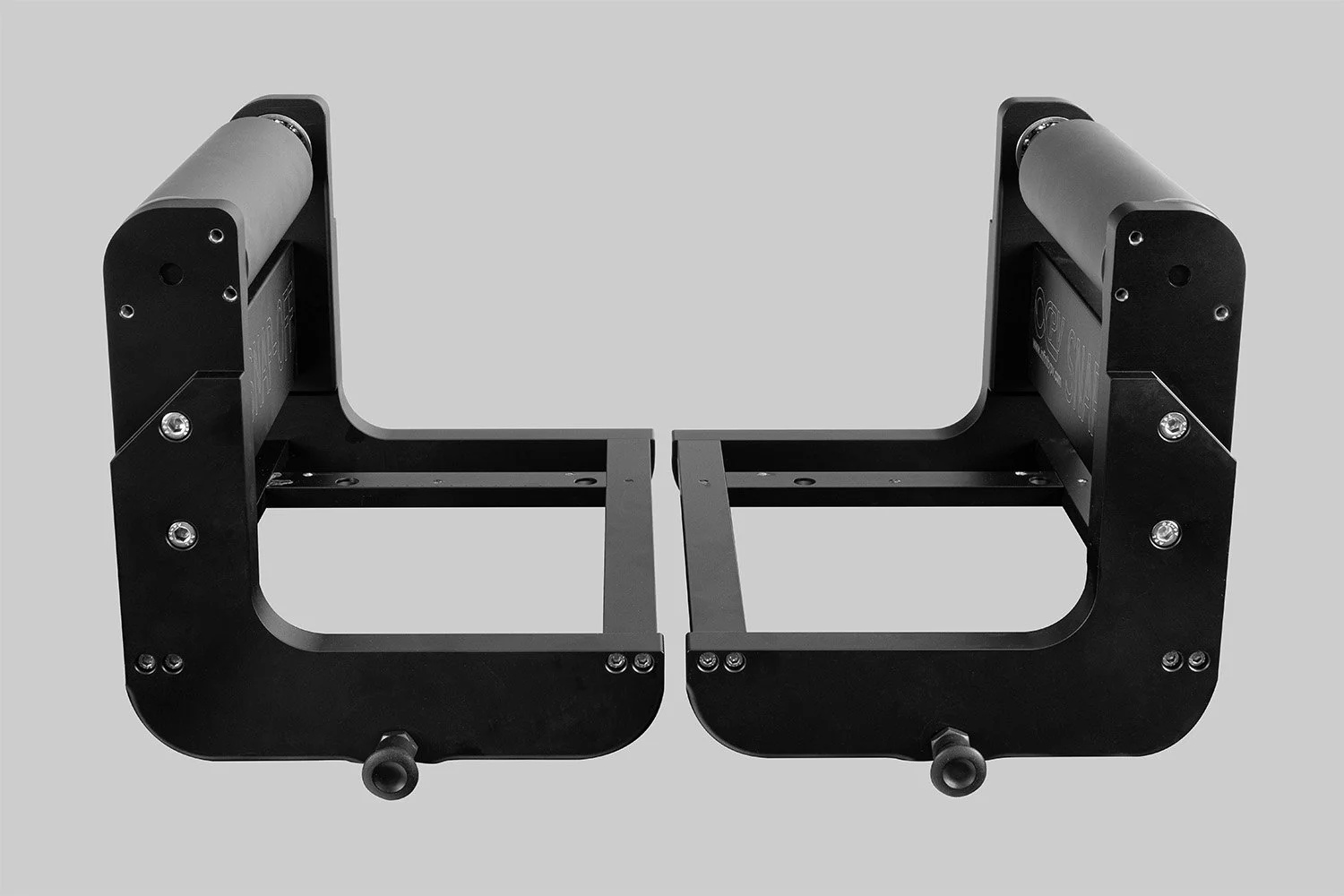
The Infeed-Outfeed Rollers can be designed as self-centering or straight and can be electrically connected to circuitry for electrochemistry or electrically insulating. The rollers feature 316L stainless steel bearing holders, equipped with either stainless steel or ceramic bearings.
Bath management is a significant engineering challenge in production environments. Consumption of reagents must be compensated by controlled dosing, by-products must be managed, temperature uniformity across the bath must be maintained. Modern R2R systems incorporate in-line monitoring and automated replenishment to hold bath chemistry within tight process windows.
Rinsing: Between each process bath, and after the final treatment step, thorough rinsing is essential. Counter-flow cascade rinsing is the standard approach: the substrate passes through a series of rinse tanks in which fresh water flows in the opposite direction to the web, maximising dilution efficiency and minimising water consumption. Conductivity monitoring of the final rinse stage provides real-time verification that residual chemistry has been removed to the required level.
Drying: Two complementary drying approaches are commonly employed. Air knife drying uses a high-velocity curtain of air or inert gas directed across both surfaces of the substrate. When positioned at the exit of the process bath and directed back toward the bath surface, the air knife also serves a secondary containment function: it suppresses solvent vapour emissions from the bath zone, creating a pseudo-enclosed environment without requiring a sealed enclosure — particularly valuable when working with volatile or hazardous solvents. Dual-sided configurations ensure symmetric drying and minimise the risk of residual liquid being drawn into the rewound roll.
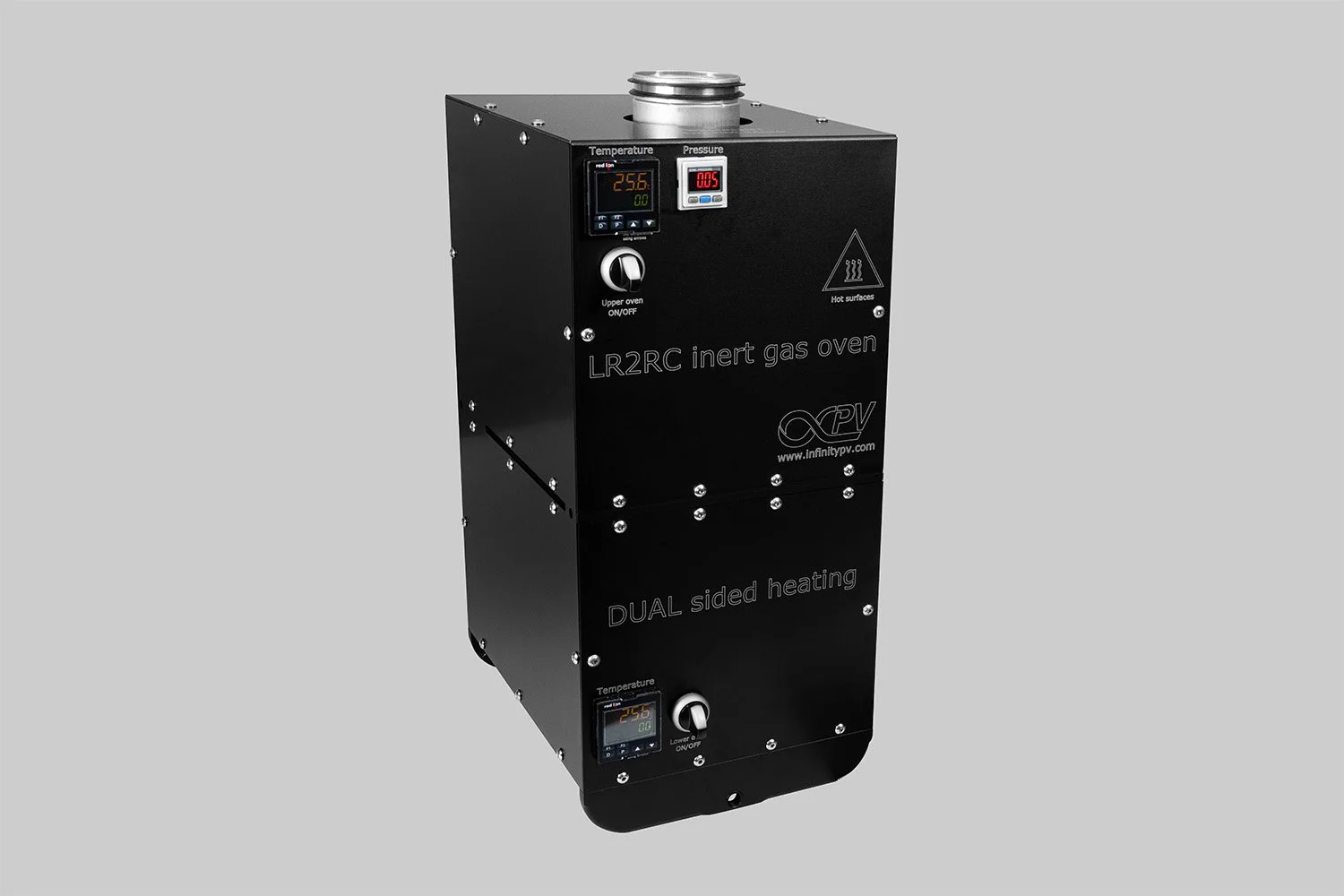
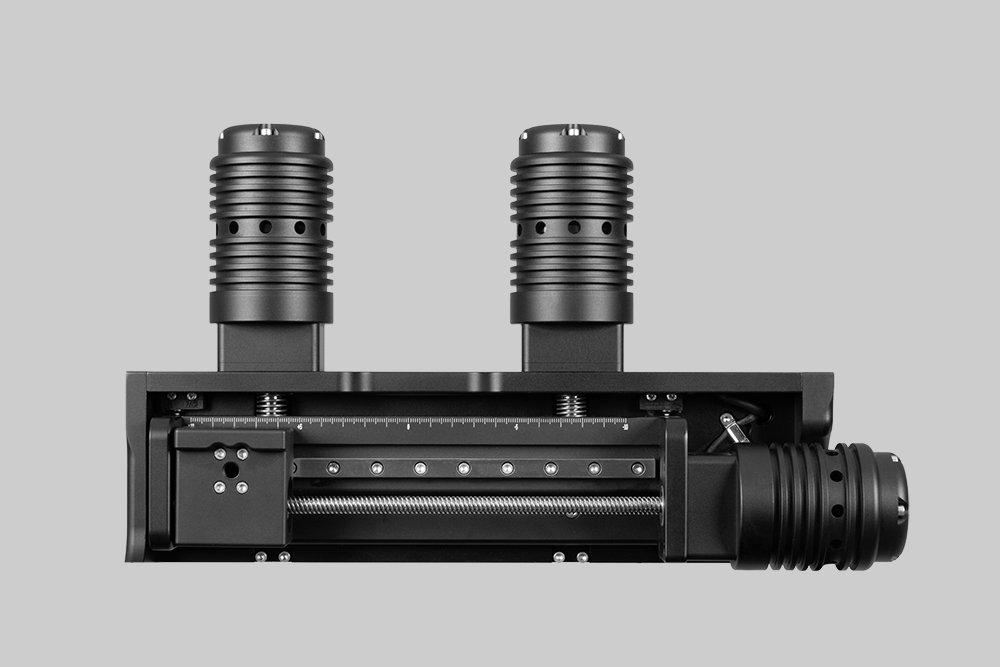
Enhance your thin-film drying process with the compact Dual-Sided Inert Gas Oven. Featuring precise PID temperature control and flexible gas flow options, it's ideal for fast, consistent drying in research and pilot runs.
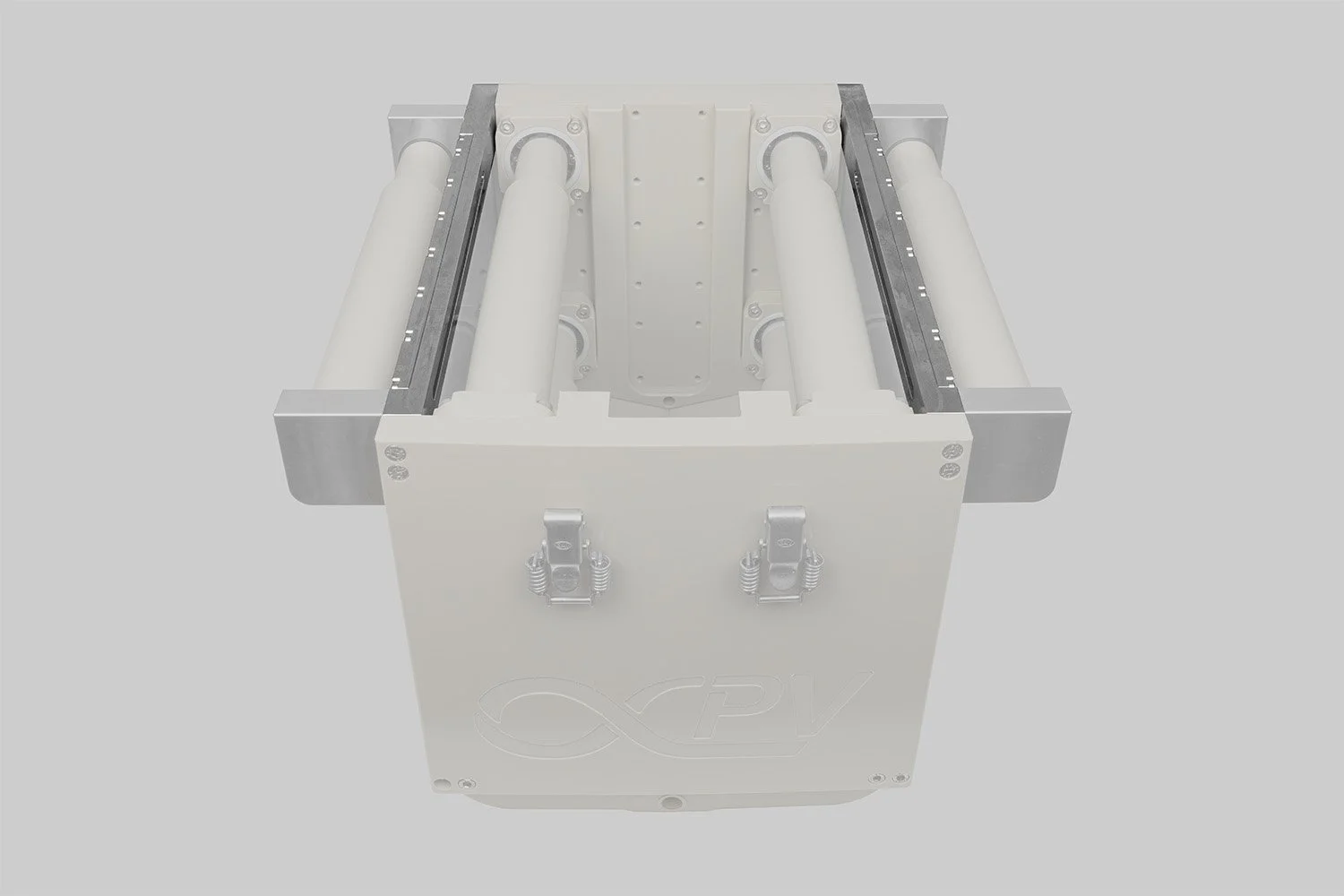
Blowing air or inert gas onto both sides of the foil, directed toward the Wet Processing Tank, effectively prevents emissions from escaping. This creates a pseudo-enclosed environment that is safe, contained, and adaptable for various processing needs.
Convection oven drying provides a controlled thermal environment for complete solvent removal. A dual-sided oven design — with independent control of temperature and gas flow rate on each face — allows precise tuning of the drying profile. PID temperature control maintains setpoints to within fractions of a degree, and the use of either inert gas or dry compressed air enable fast drying even at elevated web speeds.
Integration with Coating Processes: Slot-die coating heads can be incorporated inline. Slot-die coating is a pre-metered, closed-die technique: liquid is pumped at a controlled volumetric flow rate through a precision-machined die, depositing a wet film of defined thickness. The combination of wet processing and slot-die coating in a single continuous pass enables multi-layer material architectures to be built up without intermediate handling or exposure to ambient conditions.
Rewind: The take-up reel must maintain consistent web tension during rewinding to prevent interlayer slip, blocking, or deformation. The rewind station typically incorporates a dancer or load-cell tension control system to compensate for the increasing roll diameter as material accumulates.
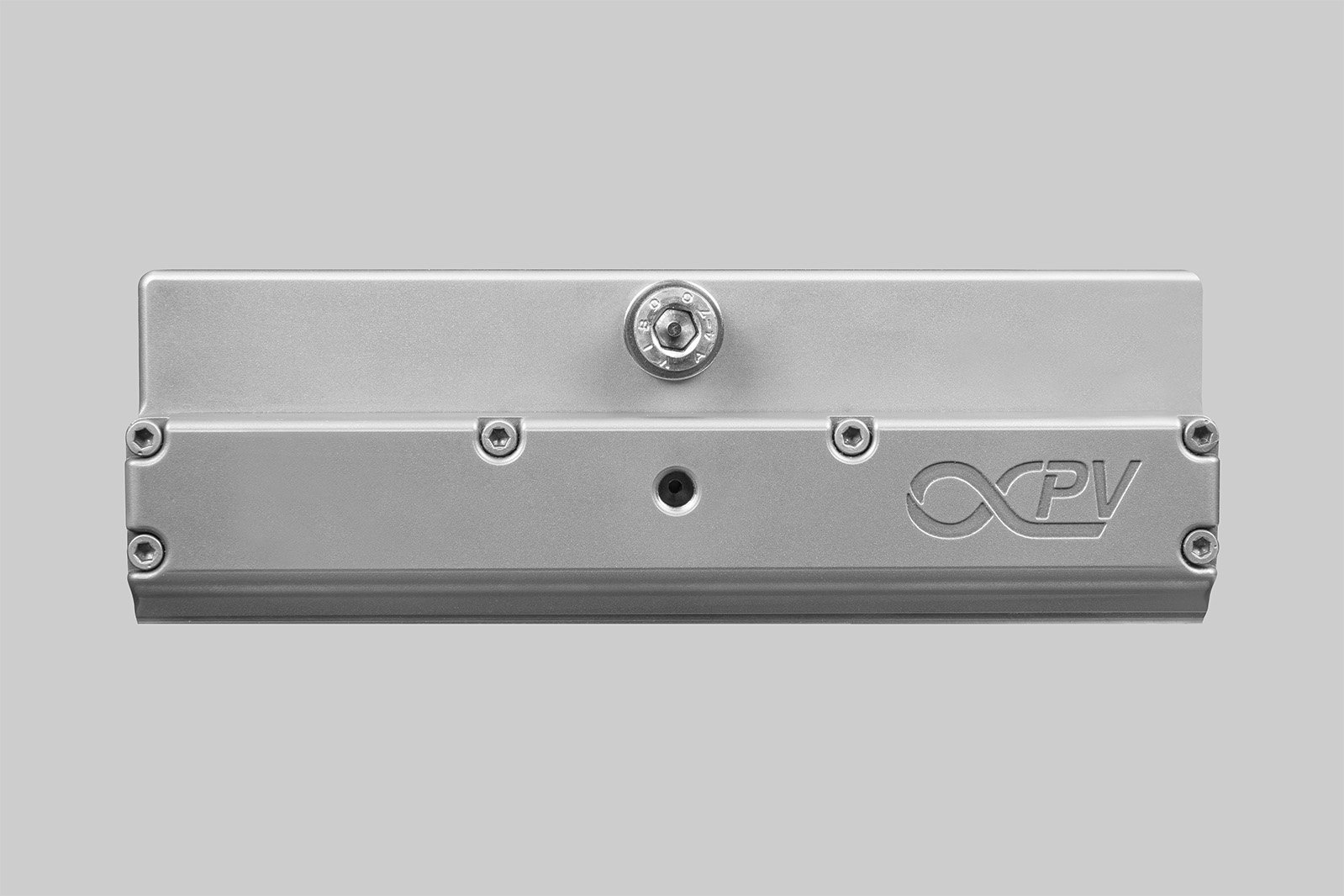
Selecting the right slot-die head is critical for quality, efficiency, and cost-effectiveness.
Key Process Parameters and Their Significance
The performance of an R2R wet process is governed by a set of interdependent parameters:
Web speed: determines dwell time in each bath zone; must be matched to the kinetics of the chemical process. Faster speeds increase throughput but reduce contact time and may require higher reagent concentrations or elevated temperatures to compensate
Bath temperature: controls reaction rate, viscosity, and in electrochemical processes, ionic conductivity. Tight temperature uniformity across the bath width (typically ±0.5°C or better) is required for uniform treatment
Reagent concentration and pH: must be held within narrow limits; drift occurs through consumption, evaporation, and drag-out of solution on the web
Immersion depth and web path geometry: determines dwell time for a given web speed and affects hydrodynamic conditions at the substrate surface
Tension profile: must be controlled across the full line to avoid wrinkling, lateral drift, or stretching, each of which degrades process uniformity
Drying profile: temperature, gas velocity, and residence time must be sufficient to remove solvent without inducing morphological changes in sensitive layers
The Laboratory Roll-to-Roll Coater is the ideal coating machine for scaling up to roll-to-roll processing of battery electrode materials or for testing and optimizing battery electrode slurries.
Applications
Electrochemical Energy Storage Electrode and separator manufacture for lithium-ion, sodium-ion, and next-generation battery chemistries involves multiple wet processing steps: slurry coating, electrolyte wetting of porous structures, surface treatment of separators to modify ionic selectivity and thermal stability, and post-treatment of electrodes to control surface chemistry at the electrode–electrolyte interface. Uniformity of coating thickness directly determines cell-to-cell capacity variation and lifetime.
Membrane Fabrication and Conditioning Polymer membranes for water treatment, gas separation, and electrochemical applications (fuel cells, electrolysers, redox flow batteries) are frequently manufactured or post-processed using R2R wet techniques. Phase-inversion membrane casting, followed by controlled immersion in non-solvent baths, produces the asymmetric pore structure that governs transport selectivity. Subsequent surface functionalisation — grafting of charged groups, deposition of thin selective layers, or antimicrobial treatment — is carried out in downstream bath stages on the same continuous platform.
Flexible Electronics and Printed Devices Wet chemical steps are common in flexible electronics fabrication: etching of conductive layers to define circuit features, electrochemical deposition of contact metals, surface passivation, and cleaning between deposition steps. R2R wet processing enables these steps at web speeds and substrate widths compatible with high-volume production, while maintaining the dimensional tolerances required by fine-feature electronics.
Functional and Barrier Films Optical films, anti-reflection coatings, gas barrier films, and adhesive laminates all require precise surface preparation and wet chemical treatment to achieve required interface properties. Hard-coating, anti-fog, and easy-clean functionalities are commonly applied via wet processing. For food and pharmaceutical packaging, barrier performance is critically dependent on defect-free surface chemistry at the nanoscale.
Textiles and Technical Nonwovens Functional finishing of technical textiles — antimicrobial treatment, hydrophobic or hydrophilic surface modification, flame retardancy, conductivity — is a well-established application. The same platform serves nonwoven substrates in filtration, medical, and hygiene applications, where surface chemistry governs functional performance and biocompatibility.
Advanced Coatings for Catalysis and Sensing Catalyst layers for hydrogen production (electrolysis) and fuel cells, as well as sensing layers for gas, chemical, and biosensor applications, are increasingly being deposited and conditioned via R2R wet processing. The ability to control layer thickness, composition, and surface morphology across large areas — at the throughput needed for cost-effective production — makes R2R the preferred platform for scaling these technologies from laboratory demonstrators to manufacturable products.
Discover how pristine clean surface coating eliminates defects by applying functional layers onto untouched substrates. Ideal for medtech, solar cells, OLEDs, and advanced electronics.
From Lab to Scale: The Process Development Pathway
One of the most strategically important properties of R2R wet processing is its intrinsic scalability.
The fundamental process physics, mass transfer at the substrate–liquid interface, heat transfer in the drying zone, web transport mechanics, are governed by the same engineering principles at pilot scale as at full production scale. A process developed on a compact research line can be transferred to a wider or faster production system with predictable outcomes, provided the dimensionless process are maintained.
In practice, the development workflow typically follows a structured pathway: parametric screening at small web widths and low speeds to identify the process window, design-of-experiment optimization of the key variables, scale-up to pilot line widths to validate uniformity across the full substrate width and finally transfer to production. Having equipment designed around the same engineering principles at each stage — rather than requiring fundamental process re-engineering at each step — significantly de-risks the development cycle.
Get Professional Support for Your Coating Needs
Need help with slot-die coating or machines? Contact our experts for guidance and support.
Related Articles
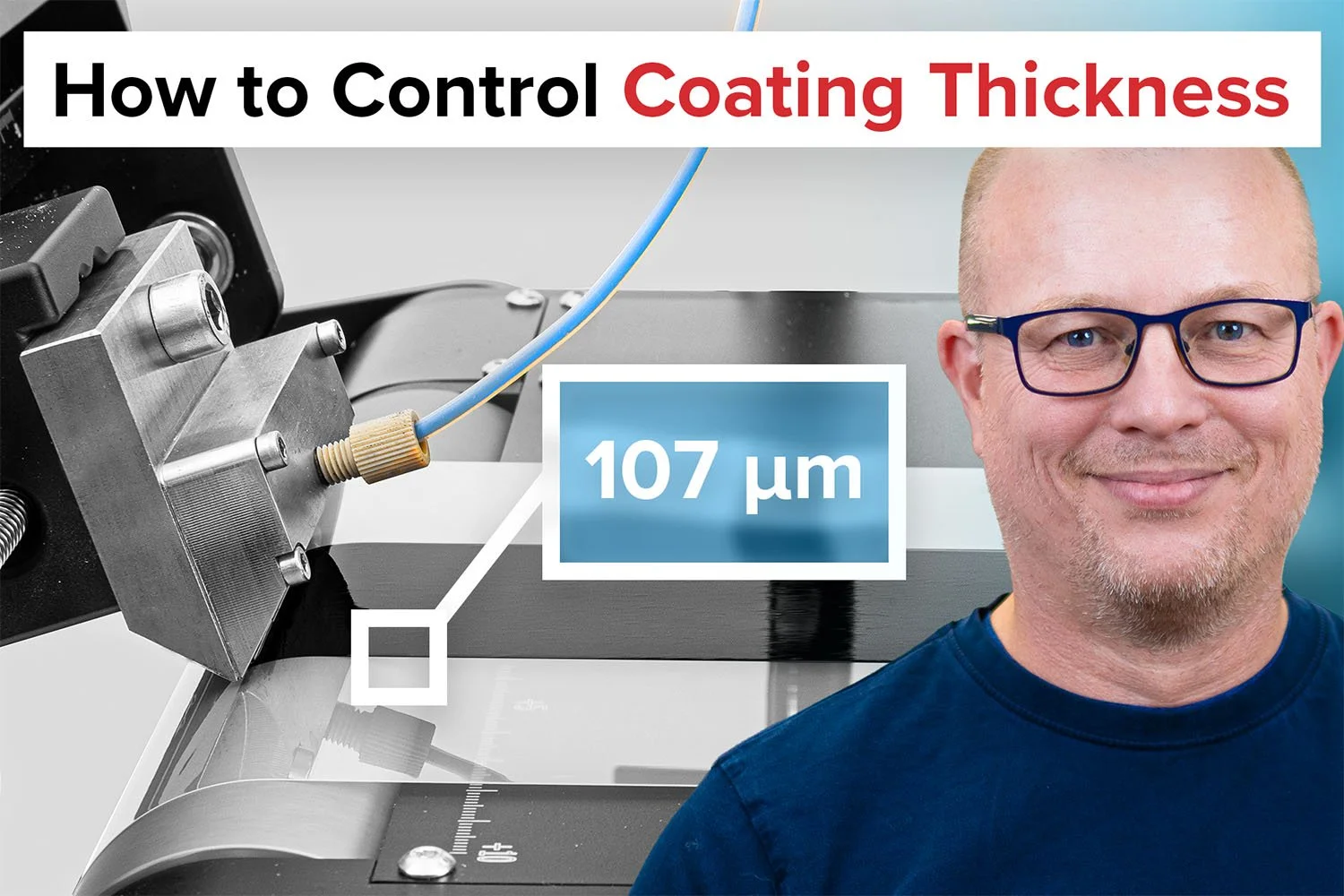

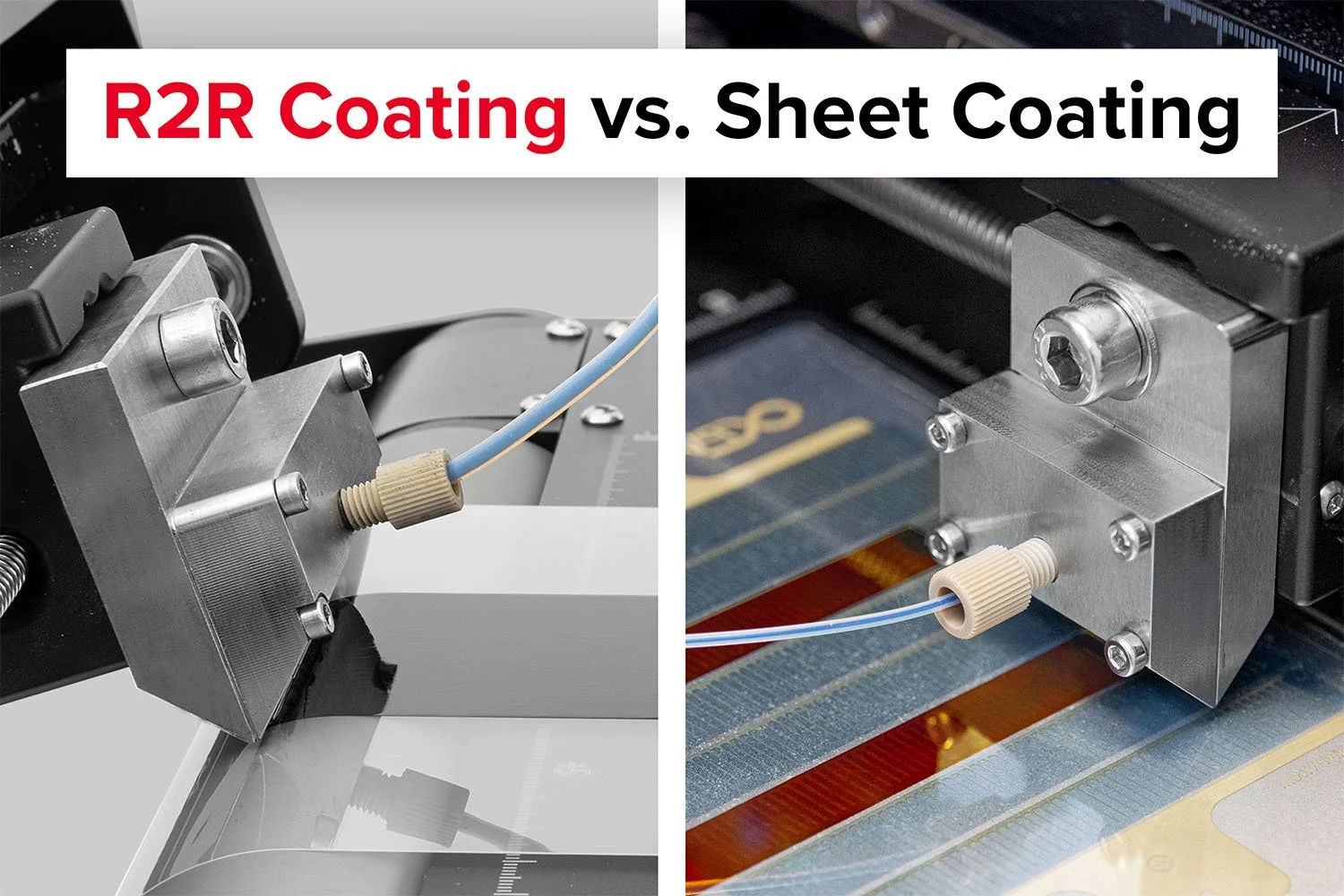





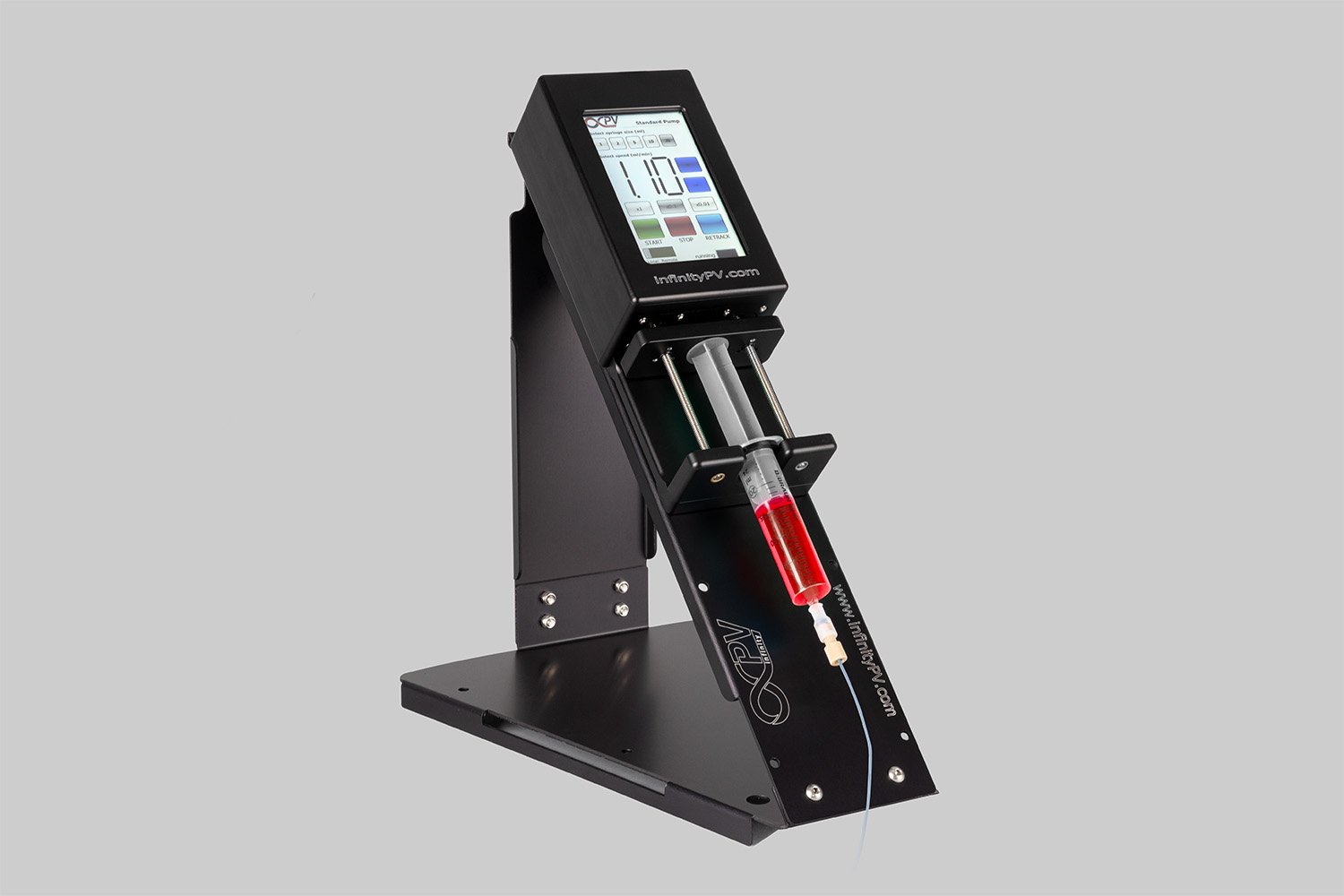
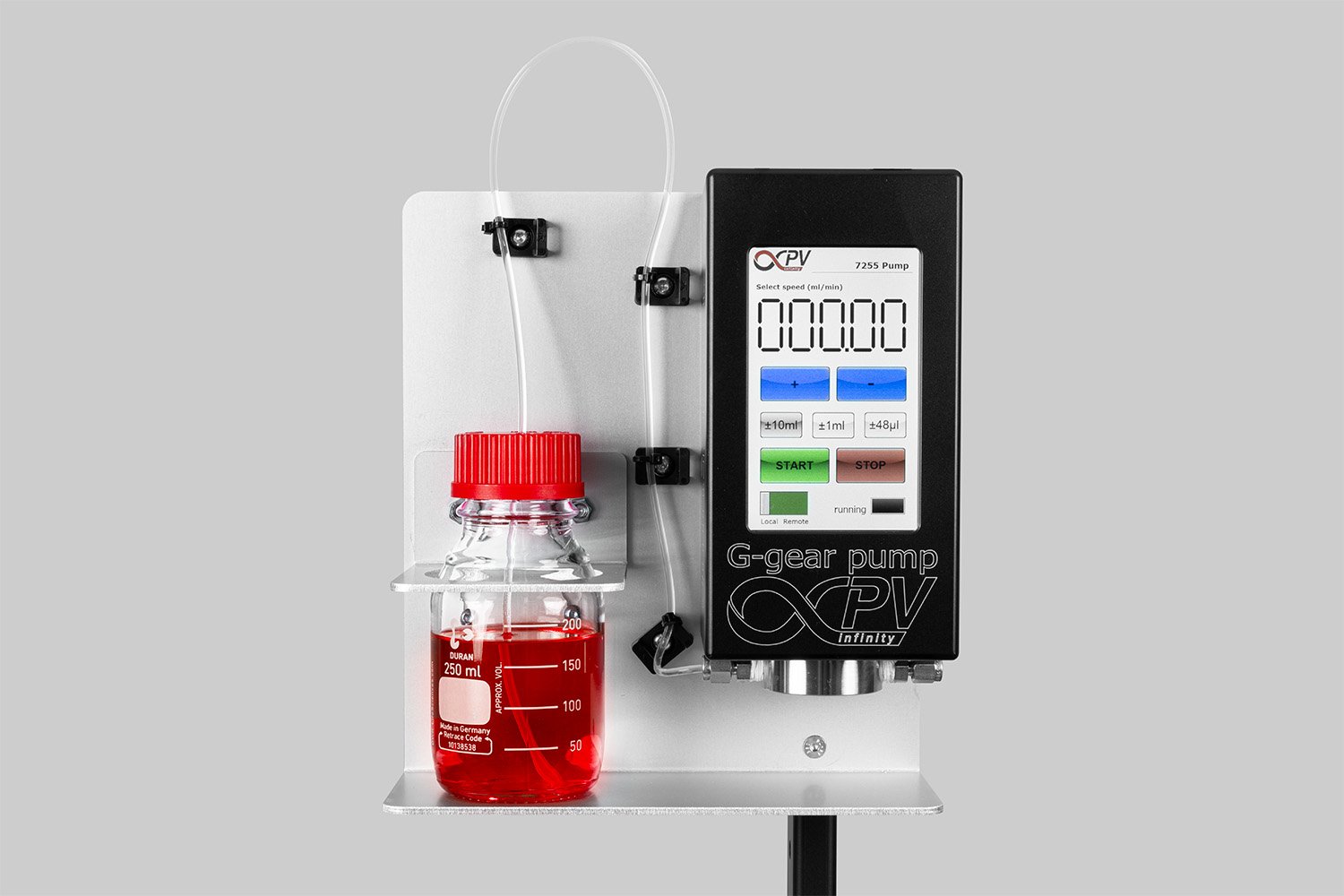
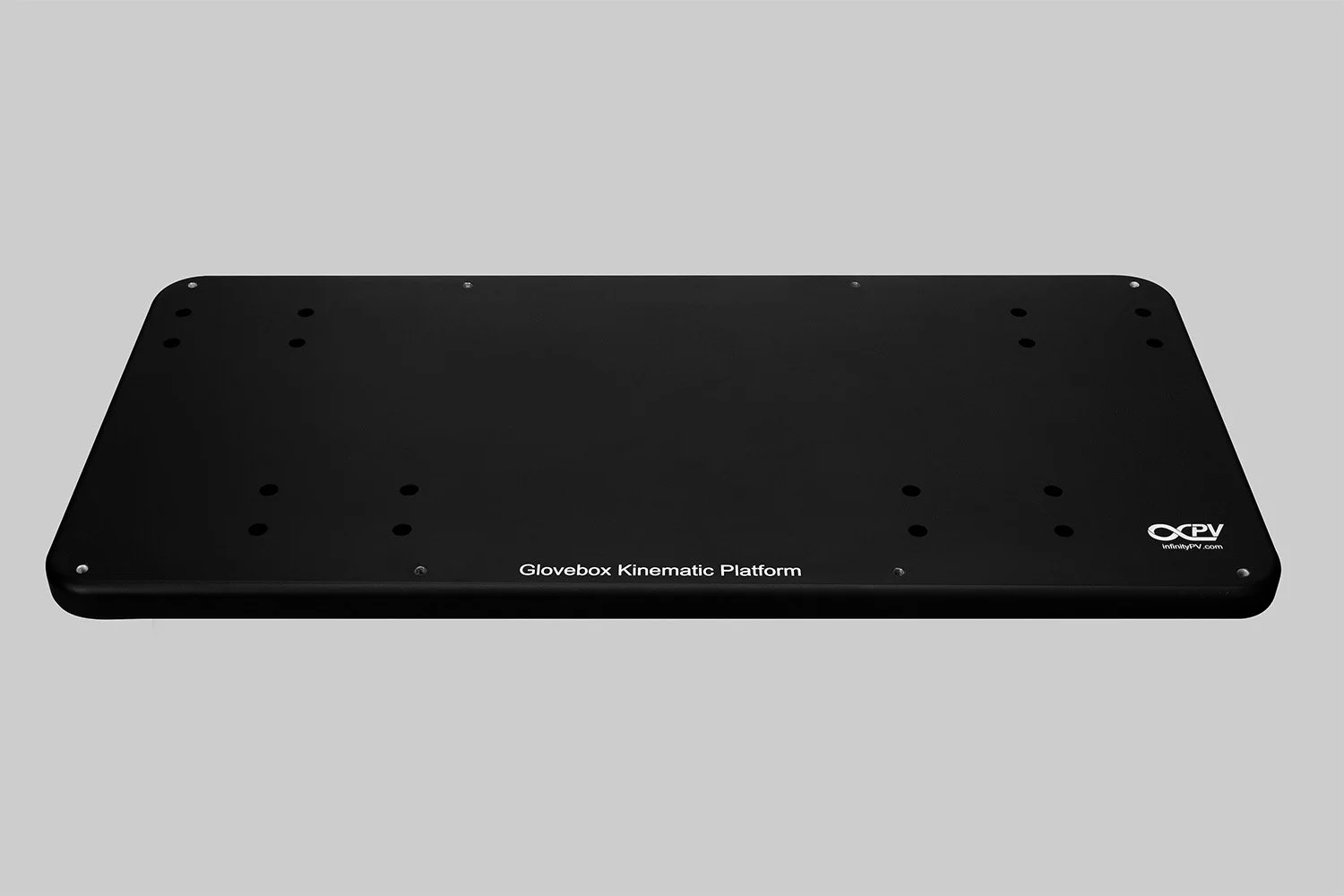

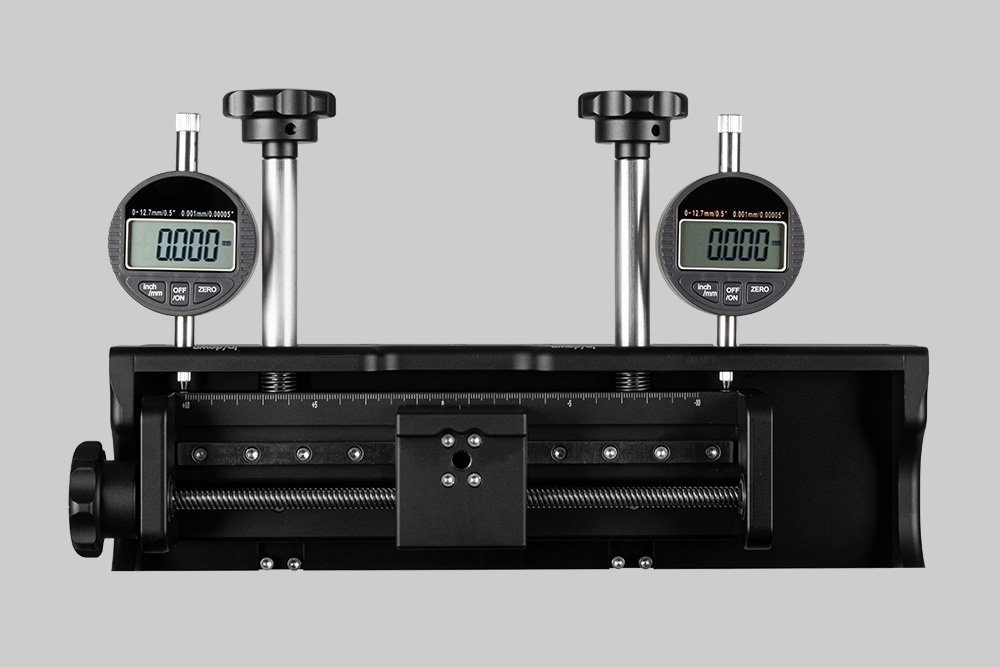
Probably the World’s Most Compact R2R Slot-die Coater: A compact, fully integrated roll-to-roll coating platform for laboratories, complete with a mounting system, anodized rollers, a syringe pump, a 65 mm stainless slot-die head and an infrared oven system—delivering unmatched precision and scalability.