
PEM Electrolysis Advancements Through Precision Coating Techniques
Proton Exchange Membrane Water Electrolysis (PEMWE) is a cornerstone technology for green hydrogen production, offering high power density and dynamic flexibility. However, traditional Membrane Electrode Assembly (MEA) fabrication methods often introduce interfacial resistances that hinder performance.
A recent study published in Electrochemistry Communications demonstrates how a novel layer-by-layer (LbL) coating approach, applied directly onto a gas diffusion layer (GDL), can dramatically reduce these resistances and improve efficiency.
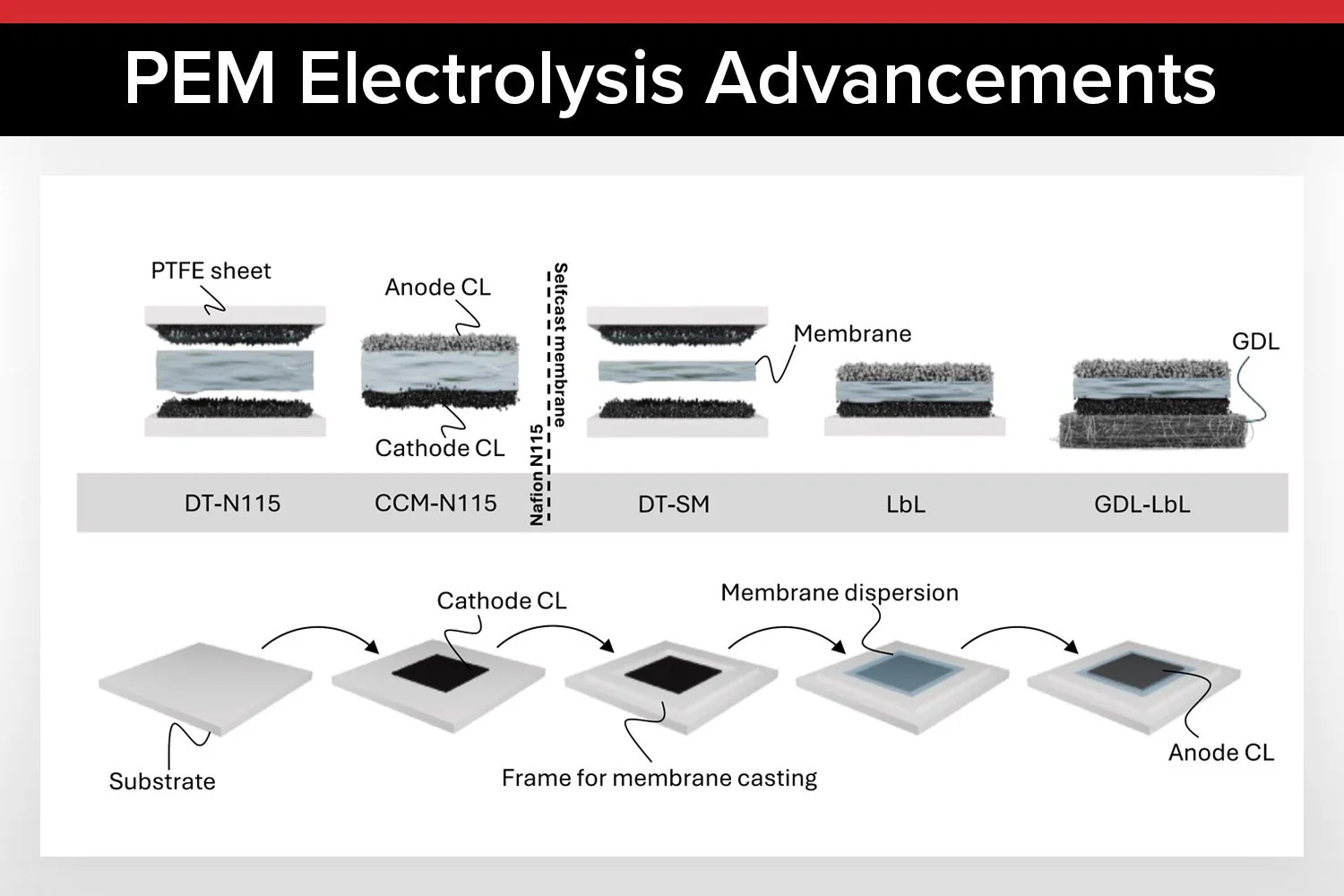
By using slot-die coating to sequentially deposit the cathode catalyst layer, membrane dispersion, and anode catalyst layer, the researchers achieved a 60% reduction in area-specific ohmic resistance compared to conventional decal transfer methods.
This innovation not only enhances performance but also simplifies manufacturing workflows, making it a game-changer for scalable PEMWE production.
What You Need to Know
The study introduces a new method for fabricating Membrane Electrode Assemblies (MEAs) in PEM water electrolysis. Instead of using traditional techniques like decal transfer, the researchers applied a layer-by-layer coating directly onto a gas diffusion layer (GDL).
This approach creates a seamless, integrated structure that reduces interfacial resistances. The result is a 60% drop in ohmic resistance, leading to lower cell voltages and improved efficiency in green hydrogen production.
The method also eliminates the need for hot pressing, preserving the porosity of the catalyst layers and further enhancing performance.
How the GDL-Based Layer-by-Layer Coating Reduces Interfacial Resistance
The research systematically compares traditional MEA fabrication techniques, decal transfer and catalyst-coated membrane, with an innovative GDL-based LbL approach. Using a self-cast membrane as a common reference, the study isolates the effects of fabrication methods on interfacial resistances.
The GDL-LbL method involves sequentially coating the cathode catalyst layer, membrane dispersion, and anode catalyst layer directly onto a GDL substrate. This process creates a 3D interfacial transition zone, where the membrane anchors into the catalyst layer and the catalyst penetrates the GDL’s microporous layer (MPL), suppressing discrete electronic and ionic contact resistances.
Electrochemical characterization revealed that the GDL-LbL architecture achieved the lowest high-frequency resistance (HFR) of 45.2 mΩ cm² at 1.0 A cm², compared to 112.5 mΩ cm² for the decal-transferred reference. This reduction in HFR directly translates to lower cell voltages and improved efficiency. Cross-sectional microscopy confirmed the formation of a continuous ionic and electronic pathway, further validating the superior performance of the GDL-LbL approach.
The study also demonstrated that omitting the hot-pressing step preserves a thicker and more porous catalyst-layer morphology, mitigating mass transport limitations and improving catalyst accessibility. This dual benefit of reduced interfacial resistance and enhanced mass transport positions the GDL-LbL method as a highly effective solution for PEMWE MEA fabrication.
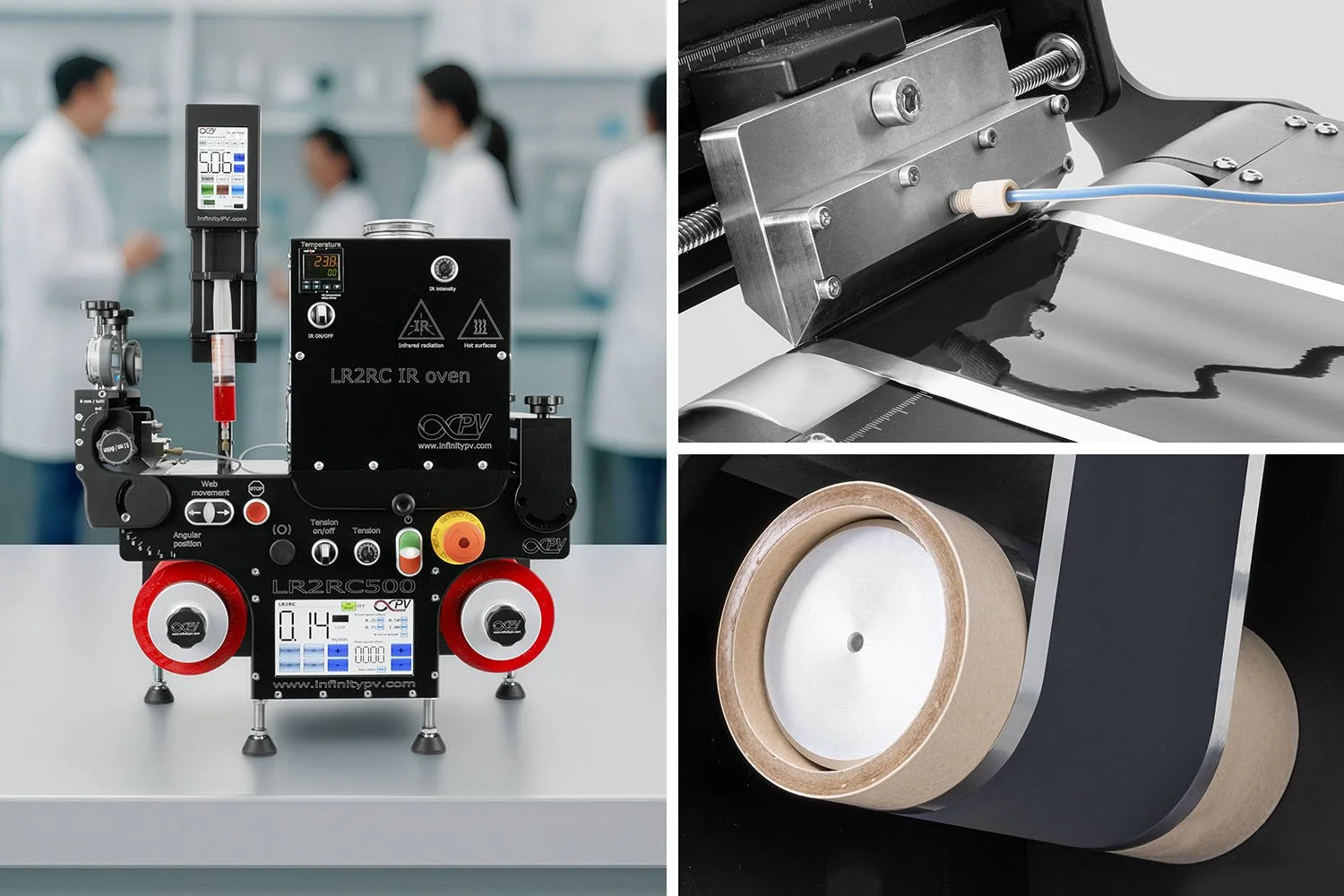
The Laboratory Roll-to-Roll Coater features modular customization, scalable efficiency for small-scale slot-die coating, and a user-friendly design.
The Role of Slot-Die Coating in Precision Coating for Hydrogen Production
Slot-die coating plays a pivotal role in enabling the GDL-LbL fabrication process. This precise coating method allows for the sequential deposition of multiple layers with controlled thickness and uniformity, which is essential for creating the integrated, monolithic architecture described in the study. By using slot-die coating, manufacturers can achieve consistent layer deposition, ensuring optimal interfacial connectivity and performance.
The compatibility of slot-die coating with continuous manufacturing processes makes it an ideal choice for scalable production of high-performance MEAs. This method not only simplifies the fabrication workflow by eliminating the need for handling freestanding membranes or hot-pressing steps but also ensures reproducibility and precision in layer deposition. As a result, slot-die coating enables the production of MEAs with superior electrochemical performance and reduced interfacial resistances, making it a key enabler for advancing PEMWE technology.
Conclusion
The study demonstrates that the GDL-based layer-by-layer coating approach, facilitated by slot-die coating, significantly reduces interfacial resistances in PEMWE MEAs. This innovation improves electrochemical performance, achieving lower cell voltages and higher efficiency, while simplifying the manufacturing process. The findings underscore the importance of interfacial architecture in MEA design and highlight slot-die coating as a scalable and effective method for producing high-performance MEAs. For industries looking to enhance green hydrogen production, adopting slot-die coating technology offers a practical and efficient solution.
References
Zimmer, S., Uusiku, A., Vollmert, N., Engelhard, T., Enns, O., Plath, C., Wessling, M. and Keller, R. (2026) ‘Reducing interfacial resistances in proton exchange membrane water electrolysis via gas diffusion layer-based layer-by-layer coating’, Electrochemistry Communications, 188, p. 108180. doi: https://doi.org/10.1016/j.elecom.2026.108180.
Get Professional Support for Your Coating Needs
Need help with slot-die coating or machines? Contact our experts for guidance and support.
Related News
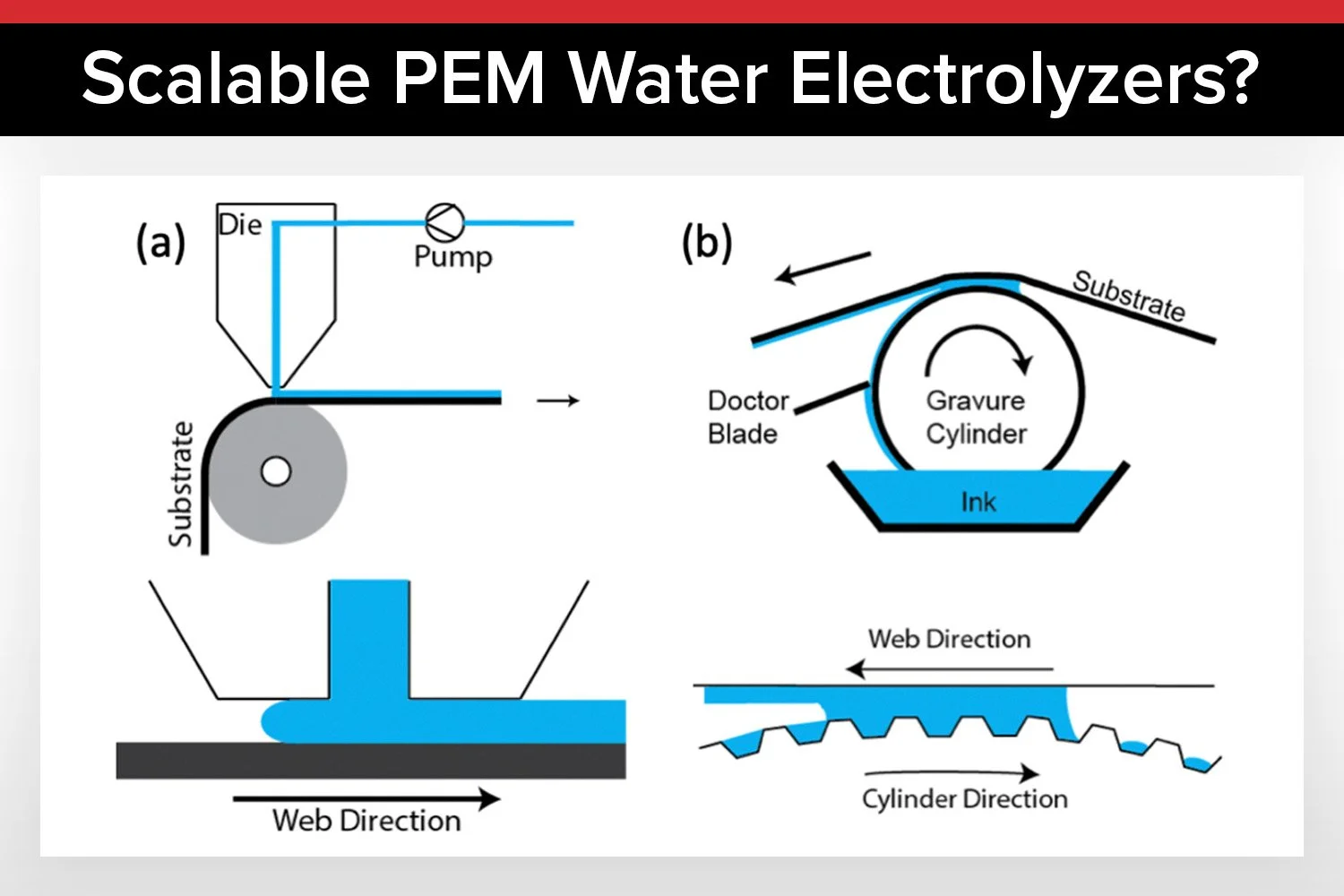
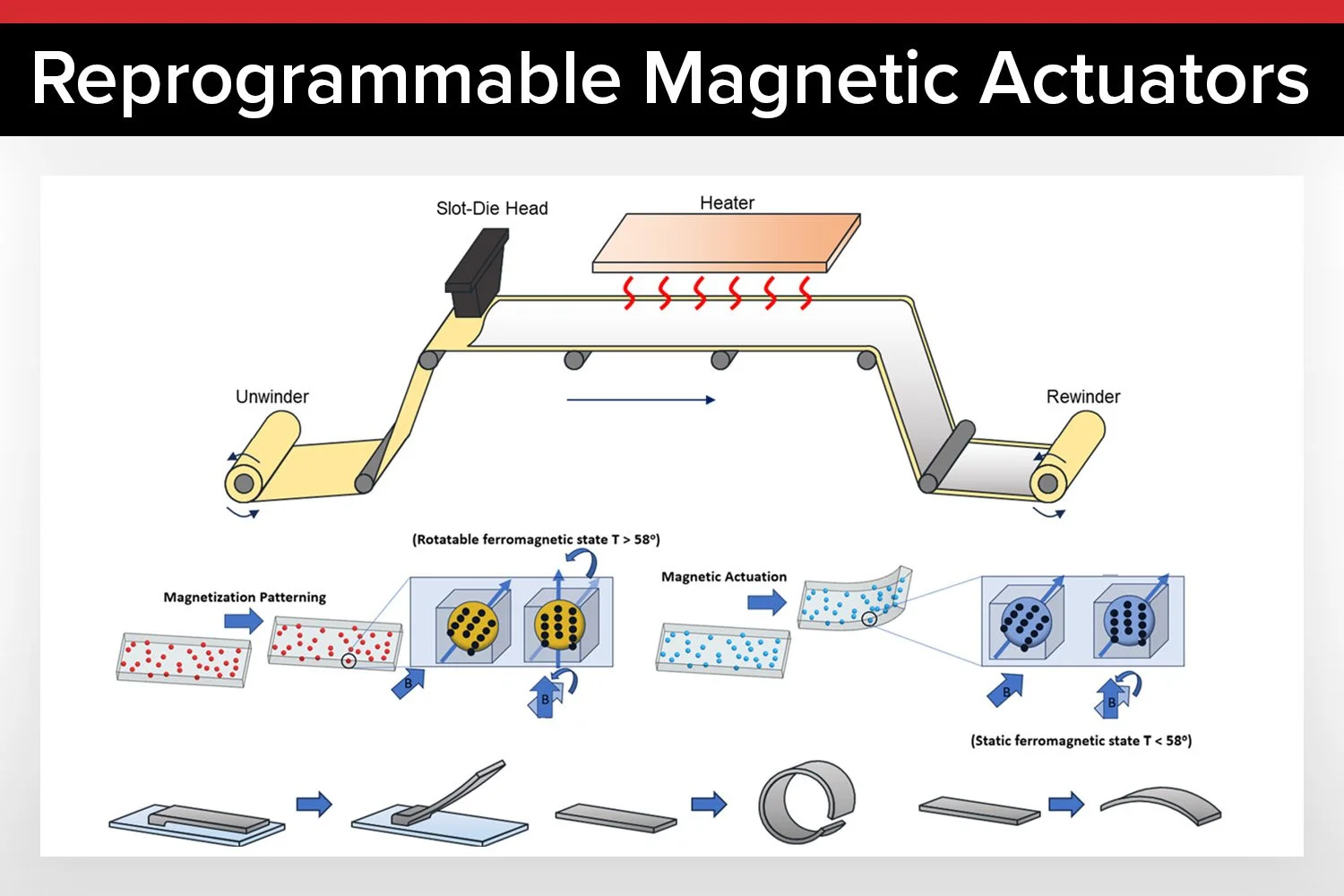
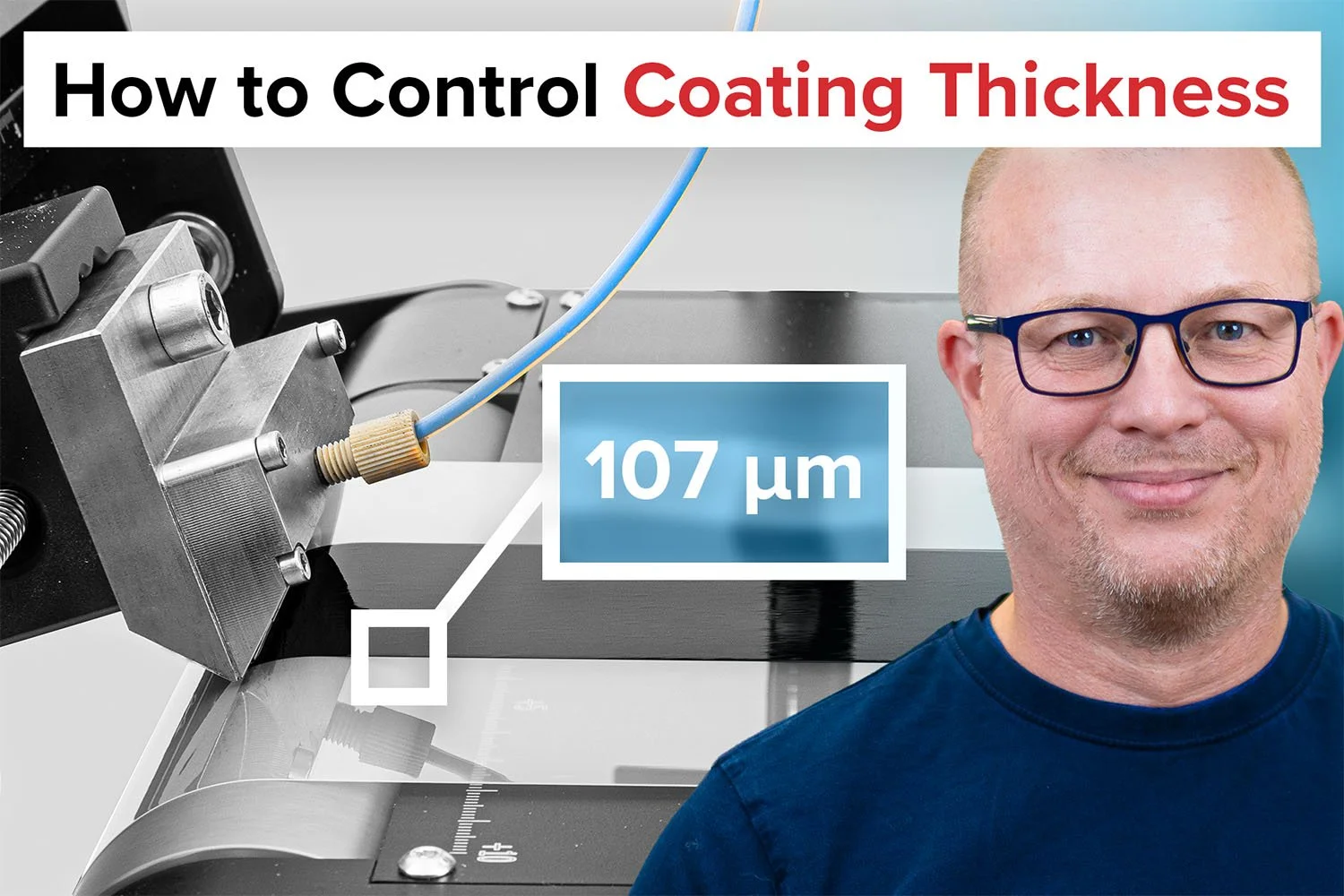

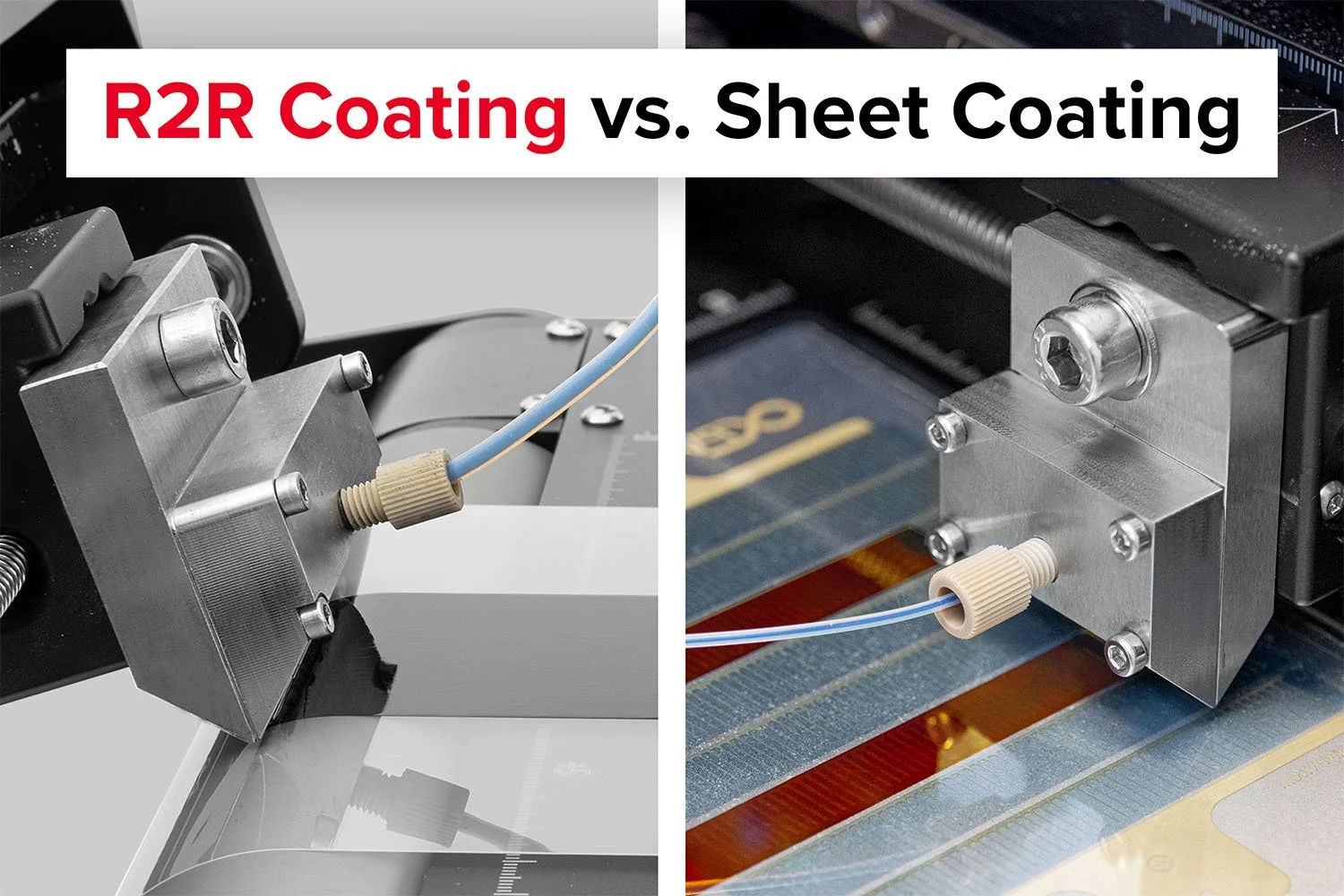
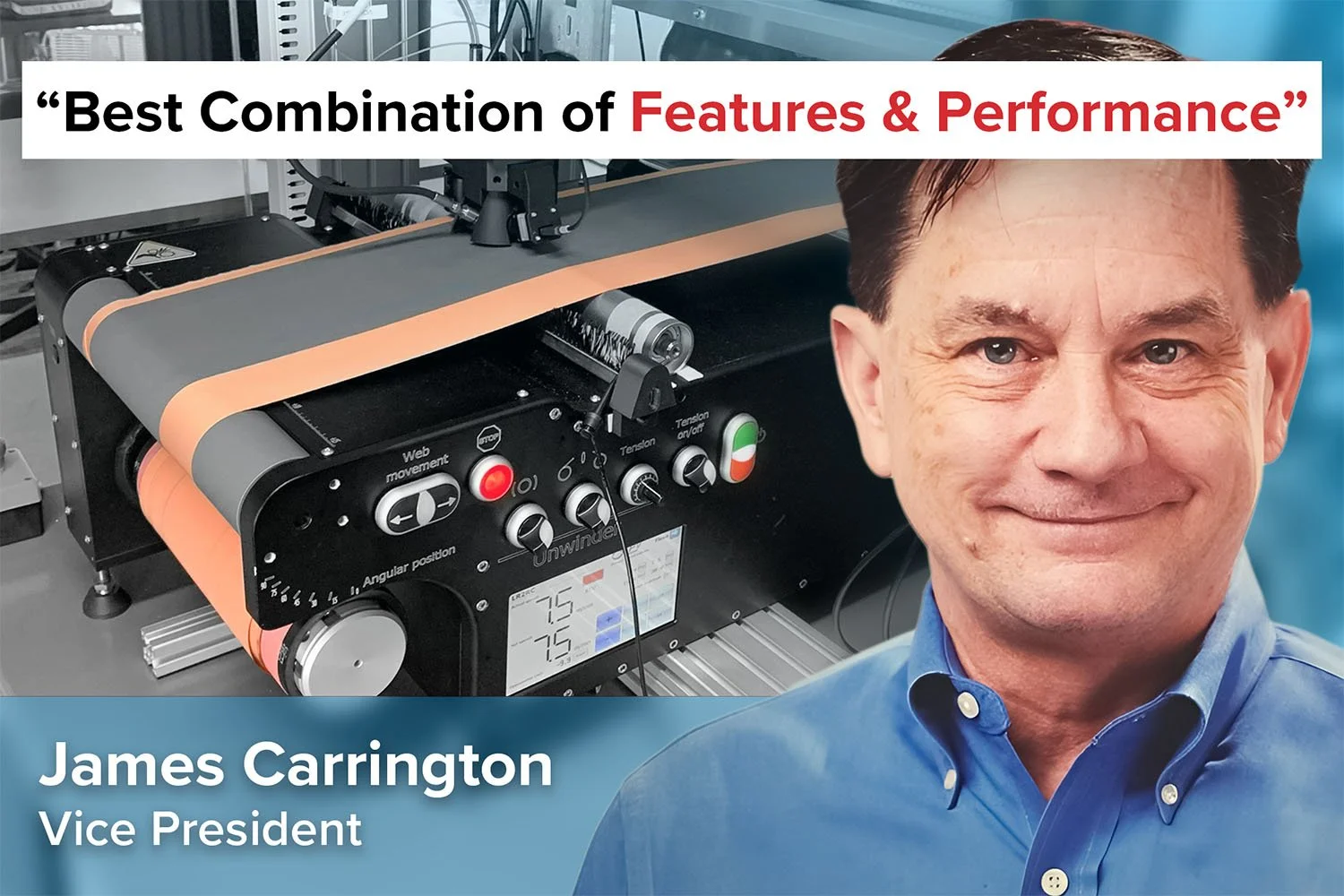
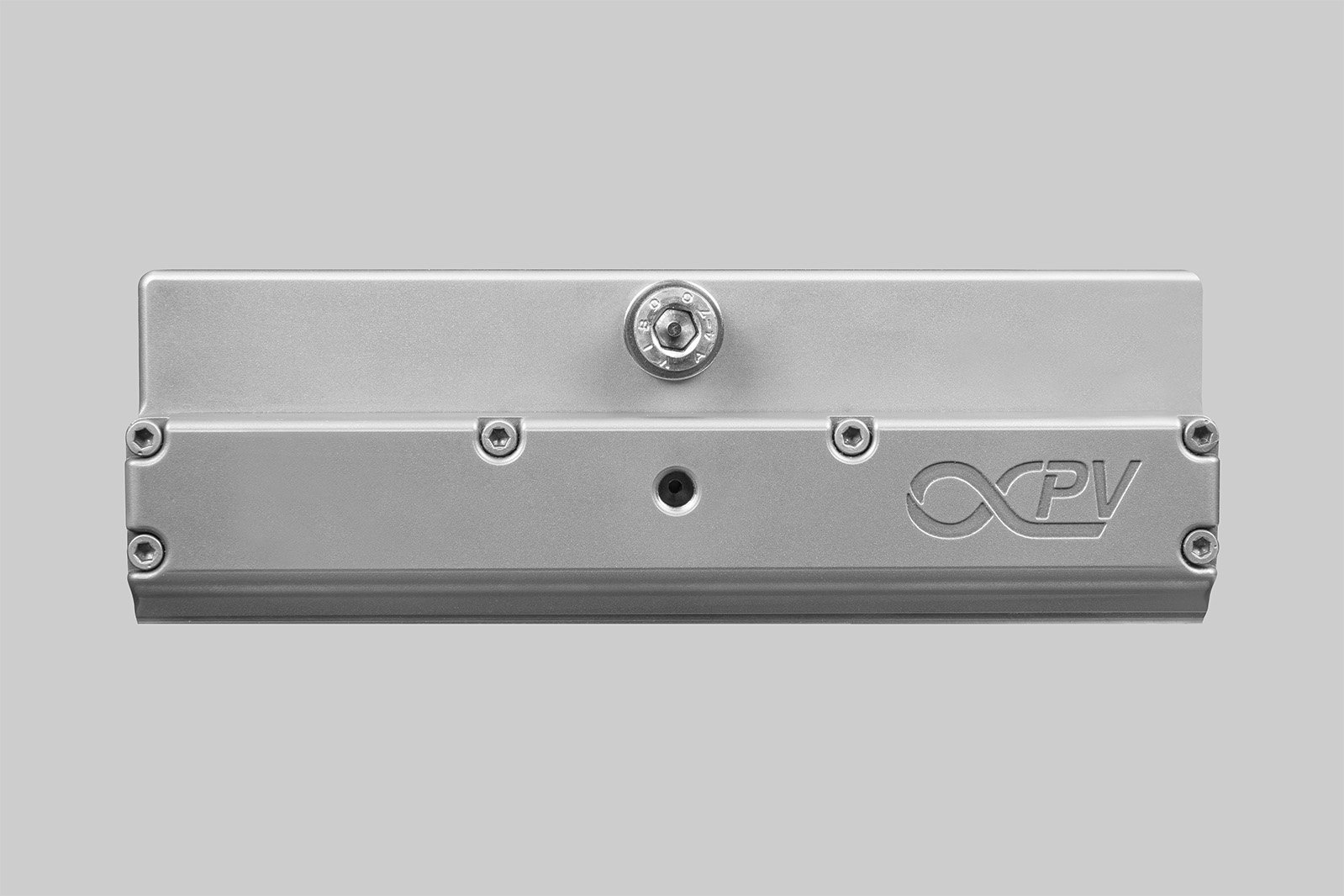

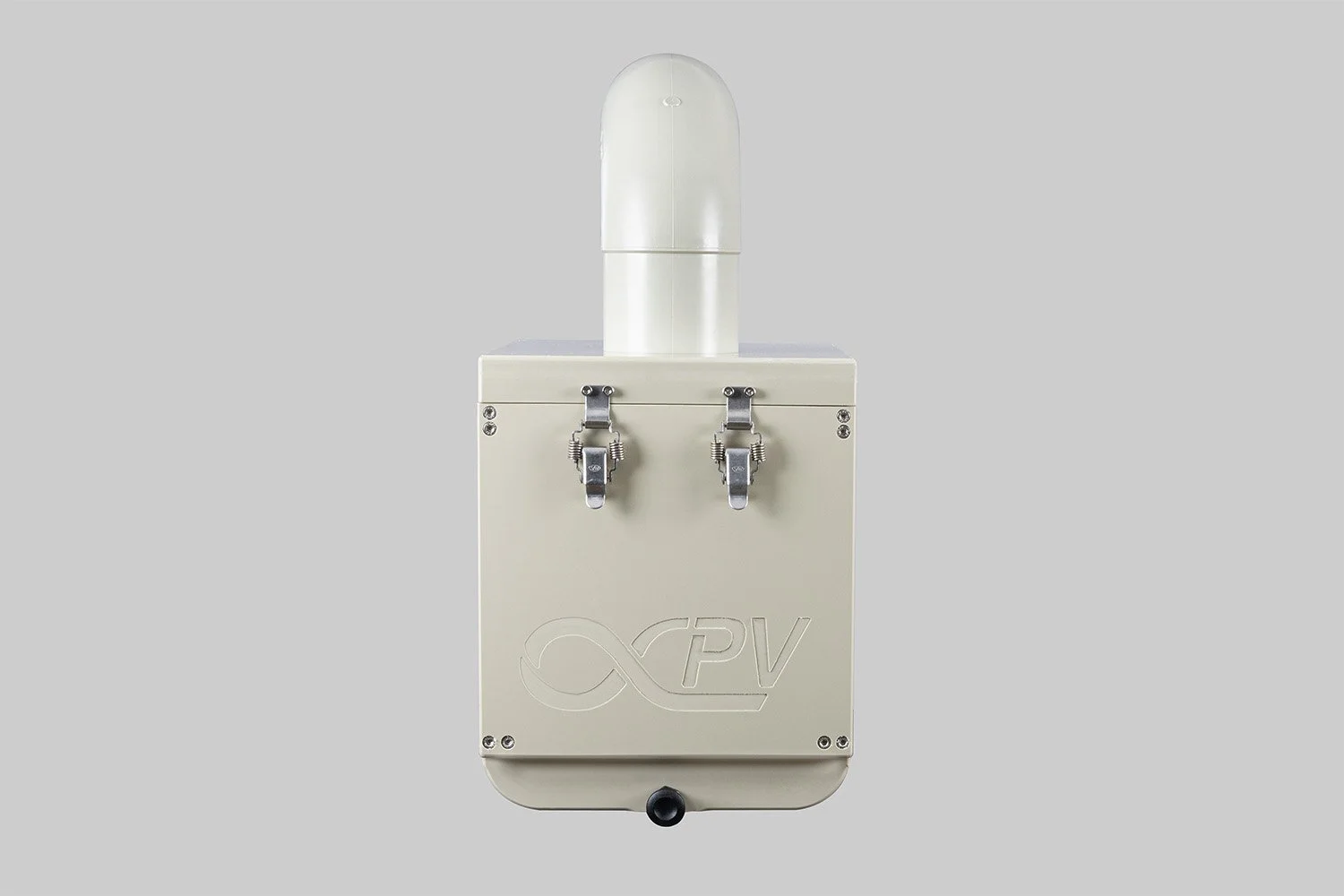


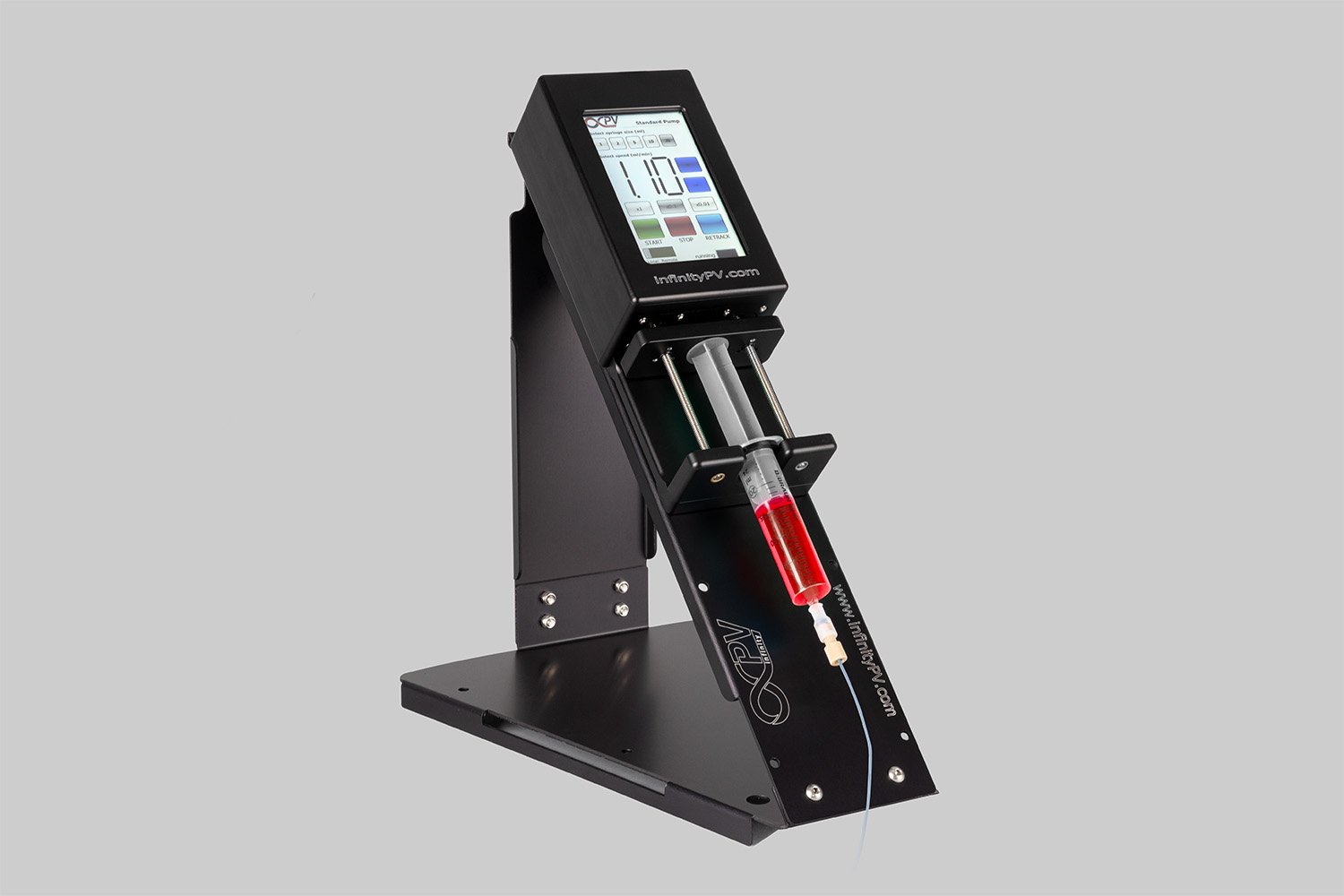
Probably the World’s Most Compact R2R Slot-die Coater: A compact, fully integrated roll-to-roll coating platform for laboratories, complete with a mounting system, anodized rollers, a syringe pump, a 65 mm stainless slot-die head and an infrared oven system—delivering unmatched precision and scalability.