
Hydrogel Films Revolutionize Biomedical and Environmental Applications
Hydrogel films are emerging as a transformative class of materials due to their unique ability to retain water and respond to external stimuli. Unlike traditional hydrogels, these films offer enhanced responsiveness, better compliance for device integration, and superior adaptability to surfaces.
A recent comprehensive review explores the principles behind hydrogel film fabrication, including gelation processes, preparation methods like solvent casting, spin coating, slot-die coating and photolithography, as well as the characterization techniques and materials used.
The review highlights the vast potential of hydrogel films in biomedical applications such as drug delivery, wound healing, and tissue engineering, while also addressing environmental and agricultural uses. With their tunable properties and rapid response capabilities, hydrogel films are poised to meet a wide variety of needs across industries.
What You Need to Know:
Hydrogel films combine water retention with flexibility, making them ideal for integration into devices and surfaces across industries.
The review explores fabrication techniques like solvent casting, dip coating, and slot-die coating, each influencing film properties such as uniformity and thickness.
These films excel in biomedical, environmental, and agricultural applications due to their stimuli-responsive nature and tunable properties.
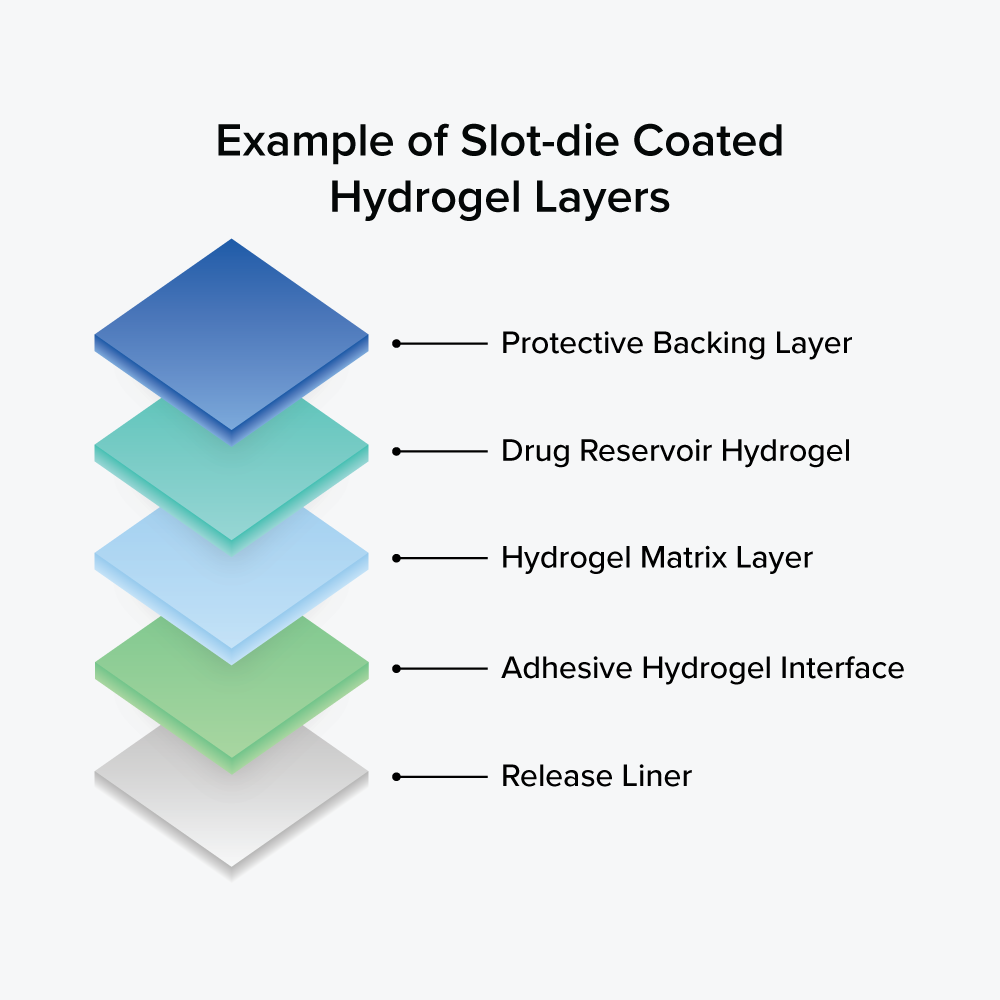
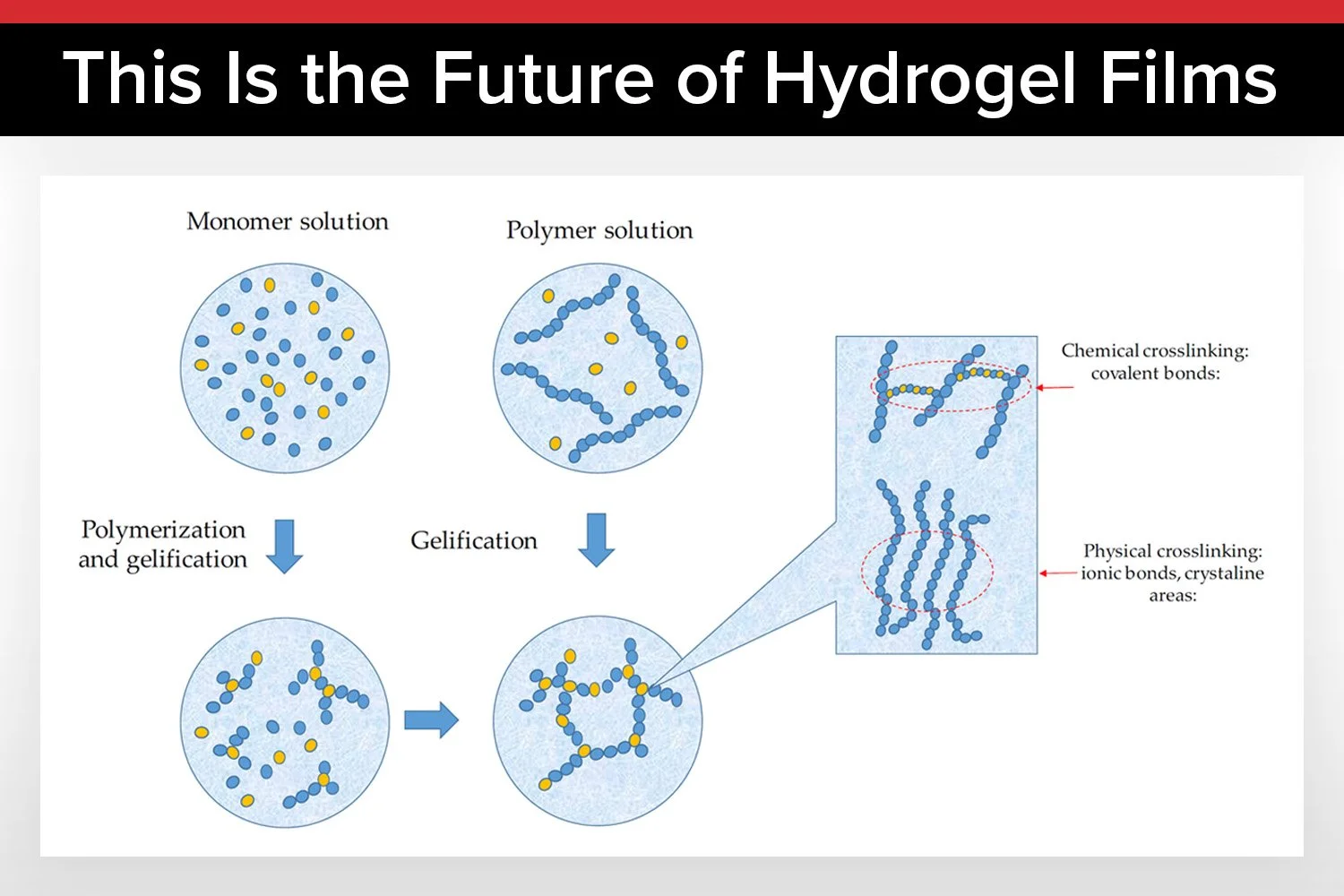
Example of hydrogel layer structures.
The Science Behind Hydrogel Films
Hydrogel films are created through the gelation of polymers, which can be achieved via chemical or physical crosslinking. Chemical crosslinking involves covalent bonds formed through reactions with agents like citric acid or glutaraldehyde, while physical crosslinking relies on non-covalent interactions such as hydrogen bonding or ionic bonds. The review details how these processes influence the mechanical strength, swelling behavior, and responsiveness of the films.
The materials used for hydrogel films range from natural polymers like alginate, chitosan, and collagen to synthetic options such as polyvinyl alcohol (PVA) and polyacrylic acid (PAA). Natural polymers are often preferred for biomedical applications due to their biocompatibility, while synthetic polymers offer greater control over mechanical properties and industrial scalability.
Applications Across Industries
In the biomedical field, hydrogel films are used as scaffolds for tissue engineering, wound dressings, and controlled drug delivery systems. Their ability to mimic the extracellular matrix and provide a moist environment accelerates healing and supports cell growth. Additionally, their stimuli-responsive nature allows for precise control over drug release, reducing side effects and improving treatment efficacy.
Beyond biomedicine, hydrogel films are being explored for environmental applications, such as water conservation in agriculture and pollution removal in wastewater treatment. Their capacity to absorb and release water and nutrients in a controlled manner makes them valuable for sustainable farming practices, particularly in arid regions.
The review also highlights emerging applications in flexible electronics, sensors, and food packaging. Hydrogel films can be engineered to be conductive, enabling their use in wearable sensors and soft robotics, while their biodegradability and antimicrobial properties make them ideal for eco-friendly packaging solutions.
Why Slot-Die Coating Stands Out for Hydrogel Film Fabrication
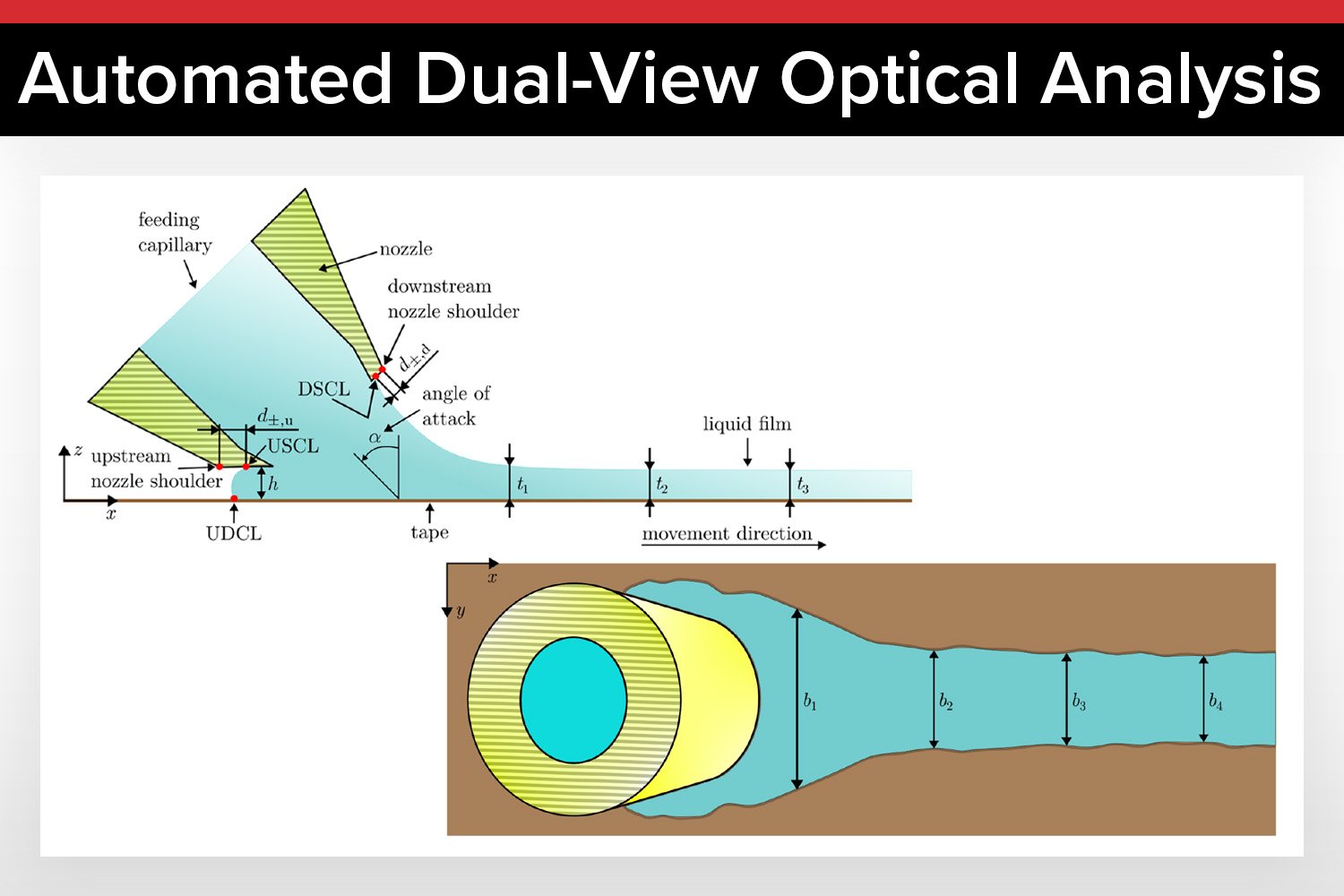
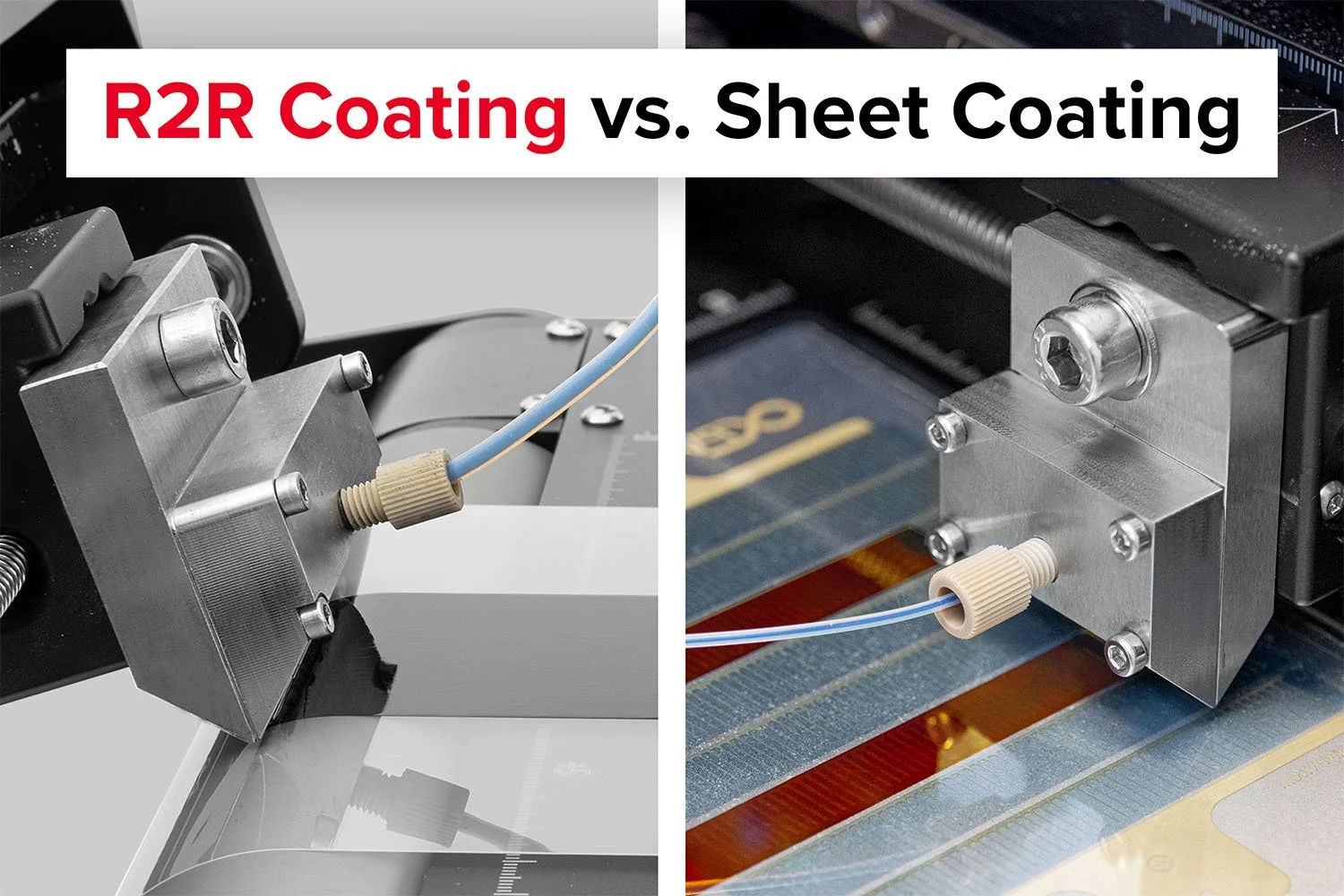
Slot-die coating is a precision technique for producing hydrogel films with exceptional uniformity and control. Unlike solvent casting, which relies on evaporating a solvent to form a film, or spin coating, which is limited to small, flat substrates, slot-die coating meters a liquid hydrogel precursor through a narrow slot onto a moving substrate. This creates a controlled meniscus, ensuring even deposition and consistent film thickness across large areas. The method minimizes solution waste and allows for high-speed, continuous production, making it ideal for industrial-scale applications.
Compared to dip coating, which can result in uneven film thickness due to drainage and evaporation, slot-die coating offers superior uniformity and reproducibility. It also outperforms spray coating in terms of precision, as spray methods can produce porous or rough films with less control over thickness. Blade and bar coating, while simple and cost-effective, often struggle to achieve the fine control over film thickness and uniformity that slot-die coating provides.
For applications requiring high scalability, such as agricultural films or large-scale biomedical coatings, slot-die coating is particularly advantageous. Its ability to handle both high- and low-viscosity solutions and integrate with roll-to-roll processing makes it a versatile and efficient choice for producing high-quality hydrogel films.
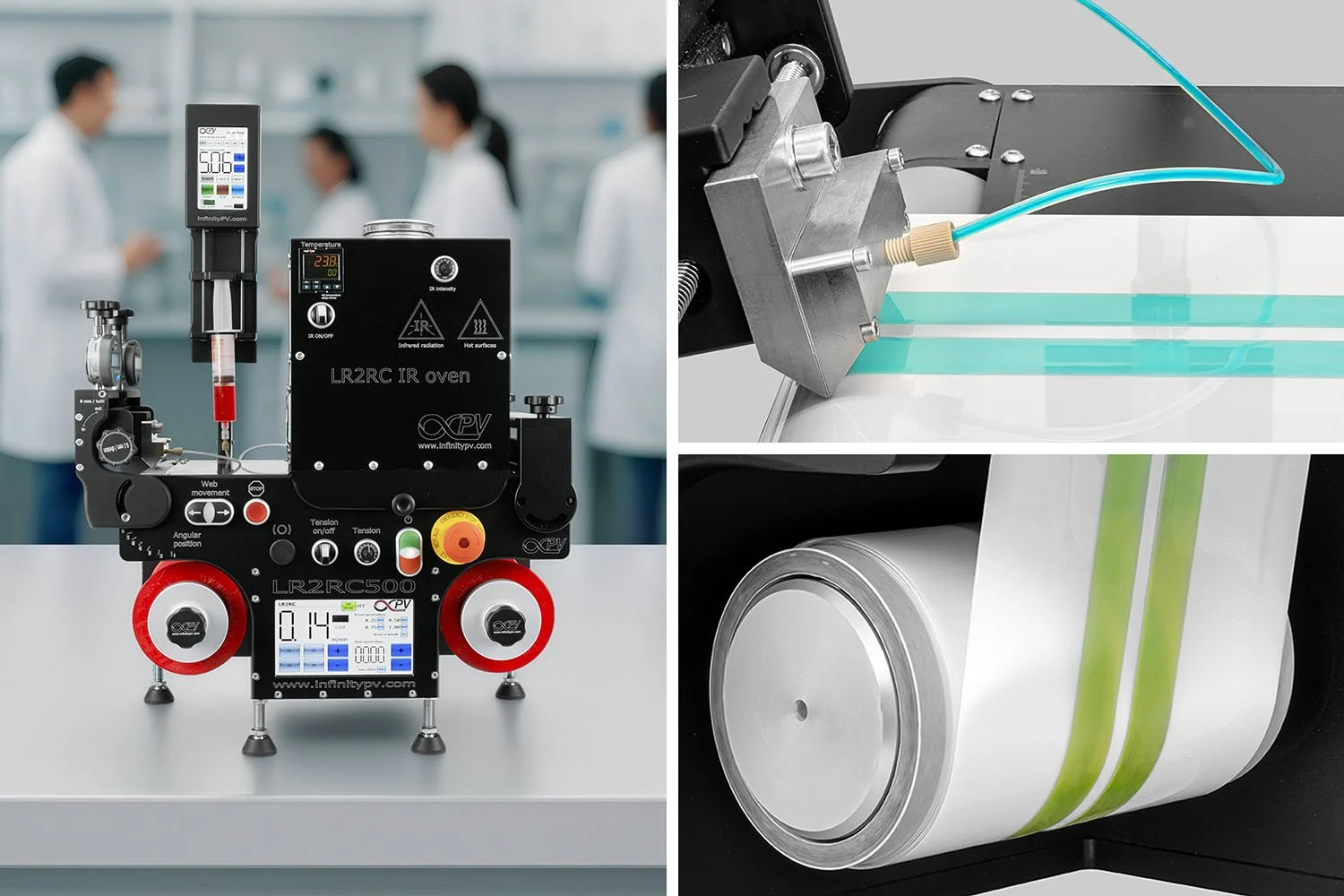
Scalable slot-die coating is easy and precise with the Laboratory Roll-to-Roll Coater.
Conclusion
Hydrogel films represent a cutting-edge advancement in material science, offering a blend of flexibility, responsiveness, and biocompatibility that opens doors to innovations in biomedical, environmental, and industrial applications. The review underscores the importance of fabrication methods like slot-die coating in achieving the desired properties for these films, highlighting its role in producing uniform, scalable, and high-performance materials. As research continues to expand, hydrogel films are set to play a pivotal role in addressing challenges across multiple sectors, from healthcare to sustainable agriculture. For those looking to leverage the full potential of hydrogel films, investing in advanced coating technologies like slot-die systems is a strategic move toward precision and efficiency.
References
Citation: Ubaldini, A.; Calistri, S. Advances in Hydrogel Film Fabrication and Functional Applications Across Biomedical and Environmental Fields. Appl. Sci. 2025, 15, 9579. https://doi.org/10.3390/app15179579
Get Professional Support for Your Coating Needs
Need help with slot-die coating or machines? Contact our experts for guidance and support.
Related News
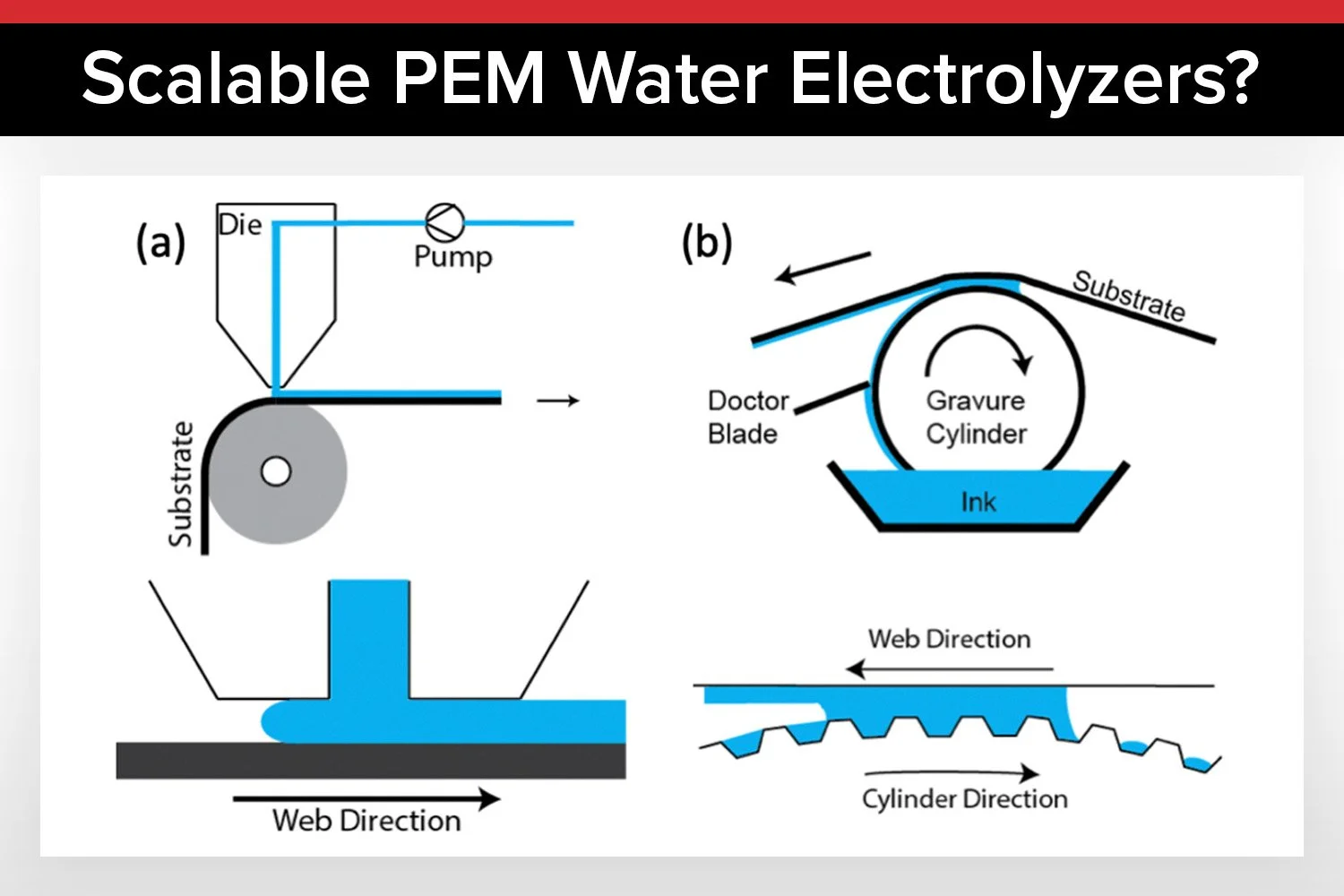



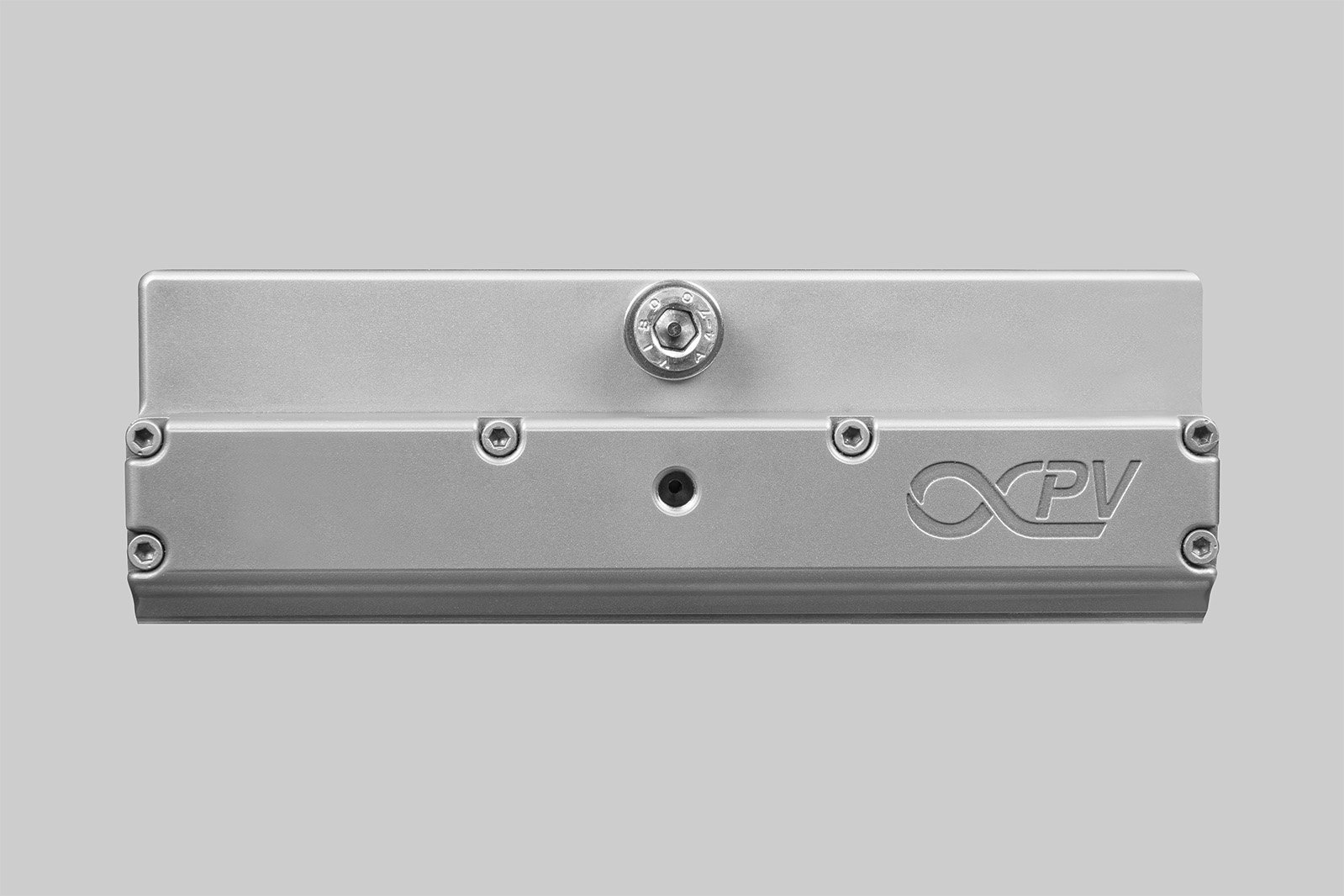

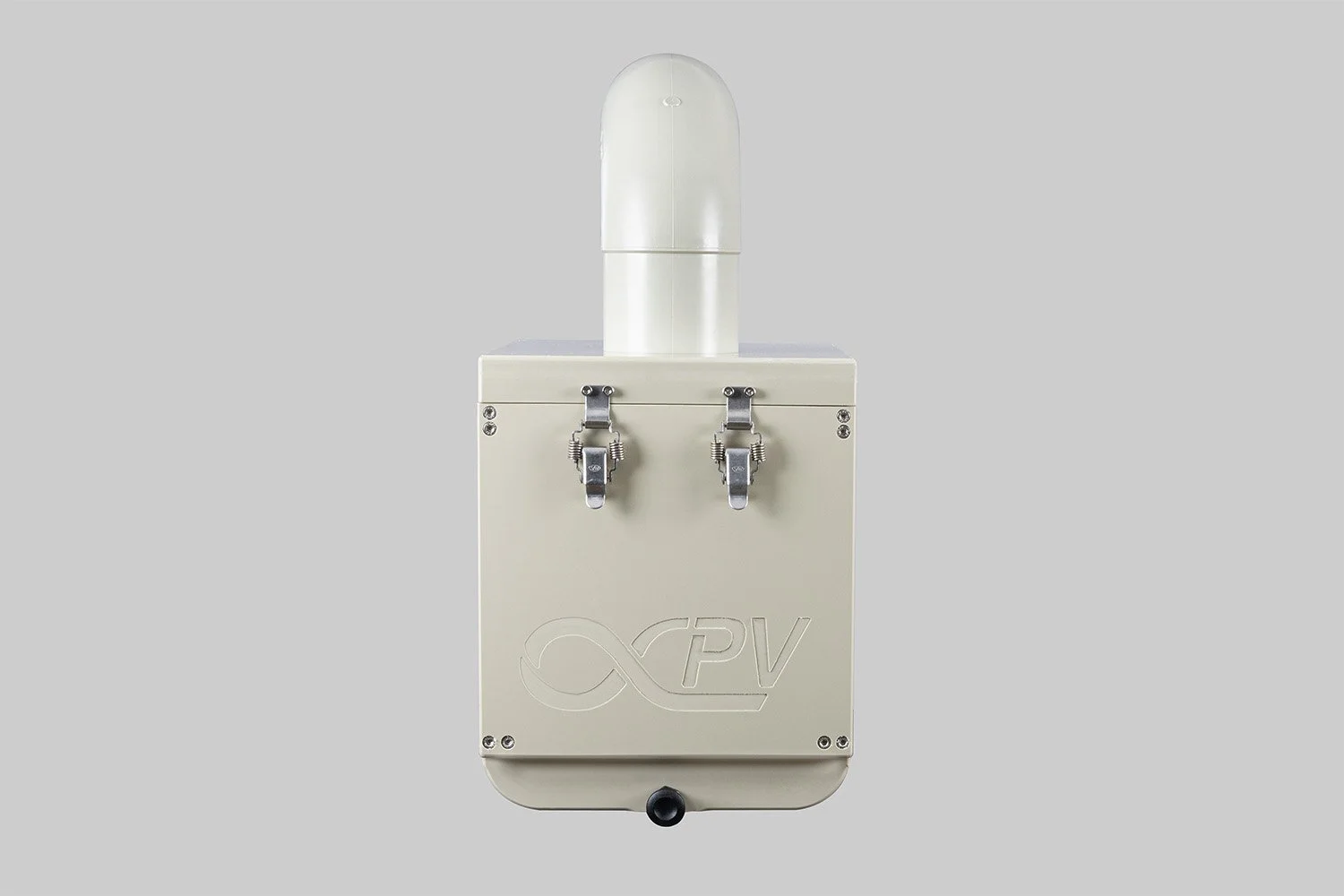


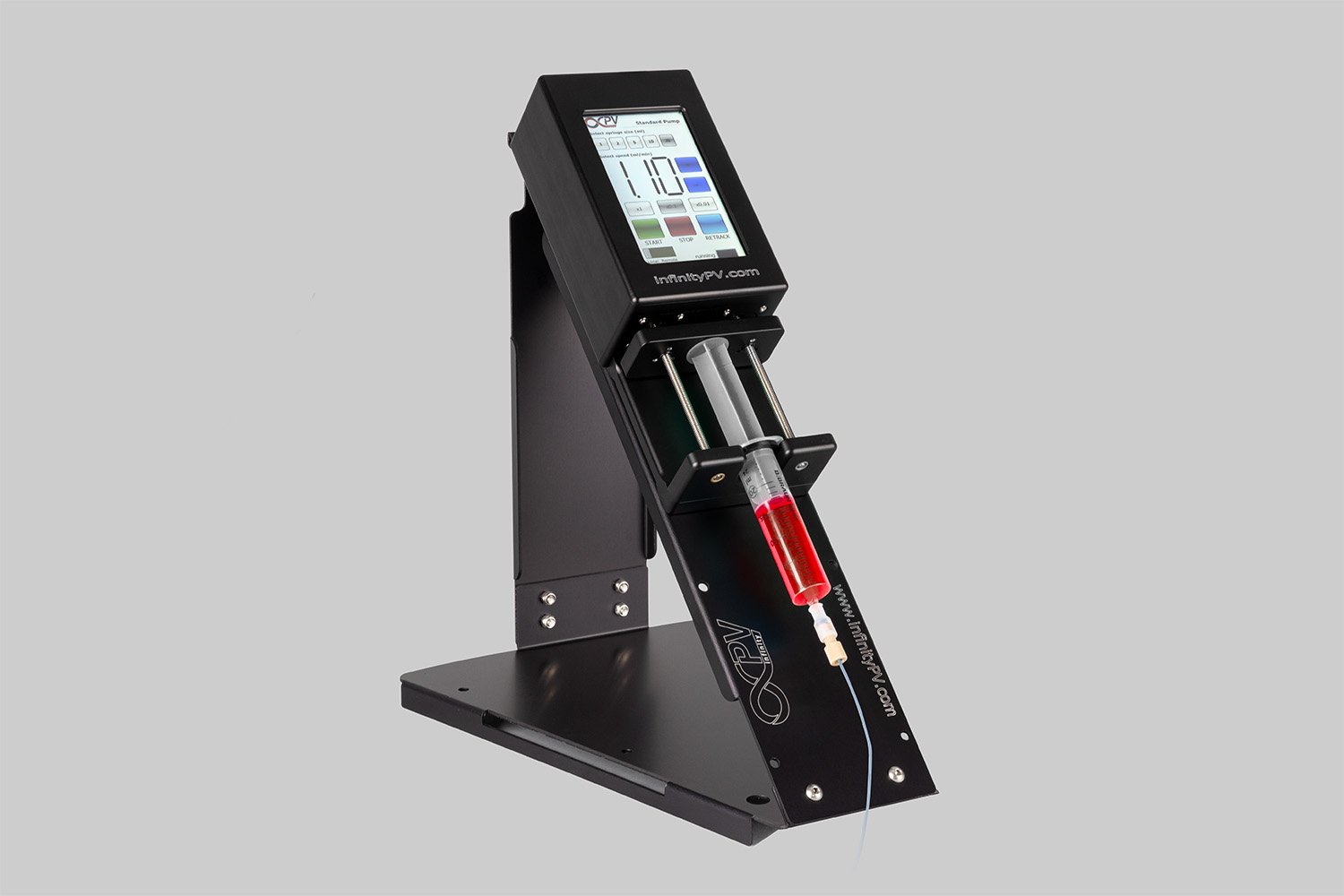
Probably the World’s Most Compact R2R Slot-die Coater: A compact, fully integrated roll-to-roll coating platform for laboratories, complete with a mounting system, anodized rollers, a syringe pump, a 65 mm stainless slot-die head and an infrared oven system—delivering unmatched precision and scalability.