
Flexible Magnetic Actuators: Scalable Fabrication Using Slot-Die Coating
A study published in ACS Applied Polymer Materials demonstrates a scalable method for fabricating reprogrammable soft magnetic actuators using roll-to-roll slot-die coating. The research introduces a process where neodymium iron boron (NdFeB) particles are encapsulated in polyethylene glycol (PEG) and embedded in a styrene-ethylene-butylene-styrene (SEBS) elastomer matrix. This approach enables continuous, high-throughput production of large-area magnetic films with customizable thicknesses, eliminating the need for sacrificial layers or complex patterning.
The actuators can be reprogrammed post-fabrication by heating above the melting point of PEG and applying an external magnetic field, allowing repeated reconfiguration without structural degradation. This addresses the challenge of combining scalability with functional adaptability in soft magnetic actuators, offering significant potential for soft robotics and biomedical applications.
What You Need to Know
The study presents a roll-to-roll slot-die coating method for producing reprogrammable soft magnetic actuators. This enables continuous, high-throughput fabrication of flexible magnetic films with adjustable thicknesses.
The actuators can be reprogrammed by heating and applying a magnetic field, allowing for repeated adjustments to their magnetization profile without structural damage. This reprogrammability is crucial for adaptive applications.
The actuators exhibit versatile movements, including cantilever bending, directional crawling, and rolling motion, demonstrating their potential for untethered soft robotics and biomedical devices.
The Fabrication Process
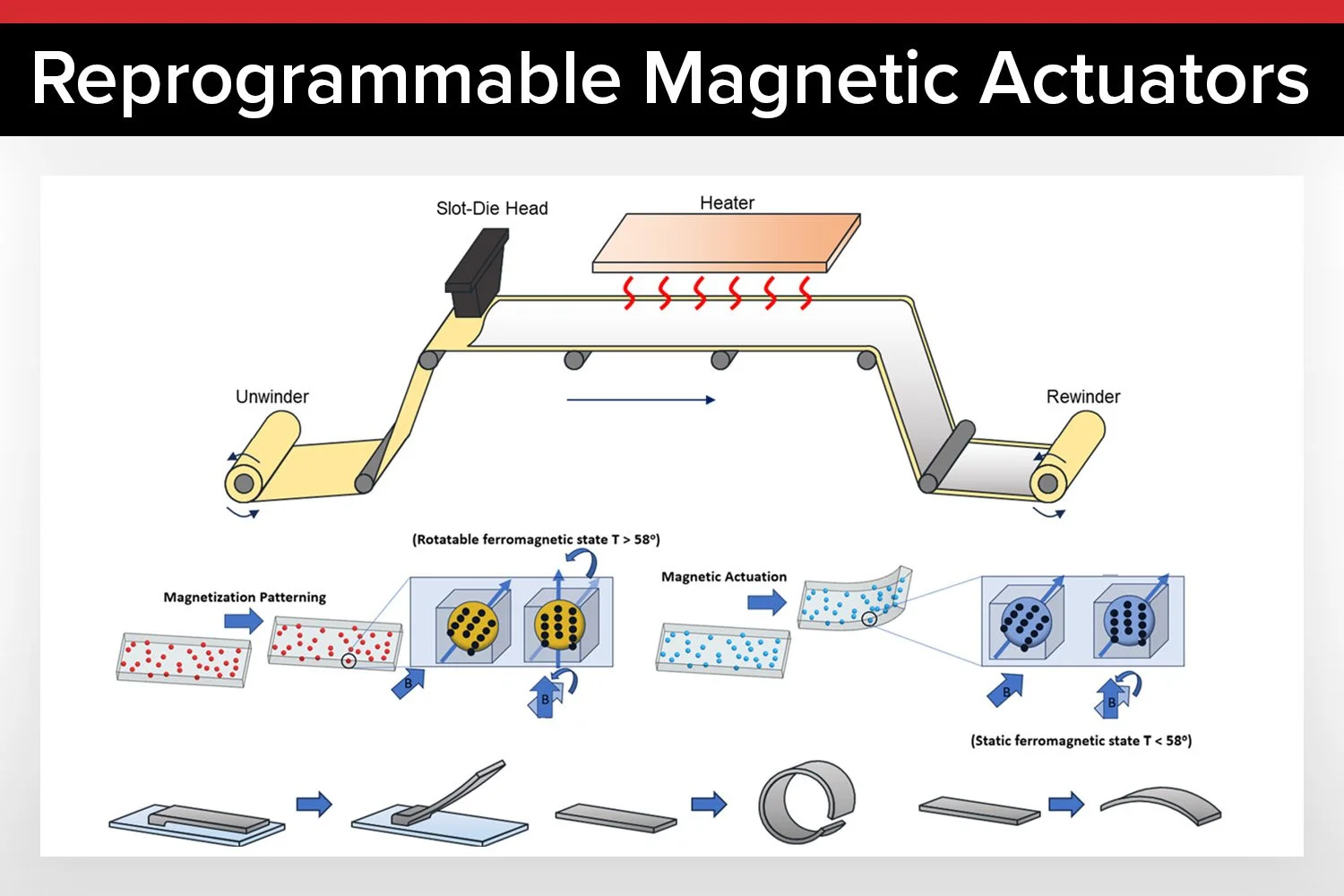
The process begins with the encapsulation of NdFeB magnetic particles within PEG, forming thermally tunable microspheres. These microspheres are dispersed in an SEBS elastomer matrix and coated onto a flexible substrate using roll-to-roll slot-die coating. The coating parameters, such as speed, drying temperature, and nozzle-substrate gap, are optimized to produce films with thicknesses ranging from 200 to 480 micrometers. The resulting films can be cut into arbitrary shapes for customized actuator designs.
The reprogramming mechanism utilizes the thermal properties of PEG. By heating the actuator above its melting point, the magnetic particles become mobile, allowing their reorientation under an external magnetic field. Upon cooling, the PEG solidifies, locking the particles in their new orientation and fixing the magnetization profile. This process is reversible and repeatable, enabling multiple reconfigurations without performance degradation.
Versatile Actuation and Performance
The study demonstrates the actuators’ ability to perform complex movements, such as high-frequency cantilever bending, directional crawling via traveling waves, and rolling motion induced by rotating magnetic fields. These movements are achieved by controlling the magnetization profile and applying external magnetic fields. For instance, crawling motion is enabled by a harmonic magnetization profile that generates traveling waves under a rotating magnetic field. Rolling motion is achieved by aligning the actuator’s net magnetic moment with a continuously rotating magnetic field, allowing synchronous rotation and forward locomotion.
Performance evaluations under various magnetic field strengths and frequencies show that thinner actuators exhibit larger displacements at lower frequencies, while thicker actuators display increased active length under higher magnetic field strengths. These findings highlight the adaptability of the actuators and their potential for precise motion control in diverse applications.
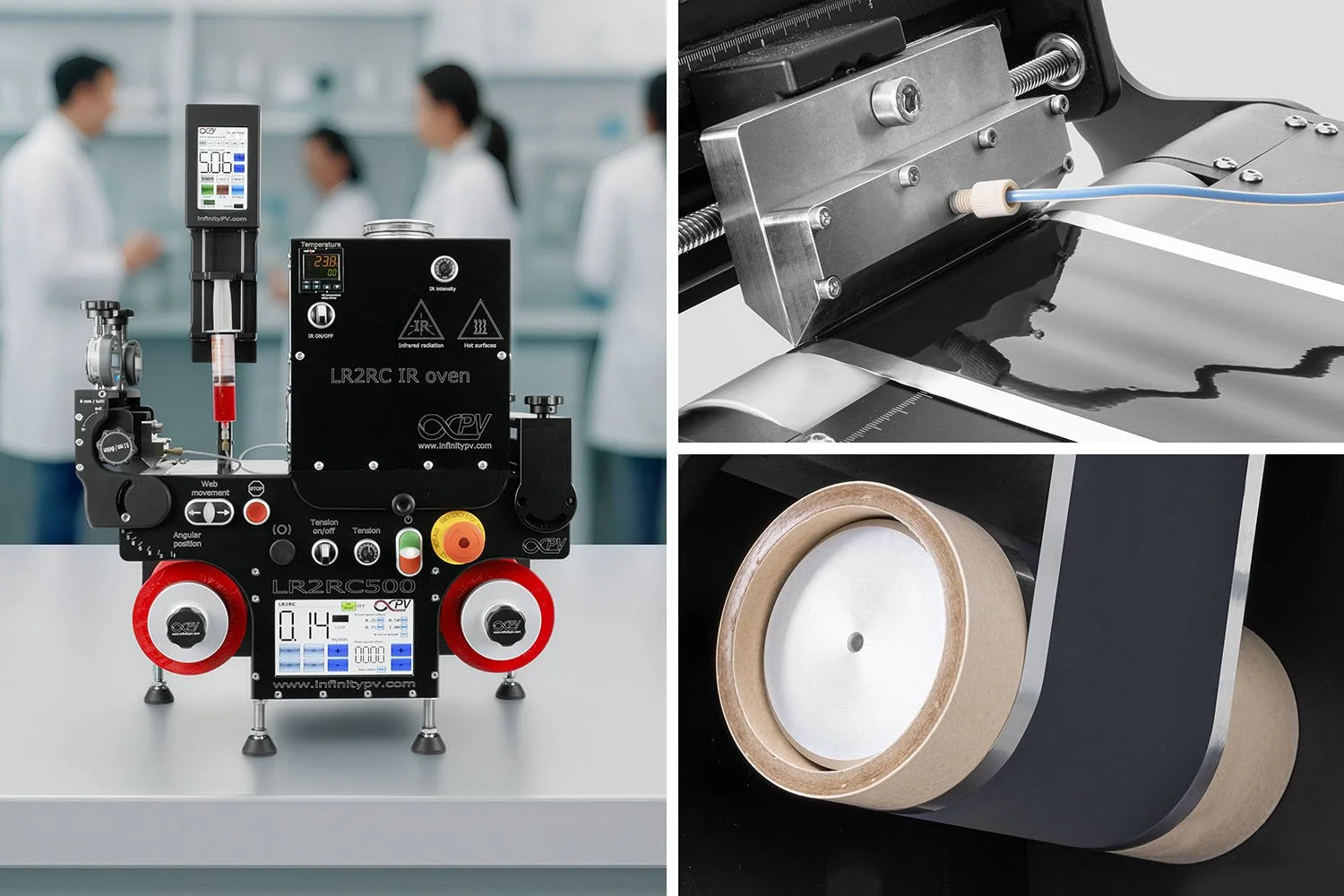
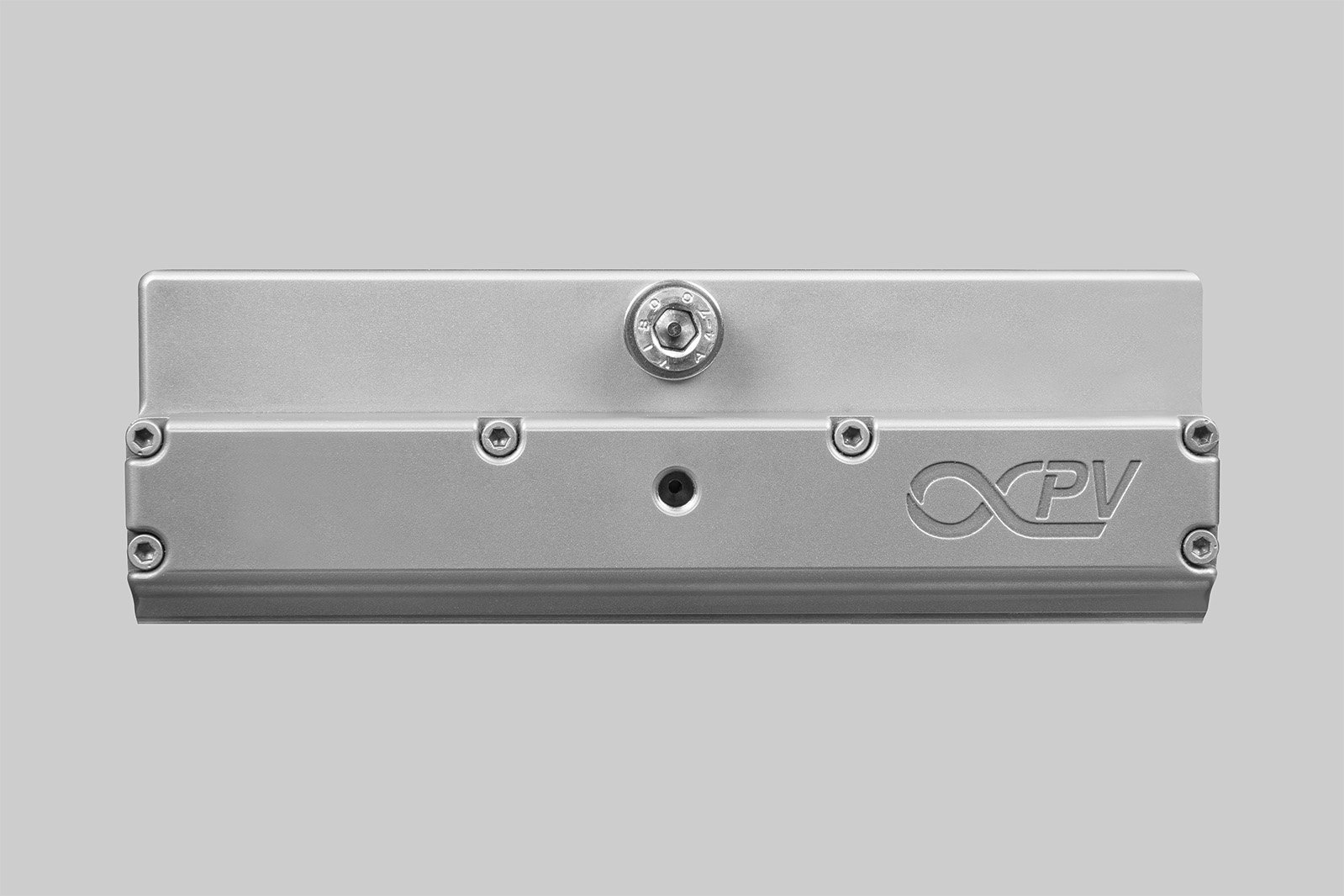
Scalable slot-die coating is easy and precise with the Laboratory Roll-to-Roll Coater.
The Advantages of Slot-Die Coating
Slot-die coating offers significant advantages for fabricating magnetic actuators. It enables continuous, high-throughput production, making it ideal for scalable manufacturing. Compared to conventional methods like 3D printing, molding, or spin coating, slot-die coating provides reliable scalability and higher throughput. Additionally, it achieves over 90% material utilization, significantly reducing waste and improving efficiency.
The ability to produce large-area films with customizable thicknesses and shapes is a major benefit. This flexibility allows for the fabrication of actuators tailored to specific applications, enhancing their versatility. The process also eliminates the need for sacrificial layers or complex patterning, simplifying production and reducing costs.
Conclusion
This study highlights the use of roll-to-roll slot-die coating to fabricate reprogrammable soft magnetic actuators. The actuators demonstrate versatile movements and reprogrammability, making them suitable for soft robotics and biomedical applications. Slot-die coating enables high-throughput production with customizable thicknesses and shapes, emphasizing its potential for scalable manufacturing. The findings underscore the importance of slot-die coating in advancing the fabrication of flexible magnetic actuators, offering a reliable and efficient solution for producing high-quality magnetic films.
References
Lee, S. H., Nguyen, Q. H. and Lee, S. (2026) High Throughput Roll-to-Roll Manufacturing of Flexible Magnetic Reprogrammable Actuators. ACS Applied Polymer Materials, 8(3), pp. 1556–1564. doi: 10.1021/acsapm.5c02632.
Get Professional Support for Your Coating Needs
Need help with slot-die coating or machines? Contact our experts for guidance and support.
Related News
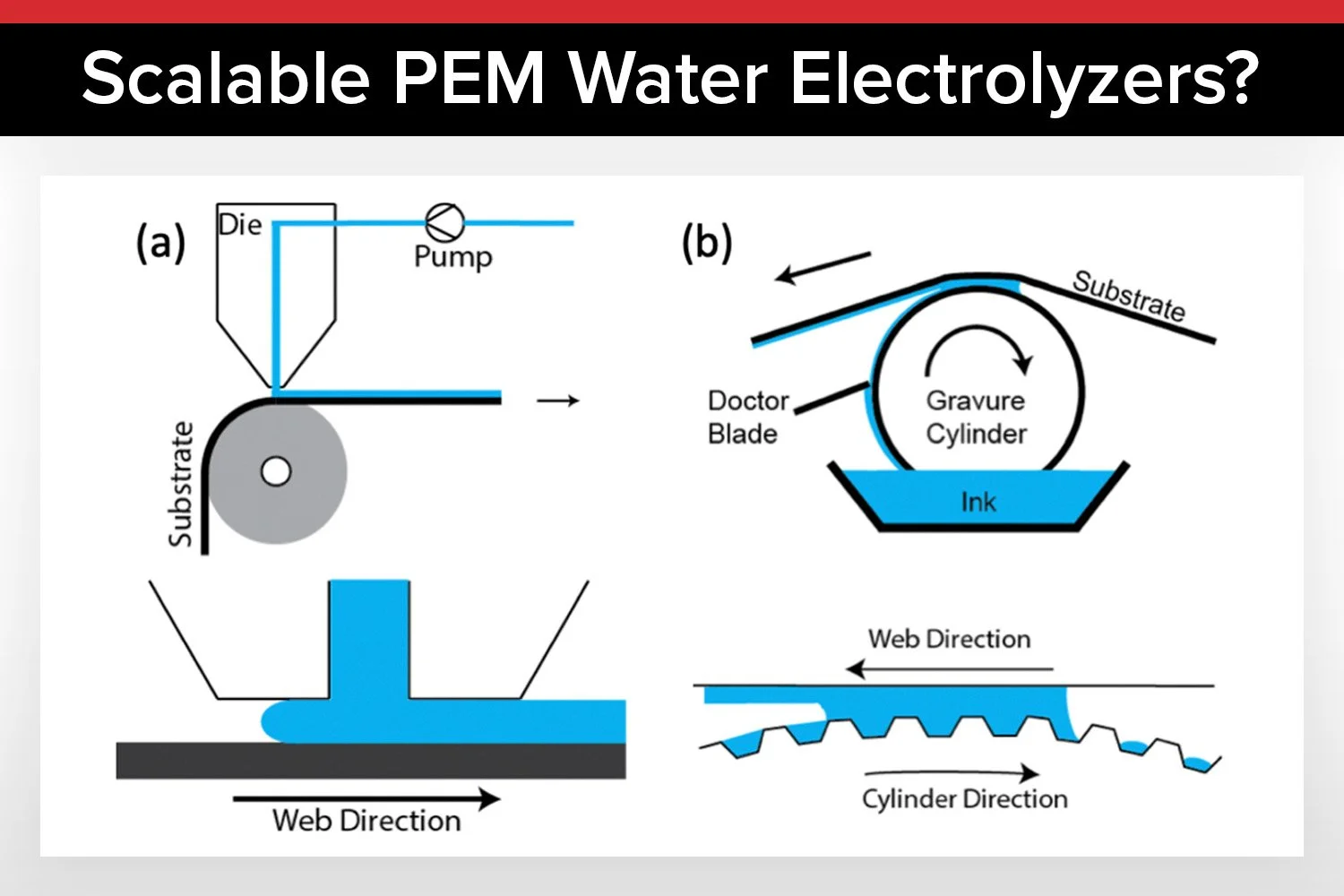



Probably the World’s Most Compact R2R Slot-die Coater: A compact, fully integrated roll-to-roll coating platform for laboratories, complete with a mounting system, anodized rollers, a syringe pump, a 65 mm stainless slot-die head and an infrared oven system—delivering unmatched precision and scalability.