
The Path to Scalable Bioelectronics: From Spin Coating to Slot-die Coating
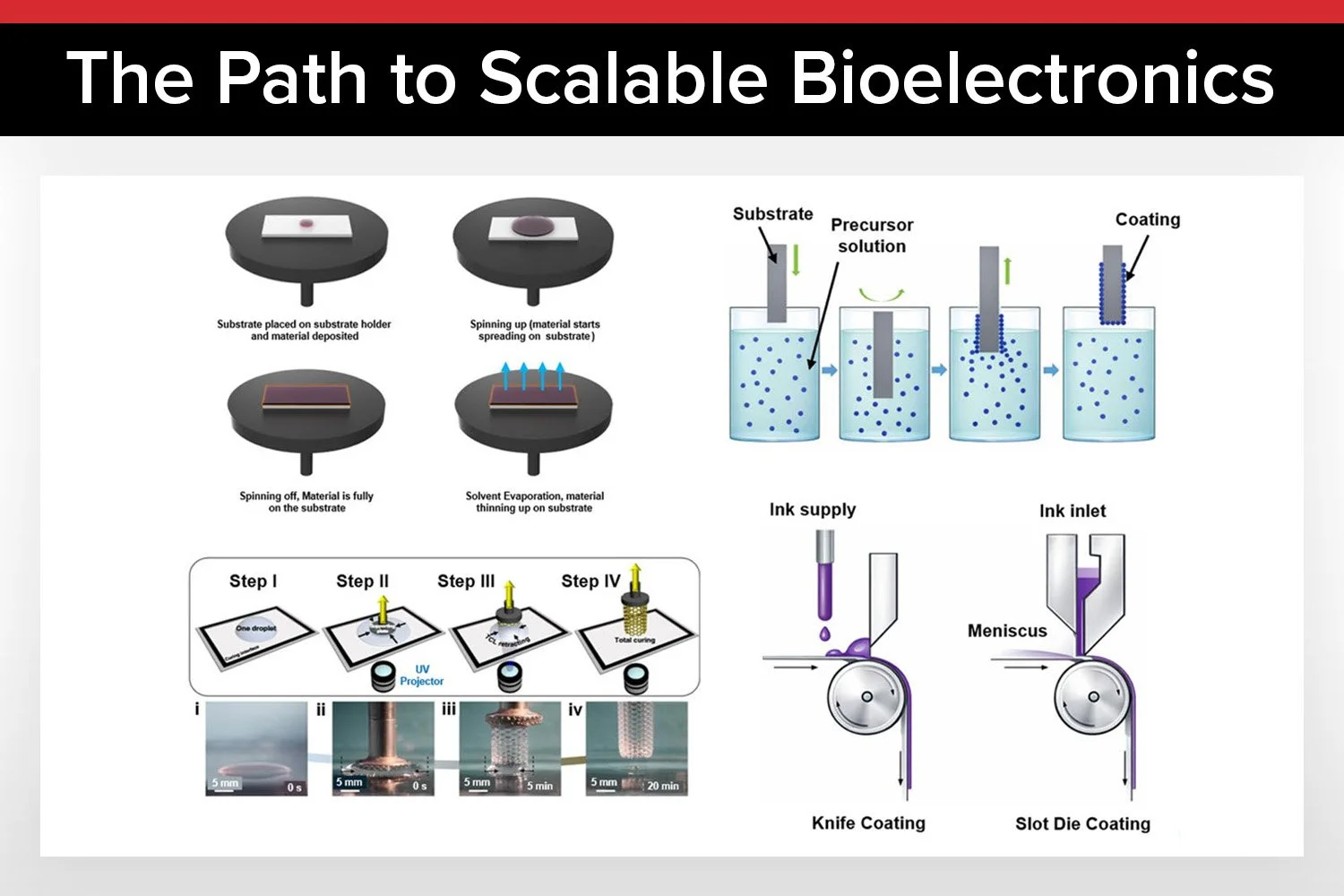
A recent review published in Biomedical Engineering Letters highlights the technologies enabling the next generation of flexible and implantable bioelectronics. While the paper focuses on topics such as flexible semiconductors, encapsulation strategies, wireless communication, and energy harvesting, it also sheds light on a challenge shared by many researchers developing advanced biomedical devices: how to manufacture thin-film devices at scale.
As flexible electronics continue to move from laboratory research toward real-world applications, coating technology is becoming an increasingly important part of the development process.
The Manufacturing Challenge in Bioelectronics
Flexible bioelectronic devices rely on a wide range of coated functional layers. These may include conductive materials, sensing layers, barrier coatings, encapsulation materials, and active electronic components.
During early-stage research, scientists often use deposition methods that are simple and accessible. However, as projects mature, the limitations of these techniques can become more apparent.
Researchers must begin considering factors such as film uniformity, reproducibility, material consumption, and scalability. These requirements become particularly important when devices move beyond proof-of-concept studies and toward pilot-scale manufacturing.
Comparing Thin-Film Coating Methods
The review discusses several solution-processing techniques used to fabricate thin-film devices, including spin coating, dip coating, knife coating, and slot-die coating.
Spin coating remains one of the most widely used laboratory methods due to its simplicity and ability to produce high-quality films. Film thickness can be controlled by adjusting parameters such as spin speed and coating time, making it a popular choice for academic research.
However, spin coating also presents challenges. The process typically results in significant material waste and can be difficult to scale for larger-area manufacturing.
As a result, researchers are increasingly exploring alternative coating methods that provide greater process control and are more compatible with industrial production.
Why Slot-Die Coating Stands Out
According to the review, slot-die coating offers highly uniform film deposition through the controlled delivery of material via a precision slot-die head.
The authors highlight several advantages of the process, including excellent thickness control, high film uniformity, strong reproducibility, and compatibility with continuous manufacturing.
Unlike many laboratory-scale coating techniques, slot-die coating is already widely used in industrial roll-to-roll production. This allows researchers to develop processes using a coating method that is directly relevant to future manufacturing environments.
For research groups focused on commercialization, this can significantly reduce the gap between laboratory development and production-scale implementation.
Applications in Flexible and Implantable Devices
The growing field of bioelectronics includes technologies such as implantable sensors, neural interfaces, wearable health monitors, electronic skin, and flexible medical devices.
Many of these systems require multiple coated functional layers deposited onto flexible substrates. As device complexity increases, maintaining precise control over coating quality becomes increasingly important.
For these applications, coating methods that combine research flexibility with manufacturing relevance are attracting growing interest.
Bridging Research and Manufacturing
One of the key takeaways from the review is that coating technology plays a critical role in the transition from laboratory research to scalable production.
While spin coating and other traditional laboratory methods remain valuable tools for early-stage development, manufacturing-oriented processes such as slot-die coating provide a clearer pathway toward commercial production.
As research activity in flexible electronics and bioelectronics continues to accelerate, technologies that support both innovation and scale-up are expected to become increasingly important.
The inclusion of slot-die coating in this review reflects its growing role as a bridge between materials research and next-generation device manufacturing.
Reference
Lee J., Lee Y., Woo H., Hong M., Lee D.J., Sang M. "Advanced silicon nanomembrane based bioelectronics for flexible and stretchable implantable systems." Biomedical Engineering Letters (2026).
Get Professional Support for Your Coating Needs
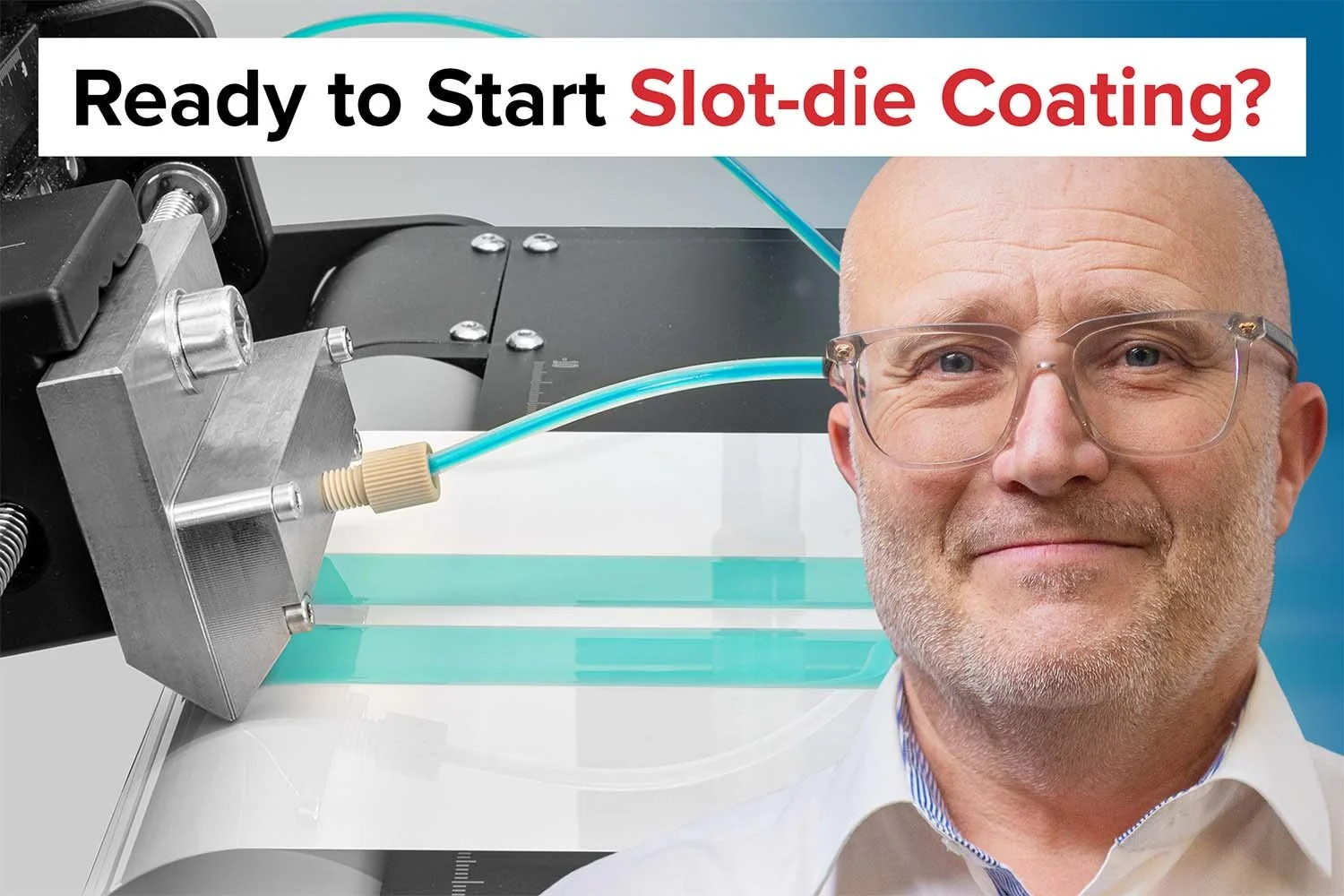
Need help with slot-die coating or machines? Contact our experts for guidance and support.
Related News
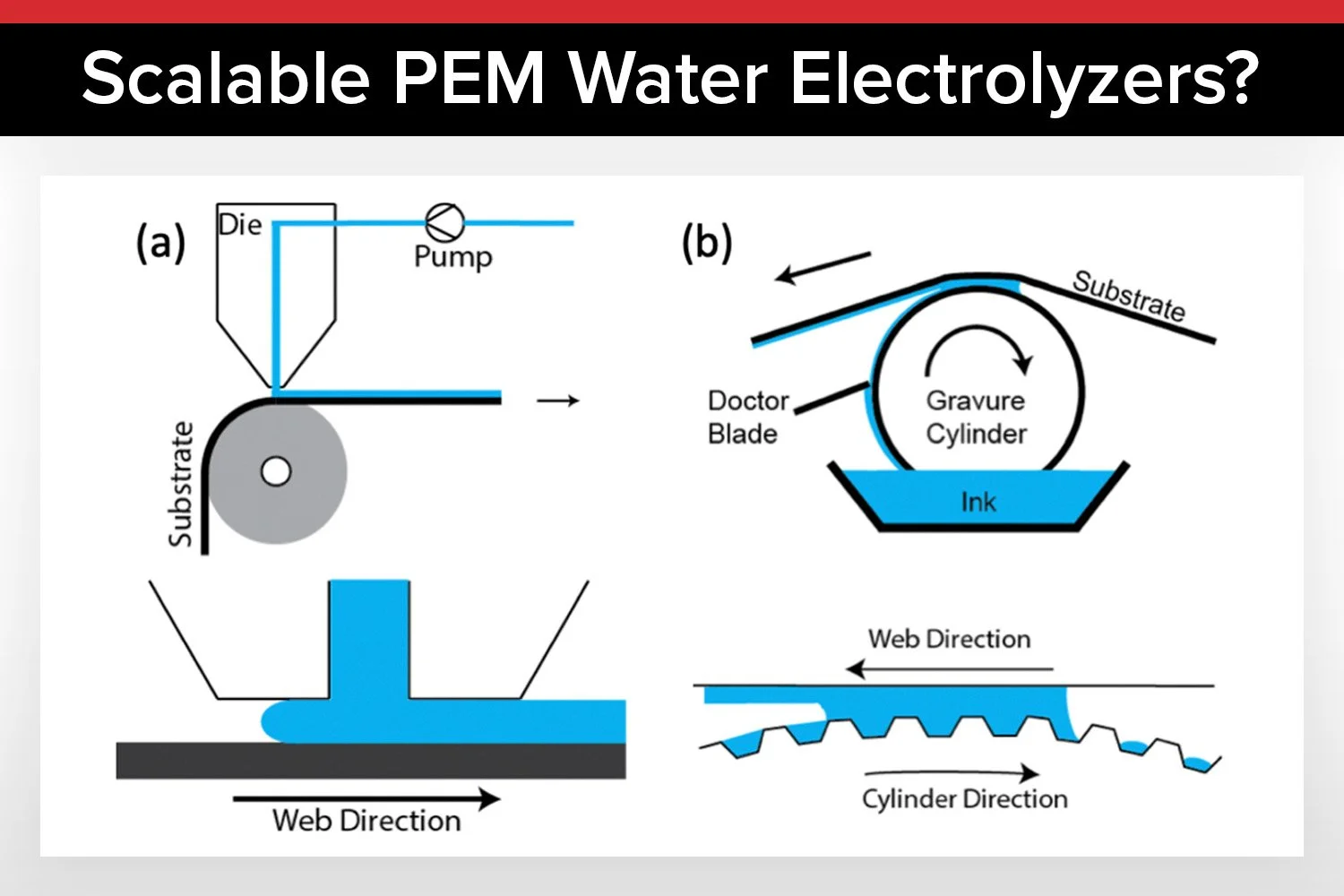
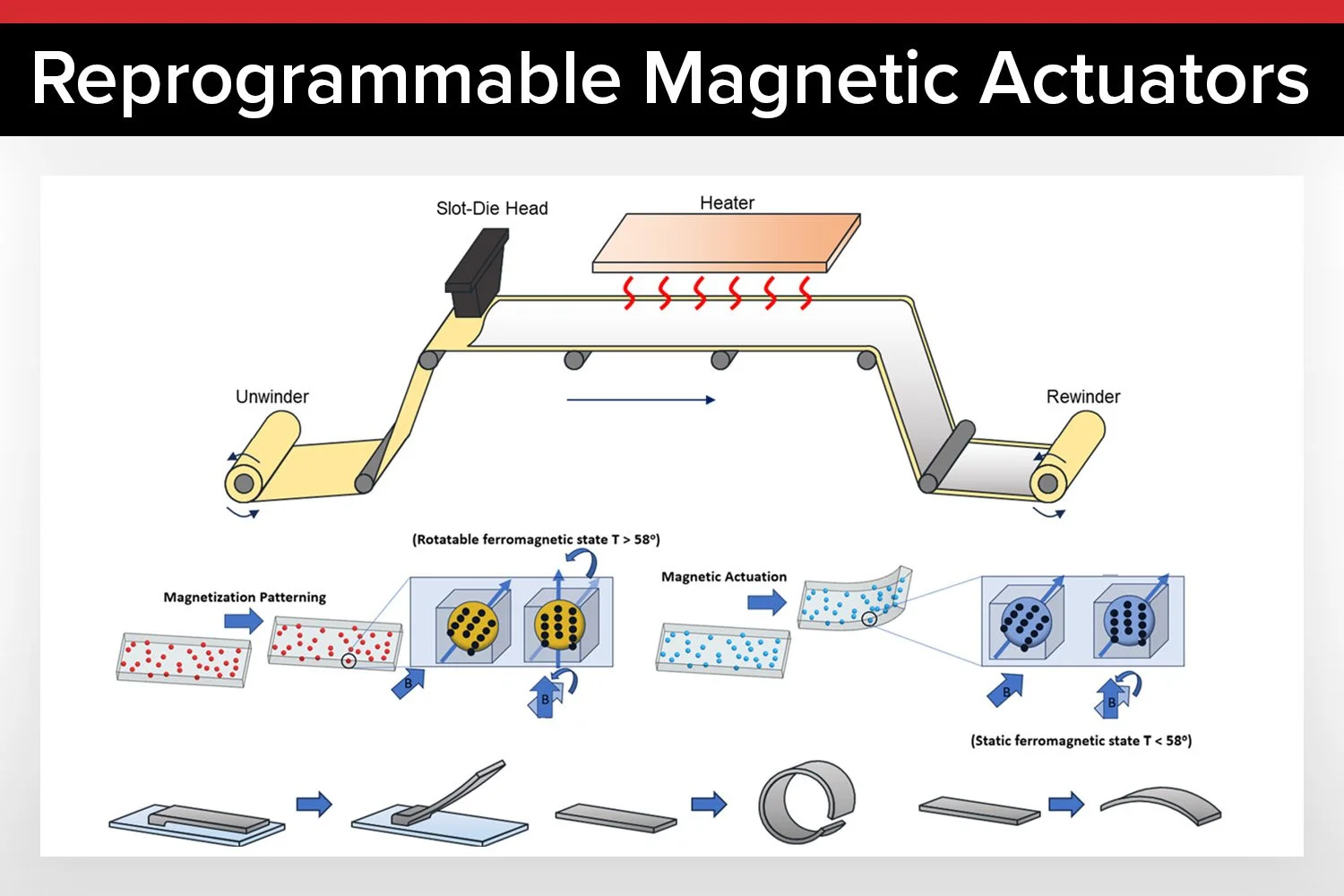




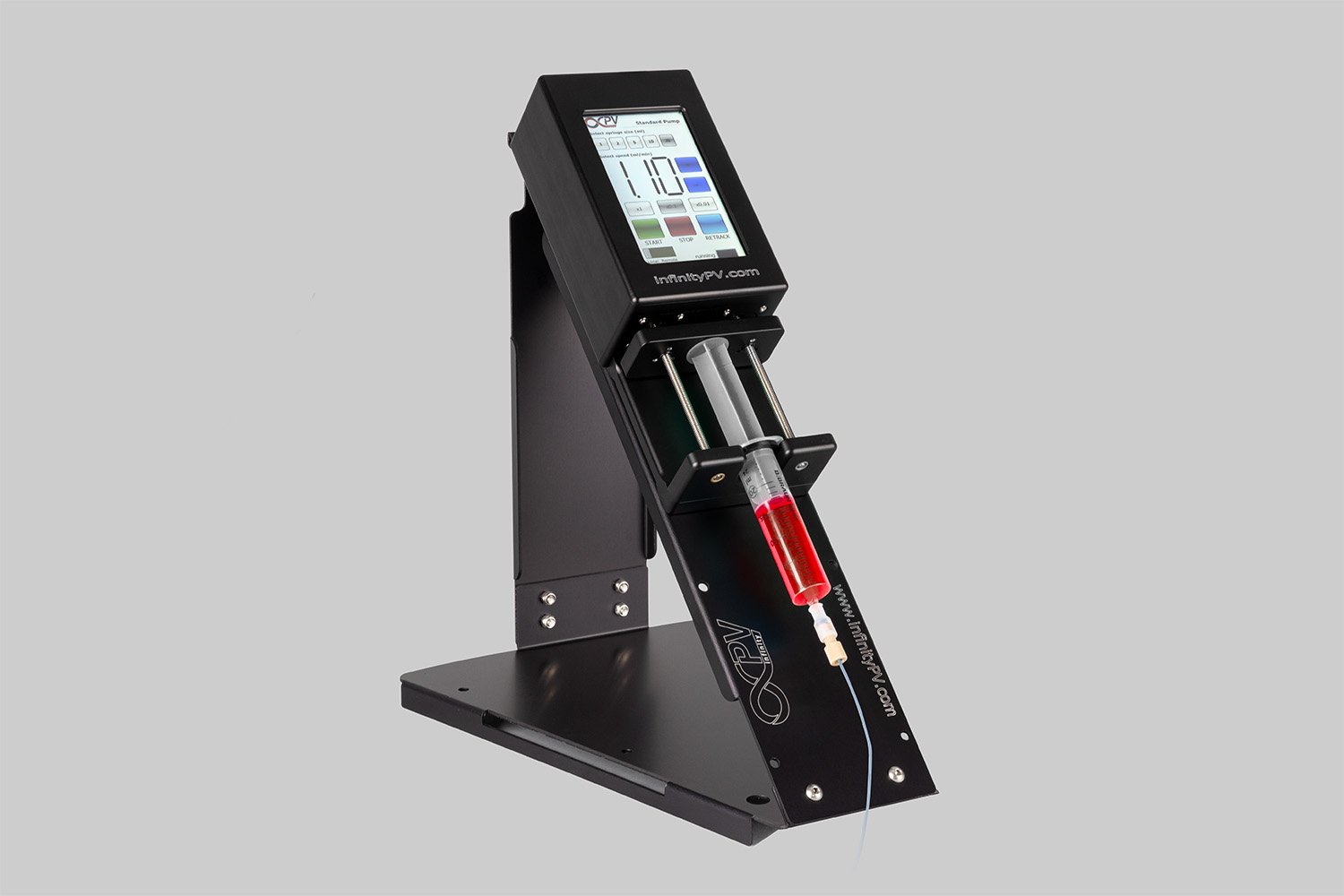
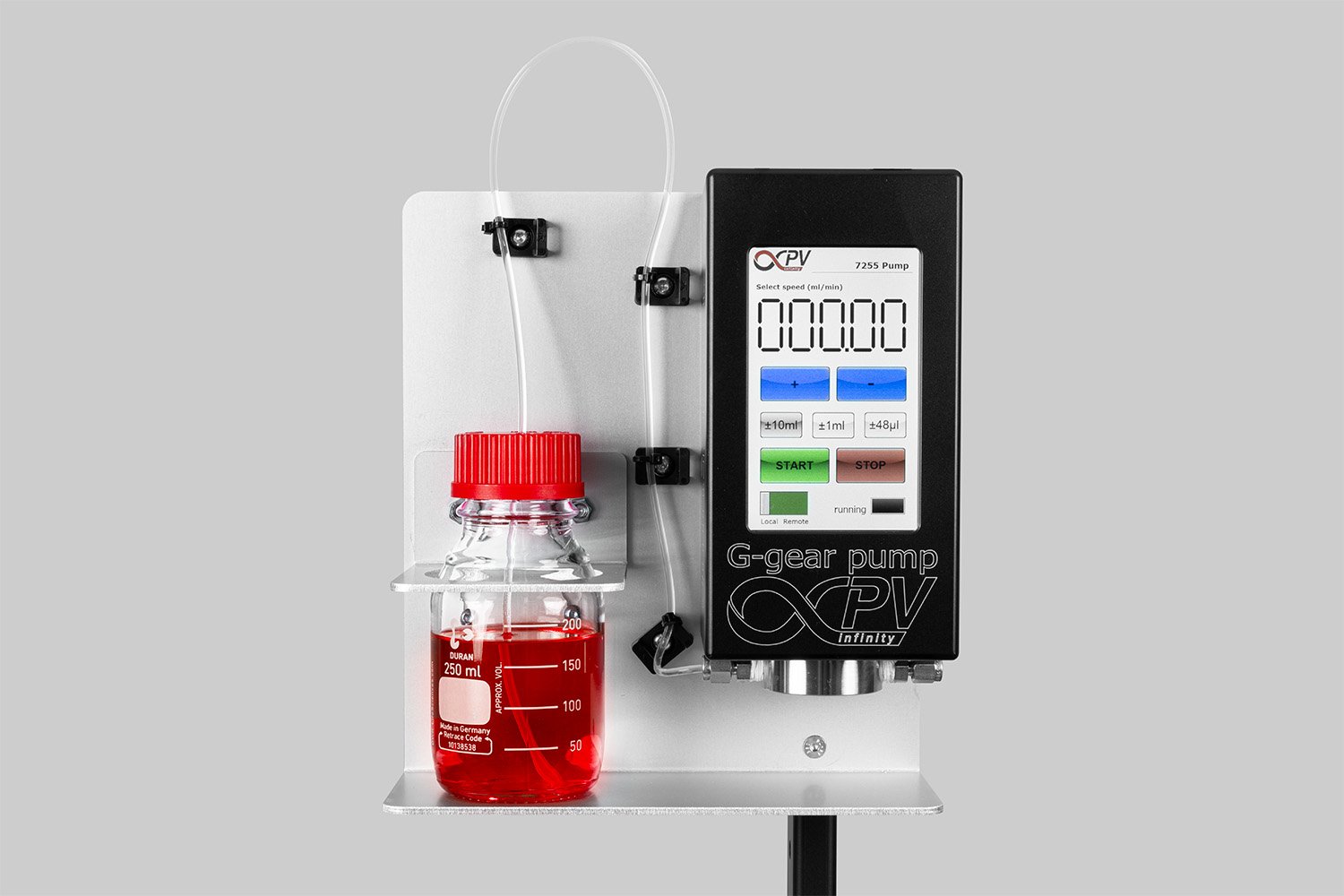
Probably the World’s Most Compact R2R Slot-die Coater: A compact, fully integrated roll-to-roll coating platform for laboratories, complete with a mounting system, anodized rollers, a syringe pump, a 65 mm stainless slot-die head and an infrared oven system—delivering unmatched precision and scalability.