
Web Tension in Roll-to-Roll Processing Explained
A foil can look perfectly flat on an unwinding roll and still wander sideways, wrinkle or stretch as it moves through a roll-to-roll coating machine. One of the key factors behind these problems is web tension, the force that keeps a moving substrate under tension as it travels through the process.
In roll-to-roll (R2R) processing, controlling web tension helps maintain a stable web path, limit deformation and achieve repeatable processing conditions. For slot-die coating, where a liquid is deposited onto a moving substrate, changes in tension can also affect the relationship between the web and the slot-die head, influencing the coating process and the resulting film.
Understanding how web tension works, and how to find an appropriate setting for a particular substrate and machine, is therefore an important part of developing a reliable coating process.
What Is Web Tension in Roll-to-Roll Processing?
Web tension is the tensile force applied to a continuous flexible substrate as it moves through a processing machine. The web may be a polymer film, metal foil, paper or another flexible material used in applications such as printed electronics, batteries, solar cells and pharmaceutical films.
Tension helps the web remain stretched between rollers rather than hanging loosely. It also influences how the substrate responds to small mechanical disturbances, roller misalignment and changes in transport conditions.
In practice, web tension is often expressed as force per unit width, such as newtons per metre (N/m). This makes it easier to compare tension settings for substrates of different widths. The appropriate tension depends on the substrate's mechanical properties, thickness, width and the requirements of the process.
Learn why web speed is a critical parameter in R2R slot-die coating, affecting coating thickness, stability, drying, residence time, and overall process quality.
How Does Web Tension Affect Web Tracking?
Web tracking describes the lateral position of the substrate as it travels through a roll-to-roll machine. Ideally, the web follows a predictable path without drifting from side to side.
Achieving this requires careful machine alignment. Rollers should be positioned and aligned appropriately relative to the direction of web travel. In practice, small alignment errors and mechanical variations can cause the substrate to move laterally as it passes from one roller to the next.
Web tension contributes to stable transport by keeping the substrate engaged with its supporting rollers and maintaining the forces acting on the web. However, tension alone cannot correct every tracking problem. Roller alignment, roller geometry, friction and the web's own properties also influence its path.
If the substrate is sufficiently tensioned and the machine is well aligned, small variations in its lateral position may be manageable. If the web is too loose, tracking can become less stable, making it harder to maintain a consistent position beneath a coating head.
This matters in slot-die coating because lateral movement can change the alignment between the substrate and the coating die. Depending on the setup, this may affect coating placement, edge position or the usable coated width.
What Happens When Web Tension Is Too Low or Too High?
The goal is not to maximise tension, but to find a suitable operating range for the substrate and machine.
Too little web tension
When tension is insufficient, the substrate may not remain flat and stable as it travels through the machine. Depending on the material and web path, this can lead to:
Wrinkles or folds that interfere with coating.
Lateral movement that makes web tracking less predictable.
Sagging or fluttering in unsupported sections.
Inconsistent contact with rollers or other supporting components.
These problems can introduce variation into the coating process. For example, a web that moves or deforms near the coating head may not maintain the intended geometry relative to the die.
Too much web tension
Increasing tension can improve web stability, but only up to a point. Excessive tension can stretch the substrate, change its dimensions or cause permanent deformation. If the tensile load exceeds what the material can withstand, the web may break.
Even before a substrate reaches its breaking point, elastic stretching can affect process repeatability. Materials with different stiffness, thickness or mechanical properties will respond differently to the same applied force.
The correct tension is therefore a balance between keeping the web stable and avoiding unwanted deformation or damage.
Learn how to calculate and control wet and dry coating thickness in slot-die coating using flow rate, coating width, web speed, and solids content.
How Do Substrate Properties and Machine Layout Affect Tension?
There is no single web tension setting that works for every roll-to-roll process. The appropriate value depends on both the substrate and the mechanical design of the machine.
Substrate thickness, tensile strength, stiffness and elongation behaviour influence how much force the web can tolerate and how much it stretches under load. A thin polymer film, for example, may respond differently from a thicker or stiffer foil.
The distance between supporting rollers also matters. A long unsupported web span can sag or flutter, particularly when tension is low. As the span increases, more tension may be needed to control the web's deflection, although the required setting also depends on the substrate and other operating conditions.
Roller friction introduces another consideration. Bearings, contact surfaces and other mechanical elements create resistance as the web moves through the line. Differences in roller speed can also change tension by stretching or relaxing the web between driven sections.
As a result, tension is not necessarily identical throughout an entire R2R machine. The tension in one section may differ from that in another, especially in longer lines with multiple processing stages.
Why Are Roll-to-Roll Machines Divided into Tension Zones?
Long roll-to-roll lines often use separate tension zones to control web tension across different sections of the machine.
A tension zone is a section of the web path in which tension is controlled independently of adjacent sections. Driven rollers, brakes or other tension-control elements can help establish the conditions within each zone.
This approach is useful because different stages of a process may have different requirements. A web entering a coating station may need stable transport, while a downstream drying section may introduce thermal changes that affect substrate dimensions and tension.
Independent control allows the machine to accommodate these differences instead of relying on a single tension setting for the entire line.
For laboratory and pilot-scale R2R equipment, the same principle is relevant even when the web path is relatively short. Understanding where tension is applied and how it changes between rollers helps identify the conditions that influence repeatability.
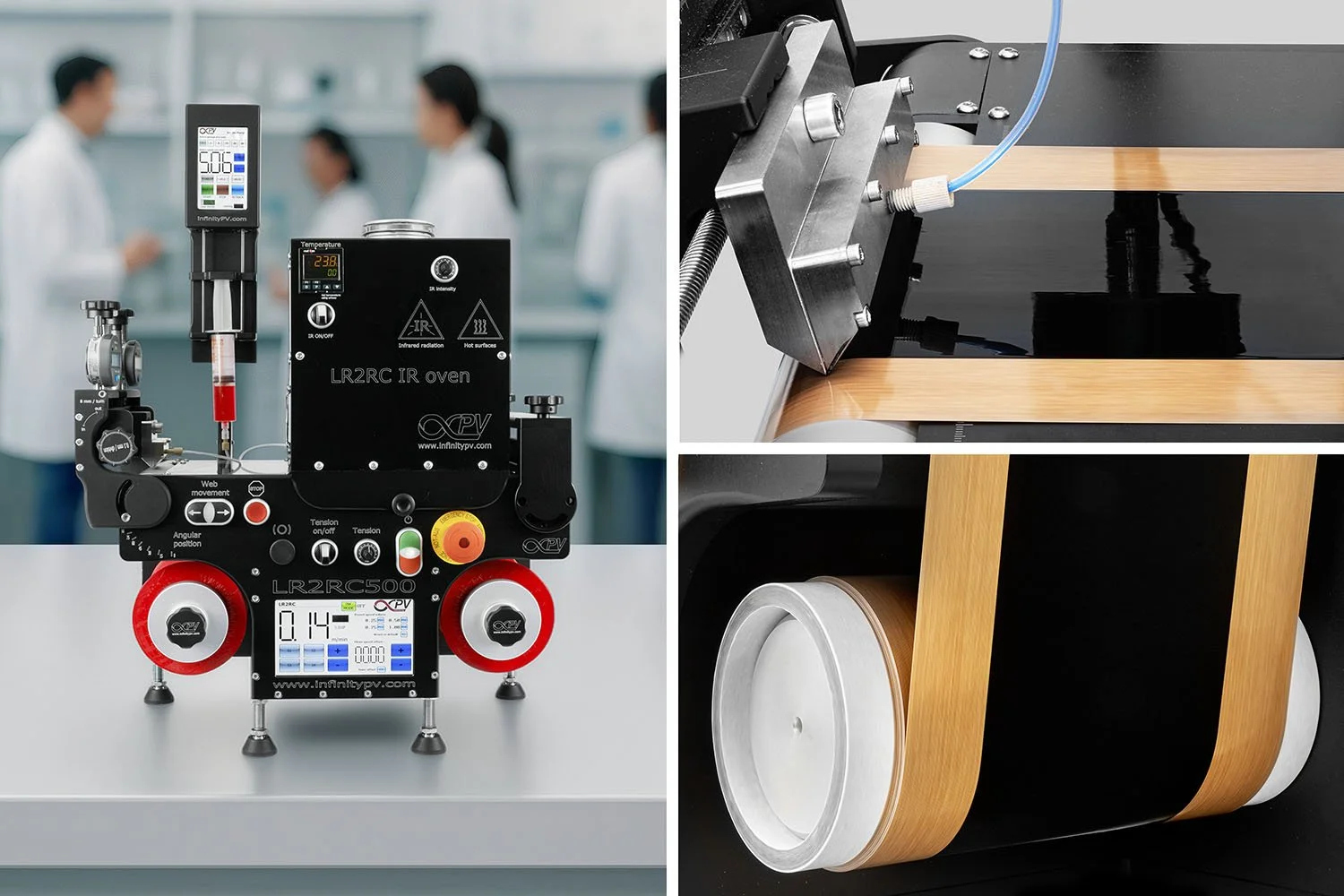
Roll-to-roll processing is easy using a Laboratory Roll-to-Roll Coater.
How Does Web Tension Affect Slot-Die Coating Quality?
In slot-die coating, a liquid formulation is delivered through a narrow slot onto a moving substrate. The coating result depends on several interacting variables, including flow rate, web speed, coating geometry, liquid properties and substrate behaviour.
Web tension is another important consideration because it influences the shape and mechanical response of the moving substrate. If the web stretches, sags or moves relative to the coating head, the conditions at the coating point may change.
In some slot-die configurations, the web's deformation under tension interacts directly with the coating liquid and helps determine the gap between the substrate and die. Research on roll-to-roll slot-die coating has demonstrated that tension can influence the properties of the resulting coating, although the magnitude and nature of the effect depend on the specific system.
It is important to distinguish web tension from the parameters that directly determine the amount of liquid deposited. Tension does not replace the need to control flow rate, coating speed and formulation properties. Instead, it helps establish stable mechanical conditions under which those parameters can produce repeatable results.
For researchers developing thin films for organic photovoltaics, batteries or other printed electronic devices, controlling tension can therefore be part of establishing a reproducible coating window.
How to Troubleshoot Web Tension Problems
When a web wrinkles, wanders or behaves inconsistently, increasing or decreasing tension immediately is not always the best first step. Several mechanical and process variables can produce similar symptoms.
A practical troubleshooting approach is to:
Check roller alignment. Confirm that rollers are positioned correctly and that there are no obvious alignment issues contributing to lateral web movement.
Inspect the web path. Look for long unsupported spans, inconsistent roller contact or locations where the substrate begins to sag or flutter.
Check the tension setting. Determine whether the current setting is appropriate for the substrate's thickness and mechanical properties.
Consider friction and drive conditions. Roller drag and differences in surface speed can change tension along the machine.
Observe the process under repeatable conditions. Make controlled adjustments while keeping other relevant parameters consistent, then evaluate whether web tracking and coating quality improve.
Where tension varies between zones, it is also useful to identify where the variation begins rather than assuming that the problem originates at the coating station.
Finding the Right Web Tension for a Repeatable Process
Web tension is a fundamental part of roll-to-roll processing because it influences how a flexible substrate travels, stretches and interacts with the machine. Too little tension can allow the web to wrinkle, sag or wander, while too much can cause unwanted stretching, deformation or breakage.
For slot-die coating, the aim is to establish stable web transport without compromising the substrate. The appropriate setting depends on the material, unsupported span lengths, roller arrangement and operating conditions.
By treating web tension as part of the overall process rather than an isolated mechanical setting, researchers can better understand sources of variation and develop more repeatable coating conditions.
Get Professional Support for Your Coating Needs

Need help with slot-die coating or machines? Contact our experts for guidance and support.
Customer Success Stories









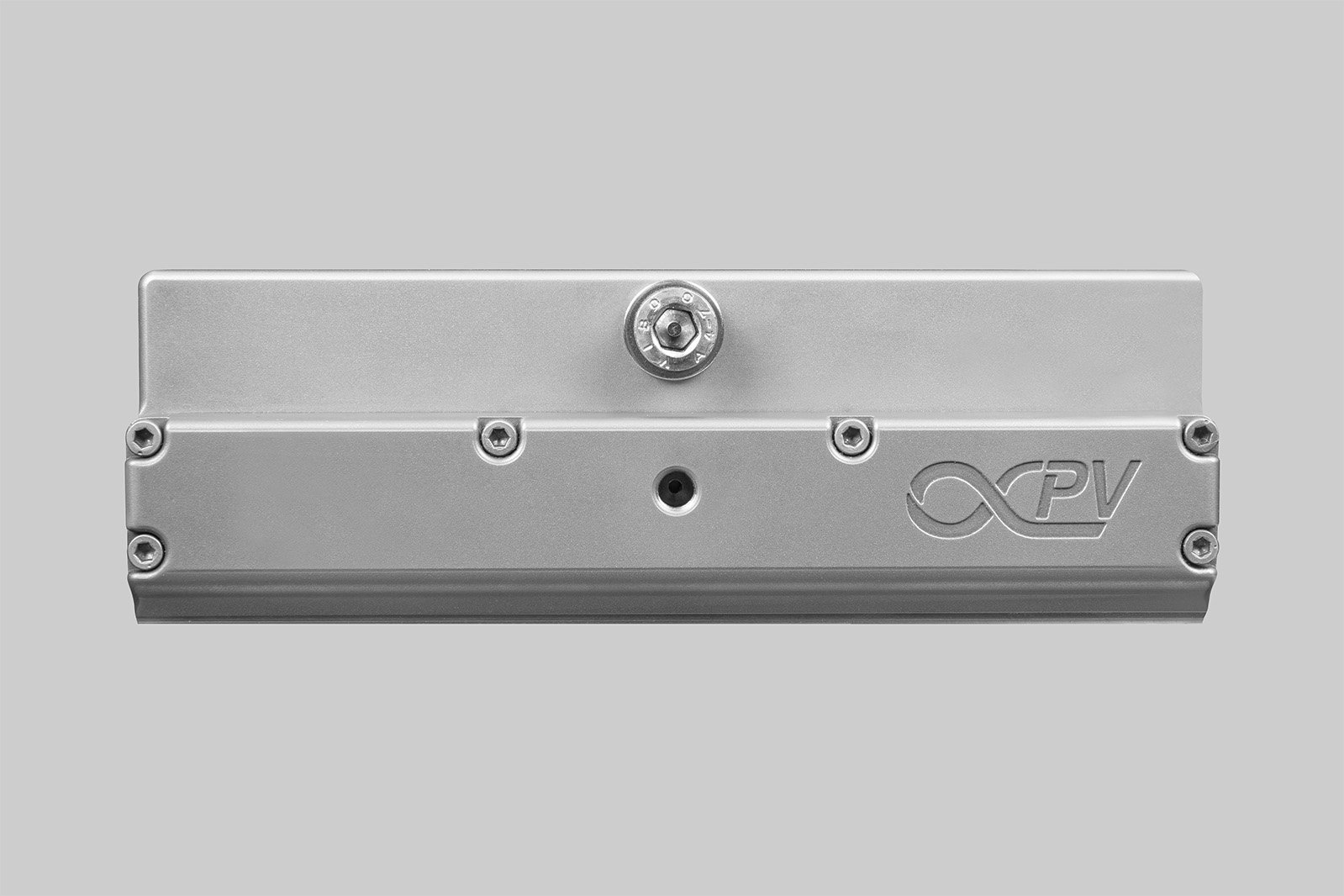

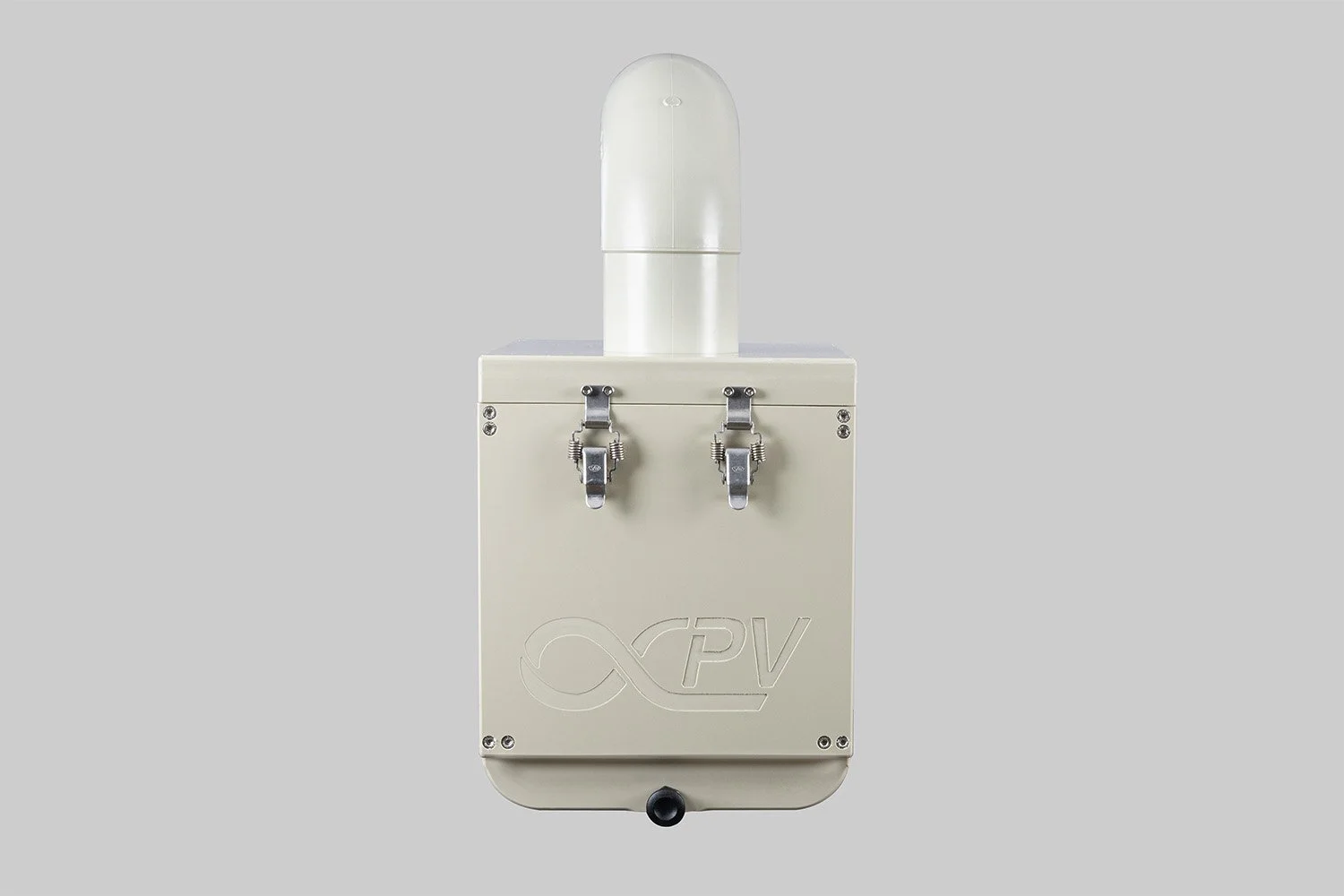


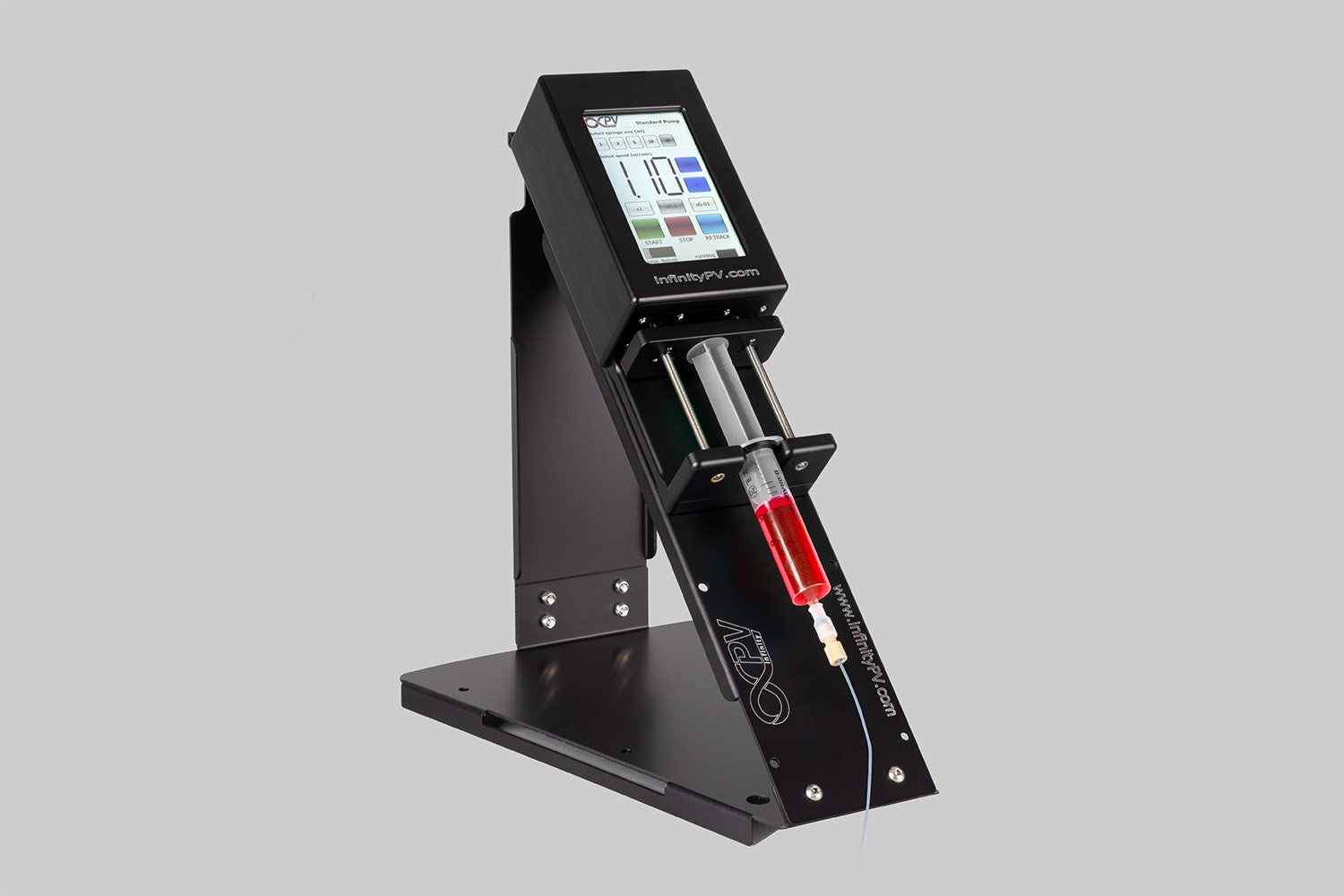
Probably the World’s Most Compact R2R Slot-die Coater: A compact, fully integrated roll-to-roll coating platform for laboratories, complete with a mounting system, anodized rollers, a syringe pump, a 65 mm stainless slot-die head and an infrared oven system—delivering unmatched precision and scalability.