
Paper is widely used in packaging, but its porous structure makes it difficult to protect products from oxygen, water vapor and grease.
Researchers at the Georgia Institute of Technology have investigated how renewable biopolymers can improve these barrier properties, using slot-die coating to apply thin, functional layers to paper substrates.
Their study explores how cellulose nanocrystals and chitosan can be combined to create multilayer coatings, and how different coating configurations influence the resulting material properties.
What You Need to Know
The researchers investigated two paper substrates: unbleached kraft paper and supercalendered glassine paper. Both were coated with cellulose nanocrystals (CNC) and chitosan (CS), two biopolymers with different surface charges that can interact when combined in multilayer structures.
The study compared sequential coating, where the materials are applied one after another, with dual-layer slot-die coating, which deposits both materials simultaneously. The researchers also investigated how changing the pH of the cellulose nanocrystal suspension affected coating thickness and barrier performance.
The strongest oxygen barrier result was achieved on glassine paper using acid-modified cellulose nanocrystals at pH 3. The coating achieved an oxygen permeability of 3.9 ± 1.0 cm³·µm/m²/day/kPa. Dual-layer slot-die coating also produced promising results, reaching 7.0 ± 0.7 cm³·µm/m²/day/kPa.
Combining Cellulose Nanocrystals and Chitosan
Cellulose nanocrystals are nanoscale structures derived from cellulose, while chitosan is a biopolymer derived from chitin. The two materials have different electrical charges in aqueous suspensions: the cellulose nanocrystals carry a negative surface charge, while chitosan is positively charged in acidic solutions. These properties allow the materials to interact through electrostatic attraction and hydrogen bonding, helping form dense coating structures.
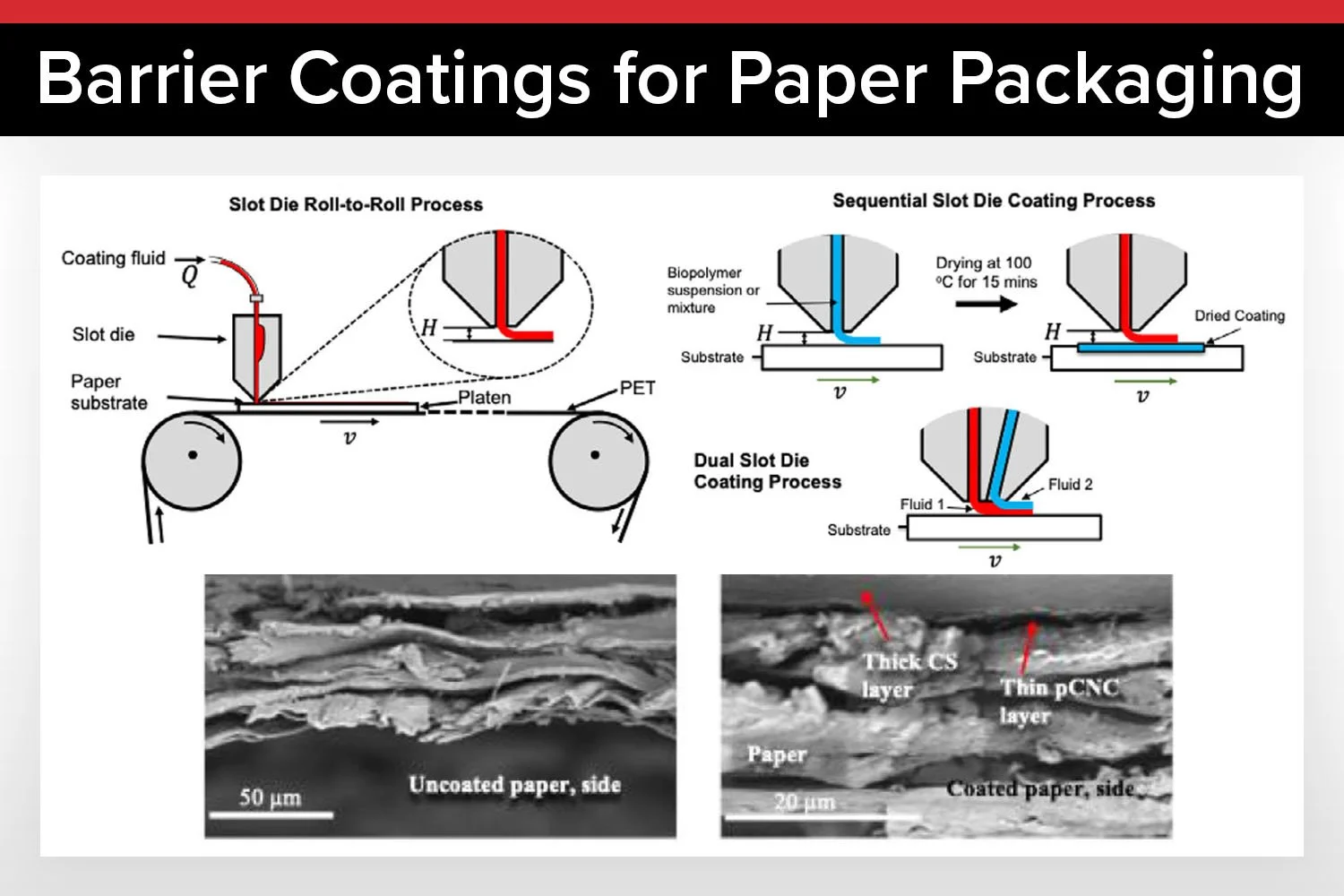
The researchers investigated how the order of the coating layers affected the resulting barrier properties. In sequential coating, one material was first applied to the paper and dried before the second material was deposited. This allowed the researchers to examine how different layer arrangements influenced the coating structure, surface properties and performance. They also adjusted the pH of the cellulose nanocrystal suspension to investigate its effect on the final coating. At pH 3, the modified cellulose nanocrystals were more readily adsorbed onto the paper surface, producing a thinner coating with a lower coat weight.
The best-performing sequential configuration was obtained on glassine paper using acid-modified cellulose nanocrystals at pH 3, with a coat weight of 20.6 ± 1.0 g/m². This configuration achieved an oxygen permeability of 3.9 ± 1.0 cm³·µm/m²/day/kPa. Another sequential configuration achieved 9.1 ± 3.9 cm³·µm/m²/day/kPa. The results demonstrate that both the coating formulation and the order in which the materials are deposited can influence the final barrier performance.
Comparing Sequential and Dual-Layer Slot-Die Coating
A central part of the research was the comparison between sequential bilayer coating and simultaneous dual-layer coating. Both approaches were implemented using slot-die coating in a roll-to-roll setup. Sequential coating requires the first layer to be applied and dried before the second layer is deposited. In contrast, a dual-layer slot-die system can apply both coating fluids simultaneously, forming a multilayer structure in a single coating pass.
The dual-layer technique achieved an oxygen permeability of 7.0 ± 0.7 cm³·µm/m²/day/kPa on glassine paper. Although this was higher than the best sequential result of 3.9 ± 1.0 cm³·µm/m²/day/kPa, the researchers considered the performance comparable. The dual-layer method also offered a more efficient way to deposit both materials, reducing fabrication time and waste. For water vapor transmission at 80% relative humidity, the sequential method achieved 350 ± 101 g/m²/day, while dual-layer coating achieved 356 ± 106 g/m²/day.
The study also investigated grease resistance using the TAPPI Kit test. Several coated glassine samples achieved a Kit value of 12, indicating strong grease resistance. However, the results depended on the coating configuration, and folding tests revealed that coating defects and non-uniformity could influence performance. Mechanical testing further showed that coating configuration and layer order affected certain properties, particularly ultimate tensile strength. The results highlight that improving barrier performance involves more than simply selecting the coating materials: substrate properties, coating parameters and the resulting layer structure all play a role.
Why the Paper Substrate Matters
The researchers found that the choice of paper substrate had a substantial influence on coating performance. Glassine paper generally produced better barrier properties than unbleached kraft paper. The glassine used in the study had smaller pores and a smoother surface, resulting from supercalendering and a light silicone treatment. These characteristics helped limit excessive penetration of the coating fluids into the paper.
Kraft paper, by comparison, had larger pores and poorer wettability under the investigated conditions. The coating fluids could penetrate further into the paper structure, making it more difficult to form a continuous barrier layer at the surface. The best oxygen permeability measured for coated kraft paper was 30 cm³·µm/m²/day/kPa, compared with 3.9 ± 1.0 cm³·µm/m²/day/kPa for coated glassine. The researchers also reported water vapor transmission rates of 467 g/m²/day for kraft paper and 350 ± 101 g/m²/day for glassine at 80% relative humidity.
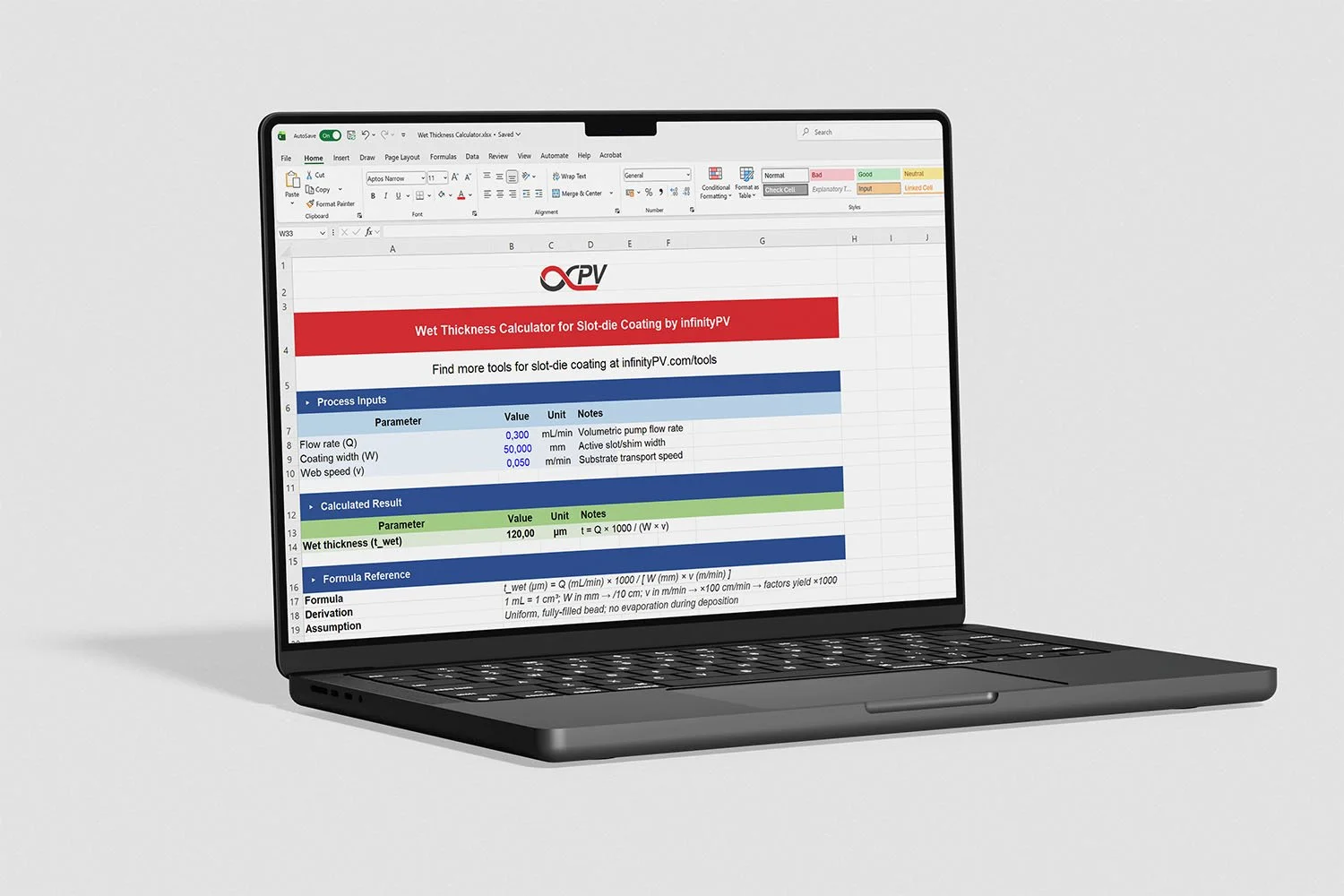
With the infinityPV Wet Thickness Calculator, it’s possible to calculate how thick a coating will be when it has just been applied, before it dries. Download it here.
Conclusion
The study demonstrates how cellulose nanocrystals and chitosan can be combined to improve the oxygen and grease barrier properties of paper. It also shows how sequential and simultaneous dual-layer slot-die coating can be used to produce multilayer biopolymer coatings in a roll-to-roll process. The researchers demonstrated the potential of both approaches for scalable fabrication, with the dual-layer technique offering a more efficient coating process and sequential coating achieving the lowest oxygen permeability in the investigated configurations.
Although the oxygen barrier results are promising, the researchers identify water vapor resistance as an area requiring further improvement. They also note that the biodegradation and composting of the specific coated materials used in the study have not yet been established. Further development is therefore needed before the coatings can be considered ready for packaging applications. Nevertheless, the findings provide valuable insight into how renewable coating materials and scalable slot-die processes can contribute to the development of improved paper-based barrier materials.
Reference
Fagbemi, S., Ji, Y., Rhone, J.J., Rubaiya, F., Meredith, J.C., Shofner, M.L. and Harris, T.A.L. (2026). 'Synergistic Multi-Layer Renewable Barrier Coatings on Porous Packaging Materials Using Enhanced Anionic Cellulose-Based Biopolymers and Chitosan'. Advanced Materials Interfaces, 13(2), e00684. https://doi.org/10.1002/admi.202500684
Get Professional Support for Your Coating Needs
Need help with slot-die coating or machines? Contact our experts for guidance and support.
Related News
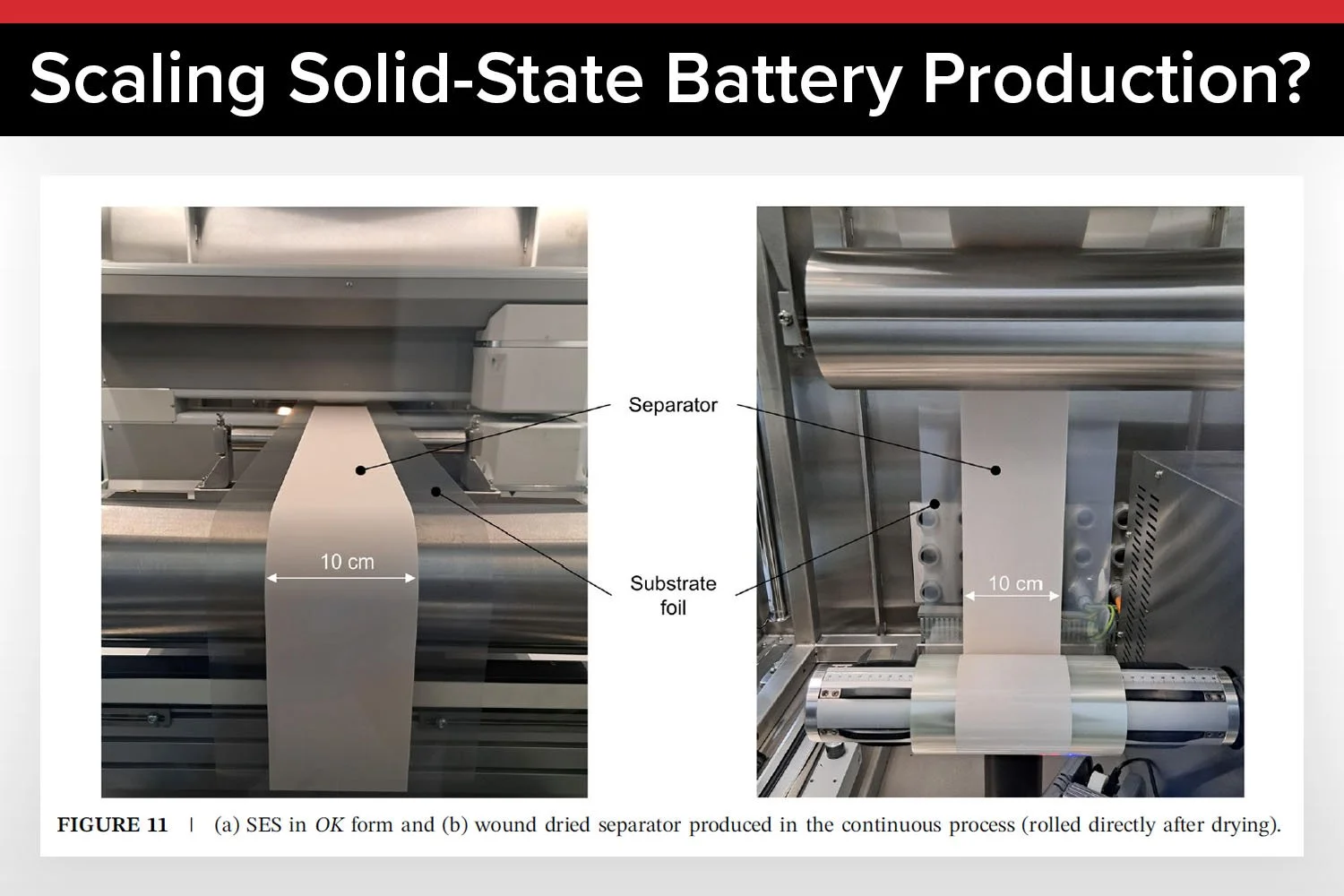
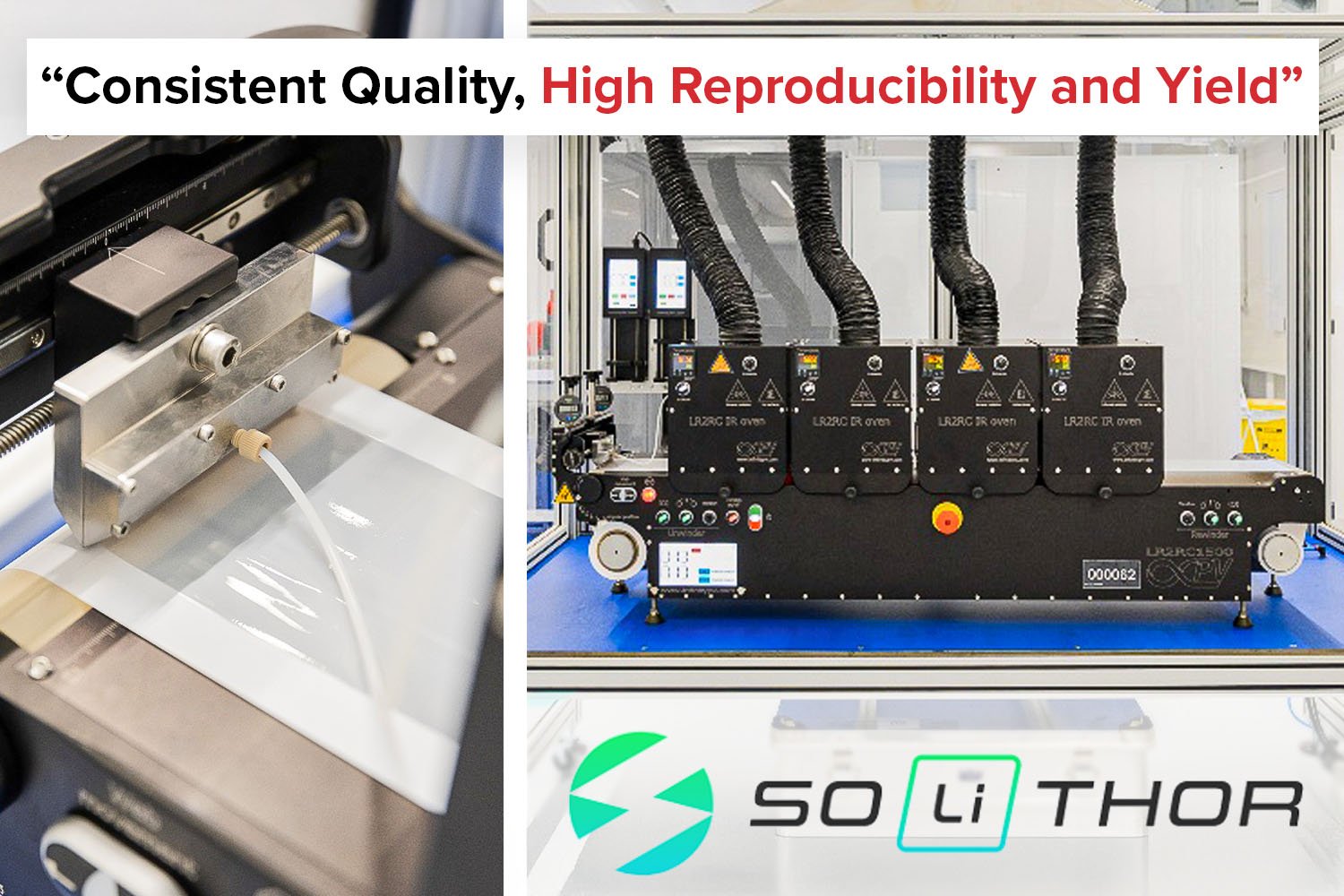


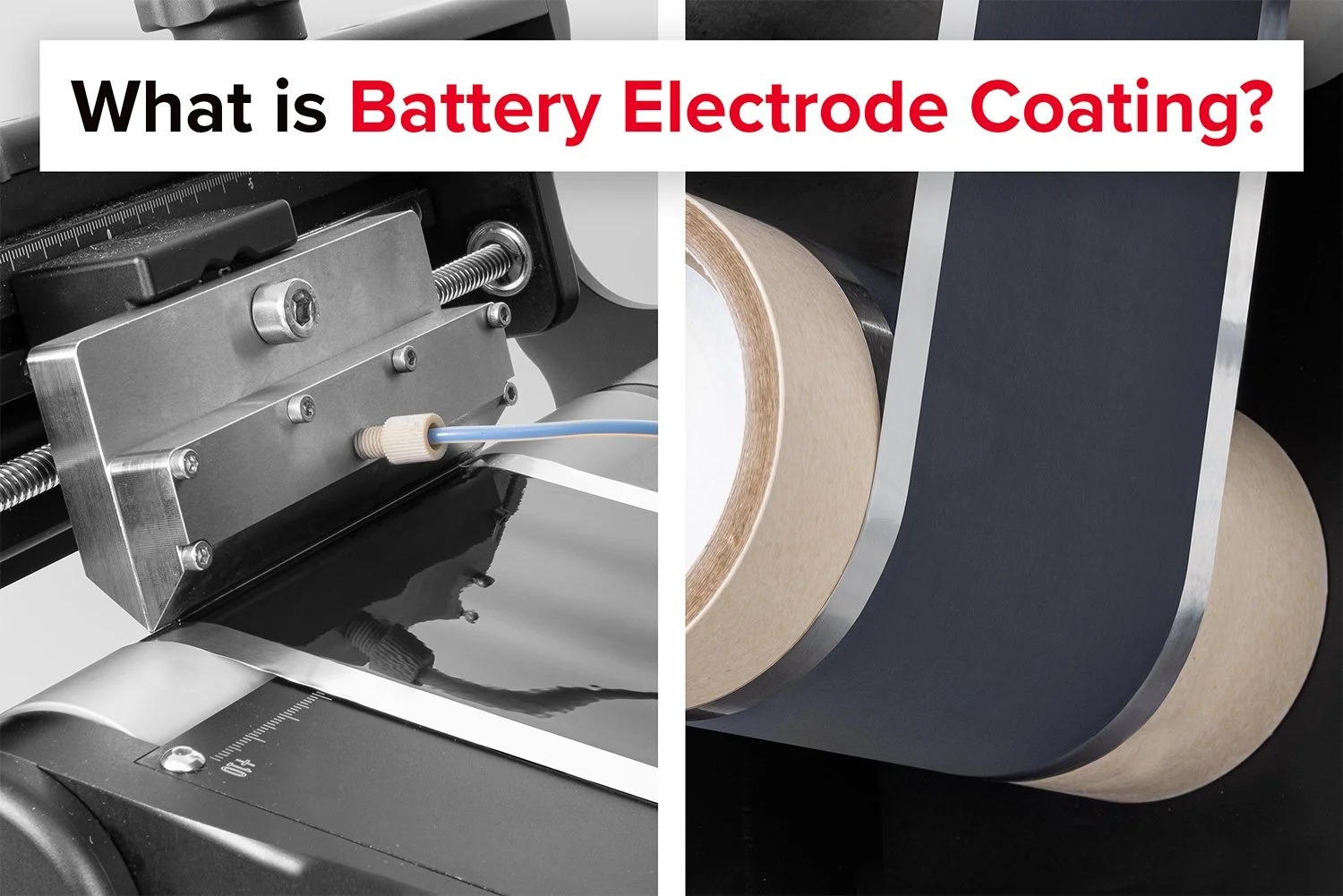
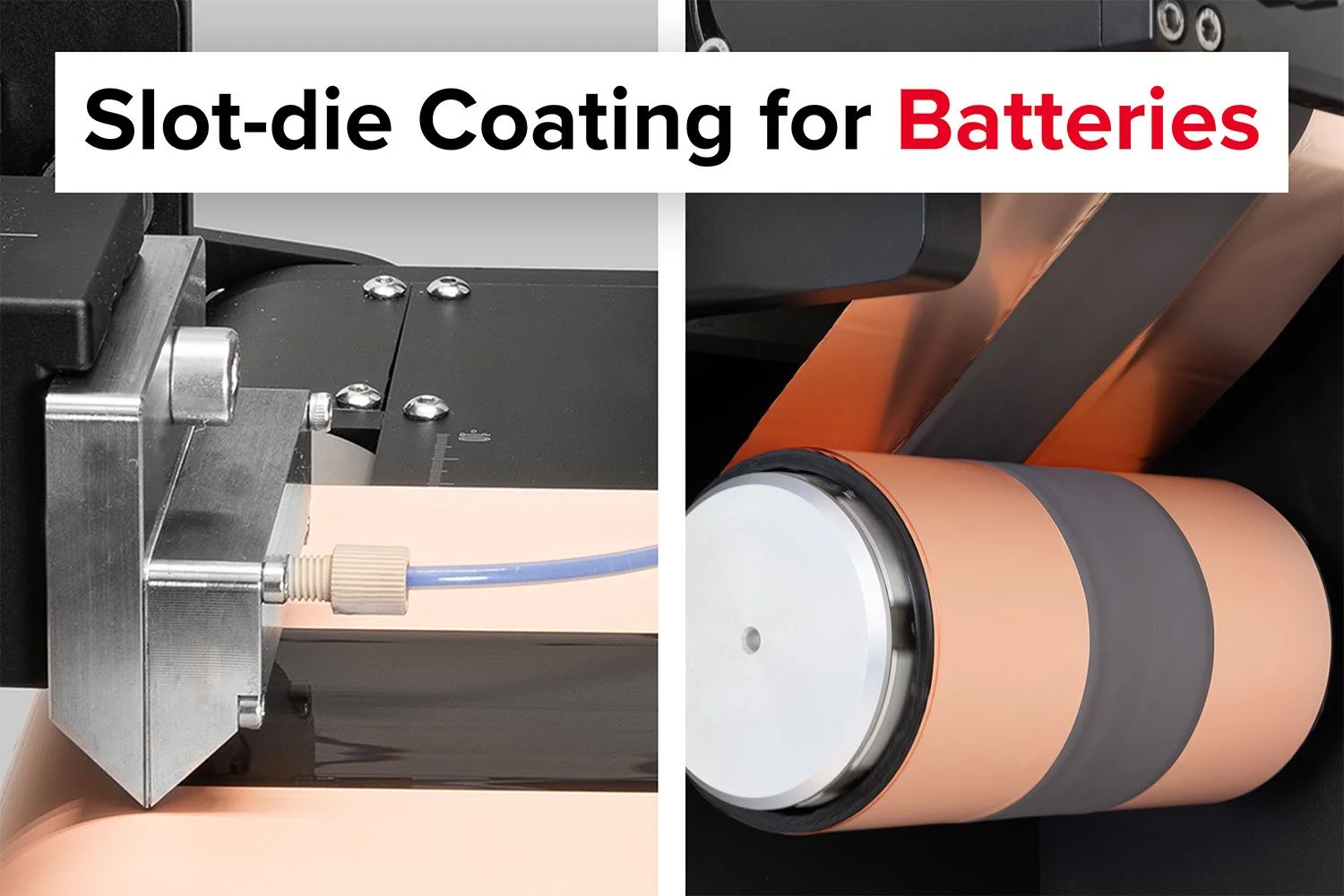



The SDC Battery Coater Pro is specifically designed for researchers dedicated to developing and optimizing battery materials. It facilitates a seamless transition from research to commercialization. View video.